Albanian Raki: What It Is, How It's Made and How to Drink It
Albanian raki is a clear, unflavoured fruit brandy, usually 40–55% alcohol. How it is distilled, the regional versions, and how to drink it politely.
On this page
Albanian raki is a clear, unflavoured distilled fruit brandy, strong and usually drunk in small glasses. It anchors almost every Albanian social occasion, from weddings to the arrival of an unexpected guest, and it is almost never flavoured with anise. This guide covers what raki is made from, how the still works, which regions make which style, and how to drink it without embarrassing yourself or your host.
Treat raki as a family of drinks rather than a single product. The fruit, the cut made at the still and the time it rests all change what lands in your glass, so two bottles at the same strength can taste entirely different. That is the useful thing to know before you sit down at a table where a bottle is already open.
What Albanian raki actually is
Albanian raki is a fruit brandy: ripe fruit is fermented until its sugars turn to alcohol, then the mash is distilled in a copper still into a strong, clear spirit. Grapes are the most common base by a wide margin, but plums, mulberries, figs, quinces, cherries and even walnut skins all have their advocates. It sits within a wider Balkan and Turkish family of spirits called rakia, but the Albanian version lets the fruit do the talking instead of an added flavour.
How strong raki is, and why bottles vary
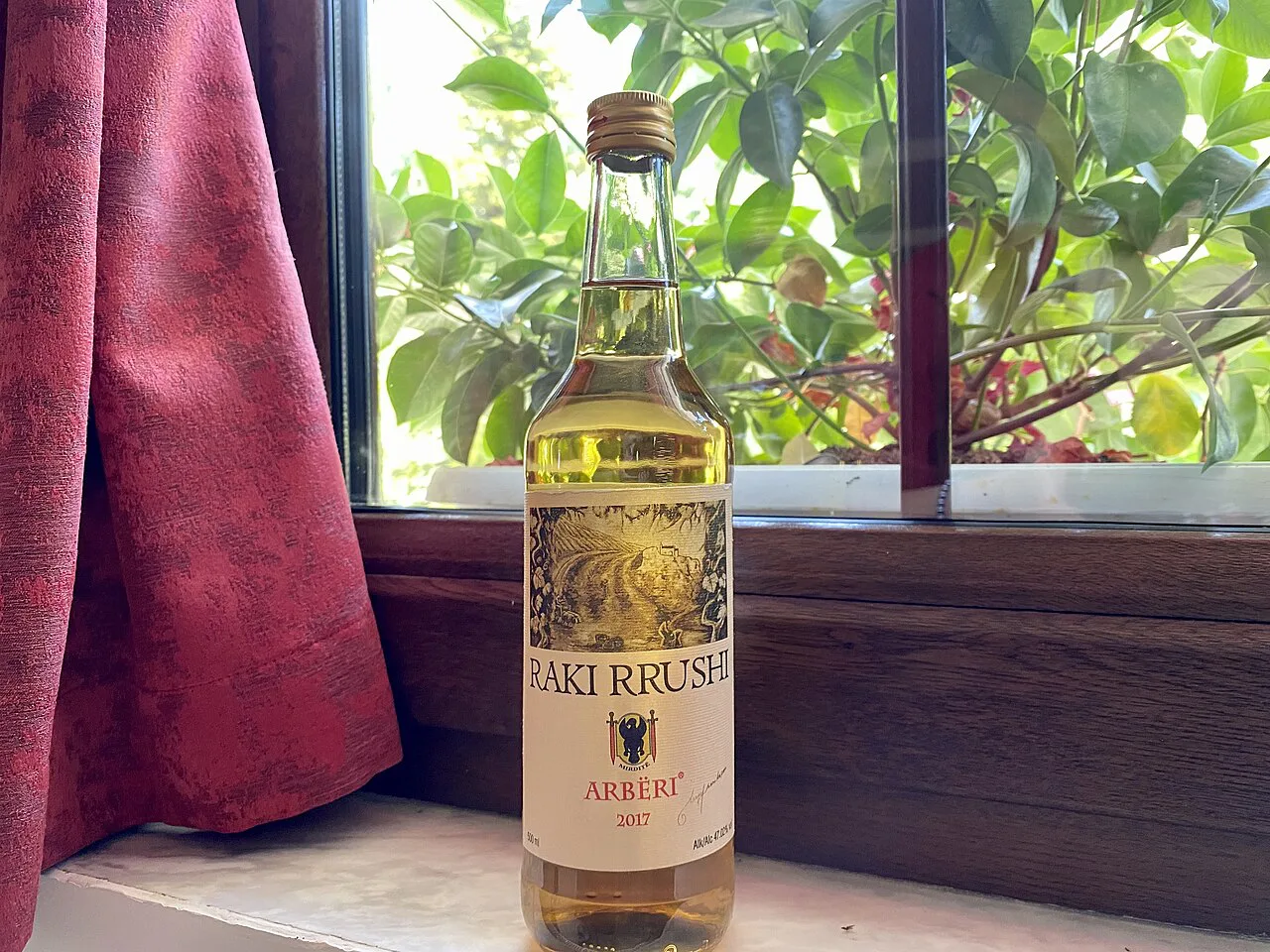
Commercially bottled raki generally sits somewhere between about 40 and 55 per cent alcohol, and one introduction to the drink puts the usual range at 45 per cent and above. Homemade batches are less predictable because the strength depends on the still, the fruit and the distiller's judgement rather than a lab figure. Bottled raki sold with a label, such as a cornelian cherry version, gives its strength on the bottle, which is the number to trust when you are buying rather than being poured a glass.
Is Albanian raki anise-flavoured? Almost never. Albanian raki is a clear, unflavoured fruit brandy, so it tastes of the fruit it was distilled from.
Is raki Turkish or Albanian? Both names exist. Raki belongs to a family of Balkan and Turkish spirits, but Albanian raki is its own drink: a fruit brandy, usually grape, plum or mulberry, rather than the aniseed rakı served in Turkey.
Because raki is served in small measures and sipped rather than knocked back, the strength is less punishing than it looks. Ask what the fruit is and roughly how strong it is before you commit to a second glass; hosts are used to the question and it reads as interest, not caution.
What raki is made from
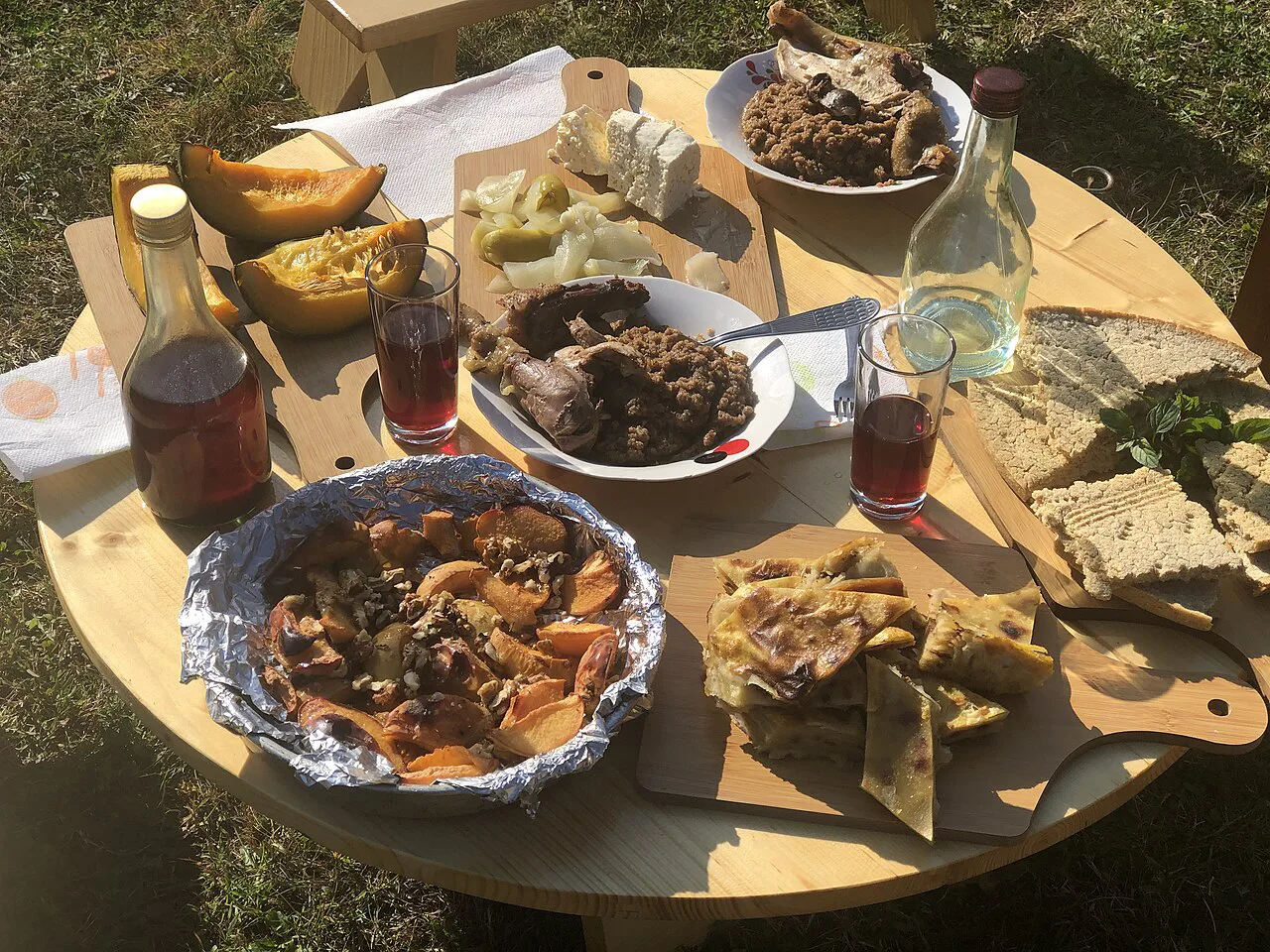
The fruit base is the first thing to ask about, because it tells you most of what the glass will taste like. Grape raki is the default across much of the country, while plum dominates the far north and mulberry belongs to the Vjosa valley around Përmet. Quince, fig, cherry and cornelian cherry also turn up, the last usually as a bottled gift rather than a home batch.
Cornelian cherry, known locally as thane, gives a clear spirit with gentle fruit acidity and warming alcohol notes, and it is the kind of bottle a visitor is most likely to meet in a shop rather than a courtyard. If you want something to take home and cannot carry a plastic bottle of home-distilled grape raki, a labelled thane bottle is the tidier option.
How raki is made: fermentation, the kazan and the cut
Distilling happens in autumn once the harvest is in, when fruit is ripe and the village smells of crushed fruit and wood smoke. The fruit ferments first, then goes into a copper still, the kazan, which is heated until vapour runs off and condenses back into spirit. The distiller separates the first runnings, the heart and the tails, keeping only the middle cut for drinking.
That heads-heart-tails decision is why two bottles at the same strength can taste so different: a generous heart cut gives a cleaner, smoother spirit, while a rushed one carries rougher edges. After distilling, the raki rests before it is drunk or given away. You will not usually see any of this as a visitor, but knowing it happened explains the variation between one household's bottle and the next.
The regional map: Skrapar, Përmet, Korçë, Tropoja and the coast
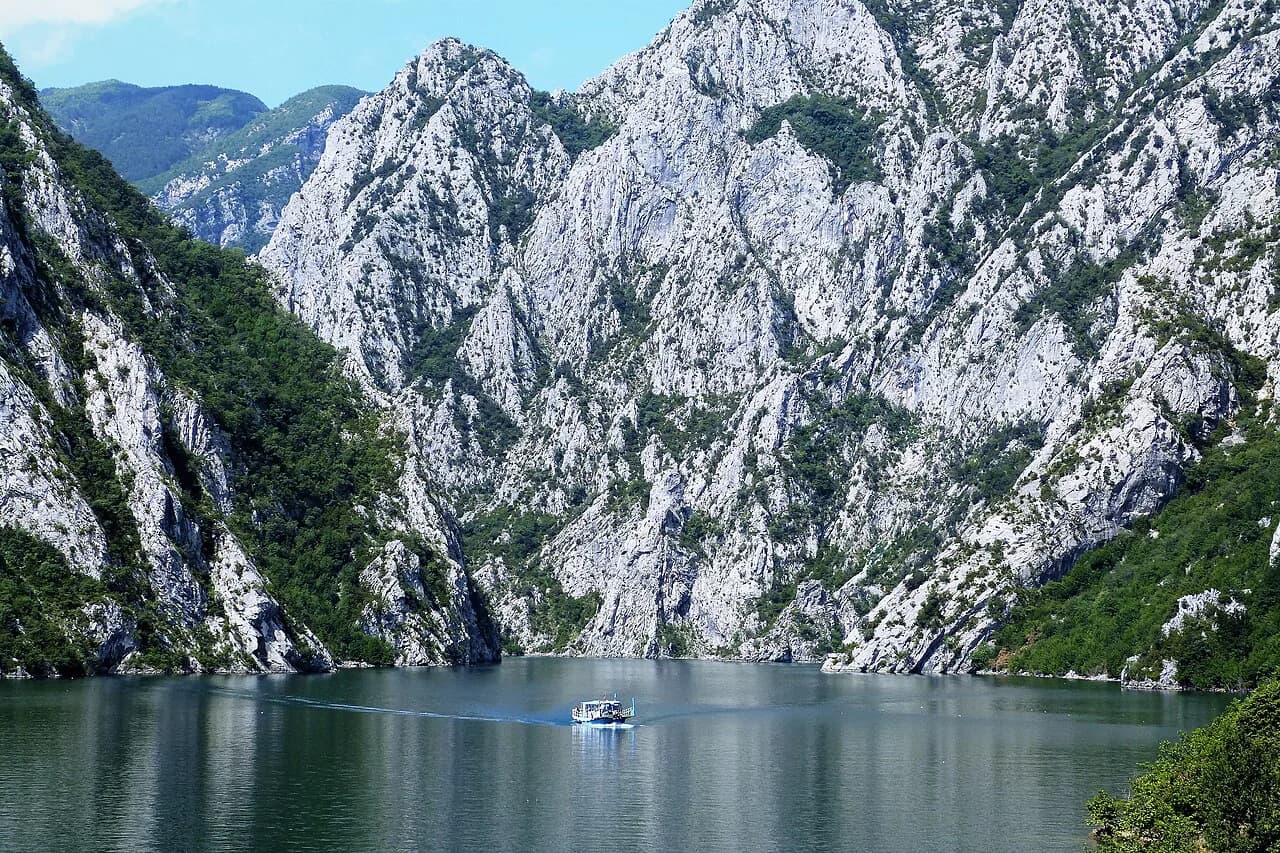
Skrapar, around Çorovoda in the south-central highlands, is the most famous name in Albanian raki. Vineyards grow on the stony hills either side of the Osumi canyon, and the grape raki made there is clean and strong with a mineral edge. When raki is given as a serious gift, it is usually Skrapar.
Përmet, further south in the Vjosa valley, is mulberry country: raki mani is made from wild black mulberries growing along the riverbanks and tastes deeper and jammier than grape versions. Përmet also makes gliko, the syrup-preserved fruit served in a spoonful alongside, and the two share a table well. Korçë and the southeast make solid grape raki, with cherry and plum versions in the orchard villages.
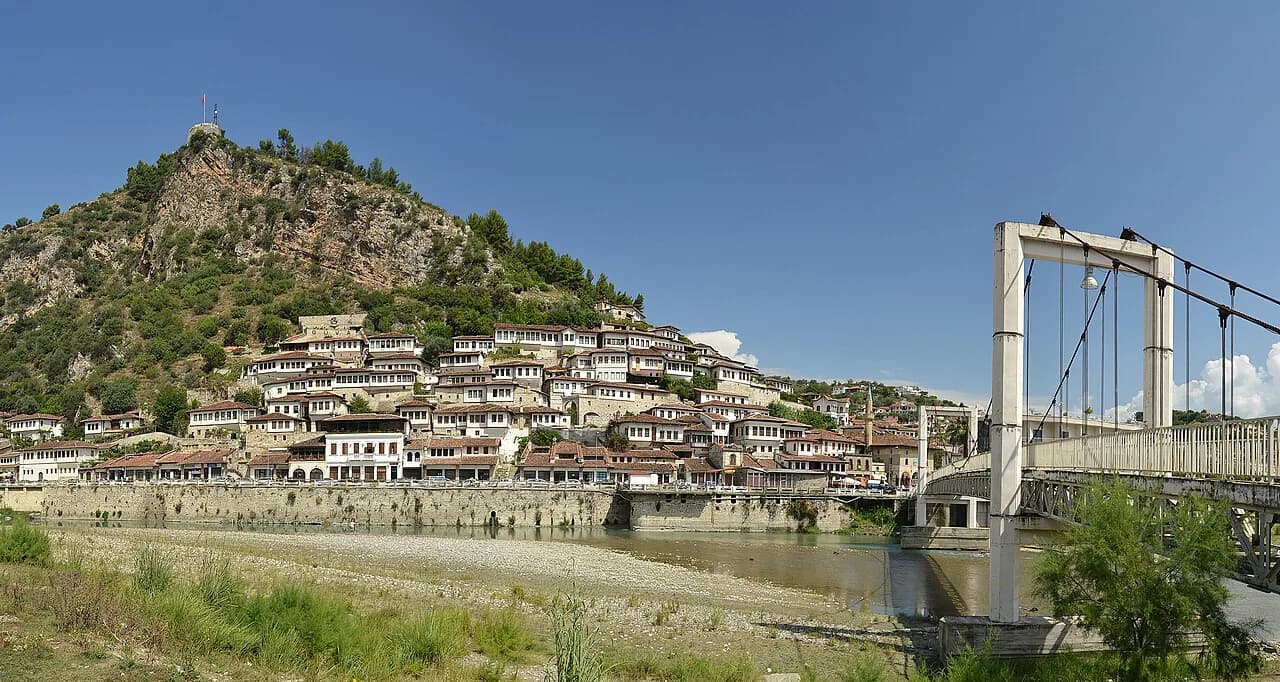
Tropoja and the far north are plum country, where the local black plum goes into a softer, rounder raki kumbulle, and home distilling is most unbroken in villages of the Albanian Alps. Berat, Vlorë and the central coast mostly make grape raki, with quality varying widely by family and Vlorë's version often carrying a sweeter edge from coastal grapes.
Albanian raki and Turkish rakı: the anise question
Turkish rakı is flavoured with anise; Albanian raki is almost never anise-flavoured and lets the fruit define the taste. That is the practical difference to hold on to, and it explains why Albanian raki tastes of fruit rather than liquorice. If a bottle in a British or Irish shop is labelled rakı and lists aniseed, it is the Turkish style, not the Albanian drink.
How to drink it: glass size, sipping and toasts
Raki is poured in small glasses and sipped slowly, often alongside food and conversation rather than before it. Do not treat it like a shot: the point is to let it sit on your tongue and pick up the fruit. Sipping also keeps you upright through a long lunch, which matters when the bottle keeps reappearing.
Refusing is possible but refusing gracefully takes some skill. Accept the first glass, take a sip, and you can slow down afterwards without causing offence. Toasts are short and frequent; raise your glass, meet your host's eye, and say faleminderit when something is given to you, because you mean it.
If a host hands you a repurposed plastic bottle or an old oil tin with clear liquid and a handwritten year on the cap, you have been given something precious from the gift economy rather than a shop purchase. Treat it as a present, not a sample, and do not open it casually in front of the giver.
What to pair with raki at the table
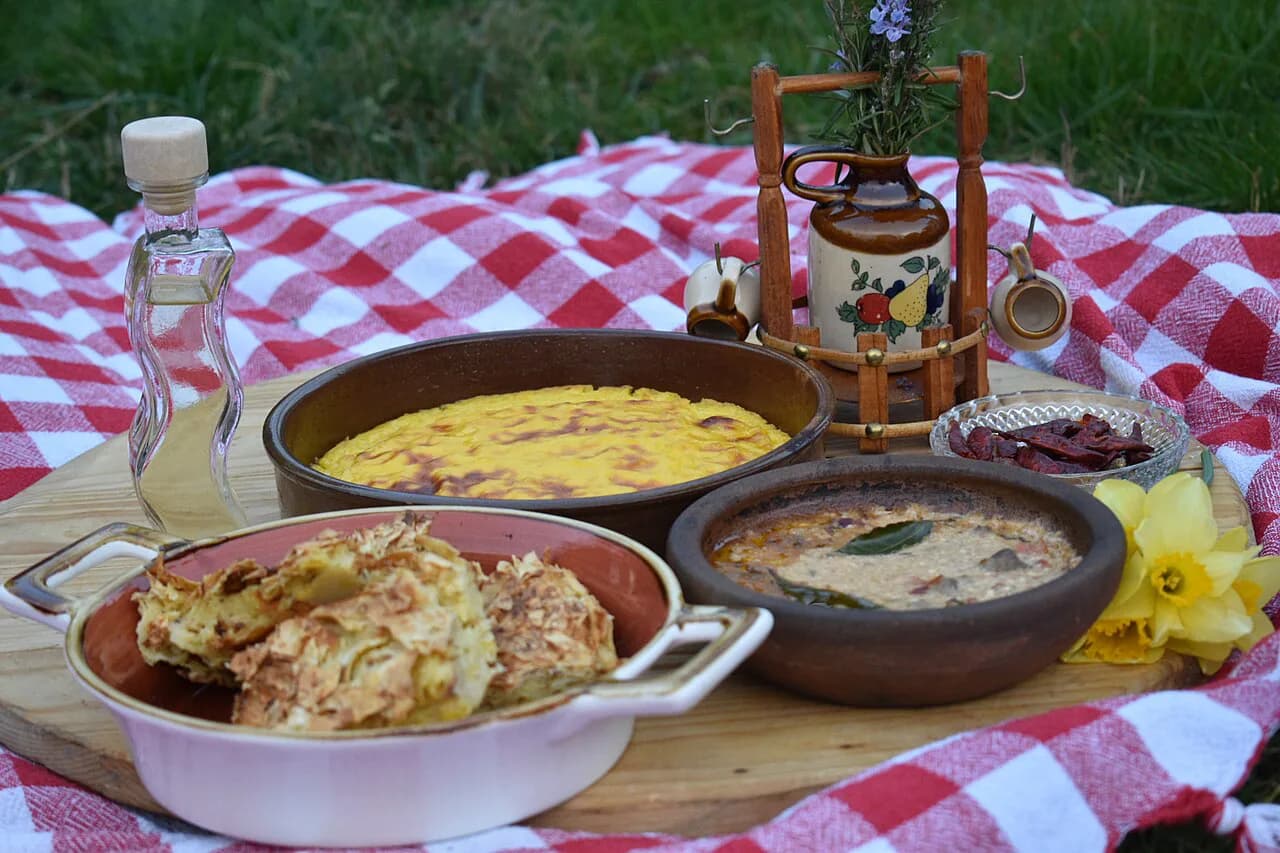
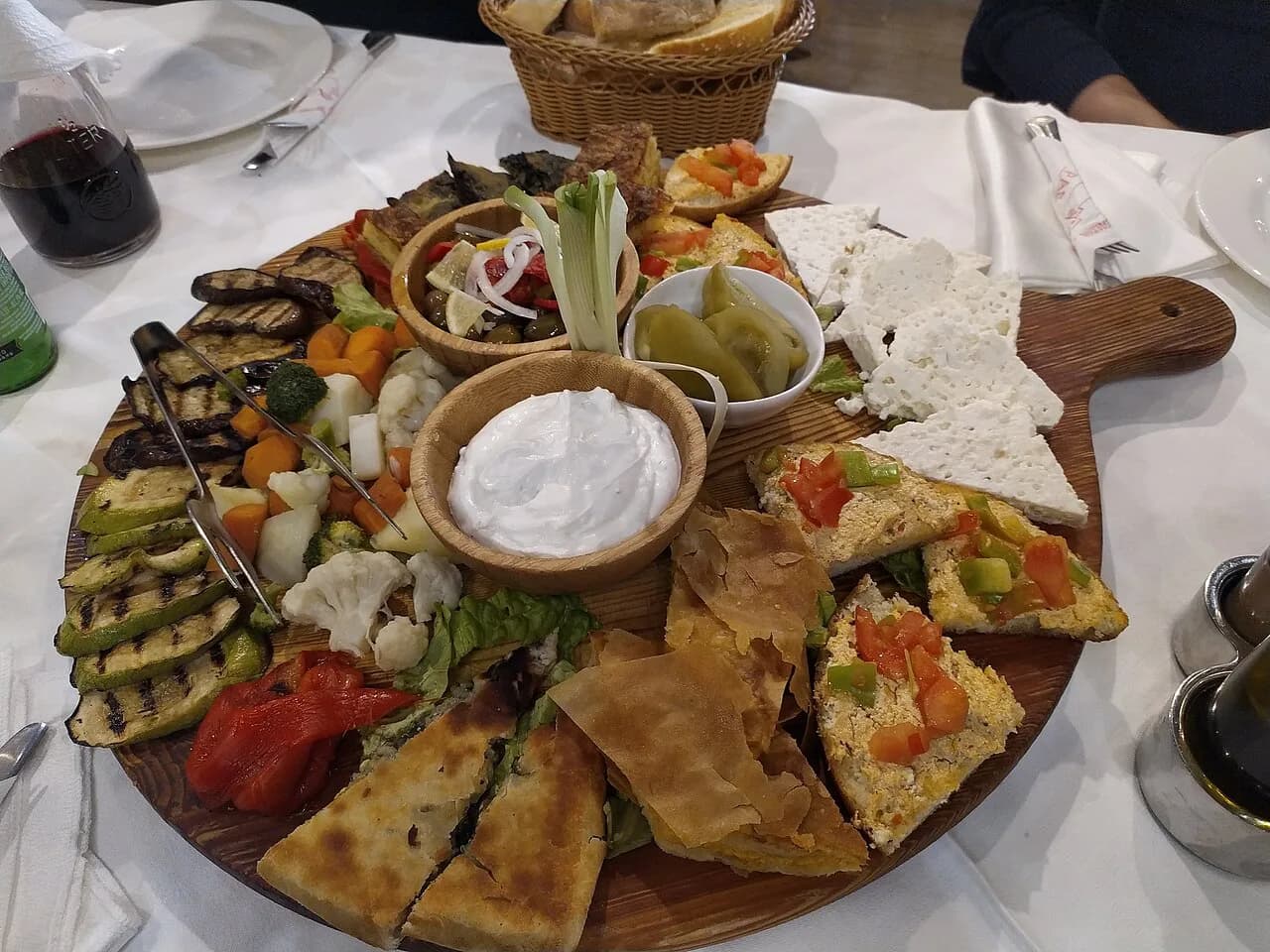
Raki is drunk across an Albanian meal and with the wider spread of small dishes, from grilled meats to vegetable dishes; the pillar page on Albanian food covers that spread and is worth reading before you sit down so you know what is coming. For the pastry side of the table, byrek is the everyday companion, and a small glass cuts through the filo and cheese nicely.
In Përmet, the local pairing is gliko: a spoonful of syrup-preserved fruit, walnut or fig, taken between sips of raki mani. It is sweet, dense and served in tiny quantities, and it makes the mulberry spirit taste rounder. Elsewhere, expect white cheese, olives, cured meat and bread before anything more substantial arrives.
Where to try and buy raki
Mountain guesthouses and autumn agricultural fairs in Tirana are the most reliable places to compare several regional rakis side by side, usually three or four at once. Ask what the fruit is and where it was made, and take notes, because your second glass will taste different from your first. The fairs are seasonal, so confirm the current programme locally rather than turning up on spec.
For a bottle to carry home, labelled raki is sold in Albanian gift shops and online, including a 0.2-litre thane bottle at 42 per cent alcohol. Check the shipping arrangements before you order, because delivery options change and are worth confirming with the seller. A hand-labelled bottle from a host is not a commercial product at all, so do not expect to buy the same thing again.
Buying raki outside Albania
Shopping online from the UK or Ireland is hit and miss: some listings that come up under an Albanian raki search are actually Turkish aniseed rakı rather than the Albanian fruit spirit. Read the label for the fruit base and the absence of anise before you pay. If the listing does not name the fruit, assume nothing and look elsewhere.
A bottle passed to you by a host is a different object from a shop purchase. It carries a year, a place and a person, and the right response is to accept it, thank them properly, and drink it with people rather than saving it for a shelf.
Which glass should you start with?
Start with a grape raki, ideally from Skrapar, because it is the reference point against which the others make sense. Then try a mulberry raki mani in Përmet or a plum version in the north if your route allows, and compare them while the memory of the first is still fresh. If you only have one sitting, ask your host for two small glasses of different fruit rather than one large one.
Buy a labelled bottle only when you know what is inside it, and treat a homemade gift as the keepsake it is. The rest of the table is covered on the Albanian food page, and the pastry counter deserves its own stop: our byrek guide explains what to order with your next glass.
Explore more Albania guides
- Albanian Breakfast
- Albanian Coffee
- Albanian Desserts
- Albanian Olive Oil
- Albanian Street Food
- Flija: What Albania's Layered Pancake Is and How It's Made
- Fërgesë: Albania's Pepper and Cheese Dish Explained
- Qifqi
- Qofte: Albania's Minced-Meat Dish, Explained
- Tavë Kosi
- Trileçe: what Albania's three-milk cake is and how it is made
Frequently Asked Questions
Is Albanian raki anise-flavoured?
Almost never. Albanian raki is a clear, unflavoured fruit brandy, so it tastes of the fruit it was distilled from. Turkish rakı is the anise-flavoured spirit.
Is raki Turkish or Albanian?
Both names exist. Raki belongs to a family of Balkan and Turkish spirits, but Albanian raki is its own drink: a fruit brandy, usually grape, plum or mulberry, rather than the aniseed rakı served in Turkey.
Sources
Notes for your Albania trip
Optional updates to our Albania town guides.
You might also like
Continue reading
More guides you'll find useful