Things to Do in Tirana: A Practical Guide by Neighbourhood
Plan your time in Tirana with a practical guide to Skanderbeg Square, the Bunk'Art museums, the Pyramid, Blloku and Pazari i Ri, plus how to get between them.
On this page
Two days in the centre is the right allocation for Tirana, and one full day covers the core if you move briskly. Almost everything sits within a compact area around Skanderbeg Square, so you can walk between the mosque, the museums, the Pyramid and the bazaar streets rather than criss-crossing the city by transport. The one substantial sight outside that walkable ring is Bunk'Art 1, which needs a bus ride to the edge of town. This guide groups the sights by neighbourhood, flags the trade-offs between the two bunker museums, and gives routes for a day and a weekend.
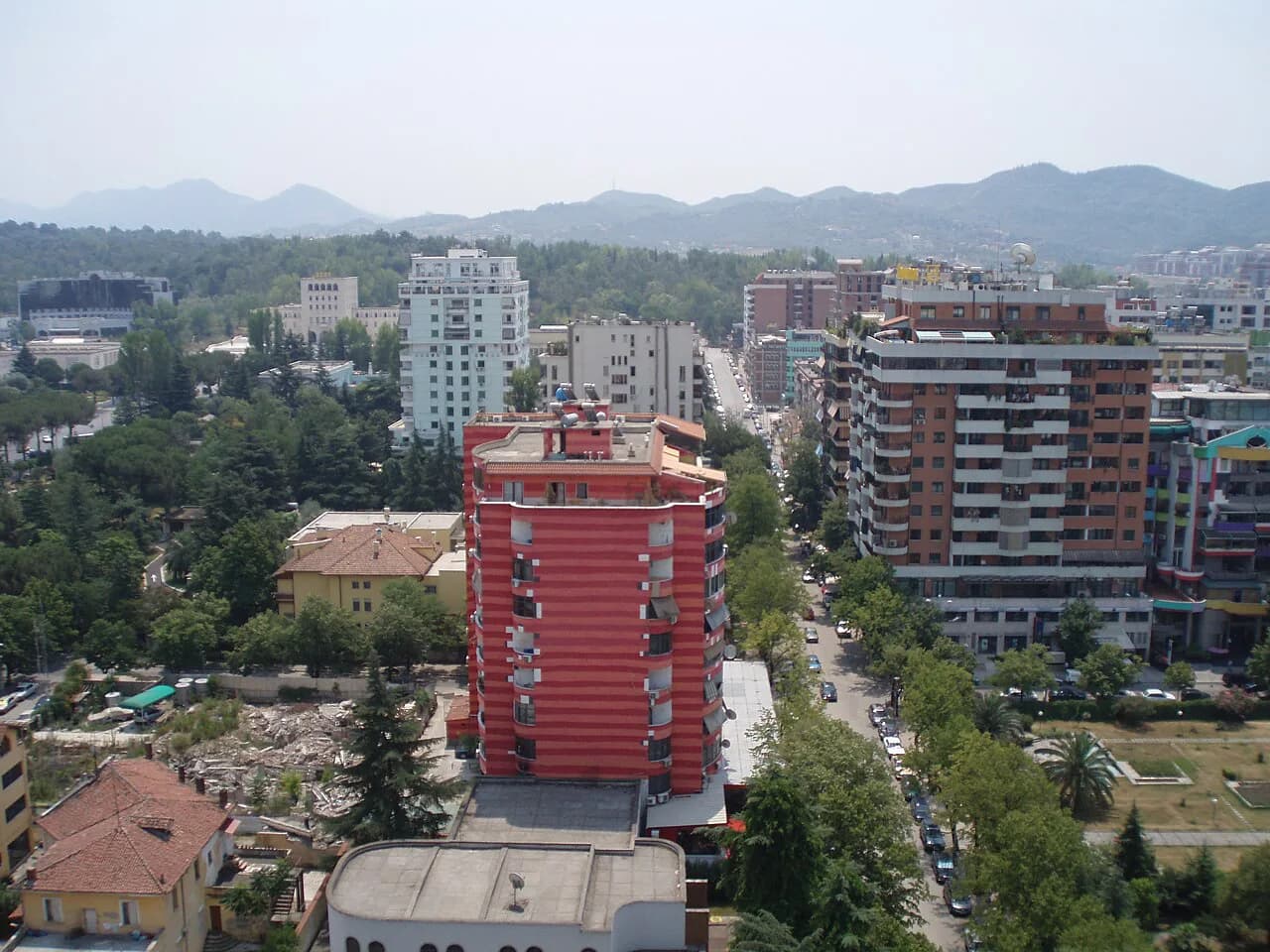
Tirana has no old town in the European sense, because it only became the capital in 1920 and was rebuilt in waves of Italian and Austrian-influenced architecture. What it does have is a dense, flat, safe centre where Ottoman, Communist and contemporary buildings sit side by side, and a street grid that funnels most of the commercial streets into the main square. That makes it unusually easy to plan on foot: you can see the Et'hem Bey Mosque, the socialist-realist mosaic on the National History Museum and the cafés of Blloku in a single morning.
Skanderbeg Square: Et'hem Bey Mosque, the National History Museum and the Palace of Culture
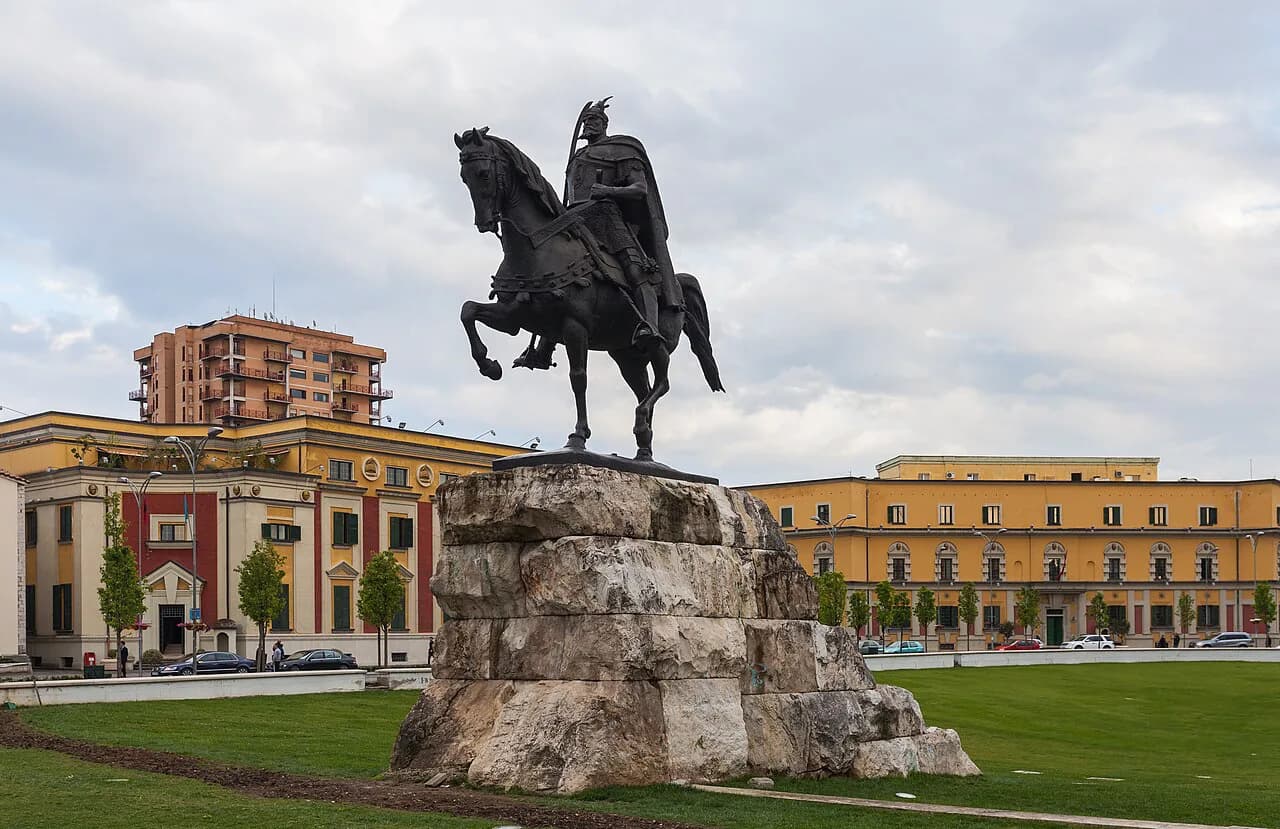
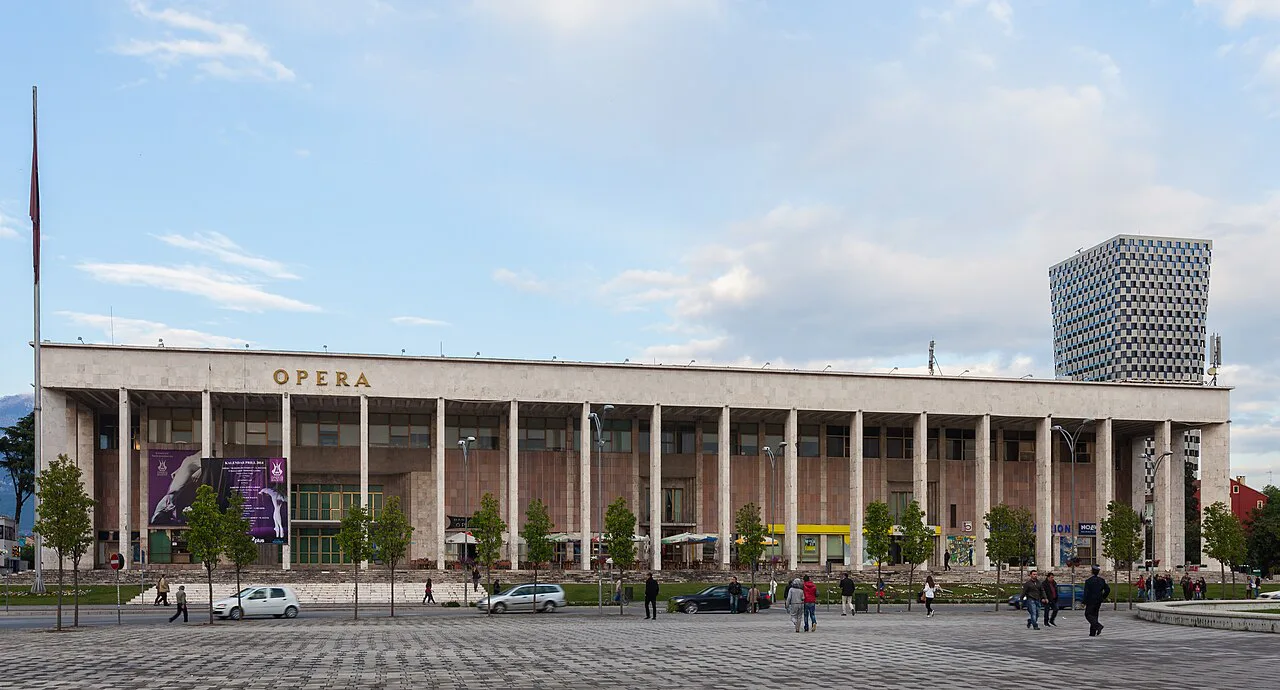
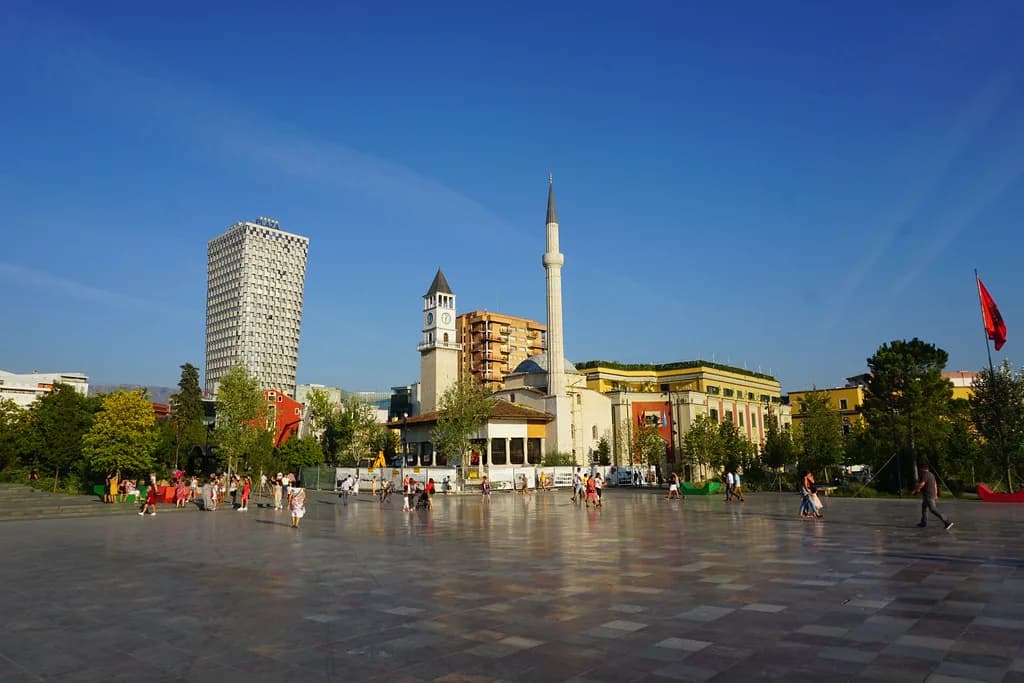
Skanderbeg Square is the symbolic and geographical centre of the city, named after the 15th-century national hero Gjergj Kastrioti Skanderbeg whose statue stands on it. The plaza is ringed by the Et'hem Bey Mosque, the Opera House, the Palace of Culture and the National History Museum, whose socialist-realist mosaic covers the facade. Several of Tirana's main commercial streets converge here, so you will pass through repeatedly rather than visit once. Start here and the rest of the centre arranges itself around you.
The Et'hem Bey Mosque, completed in the early 19th century, is the Ottoman building to see in the centre. It was closed for public worship during the Communist era and reopened in 1991, and it now functions as a working place of worship as well as a visitor stop. Entry is free, donations are encouraged and you remove your shoes before going in, so wear socks you do not mind being seen in. The interior frescoes reward a slow look, but the building is small and a visit takes minutes rather than an hour.
The National History Museum carries the most recognisable image in the city, the mosaic of Albanian figures across its front. The collection inside gives context for the Communist period, the Ottoman centuries and the national movement, and makes a sensible first stop if you know little about the country before arriving. The museum has been reported closed at times, so check before you build a day around it.
Bunk'Art 2: the secret-police bunker in the centre
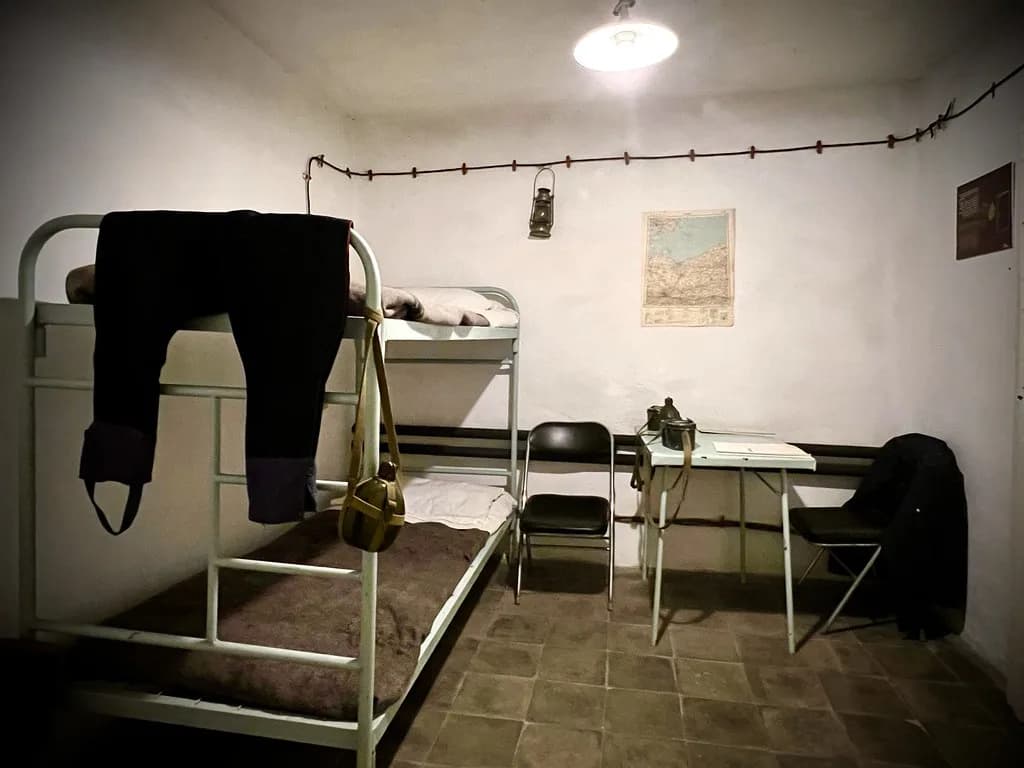
Bunk'Art 2 sits just off Skanderbeg Square in a bunker built for the regime's internal security apparatus, and its displays focus on the Sigurimi, the secret police, and the machinery of surveillance and detention. It is the smaller of the two Bunk'Art sites and the easier one to slot into a walking day. The trade-off is real: the exhibition is information-dense, laid out in a dark maze of corridors lined with text panels, and it can feel heavy going if you are not already interested in Cold War history.
Visit it for the building as much as the boards. The underground rooms communicate the scale of the regime's fear of invasion and internal dissent in a way photographs do not. If one room is crowded, move on to the next and come back, since the route through the bunker is a loop rather than a single file.
Bunk'Art 1: the big bunker on the edge of the city and how to reach it
Bunk'Art 1 is the larger site, built deep under a hill on the edge of the city for the leadership to run the country from during an attack, and it preserves the leaders' private suites, soldiers' quarters and a theatre alongside its exhibition. If you only see one, Bunk'Art 1 gives the fuller picture of the regime and covers the period from the Second World War through the Communist state.
Getting there is the catch. Bus 11 runs from behind Skanderbeg Square towards Porcelan and takes around 40 minutes, with the fare 40 lek; pay the driver and carry cash. The cable car and Bunk'Art 1 are about ten minutes apart on foot, so pair them if you are heading out that way.
Budget half a day for the round trip including the visit, and go in the morning if you want the afternoon back in the centre. The bunker is underground and cool, which makes it a sensible choice on a hot day.
The Pyramid of Tirana: what it is now and why you climb it
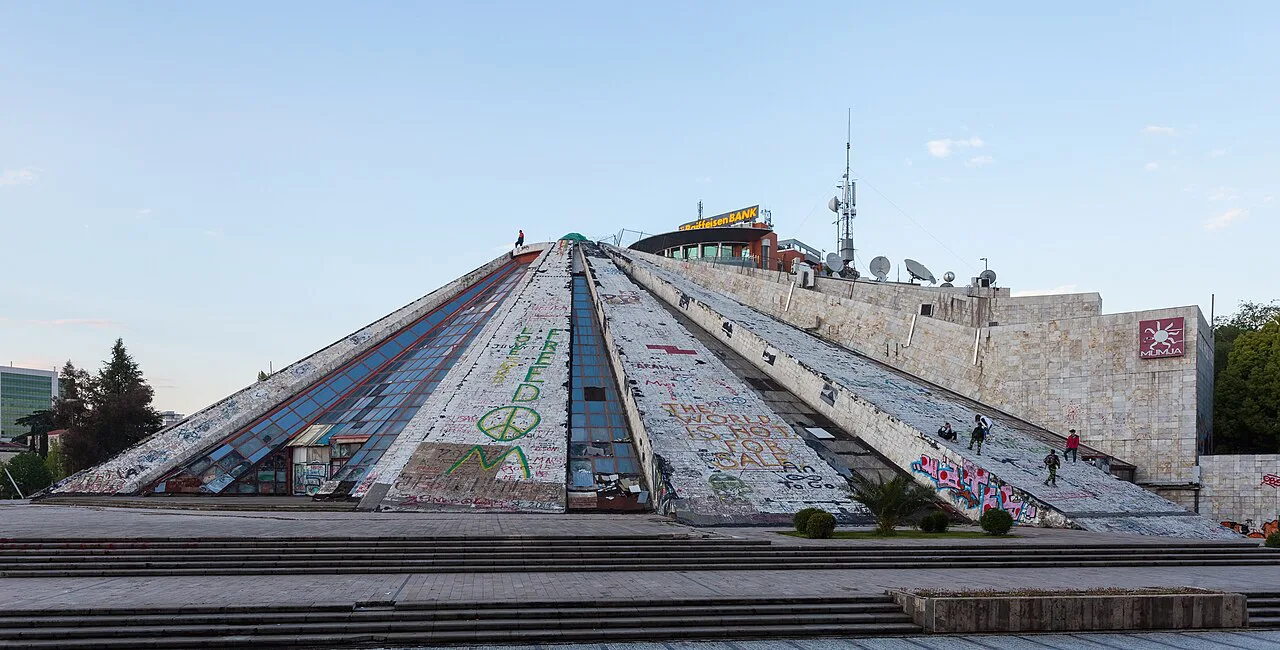
The Pyramid was built in the late 1980s as a museum dedicated to Enver Hoxha and served other purposes in the 1990s before being abandoned. It has since been renovated into a public building full of tech education facilities, shops and cafés, with colourful blocks perched around and inside the structure. It is worth twenty minutes even if you do not go in, because the contrast between the derelict shell people remember and the current building is the point.
The climb up the exterior gives you a view across the rooftops towards the square. Go early or late in the day rather than at midday, since the surface is exposed.
The House of Leaves and the city's Communist-era memory
The House of Leaves is a museum in the centre devoted to surveillance and the files the Sigurimi kept on ordinary citizens. It complements Bunk'Art 2 rather than duplicating it: the bunker shows the apparatus, the museum shows what it was used for. Give it an hour and expect to read.
Other traces of the period are scattered through the streets rather than gathered in one place. Concrete bunkers appear on hillsides and in odd corners, and murals cover facades across the centre. Walking between sights is how you notice them, which is an argument for keeping at least half a day unplanned.
Blloku: Enver Hoxha's former residence seen from outside, cafés and the neighbourhood's character
Blloku was the residential quarter reserved for the political elite, and Enver Hoxha's former residence stands here, shuttered and closed to the public. You can look at the exterior in passing, but do not plan a visit around it. The neighbourhood is now the city's most polished eating and drinking district, with cafés, restaurants and dressed-up crowds on tree-lined streets.
Use Blloku for lunch rather than sightseeing. It is a short walk from the Pyramid and the Grand Park, so it fits naturally into an afternoon loop. If you want a sit-down Albanian meal in the area, see our pick of the best restaurants in Tirana.
Pazari i Ri and Tirana Castle: bazaar streets and the old core
Pazari i Ri is the new bazaar, a market area of food stalls, produce and small shops that makes a good stop for edible souvenirs and a sense of what Albanians actually buy. The Tirana Castle site nearby is a fragment of the old core, now filled with restaurants and shops along a short pedestrian lane. Neither takes long, and both sit comfortably between the centre and Blloku.
Go in the morning if you want the market at its liveliest, and carry cash for the stalls. The Tirana market scene is worth half an hour even if you are not buying.
Churches and mosques: Resurrection of Christ Orthodox Cathedral and the Mosque of Namazgah
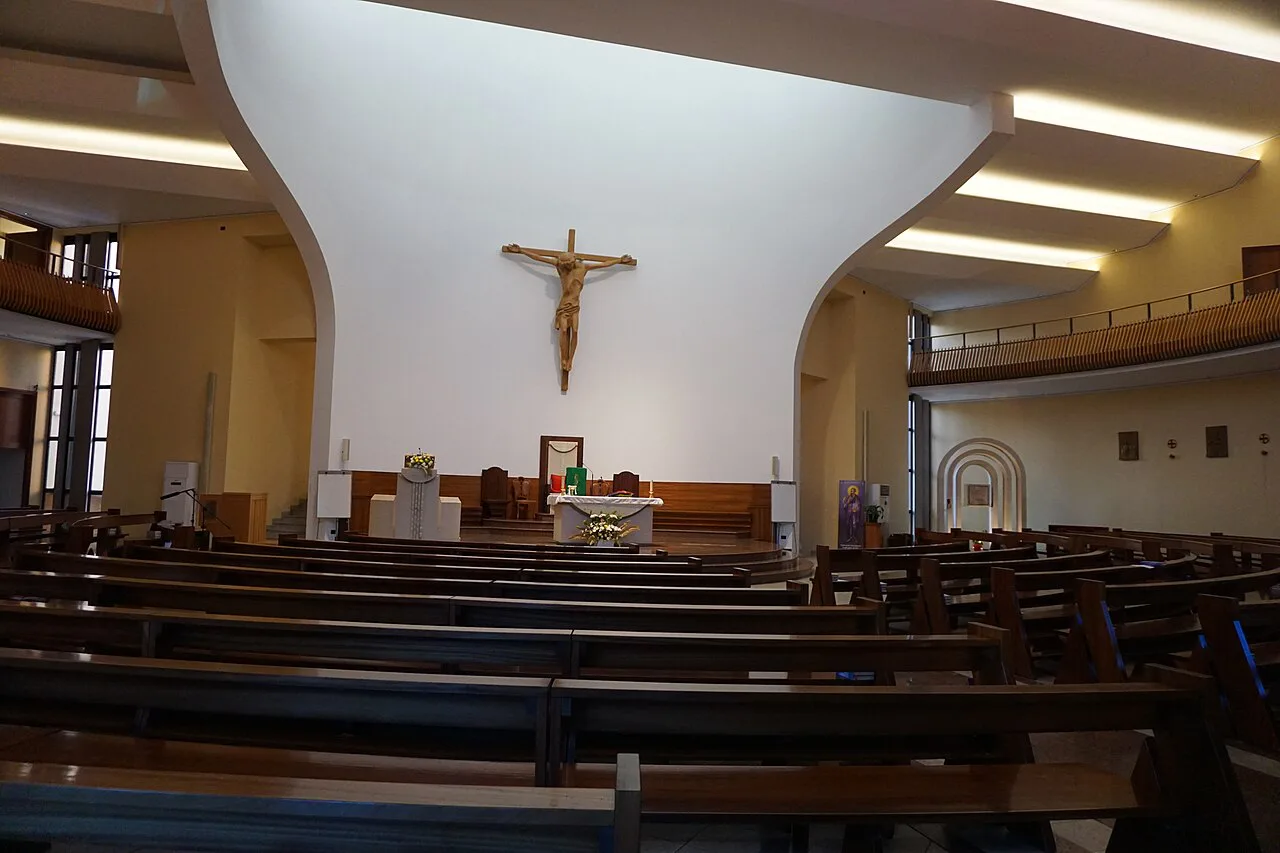
Albania's population is religiously mixed and Tirana's centre shows it. The Resurrection of Christ Orthodox Cathedral stands a short walk from the square, with a distinctive modern design and an interior of frescoes and mosaic. The Mosque of Namazgah is a newer building on the edge of the centre, with a dome and minarets visible from much of the surrounding area. Both are working places of worship: dress modestly, keep your voice down, and follow any instructions at the door about shoes or photography.
If you are planning a route through the city's religious buildings, the walking distances are short enough to do them on foot in a single afternoon. Most visitors find the Et'hem Bey Mosque the most rewarding interior, and treat the two newer buildings as architecture rather than collections.
Grand Park and the Artificial Lake
The Grand Park and the Artificial Lake give you the city's breathing space, with paths, trees and a lake at the southern edge of the centre. It is where Tirana goes to walk, run and sit in the shade, and it makes a sensible end to a hot afternoon. There is no ticket and no route to follow, so treat it as an hour of unstructured time rather than a sight.
The park connects easily to Blloku and the Pyramid, so the natural walking loop is square, Pyramid, park, Blloku and back. In summer, do it in the late afternoon when the heat drops.
Views over the city: the Dajti Ekspres cable car and the rotating SkyBar
The Dajti Ekspres cable car runs from the edge of the city up the mountainside to roughly 800 metres, giving you a view back over the whole city and access to the national park above. It is the best reason to leave the centre, and it pairs naturally with Bunk'Art 1, which is in the same area.
If you would rather not travel out of town, the rotating SkyBar gives a higher view from inside the city. It is a bar, not a viewpoint, so go for a drink and the turn rather than as a sight in itself. Either way, pick a clear day: haze over the plain is common in summer.
How long Tirana needs: a one-day route and a two-day route on foot
With one day, start at Skanderbeg Square and see the Et'hem Bey Mosque and the National History Museum's mosaic, then walk to Bunk'Art 2, the Pyramid and Grand Park, and finish in Blloku or at Pazari i Ri. That is a comfortable day with lunch and no transport. If you want the full bunker experience instead, swap Bunk'Art 2 for Bunk'Art 1 and the cable car and accept that it takes most of a morning with the bus.
With two days, use the first for the square and the centre, and the second for Bunk'Art 1, the cable car and Blloku, with the House of Leaves and the Cathedral filling any gaps. The full Tirana itinerary spreads this over two days with timings. If it rains, the underground bunkers and the museums become the sensible plan for the whole day.
A guided walk on the first morning is a good way to make sense of the city's layers, and you can then revisit on your own. Tirana tours run from the square and cover the Communist period in narrative form.
Getting around: walking distances, the airport bus and the bus to Bunk'Art 1
The centre is compact and flat, and walking is the practical way to move between the sights; everything except Bunk'Art 1 and the cable car lies within about twenty minutes of each other on foot. No ride-hailing app was operating in Albania in a recent account, though a local taxi app exists, so plan on walking and the occasional taxi rather than assuming Uber or Bolt.
From the airport there is no rail link, so you take the bus or a taxi. The airport bus terminates at Skanderbeg Square, runs around the clock, takes under half an hour and costs less than five euros, paid to the driver in cash. Confirm the current departure point and fare at the airport bus stand before you rely on it.
Carry cash for transport. Albania is a cash-dependent economy and bus fares are paid to the driver, so get some lek at the airport on arrival.
Where the main sights sit relative to each other, and what to do if a museum is closed
Group the sights into three clusters: the square and the centre, the Pyramid with the park and Blloku, and the outlying pair of Bunk'Art 1 and the cable car. Doing them in that order avoids backtracking and keeps each day short. The Tirana Map for Visitors shows how they relate on the ground.
The National Historical Museum and the National Gallery of Arts have both been reported closed at times. If one is shut, substitute the House of Leaves or a second bunker. Exhibitions and dates can change, so check current opening hours before you set out.
Practical points: shoes at Et'hem Bey, cash for buses, and summer heat
Take your shoes off at the mosque and dress modestly at churches and mosques, which is standard practice at working places of worship in Albania. Carry small notes for buses and market stalls, since fares go to the driver and many transactions are still in cash. Comfortable shoes matter more here than waterproofs, given how much of the centre you cover on foot.
Tirana's summers are hot, and the centre is largely open and paved, so plan the outdoor sights for the morning and evening and use the middle of the day for the bunkers, museums or a long lunch. The city's café culture is part of the visit rather than a break from it, so a slow coffee is a legitimate use of an hour.
Day trips from Tirana: Berat, Gjirokastër, Shkodër and Bovilla Lake in brief
Berat, with its Ottoman houses stacked above the Osum, is the classic day trip from the capital and can be done in a long day by road. Gjirokastër is further and better done as an overnight, while Shkodër and Bovilla Lake are shorter runs north. Other guides cover these towns in full, so treat them as options to weigh rather than itineraries.
If you are planning a wider Albanian route, the country guide sets out where else to go beyond the capital. For ideas on what to do once you leave Tirana, see things to do in Albania.
Which Bunk'Art site should you choose on a short trip?
On a single day in Tirana, take Bunk'Art 2: it sits just off Skanderbeg Square, fits into a walking route, and gives you the Sigurimi story without a bus ride. Choose Bunk'Art 1 only if you have a second day or a specific interest in the regime, because the round trip costs you most of a morning. In that case, pair it with the Dajti Ekspres cable car, which is a short walk away.
Explore more Tirana guides
Frequently Asked Questions
Is Tirana worth visiting?
Yes, if you want a city rather than a sight. Tirana's appeal is its density: Ottoman, Communist and contemporary buildings within a short walk of each other, good food and a walkable, safe centre. It is not a conventionally beautiful city with an old town, so come for the museums, the bunkers and the street life rather than for architecture on a European model.
What should you not miss in Tirana?
Skanderbeg Square for the Et'hem Bey Mosque and the National History Museum mosaic, one of the Bunk'Art museums, and the Pyramid. If you have time beyond those, add the House of Leaves and the Dajti Ekspres cable car. The first three are within walking distance of each other, so no planning is needed beyond where you start.
Is Albania cheap or expensive?
Albania is generally inexpensive compared with Western Europe, with modest restaurant, café and transport costs, though the country runs largely on cash. Prices change with the season and the exchange rate, so check current rates and menus. Budget in lek and keep small notes for buses and markets.
Sources
Notes for your Albania trip
Optional updates to our Albania town guides.
You might also like
Continue reading
More guides you'll find useful