Things to Do in Durrës: Old Town, Amphitheatre and Seafront
Plan your time in Durrës with the Roman amphitheatre, Venetian tower, Archaeological Museum, Grand Mosque, Byzantine forum and seafront, plus how long each takes.
On this page
Plan Durrës around three zones: the historic centre near the port, the waterfront promenade, and the beach strip running south. The amphitheatre, the Grand Mosque, the Archaeological Museum and the Byzantine forum sit close together in the centre, so a half-day covers the Roman and Byzantine sights, and a full day adds the seafront and a beach. The city is about 40 minutes from Tirana, which makes it workable as a day trip as well as an overnight.
This guide groups the sights by where they sit and how long each takes, so you can build an honest half-day rather than a flat checklist. It covers the museum and mosque interiors, the ancient fragments you pass on foot, and how far the beach is from the centre.
What to see in Durrës and how the city fits together
The historic centre clusters near the port, with the amphitheatre, the Grand Mosque, the Archaeological Museum and the Byzantine forum all within walking distance of each other. That makes the centre the natural first block of any visit, and the one to do early before summer heat builds.
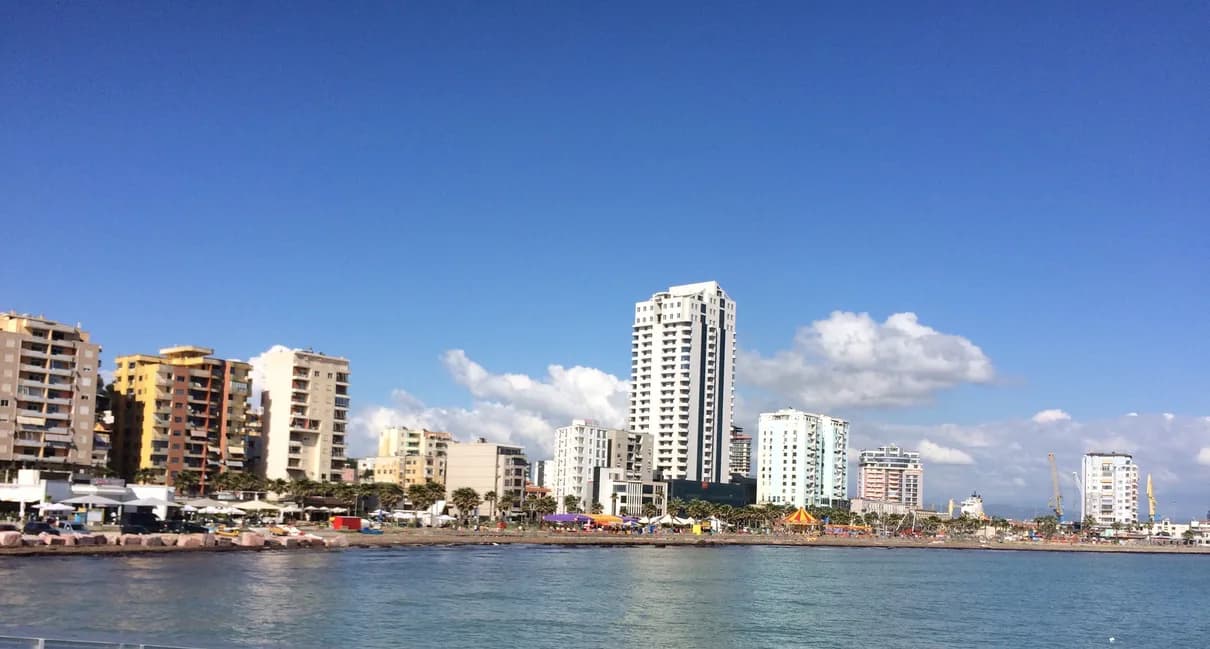
The seafront promenade is a separate stretch of the day, best walked in the late afternoon or evening. The beach lies further south and needs transport: the nearest part is about a 50-minute walk from the centre, or a taxi or car ride of roughly 10 to 15 minutes. Treat it as a third block rather than something you fold in between museum stops.
Keep the scale in mind: the amphitheatre is a short look, the tower is a glance and climb, and the museum is the one place that rewards a proper hour or two. Building the day in that order avoids spending the morning on sights that take minutes.
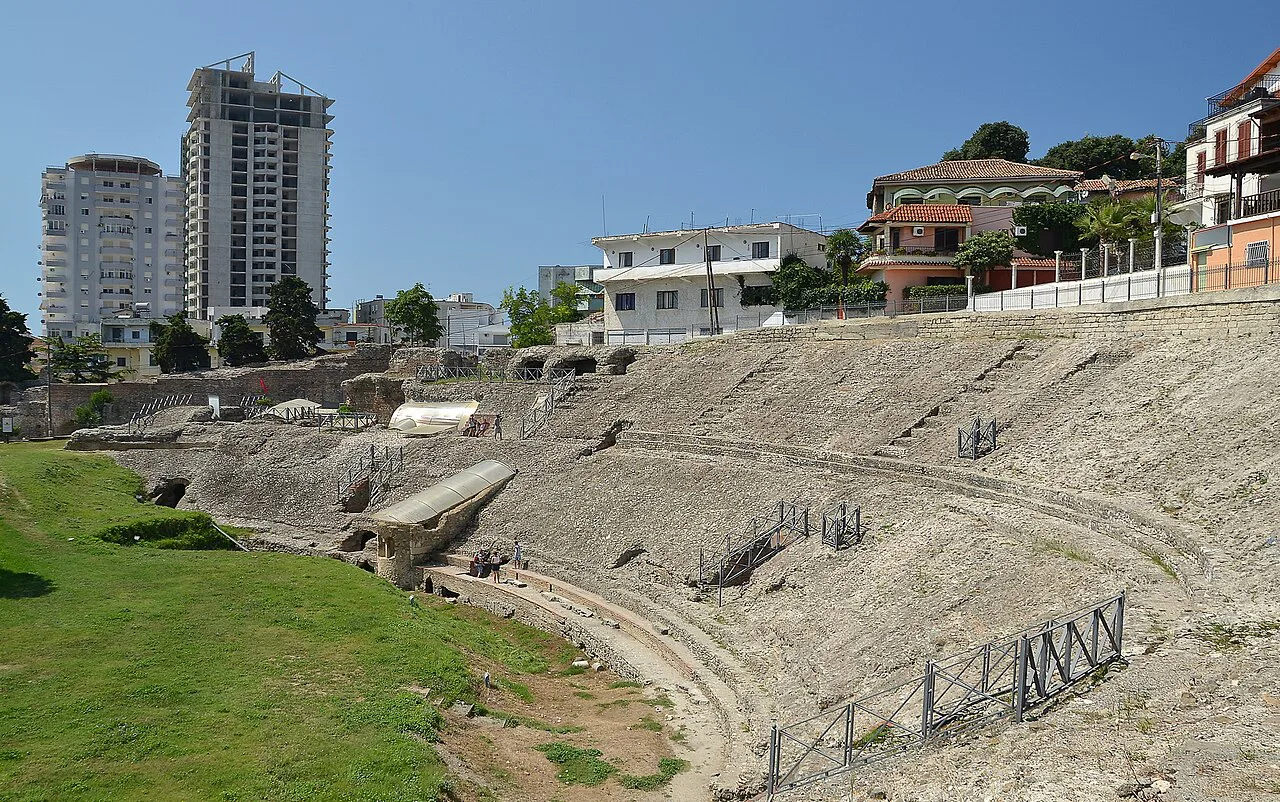
The Roman amphitheatre
The amphitheatre sits in the middle of the city and is the centrepiece of the ancient sights. It was built in the 2nd century AD under Trajan and once held up to 20,000 spectators for gladiator fights and other games; it was rediscovered in 1966. It is not as well preserved as the Roman sites you may know in Italy, but it is a striking thing to find surrounded by modern streets.
Allow about 30 minutes to walk around the amphitheatre and its grounds. The travel blog that gives those timings reports it open daily from 9am to 6pm with adult tickets at 300 lek and discounts for students and children; check the ticket desk on arrival, as hours can shift out of season.
The Venetian Tower and the castle remains
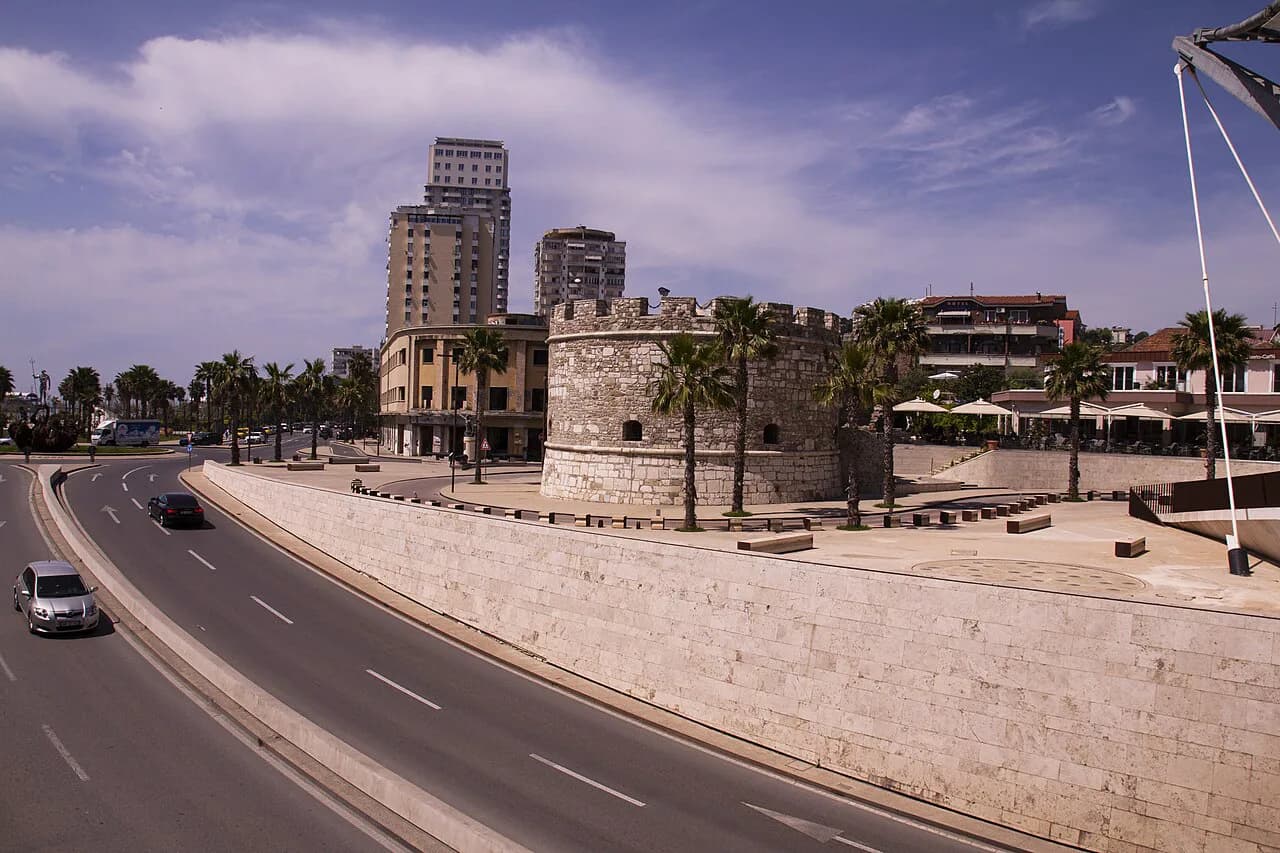
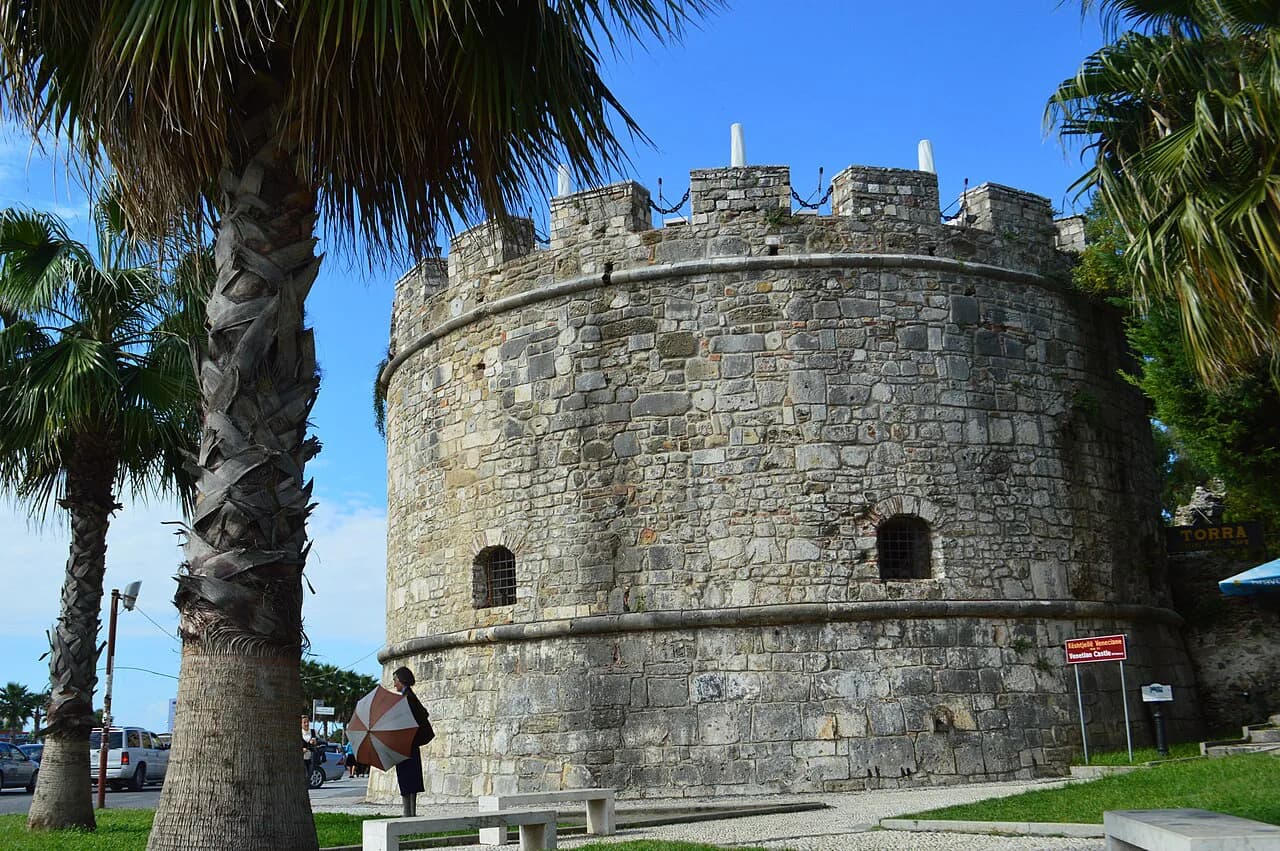
Only a stretch of wall and a round stone tower survive from the Byzantine-era castle, itself built in the 5th century; the tower was added by the Venetians in the 15th century as part of the city defences. It is roughly nine metres tall, so even from the top it does not give a sweeping panorama.
Treat this as a glance-and-climb stop rather than a headline sight, and do not build the day around it. The tower was closed during a May visit reported in 2025, so treat a climb as conditional and check at the site whether it is open during your stay.
Durrës Archaeological Museum
The Archaeological Museum holds finds from the prehistoric period through to the 4th century, including pottery, sculpture and mosaics from the Hellenistic and Roman periods. It sits in the historic centre, which makes it the natural indoor anchor between the amphitheatre and the mosque.
Budget around 1.5 to 2 hours here. That is the longest single stop in the city, so put it in the middle of the day when the heat is at its worst and the seafront is less appealing.
The Grand Mosque in the historic centre
The Grand Mosque, also called the Durrës Mosque, opened in 1938 and was built by Italian architects. During the communist period in the 1960s the building was converted into a youth centre, with performances on the main floor and a restaurant above, and much of the interior was damaged or altered; it was further damaged in a 1979 earthquake and reopened as a religious centre in 1993.
It is an active place of worship in the historic centre, so time your visit outside prayer times and dress modestly, covering shoulders and knees. Keep your voice low and stay out of any area marked for worshippers.
The Byzantine forum and ancient fragments on foot
The Byzantine forum is another remnant of the ancient city and fits naturally into a walk through the centre. Public archaeology in Durrës is scattered rather than gathered into a single site, so a slow circuit gives you more than heading straight between headline sights.
Wear shoes that handle uneven stone and keep an eye on where you step around ancient masonry. Pair the forum with the amphitheatre and the tower to make a single centre walk.
The waterfront promenade
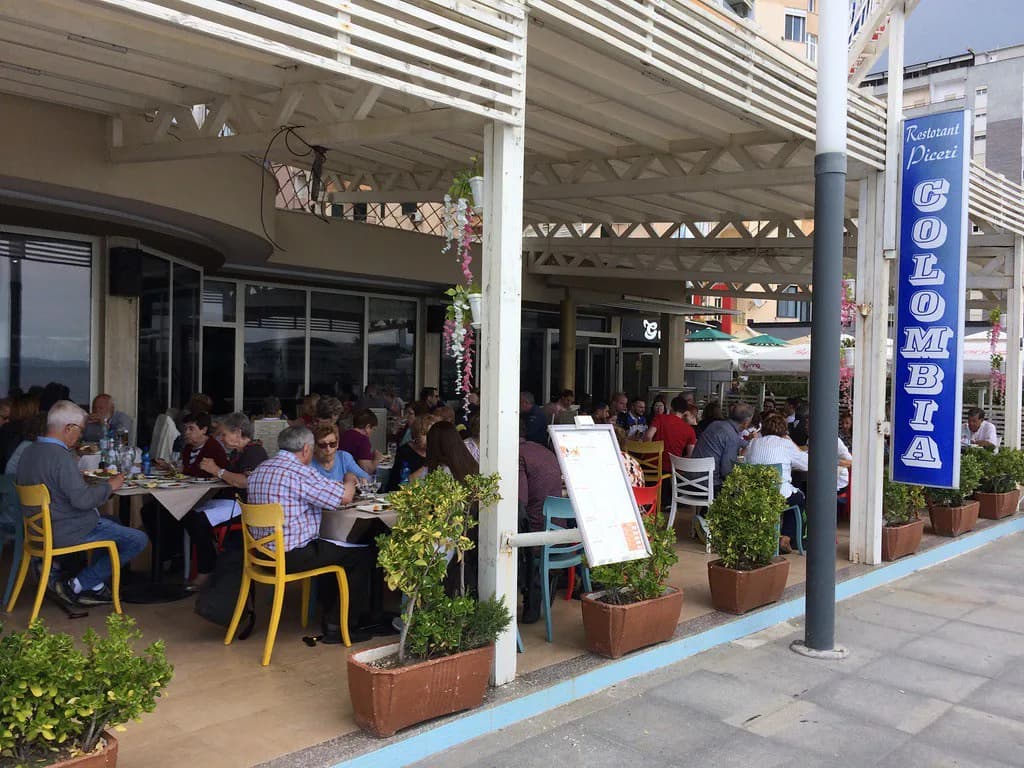
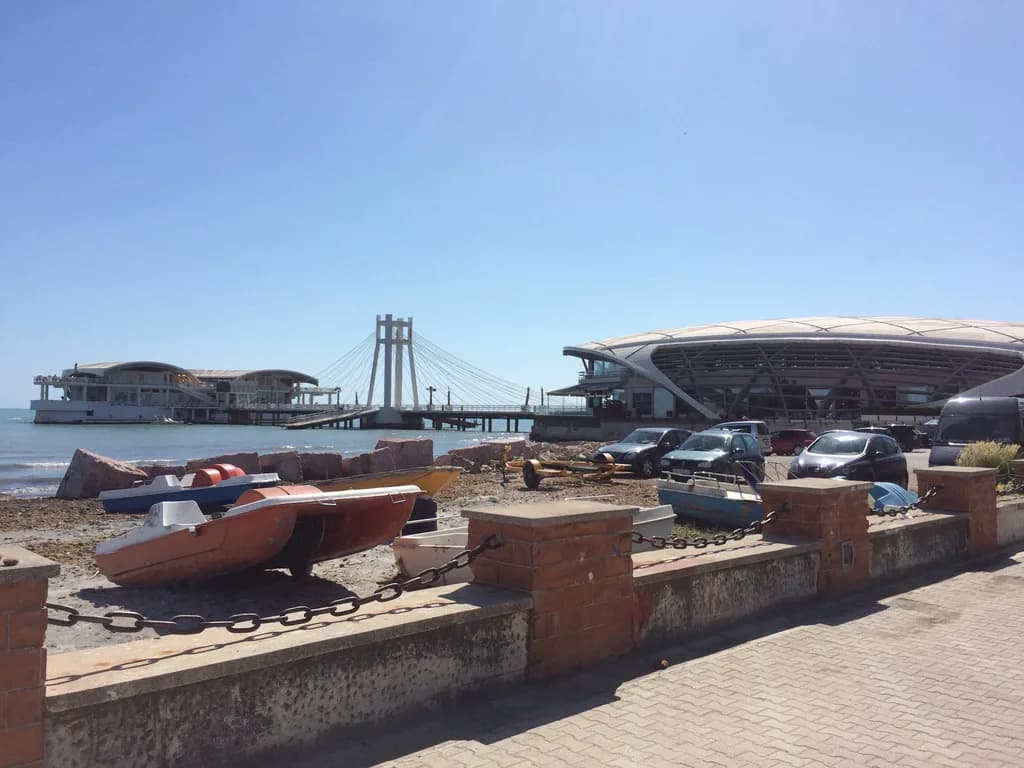
The promenade runs along the waterfront and is the easiest part of Durrës to do without a plan: walk one way, stop for seafood, and walk back.
Do it after the museums rather than before, since the centre sights are daytime stops and the promenade is the natural late-afternoon and evening walk.
Durrës beach and how to reach it
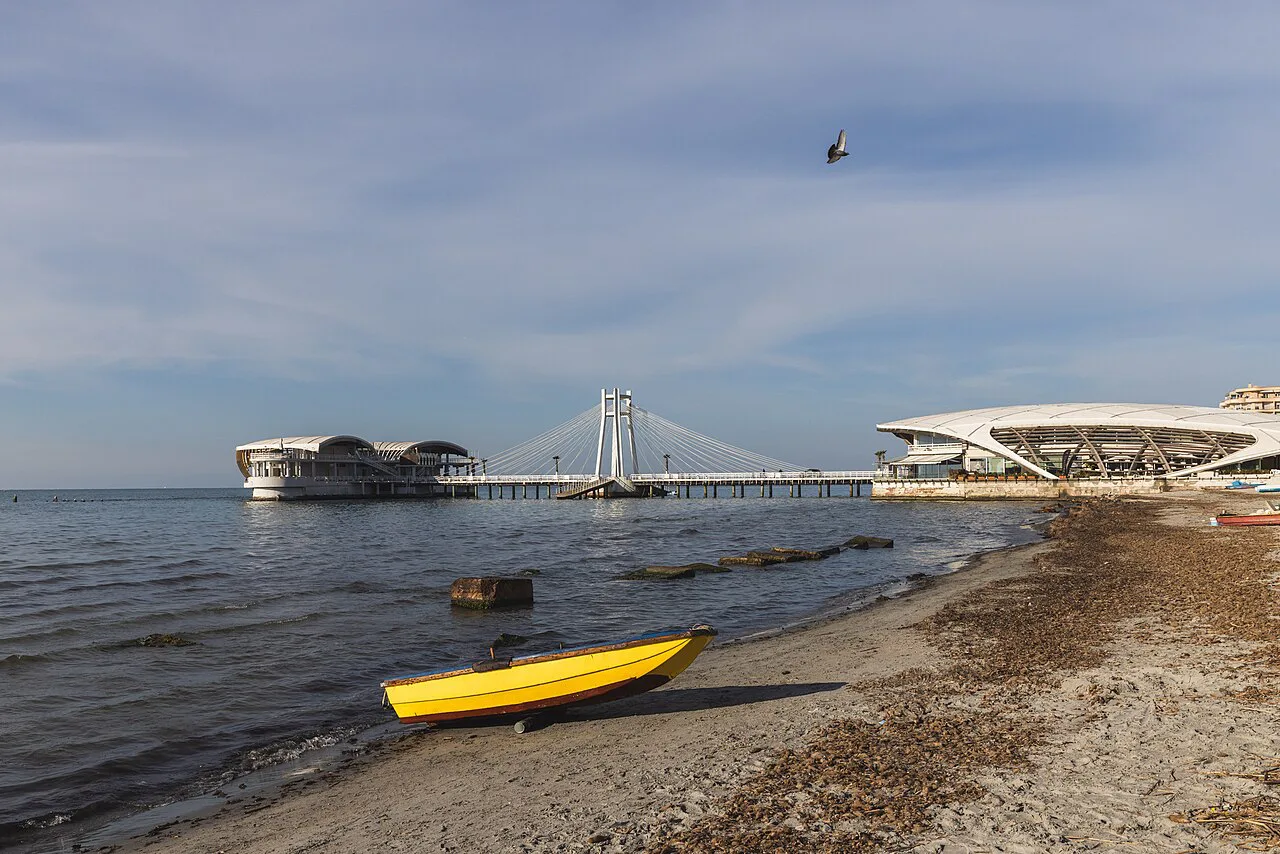
The beach runs for over 10 kilometres along the coast and mixes private sections with public ones, so you can choose between paying for a lounger and simply laying a towel down. The nearest part of the beach is about a 50-minute walk from the centre; a taxi or car covers it in roughly 10 to 15 minutes, with parking along the main street behind the sand.
Further south, Plazhi i Golemit near Hotel Grint is quieter and less built up, with fewer restaurants but resort options nearby. Take that trade-off deliberately: closer means busier and easier, further south means calmer and more dependent on a car.
The sights that need a deliberate detour
Some Durrës sights sit outside the centre loop and need a decision rather than a stroll past. The Royal Villa of Durrës is one of them; if it matters to you, plan transport for it rather than hoping to pass it between other stops.
Cape of Rodon, up the coast, is a cliff-and-coast drive rather than a city sight and suits a half-day of its own. It appears among the area's outdoor draws alongside the beach, but it is not something you fold into a morning in the centre.
Guided day trips from Durrës also run inland to Berat, which suits travellers who want a second town without sorting out transport themselves. If you are weighing that, our guide to things to do in Berat covers the old quarters and the Osum river crossings.
Getting there from Tirana and getting around
Durrës sits about 40 minutes from Tirana, which is what makes a day trip from the capital realistic. Coming from the capital for the day, start with the amphitheatre and museum, then choose between the promenade and the beach rather than attempting both.
Within the city, the centre sights are walkable and the beach is not, so plan one transport leg to the sand and back. Groups and families may find a guided excursion simpler than juggling taxis; shore excursions from Durrës and day tours inland also run from the district.
A workable half-day and full-day order
For a half-day, do the amphitheatre first thing, then the Archaeological Museum, then the Grand Mosque and the Byzantine forum on a single walk through the centre. That fills about three to four hours and leaves the afternoon free.
For a full day, add the promenade in the late afternoon and, if the weather is with you, a trip to the beach after the museum. In hot weather, reverse the emphasis: sights early, museum at midday, seafront and beach later.
Trade-offs: heat, crowds and short stops
In summer the centre bakes and the seafront fills, so the honest approach is to start early and keep the museum for the hottest hours. The beach is busiest in high season, and the quieter southern stretches cost you a longer drive and fewer food options.
Be realistic about how long things take: the tower and forum are minutes, not hours, and the amphitheatre is a short look. The museum is the only sight that genuinely needs a chunk of the day, so protect that time and let the rest be brief.
Which order suits your day in Durrës?
If you have one day, take the centre first: amphitheatre, museum, mosque and forum on foot, then decide between the promenade and the beach for the evening. If you have two, split the historic centre from the coast and add a detour such as the Royal Villa or Cape of Rodon.
Before you go, confirm current opening hours and ticket prices locally, especially for the amphitheatre and the tower. Our wider guide to things to do in Albania helps you slot Durrës into a longer trip. For the practical details, see the Durres map.
Explore more Durres guides
Frequently Asked Questions
How many days should you spend in Durrës?
One full day covers the historic centre, the promenade and either the museum or the beach in depth. Two days let you do the centre properly, spend a relaxed afternoon on the sand and add a detour such as the Royal Villa or Cape of Rodon.
Is Durrës good for a day trip from Tirana?
Yes. The city is about 40 minutes from Tirana, so a day trip is realistic if you start with the amphitheatre and museum, then choose between the promenade and the beach rather than trying to fit in both.
Sources
Notes for your Albania trip
Optional updates to our Albania town guides.
You might also like
Continue reading
More guides you'll find useful