Durrës Castle: Visiting the Venetian Tower and Old Walls
What survives of Durrës Castle, why the Venetian Tower is the part you actually see, and how to fit the old walls into a walk through Durrës.
On this page
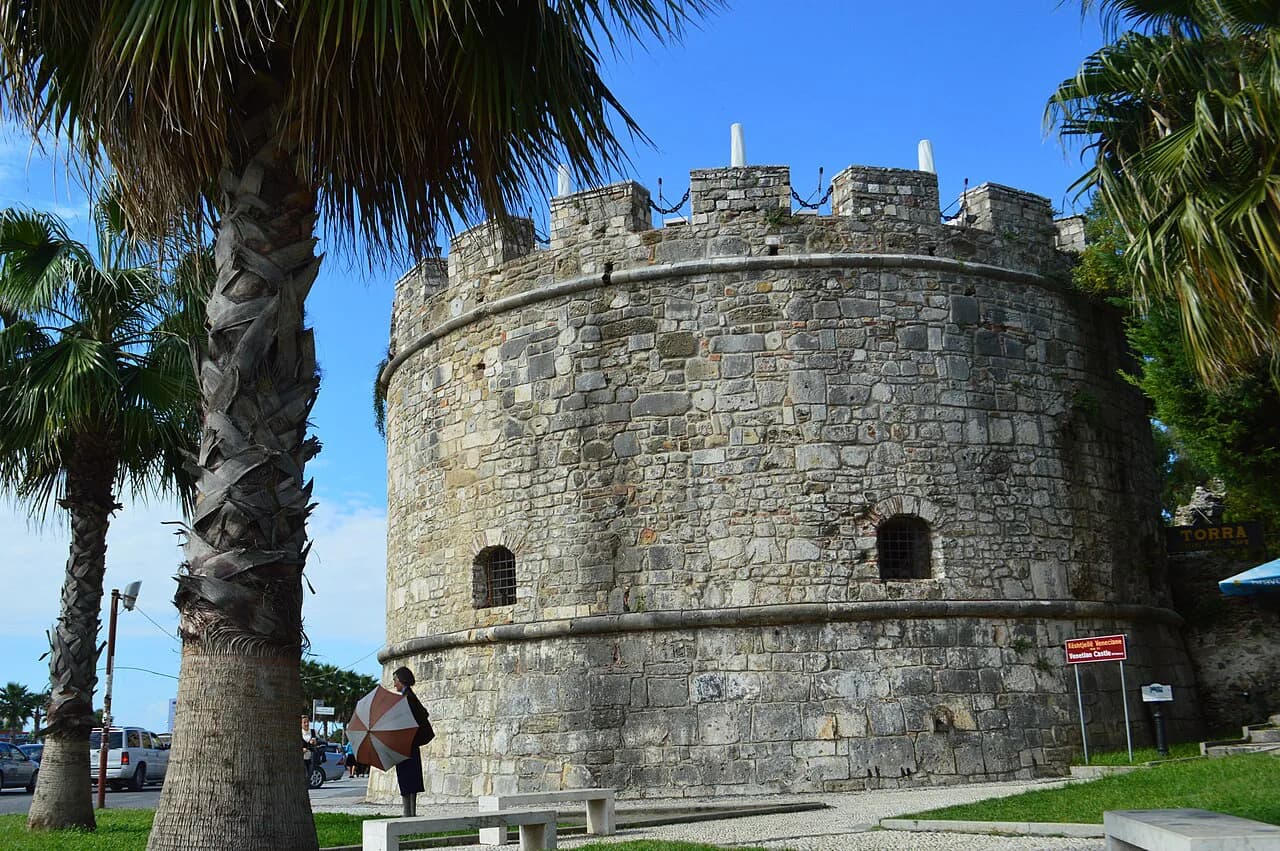
Durrës Castle is a fragment rather than a fortress: a single tower and a section of wall standing in the old centre, listed in most guides as the Venetian Tower. Allow 20 to 30 minutes for the tower itself, and treat it as one stop on a short old-town circuit with the Roman amphitheatre and the Archaeological Museum. This guide covers what survives, where it sits, the two levels inside the tower and how to walk there from the port.
What you actually see at Durrës Castle
The monument consists of one tower and an adjoining stretch of wall, which is why visitors who arrive expecting battlements and courtyards come away puzzled. Read it as a surviving piece of the city's defences embedded in later streets, not as a walled circuit you can walk around. The Visit Albania listing records this form directly, describing a single tower and wall.
Most maps and listings use two names for the same site: Durrës Castle and the Venetian Tower of Durrës. If you are searching for it on arrival, look for the tower rather than a castle gate. The old town around it is compact and easy to cross on foot.
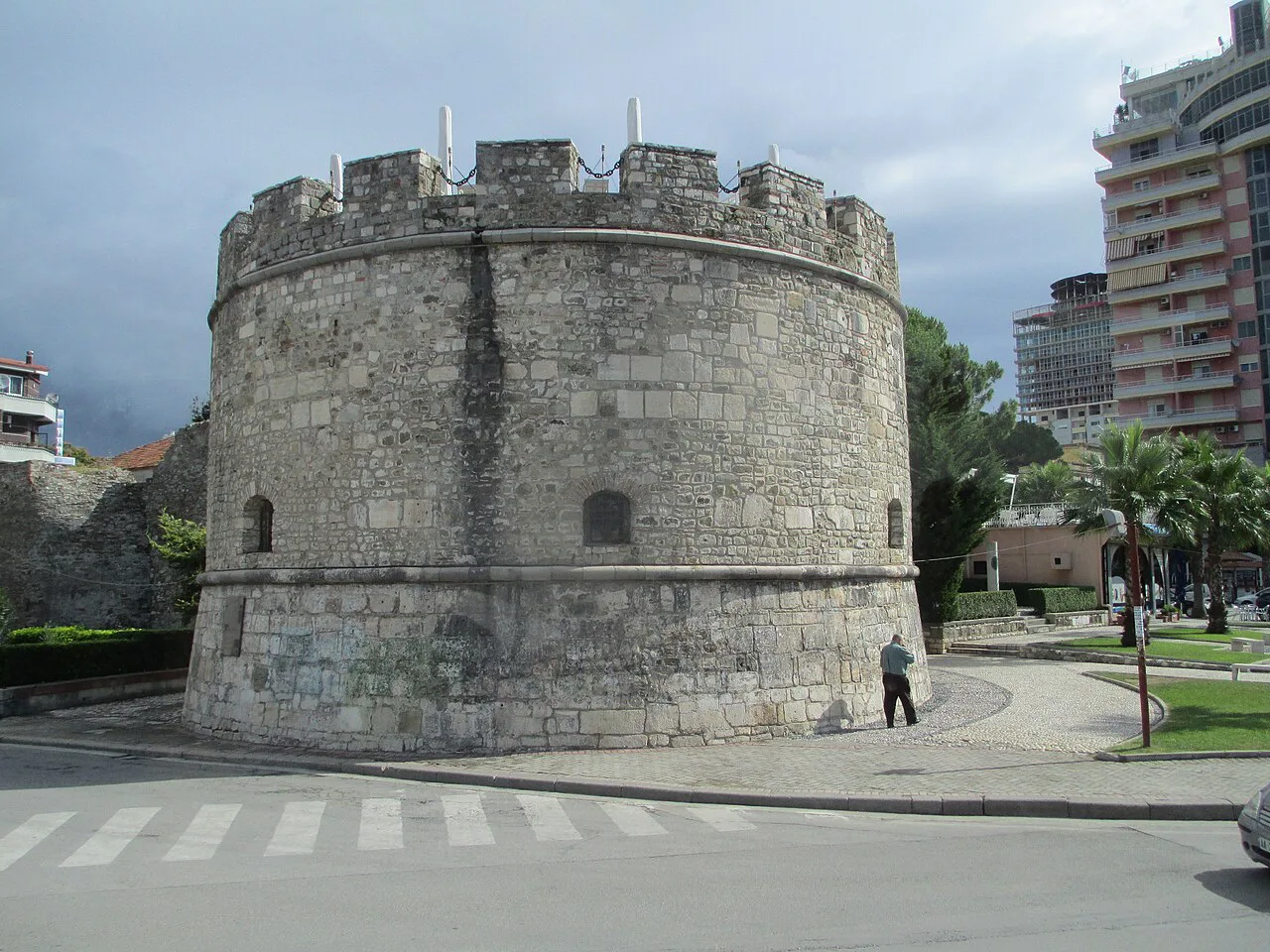
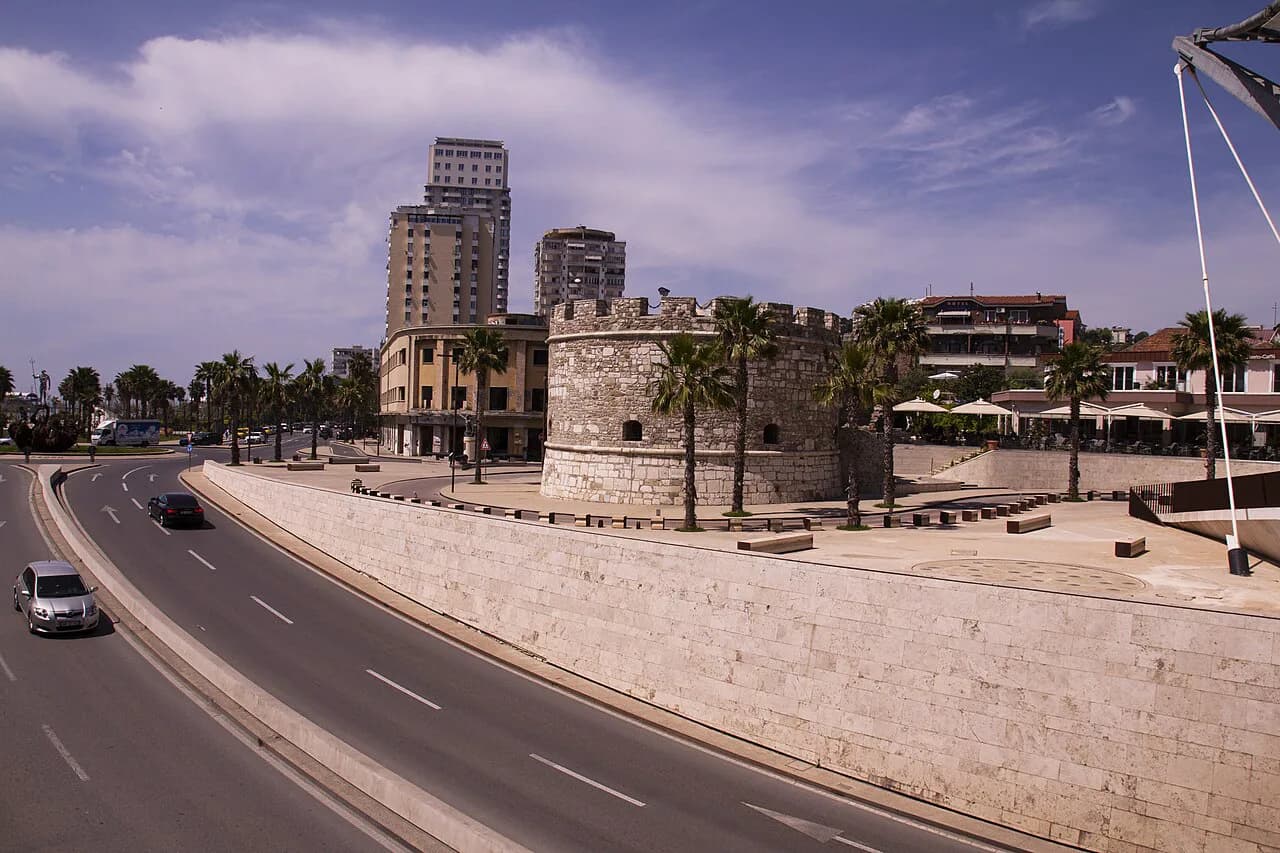
Where the tower sits in the old town
The tower is addressed at Rruga Fetah Bllaca in Durrës, a lane in the old centre rather than a separate hilltop site. That location is what makes it useful: the Roman amphitheatre is close by, which is a practical way to order a half-day in the centre. Treat the address as your anchor when you approach from the port or the boulevard.
From the tower, the amphitheatre is the natural next stop, and the Archaeological Museum is a short distance further on. Both appear as nearby attractions in the same listings, which is a practical way to plan the order of a half-day in the centre. Our Durrës Old Town guide sets out the wider street pattern if you want to extend the walk.
Byzantine origins and Venetian reinforcement
The tower's origin is attributed to the Byzantine period, dating to the reign of the Emperor Anastasius I, who was born in the city. That attribution is the earliest layer the listing gives, and it is worth keeping separate from what you see above ground today. Durrës History covers the city's longer timeline if the imperial context interests you.
The walls were reinforced by the Venetians before the Ottoman conquest of the city, so the surviving fabric reflects more than one period of work. Read the masonry with that in mind: you are looking at a structure that was adapted and repaired over centuries, not built in a single campaign. The same listing records the 1939 episode, when locals used the castle as a base while trying to delay the Italian advance and held their ground until armoured Italian units disembarked at the port.
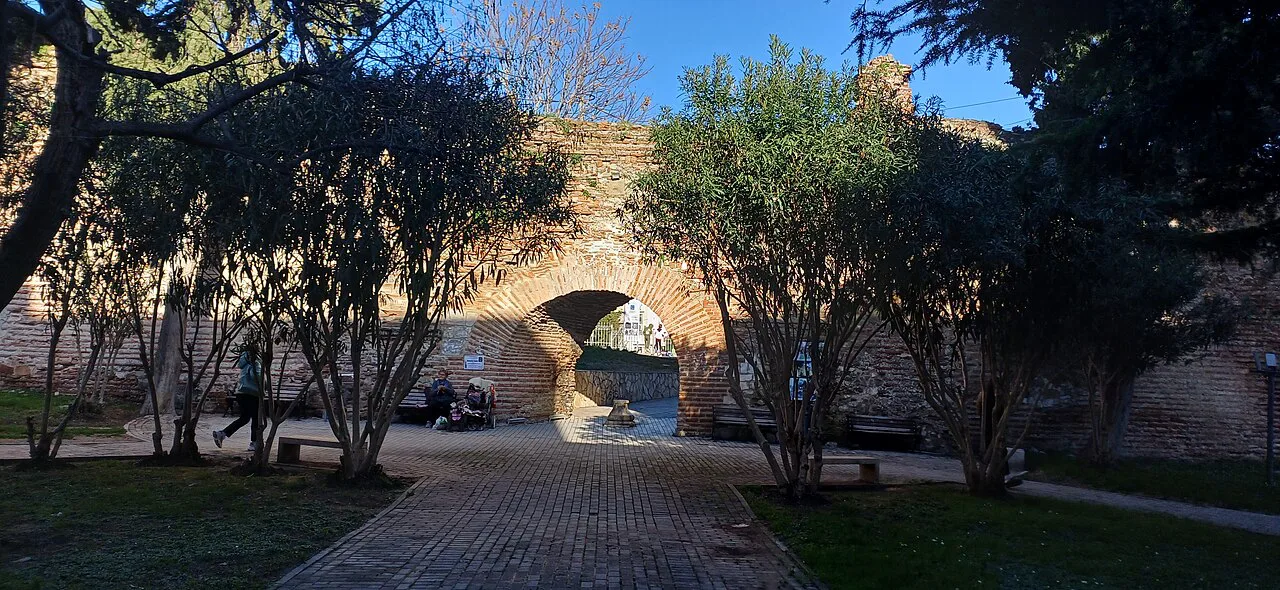
Two levels: the interior and the rooftop view
The tower has two levels: an interior space at ground level and a top level that gives a view over the surrounding streets. Visitors report the rooftop as the rewarding part, so budget your time for the climb rather than the room below. Steps and uneven surfaces are part of the visit, so wear shoes you can climb in.
Inside the Venetian tower there is a bar, according to the same visitor account, which changes the feel of the interior from a museum room to a place people sit. Check on arrival whether it is open, since a visit built around the rooftop view does not depend on it. Photography from the top is the reason most people linger.
Entry and what it costs
A visitor review describes the castle area as free to the public, which is the only indication of access in the available listings. Treat that as a visitor report rather than an official tariff, and be ready for the position to differ when you arrive. Nothing in the listings gives opening hours beyond advice to confirm them with the attraction.
How long to allow, and what to pair with it
Twenty to thirty minutes covers the tower and the view; add an hour if you want the amphitheatre as well, and more if you go into the Archaeological Museum. The three sit close enough together to make one compact old-town circuit rather than three separate outings. Our guide to museums in Durrës helps you decide which collections justify the time.
The amphitheatre on Rruga Kalase is the most substantial ancient structure in the centre, and the Archaeological Museum on Rruga Taulantia holds the finds that explain it. Pairing the tower with these two gives the Byzantine and Roman layers of the city in a single afternoon. If you prefer a structured route, a walking tour can sequence them for you.
Walking there from the port and centre
Come on foot. The old lanes around Rruga Fetah Bllaca are narrow, so this section of the city is easiest to cover without a car. From the port and the central boulevard the tower is a short walk inland.
Approaching from the waterfront, head for the amphitheatre first and use it as your landmark; the tower is a few minutes further on. That order also puts the biggest sight at the start of the walk while your legs are fresh. Our Durres Attractions: 6 Visitor Guides page lists the other stops worth folding into the same route.
What to expect: modest scale and honest advice
Set expectations before you go. This is a small monument with steps and uneven ground, and it will not fill an afternoon on its own. Visitors who enjoy it tend to be the ones who combine it with the amphitheatre and the museum rather than treating it as a headline sight.
If you have limited time in Durrës, the amphitheatre and the museum earn their place first; the tower is a quick, worthwhile addition on the same walk. If you have a spare hour in the centre, the rooftop view justifies the detour. Guided day tours that include Durrës also combine it with other castles in the region, which suits travellers without their own transport.
Should the tower be on your Durrës route?
Yes, if you are already walking the old centre: the tower costs little time and gives you a rooftop view plus a readable piece of the city's defensive walls. No, if you are choosing between sights on a tight schedule, in which case the amphitheatre and the Archaeological Museum come first. Build the tower into a circuit rather than making it the destination, and check access on the day.
Frequently Asked Questions
Is Durrës Castle the same as the Venetian Tower?
Yes. Most listings use both names for the same monument: a single tower and a stretch of wall in the old centre of Durrës. If you are searching for it on a map, look for the Venetian Tower of Durrës at Rruga Fetah Bllaca.
Can you go up inside the Venetian Tower?
The tower has two levels, an interior space and a top level with a view over the surrounding streets. Visitors report that the rooftop is the part worth the climb, and there are steps and uneven surfaces on the way up. Check access on the day before relying on it.
How long does a visit take?
Allow roughly twenty to thirty minutes for the tower and the view. If you add the Roman amphitheatre and the Archaeological Museum nearby, plan a half-day in the old centre.
Sources
Notes for your Albania trip
Optional updates to our Albania town guides.
You might also like
Continue reading
More guides you'll find useful