Things to Do in Berat: Castle, Old Town & Museums
Plan your time in Berat with the castle, the Mangalemi and Gorica quarters, the icon museum, the old bridges and the evening xhiro on Bulevardi Republika.
On this page
Give Berat one full day for the castle and the two old quarters, and a second for whichever half-day outside town appeals most. The historic core is compact enough to walk, but it is split by the Osum river and stacked up a hillside, so the order you do things in matters more than the number of stops. Use the Berat Map to see how the quarters and the crossings sit against each other, then plan a walking route rather than a tick-list, from the inhabited citadel down through Mangalemi and across to Gorica.
Berat was inscribed as a UNESCO World Heritage Site in 2008 for its Ottoman architecture, and the old houses with their stacked windows rise on both banks of the river. The bus station sits a few kilometres from the historic centre, with a city bus connecting the two, so you arrive on foot in the old town rather than by car.
Berat in a day: the short answer on what to see first
Climb to the castle first thing, when the cobbled road up is still cool and quiet, then work back down through Mangalemi in the late morning. Spend the afternoon on the Gorica side of the river and the early evening on Bulevardi Republika, where locals take their xhiro. Doing the castle first also means the steepest part of the day is behind you before the heat builds.
If you only have a single day and are coming from Tirana by public transport, the connections eat into your time, and the trip works better with your own vehicle or an organised tour from Tirana. Staying at least two nights lets you see the castle in low evening light and gives you room for a winery or the canyon.
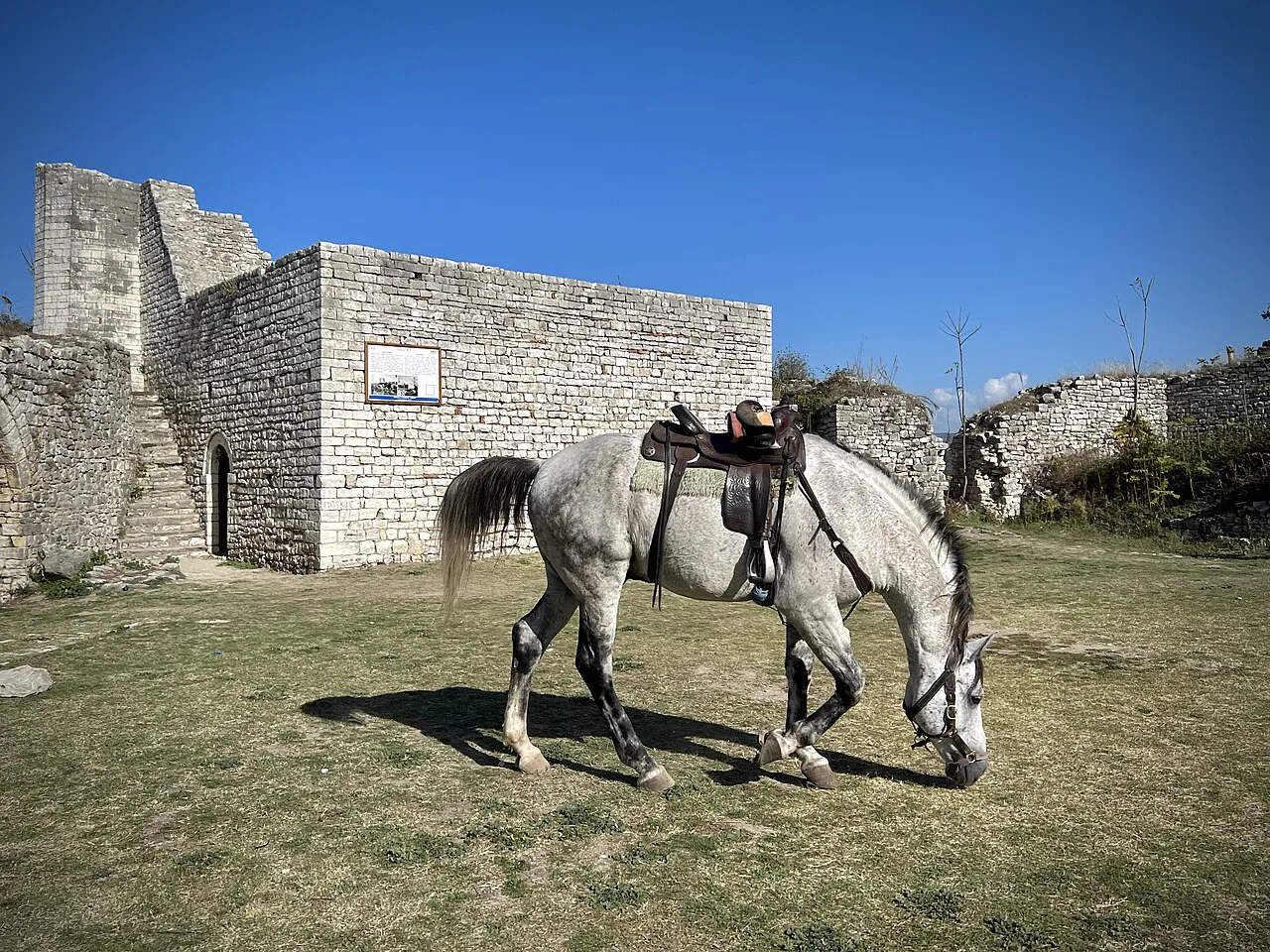
Berat Castle (Kalaja e Beratit): the climb, the walls and the inhabited citadel
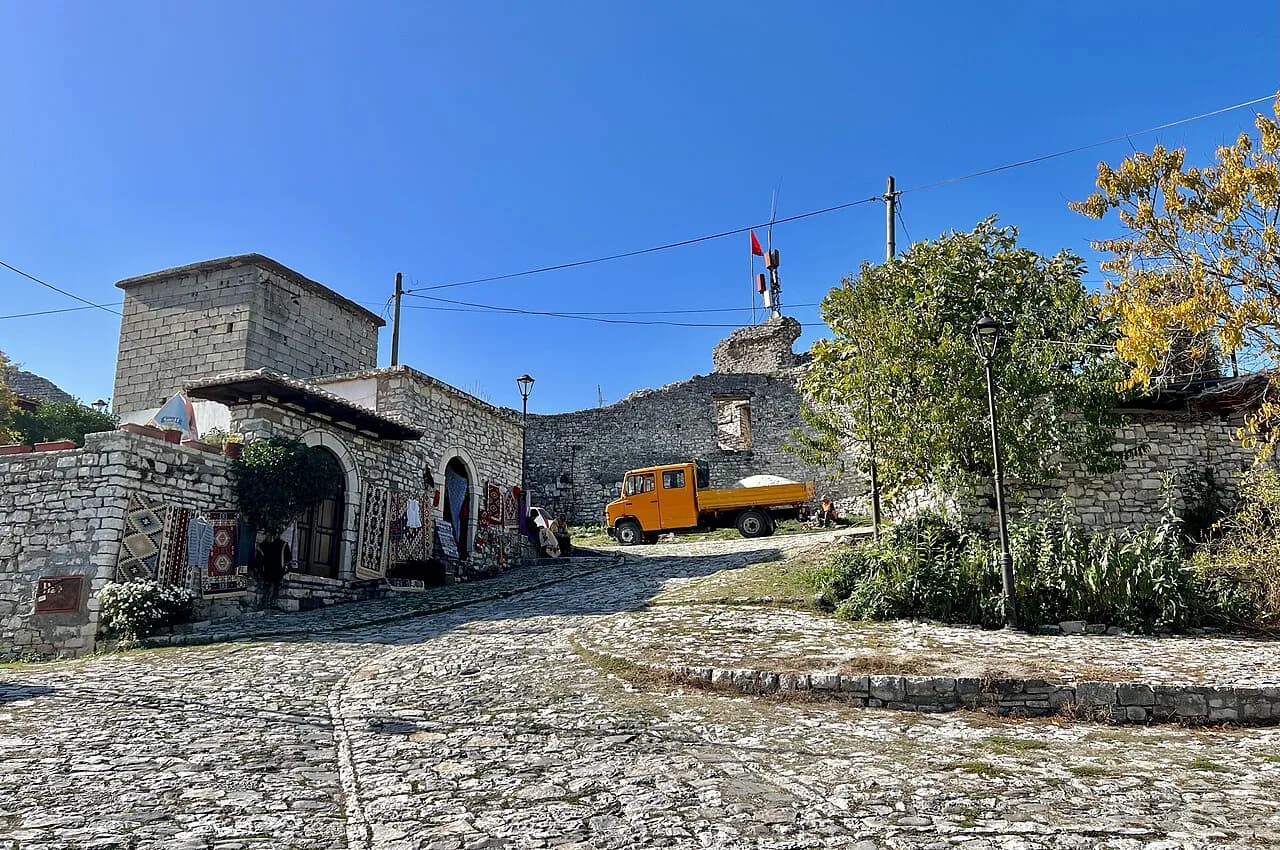
The castle sits on the ridge above town, and getting up there means a long, steep walk along a cobbled road from the lower town. Wear shoes with grip rather than sandals, and start early in summer or aim for late afternoon, since the climb is exposed and hot in the middle of the day. The walls themselves and the views back over the valley are the reward, so allow time at the top rather than turning straight round.
What makes the citadel unusual is that it is still lived in: families occupy houses inside the walls, and some have become guesthouses, restaurants and souvenir shops. Expect stone lanes, Byzantine churches and ruins mixed in with ordinary front doors, and treat the residential lanes as someone's street. Entry arrangements have varied: a daytime charge has been described at the gate, though it was not always collected on visits, so look for the ticket point as you arrive.
Time it properly and the castle is a half-day rather than an hour: the climb up, the circuit of the walls, the museums inside and the walk back down all add up. Plan the castle within a wider Berat itinerary before you go so you know which gates and churches you are looking for.
Onufri Iconography Museum inside the castle
The Onufri Iconography Museum sits inside the castle walls and holds the icon collection that gives Berat its artistic reputation, displayed in a church interior. It is the one indoor sight worth building into your castle morning, both for the art and for a break from the sun. Opening hours are not fixed in any source, so confirm at the ticket desk on the day rather than planning your day around a set time.
Pair it with the Ethnographic Museum lower down, which shows how an Ottoman house in Berat was furnished and lived in. The two together give you the art and the domestic life of the town in a single day.
Holy Trinity Church and the castle's Byzantine churches
Inside the citadel, the Holy Trinity Church is the building most visitors photograph, standing among the houses with the valley behind it. Several more Byzantine churches survive within the walls, some in use and some in ruins, and they are scattered rather than clustered, so you find them as you walk the lanes. Keep to paths, close gates behind you and dress modestly if you step inside a church that is open.
The frescoes in these churches are part of why the town was listed, and the Onufri collection helps you read what you are looking at. Allow an extra hour on the ridge if churches are your main interest.
The Red and White Mosque ruins
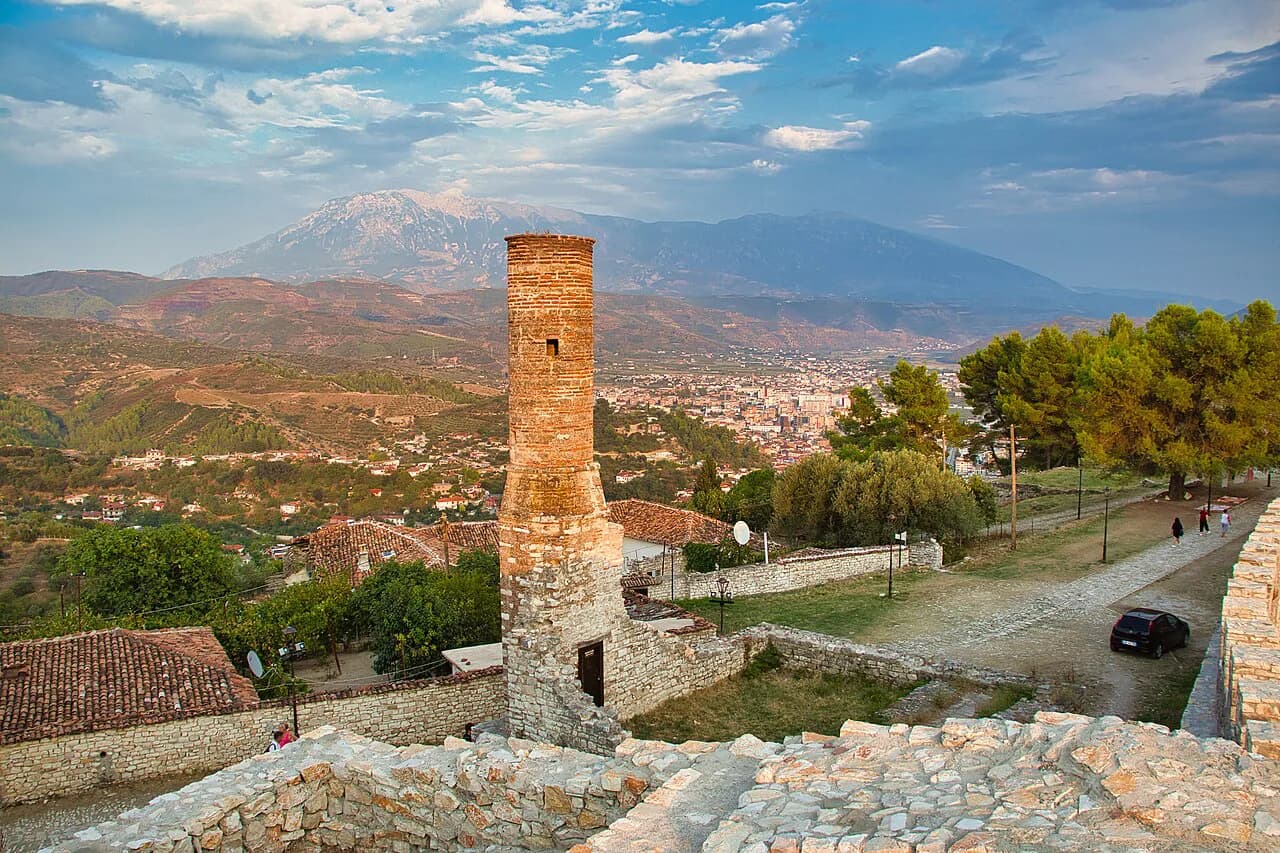
The remains of the Red Mosque and the White Mosque stand inside the castle area, reduced to fragments rather than standing buildings. They are quick to see and easy to fold into a circuit of the walls, and they add the Ottoman layer to the Byzantine churches around them. Look for them as you walk rather than making a separate trip.
Mangalemi: the old quarter and its cobbled lanes
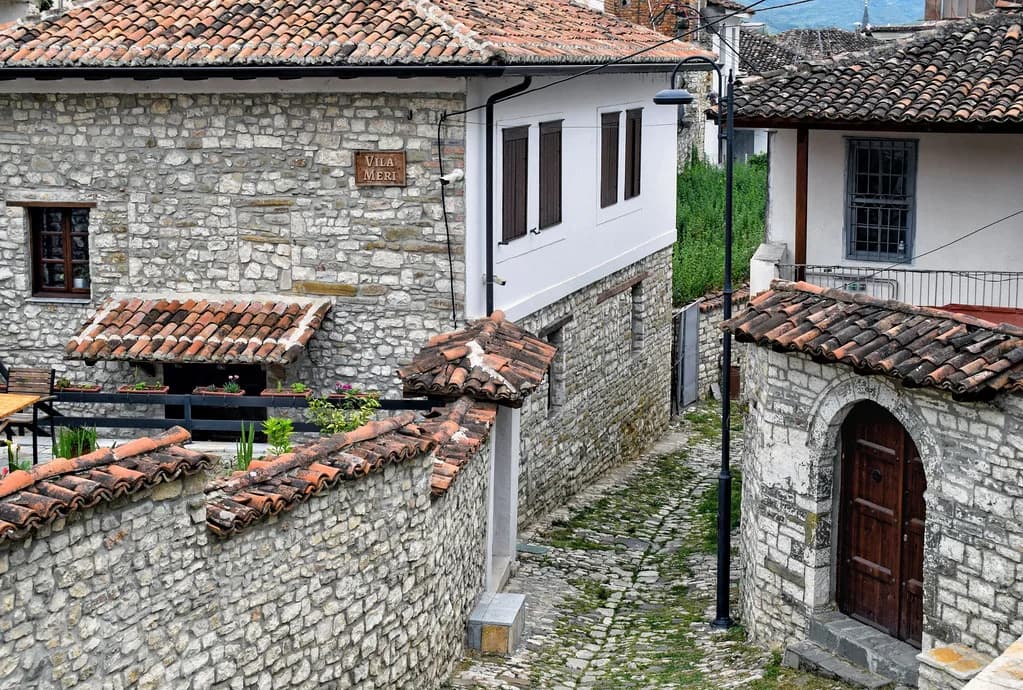
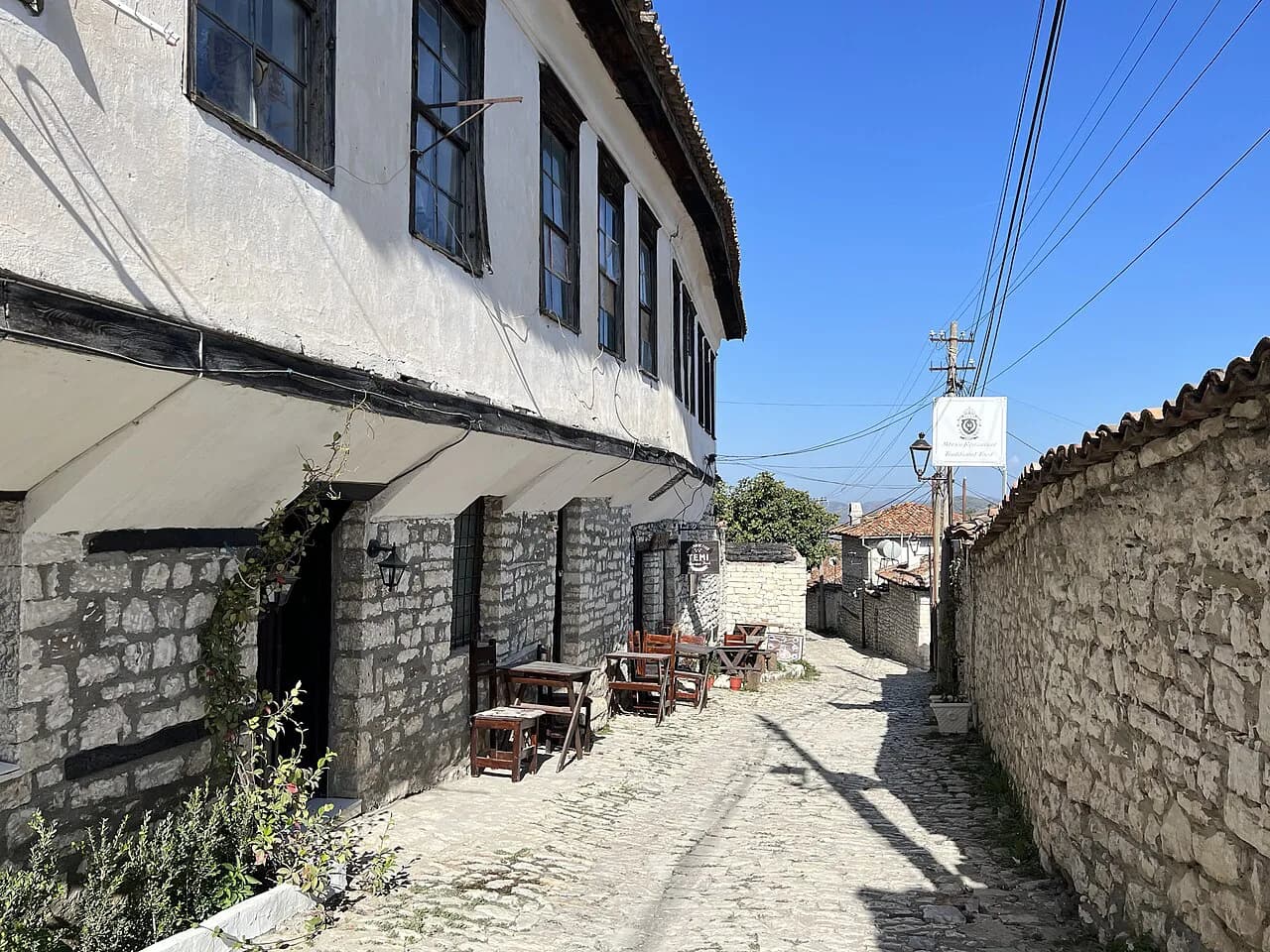
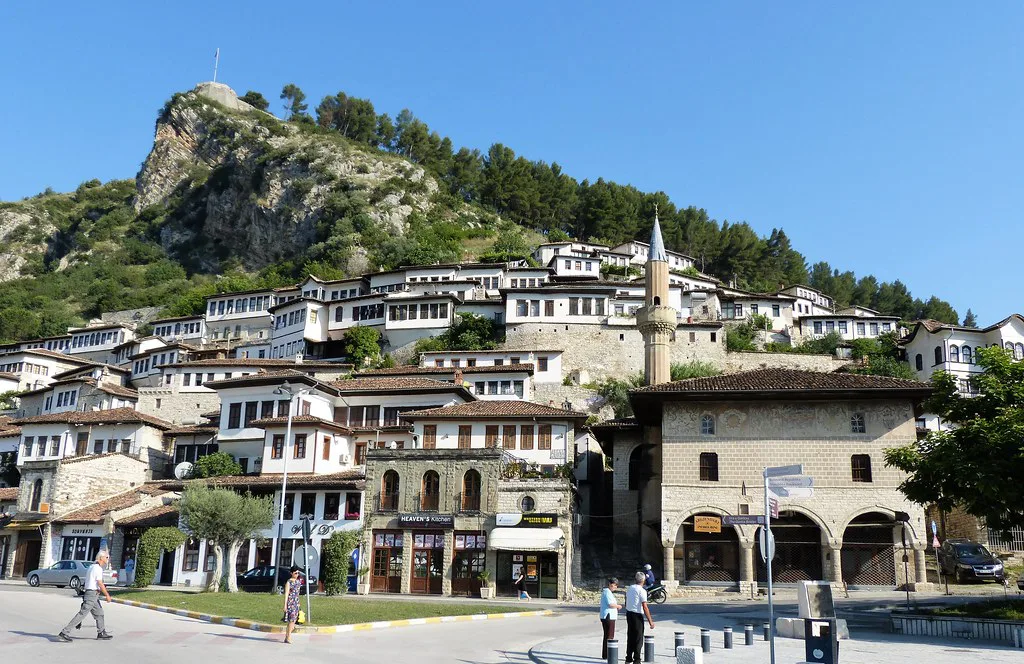
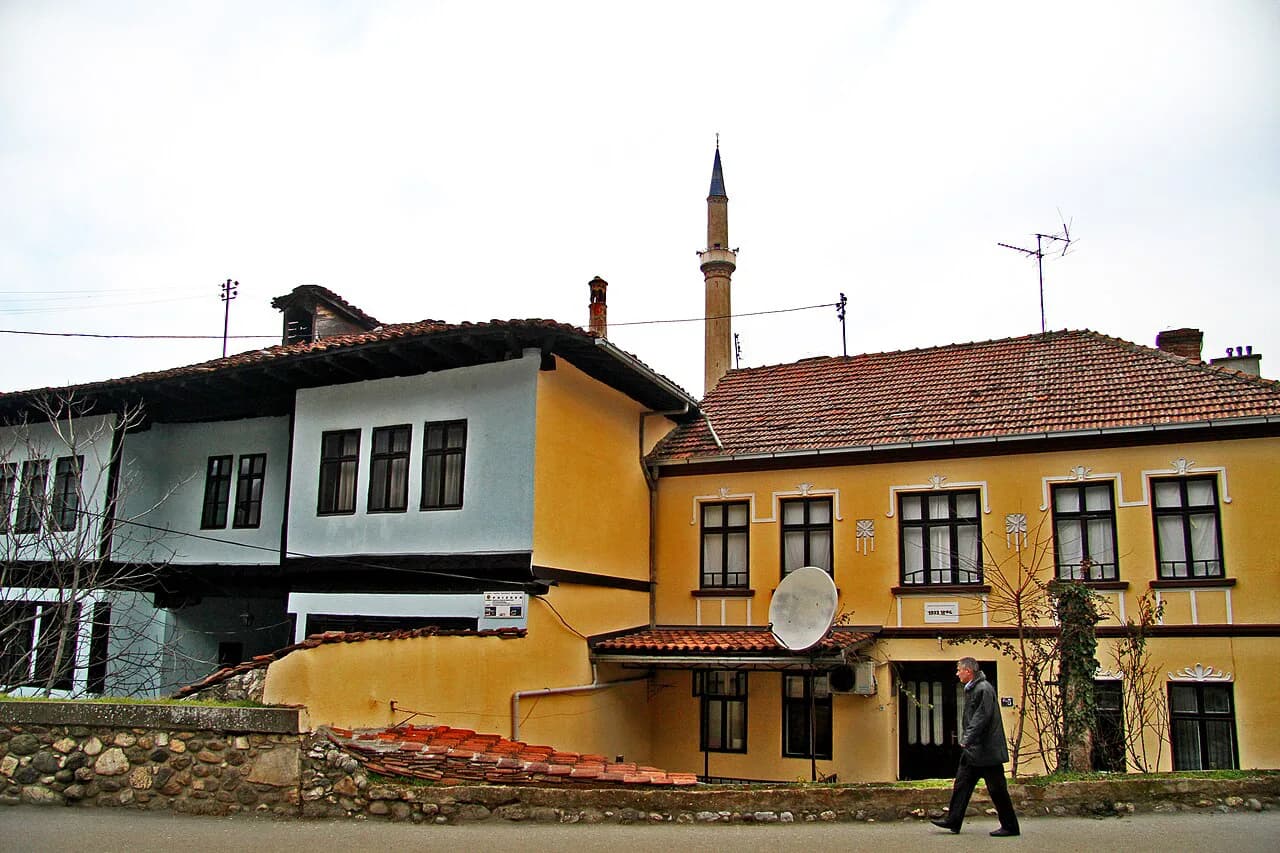
Mangalemi is the largest and most photographed quarter, holding the town's three main mosques, with cobbled lanes, stairways and layers of Ottoman houses stacked above the riverfront. It is the most restored and photogenic quarter, with boutique guesthouses and restaurants among the streets, which also means it is the busiest. Wander without a fixed route: the pleasure here is following a lane and seeing where it lands.
Down on the riverfront, Rruga Antipatrea is lined with traditional restaurants, art shops and fast-food places and becomes one of the busiest social spots in the evening. Eat here if you want the old-town setting with your meal, and look at our pick of the Best Restaurants in Berat before you choose.
Gorica: the quieter quarter across the Osum
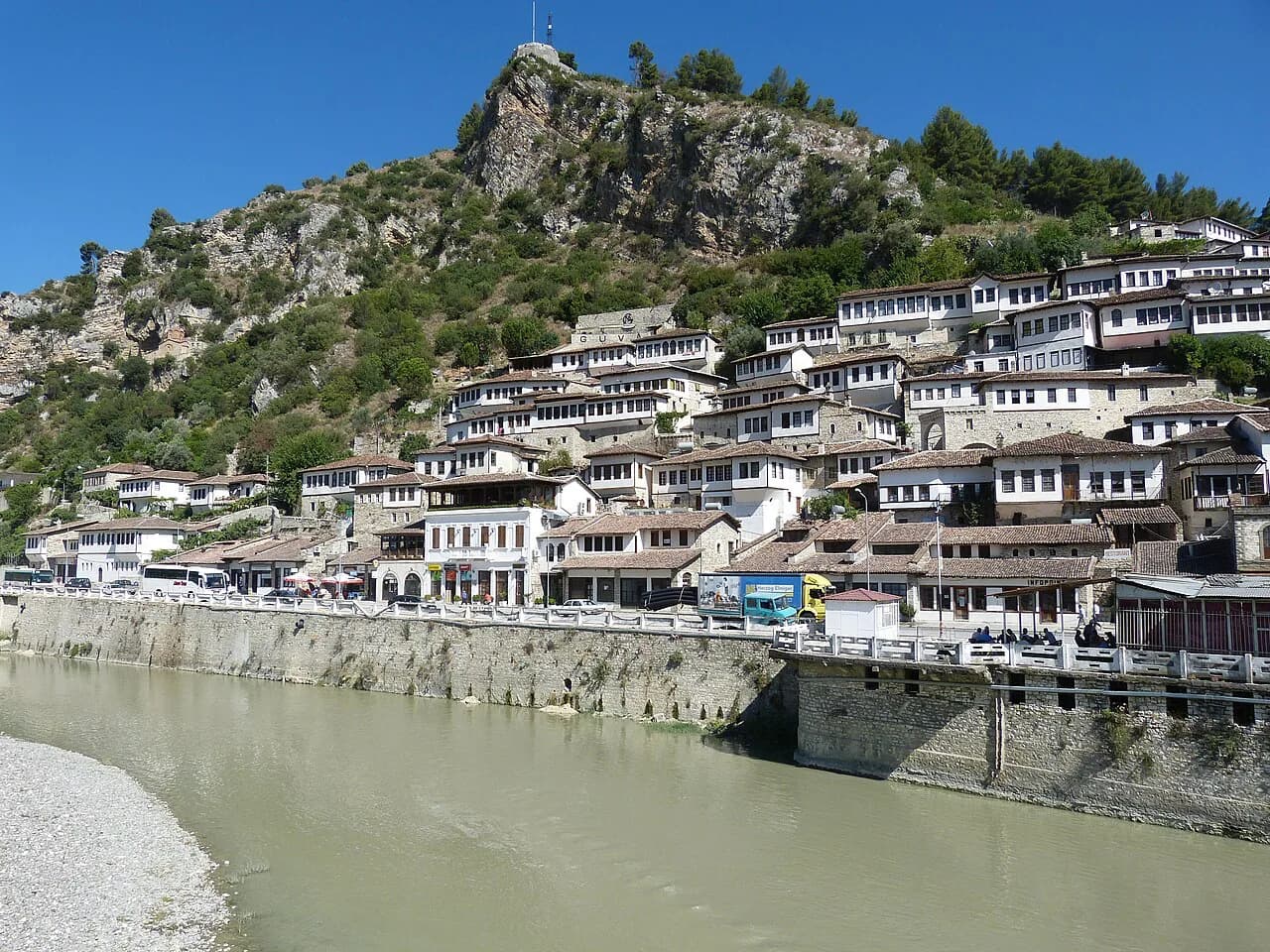
Gorica sits on the opposite bank and is the place to look back at the stacked windows of Mangalemi, which is the view most photographs of Berat are chasing. The quarter is quieter and more weathered, with vacant and crumbling stone houses alongside lived-in ones, so it feels less polished than the far bank. It rewards a slow hour rather than a checklist.
Come over in the late afternoon, when the light hits the far bank and the lanes are cool, and give yourself time to find the climb up to the viewpoint above the roofs. Sturdy shoes help on the cobbles and steps.
Crossing the Osum: the Gorica bridge and the modern footbridge
Two crossings link Mangalemi and Gorica: the arched Gorica bridge and the modern Ura e Varur footbridge, both walkable within minutes of the old town. Use one each way so you see the river from both angles, and stop mid-span for the classic view of the houses above the water.
The river is the spine of any walk in Berat, so plan your loop around a single crossing point rather than doubling back. This is also where the town's layout makes sense: castle above, Mangalemi on one bank, Gorica on the other.
Ethnographic Museum and the Solmon Museum
The Ethnographic Museum occupies a traditional Ottoman house and shows the interior life of a Berat household, which makes it the best complement to the castle's churches. Nearby, the Solmon Museum adds another collection to the same morning or afternoon. Neither is large, but together they fill a couple of hours in the old town.
These small museums keep shorter hours than the castle grounds, so check for current opening times when you pass. If only one is open, take the Ethnographic Museum.
Bulevardi Republika and the evening xhiro
Bulevardi Republika is the new town's main boulevard and the setting for the evening xhiro, when residents walk up and down to see and be seen. Join it after a day on the cobbles: it is flat, easy and the best place to watch ordinary Berat life rather than heritage Berat.
Food in Berat leans on traditional Albanian cooking, with local dishes served in the old town and along the riverfront, and Lili's is named as one of the most popular options. Sort out where to eat with our guide to Berat food before the evening walk and you avoid wandering hungry up steep lanes.
Viewpoints over the thousand windows
The best views of the stacked windows come from the far bank and from the castle ridge, so build two viewpoints into your route rather than hunting for a single spot. There is a good outlook from Mangalemi towards Gorica and the Torra hill, and the castle walls give you the whole valley.
Light matters: the far bank is best lit late in the day, and the castle is at its best in the early morning or at sunset. Arrange your walking order around that rather than the other way round.
Wine tasting at the family wineries outside town
Berat has wineries on its doorstep, and a tasting is a half-day of its own rather than something to bolt onto an old-town morning, since you need transport to reach them. Çobo Winery, about 15 minutes' drive from Berat, offered a tour of the cellars and a garden tasting of seven wines and the family's walnut raki; in 2019 that cost 1,750 lek. Confirm the current price and whether you need to book when you arrange your visit.
Go with a driver or on an organised trip if you intend to taste more than a glass, because the roads out of town are not somewhere to improvise after wine. Tours based in Berat cover the wineries and the canyon.
Osum Canyon and the Bogovë waterfall as a day trip
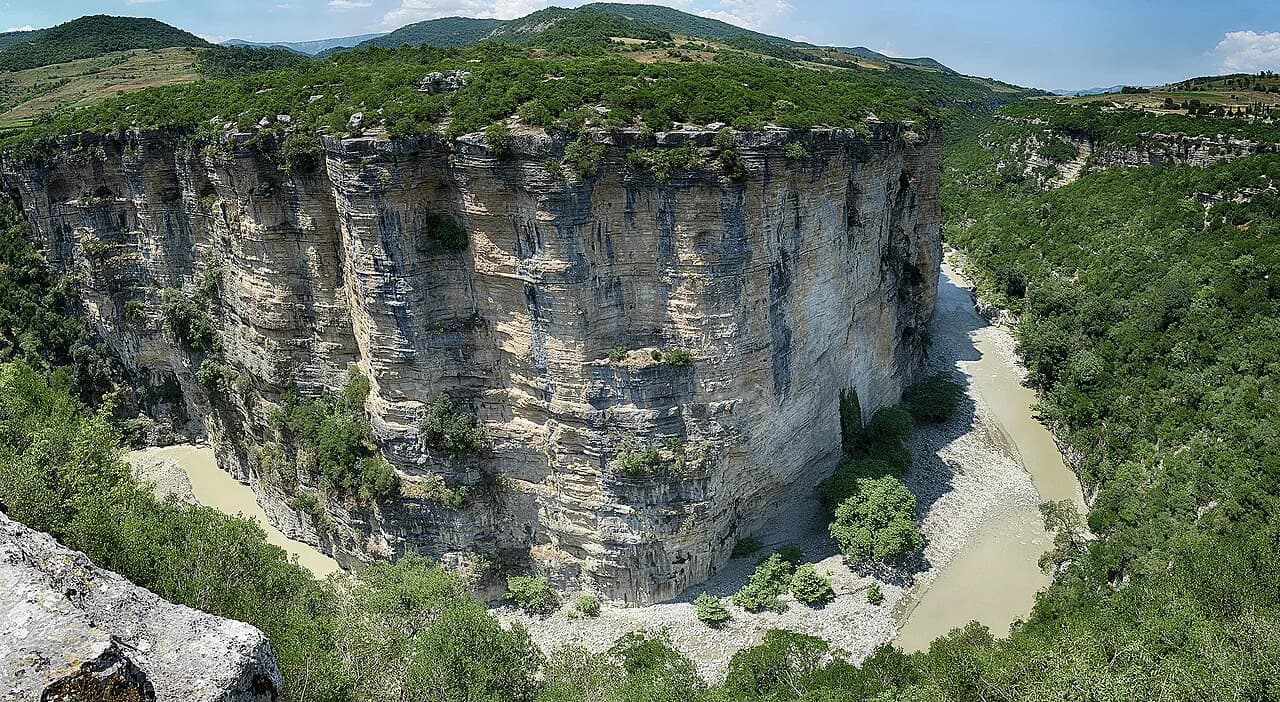
The Osum Canyon lies outside Berat and is best done as a day tour or with your own vehicle, not squeezed into a morning before the bus home. Operators run canyon and waterfall trips that combine the gorge with the Bogovë waterfall, and the canyon is the reason many people stay a second night; see our guide to Osumi Canyon rafting for what the river trips involve.
River levels change with the season, so ask what is running when you book rather than assuming kayaking or canyoning will be available. Take the day as a separate excursion and keep the old town for the other half of your stay.
How long Berat needs and how the pieces fit together by area
Two nights is the sensible minimum: one full day for the castle, Mangalemi and Gorica, and one for a winery or the canyon. The old town itself can be walked in a day if you move steadily, but the climb and the museums make that a rushed day rather than a good one. Add a night if you want the castle at sunset and the boulevard afterwards without hurrying.
Group the walking by bank: castle and Onufri in the morning, Mangalemi and the Ethnographic Museum before lunch, Gorica and the bridges in the afternoon, Bulevardi Republika in the evening. Anything outside town, whether wineries or the canyon, needs its own transport and its own half-day.
Which half-day do you sacrifice?
If your time in Berat is short, protect the castle and the two quarters and let the wineries or the canyon go. The old town is why you came, and it does not need a vehicle, a booking or a full day to deliver. For a short stay, the Berat itinerary fits the pieces together.
With a second day free, choose between the wineries and the Osum Canyon on what you would rather do with an afternoon, since both need transport and neither fits around a morning on the cobbles. If you are weighing up a wider Albanian trip, our guide to the things to do in Albania puts the country's other old towns and sights in context.
Explore more Berat guides
Frequently Asked Questions
Is Berat worth visiting?
Yes, if you want an Ottoman old town you can walk in a day, with a citadel that is still lived in and two distinct quarters either side of the river. It suits travellers who enjoy architecture, church art and steep cobbled lanes more than those looking for a beach base.
How do you get from Tirana to Berat?
Buses run from Tirana's regional bus terminal for North and South Albania, which sits a few kilometres from the city centre, and the journey takes about two hours. Services are frequent through the day, and onward connections to Gjirokastër and Sarandë are fewer, so confirm times at the station when you arrive.
Can you walk to Berat Castle?
Yes, but it is a long, steep climb up a cobbled road from the lower town, so allow half an hour to forty minutes and wear shoes with grip. Go early or late in summer, and remember the lanes inside the walls are residential.
Sources
Notes for your Albania trip
Optional updates to our Albania town guides.
You might also like
Continue reading
More guides you'll find useful