Berat History: What to Look For in the Old Town
A short Berat history for visitors, tying each era to buildings you can still see: the Kalaja castle, Mangalem and Gorica quarters, churches and mosques.
On this page
Berat's history is legible in its street plan: a fortified hilltop, a Muslim quarter on the north bank of the river and a Christian quarter opposite, with Ottoman houses stacked between them. The town has been continuously inhabited since antiquity, and its historic centre has been a UNESCO World Heritage Site since 2005. This guide links each era to a specific place you can still visit, so the timeline makes sense on the ground rather than only in a book.
Plan the day around three anchors: the Kalaja on its bluff, the Mangalem quarter below it and Gorica across the river. The climb to the castle is steep, which is the main constraint on how you sequence the walk.
Antipatreia: the Macedonian founding
Founded in antiquity, Berat began as an early Macedonian city built in the 3rd or 4th centuries BC and named Antipatreia after the Macedonian general Antipater. That name survives in the town's older layers rather than in anything you can stand in today, so treat it as context for the walls rather than as a separate sight.
The name question comes up often: Berat derives from the Old Bulgarian Bělgrad, meaning 'White City'. In Albanian texts the definite form Berati also appears, while signs and timetables usually use Berat.
Roman and Byzantine centuries
Berat later formed part of the Roman Empire and then the Byzantine Empire, and the hilltop has been used as a fortress since around 400 BC. Buildings inside the citadel that you walk past today date from the Byzantine and Ottoman periods, so the Roman phase is a matter of the site's continuous use rather than standing masonry.
Between those imperial phases the town passed at various times to Bulgarians, Angevins, Serbs and Ottomans. If you want the sequence fixed in your head before climbing, read up on the old town layout first.
Ottoman Berat and the layout you walk today
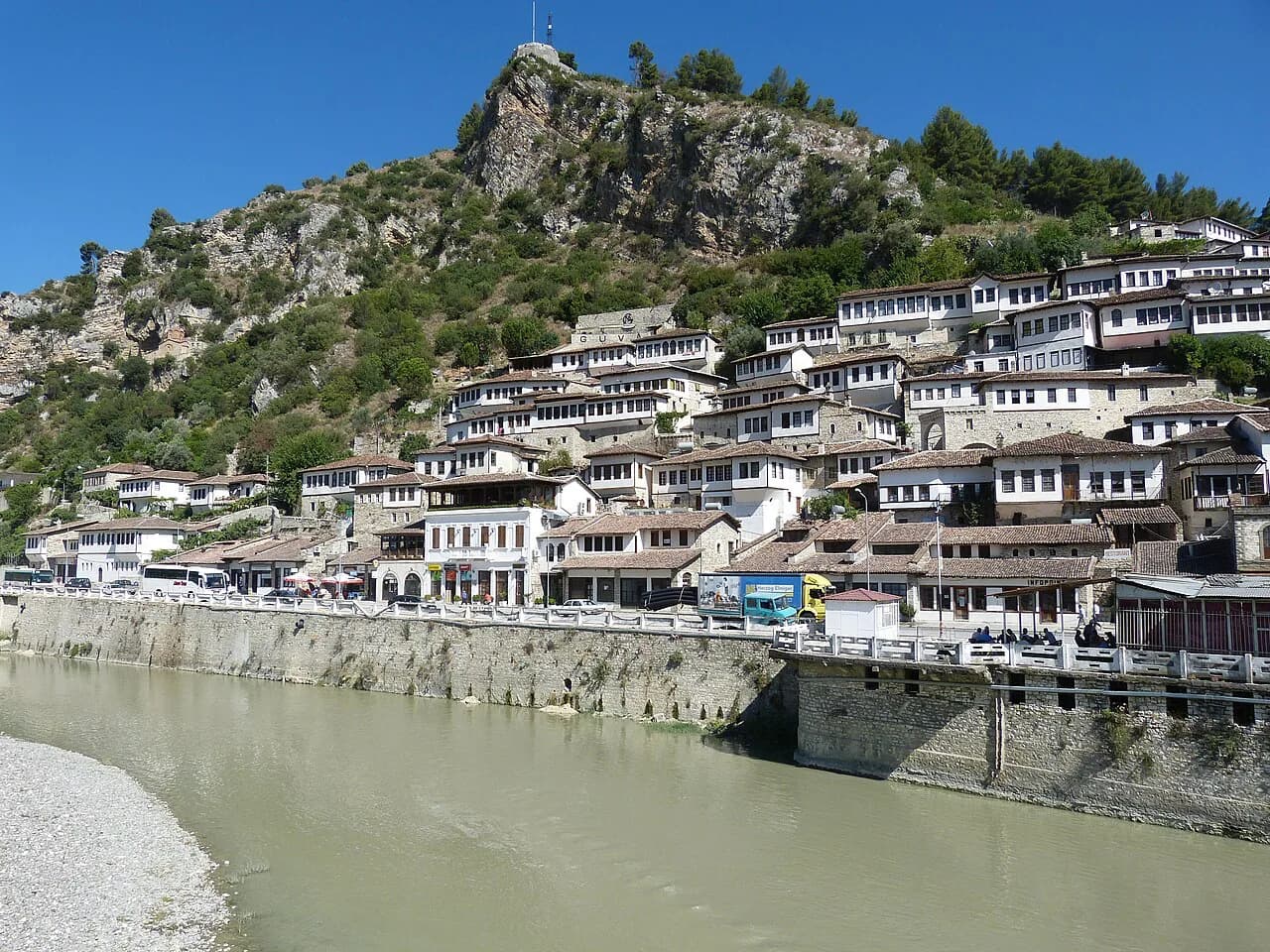
The Ottomans ruled Berat from the 15th century until their empire broke up, and the town's present shape is largely their work. The Osum River divides the historic centre: Mangalem, the Ottoman and Muslim quarter, sits on the north bank below the castle, while the Christian quarter of Gorica lies across an arched stone bridge to the south.
Walking between the two quarters is the quickest way to see how the town worked, with the castle above Mangalem and Gorica facing it across the water. The bridge is the natural pivot of any circuit.
Inside the Kalaja: churches, the Red Mosque and the Onufri Museum
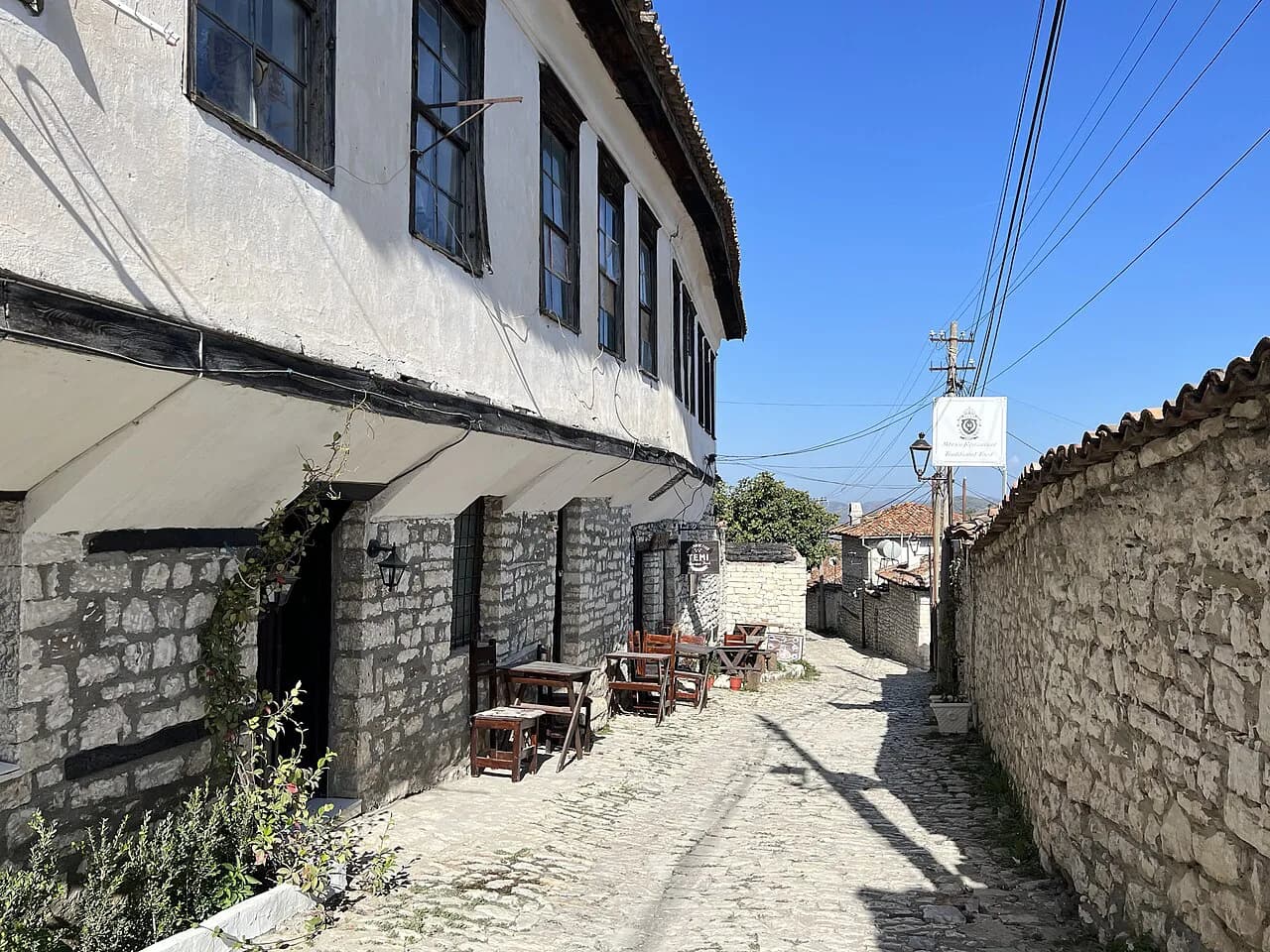
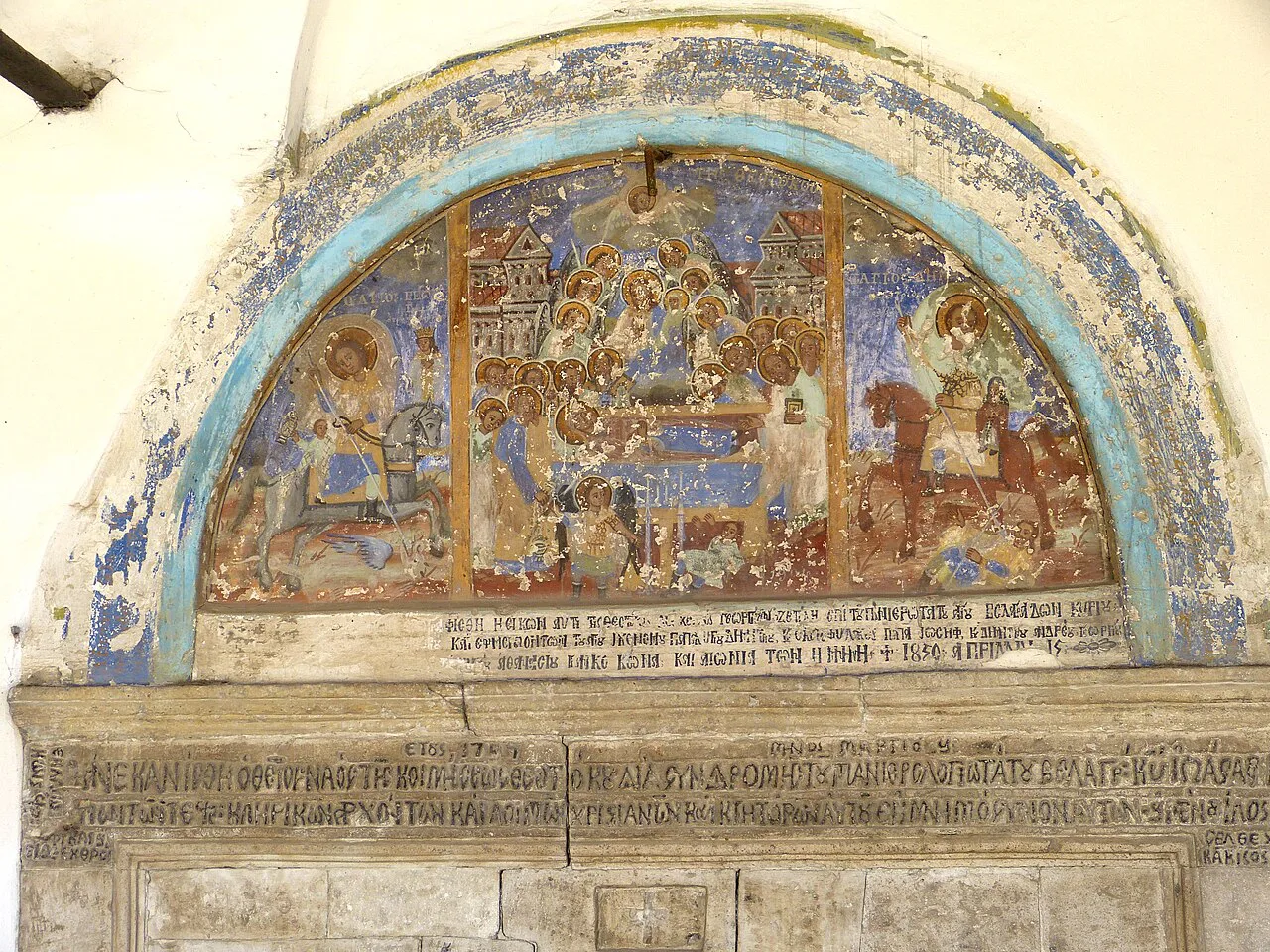
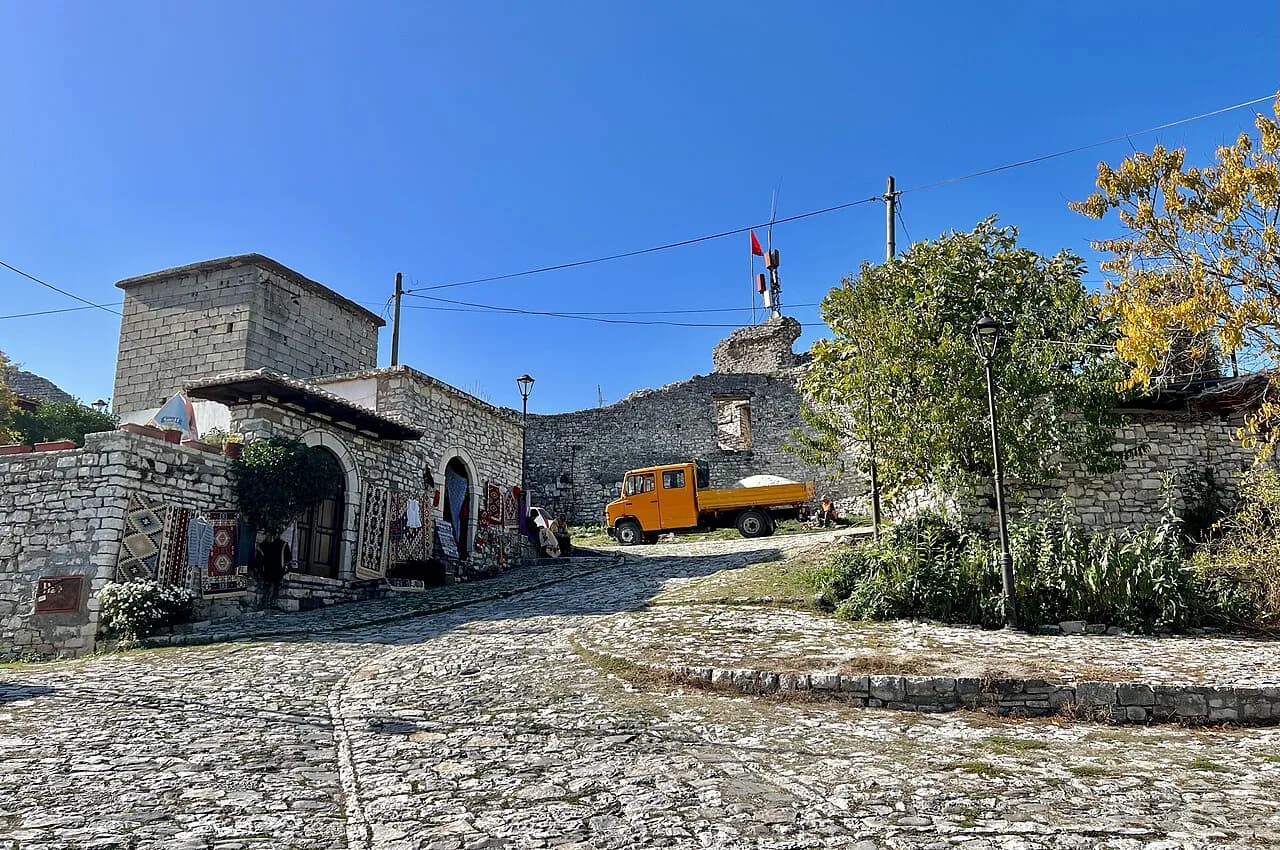
The Kalaja is a walled complex rather than a single monument, with cobbled lanes, houses still occupied by residents, cafés, a water cistern, churches and two mosques. In its heyday the population was mostly Christian and supported more than thirty churches, of which around ten survive; the two mosques were built for a Turkish garrison.
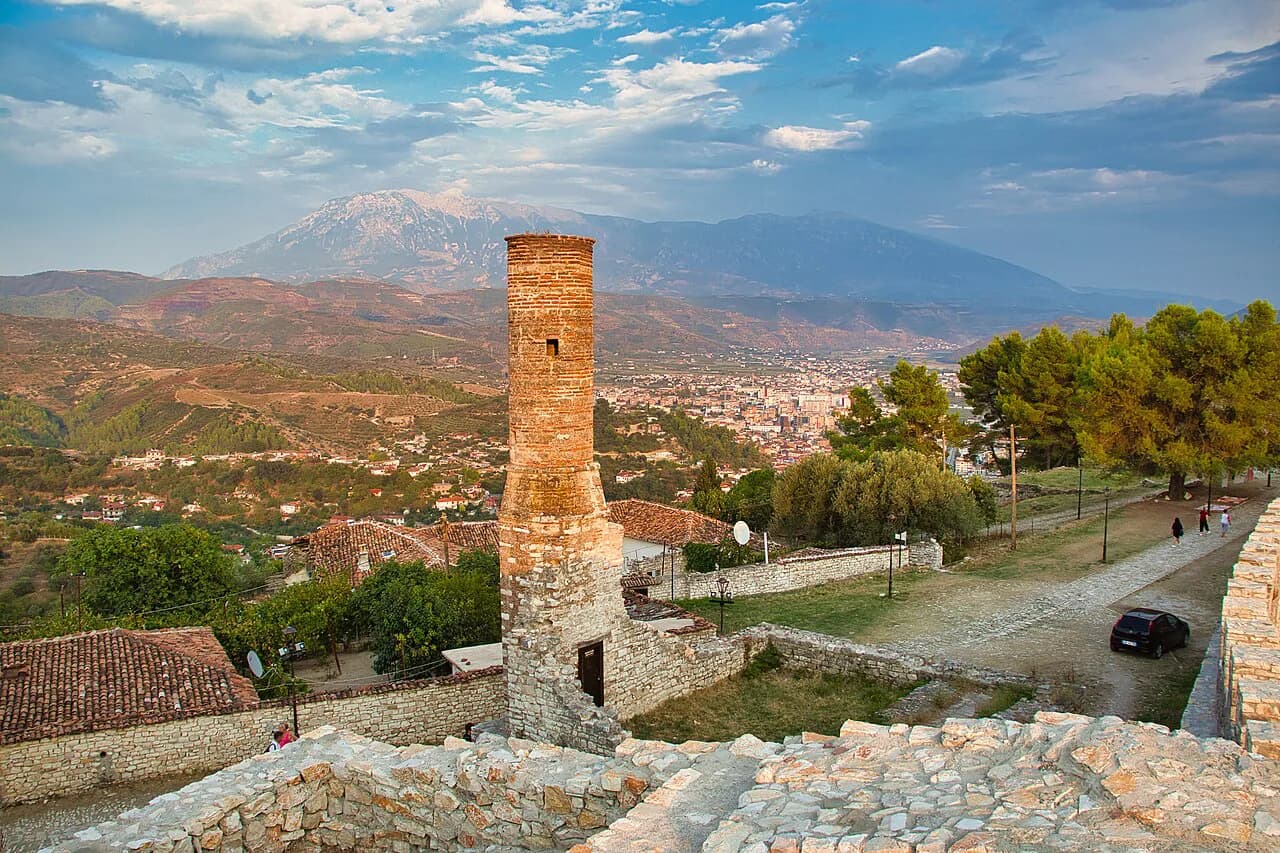
Among the ruins inside is the Xhamia e Kuqe, the Red Mosque. The Onufri Museum occupies the inner part of Saint Mary Church and holds works by the medieval artist Onufri, making it the one interior in the citadel that rewards a deliberate stop rather than a passing glance.
The current structure of the castle dates from the 13th century and beyond, though the site has been occupied since Roman times. Budget for the climb: the path up to the castle is steep, so go early in the day and carry water.
The Ethnographic Museum and the town's other collections
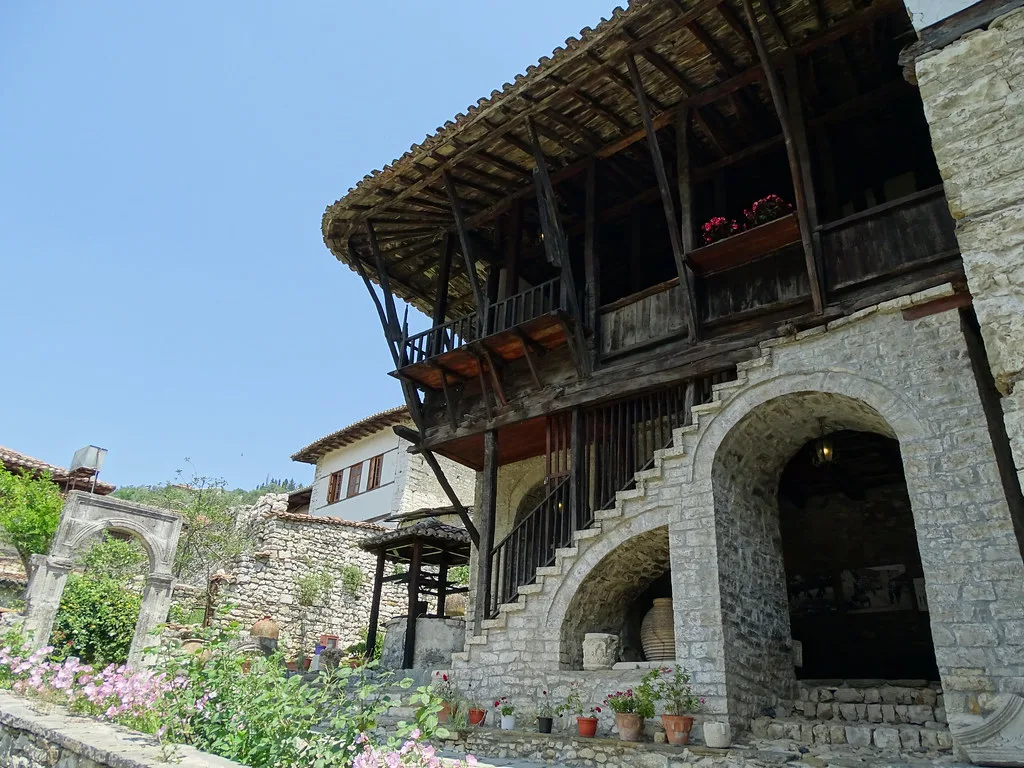
Down in the town, the Ethnographic Museum displays material on the history and everyday life of the local area, which is the most direct way to see how an Ottoman house was furnished and used. Pair it with a walk through Mangalem's lanes so the interiors and the facades make sense together.
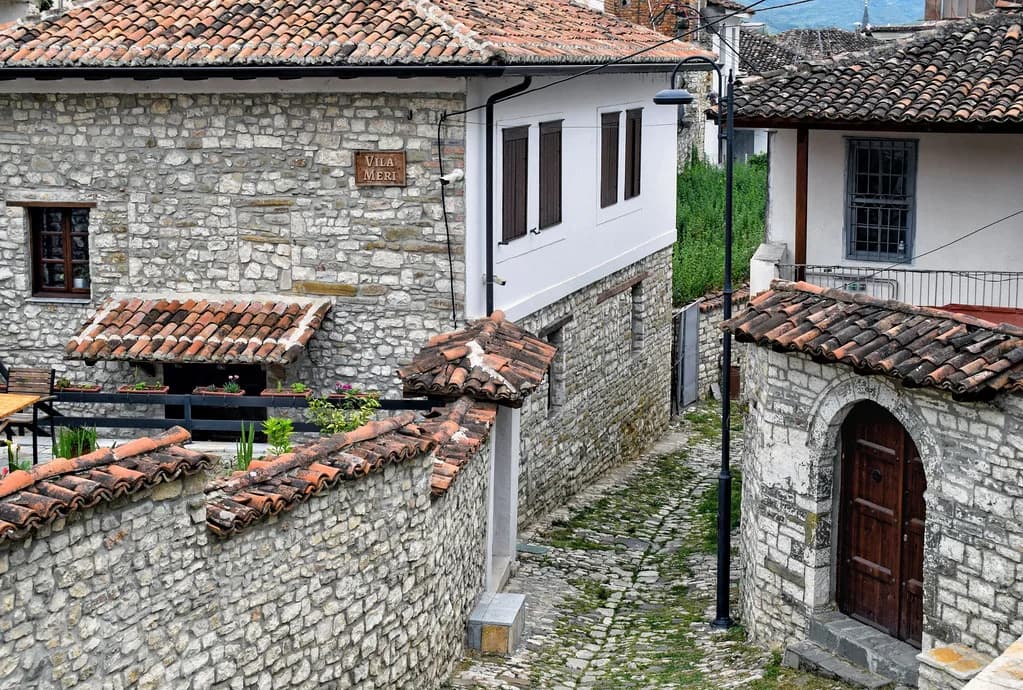
For the buildings themselves, the details worth noticing are the stone roofs, timber balconies and the way windows are set to catch light across the slope. A guide to the Berat architecture helps you read those features rather than simply photographing them.
The town of a thousand windows
The houses covering the slopes below the castle give Berat its nickname, the 'town of a thousand windows'. The effect is strongest from across the river or from the castle walls looking down at Mangalem, so save one of those vantage points for late afternoon when the facades are lit side-on.
Legends about the town's founding involve the mountains Tomorr and Shpirag and the river Osum, and they are told as folklore rather than as documented history. The two peaks still frame the valley; Mount Shpirag's ridges and Mount Tomorr's pitted face are the features the story hangs on.
Getting there and walking the old town
Berat sits on the Osum in central Albania, reached by car along the SH74 and about a two-hour drive from Tirana via the A3, where the international airport is. Arriving by road puts you at the edge of the historic centre, with the climb to the castle still ahead of you.
On foot, the old town is compact enough to cover the Kalaja, Mangalem and Gorica in a single day, but the cobbles and the gradient slow you down more than the distances suggest. Build in time for the castle interior and one museum rather than trying to tick off every church; the Berat Walking Tour gives a route that links the quarters and the bridge.
Where to start your walk through Berat's past
Start at the castle gate in the morning, work down through Mangalem's lanes, and cross the bridge to Gorica when the light softens. That order follows the town's own logic: fortress first, Ottoman quarter second, Christian quarter last.
Before you set out, confirm the day's opening arrangements for the Onufri Museum and the Ethnographic Museum locally, since these change with the season. The castle lanes and the two quarters below can be walked freely, but entry to individual sites is a separate matter — check at the gate.
Explore more Berat guides
Frequently Asked Questions
Is Berat the oldest city in Albania?
Berat's site has been continuously inhabited since antiquity, and an early Macedonian city called Antipatreia was built here in the 3rd or 4th centuries BC. Claims about which Albanian town is oldest are contested, so judge Berat on what you can see: the Byzantine and Ottoman fabric of the citadel and the two old quarters below it.
How old is Berat in Albania?
The Macedonian foundation dates to the 3rd or 4th centuries BC, the hilltop has been fortified since around 400 BC, and the castle's current structure dates from the 13th century onwards. The Ottomans ruled from the 15th century until their empire broke up, which is the period that shaped most of the houses you walk past.
Is Berat an Albanian name?
Berat derives from the Old Bulgarian Bělgrad, meaning White City, so the name predates its modern Albanian use. Locals and signposts both use Berat, and you will also see Berati in the definite form in Albanian texts.
Do I need a ticket for Berat Castle?
Charge arrangements for the Kalaja and its museums are set locally, so check at the gate or with the museum when you arrive rather than relying on a figure from an old guidebook. The lanes around the castle and the walk between the quarters are the part you can plan freely.
Sources
Notes for your Albania trip
Optional updates to our Albania town guides.
You might also like
Continue reading
More guides you'll find useful