Things to Do in Gjirokastër: Castle, Bazaar and Old Town Sights
Plan Gjirokastër with the castle, Old Bazaar, Bazaar Mosque and Ottoman houses, plus how long each sight takes and how the levels of town fit together.
On this page
Gjirokastër is a half-day town on paper and a full day on your feet: the castle above, the Old Bazaar below it and the Ottoman houses in between are all within a steep walk of each other, but the cobbles slow you down. Allow a full day for the castle, the bazaar, the Bazaar Mosque and one or two house museums, with a second day if you want the Ali Pasha Bridge, the Cold War tunnel or a half-day out to the Blue Eye.
This guide groups the sights by area, pairing the castle with the bazaar lanes below it and the house museums across the old town, so you can walk a sensible loop rather than criss-crossing the hill, and gives a time estimate for each. Ticketed interiors — the castle, its museums, Zekate House — are separated from the free wandering, and the Blue Eye is treated as a separate trip out of town rather than a town sight.
Gjirokastër in brief: castle, bazaar and Ottoman houses
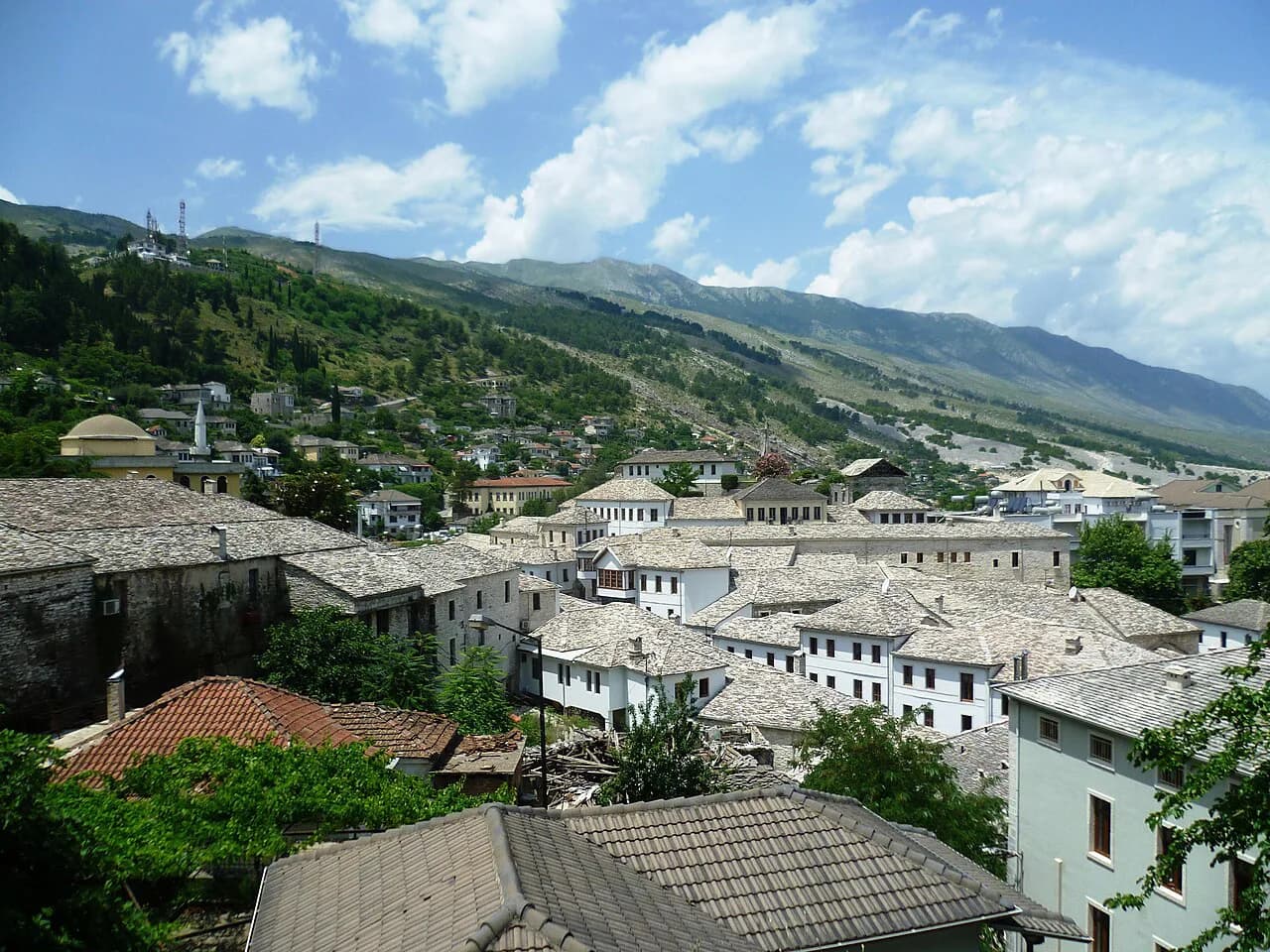
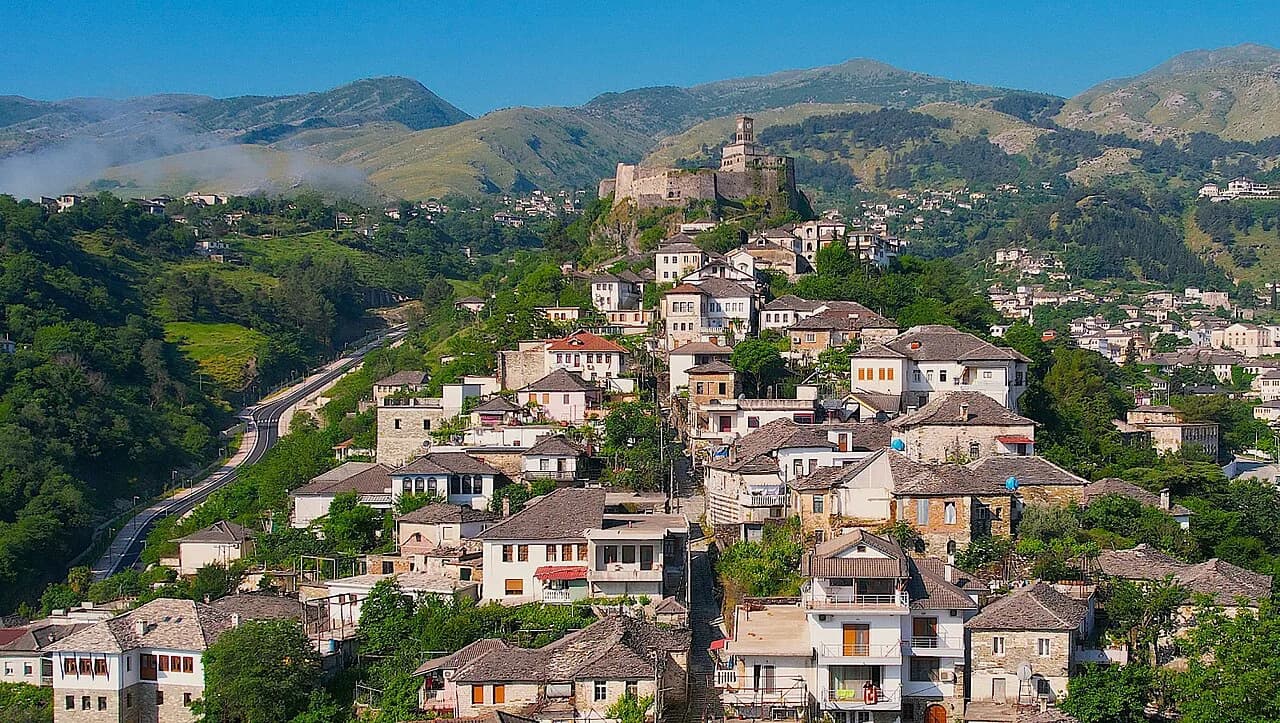
The historic centre is a UNESCO World Heritage Site set in the Drino Valley, with Ottoman-era houses climbing the hillside under a fortress above. The Old Bazaar is the historic heart of the town, dating from the Ottoman era, and it is still a lively commercial centre, with cobbled streets, small shops and artisan stalls. That gives you a natural order: bazaar first while it is quiet, castle in the middle of the day, houses in the afternoon.
For the layout of the lanes, the houses and the viewpoints, use the Gjirokastër Old Town guide alongside this page, and keep a Gjirokaster map open on your phone: the street names are small and the alleys bend back on themselves.
Gjirokastër Castle: courtyard, clock tower and Drino Valley views
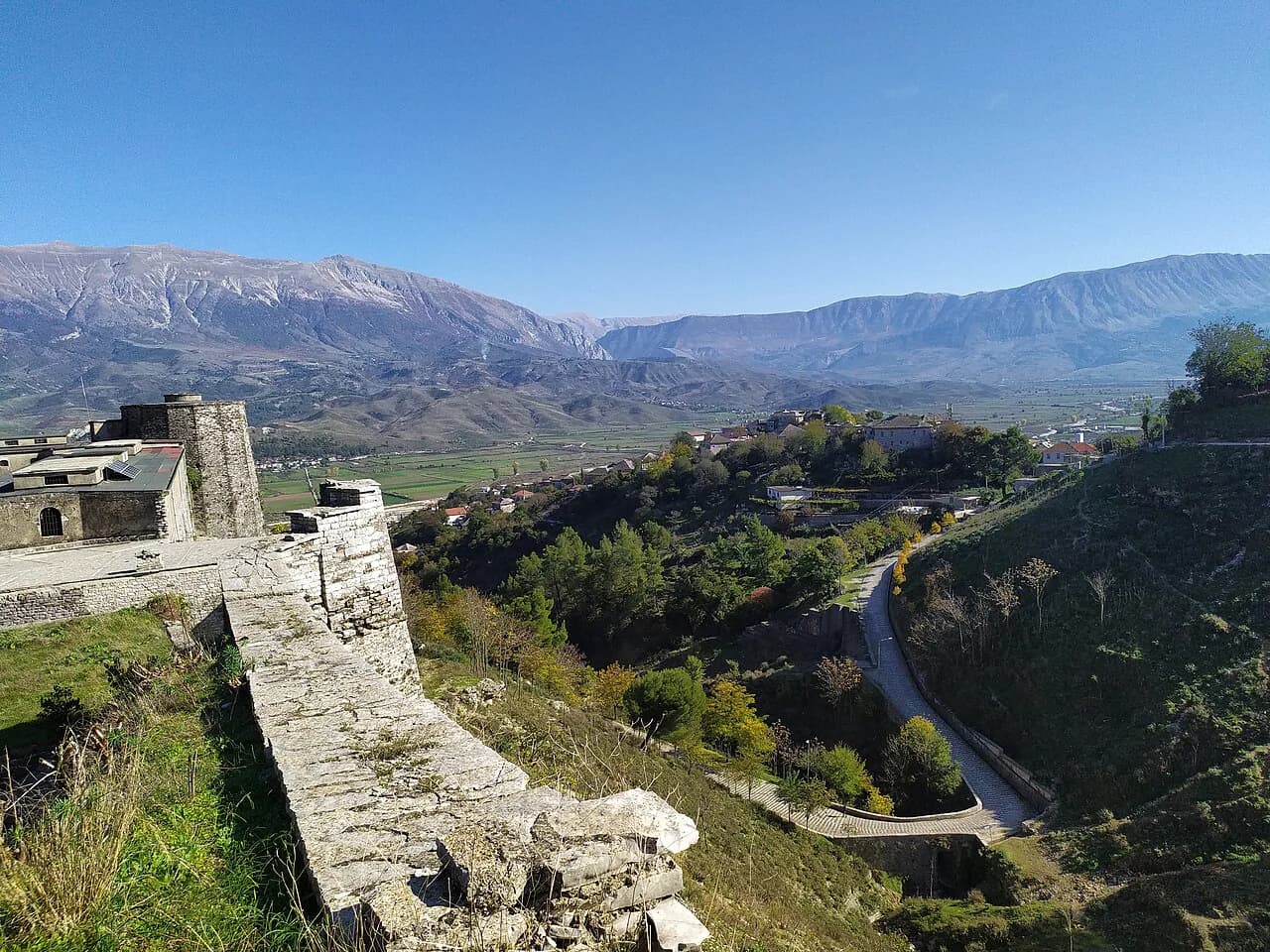
The castle is the obvious first stop and the best value of time in town. It is a fortress with Byzantine origins that has also served as a military shelter and a prison, and inside you can walk the wide stone courtyard, pass the clock tower, see an American Air Force plane and look down over the town and the Drino Valley towards the Gjere Mountains. A rushed visit takes about an hour; a few hours lets you take in the tunnels, cells and displays properly.
Admission to the castle is ALL 400, and adding the Gjirokastër Museum or the National Museum of Armaments, both inside the castle walls, costs an additional ALL 200 per museum. Hours are seasonal: published times run 09:00–19:00 in high season and close at 16:00 in low season, while another listing gives 09:00–18:00 daily, so confirm the day you go.
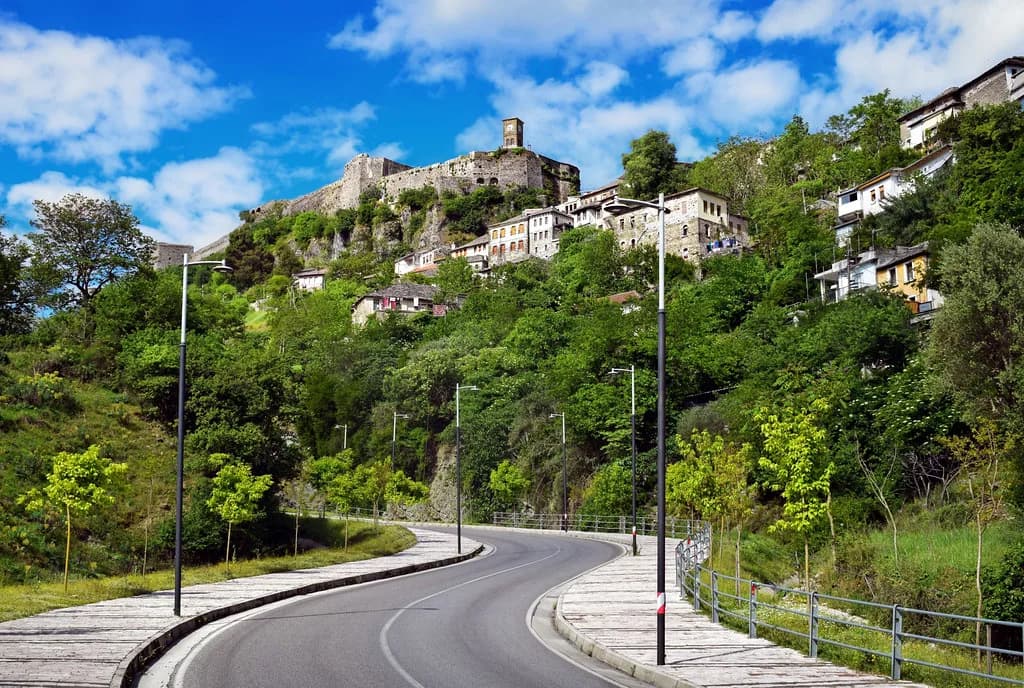
The climb is the trade-off. The castle sits at the top of the old town and the walk up is steep and cobbled, though much of it is shaded from summer heat; if you are short of time or unsteady on the stones, a taxi up is a reasonable spend. The site has hosted Albania's National Folklore Festival, and the stage near the clock tower is worth a look even outside festival time.
The Old Bazaar: craft shops, cafés and how long it takes
The Old Bazaar was originally built in the 17th century, was mostly destroyed by a fire in the 19th century and rebuilt to match the original style. Today the lanes hold shops selling carpets, hand-woven textiles, woodwork and local produce, plus cafés and restaurants. It covers only a few blocks, but an hour or more disappears quickly once you start browsing.
Mornings are calmer. Gjirokastër receives day-trip coaches, so the bazaar gets busy in the middle of the day; going early also means the shops are open and the light in the lanes is better for photographs. For the shop-by-shop layout, the Gjirokastër Bazaar guide covers the alleys in detail.
Bazaar Mosque: the Ottoman mosque in the middle of the lanes
The Bazaar Mosque stands right in the middle of the Old Bazaar, built in 1757 during the Ottoman period. Of the fifteen mosques built in Gjirokastër under Ottoman rule, thirteen were still standing when the communist regime took over, and today this is the only one that remains, protected from demolition after being declared a cultural monument in 1973. It is a quick stop, ten to fifteen minutes, but it is the one building that explains the bazaar's shape.
Underneath the mosque you will find a small bookshop, a café and a souvenir shop, which makes it an easy place to pause between the lanes and the climb to the castle. Dress modestly as you would at any working mosque, with shoulders and knees covered.
The Obelisk of Education and the viewpoint above the bazaar
Above the Old Bazaar, the Obelisk of Education celebrates the Albanian language and doubles as one of the best viewpoints in the city, looking back down over the bazaar roofs. It takes minutes to reach from the bazaar lanes and is a sensible place to break the climb to the castle.
For more elevated views and evening light, the Gjirokaster viewpoints guide lists the spots worth timing your walk around, and it pairs well with an early dinner in the bazaar.
The Cold War tunnel and Gjirokastër's modern history
Gjirokastër's Cold War Tunnel Museum is a short, sobering stop that adds the communist period to the Ottoman and interwar layers of the town. It is not a long visit, but it is worth pairing with the castle's prison cells and tunnels so the 20th-century story reads in one go.
If you want that background in order before you walk, the Gjirokaster history pages cover the town's Ottoman, interwar and communist chapters, including the fact that both Ismail Kadare and Enver Hoxha were born here.
Ottoman houses: Zekate House and Skenduli House
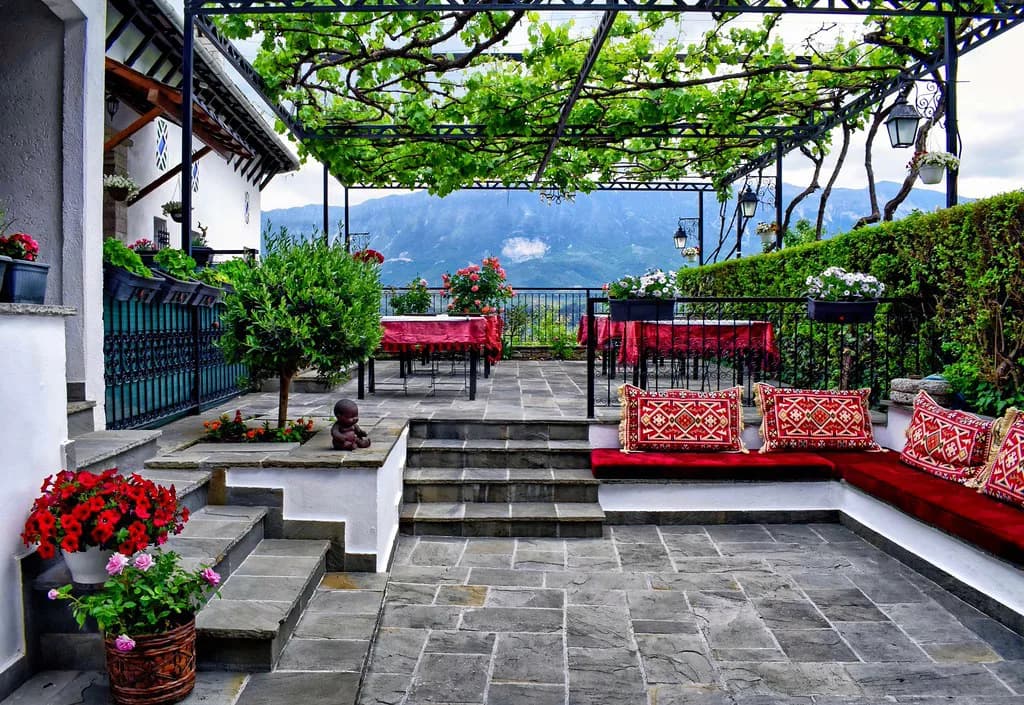
The house museums are where Gjirokastër's domestic life becomes concrete. Zekate House is an Ottoman mansion with intricate woodwork, frescoes and a terrace looking over the town, and it sits within about five minutes' walk of the bazaar; published hours are 10:00–17:00, Tuesday to Sunday, so check before making it the last stop of the day.
Skenduli House is the other house museum worth the time, and the two together show you more than either does alone: one for the grand reception rooms, the other for the detail of household fittings. The Ethnographic Museum, set in a traditional Ottoman-style house, adds the everyday tools, furnishings and clothing that fill in what the interiors leave out.
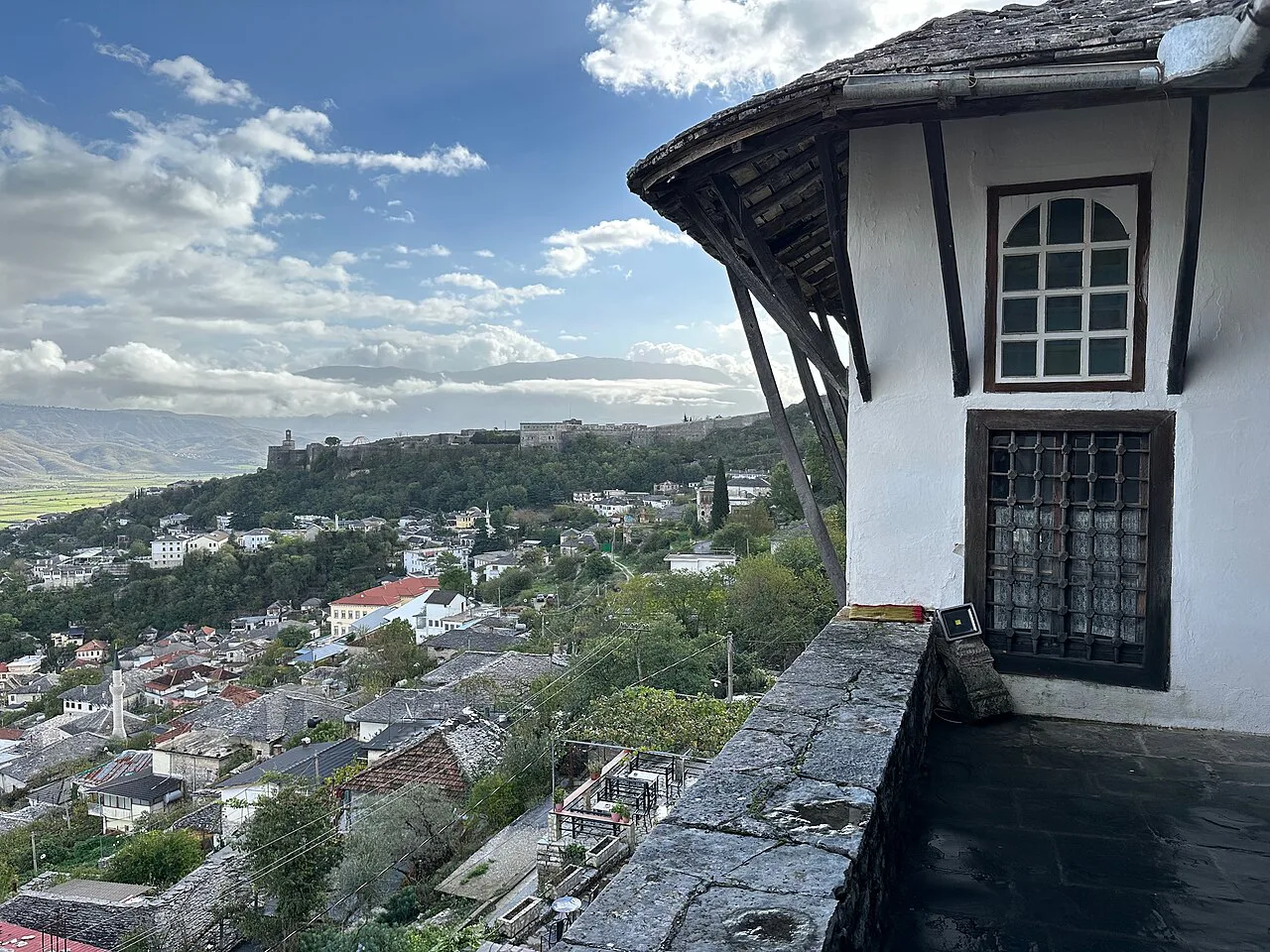
Ismail Kadare's House
Ismail Kadare's House is a short stop for readers, marking the home of Albania's best-known writer. It is a modest visit rather than a museum of the castle's scale, so slot it between the bazaar and the houses rather than making a trip of it.
Walk to the Ali Pasha Bridge
The Ali Pasha Bridge sits below the town and makes a good leg-stretch after a morning of interiors, with the walk down and back taking longer than the bridge itself. Wear shoes with grip and go early or late rather than in the middle of the day.
Food in Gjirokastër: qifqi, baklava and where to stop
Two local things to try: qifqi, herb-infused rice balls, and baklava, the nut-filled pastry, both sold around the bazaar. Cafés in the lanes serve strong coffee, and the bazaar is the natural place to sit down between sights rather than detouring across town. For sit-down meals, the best restaurants in Gjirokaster guide covers the options near the old town.
If you would rather eat your way through the lanes than pick one restaurant, the Gjirokaster food guide sets out what to look for and where the bazaar's food stops sit.
The Blue Eye (Syri i Kaltër) as a half-day out
The Blue Eye, Syri i Kaltër, is about 25 km from Gjirokastër and is a half-day trip, not a town sight. The water bubbles up from underground into a deep Blue pool with a strong current, and a viewing platform above it is where everyone photographs the centre; from the car park or bus drop-off it is roughly a 30-minute walk to the pool, with a restaurant and toilets near the start.
You can drive yourself, take a taxi or use a local bus, and organised day trips run from town if you would rather not arrange the return leg; the Gjirokaster tours pages cover what operators advertise. Whichever you choose, go early: the pool is popular and, on the walk in, shade is limited.
Steep cobbles: how the town fits together on foot
Gjirokastër is built up a hillside, and the castle, the bazaar, the houses and the Ali Pasha Bridge below them are joined by steep cobbled lanes. Plan your day downhill where you can: castle first thing while it is cool, bazaar and lunch afterwards, house museums in the afternoon.
A local guide is useful here less for facts than for route-finding, and a Gjirokaster walking tour can compress the castle, bazaar and a house museum into a coherent morning. The broader things to do in Albania pages are worth a look if you are stringing Gjirokastër together with Berat, where the Osum river and the old town raise similar walking questions.
How long Gjirokastër needs, and what order to do it in
One full day covers the essentials: castle in the morning (an hour minimum, three if you add both museums), bazaar and Bazaar Mosque before lunch, then Zekate House and one other house museum in the afternoon, finishing at the Obelisk or a rooftop for the view. A second day gives room for the Cold War tunnel, the Ali Pasha Bridge and the Blue Eye without rushing any of them.
Build the day around opening hours rather than distances: the castle opens in the morning, Zekate House runs 10:00–17:00 Tuesday to Sunday, and the bazaar's shops keep daytime hours. That rhythm, not the map, decides your order.
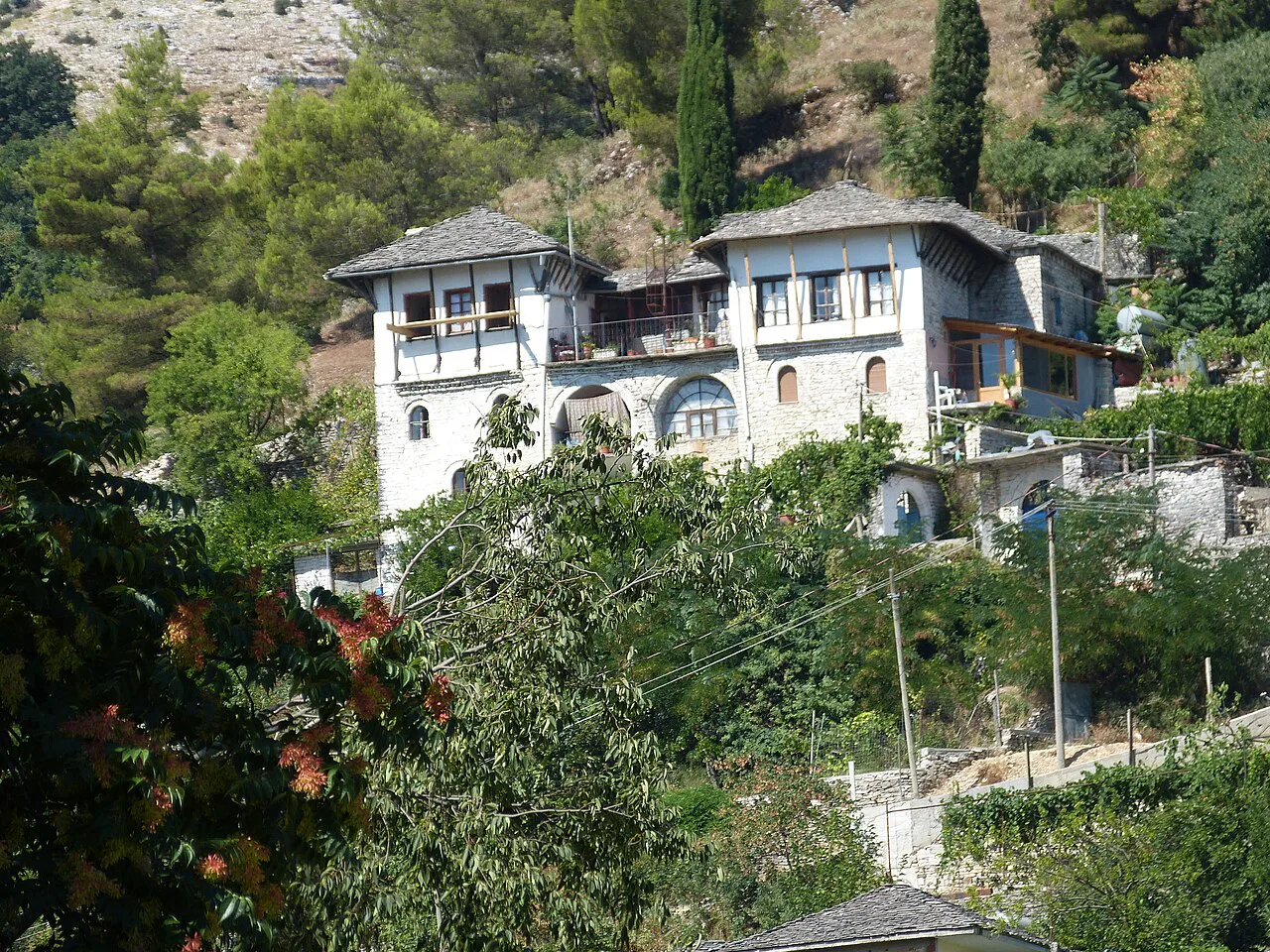
What to do if you only have a day in Gjirokastër
If you have a single day, do the castle first, walk down through the Obelisk viewpoint into the bazaar for the Bazaar Mosque and lunch, then spend the afternoon in Zekate House and one more house or the Ethnographic Museum. Leave the Blue Eye and the Ali Pasha Bridge for a longer stay, and check current castle hours and ticket prices before you set out.
Explore more Gjirokaster guides
Frequently Asked Questions
How many days do you need in Gjirokastër?
One full day covers the castle, the Old Bazaar, the Bazaar Mosque and one or two of the Ottoman house museums at an unhurried pace. Add a second day if you want the Cold War tunnel, the Ali Pasha Bridge and the half-day trip to the Blue Eye, which is about 25 km out of town.
Is Gjirokastër Castle free to enter?
No. Entry to the castle is ticketed, and two museums inside, the Gjirokastër Museum and the National Museum of Armaments, are charged separately on top. Check the current price and seasonal hours at the gate before you climb.
Can you walk from the bazaar to the castle?
Yes, but it is a steep cobbled climb from the Old Bazaar up to the castle gate. Allow 15 to 20 minutes with stops, and take a taxi up if you are short of time or find the stones difficult.
Sources
Notes for your Albania trip
Optional updates to our Albania town guides.
You might also like
Continue reading
More guides you'll find useful