Gjirokastër Bazaar: What to See and Buy in the Old Market
Gjirokastër's Old Bazaar, known locally as Qafa e Pazarit, is the heart of the old town. Here's how to explore its shops, crafts and restaurants.
On this page
The Gjirokastër bazaar is the old town's market quarter, known locally as Qafa e Pazarit, and it works as the starting point for any walk through the historic centre. Plan on an hour for the shops and lanes, then add time for the castle above and the steep cobbles underfoot.
This guide covers where the bazaar sits, how its radial plan and sloping ground shape a visit, what crafts and souvenirs are sold, where to eat around the market, and which nearby sights pair with it.
What and where is the Gjirokastër bazaar?
Qafa e Pazarit makes up the centre of the Old Town, a market site whose history reaches back to the 17th century. It sits within the Unesco-listed old town, so the bazaar is not a separate attraction you travel to but the hub the lanes radiate from.
Addresses around the market include Rruga Gjin Bue Shpata, the street named on listings for the bazaar itself, which helps when you are navigating by map. Surrounding the lanes are Ottoman-style houses and plenty of restaurants, so the quarter doubles as the old town's eating district.
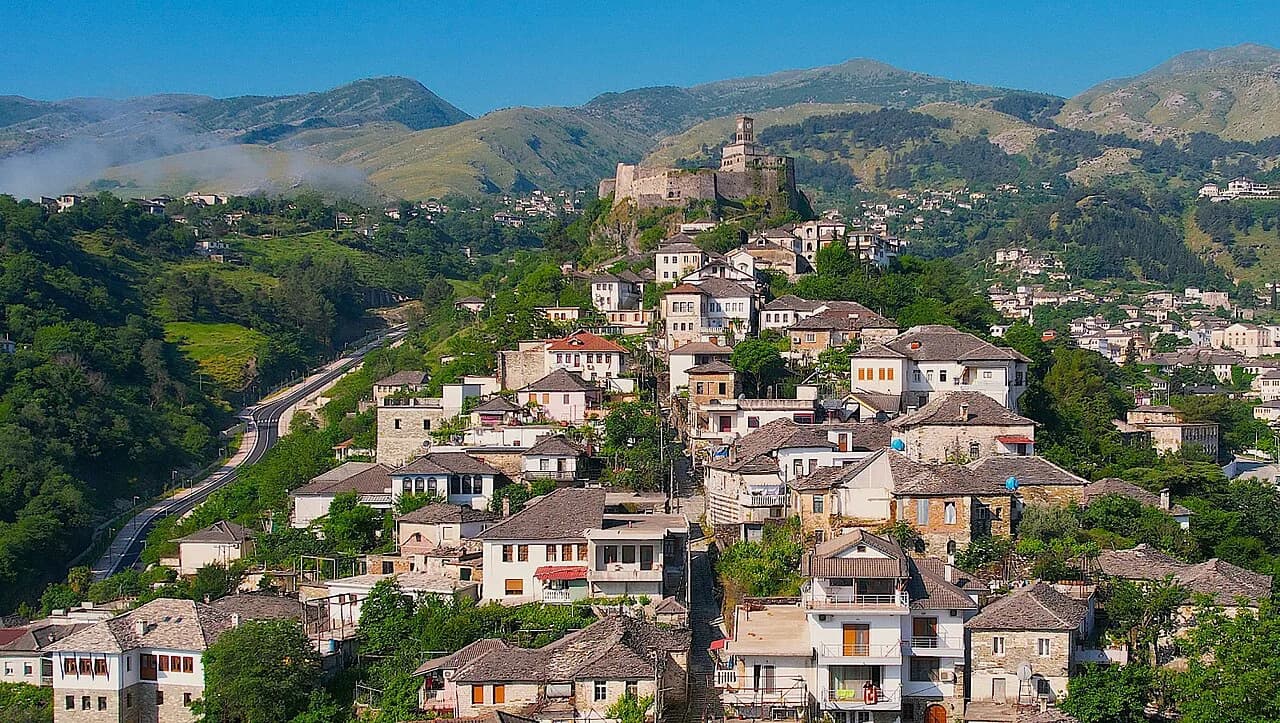
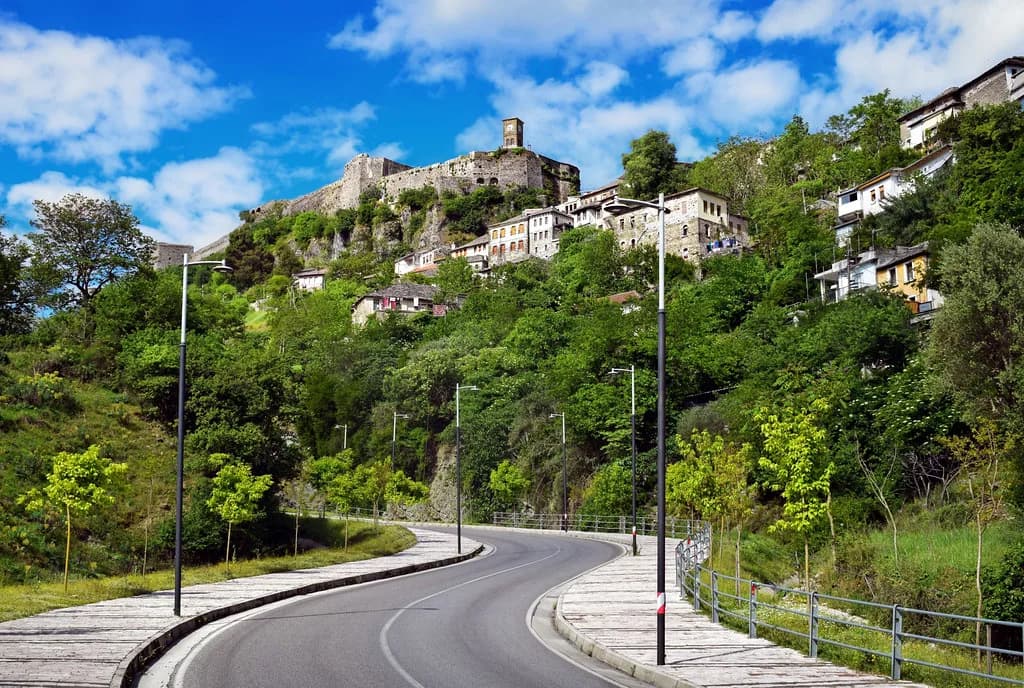
The bazaar is described as the centre of commerce in the city since the Ottoman era, which is why the market, rather than a single square, is the quarter's organising point. The castle still dominates the hill above, so you look up at its walls from the shopfronts below.
How the bazaar is laid out
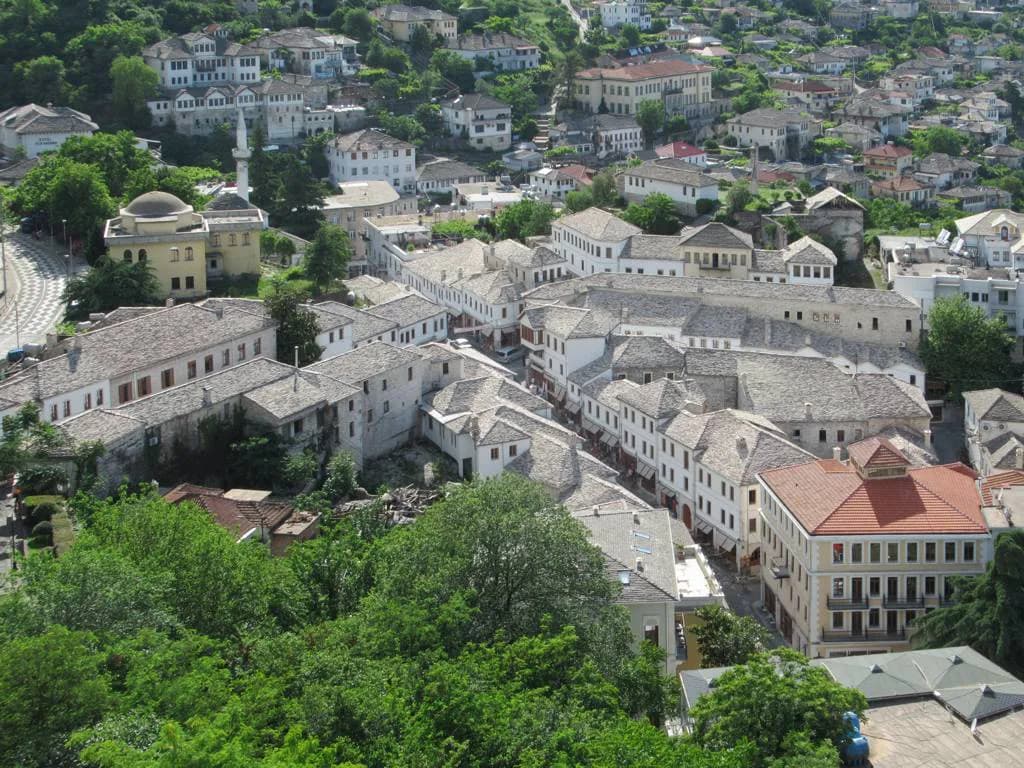
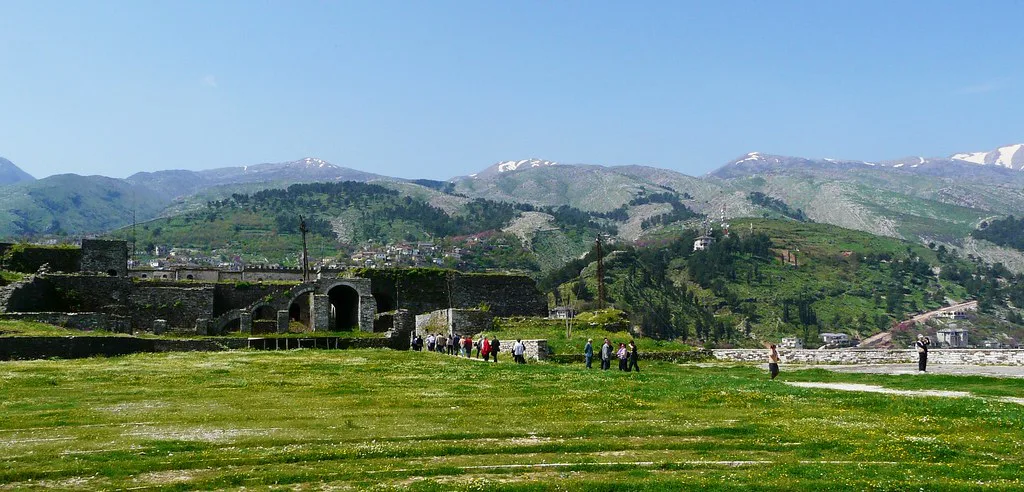
The market has a radial shape, with streets running out from the centre into the old city, which is easiest to see from above on the castle walls. On foot it means the bazaar works as a junction: pick a lane, follow it downhill or uphill, and return to the market to reset.
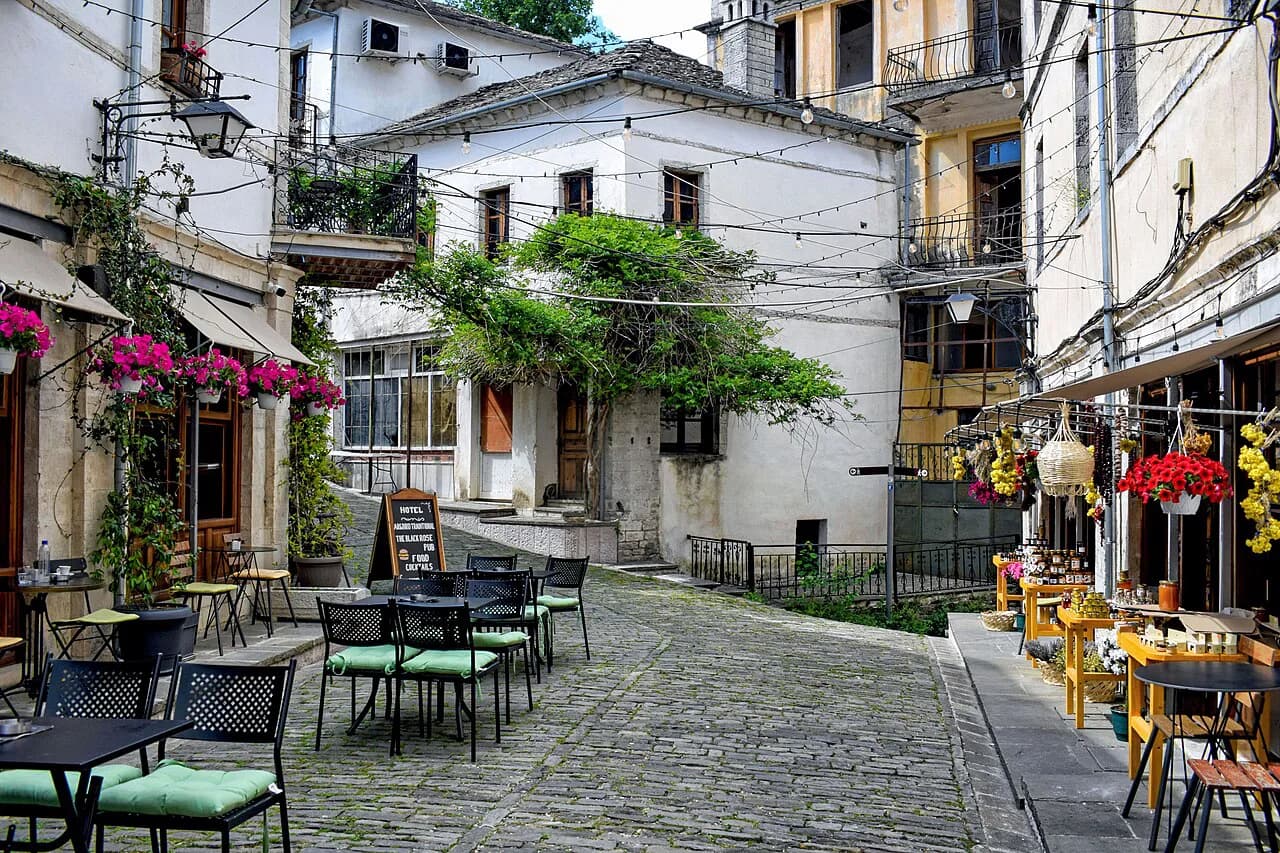
The ground is sloping rather than flat, and the bazaar was adapted to that terrain, which is where much of its character comes from. Treat it as a steep street market, not a level square: cobbles underfoot, steps between levels and shopfronts terraced into the hill.
A sidewalk was built along the front of the shops, something the source notes was rare in bazaars of the same period. In practice that gives you a narrow strip to walk and browse while others pass, though it does not remove the gradient.
Architecture: what survived and what was rebuilt
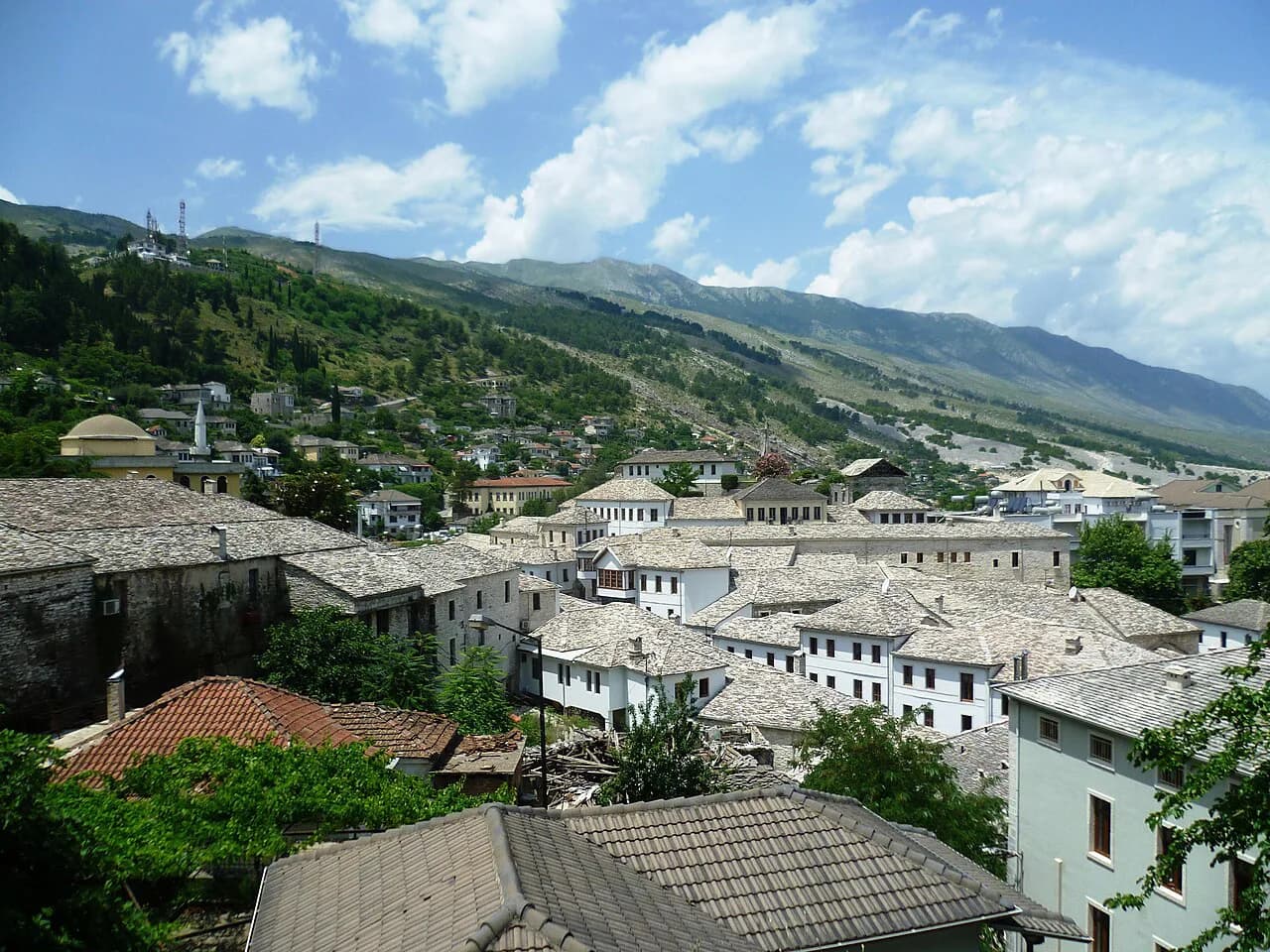
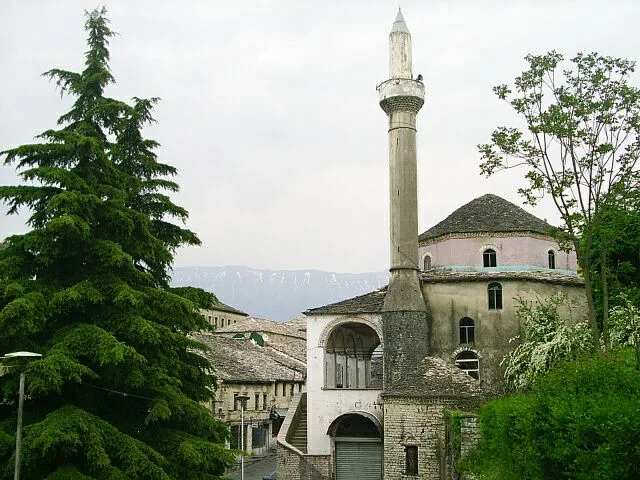
Not much remains from the 17th-century market. A destructive fire hit the old bazaar in the third quarter of the 19th century, and the bazaar was then rebuilt in full, which is why the shop rows look so consistent today.
The rebuilt shops are two and three storeys and near-identical in structure along the line, with the ground floor used as the artisan's workshop and the upper floor put to varying uses. Some shops had a back door reserved for the owner.
The design is often compared with the bazaar in Korça, which historians think was built in the same period, in 1879, and also restored after a fire. The difference is that Gjirokastër's version was shaped to fit its sloping site, and that adaptation is the thing to look for as you walk.
Crafts and shops: what to buy
Some artisans still work here in the old way, and efforts are under way to pass the craftwork to a new generation, so the bazaar is more than a souvenir strip. Look into the workshops on the ground floors before you buy from the front displays.
The stalls and shops sell souvenirs, T-shirts, handicrafts, curtains, carpets and magnets showing attractions across the Gjirokastër region. It is a sensible place to pick up a small, packable reminder of the old town rather than anything bulky.
For a wider selection of local work, the Artisans Center in town gathers products from artisans in Gjirokastra and other regions of Albania. It makes a useful second stop for crafts beyond what the bazaar's workshops sell.
Eating and drinking around the market
The lanes around the bazaar hold plenty of restaurants, making the quarter the obvious place to eat in the old town. Odaja and Taverna Kuka are both named as options within the bazaar area.
Build the meal into the walk rather than treating it as a separate trip: browse the shops, eat in the market, then climb to the castle to work it off. The gradient means you will want to sit down at some point anyway.
The bazaar after sunset
The Old Bazaar is especially lively at night, so a walk through its streets after sunset is worth planning into the day. That makes it a good evening stop rather than only a midday shopping break.
Pair the evening wander with a viewpoint over the old town's roofs and the castle walls, which read differently once the light drops. Come back in daylight too, since the shopfronts and workshop details are what make the market legible.
Nearby: castle, Artisans Center and Cold War Tunnel
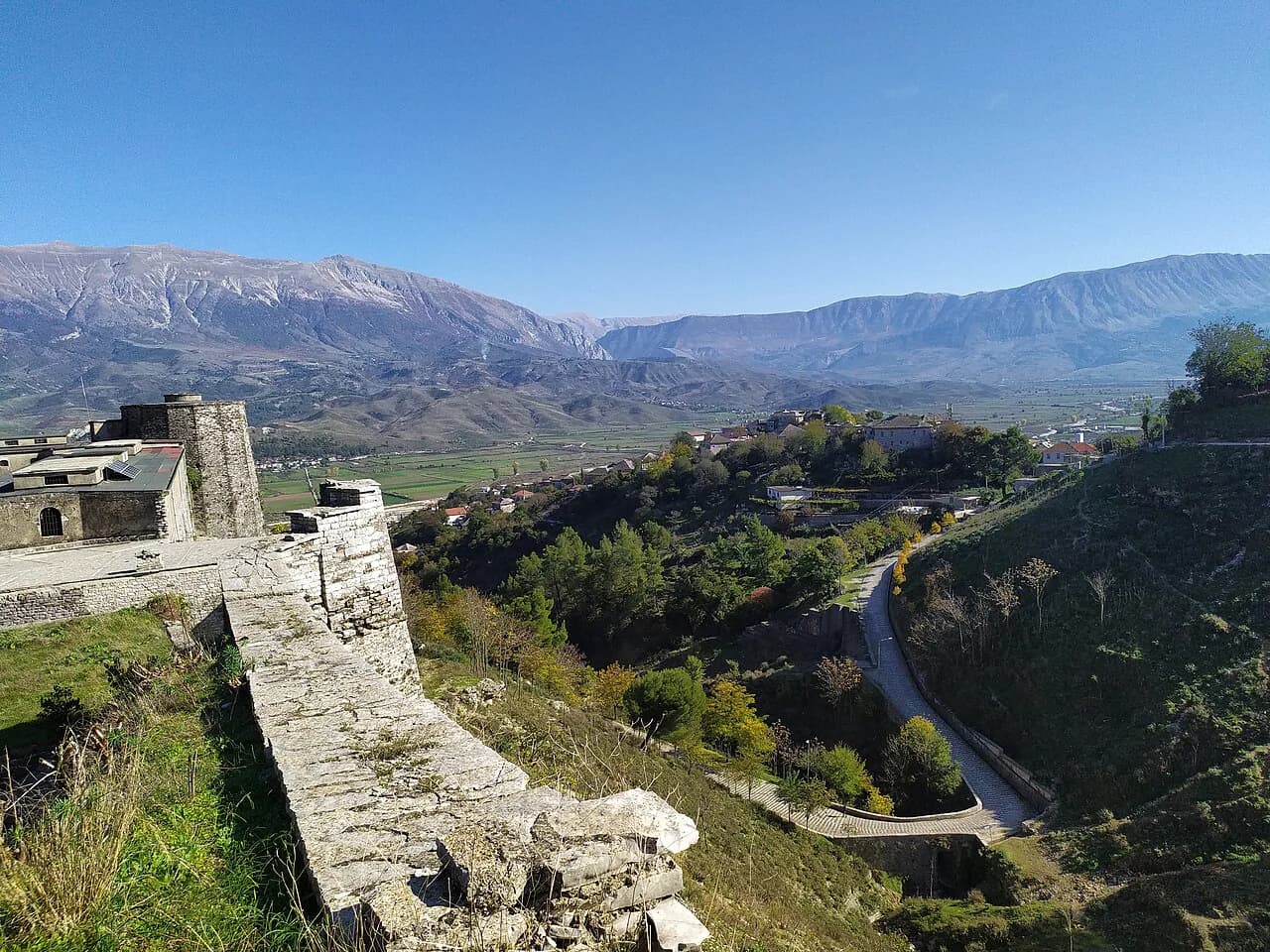
Gjirokastër Castle sits on the hill directly above the bazaar, and its walls give the clearest view down onto the market's radial plan. Inside the walls are the National Arms Museum, a small castle model and timeline, an abandoned jet, the dungeons, a courtyard stage and the clock tower.
Castle entry was quoted at 400 lek with the castle museum at 200 lek, and hours split by season: October to April Tuesday to Saturday 9.00 to 16.00, Sunday 9.00 to 14.00 and Monday closed, then every day 9.00 to 19.00 from May to September. Those figures came from a travel blog updated in 2026, so confirm them at the gate before you rely on them.
The Cold War Tunnel Museum, an underground bunker used as an emergency shelter in the later communist era, sits at Sheshi Çerçiz Topulli close to the market quarter. Grouping the bazaar, the tunnel and the castle makes a coherent half day without extra transport.
Walking the bazaar: how long to allow
Allow about an hour for the bazaar itself, and rather more if you stop in workshops or eat in the quarter. The steep cobbled lanes are the constraint: pace yourself and wear shoes with grip.
If you have only part of a day, do the bazaar and the castle together and leave the wider old town for a second pass. A short itinerary keeps the climbing manageable and leaves the evening free for the market when it is at its liveliest.
Bazaar first, castle second
Start at Qafa e Pazarit, walk a lane out and back to get the radial plan straight, then climb to the castle for the view over the roofs you have just walked through. Keep the evening free to return when the streets fill.
If you want the market put in context with the rest of the town, the wider Things to Do in Gjirokastër guide covers the museums, houses and viewpoints that sit within walking distance of the bazaar.
Explore more Gjirokaster guides
Frequently Asked Questions
Where is the bazaar in Gjirokastër?
The Old Bazaar, called Qafa e Pazarit by locals, is the centre of the Old Town, with the castle on the hill above it. Listings give the address on Rruga Gjin Bue Shpata, and the lanes around it lead out into the rest of the historic quarter.
What can you buy in the Gjirokastër bazaar?
Shops and stalls sell souvenirs, T-shirts, handicrafts, curtains, carpets and magnets showing attractions of the Gjirokastër region. Some artisans still work in the old way on the ground floors, so it is worth looking into the workshops as well as the front displays.
When is the bazaar liveliest?
The Old Bazaar is especially lively at night, so an evening walk through its streets is worthwhile. Daylight is better for seeing the shopfronts and the architecture of the rebuilt rows.
How long does the bazaar take to walk?
An hour covers the marketplace and a couple of the lanes leading off it. Add time for workshops, a meal in the quarter or the climb to the castle above, and allow for the steep cobbles throughout.
Sources
Notes for your Albania trip
Optional updates to our Albania town guides.
You might also like
Continue reading
More guides you'll find useful