Gjirokaster Food: What to Eat and Where to Find It
What to eat in Gjirokaster, from qifqi and lakror to Tavë Kosi and oshaf, plus the bazaar kitchens, bakeries and cafés where each dish turns up.
On this page
Gjirokaster food means qifqi, the town's baked rice balls with mint and pepper, plus savoury pies, slow-cooked lamb and a fig dessert called oshaf. You eat most of it in and around the Old Bazaar, with guesthouse kitchens handling the slow dishes and bakeries covering breakfast and picnic supplies. This guide sorts the dishes by where you actually find them so you can plan meals rather than chase a list of restaurants.
The town's specialities are worth seeking out by name, because a generic Albanian menu elsewhere will not have them. Qifqi and oshaf appear in Gjirokastër kitchens, while lakror and byrek fill the bakery shelves and Tavë Kosi anchors the traditional restaurants. Expect a meat-heavy table, with vegetables and cheese doing the work for anyone eating lighter.
What to eat in Gjirokaster: the dishes to order
Start with the dishes the town is known for rather than a broad Albanian menu: qifqi, lakror, Tavë Kosi, trahana, oshaf and Pasha qofte. Gjirokastër cooking runs to slow-cooked lamb, stuffed vegetables in olive oil and pastries with local goat's cheese, a style that survives in guesthouse kitchens. Build a day around a bakery breakfast, a bazaar lunch and a slower dinner, and you cover most of it without repeating a dish.
Portions at traditional restaurants are generous and the cooking is homestyle, so a table of shared plates works better than one main each. Order one rice dish, one pie, one vegetable plate and one meat dish between two, then add dessert if you still have room. This also lets you try qifqi and oshaf in the same meal, which is how the town's own specialities usually get eaten.
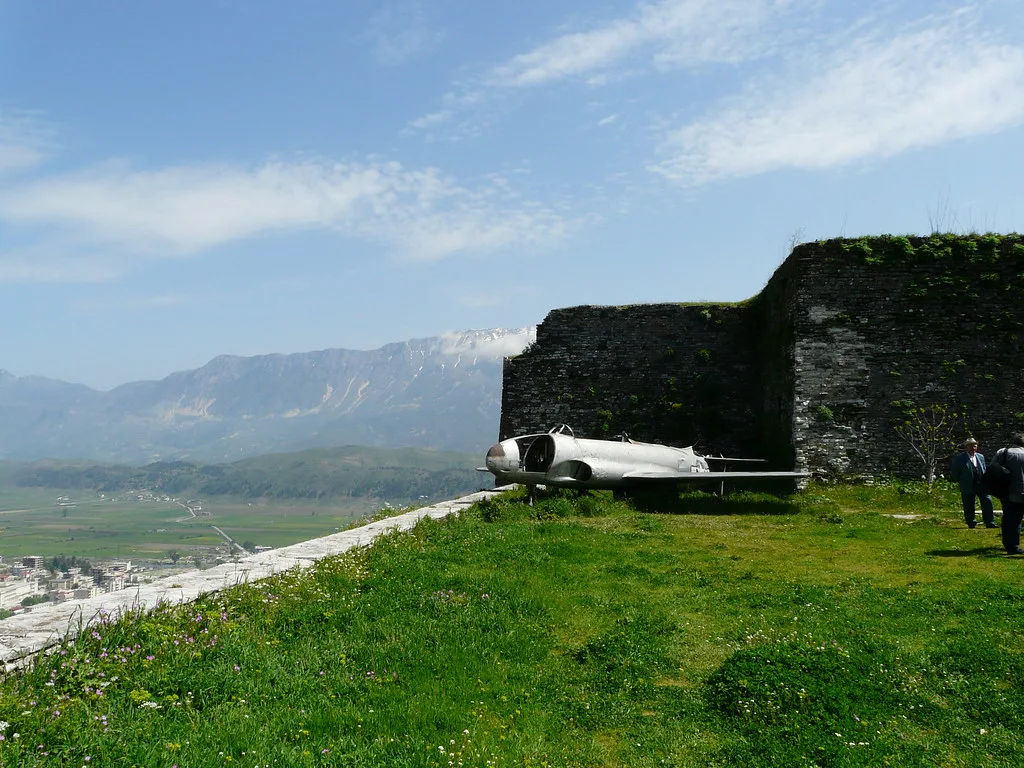
Qifqi: the rice balls with mint and pepper
Qifqi are baked rice balls bound with egg and seasoned with mint and pepper, and they turn up on traditional menus across the bazaar area. Taverna Tradicionale Kardhashi serves them alongside slow-cooked lamb, and Bar - Restaurant Traditional Çani lists qifqi among its dishes. Order a portion to share as a side rather than a main, since they sit on the plate the way potatoes would elsewhere.
They are also a useful benchmark: a kitchen that makes qifqi well usually handles the rest of the menu with the same care. If you only have one traditional meal in town, make it the one where qifqi and a slow lamb dish appear together.
Lakror and byrek: the savoury pies
Bakeries sell lakror, a thin-crust pie with spinach and egg or meat and onion, baked in the large round pans visible in the shop windows. Byrek is the smaller, hand-held version and the easier breakfast; both are cheap, portable and good on a day when you are walking the steep stone lanes. Buy early, because the pans empty as the morning goes on and the display is thinnest in the afternoon.
Named bakeries in town include Byrektore Dauti and Altini Pastiçeri, and a bakery stop pairs naturally with coffee before a castle visit. If you are heading up to the castle or out to Ali Pasha's Bridge, a pie in a bag saves both time and money.
Tavë kosi and the slow-cooked lamb dishes
Tavë kosi is lamb baked in yoghurt, and it appears on traditional menus across town, from Kujtimi Restaurant to Te Kalaja Restaurant & Rooms. It suits a sit-down lunch after a morning on the cobbles, when a hot oven dish and a terrace seat make more sense than another sandwich. Look for it alongside stuffed eggplant and moussaka on the same menu.
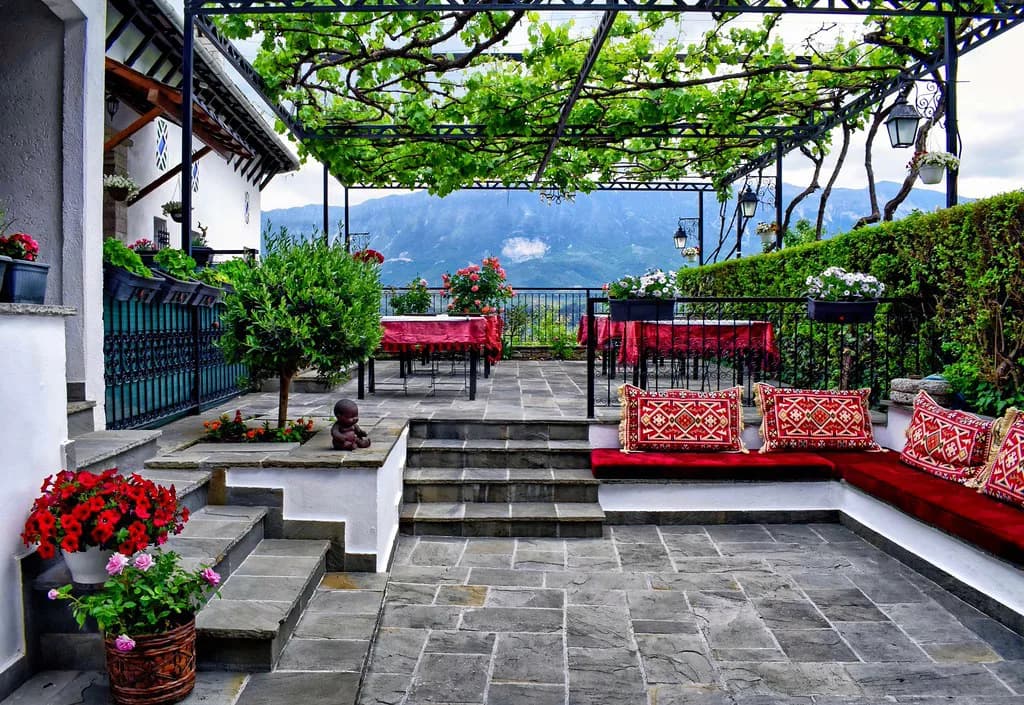
Restorant Tradicional Urat, near the Ottoman bridges, specialises in slow-cooked lamb and stuffed peppers, which makes it a sensible stop after a walk through the bazaar. Its terrace looks up at the castle, and the location works well if you are already on foot in that part of town.
Lamb with plums and trahana soup: ask in advance
Lamb with dried plums and walnuts is an Ottoman-Albanian dish found at guesthouses that cook traditional recipes, and it needs ordering ahead rather than turning up and hoping. The same goes for any slow oven dish on a guesthouse menu: tell them in the morning or the day before, and say plainly that you want traditional cooking.
Trahana is dried yoghurt and flour pasta cooked into a thick, slightly sour soup, and it is the kind of dish that appears on a homestyle menu rather than a terrace with a view. Treat both as a reason to eat at least one meal where you are staying, particularly in the family-run places near the bazaar.
Small plates and vegetable dishes
Vegetable cooking here is stronger than the meat-heavy reputation suggests: stuffed peppers, stuffed eggplant and imam bayildi all appear on traditional menus. Tradicional Restaurant Odaja offers vegetable-stuffed eggplant and stuffed peppers, with vegetarian dishes that can possibly be made vegan. Local sheep cheese, djath, with olive oil and herbs is the standard opener and a good thing to order while you decide.
At Restaurant Gjoca the table to aim for is djath, imam bajaldi, Pasha qofte and qifqi, which covers cheese, vegetable, meatball soup and the town's rice balls in one sitting. Pasha qofte are meatballs in rice soup, so they double as a starter and a warm dish on a cool evening.
Oshaf and baklava: how to finish
Oshaf is a milk pudding with figs, and it is the dessert to order if you want a local speciality rather than another baklava. Restaurant Gjoca serves it with baklava, while Te Kalaja is known for its oshaf alongside moussaka and Tavë Kosi. Order one between two: it is rich, and the baklava already covers the pastry craving.
Breakfast at a guesthouse
Guesthouse breakfast is usually local soft cheese with olive oil and herbs, olives, bread and coffee, and several places include it in the room rate. Gjirokastër sits in the Albanian olive belt, so the olives are worth taking seriously rather than treating as a garnish. If you are eating out instead, a bakery byrek and a café coffee covers the same ground for very little.
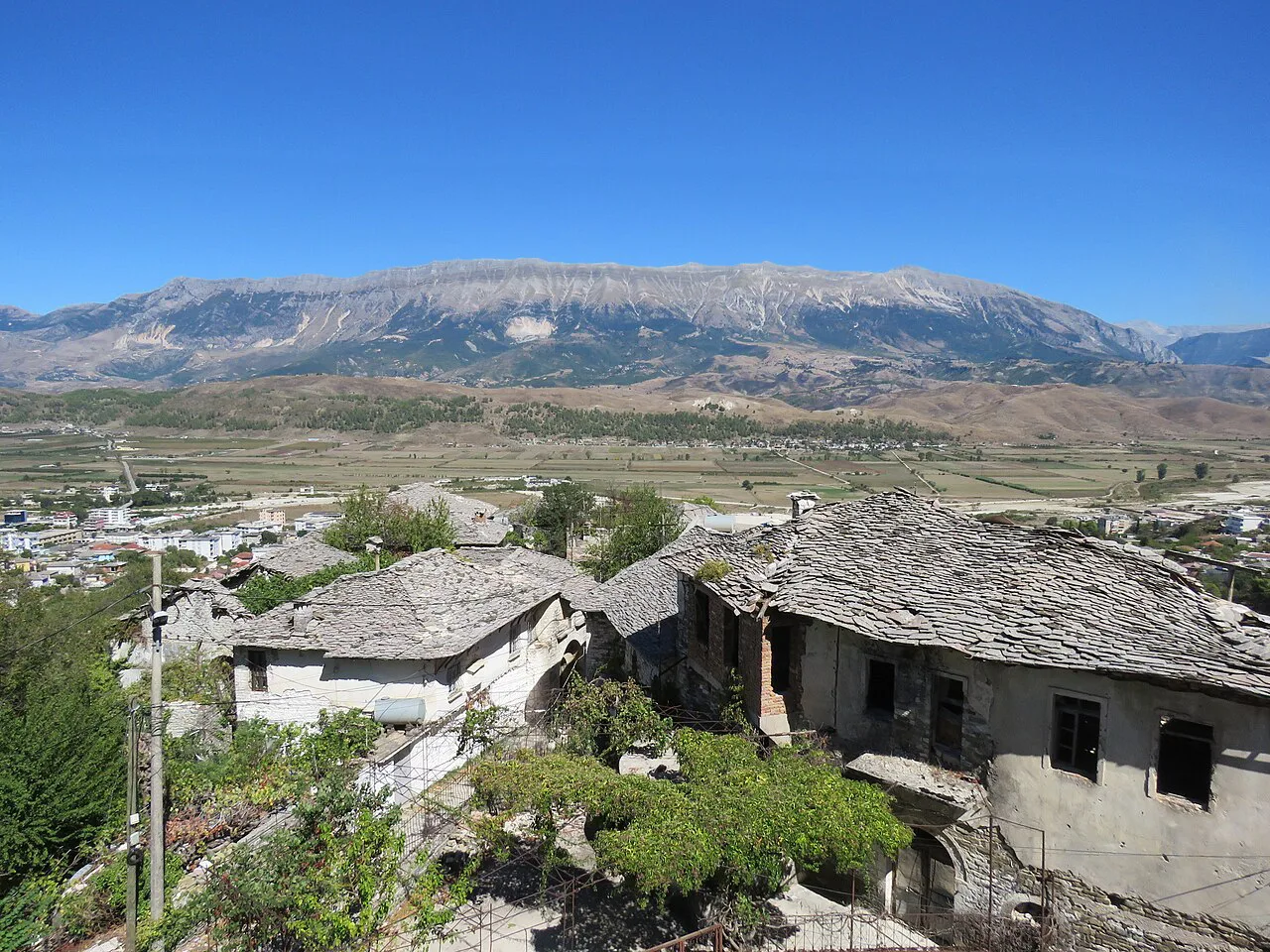
The Old Bazaar: the main eating district
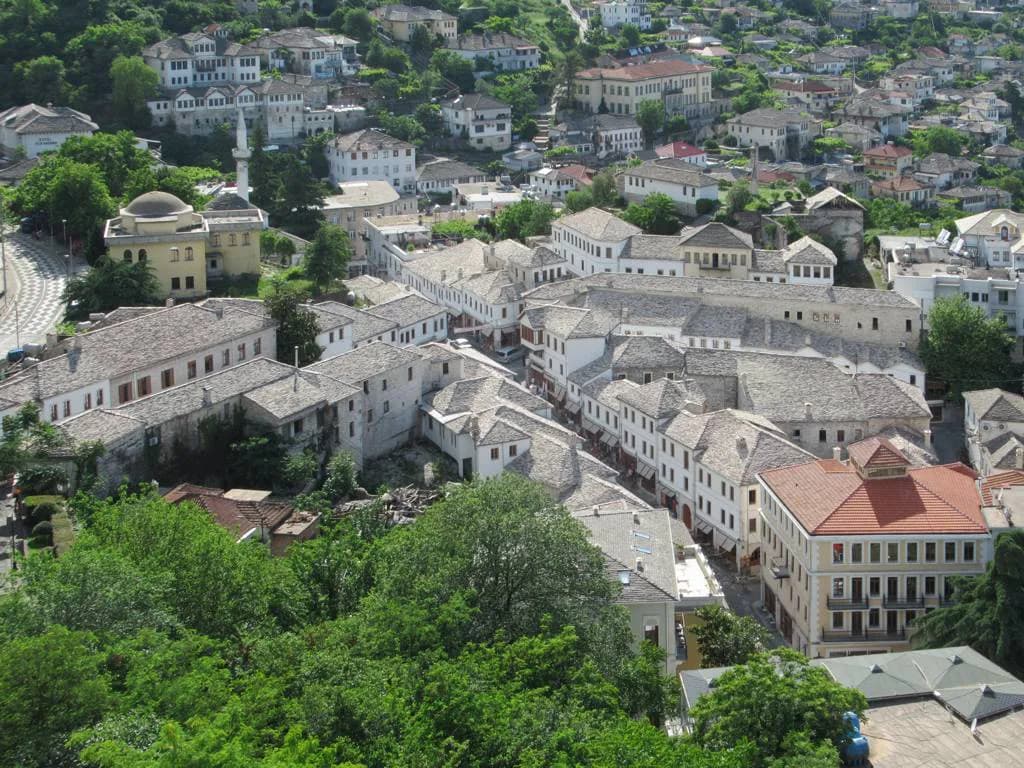
Most traditional restaurants cluster around the Old Bazaar, which makes it the default place to eat without a plan. The lanes are pedestrian and the walk back up into the old town is steep, so pick a table with the climb in mind rather than booking at the far end of the valley. For the layout of the streets and the quarter around the Bazaar Mosque, use the Gjirokaster map before you set out.
We would walk past the restaurants directly at the castle entrance and head ten minutes downhill into the bazaar instead, where the traditional kitchens and better-value tables are.
Restaurants worth choosing and the trade-offs
Odaja covers traditional cooking with vegan and vegetarian options, Kardhashi is the place for qifqi and tender lamb, and Urat trades on slow-cooked lamb near the Ottoman bridges. Gjoca is a family-run spot that looks plain from outside, while Kujtimi has a terrace over the pedestrian alley and is known for Tavë Kosi. Taverna Kuka and Vojsava round out the bazaar options, the latter on the upper edge where fewer people pass.
The trade-offs are mostly about view and consistency: hilltop terraces such as Taverna Panorama Zhuli and Traditional Food Balcony View earn their walk with castle and mountain views, while Urat draws praise for its terrace but has been inconsistent on food quality. Choose a view for the evening and a plain dining room for the meal you care most about.
Cafés and bookshops: Te Kubé and coffee
Te Kubé sits just underneath the Bazaar Mosque, part café and part bookshop, with a small Mediterranean menu and books on Albania in English as well as Kadare novels in several languages. It makes a good place to sit out the midday heat between bazaar stops. Other cafés in town include R C Coffee & More and ELA'S Coffee House.
Eating outside the centre: Libohova and the bridges
Restaurant Sedat Ismailati in Libohova, outside Gjirokastër and in front of the Shanisha Castle, cooks traditional dishes including pie, roast lamb and japrak, stuffed grape leaves with rice and mint. It works as a lunch stop if you are already heading out that way by car rather than a trip on its own. Closer in, The Barrels (Te Fucite) seats people among wine barrels next to a vineyard and produces its own wine.
How to order and what a shared table looks like
Order by dish name rather than pointing at a menu photo, because qifqi, oshaf and Pasha qofte are the things a kitchen wants to be judged on. Ask what is slow-cooked that day before you commit, and check whether the dish needs ordering ahead. A table of four can cover a pie, a rice dish, two vegetable plates, one lamb dish and a dessert without ordering more than the kitchen can time properly.
If you want the eating to sit inside a wider plan for the town, the Gjirokaster itinerary is the place to slot meals around the castle and the old town walk. Most of the town's food is within a short walk of the castle hill, so a meal rarely needs its own journey.
Vegetarian and vegan options
Traditional cooking here is meat-heavy and homestyle, and the vegetarian depth is limited, so plan around the vegetable dishes rather than expecting a separate menu. Odaja offers vegetable-stuffed eggplant, stuffed peppers and vegetarian dishes that can possibly be made vegan, which makes it the easiest single choice. Elsewhere ask for imam bayildi, stuffed peppers, djath and lakror with spinach, and confirm whether the pastry or the rice dish contains egg.
Which meal should you plan first?
Plan the bazaar dinner first and build the rest of the day around it: one traditional kitchen with qifqi, a slow lamb dish and oshaf covers the town's own cooking in a single sitting. Keep breakfast to a bakery and coffee, and keep lunch light unless you have ordered a guesthouse slow dish in advance. Sort the wider sightseeing with things to do in Gjirokaster before you book tables, so the walk between castle, old town and bazaar does not double back.
Explore more Gjirokaster guides
Frequently Asked Questions
What food is Gjirokaster known for?
The town's own dishes are qifqi, baked rice balls with mint and pepper, and oshaf, a fig milk pudding. Alongside them you find lakror and byrek from the bakeries, Tavë Kosi baked lamb in yoghurt, trahana soup and slow-cooked lamb with plums at guesthouses that cook traditional recipes.
Where do locals eat in Gjirokaster?
The traditional restaurants around the Old Bazaar, the family-run places that look plain from outside, and the bakeries selling lakror and byrek by the pan. We would walk past the restaurants right at the castle entrance and head into the bazaar lanes instead.
Do I need to book slow-cooked dishes in Gjirokaster?
For lamb with plums and similar slow oven dishes at guesthouses, yes: order ahead and say you want traditional cooking. Restaurant dishes such as Tavë Kosi and qifqi are ordered from the menu as normal.
How do I eat vegetarian in Gjirokaster?
Build the meal from stuffed peppers, stuffed eggplant, imam bayildi, local sheep cheese with olive oil and spinach lakror, and confirm whether the rice balls or pastry contain egg. Tradicional Restaurant Odaja lists vegetarian dishes that can possibly be made vegan.
Sources
Notes for your Albania trip
Optional updates to our Albania town guides.
You might also like
Continue reading
More guides you'll find useful