Museums in Gjirokastër: Castle, Ethnographic Museum and Old Houses
Museums in Gjirokastër, from the castle and its armaments collection to the Ethnographic Museum and the Ottoman houses, with what to pick and how long each takes.
On this page
Give Gjirokastër one full day and the museums reward you: the castle complex first thing, the Ethnographic Museum next, and one or two Ottoman houses in the afternoon. That order works because the castle sits highest and takes the most walking, while the houses cluster on the slopes below where you can slow down. This guide covers what each museum actually shows, the castle ticket and season, and how the stops fit together on foot.
Skip the assumption that everything is one ticket. The castle charges its own entrance, and the old houses and smaller museums are separate buildings scattered through the old town rather than wings of a single site. Read the castle and museum entries on the official Gjirokastra site before you go, because not every opening time and price is published where you would expect.
Which museums in Gjirokastër are worth your time: the short answer
If you see only two things, make them the castle and the Ethnographic Museum. The castle holds the Museum of the Castle with its arms collection, the former prison and a jet on the grounds, all inside one walled circuit you can walk in a couple of hours. The Ethnographic Museum on Rruga Hysen Hoxha shows an Ottoman house dressed with period interiors, which is the closest you get to seeing how a Gjirokastër household was furnished.
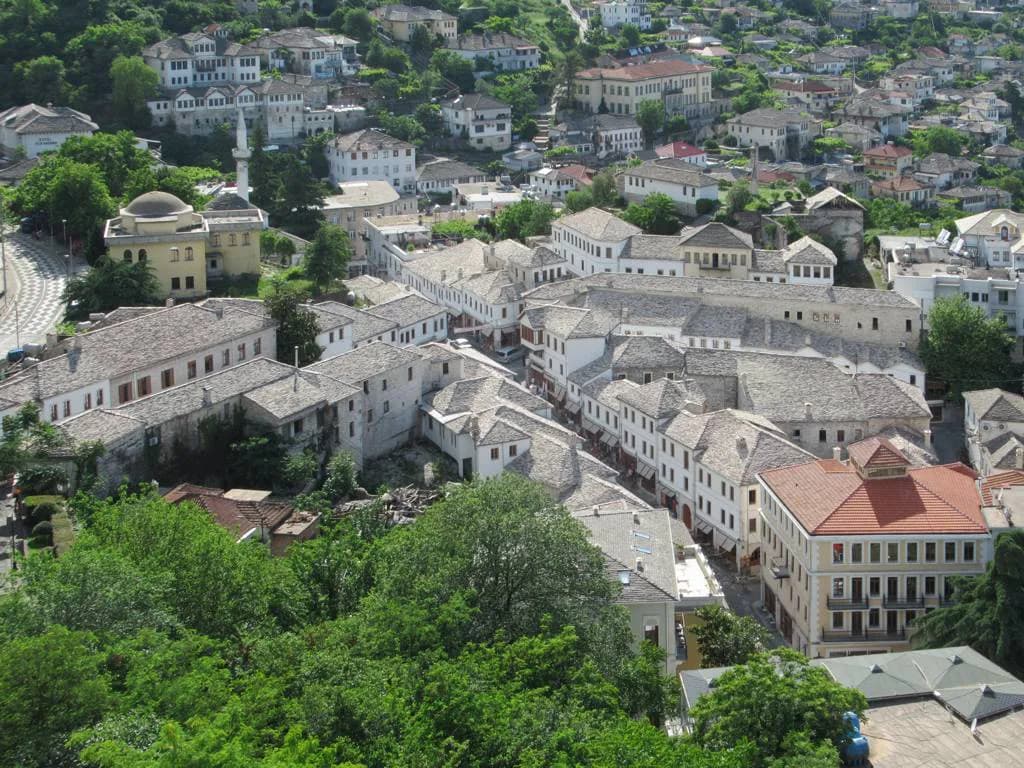
Add one Ottoman house if you have a taste for domestic architecture, and the Cold War Tunnel or the Ismail Kadare House if you want a smaller, more specific stop. Treat the rest of the day as old town walking, because the lanes between these buildings are half the visit. Our guide to the things to do in Gjirokaster puts the museums alongside the viewpoints, bazaar and castle so you can see how they stack up for a single day.
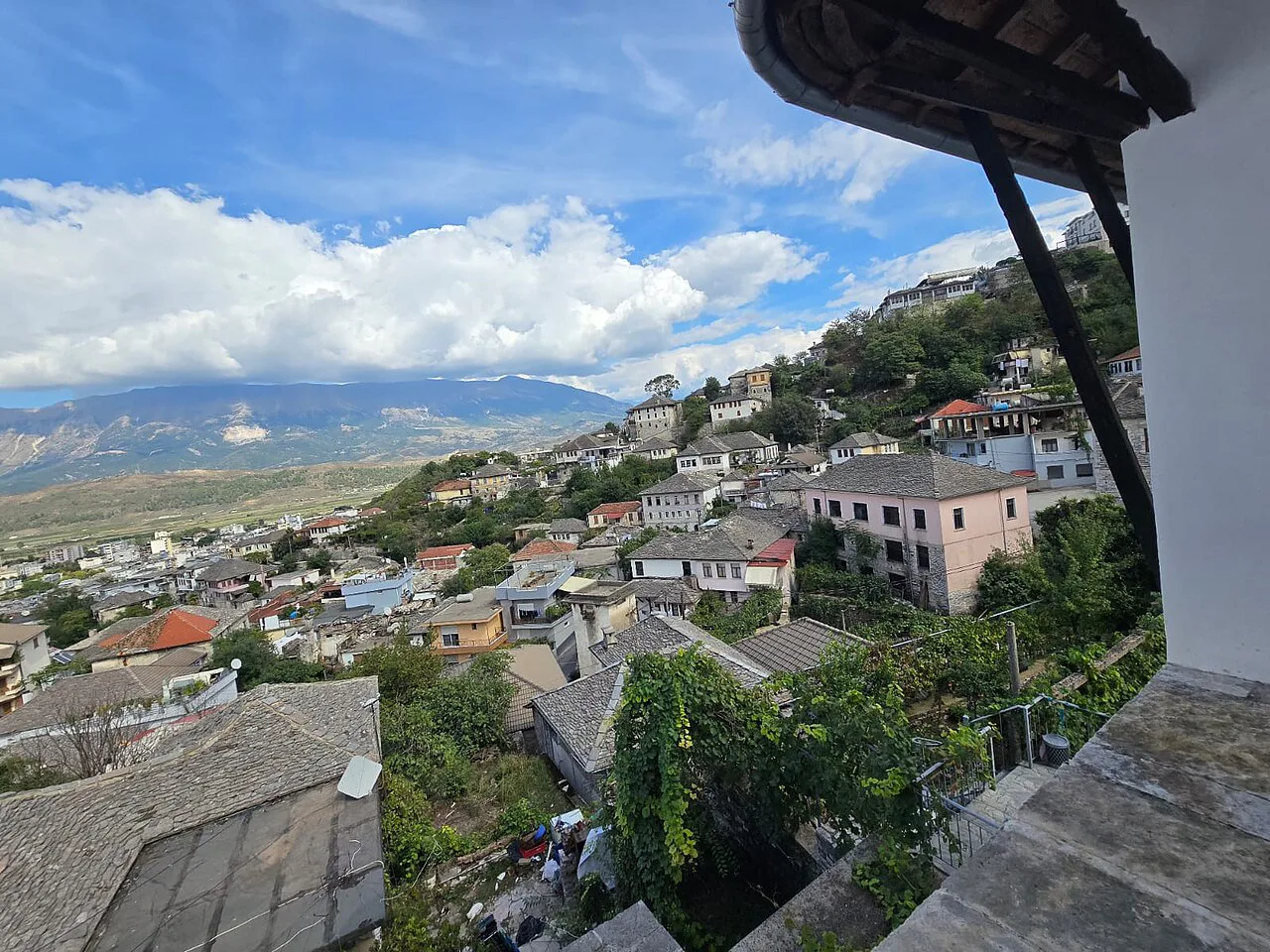
Gjirokastra Castle: what is inside, the museum, prison and jet
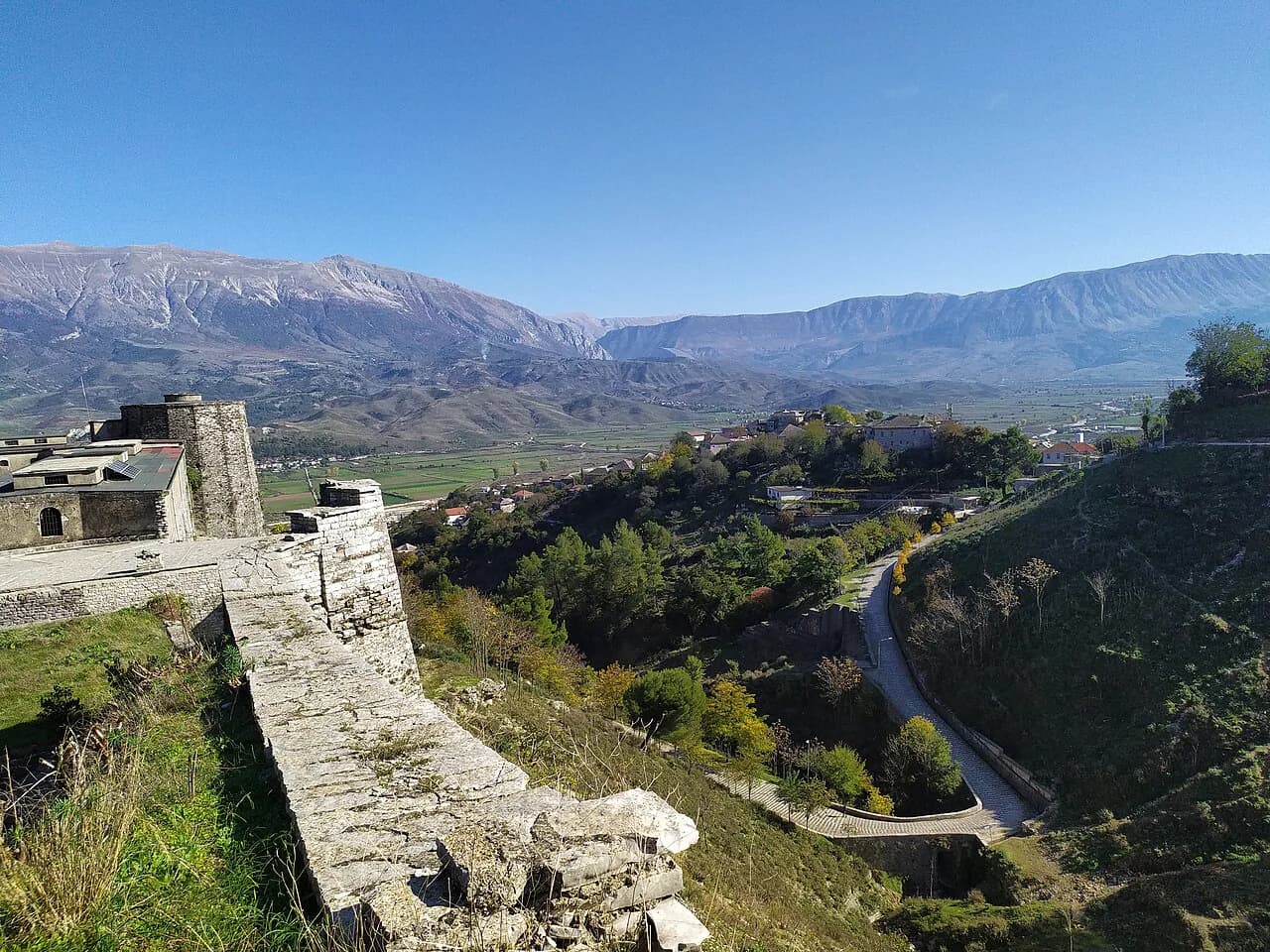
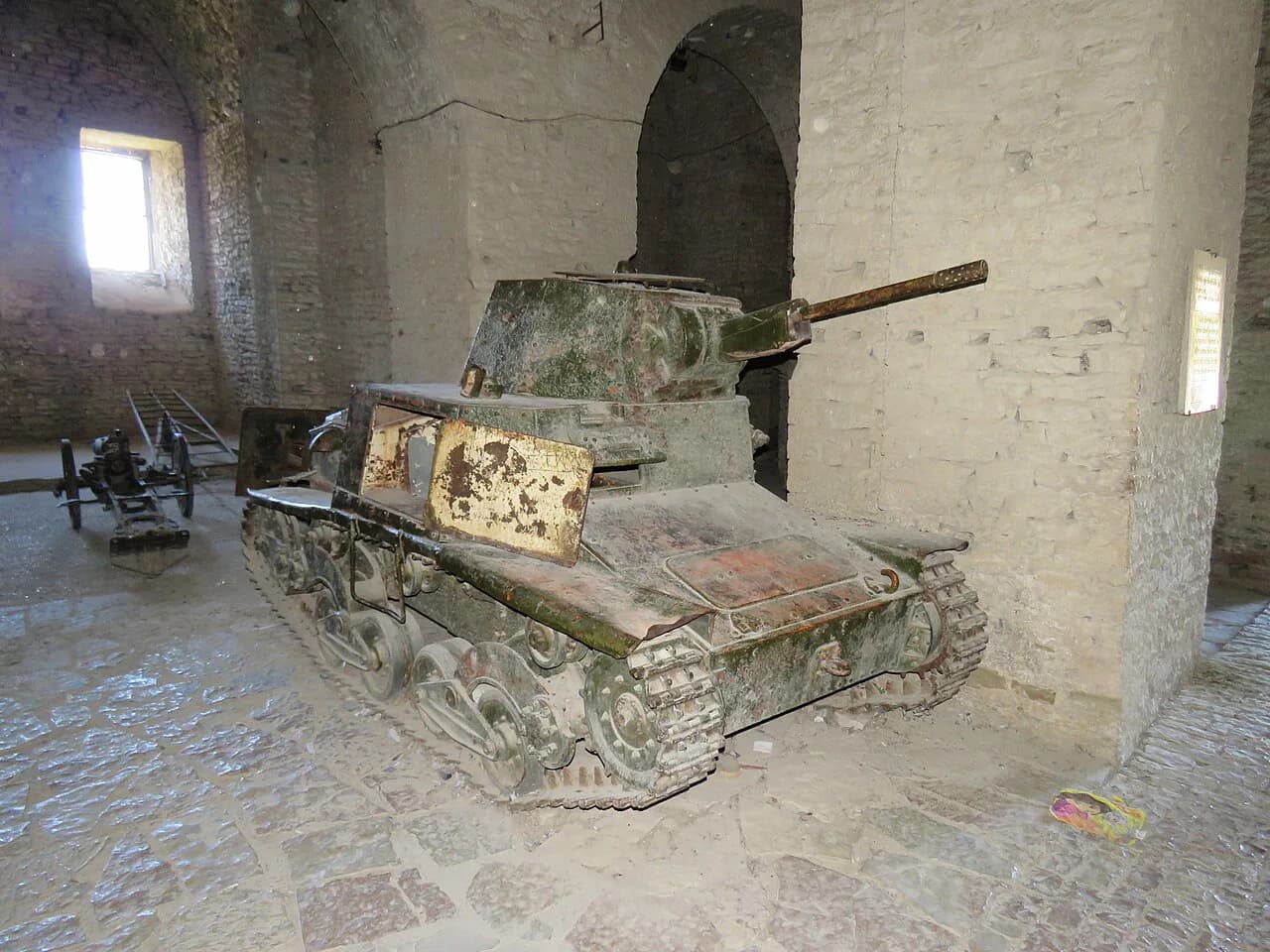
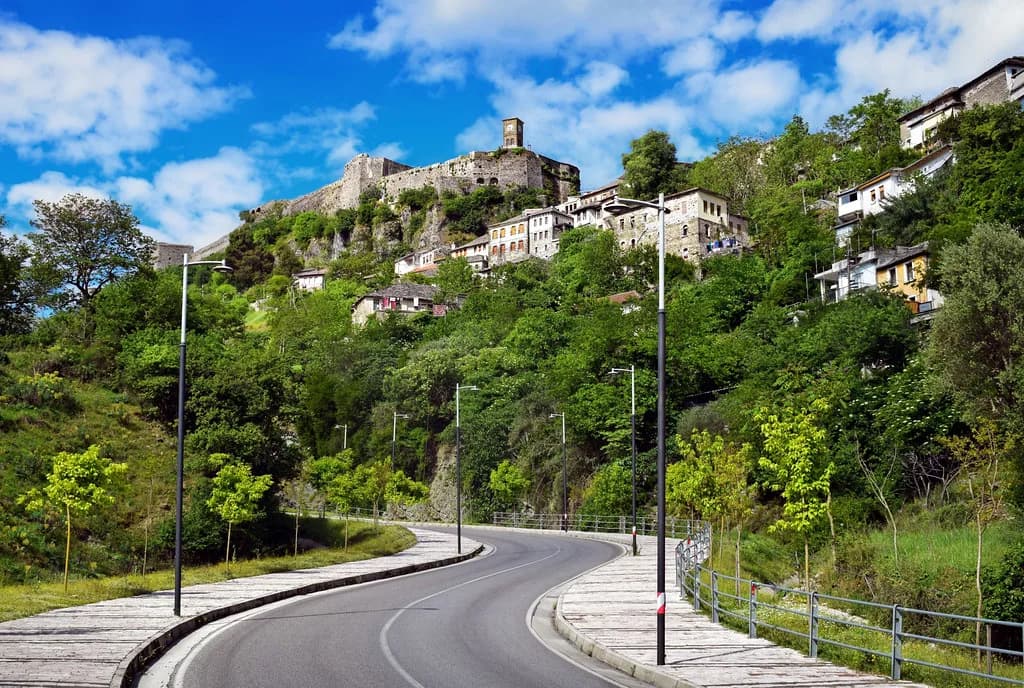
The castle occupies the hilltop above the city, and what stands today was largely rebuilt and expanded in the early nineteenth century under Ali Pasha of Tepelena, with walls and towers dating from that campaign. Inside the circuit you get the Clock Tower, a festival stage, the Castle Museum, a view over the valley, and a recovered US Air Force jet displayed on the grounds. The Museum of the Castle folds in a collection of arms from the First and Second World Wars, the communist-era prison and a pavilion on the city's history.
The prison is the part that stays with people, and it is presented as part of the museum rather than as a separate attraction. Allow two hours if you read the displays, or an hour if you walk the walls and look at the view. Wear shoes with grip: the surface inside the castle is uneven stone, and the approach from the old town climbs.
Castle tickets and opening seasons
The castle charges 400 ALL or 4 euros for an adult, 300 ALL or 3 euros for groups of twelve or more, and 200 ALL or 2 euros for invalids and old people. It opens all year, from 09:00 to 19:00 between April and September and 09:00 to 17:00 from October to March. Buy at the entrance and carry cash in lek in case card machines are busy at peak times.
These are the published figures, so confirm them at the gate if your visit falls near a season change, when hours shift. The castle address is Rruga Elvia Celebi, which is where you aim for on a map rather than the bazaar end of town.
The Ethnographic Museum on Rruga Hysen Hoxha
The Ethnographic Museum is the one to prioritise after the castle. It occupies an Ottoman house on Rruga Hysen Hoxha and is set up to show domestic life, with furnished rooms rather than glass cases of objects. Give it 45 minutes to an hour, and go before the afternoon heat if you are visiting in summer.
Travellers who have already seen several Albanian house museums often rate the Zekate House higher for the building itself, so if you are choosing between them, the Ethnographic Museum is the better introduction and Zekate the better interior. Entry is charged separately and the official site does not list a ticket price for this museum, so ask at the door.
The National Museum of Armaments
The National Museum of Armaments is listed at Rruga Fato Berberi 16, separately from the castle's own arms collection. It suits visitors with an interest in military hardware rather than a general audience, and it is a short stop rather than a half-day. Pair it with the castle if weapons and twentieth-century conflict are your reason for coming.
The same listing gives the Ismail Kadare House and the Cold War Tunnel, each as its own museum entry in the old town. The Kadare House appeals if you know the writer's work; the tunnel appeals for the engineering and the communist period. Neither has published hours or prices in the official listings, so check locally on the day.
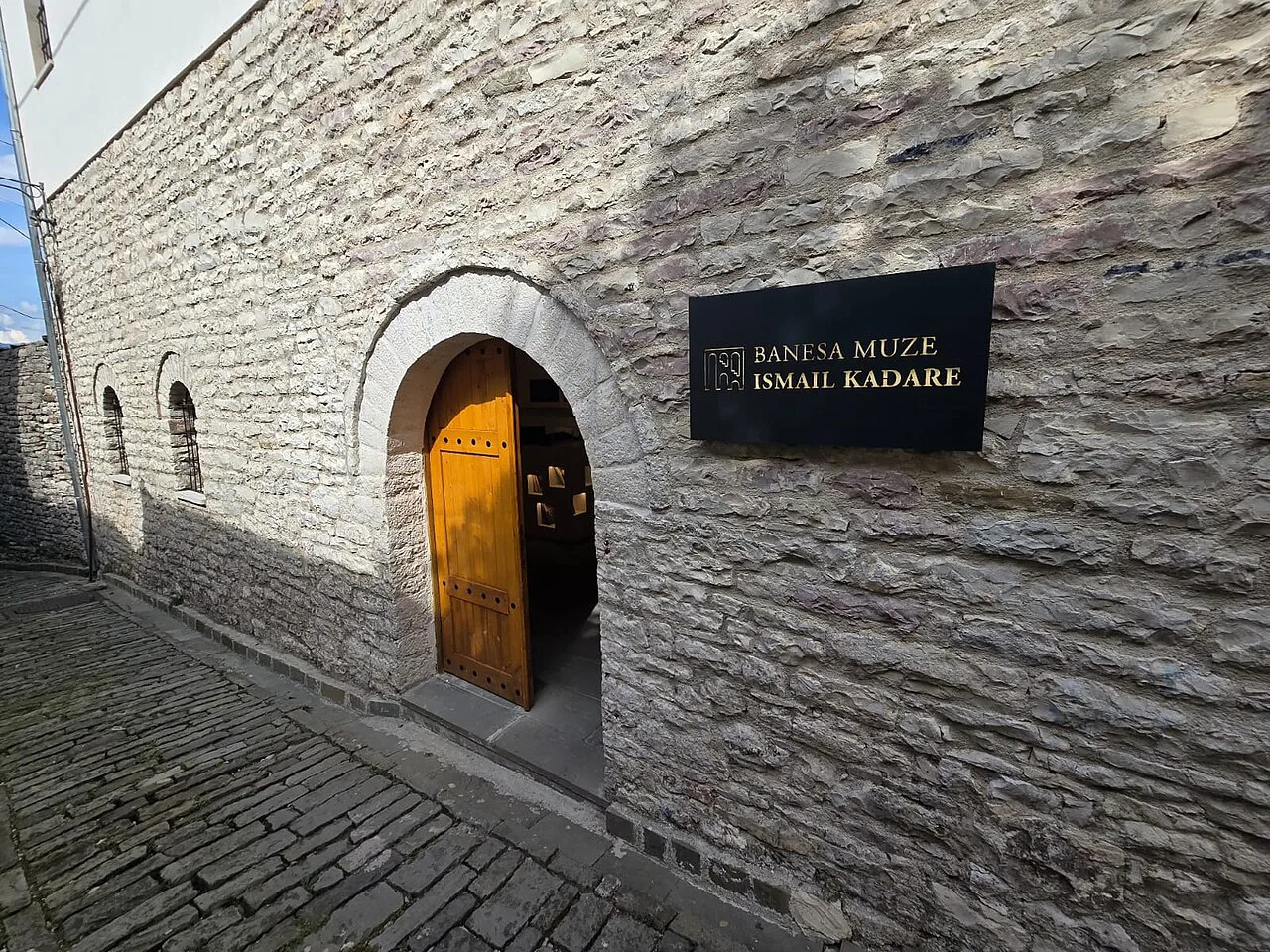
The Cold War Tunnel
The Cold War Tunnel is catalogued as a museum in its own right, which makes it easy to miss when you are planning around the castle. It is a compact stop, best folded into a walk through the old town rather than treated as a destination. Set aside half an hour and check at the entrance that it is open before you commit the detour.
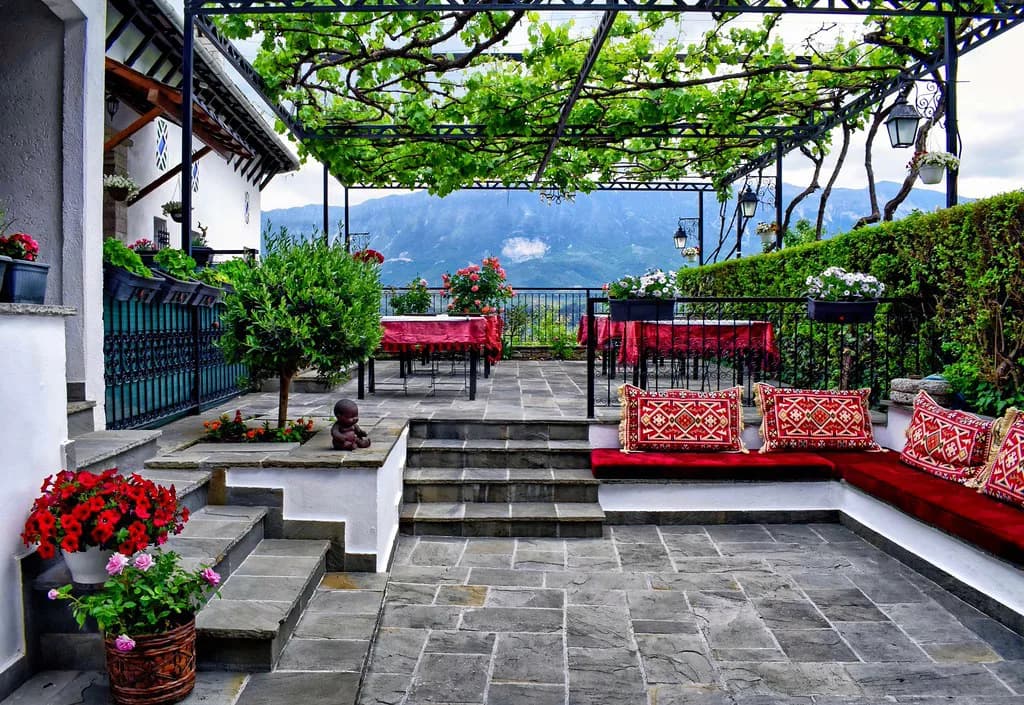
The old Ottoman houses as living museums: Zekate, Skenduli, Babameto, Angonate, Fico and Jaho-Babaramë
The old houses are the sleeper museums of Gjirokastër. Zekate, Skenduli, Babameto, Angonate, Fico and Jaho-Babaramë are each listed individually, and visiting one or two gives you a sense of the town's merchant houses that no display case manages. Zekate is the one most travellers single out, and it is worth the climb if you only manage one.
Two is plenty in one day. The lanes between them are steep and cobbled, and the combination of stairs inside the houses and gradients outside adds up faster than the map suggests. Pair them with the old town walk so you are not doubling back uphill.
The Musine Kokalari Museum and the Ismail Kadare House
Two literary houses round out the museum list. The Musine Kokalari Museum commemorates the writer, and the Ismail Kadare House is listed as a separate museum entry in the old town. Both are small, and both reward readers who already know the names; if neither means anything to you, spend the time on the castle and the Ethnographic Museum instead.
Grouping the sights: castle and old town on one walk
Start at Çerçiz Topulli Square, walk up through the Gjirokastra Bazaar, and take the castle first while your legs are fresh. Come down for the Ethnographic Museum and one Ottoman house, then finish in the bazaar for coffee. That route keeps the climbing in one block and puts the flat, shaded streets at the end of the day.
Our Gjirokaster old town guide covers the quarters and lanes in detail, and the Gjirokaster map helps you see how the castle, bazaar and house museums sit relative to each other. If you would rather hand the navigation to someone else, book a Gjirokaster walking tour and let the guide connect the buildings for you.
How long the museums take and how to order a day
Budget three to four hours for the castle, the Ethnographic Museum and one old house, with another hour of walking between them. If you add the Cold War Tunnel and a second house, call it five hours plus a lunch stop. A guided two-hour city walk covers the old town at a good pace and is a sensible way to orient yourself before tackling the museums alone.
If you have only one day, do the castle in the morning, break for lunch in the bazaar, then the Ethnographic Museum and Zekate House in the afternoon. If you have two days, spread the smaller museums and literary houses across the second morning and leave the afternoon free for the old town and viewpoints. Keep the steep streets in mind: the castle approach and the climb to Zekate are the two hardest legs.
Which museum suits which visitor
For a first visit with limited time, the castle and Ethnographic Museum are the core. For families, the castle's grounds and jet give children something concrete to look at, while the smaller house museums suit older visitors willing to climb stairs slowly. For readers with an interest in literature, the Kadare House and Musine Kokalari Museum justify a morning.
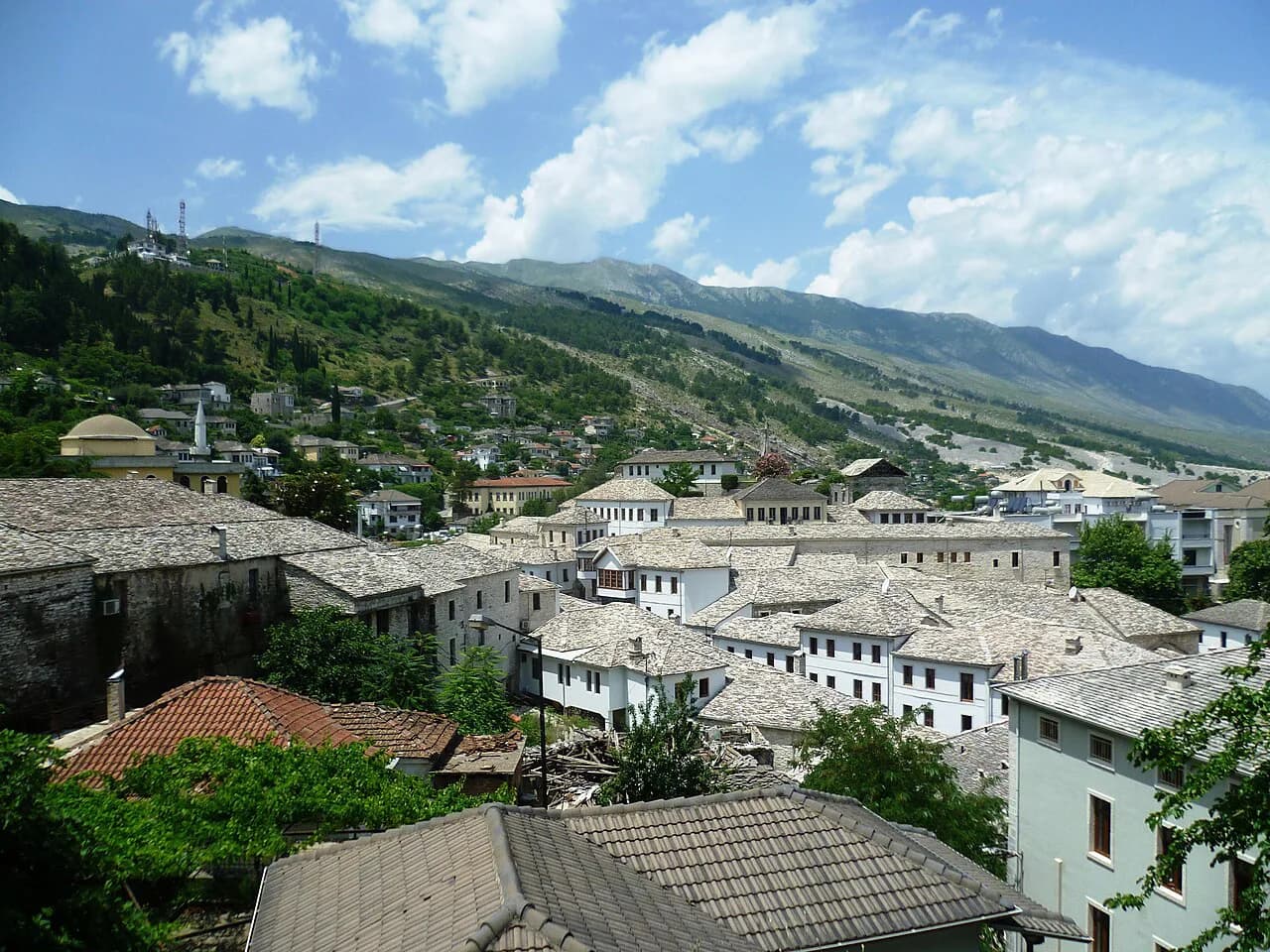
Military history enthusiasts should add the National Museum of Armaments and the Cold War Tunnel. Anyone staying two or three nights can work through the full list, while day-trippers from Sarandë should pick two and accept they will miss the rest. The Gjirokaster Unesco listing explains why the houses and castle sit together as one protected townscape.
Which museum do you book first?
Book the castle for your first morning and keep the Ethnographic Museum for after lunch. That one decision sets the pace for everything else, because the castle is the longest and most exposed stop, and the houses and smaller museums fit around it. Bring grippy shoes, cash in lek and enough time to walk slowly.
If your interest is broader than museums, our things to do in Gjirokaster guide covers the bazaar, viewpoints and history that fill the rest of the day. The Gjirokaster Attractions: 8 Visitor Guides hub pulls the individual guides together if you want to plan a longer stay.
Explore more Gjirokaster guides
Frequently Asked Questions
How old is Gjirokastra Castle?
The first walls date from between the twelfth and thirteenth centuries, although people had lived on the site earlier, and what you see today was largely rebuilt and expanded in the early nineteenth century under Ali Pasha of Tepelena.
How much does a ticket to Gjirokastra Castle cost?
The castle publishes a standard adult rate, a reduced rate for groups of twelve or more and a lower rate for invalids and older visitors, quoted in both lek and euros on the official Gjirokastra Castle page. Check that page or the ticket desk for the current amounts, and note that hours shorten between October and March.
Sources
Notes for your Albania trip
Optional updates to our Albania town guides.
You might also like
Continue reading
More guides you'll find useful