Gjirokastër Walking Tour: Route, Stops and How Long It Takes
Plan a Gjirokastër walking tour through the Old Bazaar, castle and steep cobbled lanes, with the entry fee, timings and guided options.
On this page
A Gjirokastër walking tour works best as a single loop: start at Sheshi Çerçiz Topulli, climb to the castle plateau, then drop back through the Old Bazaar and out to the Ali Pasha Bridge. The streets are short but almost never flat, so the route is planned around steps and gradient rather than kilometres. This guide gives the order, the stops, the castle fee and the half-day split.
What a Gjirokastër walking tour covers
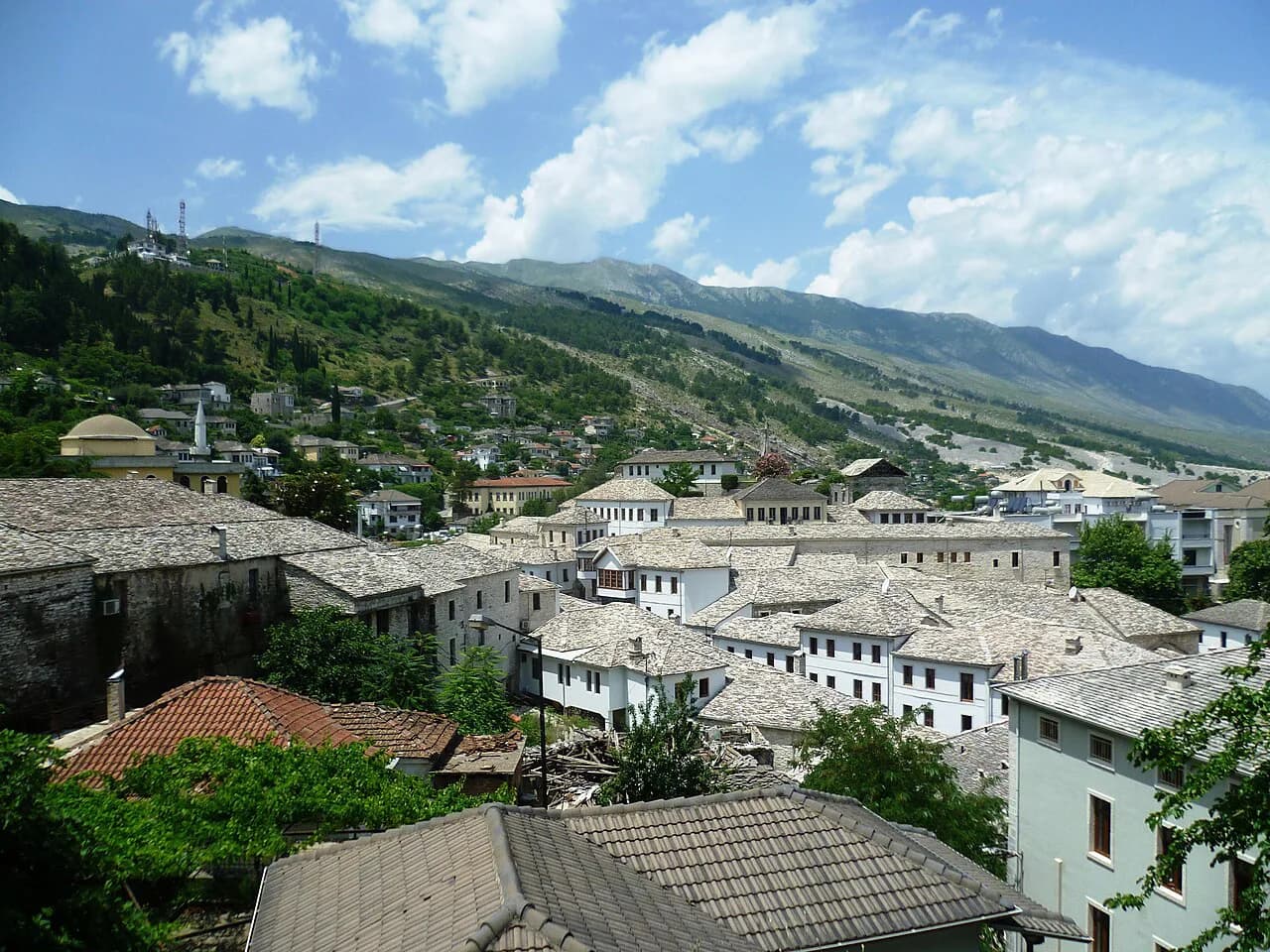
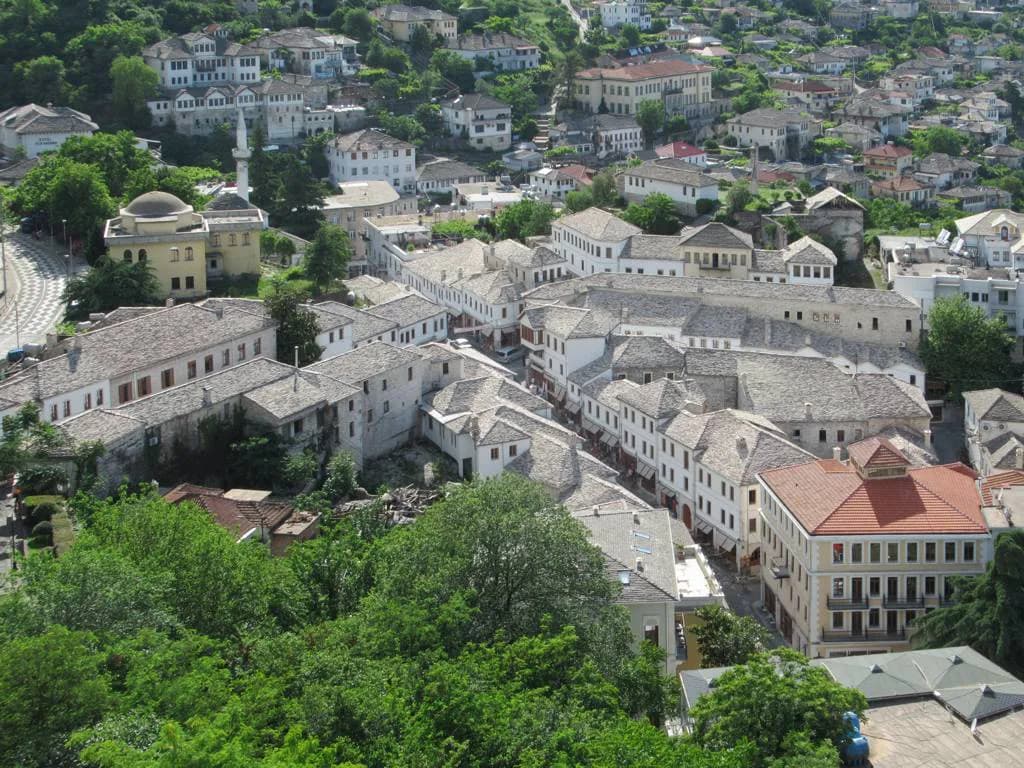
The compact core of Gjirokastër holds the castle on its ridge, the Old Bazaar on the slope below it, and lanes of stone houses connecting the two. A sensible walk links Sheshi Çerçiz Topulli, the castle gate, the bazaar streets, one or two Ottoman tower houses and the viewpoints that look over both the old and new town. You do not need transport for any of it, but you do need to accept that the lanes climb. For the full list of stops and sights beyond this route, see Things to Do in Gjirokastër.
Where the walk starts: Sheshi Çerçiz Topulli and the Old Bazaar
Sheshi Çerçiz Topulli is the practical meeting point at the foot of the old town, and local operators use it as their start. Experience Gjirokastra runs a three-hour walking tour of the bazaar, the castle and the Zekate house from this square, priced at about €12.50, which tells you what a guided version of this route looks like. Begin your own walk here early, buy water before the climb, and head uphill towards the castle gate rather than wandering the lanes first; the wider Gjirokastër Old Town repays a slower look once you come back down.
Stop 1 — Gjirokastër Castle: entry fee and time inside
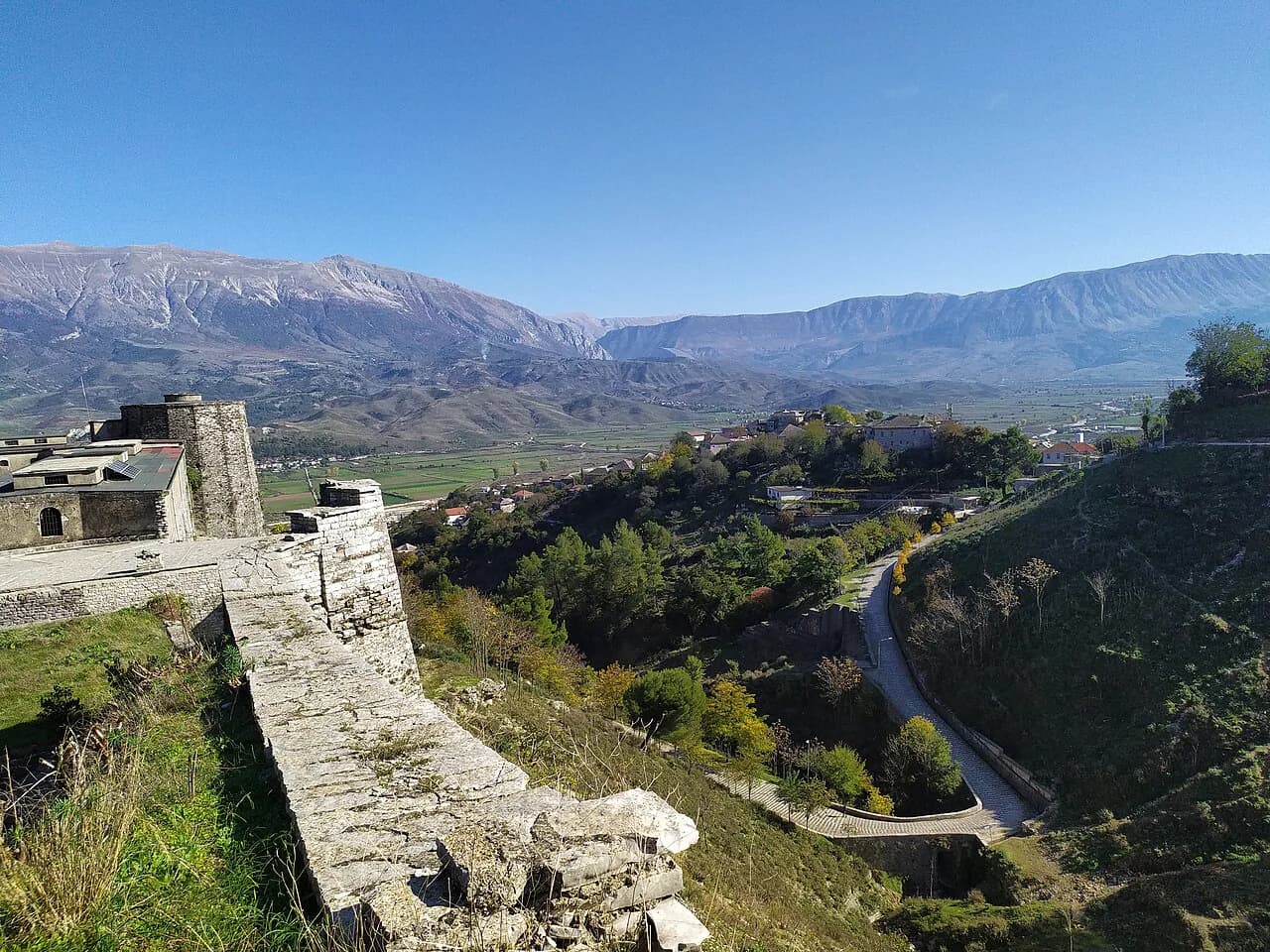
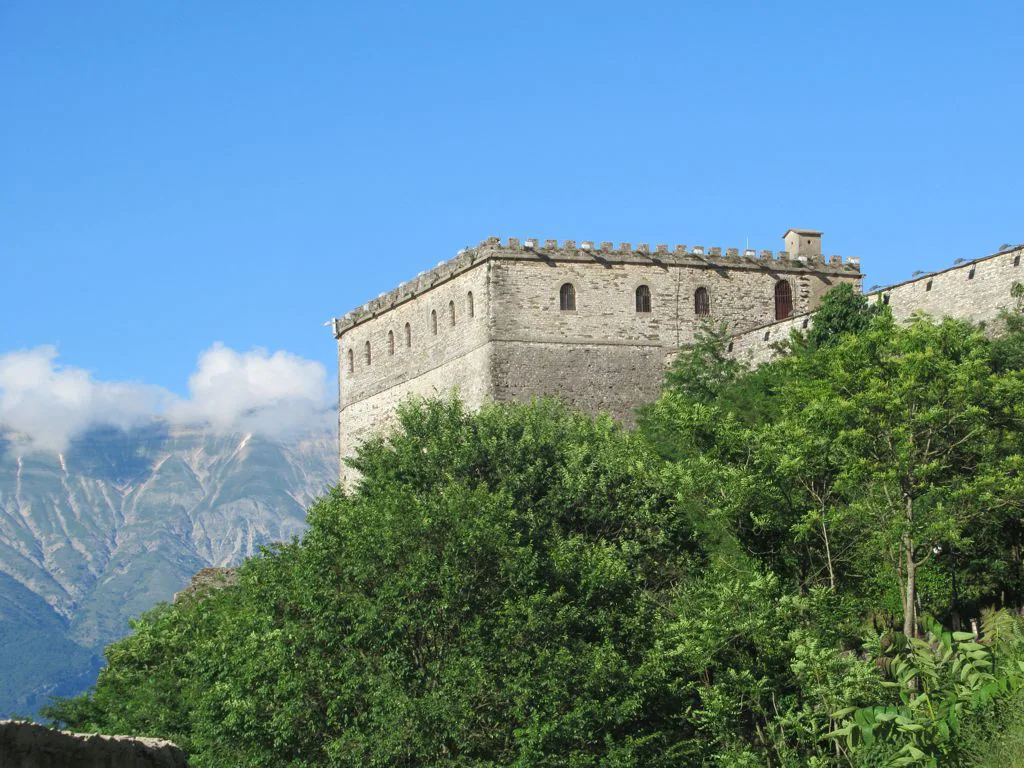
The castle gate is the top of the climb and the one stop where you should budget both money and time. Entry is listed at 400 lek, and the castle is generally open during the daytime with longer hours in the warmer months, so an early or late slot avoids the heaviest crowds. Allow two to three hours inside the walls; the museums are ticketed separately, so carry cash.
Inside the castle: the Clock Tower, the museums and the extra ticket
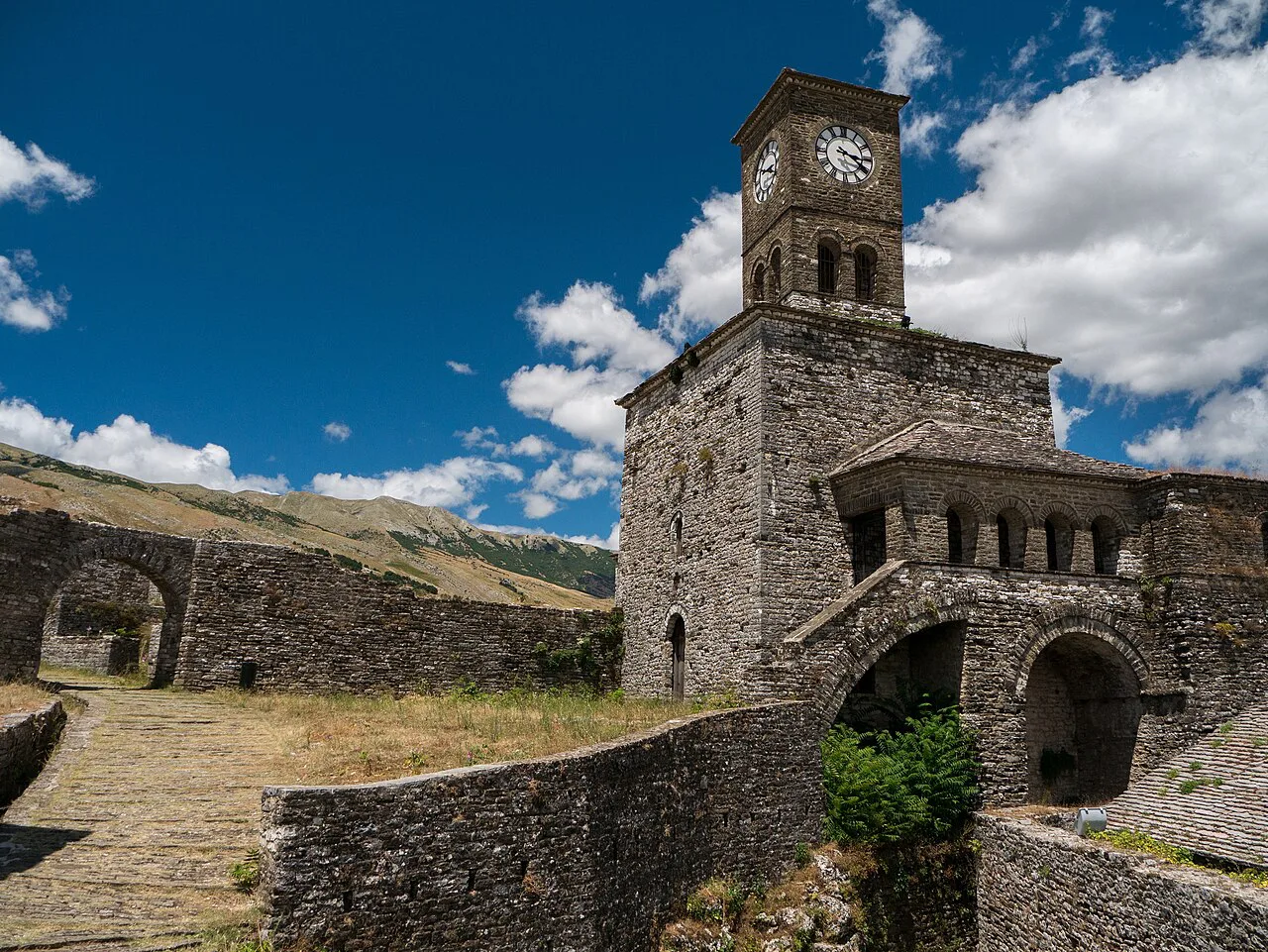
Within the walls you pass the Clock Tower, a church and the museums, plus a captured United States Air Force plane kept from the Communist period. The castle museum is the one to choose if you only pay for a single extra ticket, while the Arms Museum has no English descriptions. Pay for the museum you want at the gate, then walk the ramparts for the view over the old and new town before descending.
Stop 2 — the Old Bazaar and the lanes below the castle
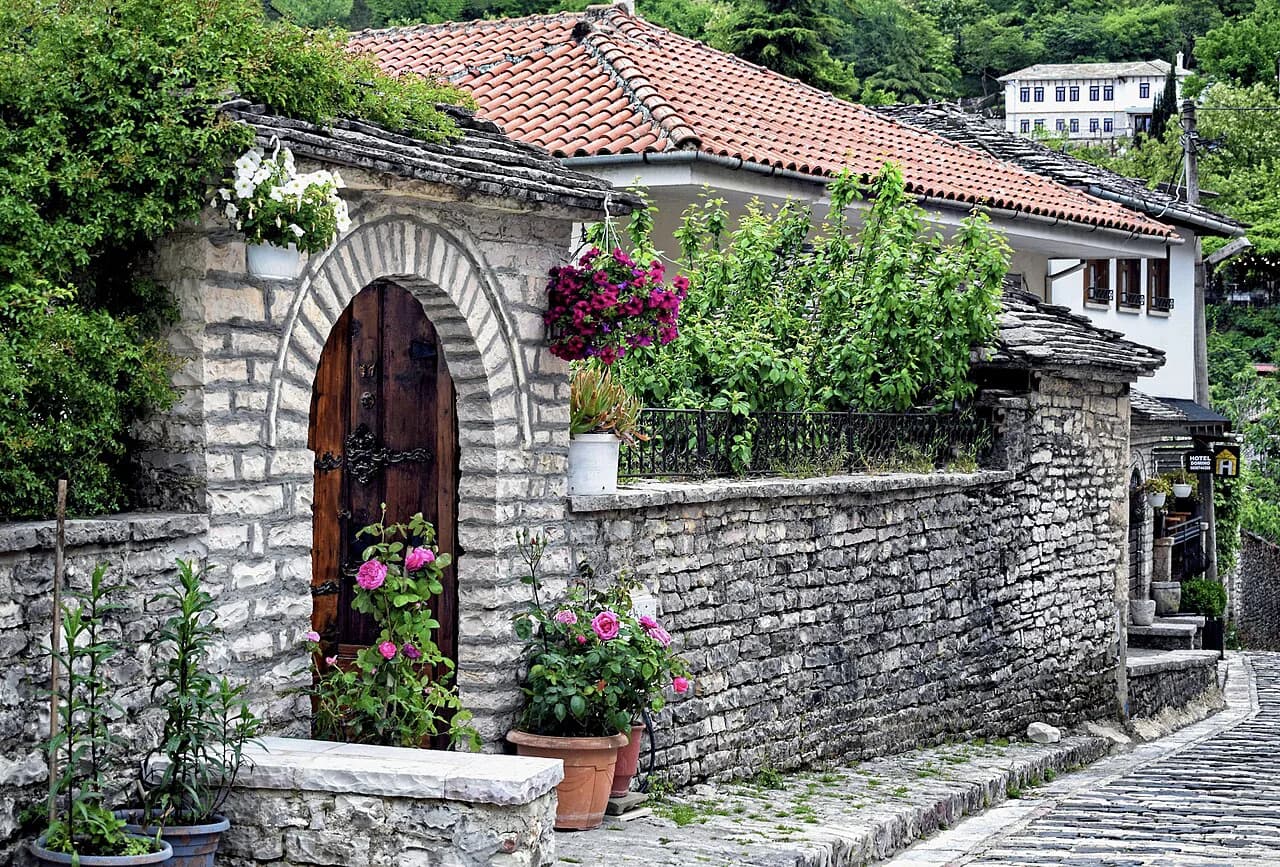
From the castle gate the route drops back through the bazaar streets, which are the natural place to pause for coffee or food before the rest of the loop. This is where the walk becomes a slow amble rather than a route: the lanes are narrow, cobbled and stepped, and the interesting details are doorways, eaves and shopfronts rather than a single sight. Keep the castle behind and above you and work downhill towards the tower houses.
Stop 3 — Zekate House and Skenduli House
The Ottoman tower houses are the part of Gjirokastër that a castle visit does not give you. Zekate House and Skenduli House both open their interiors to visitors, and Zekate features on the guided bazaar-and-castle route sold from Sheshi Çerçiz Topulli. Treat each as an optional stop: one house is usually enough to understand the layout, and adding a second lengthens the walk by a chunk of the afternoon.
Stop 4 — the Obelisk for the view over the old and new town
The Obelisk is the easy viewpoint on this route, and it is where the shape of Gjirokastër becomes clear: the stone old town on one side, the newer town below. It suits the end of the day rather than the middle, so place it after the bazaar and houses. If you want to build the walk around the light, this is the stop to hold back for.
Stop 5 — Ali Pasha Bridge: the walk out from the old town and back
The Ali Pasha Bridge sits outside the old town and is reached on foot along paths below the houses, so it works as an extension of the walk rather than part of the compact core. Walking tours in Gjirokastër pair the bridge with the bazaar and the Cfake and Dunavat quarters, which gives you the rough shape of a route out and back. Go out and return the same way, and save it for a cooler part of the day.
How long the full route takes and how to split it over half a day
The castle alone takes two to three hours, and the guided version of the bazaar-castle-Zekate route runs about three hours, so the castle plus a bazaar wander already fills a morning. Add the Obelisk and you have a comfortable half day. Push out to Ali Pasha Bridge and you need the rest of the afternoon, which is why the loop is best split rather than rushed. If you are building a longer stay, slot the walk into one block and keep the rest flexible; the Gjirokastër itinerary guide has a fuller day plan.
Guided alternatives: free walking tours and paid tours
Free walking tours in and around Gjirokastra are advertised at roughly two hours, with meeting times spread across the morning and afternoon, such as 09:45, 14:00 and other slots on a given day. They ask nothing upfront, so you tip at the end; confirm the meeting point and the day's times when you book. Paid small-group walks are listed from about €12.50 with a local operator, and the same and similar walks appear on booking platforms from around USD 16.
Cobbles, steps and heat: what makes the walk harder than the distance suggests
The difficulty in Gjirokastër is the surface, not the length: steep cobbled lanes, stone steps and slippery patches after rain slow everyone down. Wear shoes with grip, carry water, and walk the climb to the castle in the morning or late afternoon rather than at midday. The town is a UNESCO-listed site, so the streets are protected as they are and the steps are not going anywhere.
Which version of the walk should you do?
If you have one morning, walk from Sheshi Çerçiz Topulli to the castle with the museum ticket included, then drop through the bazaar and stop at the Obelisk. With a full day, add one tower house and the Ali Pasha Bridge, and let a two-hour free tour set the order if you would rather follow a guide.
Explore more Gjirokaster guides
Frequently Asked Questions
Is Gjirokastër walkable without a guide?
Yes. The castle, bazaar, tower houses and Obelisk sit within a compact area around Sheshi Çerçiz Topulli and can be linked on foot. A guide adds the order, the stories and the tower-house interiors rather than access to anywhere you could not reach yourself.
How much is the castle entry?
Entry to Gjirokastër Castle is listed at 400 lek, and the museums inside are ticketed separately, so bring cash for both. Check the fee at the gate when you arrive, as the ticket is priced locally.
Are the streets in Gjirokastër steep?
They are. The lanes between the bazaar and the castle are cobbled and stepped, and the climb up to the castle gate is sustained. Grip soles, water and a morning start make more difference than shortening the route.
Sources
Notes for your Albania trip
Optional updates to our Albania town guides.
You might also like
Continue reading
More guides you'll find useful