Gjirokastër Itinerary: One, Two or Three Days in the Stone City
A practical Gjirokastër itinerary for one to three days, putting the castle first, the bazaar below it and the Ali Pasha Bridge on a sensible walking order.
On this page
Two full days is the right allowance for Gjirokastër, with one day enough for the castle and Old Bazaar if you accept a rushed look at the Ottoman houses. Plan the castle for your first morning, before the heat builds on the exposed climb, and keep the stone tunnels and covered lanes for the hottest hours. This itinerary runs from one to three days, in walking order from the castle hill down through the bazaar to the Manalat quarter.
The old town is built on a slope, and travel writers fairly call it the city of a thousand steps; the lanes climb and bend rather than running straight. Expect cobbles underfoot for most of the day and plan fewer stops than you would in a flat town. Sturdy shoes matter more here than any single sight on the list.
How long Gjirokastër needs: one, two or three days
One day gets you the castle and the Old Bazaar with the Bazaar Mosque, and leaves the traditional houses and the Manalat viewpoints for a return trip. Two days adds the Ethnographic Museum, one Ottoman house and the walk out to the Ali Pasha Bridge. A third day is best spent outside town, at Antigonea or the Blue Eye.
Anyone arriving on a day trip from Sarandë should treat the castle as the fixed point and build everything else around it. Skip the out-of-town day entirely and choose either the Skenduli House or the Zekate House rather than both. Allow a little over an hour for the castle itself.
Getting your bearings: castle hill, the bazaar below and the steep lanes
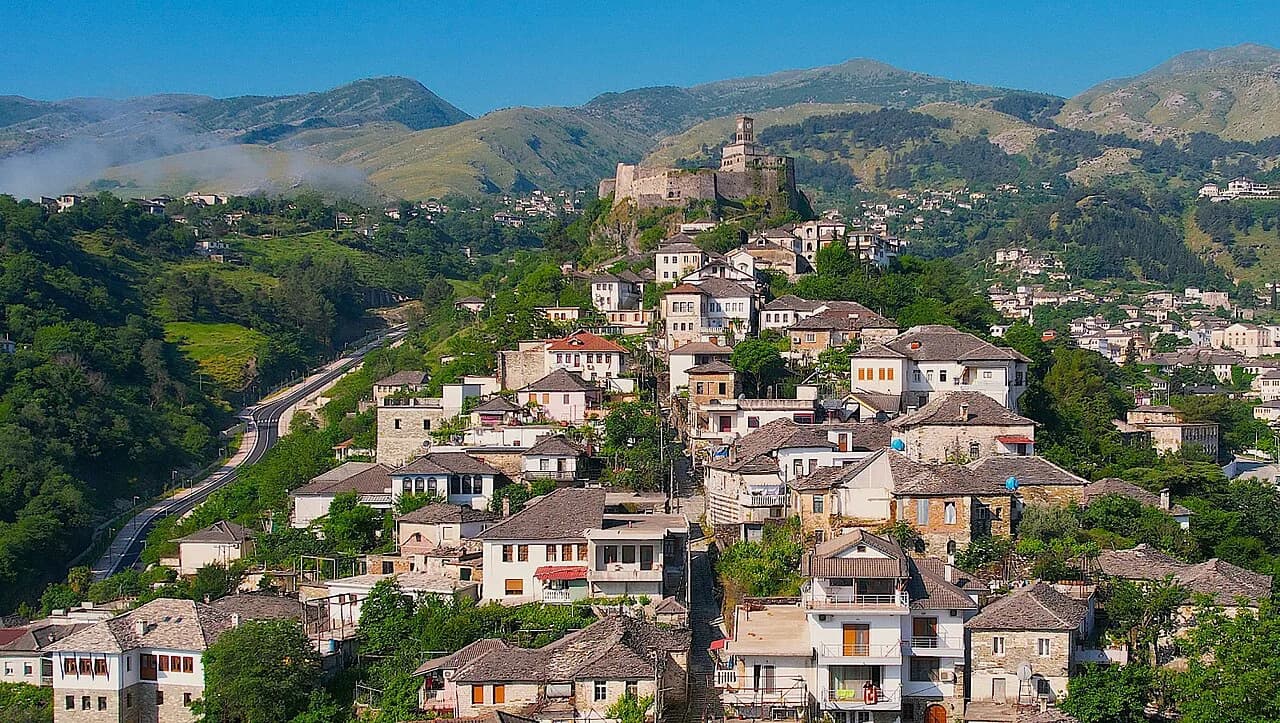
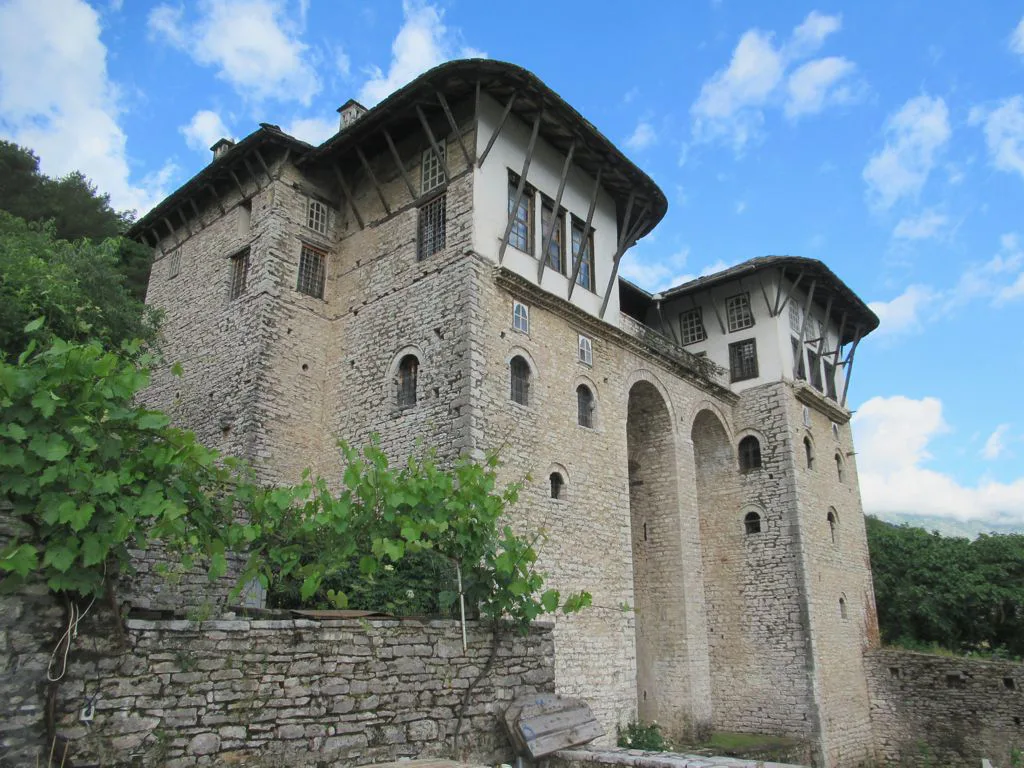
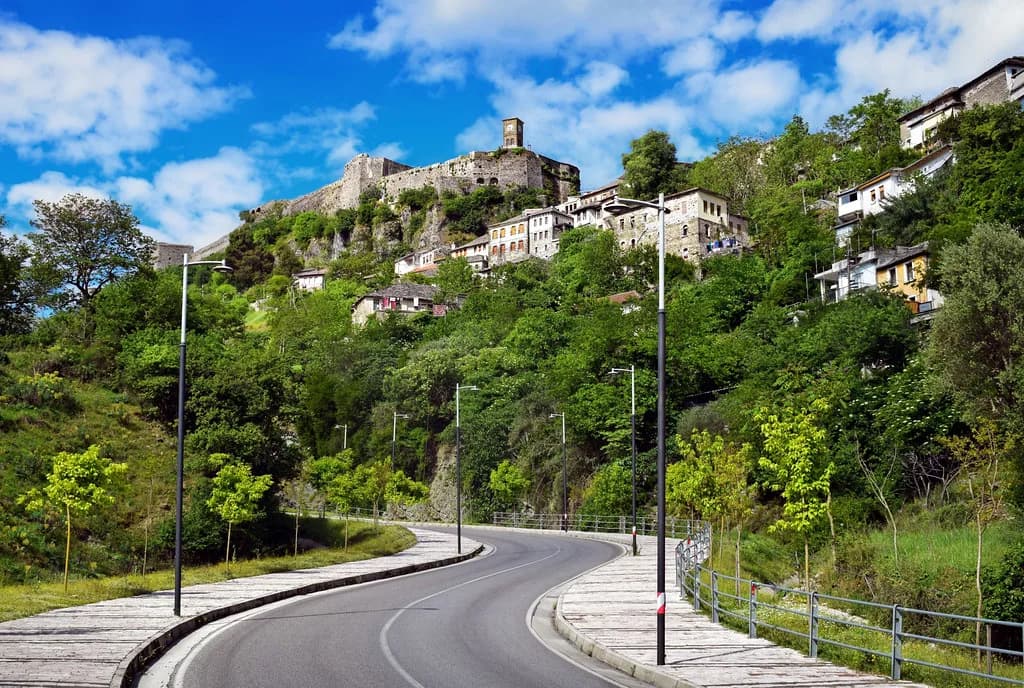
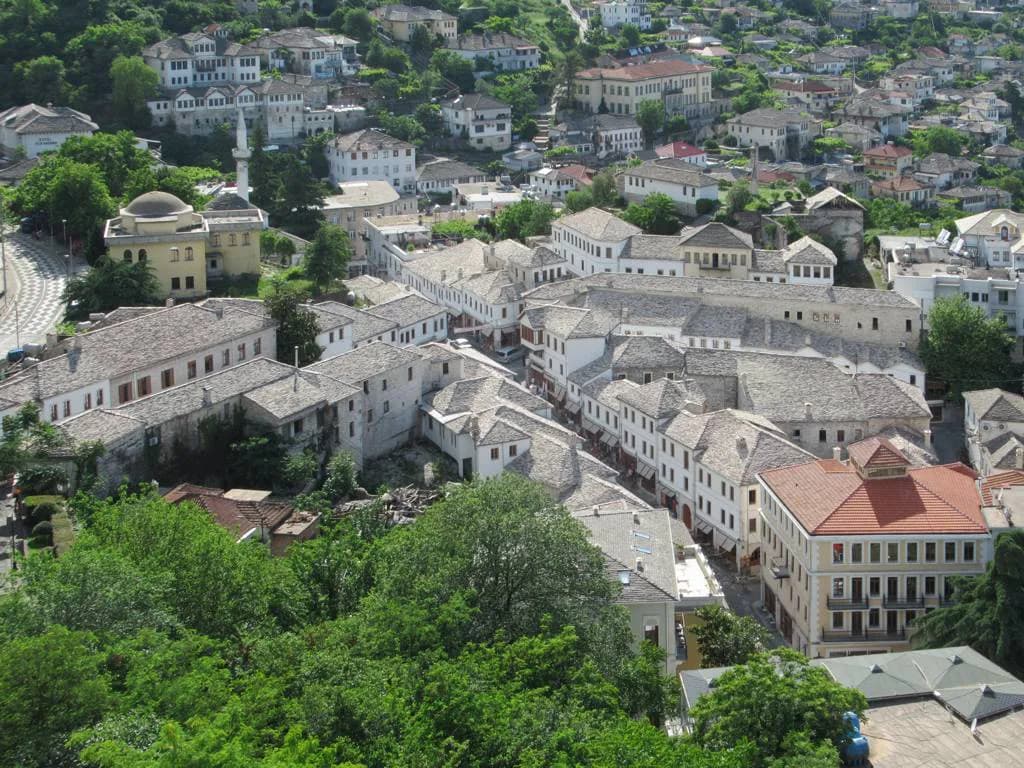
The layout is simple once you see it: the castle sits on the highest hill, the Old Bazaar spreads across the saddle below, and the Manalat quarter climbs the opposite slope. Orient yourself from a viewpoint first, then work downhill into the bazaar rather than climbing at the end of the day.
Distances are short but vertical, and the main road up to the old town is steep and narrow. Walking is the practical way to move between the castle, bazaar and Manalat; a car is useful only for the day-three excursions.
Day one, morning: the castle first, before the heat
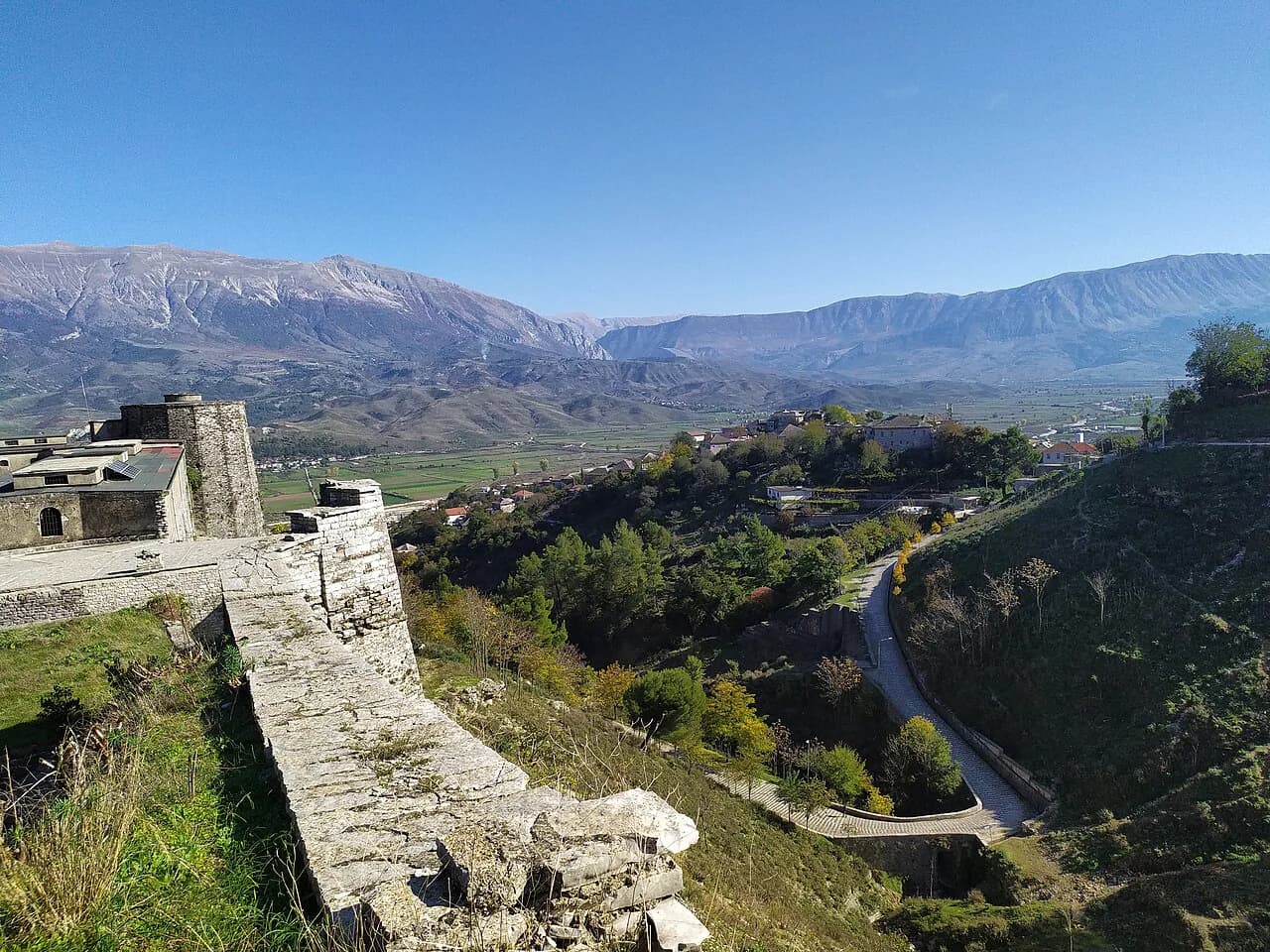
Start at Gjirokastër Castle as early as it opens. Inside the walls you find the Gjirokastër museum, a Cold War-era US Air Force plane, the castle dungeons that served as a political prison and wide views over the Drinos Valley. The tomb of the Bektashi figures Baba Sulltan and Baba Kapllan sits within the grounds.
Tickets cost 400 lek per person, and the castle opens from 09:00 to 19:00 between April and September and 09:00 to 17:00 from October to March, as published in 2025. Turn up at opening to walk the walls before coach groups arrive and before the courtyard heats up.
Day one, midday: the Old Bazaar and the Bazaar Mosque
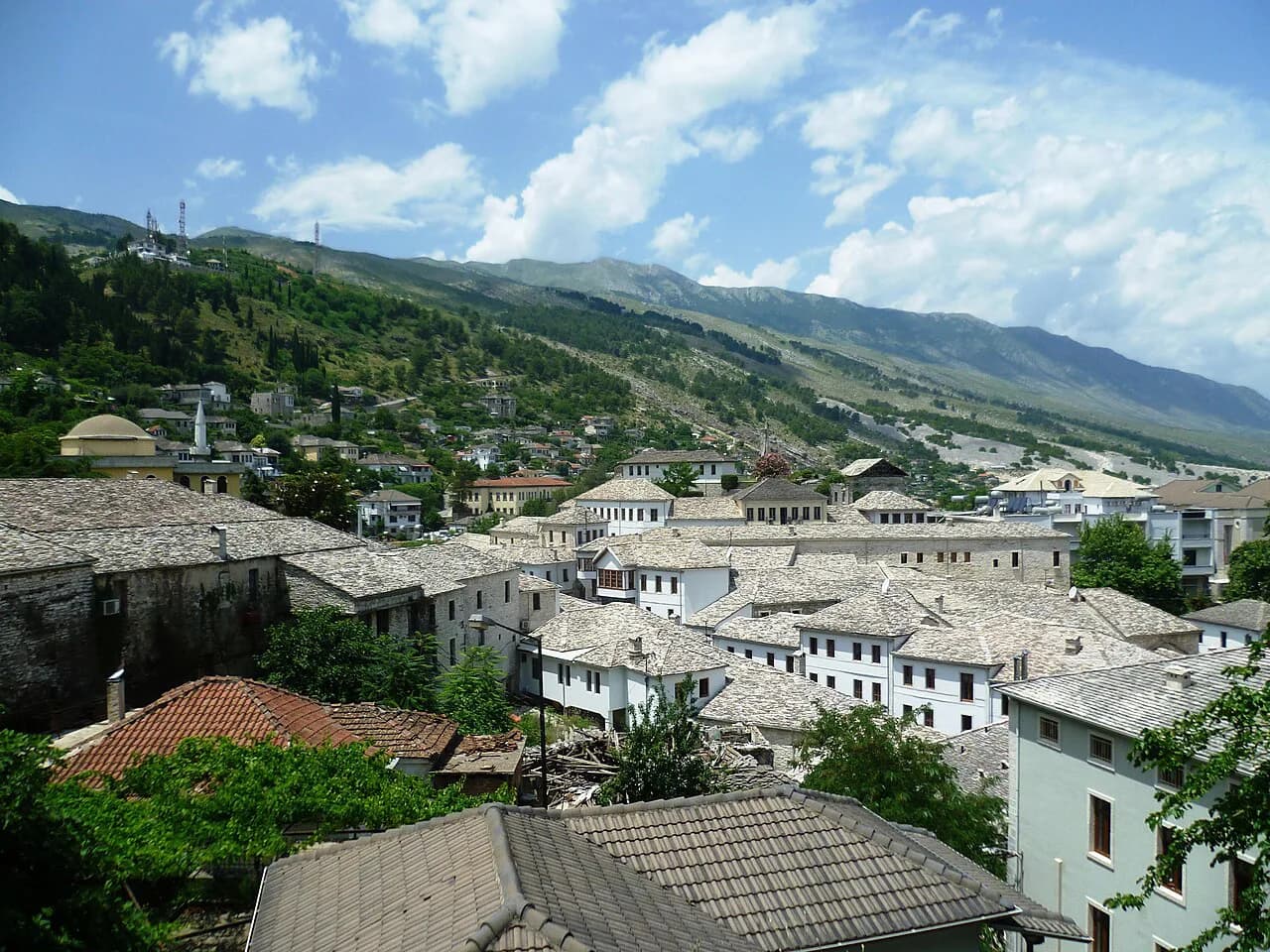
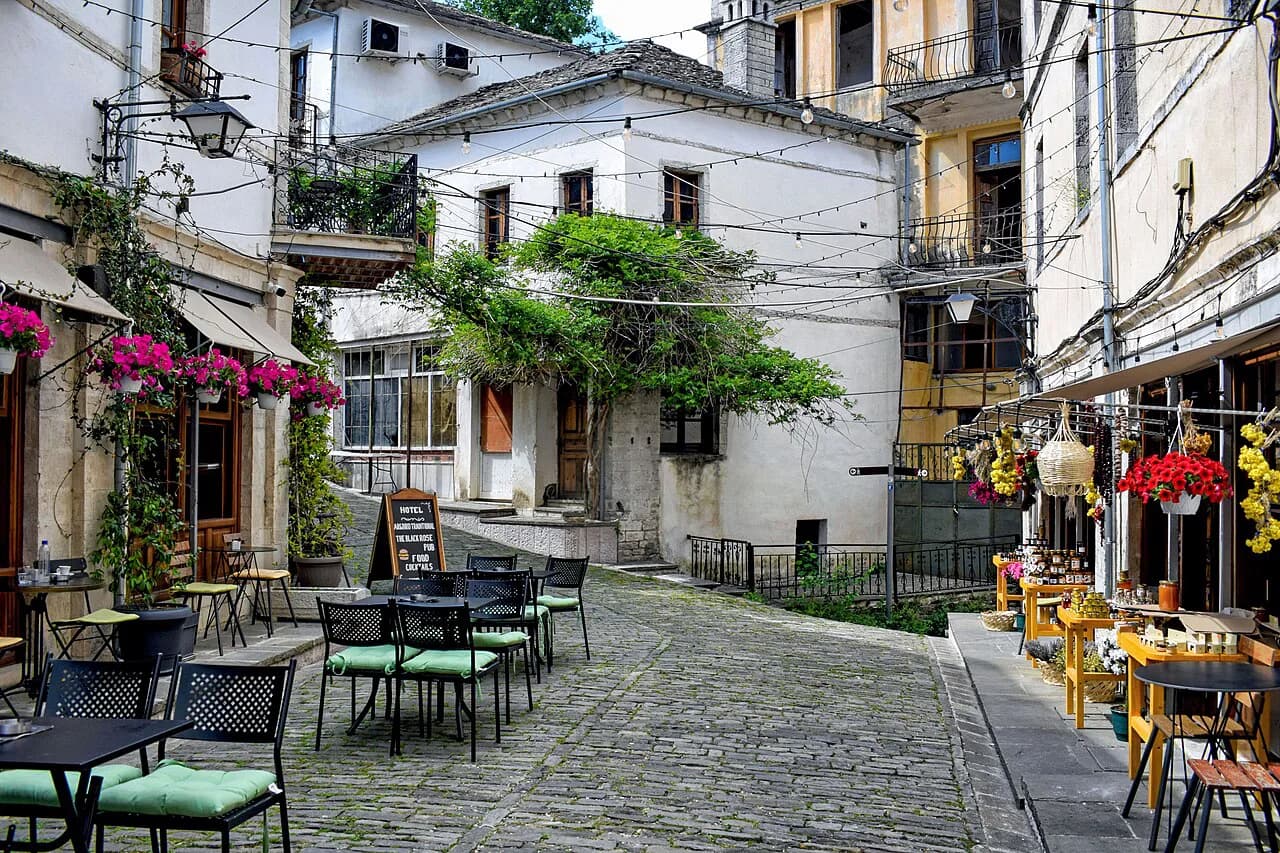
Come down from the castle into the Old Bazaar, the commercial heart of the Ottoman town, rebuilt after a fire in the second half of the nineteenth century. Shops hang out rugs, slippers and woodwork, and the lanes give shade when the sun is overhead.
Look closely at what is on offer: many rugs hung outside are factory made, and shopkeepers keep handmade or vintage wool pieces inside. Ask before you buy. The Bazaar Mosque stands within the bazaar streets and is worth a few minutes on the way through.
Day one, afternoon: the Ethnographic Museum or an Ottoman house
The Ethnographic Museum occupies Enver Hoxha's childhood home and shows traditional Albanian domestic life alongside the communist era. If you only have time for one indoor sight after the castle, this is the one that explains the town.
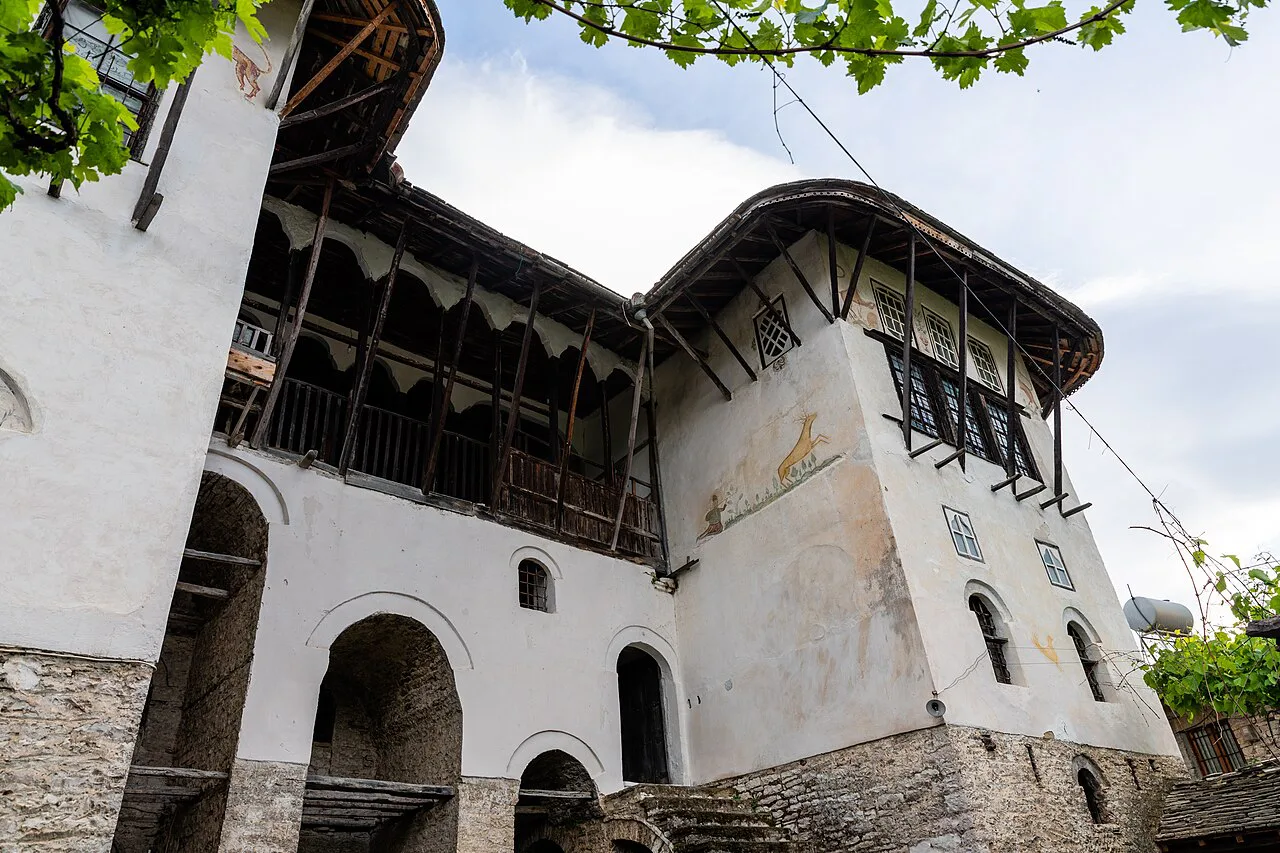
With more time, choose between the Skenduli House and the Zekate House. Both are multi-storey fortified Ottoman houses with carved interiors, and the Zekate House sits high in the Manalat quarter, which adds a stiff climb. Pick the Skenduli House when your legs are tired, and the Zekate House when you want the walk and the views that come with it.
Day one, evening: the Obelisk and the Manalat viewpoints
End the day at the Gjirokastër Obelisk, built to mark the Albanian language and standing beside the site of the town's first Albanian-language school, which opened in 1908. From there you look back at the castle, the Bazaar Mosque and the slate roofs.
Walk on into the Manalat quarter for viewpoints over the old town, then find dinner in the bazaar lanes. Gjirokastër food leans on slow-cooked local dishes, and the bazaar is the obvious place to eat them.
Day two, morning: the Cold War Tunnel and anything you missed
Give the second morning to the Cold War Tunnel, an underground network built for the communist leadership, and to any castle museum that was closed or crowded on day one. The tunnel is a good choice when the day is hot or wet, since it is underground and cool.
If you want the town's layers explained rather than pieced together yourself, a guided walk covers the bazaar, the castle and the houses with a local guide. Several half-day and private options are listed on the Booking.com activities page for Gjirokastër.
Day two, afternoon: the walk to the Ali Pasha Bridge
The Ali Pasha Bridge sits a short walk from the old town, reached on a path that climbs above the houses. Go in the late afternoon when the light softens and the day cools, and take water.
The bridge is the town's best half-day outing on foot, and several guided walks combine it with the bazaar and the castle. Confirm the meeting point in the bazaar the day before.
Day two, evening: Ismail Kadare's house and a slower wander
Finish with the house associated with the writer Ismail Kadare, then wander the lanes without a target. The old town rewards aimless walking more than ticking off sights, and the evening light on the stone roofs is the reason many travellers stay a second night.
Keep the evening short if you are heading out on day three, and check the next day's transport before dinner rather than in the morning.
Day three: Antigonea, the Blue Eye or Hadrianopolis
A third day belongs outside Gjirokastër. Antigonea is the archaeological site in the hills above the Drinos Valley, the Blue Eye (Syri i Kaltër) is a spring in the Sarandë direction, and Hadrianopolis lies in the wider region. Each needs transport rather than a walk from town.
The Booking.com activities page lists a rafting trip on the Vjosa with the Bënja hot springs and a 4x4 route linking Butrint with the Blue Eye, both run from Gjirokastër. Check what each includes before booking: transport, guiding and whether the site entry is covered.
What to book ahead: guided walks, cooking classes and experiences
Cooking classes run in the Old Bazaar, including a vegetarian class with Teta Marjeta, and there are raki tastings and costume walks listed locally. Book a few days ahead rather than on the day.
Guided walking tours come in half-day and private formats, some covering the bazaar, Cfake, Dunavat and the Ali Pasha Bridge, others the castle and the Zekate House. Decide which part of town you want explained before you choose.
If you only have one day: what to drop
With a single day, keep the castle, the Old Bazaar and the Bazaar Mosque, and add one Ottoman house only if you have energy left. Drop the Ali Pasha Bridge, the Cold War Tunnel and any out-of-town site; each needs its own half-day.
The order still holds: castle first, bazaar at midday, one house in the afternoon and the Obelisk at dusk before you leave.
Steps, shoes and timing on the cobbles
Gjirokastër is a town of steep cobbled lanes and steps, and the castle approach is the hardest climb of the day. Wear shoes with grip, carry water and plan the exposed stretches for the morning or evening.
In summer, use the shaded bazaar and the cool castle tunnels for the middle of the day, and keep the viewpoints and the bridge for the edges of the day. Check the castle's seasonal hours before you set out, since the closing time changes with the season.
Which version of the itinerary fits your trip?
Choose two days unless you are passing through: that gives you the castle at opening, the bazaar at midday, one Ottoman house and the Manalat viewpoints without rushing. Add the third day only if you want Antigonea or the Blue Eye as a separate outing.
Book any guided walk or cooking class before you arrive, wear proper shoes and start at the castle gate as it opens.
Explore more Gjirokaster guides
Sources
Notes for your Albania trip
Optional updates to our Albania town guides.
You might also like
Continue reading
More guides you'll find useful