
Cold War Tunnel, Gjirokastër: What You'll See Inside
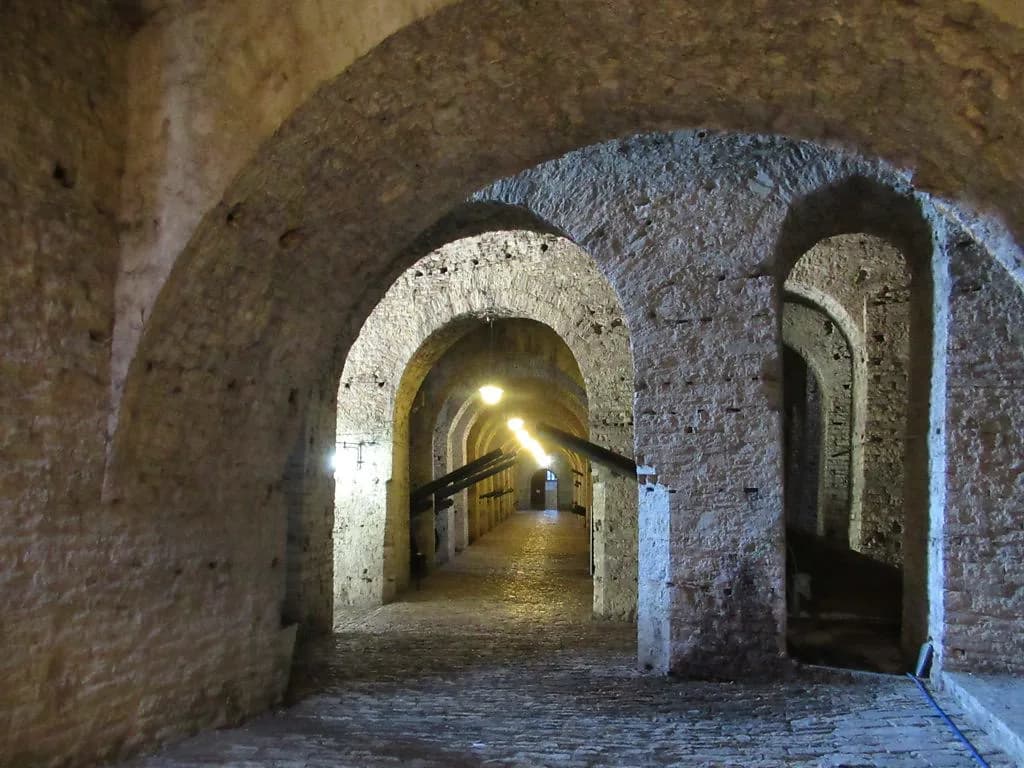
The Cold War Tunnel in Gjirokastër is a 20-minute underground visit to an 800 m shelter with 59 rooms, built in secret in the early 1970s as an emergency bunker for Albania's communist administration. It is spare and genuinely atmospheric rather than an exhibit-heavy museum, which is exactly why some visitors rate it and others walk through quickly. This guide covers the entrance, the rooms you pass, the ticket and hours, and what to pair with it in the old town.
What the Cold War Tunnel actually is
The tunnel served as an emergency shelter in the later part of Albania's communist era, a period the Visit Gjirokastra listing gives as 1944 to 1990. It was built in secret in the early 1970s, at a time when Enver Hoxha's government feared foreign invasion, particularly after Albania's break with the Soviet Union in the early 1960s. The bunker reflects that defensive planning in concrete: a long underground complex rather than a single shelter room.
The scale is the point. The complex runs 800 m and contains 59 rooms, with separate spaces allocated to government ministries, local government, interrogators, party elites, sleeping, power generation and water storage. If you are weighing it against Gjirokastër's Ottoman houses and castle, expect a very different hour: bare concrete, original fittings and a strong sense of the regime's preparations rather than displays to read.

Where the entrance is
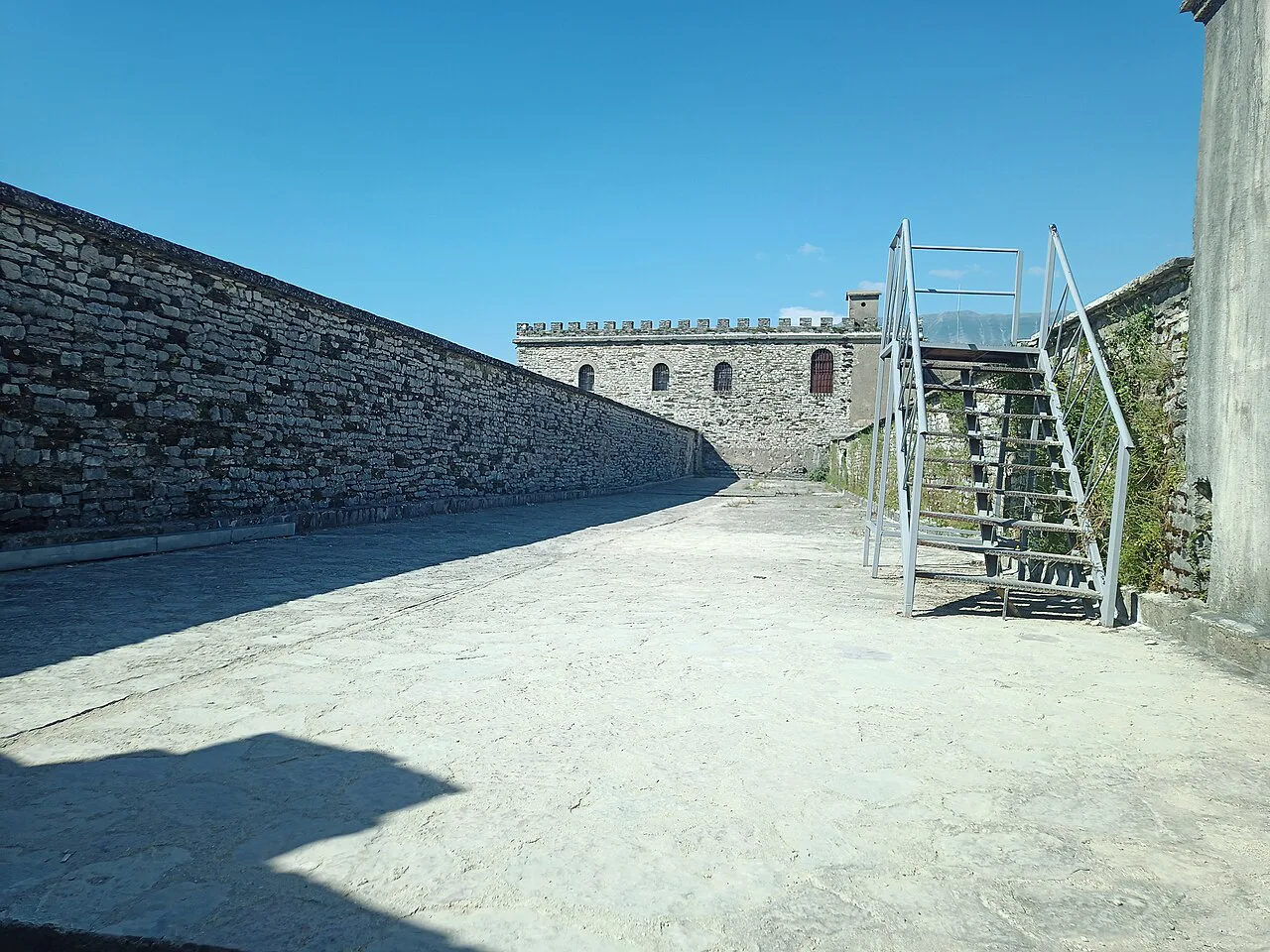
The main entrance sits close to the Municipality building, which once served as the headquarters of the Party Committee. That landmark reference is more useful than a street number in an old town of steep lanes, so aim for the municipal building and look for the tunnel entrance beside it rather than climbing into the bazaar first.
The wider old town rewards a slow approach, and the Cold War Tunnel is one of several attractions covered in the Gjirokaster Attractions: 8 Visitor Guides, which sets out the castle, the house museums and the bazaar in one place. Use that page to fix the tunnel's position relative to the rest of your day before you set out.

Walking there from the old town and bazaar
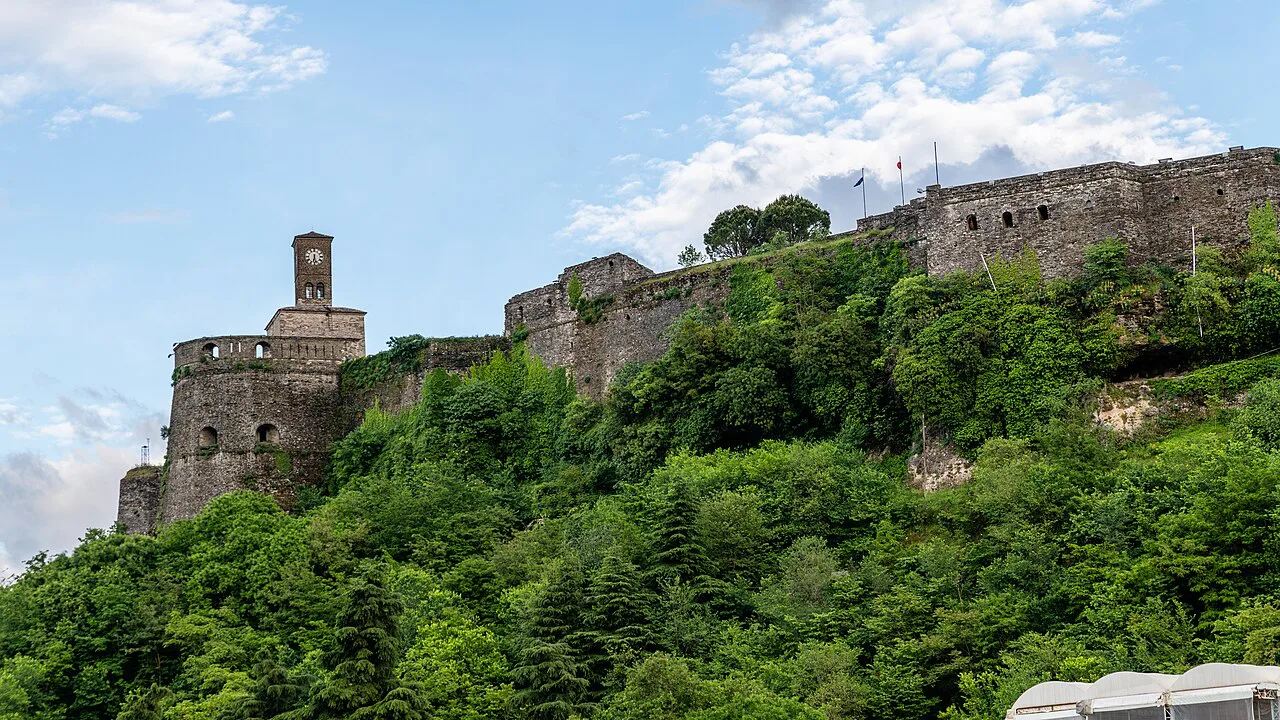
Gjirokastër is built on a hillside, and the lanes between the bazaar, the old town and the castle are cobbled and steep in places. Allow more time than the distance suggests, wear shoes with grip, and treat the walk to the Municipality building as the easy leg before you go underground.
If you are coming from the bazaar end, the Bazaar Mosque, Gjirokastër makes a sensible landmark on the way up, and the lanes around it lead towards the main old-town quarters. From there, continue towards the municipal building rather than following the crowd up to the castle gate.
What you walk through inside
The route covers the functional rooms that made the shelter self-sufficient under attack: a de-contamination room, a generator room holding a rusting Czechoslovakia-made generator, and an air filtration room. Passing through them gives a concrete sense of how the regime planned to keep an administration running during a nuclear attack, rather than a narrative of the period.
Alongside the plant rooms are the political and administrative spaces: rooms for government ministries, local government and party elites, plus sleeping quarters and water storage. Much of the original furniture was looted from the site in 1990, though pieces still remain, so you are reading the layout as much as the objects. That sparse state is deliberate and intact, and it suits visitors who prefer atmosphere to interpretation panels.
The scale of the place connects to the wider story of Albanian bunkers, and a guided visit is the simplest way to have the rooms explained. Tour operators list the Cold War Tunnel among Gjirokastër's bookable experiences if you want a guide rather than a self-guided walk-through.
How long the visit takes
The tunnel tour runs about 20 minutes, which is short enough to slot between the castle and a house museum without eating the afternoon. Budget closer to half an hour once you have found the entrance, paid and waited for a group to form at a busy moment.
The visit is underground, dimly lit and enclosed, with stairs and low ceilings in the service areas. If confined spaces or poor lighting bother you, decide beforehand whether to wait outside, and carry a layer even in summer because the bunker stays cool below ground.
Tickets and opening hours
Entry is listed at 200 lek per person, which Visit Gjirokastra also gives as about 2 euro, and the museum publishes seasonal hours: April to October 09:00 to 18:00, and November to March 08:00 to 14:00. Treat these as the published times rather than a guarantee, and confirm the day's hours locally before making the walk up.
Booking is not usually necessary for a 20-minute walk-through, but a paid guided tour bundles the entry with commentary and transport arrangements arranged in advance. Compare the listed price against the tunnel's own ticket before you book, since the two are not the same product.
Pairing it with the castle and the old town
Most visitors combine the tunnel with Gjirokastra castle above, which dominates the hill and takes considerably longer than the bunker. Walk up to the castle first while legs are fresh, then come down to the tunnel and the old-town lanes, or reverse the order if the heat is building.
Among the old-town houses, the Skenduli house on Rruga Palorto shows the Ottoman interior that the bunker deliberately lacks, with painted ceilings and furnished rooms. Pairing the two gives you the elite domestic world above ground and the state's underground emergency plan in a single afternoon.
If you have another hour, the Zekate house is a further stone-and-timber mansion in the old town, and Antigonea Archaeological Park lies out in the Drino Valley for a longer excursion by car. Either works as a second stop rather than a same-hour add-on to the tunnel.
A wider list of Gjirokastër's sights, including the Ismail Kadare house and the Obelisk of Education, helps you sequence the day without doubling back up the hill. Use it to decide what fits around the tunnel's fixed hours rather than the other way round.
Is the tunnel worth your 20 minutes?
Yes, if you want a direct, unvarnished encounter with Albania's communist-era defensive planning rather than a curated museum. The 200 lek entry and short tour make it a low-risk addition to a day already spent at the castle and in the old-town houses, and the original state of the rooms is the reason to go.
Skip it if tight, dim underground spaces are not for you, or if your remaining time in Gjirokastër is better spent on the bazaar and the house museums above ground. Either way, check the day's opening hours before climbing the hill.