Things to Do in Albania: The Places Worth a Trip
The places in Albania worth building a trip around, grouped by region: Tirana's museums, Berat and Gjirokastër, the Riviera, Lake Koman and Butrint.
On this page
The things to do in Albania that justify a trip fall into five clusters: Tirana and the central towns, the southern stone towns of Berat and Gjirokastër, the Riviera coast, the northern lakes and Alps, and the south-east around Korçë and Pogradec. You will not cover them all in a short break, so pick two clusters and accept that the furgon minibus and bus network will shape your route as much as the sights do. This guide groups the places by region, explains how each town is laid out and how much walking it demands.
Tirana: the communist period and the view back over the city
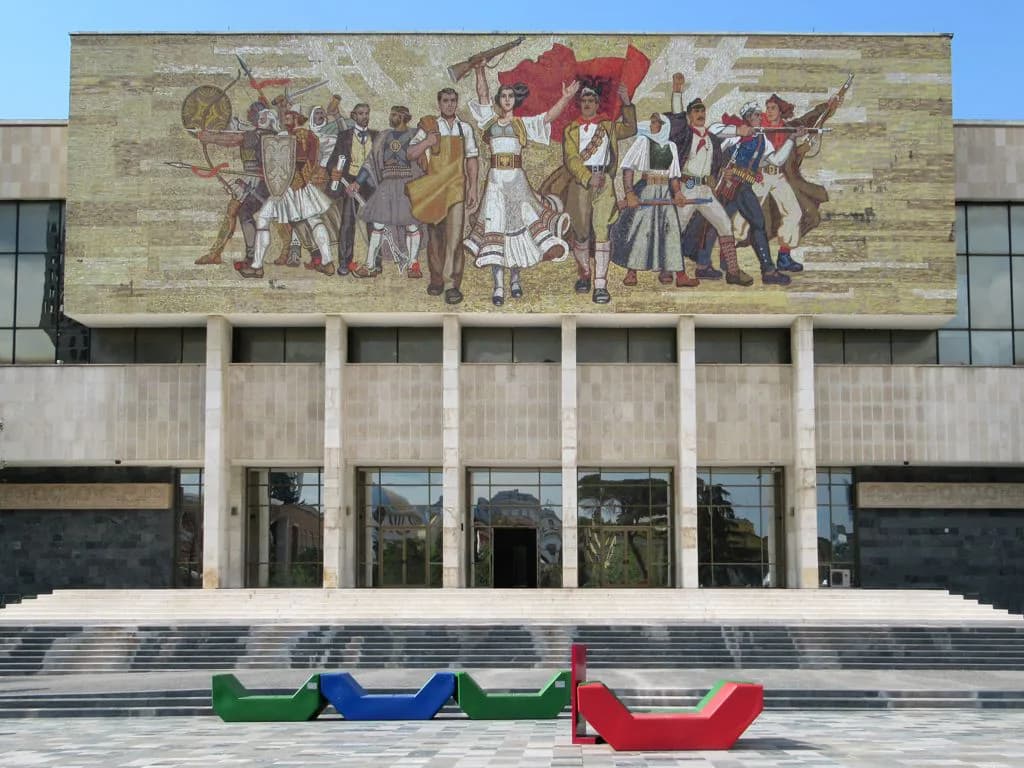
Bunk'Art 1, in a former bunker on the edge of the city, covers Albania's communist years and entry was reported at 500 lek in 2017, with an audio guide available; treat that figure as historic and confirm the current price at the ticket desk. It sits near the Mount Dajti cable car, so you can pair the two in one afternoon. The House of Leaves in the centre is the other essential stop for the surveillance era, and it is a short walk from the main square.
The cable car up Mount Dajti gives you the view back over the whole city and is the easiest way to reach the ridge without a long walk. Take a bus or taxi from the centre to the lower station, then ride up; there is a restaurant at the top, which makes it a reasonable half-day rather than a quick detour. In summer, go up late in the afternoon when the light softens over the basin.
Krujë and its castle as a half-day from Tirana
Krujë sits close enough to Tirana to work as a half-day, and its castle hill is the reason to come. The Skanderbeg connection is the draw: the town is tied to the national hero, and the castle and its museum explain why he matters to Albanians. Allow a couple of hours for the climb and the museum, and keep some time for the bazaar street below.
If you are collecting fortresses across the country, the broader guide to castles in Albania helps you decide which ones justify the climb and which you can skip when time is short. Krujë is the easiest to reach from the capital on public transport, so it works well as a first or last day.
Berat: Mangalem, Gorica and the castle quarter
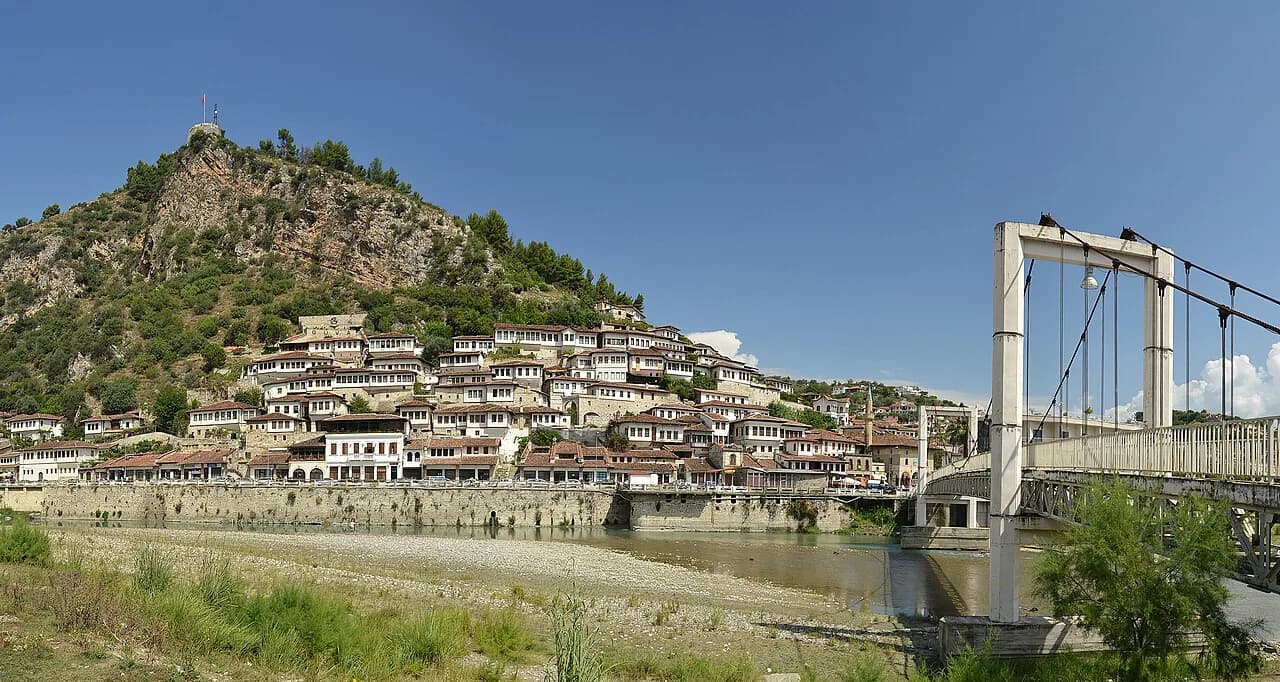
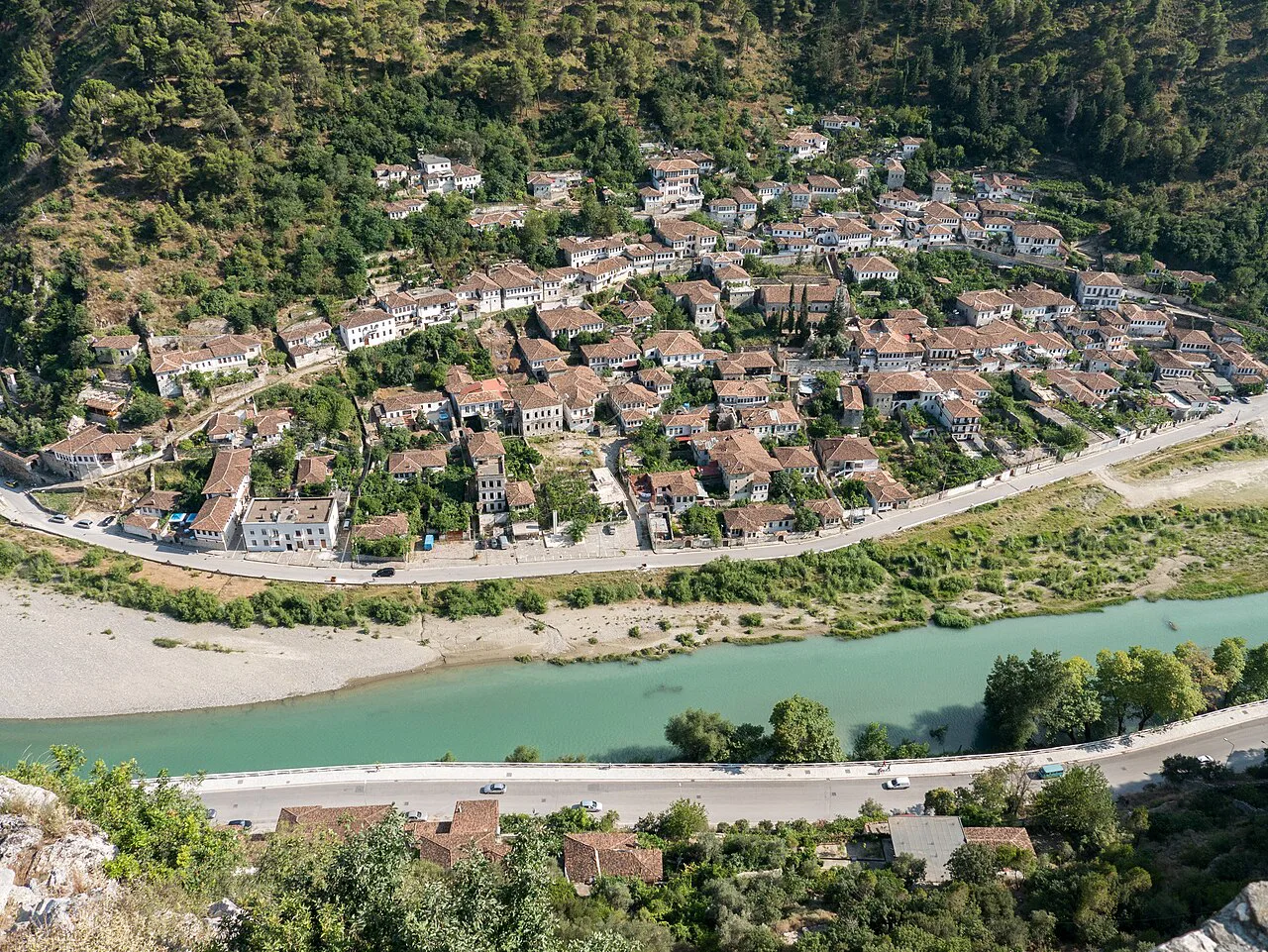
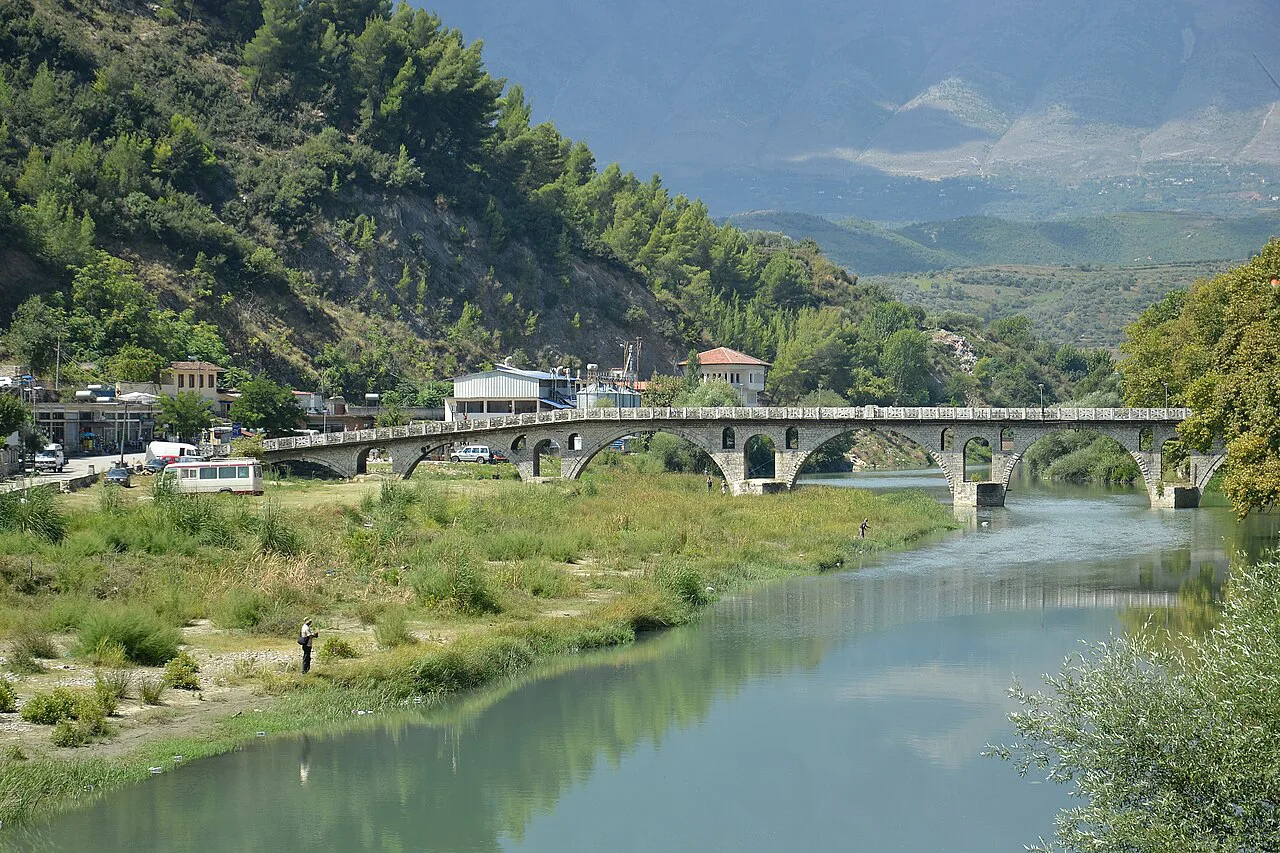
Berat splits into three parts you will walk between: the Mangalem quarter on the hillside under the castle, Gorica across the river, and the walled castle quarter at the top. The famous rows of windows are in Mangalem, best seen from the far bank in Gorica. Give the town a full day, or a comfortable overnight, because the stepped lanes between the levels are steep and slow, and the things to do in Berat guide carries the street-level layout.
The castle quarter is a village inside walls rather than a ruin, with houses, churches and a mosque still in use, so the climb is repaid by somewhere people live rather than an empty shell. Wear shoes with grip; the cobbles are polished and slick after rain. If you want the detail on individual sights and how to sequence them, the things to do in Berat page carries the street-level layout.
Gjirokastër: stone roofs and a castle above the old town
Gjirokastër's old town is built from stone, down to the flat slabs layered on the roofs, and the whole quarter is a Unesco site. The castle sits above it and gives the clearest view over those roofs and the valley beyond. Budget half a day to walk the main street and the castle, and more if you want the museums inside the walls.
The cobbles here are steep and polished, more punishing than Berat's, so the town takes longer than the map suggests. Walk down rather than up where you can, and use the main bazaar street as your spine. Cafés along it give you a reason to stop between climbs.
Shkodër, Rozafa Castle and Lake Shkodra
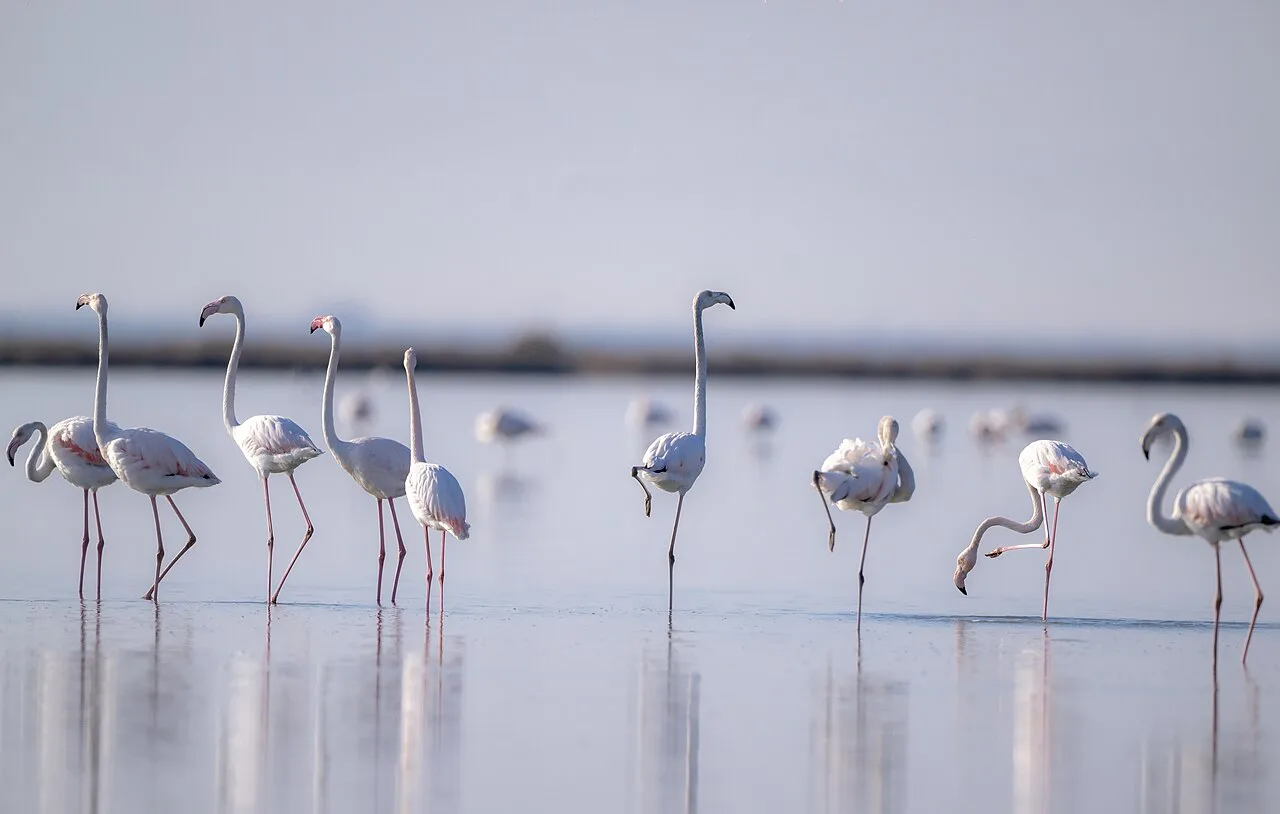
Shkodër works as a day or two, with Rozafa Castle on its rocky outcrop the highlight, offering views over the town and the surrounding water. The city centre has a walkable street of colourful houses, restaurants and shops for a beer or a bite. Treat Lake Shkodra as a separate stop rather than part of the town: the lake spans the border with Montenegro, and its Albanian shore is a place to kayak or watch wildlife rather than an extension of the city streets.
Rozafa is the reason many travellers break their journey north, and the climb is short enough to fit around a lake visit on the same day. Shkodër is also the usual starting point if you have crossed from Montenegro, which makes it a natural first or last stop on a northern loop.
Lake Koman: the boat through the lake versus the ferry crossing
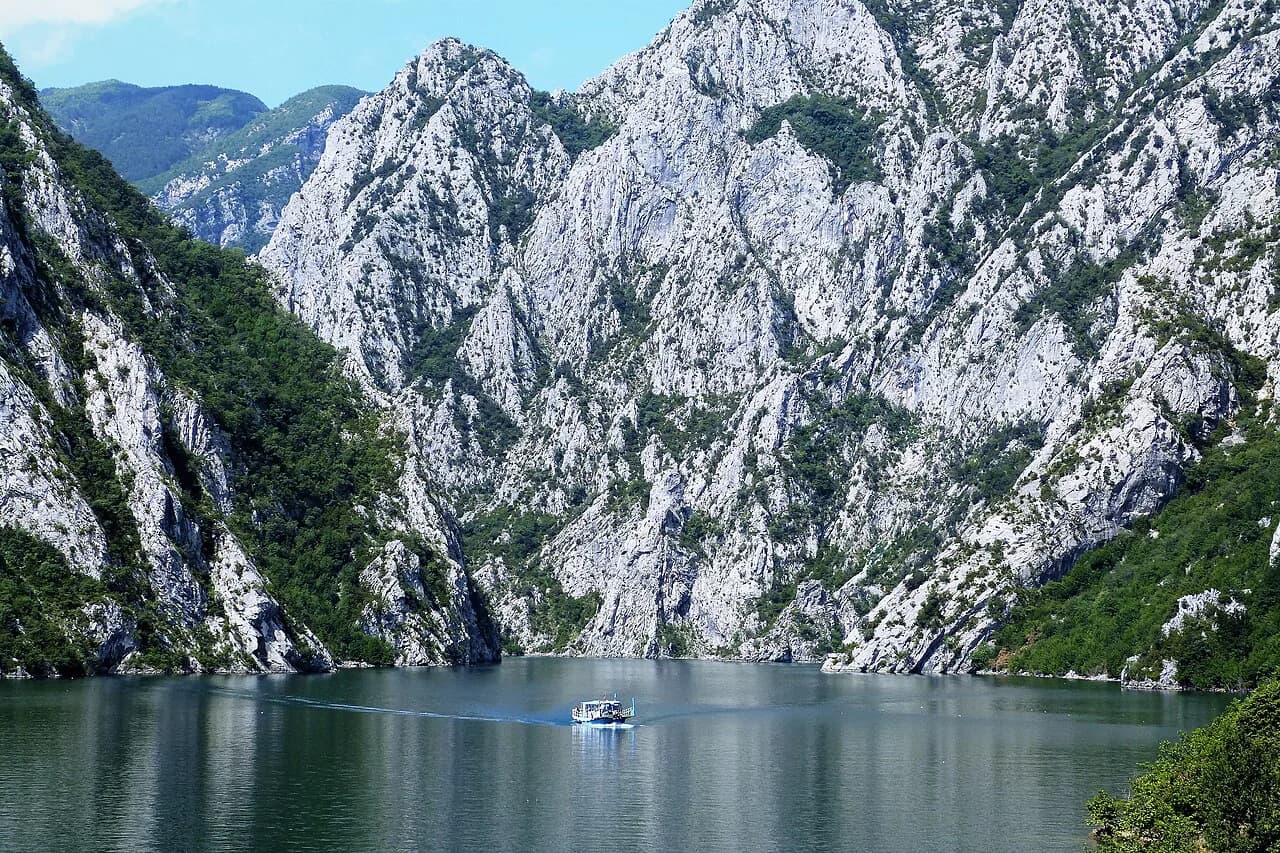
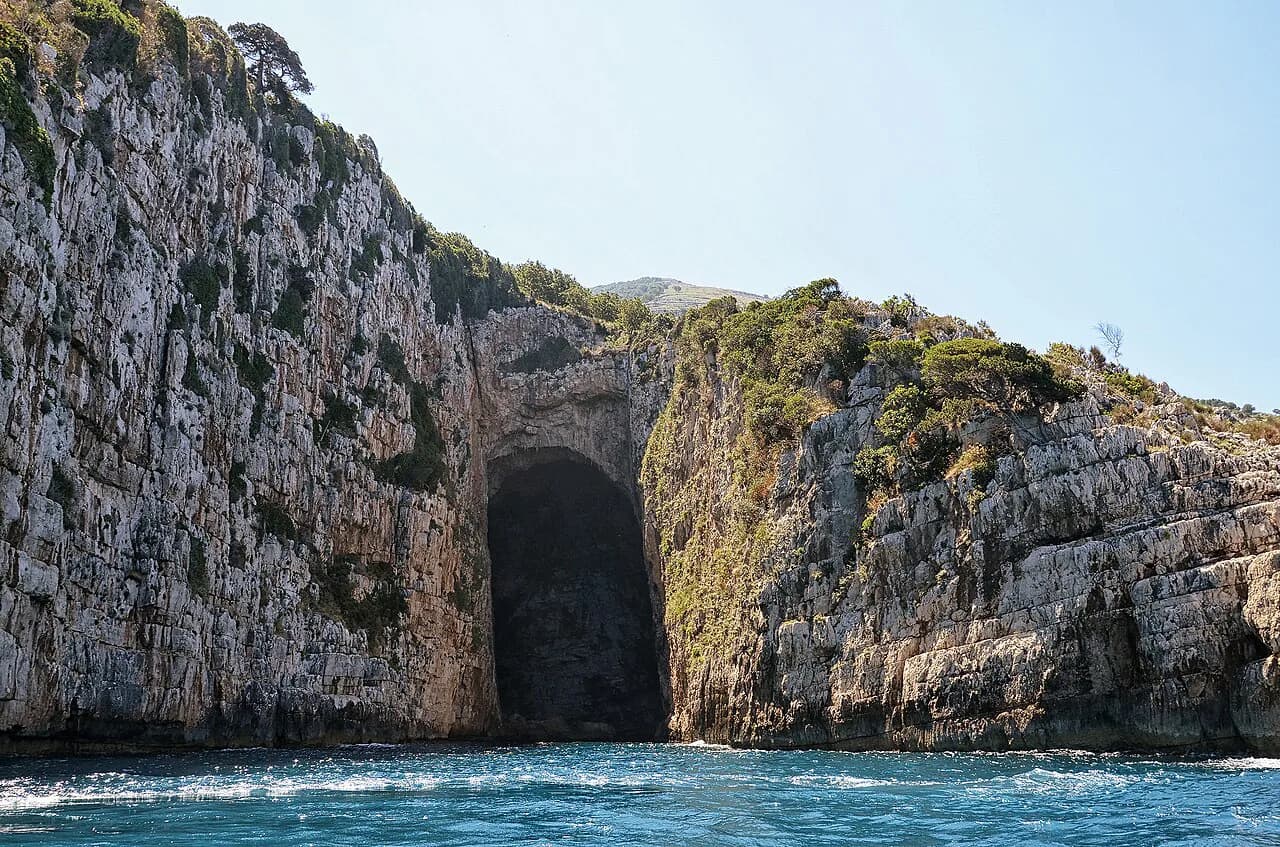
Lake Koman is reached by road from Shkodër, and the drive itself is part of the experience, with the road cut into the valley above the water. Two options exist: the vehicle ferry that locals use to cross, and the longer tour boats that run through the lake, stop at a guesthouse and visit caves. The tour takes around four hours and is the better experience if you are there for the scenery rather than the crossing.
Some operators include transport from nearby towns, which matters if you have no car, because the lake is not walkable from Shkodër. Book ahead in summer, and expect basic conditions at the guesthouses on the lake, where electricity can be limited. If you are travelling by public transport, an organised Albania tours option removes the logistics problem entirely.
The Albanian Alps: Theth and Valbonë without a long trail
Theth and Valbonë are quiet villages in the Albanian Alps, surrounded by peaks, and you do not need to commit to a long trail to get the benefit: the villages themselves give you the mountain backdrop, guesthouses and a base for short walks. The season typically runs from June to October, and the trails are impassable under snow outside it. Plan a couple of days up there, because the transport connections eat into anything shorter.
The new road to Theth has improved access, but it is still a slow drive of hairpin bends and narrow passes, so do not plan to arrive fresh and walk the same day. Public transport to the villages is limited and can add a day to your itinerary; a three-day tour from Tirana is the alternative if you have neither a car nor the time. Guesthouses in Valbonë such as Guesthouse Mehmeti are the kind of place to book ahead in season.
The Riviera: Himarë, Ksamil and the upper coast
The Albanian Riviera runs down the coast through Himarë and on to Ksamil near Sarandë, with the upper coast the quieter stretch and Ksamil the busiest. In summer the heat and the crowds set the pace: start early, swim in the middle of the day and keep the late afternoon for driving. The beaches are the reason people come, but the coastal towns themselves reward a wander in the evening.
Ksamil's small islands and coves are the image most travellers bring, and they are busiest in July and August, when parking and sunbeds fill early. Himarë is a working coastal town rather than a resort, which makes it a more practical base for a few nights. For the full picture of what lies offshore, the Albania islands page covers the coastline's small islands.
Butrint: the archaeological park south of Sarandë
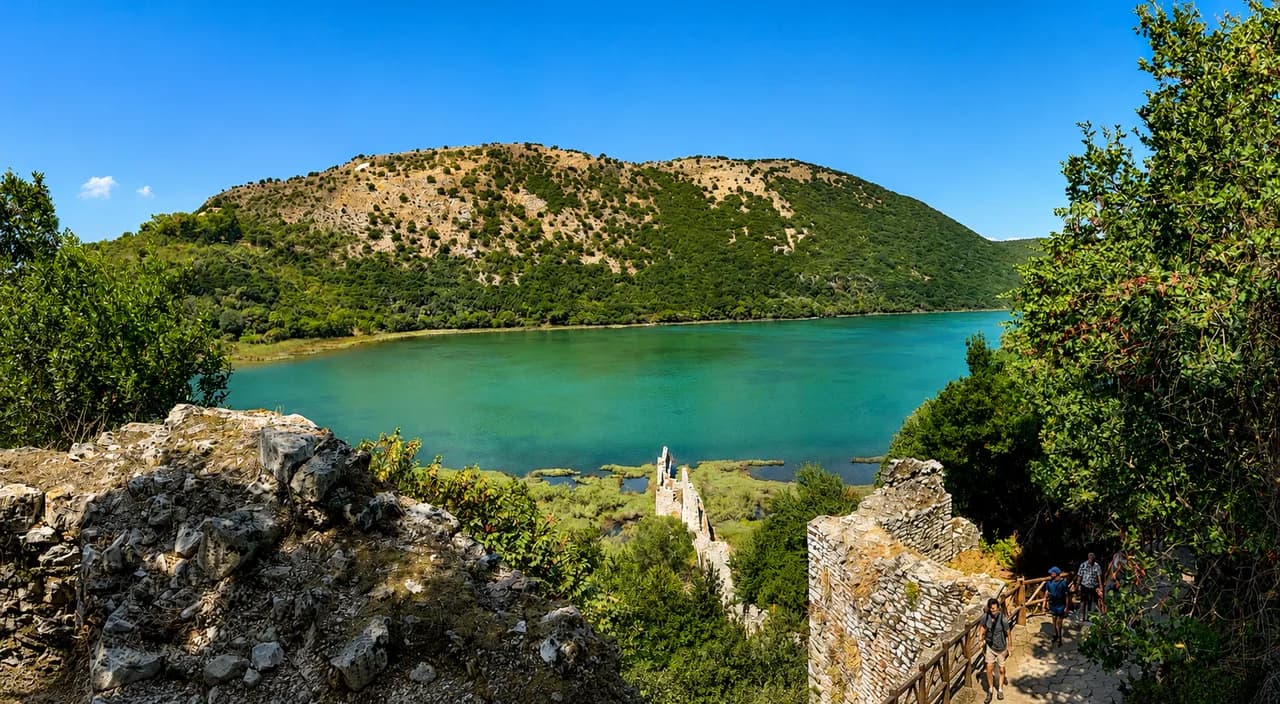
Butrint archaeological park sits south of Sarandë, close to the Greek border, and holds Roman ruins in a wooded setting. It is the south's archaeological counterweight to the stone towns, and it fits naturally into a Riviera day rather than a separate journey. Go early, because the middle of a summer day is punishing for walking.
It fits naturally into a Riviera day: drive down from Sarandë in the morning, spend three or four hours on site, then continue to Ksamil for the afternoon. Bring water and wear shoes that cope with uneven stone, since the paths between the ruins are not all paved.
The Blue Eye and Bënja: two inland water stops
Syri i Kaltër, the Blue Eye, is a spring pool of deep Blue water inland from Sarandë, and it is easy to reach by car or on a tour, with a short walk from the car park. Bënja, near Përmet, is a different proposition: the thermal pools sit about six kilometres up a winding road from town, by a river with an old bridge, and the water is pleasantly warm. Both are worthwhile, but only Bënja asks real effort of you.
Përmet is the base for Bënja, and the drive up the valley is part of the day out; allow half a day for the round trip and the soak. It is worth reading our Permet guide before you go, since it covers what to see in town and how long to stay. The Blue Eye suits a stop en route between Sarandë and Gjirokastër rather than a dedicated journey. Neither place has a published timetable you should rely on, so build in slack on the day; for other inland water stops, the springs and waterfalls guide covers the options.
Korçë and Pogradec in the south-east
Korçë sits in the south-east highlands and draws travellers for its architecture and the first Albanian-language school. Pogradec lies on Lake Ohrid and is a slower, lakeside stop rather than a sight-heavy one. Both reward people who have already ticked off the coast and want a different Albania.
The distance from Tirana is what puts most people off, but the reward is a part of the country that feels less geared to visitors. Use Korçë as a base for a couple of nights and Pogradec as a lake stop on the way to or from North Macedonia.
Linking the regions: furgon minibuses, buses, car and tours
Furgon minibuses and buses connect the main towns, but the schedules change and the journeys are slow, so a car gives you the flexibility to combine a lake, a castle and a coast in one day. Tours make sense for the places with awkward access: Lake Koman, Theth and Valbonë, and Butrint with a Riviera add-on. An Albania map is worth studying before you book, because the road distances look shorter than the driving times in practice.
The geography clusters naturally: Tirana with Krujë and Berat, Gjirokastër with Butrint and the Riviera, Shkodër with Lake Koman and the Alps, and Korçë with Pogradec. Allow a full day between clusters on public transport.
Which cluster fits your trip?
Pick two clusters and travel between them slowly rather than trying to touch every region. Tirana, Krujë and Berat make the easiest first trip; Gjirokastër, Butrint and Himarë suit a coastal second trip; Shkodër, Lake Koman and the Alps need a week on their own in season. Check ferry and tour times with Komani Lake Tours and the local operators you book through before you travel.
Explore more Albania guides
Sources
Notes for your Albania trip
Optional updates to our Albania town guides.
You might also like
Continue reading
More guides you'll find useful