Caves in Albania: Sea Caves and Walk-In Caves to Plan Around
Caves in Albania grouped by coast and mountain, from the Blue Cave and Haxhi Ali Cave to the Good Cave near Tirana, with how each is reached.
On this page
Albania's caves split cleanly into two kinds for planning: sea caves on the Ionian coast that you reach by boat, and inland caves you drive and walk to. The Riviera group centres on the Blue Cave between Vlorë and Himarë and the caves around Grama Bay, while the Good Cave near Tirana is a signed but hard-to-find site reached by a partly asphalted road and then a climb from the village of Besh-Livadh. This guide groups the caves by region, explains how each is reached and what a boat day actually involves, and leaves prices and departure times to the operators who run them.
Sea caves and mountain caves: the two kinds you can plan around
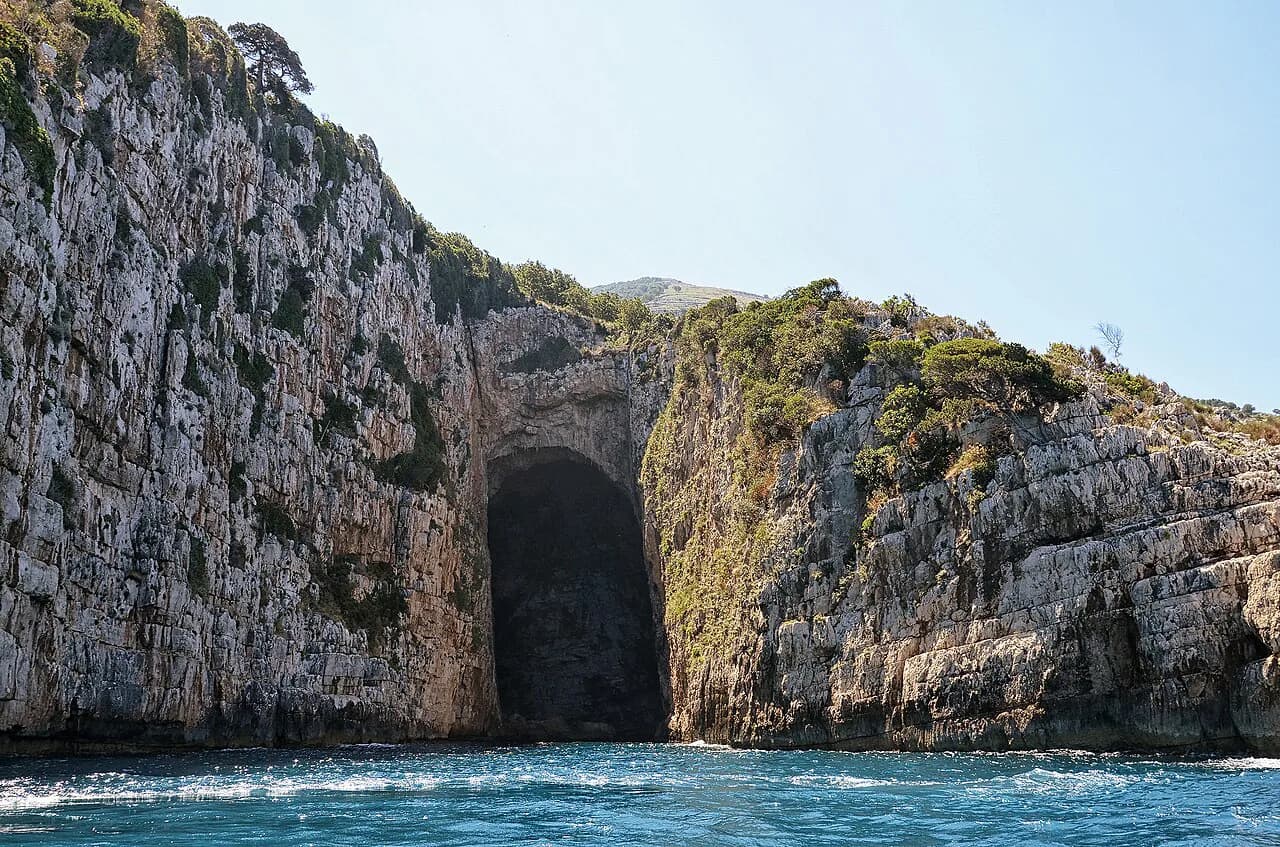
Most cave trips visitors take in Albania are boat trips. The limestone coast between Drymades and Dhermi hides narrow sea entrances and Blue chambers beneath cliffs that have no practical land access, which is why the coast is at its most dramatic from the water. Inland caves work the other way round: you drive, walk and sometimes scramble to reach them.
The inland side of the same limestone country is covered in more detail on our guide to Albania's National Parks, where caves sit alongside gorges and springs. If you are building a wider nature itinerary, the lakes in Albania and the country's waterfalls pair naturally with a cave stop on the same drive. Bear in mind that a boat cave and a walk-in cave need completely different days: one is a half or full day on the water, the other a morning with a car.
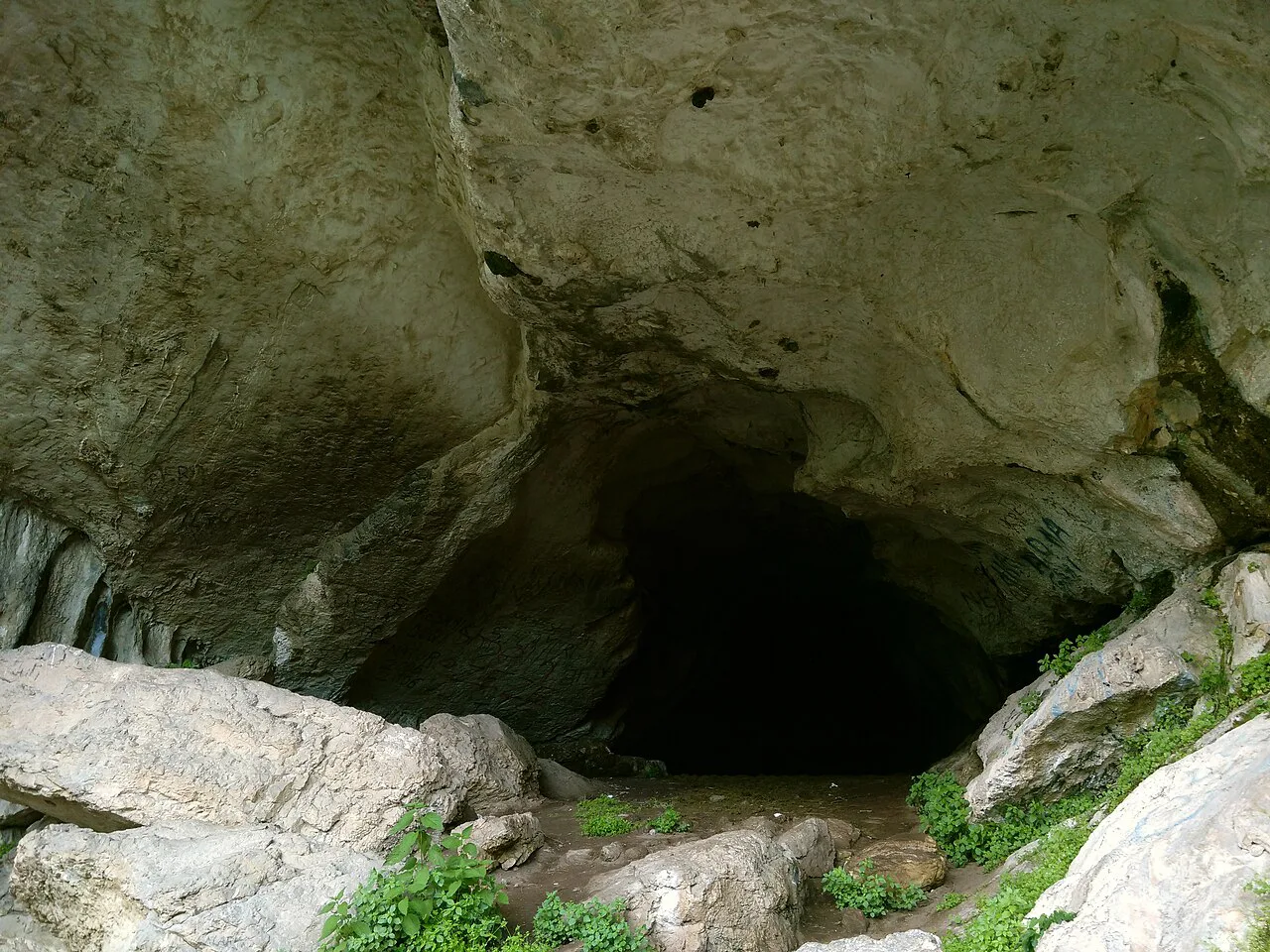
The Blue Cave and the caves around Grama Bay
The Blue Cave sits on the coast between Vlorë and Himarë, a little south of the Karaburun peninsula. Boats reach it from either Vlorë or Himarë, and swimming inside is possible. The cave is smaller than Croatia's better-known Blue Cave, so treat it as one highlight of a coastal day rather than a destination on its own.
A boat day from Vlorë covers much more than the cave. It runs around the Karaburun peninsula and typically lasts about seven hours from start to finish, with stops at Grama Bay and other spots along the way. One account of the route lists Haxhi Ali Cave, Dafina Bay and Cave, Bear Bay and Englishman Bay alongside the Blue Cave, with Haxhi Ali Cave noticeably larger than expected.
Grama Bay is worth the time on its own: it sits in a secluded setting with historic inscriptions carved into the rock by sailors over the centuries, and smaller sea caves and cliffside recesses around it. The bay is exposed to changing weather, so the captain decides how long to stay and whether to shelter in a nearby cove. Plan the Vlorë boat day as a full-day commitment rather than a quick stop.
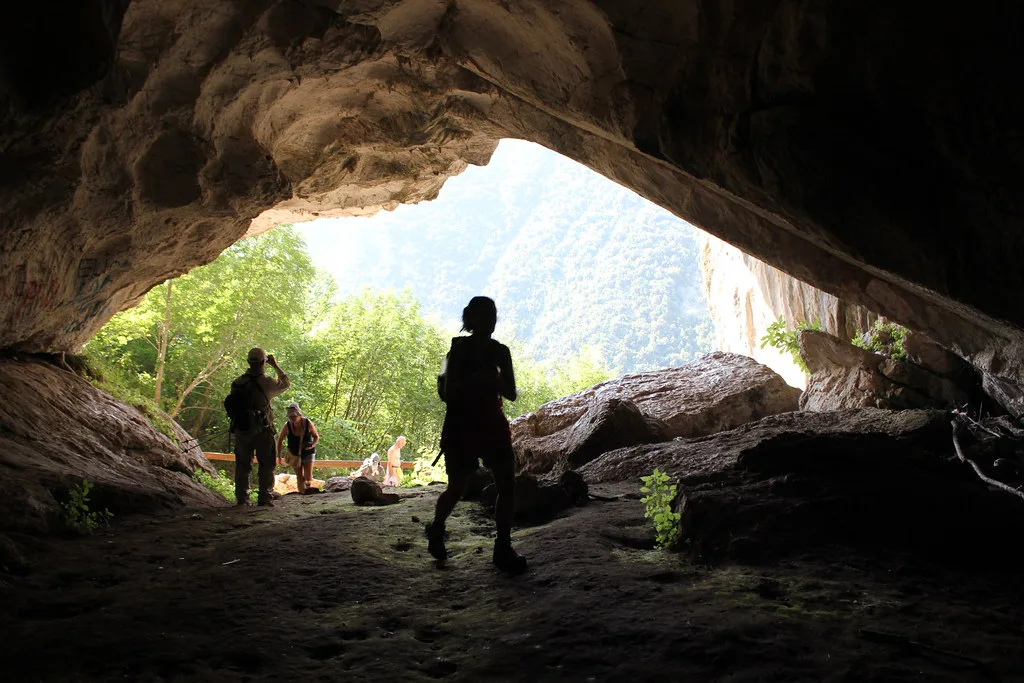
Caves on the Drymades and Dhermi boat routes
South of the Karaburun routes, boats working out of Drymades and Dhermi reach a different set of caves. Blue Gem Cave is named for the way sunlight reaching the water inside reflects upward onto the rock, so the colour changes through the day. The Blue Cave on this stretch has a rocky opening that frames the sea, and the interior takes on a cool Blue glow depending on season and sun angle. Pirates Cave is a striking cliffside opening with textured limestone walls, and the Saint Theodore Caves suit a slower approach across a stretch of rocky coastline rather than a single quick stop.
Gjipe Beach, where a canyon meets the sea, also has small grottoes and wave-carved formations along its rocky edges that you see best from a boat. Approaching by water gives you the scale of the cliffs and the beach before you decide whether to swim. These are swim-and-look stops, not guided walk-through caves, so bring a dry bag for anything that matters and expect to be wet.
Cave tours from Sarandë
Sarandë's cave-tour listings name several caves on the southern coast — Secret Cave, Pigeons Cave, Monastery Cave and Pirate's Cave, with Gjipe Beach sometimes appearing in the listing text — but the listings group names without confirming which stops a given route actually makes. Compare what each route stops at before booking rather than assuming every named cave is visited.
Check whether swimming is included and how long the boat spends at each cave, because a route that lists four caves can still pass two of them without stopping. Ask the company directly about departure points in Sarandë and whether the boat enters caves or views them from outside. Conditions at sea decide the answer on the day.
Named caves in the Albanian cave index
Beyond the tour routes, Albania has a longer list of named caves catalogued by cave enthusiasts. Shpella e Piratëve, Shpella e Pëllumbasit, Konispol Cave, Shpella e Haxhi Aliut and Shpella e Ujkut all appear in the index, alongside smaller sites such as Shpella e Pirogoshit and Shpella e Valit. The index is a list of names, not a visitor guide, so do not assume facilities, paths or guides at any one of them without checking.
Treat this list as a reference for names you may see on maps and signs rather than a booking list. A name in a cave index does not mean there is parking, a path or a guide on site. If a specific cave matters to your trip, ask the local tourist information office in the nearest town before you build a day around it. For inland scenery on the same limestone country, the Vjosa River is a useful companion read if you are heading that way.
The Good Cave near Tirana
The Good Cave, also called Shengjergji Cave, lies in the village of Besh-Livadh on the north-eastern part of Mount Brrari. The drive from Tirana runs through Shtishtufina and on along the Arbër road past Tujani Mountain; about two-thirds of the route is asphalted, then it continues as a rural road. The cave sits at a considerable altitude above the village.
It is marked with signs, but finding it alone is difficult because there are many small caves in the area. A guide or a resident of Besh-Livadh makes the approach much simpler. Inside, the cave runs over 150 metres deep with heights of 2 to 10 metres, and it holds stalactites and stalagmites of different shapes and sizes, with bats sheltering in it.
Visitors should know that the cave is also a place of local custom. Containers at the entrance catch water falling from above, and people come to drink or wash in it, while on Saint George's Day residents of the surrounding area spend a night in the cave. Treat it as a working local site rather than a show cave, and go with someone who knows the path.
How sea conditions shape a cave boat day
Not every cave is enterable every day. Wind direction, swell, water level and the size of the boat all decide whether a captain takes you inside or holds off the entrance. A skilled local captain adjusts the route to conditions rather than forcing a stop, and that flexibility is the main reason a small-group boat suits this coast better than a fixed schedule.
For the reader this means building slack into the day. If the Blue Cave is the reason for your trip, keep a second possible boat day in reserve and ask the boat company in the morning how the sea looks. Do not plan a same-day flight or long drive immediately after a full-day boat trip around the peninsula.
Guided boat or self-drive: which fits your trip
On the Riviera, the realistic choice is a guided boat tour or a private boat, and the guided version does the navigation and route planning for you. A private or rental boat gives you freedom but puts the decision about entering caves and reading the weather on you. For most visitors the guided day is the simpler call, particularly if you want to swim at several stops.
For inland caves such as the Good Cave, self-drive plus a local guide is the usual combination. If you prefer activities where a guide handles the logistics, Albania kayaking and Albania rafting work on a similar guided model, and the country's mountain terrain is where much cave country sits. Whichever you choose, confirm the meeting point and what happens if the sea is too rough before you pay.
Practical points for a cave day
Wear shoes with grip for any cave you walk into, and bring a light layer even in summer because cave interiors stay cool. On the water, take a dry bag, sun protection and a towel, and leave valuables on shore where you can. For the Good Cave, plan for a rural road and a climb, and go early enough to walk back down in daylight.
Prices, departure times and seasonal schedules for cave boat tours are set by each company and change through the year, so confirm the details when you book rather than relying on an old listing. If you are combining caves with wildlife watching, our Albania wildlife guide covers what lives in the country's wetlands and hills, while Albania flamingos and Hot Springs in Albania are useful for the coastal and inland stops that fit around a cave day. Check current details the day before you travel.
Which cave day fits your route
If you are on the Riviera, book a boat day and accept that the cave list depends on the sea: the Vlorë route around the Karaburun peninsula takes about seven hours and bundles the Blue Cave with Grama Bay and Haxhi Ali Cave, while Drymades and Dhermi boats reach Blue Gem Cave, Pirates Cave and the Saint Theodore Caves. If you are based in Tirana, the Good Cave is a half-day walk with a local guide rather than a show cave. Decide by where you are sleeping, then check your chosen company's current departure times and prices directly.
Explore more Albania guides
Sources
Notes for your Albania trip
Optional updates to our Albania town guides.
You might also like

Continue reading
More guides you'll find useful