Albania National Parks: A Practical Guide to the Main Ones
Albania's national parks range from the Accursed Mountains to Butrint's ruins and lagoon. Here is what each park is like and how to plan a visit.
On this page
Albania's national parks fall into three practical groups: the northern mountain parks of Valbona and Theth, reached through Shkodër; the southern parks of Butrint and Llogara on the coast and near the Greek border; and the parks you can see from a town base, chiefly Dajti above Tirana. A further set of quieter parks, among them Vjosa, Prespa, Tomorr and Lurë, rewards anyone with a car and patience. This guide covers each one in turn, groups them by region and sets out the honest trade-offs: rough access roads, trails that are not always marked and mountain weather that closes passes.
How many national parks Albania has, and what they cover
Albania has around a dozen national parks, a count that shifts with how you define them. Between them they take in alpine valleys, pine forests, quiet lakes, wetlands and stretches of coastline, so a single trip can mix mountains and sea without crossing the country twice. Treat the number as a rough guide to scale rather than a fixed list to tick off.
Expect wild, unpolished landscapes rather than groomed visitor infrastructure. Trails are not always well marked and transport links can be unreliable, so build slack into any day that ends in a park. The compensation is space: you can walk for hours in the northern parks without meeting another group.
Valbona Valley National Park: alpine valley, guesthouses and the Valbona–Theth trail
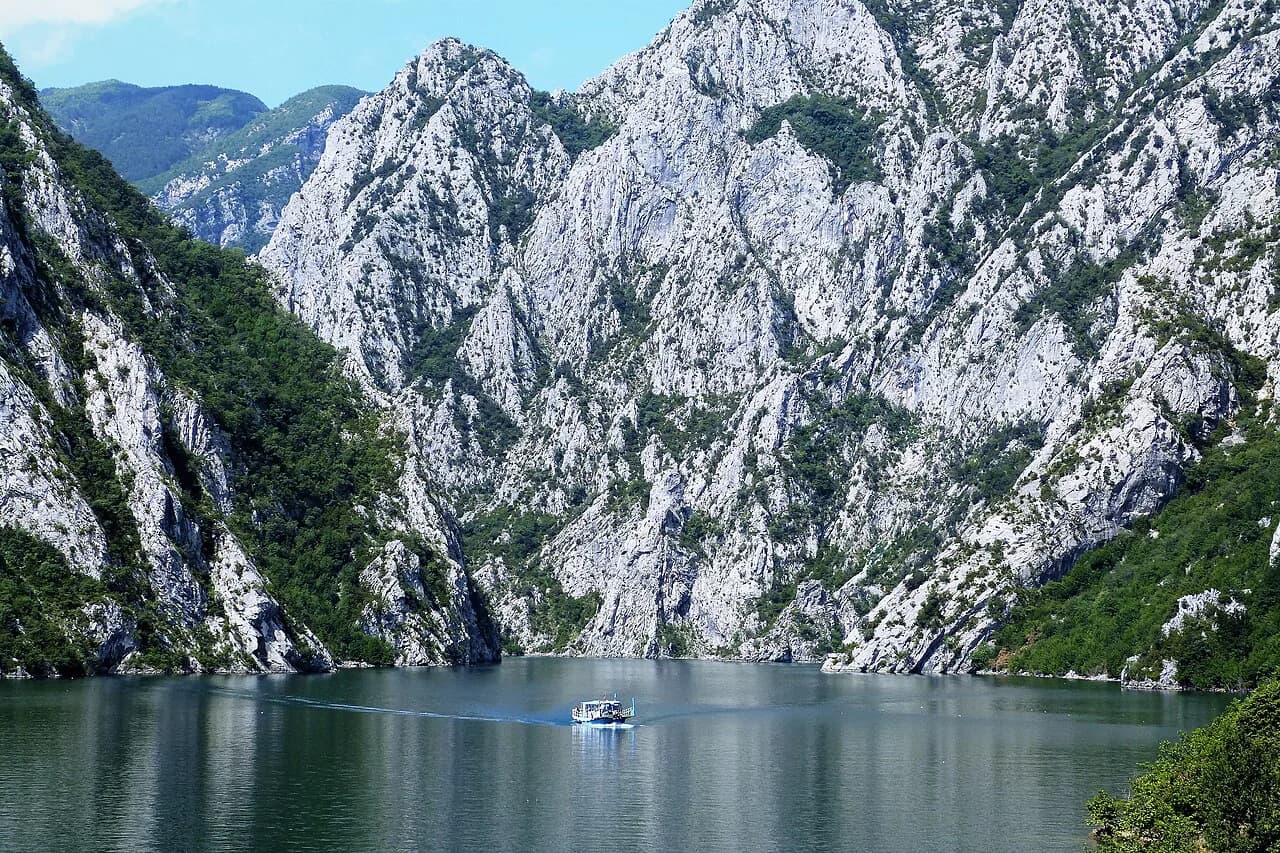
Valbona Valley sits in the Accursed Mountains of northern Albania, with jagged limestone peaks above pine forest and a river running through the valley floor. Small guesthouses are scattered along the valley, which makes it the natural base for a few days of walking rather than a rushed day trip.
Does Albania have wild bears? Bears are possible in the higher slopes of the northern parks, including around Valbona, though sightings are rare and never guaranteed. Walk in groups, store food carefully and keep your distance from any animal you do see.
Where can you camp in Albania's national parks? Wild camping is described in the Valbona area, alongside the valley's traditional guesthouses. Elsewhere, consult the relevant park authority or a local operator before planning to camp.
Are there national park tours from Tirana or Sarandë? Tour operators run day trips and activity tours from Albanian bases, including rafting on the Vjosa from Vlorë and Sarandë. Schedules and what is included change with the season, so confirm directly with the operator before booking.
The main walk is the Valbona–Theth trail, roughly 17 km with 6–8 hours on foot over a high pass. Snow can linger on the pass into June, so ask locally before setting out early in the season. Most walkers tackle it in summer, when the meadows are green and the guesthouses are open.
Wildlife is the other draw: golden eagles, chamois and bears are possible in the higher slopes, though sightings are never guaranteed. Bring binoculars and give animals distance.
Theth National Park: stone houses, the Grunas Waterfall and the rough road from Shkodër
Theth fills a deep green valley of stone houses, reached by a road from Shkodër that is rough in places. That access is the trade-off: the drive takes effort, and the valley stays quiet because of it. Winter snow can close the road altogether.
From the village, a short walk leads to the Grunas Waterfall, a 30 m cascade that is cold and powerful even in high summer. It is the easiest worthwhile outing if you have only an afternoon in Theth.
Theth is the other end of the Valbona–Theth trail. Walkers who start in Theth climb gradually to the pass before descending into Valbona, which makes for a long but well-graded day in the right conditions.
Butrint National Park: ruins, wetland birds and the peninsula near the Greek border
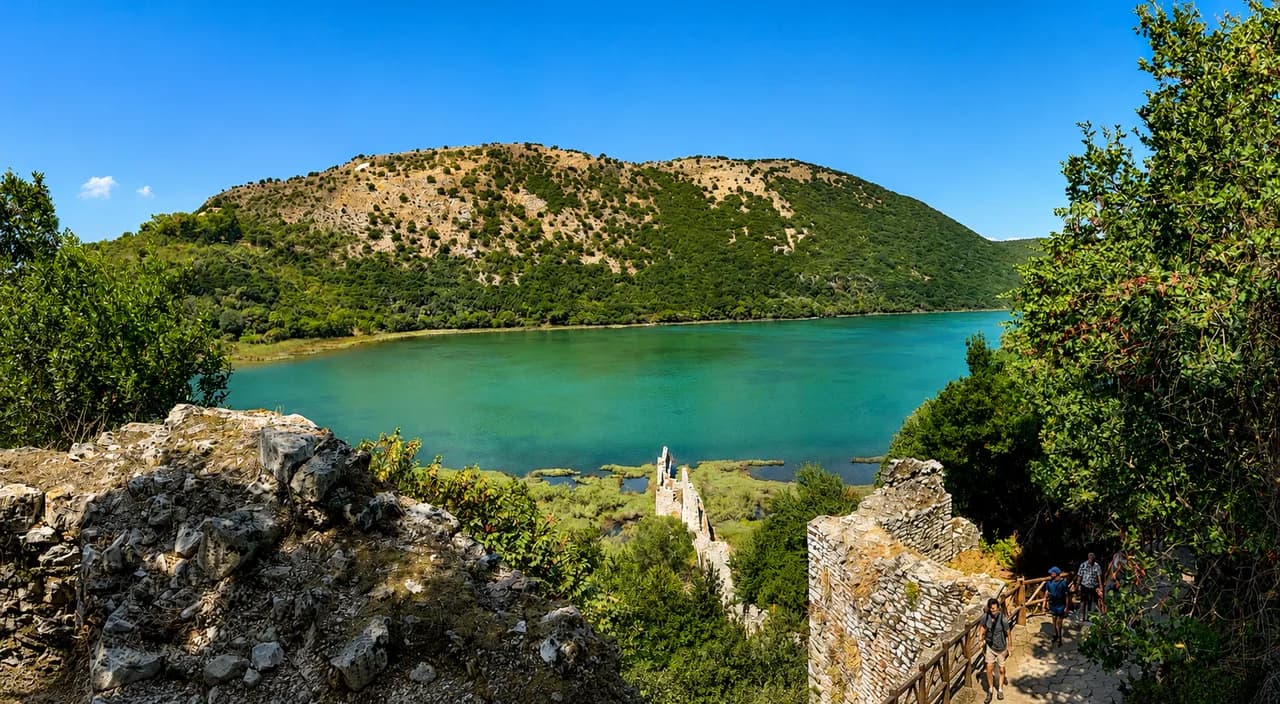
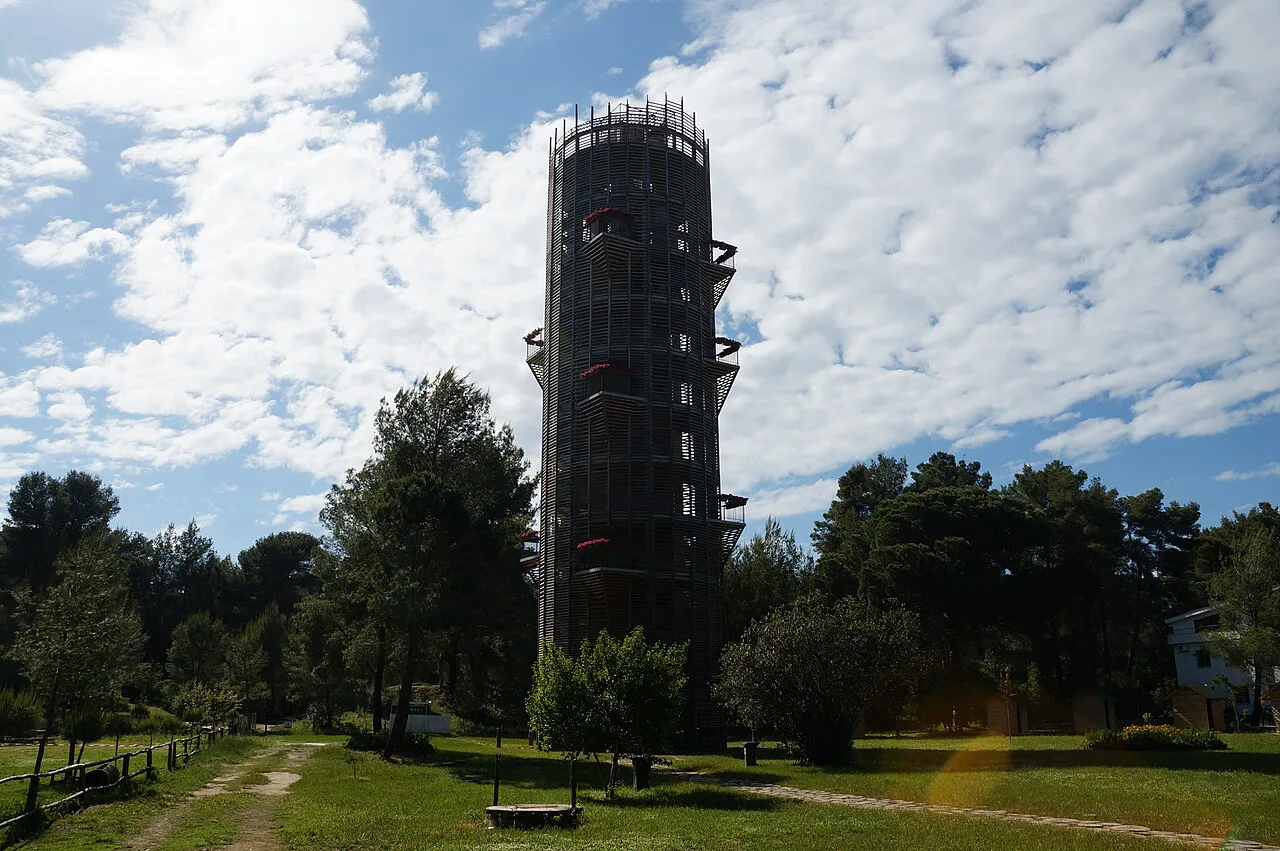
Butrint occupies a quiet peninsula in Albania's far south, surrounded by lagoon and the Ionian Sea close to the Greek border. It is a UNESCO World Heritage Site, with Greek, Roman, Byzantine and Venetian layers packed into a compact area you can walk in a few hours.
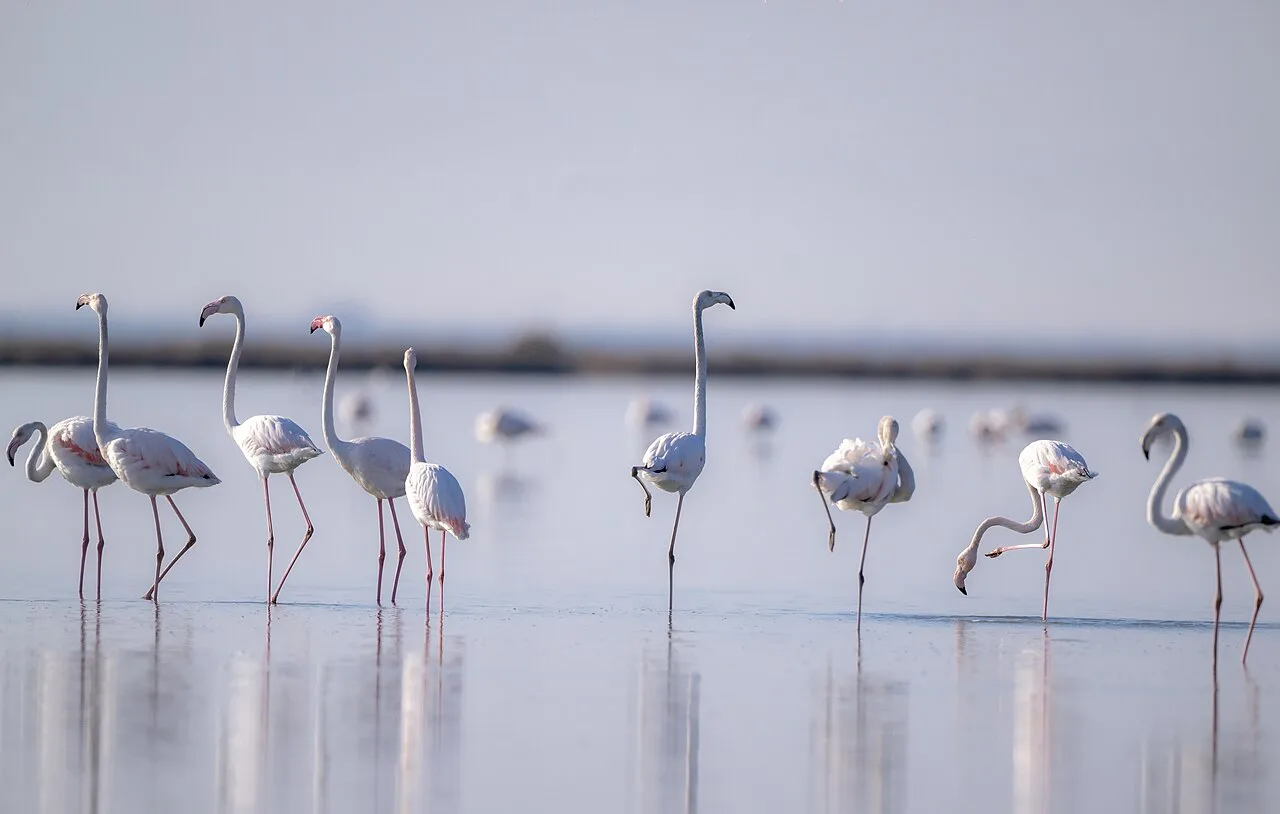
Ruin-seekers should aim for the ancient theatre, the baptistery mosaics and the fortress, and go early or late to avoid tour groups and harsh light. Birdwatchers get a different park: the wetlands draw flamingos, herons and pelicans, especially in spring and autumn. Bring binoculars and allow time to stand still.
Spring and early summer, or September and October, suit both interests: warm enough to linger, without the peak heat. In high summer, plan the ruins for the first or last hours of the day.
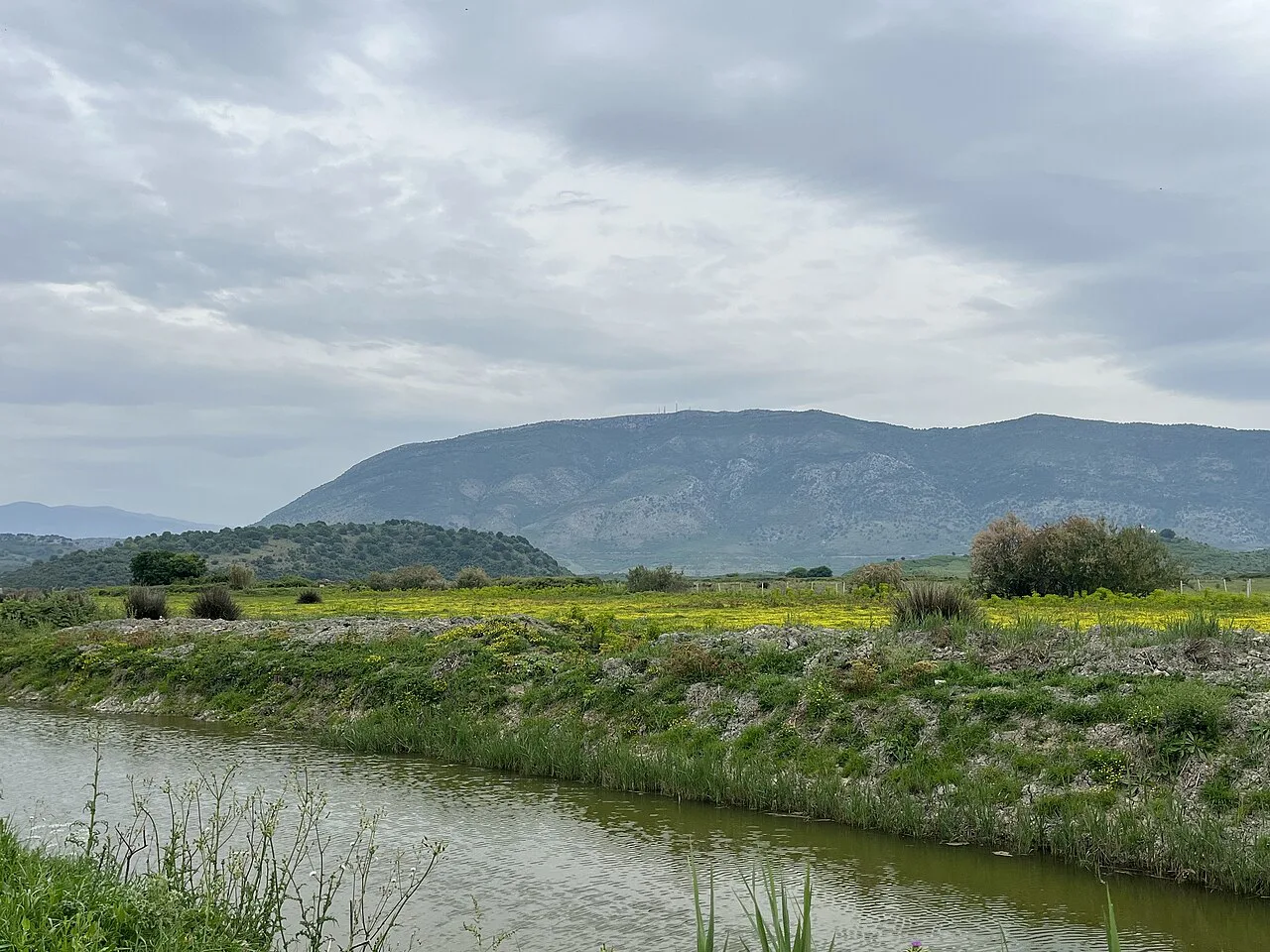
Llogara National Park: pine forest where the mountains meet the Riviera
Llogara is the park you drive through on the coast road, where the mountains drop to the Riviera and the road climbs through thick pine forest. It suits a half-day stop rather than a dedicated expedition: pull off, walk a viewpoint and carry on towards Himarë or Vlorë.
Because it sits on the main coastal route, Llogara is one of the easiest parks to fold into a Riviera itinerary. The flip side is summer traffic on the same road, so start early if you are driving south.
Karaburun-Sazan Marine Park: the coastal park reached by boat
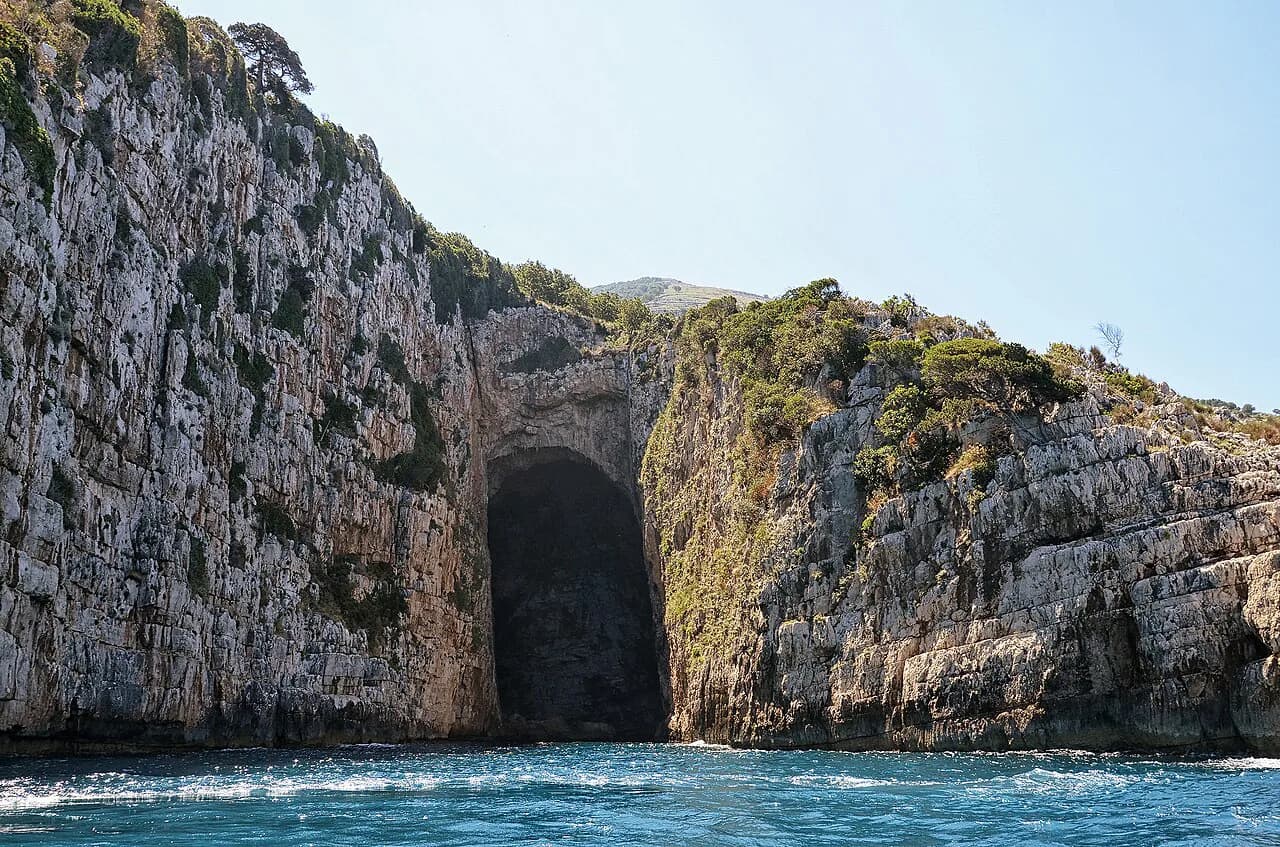
Karaburun-Sazan is Albania's marine park, protecting the sea and coast around the Karaburun peninsula and Sazan island. Much of it is best seen from the water, on a boat trip from Vlorë or the surrounding coast.
Boat services and trip schedules vary with the season, so confirm what is running locally before you build a day around it. Land access to the peninsula is limited, which makes the boat the practical option.
Dajti National Park: the mountain above Tirana
Dajti National Park is the most accessible park from Tirana, rising directly above the city. That makes it the obvious choice if you have a spare morning in the capital and no car.
Use it for a short walk and a change of air rather than a full mountain day. The altitude also gives you a different view of the city, which is worth the trip on a clear morning.
Vjosa Wild River National Park: rafting and the river corridor
The Vjosa is protected as a wild river national park, running through southern Albania as a free-flowing corridor rather than a reservoir. Rafting is the main activity, and operators run trips from bases including Vlorë and Sarandë.
Rafting needs a booked operator and a free day; check what is running and what it includes before you commit. Outside the water, the river corridor is a place for slow driving and quiet villages rather than a ticketed attraction.
Prespa, Shebenik-Jabllanicë, Divjakë-Karavasta, Tomorr and Lurë: the quieter parks
The remaining parks reward anyone with a car and time. Prespa takes in a lake shared with neighbouring countries, Divjakë-Karavasta protects a coastal lagoon, and Tomorr and Lurë are mountain country.
These are the parks where you are most likely to have a trail to yourself, and where the lack of marking and transport bites hardest. Carry a map, water and food, and do not rely on finding a bus at the end of the day.
Grouping the parks by region so you can link them to towns
For planning, sort the parks by which town you will sleep in. Shkodër is the gateway to Theth and Valbona; Tirana gives you Dajti in a morning and the north by car; Sarandë and the Riviera put Butrint, Llogara and the Karaburun coast within reach.
A sensible northern loop runs Shkodër to Theth, over the pass to Valbona, then back to Shkodër. In the south, base yourself on the coast and take Butrint and Llogara as day outings, with a boat trip from Vlorë for the marine park.
Wherever you go, the lakes are worth building into a route: Lake Shkodra in the north and the Prespa lakes in the south-east both break up long drives.
Getting to the parks: furgon, bus, car and boat
Access sets the pace of any park visit. The northern parks need a car or a furgon minibus, and the road into Theth from Shkodër is rough in places; Dajti is the exception, reachable from Tirana without a car. The marine park needs a boat.
Transport links to the remoter parks can be unreliable, so do not build a tight schedule around a single connection. Confirm locally what is running the day before you travel, and keep a car as the fallback for the quieter parks.
When the mountain roads and trails are workable
June to September is the window the northern parks are usually described for, when the meadows are green, the guesthouses are open and the passes are clear. Snow can linger on the Valbona–Theth pass into June, so check before an early-season crossing.
In the south, spring and autumn are the better months for Butrint and Llogara, when the weather is warm without the peak heat. Summer is workable if you start early and avoid the middle of the day.
What to pack for a park visit
Pack for walking and for weather that changes: boots with grip, layers, waterproofs, water, food and a map, since trails are not always marked. Binoculars are worth the weight for Butrint's birds and for the higher slopes in the north.
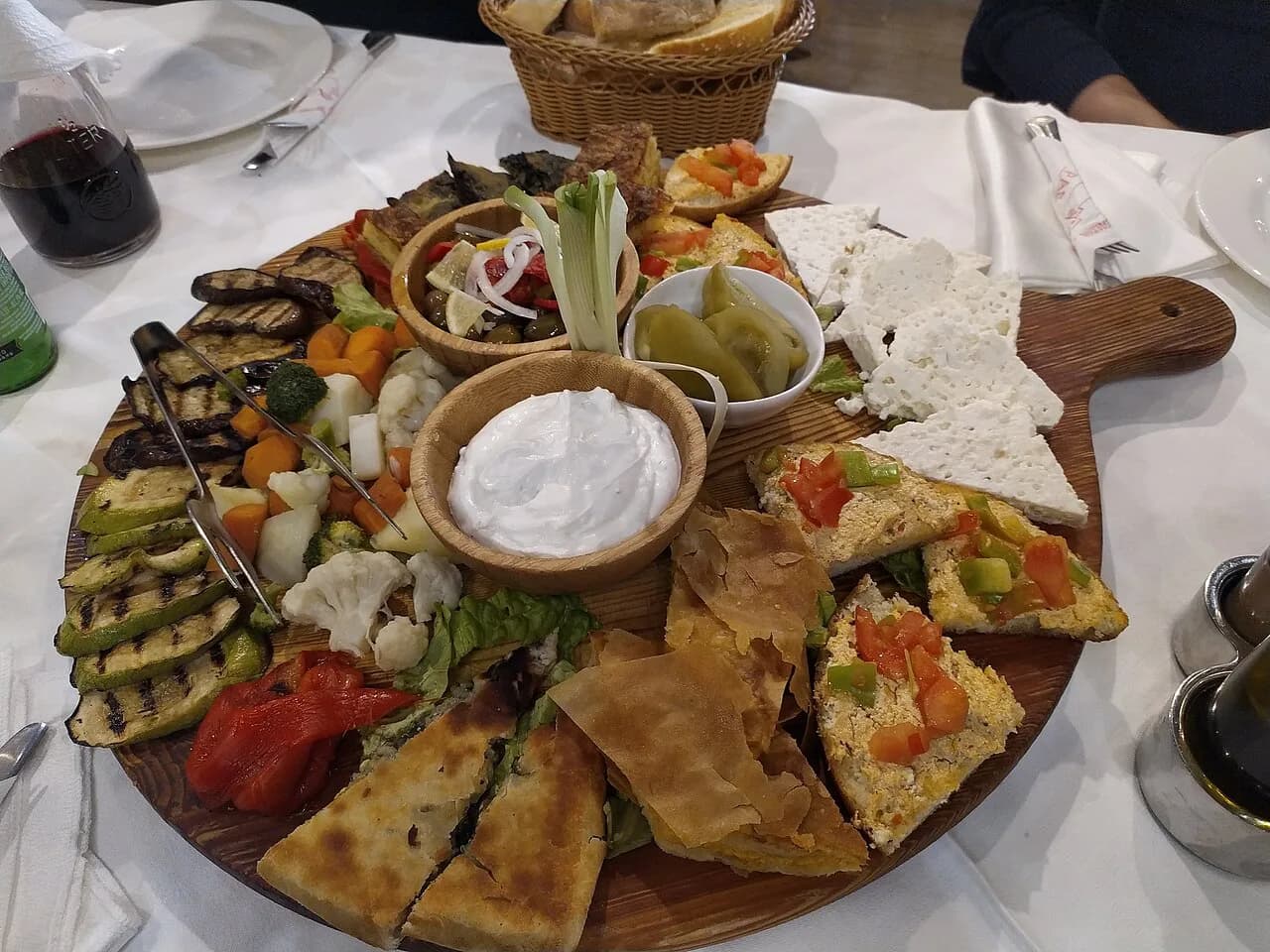
Bring cash for small guesthouses and village shops, and a power bank in the mountains. In the Accursed Mountains, guesthouses often serve simple home cooking, so tell your host if you need an evening meal. Hearty plates like Tavë Kosi and Elbasan tava are typical of the home cooking you may be served, and our guide to Albanian food explains the dishes to look for.
Which park to pick first
If you have one spare morning in Albania, take Dajti from Tirana. If you have three days and a car, head north to Theth and Valbona and walk the pass. If you are on the coast, use Butrint and Llogara as day outings and take a boat for Karaburun-Sazan.
The quieter parks, from Vjosa to Prespa, are worth saving for a trip where you are driving and can absorb a change of plan. Build slack into the route and ask locally about road and trail conditions before you set off.
Explore more Albania guides
Frequently Asked Questions
Does Albania have wild bears?
Bears are possible in the higher slopes of the northern parks, including around Valbona, though sightings are rare and never guaranteed. Walk in groups, store food carefully and keep your distance from any animal you do see.
Where can you camp in Albania's national parks?
Wild camping is described in the Valbona area, alongside the valley's traditional guesthouses. Elsewhere, consult the relevant park authority or a local operator before planning to camp.
Are there national park tours from Tirana or Sarandë?
Tour operators run day trips and activity tours from Albanian bases, including rafting on the Vjosa from Vlorë and Sarandë. Schedules and what is included change with the season, so confirm directly with the operator before booking.
What is the prettiest place in Albania?
That depends on what you want from a trip: the Accursed Mountains around Valbona and Theth for alpine scenery, Butrint for ruins and wetland, or Llogara for pine forest above the Riviera. Pick by landscape and by how much driving you are willing to do.
Sources
Notes for your Albania trip
Optional updates to our Albania town guides.
You might also like
Continue reading
More guides you'll find useful