Albania Wildlife Guide: Bears, Birds and Balkan Lynx
Albania's wildlife runs from brown bears and Balkan lynx to Dalmatian pelicans and migrating birds. Here are the regions and habitats worth planning around.
On this page
Albania holds an unusually wide spread of habitats for its size, and BirdLife International describes the country as a biodiversity hotspot supporting species such as the Balkan lynx, the Egyptian vulture and the Albanian tulip. For a visitor, that translates into three workable wildlife settings: the forests and high ground of the Albanian Alps, the coastal wetlands, and the lake and hill country of the south-east. This guide groups those settings by region, says which animals you have a fair chance of seeing and which are rare, and flags the habitat pressures behind the conservation story.
Most town-based trips can be adapted rather than rebuilt: Shkodër is the natural base for the northern mountains, Pogradec for Lake Ohrid and Lin, and Korçë for the Voskopoje woodlands. Coastal wetlands fit around Durrës, Vlorë and the Narta area. If you want the wider picture of protected areas before choosing, start with Albania's National Parks and then pick the habitat that matches the season you are travelling in.
What wildlife Albania is known for
The headline mammals are brown bear, wolf, Balkan lynx, chamois and roe deer, with the Alps as their main stronghold. BirdLife also lists the Dalmatian pelican, the Egyptian vulture and the Albanian tulip among the species that give the country its conservation importance, and notes that populations of these have declined over the years. That mix of large mammals, waterbirds and plants is what makes a single trip capable of covering very different ground.
A realistic split is useful. Birds and lakeside species are the most dependable target for a short visit, forest mammals are a possibility rather than a plan, and the Balkan lynx is a species you should treat as a long shot. Conservation reporting in Albania has also flagged the Dalmatian pelican among the animals under pressure, alongside brown bear.
The Albanian Alps and Theth: brown bear, wolf, lynx and chamois
Thethi National Park is the most clearly documented mountain wildlife area in the sources, with the park's own figures listing around 20 mammal species, about 50 nesting bird species, nearly 10 reptiles and 8 amphibians. Among the largest mammals recorded there are brown bear, wolf, lynx, chamois and roe deer. Treat those as the park's inventory rather than a sightings list: large mammals in forest and alpine terrain are shy, and a few days in the valley is not the same as a survey.
Are there bears and wolves in Albania? Yes. Brown bear and wolf are among the largest mammals recorded in Thethi National Park in the Albanian Alps, alongside lynx, chamois and roe deer.
Where is the best place to see birds in Albania? The coastal wetlands are the strongest option, with the Vjosa-Narta area acting as a stopover for birds moving between Europe and Africa and holding more than 200 recorded species. The Lake Ohrid shore around Pogradec and Lin is a gentler alternative from a town base.
Can I see a Balkan lynx in Albania? Treat it as very unlikely. The Balkan lynx is a species of conservation concern in Albania, and BirdLife links its decline to habitat loss and urbanisation of protected areas.
Theth sits within the Albanian Alps, the range also known as the Accursed Mountains, and the landscape of high forest and open alpine grassland is what supports that range of species. Plan the valley as a place to walk and watch rather than a place to tick off animals, and give yourself more than one full day if mammals are the priority. Practical route planning for the range sits with Albania mountains rather than here.
Thethi National Park's birdlife and forest species
The park's bird list is dominated by typical high-forest families, with the park recording four species each of the flycatcher and tit families, three woodpeckers, and ground-and-shrub birds including robin, blackbird and red-backed shrike. That is a forest bird community rather than a wetland one, so bring binoculars suited to close, shaded viewing and expect to work along woodland edges and clearings. Dawn is the practical window for song and movement.
Because the park's figures cover nesting species, the birdlife you encounter will shift through the year rather than stay constant, and the park's own numbers should not be read as a year-round checklist. If birds are the main reason for the trip, build the mountain days around woodland rather than only the high passes.
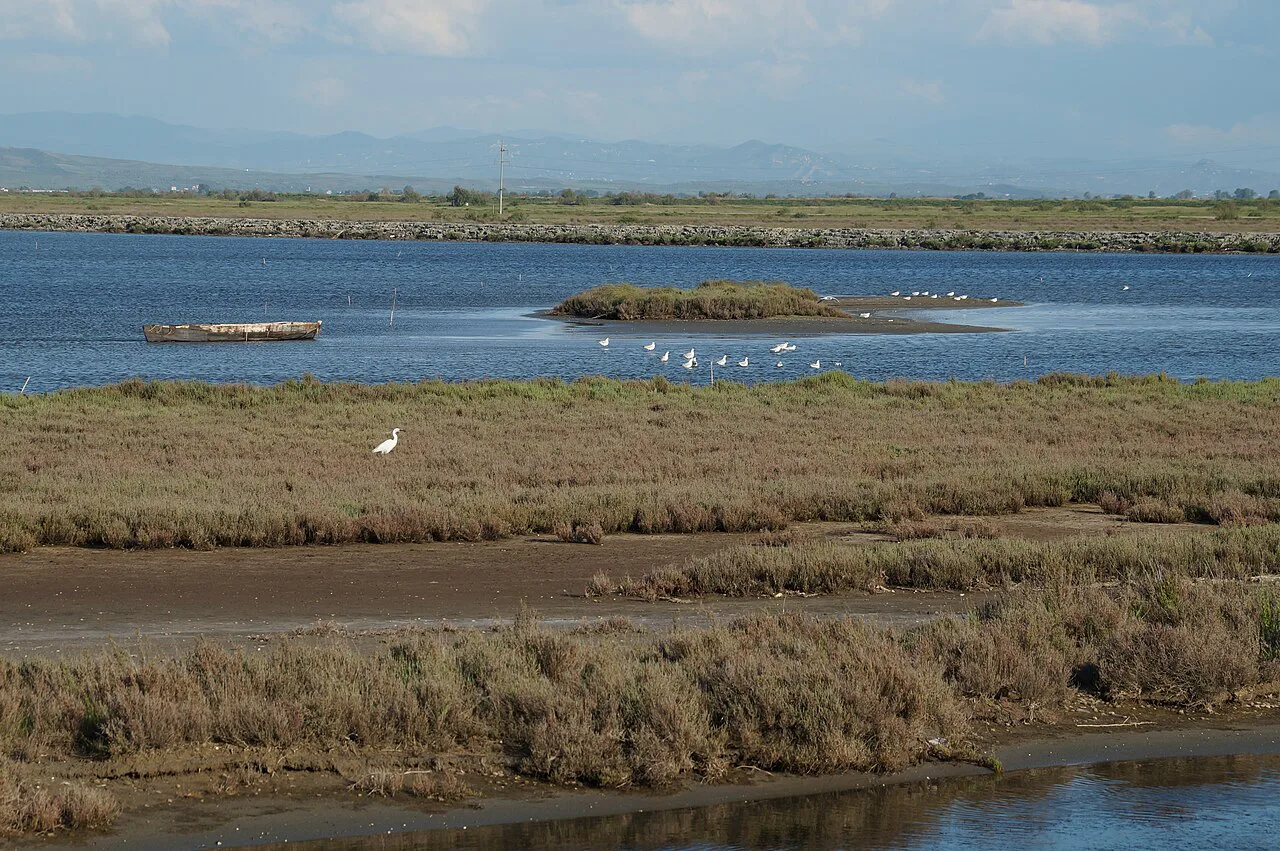
Wetlands and lagoons: Dalmatian pelicans, herons and migratory birds
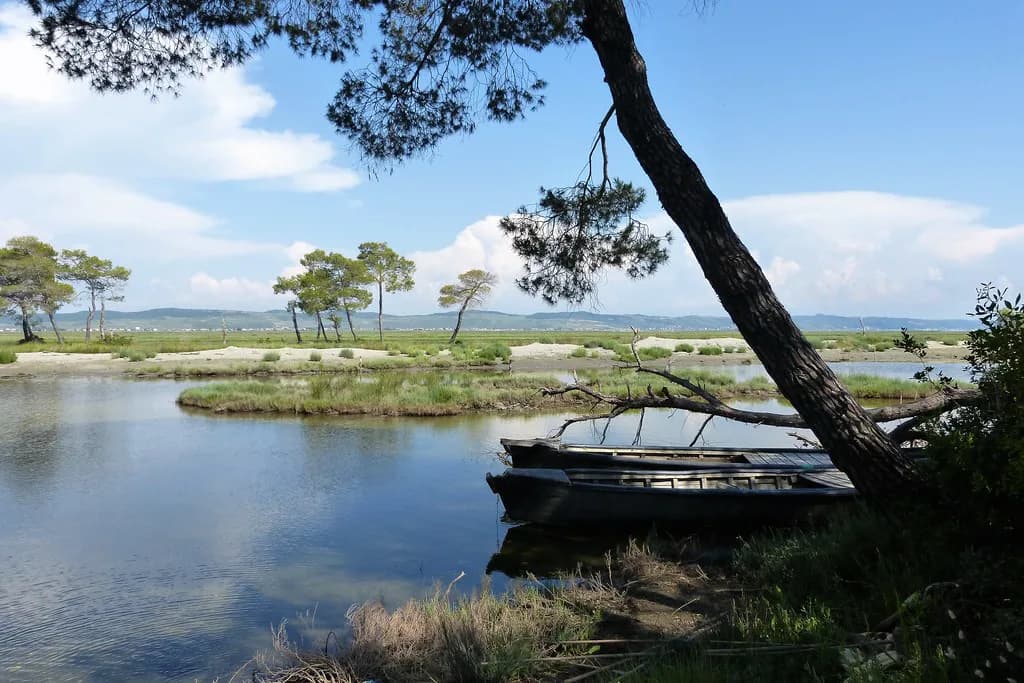
The coastal wetlands are where Albania's birdwatching reputation is strongest. The Vjosa-Narta area is described as a crucial stopover for birds moving between Europe and Africa, with more than 200 bird species recorded and over 70 endangered species present. The Narta Lagoon therefore belongs on any bird-focused itinerary alongside the mountains, and it pairs naturally with time in Vlorë.
Reedbeds, open water and mudflats reward a slow approach: scan from a fixed point, keep noise low and avoid pushing birds off feeding areas. Wetland days also work well as half-days, which leaves room for the Vjosa River corridor and its tributaries if you want a second habitat in the same region.
Rare and endemic species: Balkan lynx, Egyptian vulture and Albanian tulip
BirdLife names the Balkan lynx, the Egyptian vulture and the Albanian tulip as species of conservation concern in Albania, and links their decline to urbanisation of protected areas, habitat loss and deforestation. None of these is a realistic target for a short trip. Their value to a visitor is context: they explain why the protected areas you pass through matter and why access rules exist.
The Albanian tulip is a plant, so looking for it means looking at the ground in the right habitat rather than scanning horizons, and the Egyptian vulture is a wide-ranging scavenger that depends on open country. If these species are your reason for travelling, contact the Protection and Preservation of Natural Environment in Albania (PPNEA), a Tirana-based conservation NGO that runs the Albania is Biodiversity campaign, or you can also check records through BirdLife International's news pages, and ask what is currently being recorded and where access is permitted.
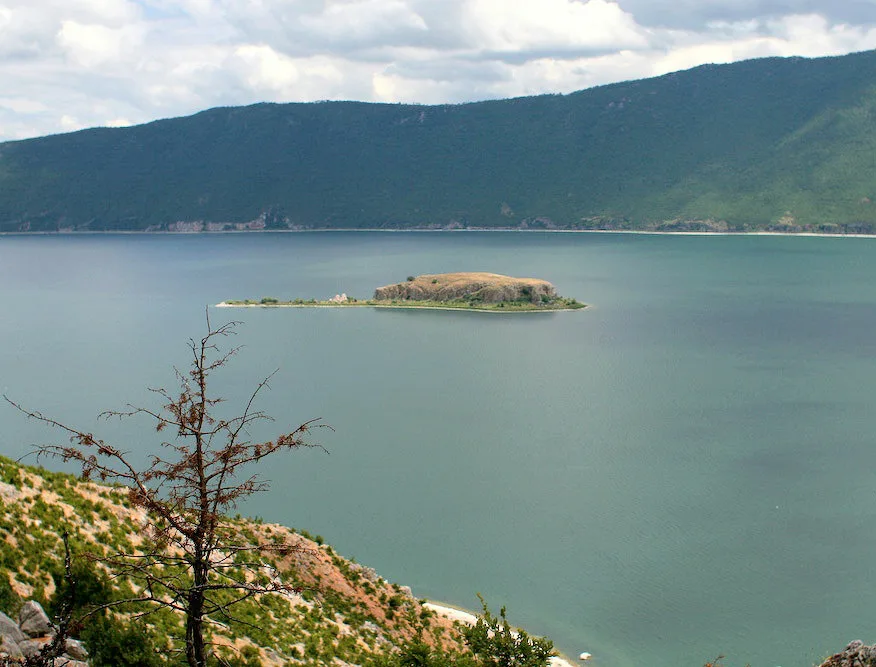
Lake Ohrid and Lin: waterbirds and the lake's trout hatchery
The Lake Ohrid shore around Pogradec offers a gentler version of the wetland experience. Reeds beside the road are described as good places to watch waterfowl including pygmy cormorant, gulls, herons and swans, and the lake itself holds an endemic trout. The village of Lin, on a hill above the shore, is described as a good vantage point for ducks, grebes and coots.
Lin also has a hatchery for the lake's endemic trout, which makes the village a sensible stop for anyone interested in how the lake's fish and birds fit together. Pogradec is the obvious base, and the wider set of lakes in Albania is worth reading if you want to compare Ohrid with Shkodra and Prespa.
Voskopoje and the south-east woodlands: pine, fir and oak forest
The woodland around Voskopoje is described as a mix of Scots pine, silver fir and Valonia oak, with old churches and monasteries in the village itself. This is forest birding rather than wetland birding: expect to walk shaded tracks and listen for movement in the canopy. Korçë is the practical base for the area, and the forest makes a good counterpoint to a day on the lake shore.
Because the appeal here is the woodland itself, go with time to walk rather than a list of species to find. Combine a morning in the forest with the village's churches for a full day, and keep the pace slow enough that birds settle after your approach.
What threatens Albania's wildlife
Habitat collapse and fragmentation, uncontrolled hunting and deforestation are identified as the main pressures on Albanian animal populations, and BirdLife points to urbanisation of protected areas and habitat loss as drivers of decline for species such as the Balkan lynx. Those pressures are the reason some areas are protected and some access is restricted, so treat signage and local guidance as part of the visit.
For travellers, the practical response is simple: stay on established paths, keep distance from animals, take litter out and avoid any activity that involves hunting or capturing wildlife. Spending with local operators who work inside the rules supports the incentives that keep protected areas protected.
How to plan wildlife watching around a town-based trip
Build the trip around one habitat rather than three. A northern itinerary based on Shkodër covers Theth's forest and alpine species; a south-eastern one based on Pogradec and Korçë covers the lake shore at Lin and the Voskopoje woodlands; a coastal one based on the Vlorë and Narta area covers the wetlands. Two well-placed days in one habitat will produce more than a rushed circuit of all three.
Group tours sold in the UK are one option, but check whether the wildlife content matches what you want: a package titled around spring travel is not necessarily a wildlife-focused departure, and any prices or dates you see on an operator page should be checked against the current season before you book. For the mountain element, compare the options set out in Albania's National Parks before committing to a base.
Carry binoculars, layers for cold mornings and footwear for wet ground, and plan around daylight rather than fixed timings. If you want to add water-based days to a wetland stop, Albania kayaking covers options on the rivers and lakes.
Which region should you pick for wildlife?
Pick the Albanian Alps around Theth if you want forest and mountain mammals and can give the valley more than a day; pick Lake Ohrid and Lin if you want easy, reliable birdwatching from a town base; pick Narta if coastal waterbirds are the priority and you are already heading for Vlorë. The Balkan lynx, Egyptian vulture and Albanian tulip belong to the conservation story rather than the itinerary, and are best pursued through organisations working in the areas where they are recorded.
Whichever you choose, confirm access and local guidance when you arrive, and set your expectations around watching rather than collecting sightings.
Explore more Albania guides
Frequently Asked Questions
Are there bears and wolves in Albania?
Yes. Brown bear and wolf are among the largest mammals recorded in Thethi National Park in the Albanian Alps, alongside lynx, chamois and roe deer. They are shy forest and mountain animals, so treat any sighting as luck rather than a plan.
Where is the best place to see birds in Albania?
The coastal wetlands are the strongest option, with the Vjosa-Narta area acting as a stopover for birds moving between Europe and Africa and holding more than 200 recorded species. The Lake Ohrid shore around Pogradec and Lin is a gentler alternative from a town base.
Can I see a Balkan lynx in Albania?
Treat it as very unlikely. The Balkan lynx is a species of conservation concern in Albania, and BirdLife links its decline to habitat loss and urbanisation of protected areas. Specialist organisations working in the areas where it is recorded are the realistic route to any informed encounter.
Do I need a guide to watch wildlife in Albania?
Not for birds at Lin or on the lake shore, where you can watch from accessible points. For forest mammals in the Albanian Alps, a local guide improves your chances and keeps you within access rules, so arrange one through an operator working in the valley.
Sources
Notes for your Albania trip
Optional updates to our Albania town guides.
You might also like

Continue reading
More guides you'll find useful