Albania Tours: How to Choose a Small-Group or Day Tour
How Albania tours work: what small-group, tailor-made and day tours cover, which towns they reach and the trade-offs to weigh before you book from the UK.
On this page
Pick your tour shape before you pick a route: a small-group departure fixes the dates and the pace, a tailor-made trip buys flexibility, and a day tour from Tirana or Berat solves one specific site. Most Albania itineraries build around Tirana, Berat, Gjirokastër, Butrint, Shkodër, Krujë and the Albanian Alps, so a tour's real character shows in how many of those it reaches and how long it leaves you in each. This guide breaks down small-group, tailor-made, day and activity tours, then covers what multi-country Balkan itineraries cost you in Albanian time.
What an Albania tour usually covers: Tirana, Berat, Gjirokastër, Butrint, Shkodër, Krujë and the Albanian Alps
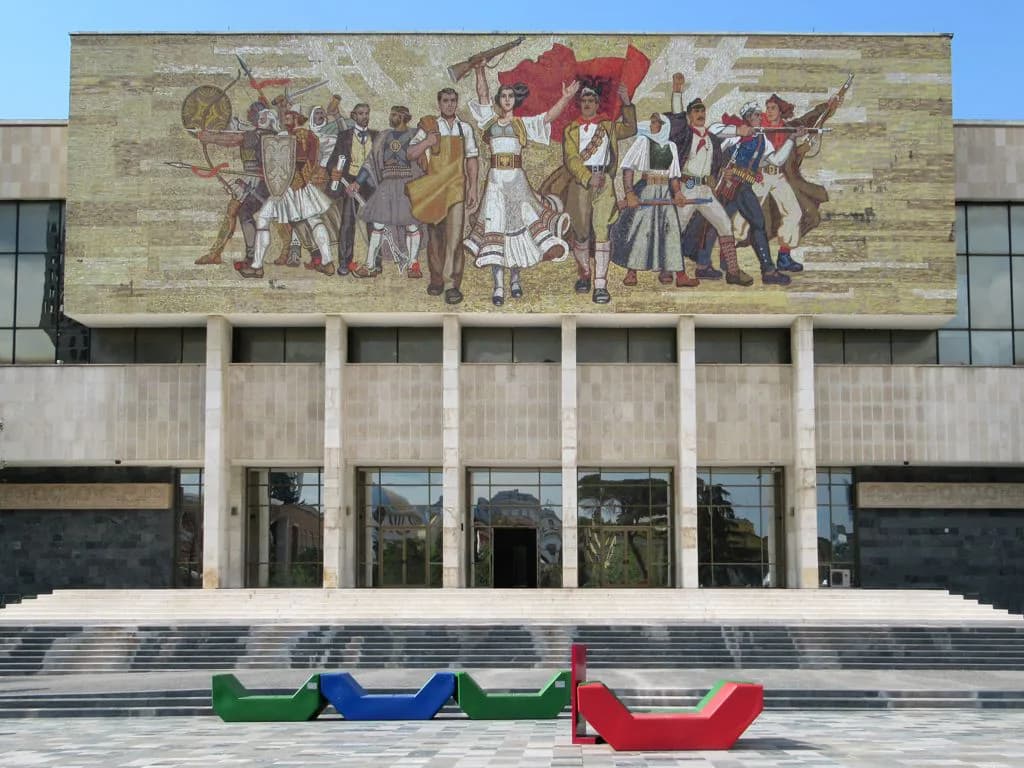
Tirana is the usual starting point. Titan Travel describes the capital as its opening base, with Skanderbeg Square, the Et'hem Bey Mosque and the Palace of Culture as the core sights, and the city's museums and landmarks make it a sensible first stop for anyone arriving at the airport.
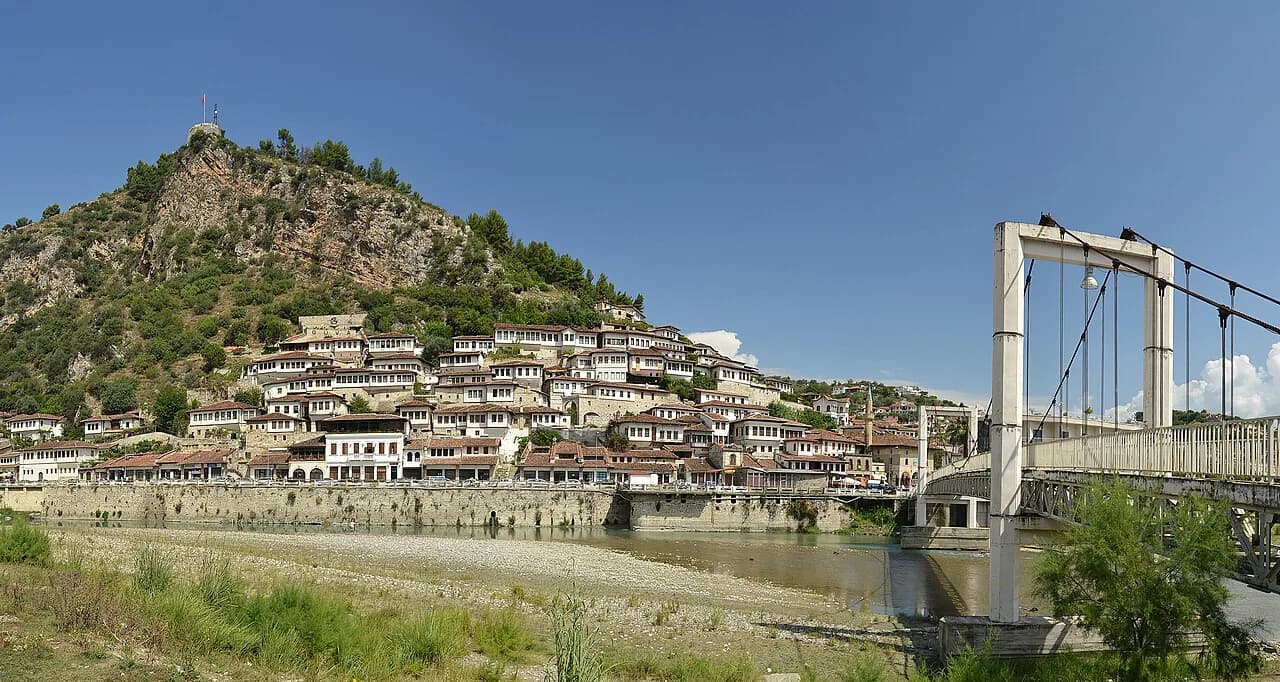
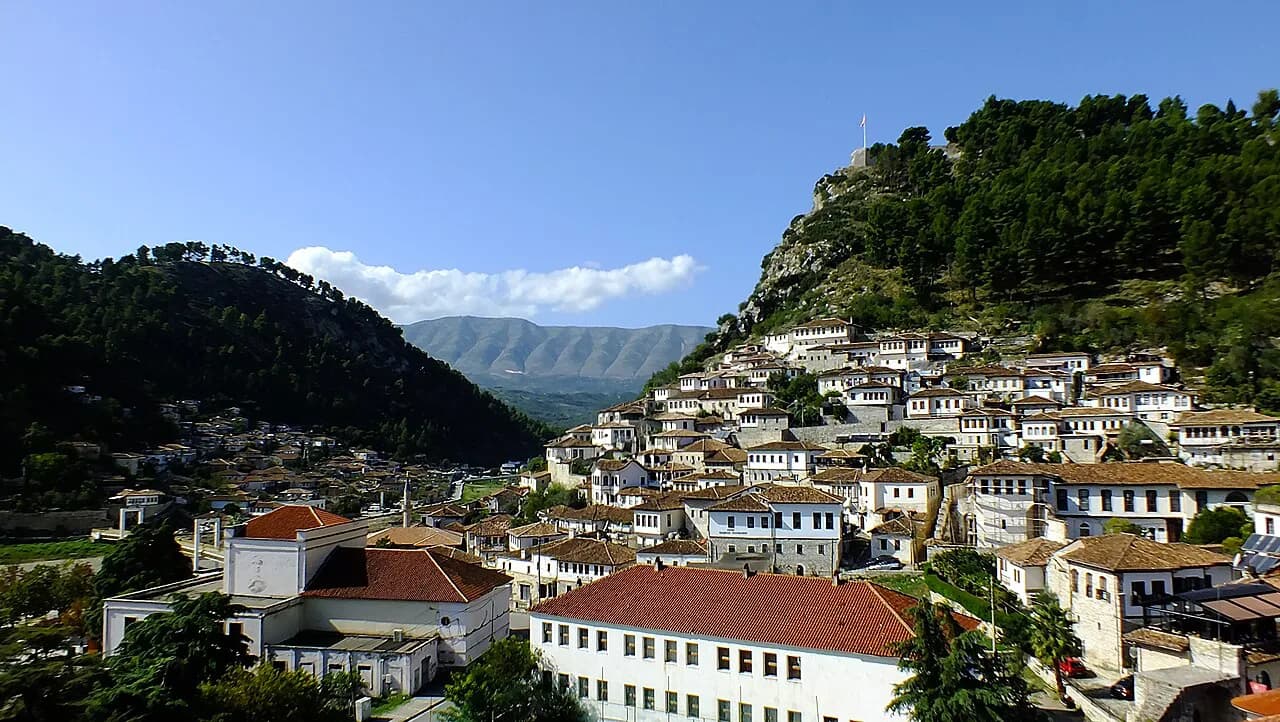
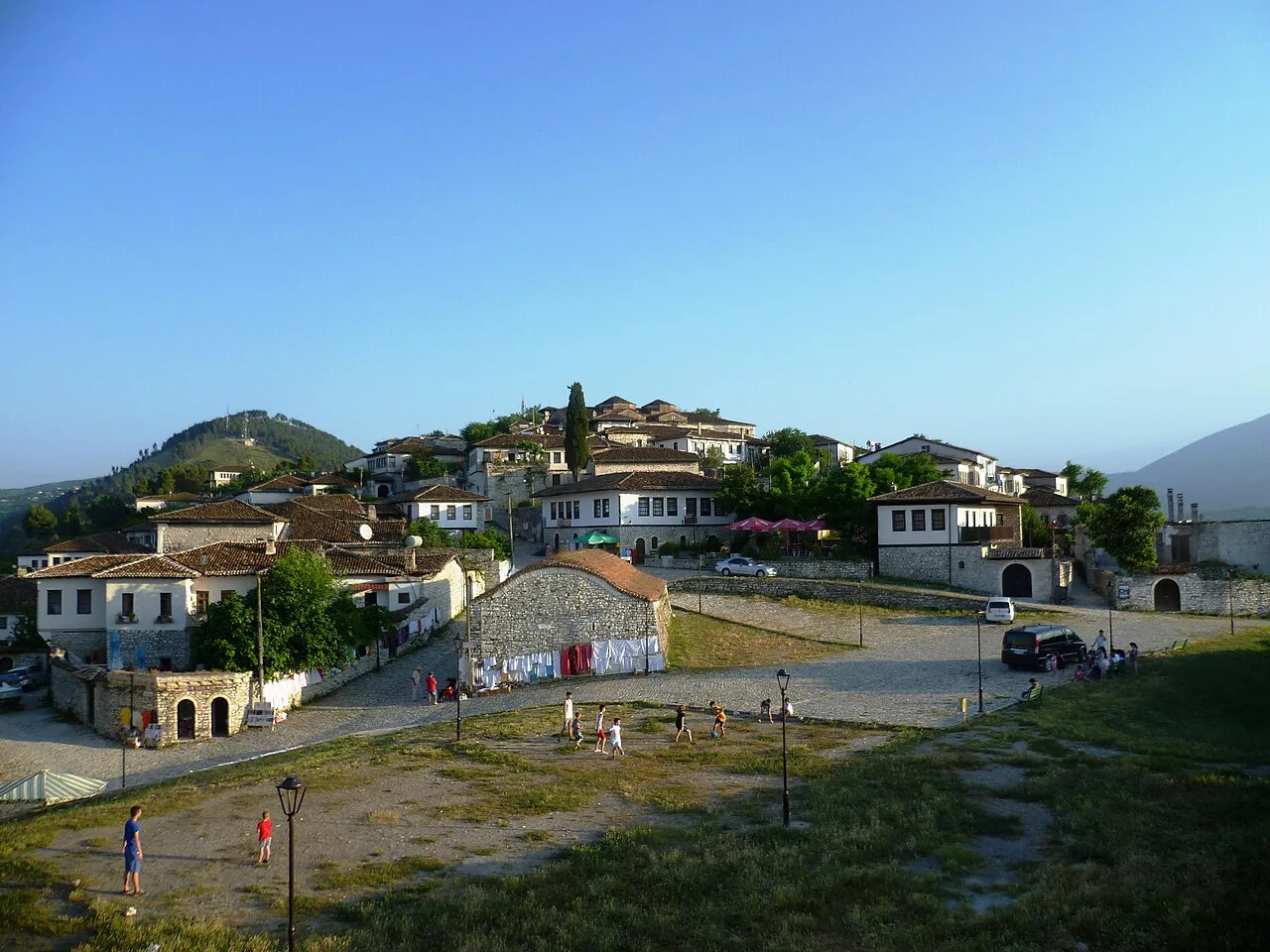
Berat, a Unesco World Heritage site, is the other fixture on almost every itinerary: Ottoman houses stacked between the castle and the Osum River have earned it the nickname the City of a Thousand Windows. Gjirokastër, the second Unesco site, sits below its citadel between the Gjerë Mountains and the Drino River, and tours often pair the two. If you want to compare them independently of a tour, our list of Unesco sites in Albania sets out what each protects.
Shkodër, Krujë and Butrint fill out the rest of a typical tour map. Shkodër is the gateway to the northern mountains and home to the Rozafa Fortress; Krujë is tied to Skanderbeg and holds a castle with the History and Ethnographic Museum; and Butrint is the excavated Unesco site on the coast. The north's Albanian Alps, also called the Accursed Mountains, are treated as a separate draw rather than a day stop.
Small-group tours: group size, guides and what a fixed departure means for your time in each town
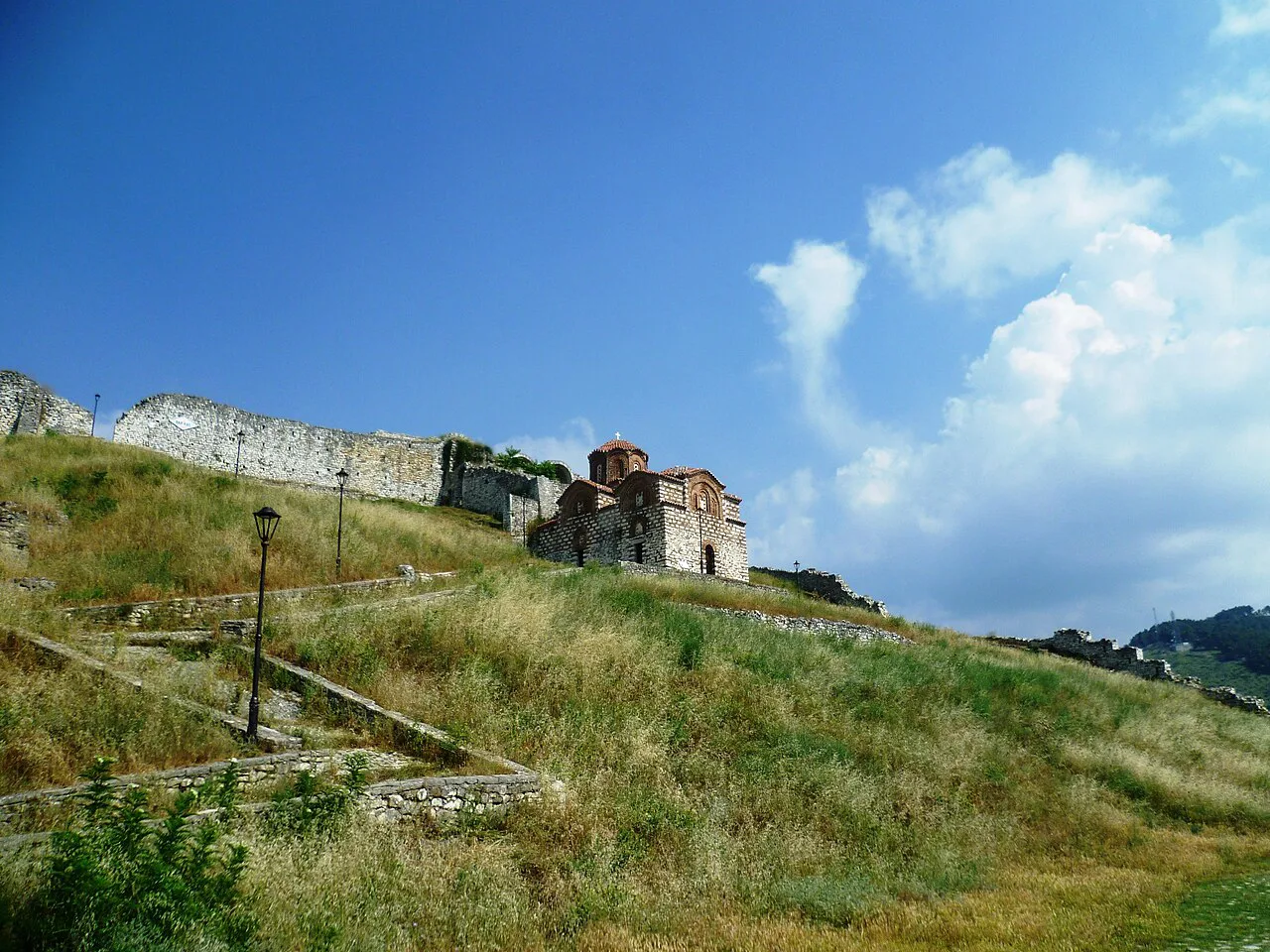
Small-group touring is the default format for UK operators, and group size varies by company. Wild Frontiers caps its small-group Albania tours at 12 travellers, with local guides and an expert tour leader. Intrepid runs its Albania trips in a small-group format, with physical ratings attached to each itinerary.
What is the best month to visit Albania? Spring and autumn are the practical windows: Titan Travel names April to June and September to October as the best months, to avoid the extremes of summer and winter. Intrepid notes that May and October offer milder weather and fewer tourists than peak summer, while heavy snowfall is common in the Albanian Alps from November to March.
Is it safe to visit Albania right now? Your own country's official travel advice is the source that reflects current conditions. For the tour itself, ask about group size, mountain-road conditions and what happens if weather changes the itinerary in the Alps.
Do and don'ts in Albania? Carry cash in lek for small places, since the currency is the Albanian lek, and expect homemade cheese, bread and raki in traditional mountain stays. Dress modestly at mosques and churches, and ask before photographing people.
A fixed departure means fixed dates and a shared pace: you travel with the same group and a set day-by-day plan, so your time in each town is what the itinerary says rather than what you choose. That suits travellers who would rather not arrange furgons and buses in Albanian, and it costs you the freedom to linger. Read the day-by-day plan for the hours actually spent in a place, not just the number of places listed.
Tailor-made and private tours: when paying for flexibility is worth it
Private and tailor-made trips reorder the same building blocks around your dates and interests. Wild Frontiers offers private tours alongside its group departures, and Intrepid has a tailor-made service, so you can drop a site you don't care about or add a night where a place deserves one.
The trade-off is price and effort. Private trips typically cost more per person than a shared departure, and you take on more of the planning conversation. They earn their keep when you have a fixed short window, travel as a family or small group, or want time in the Alps and the Riviera that a standard circuit squeezes. Ask what the day actually looks like before you agree, because a tailor-made itinerary is only as good as the hours written into it.
Day tours and single-base tours: Tirana, Berat, Krujë, Butrint and the Riviera
If you are staying put, day tours cover the near sights from each base. Tirana works as a base for Krujë and its Skanderbeg castle, Berat can be visited from Tirana, and coastal bases such as Sarandë put Butrint within reach. Browse the castles in Albania before committing, so you know which fortress you actually want to spend time in.
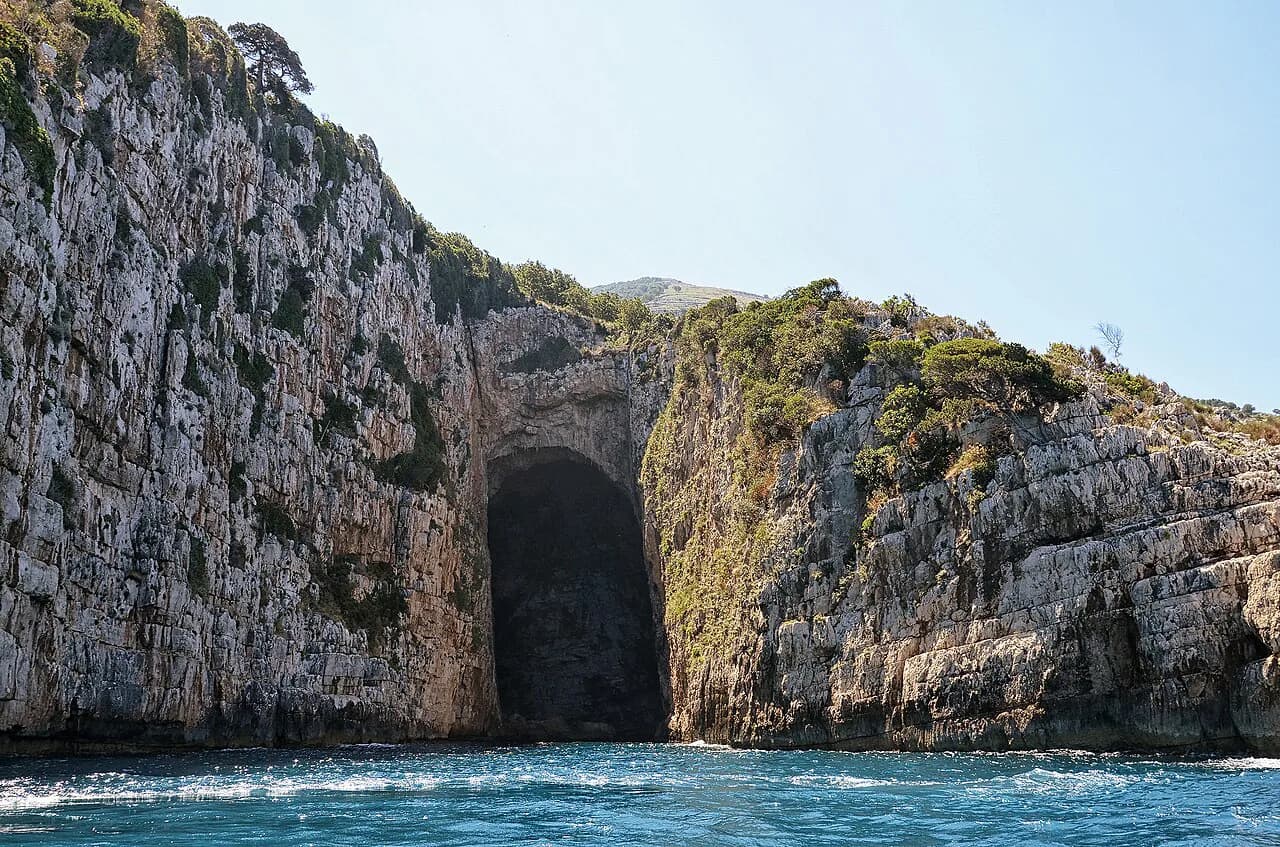
The Albanian Riviera is where single-base trips pay off. Sarandë and the southern coast are known for clear water and a string of towns, and a boat trip out to the Karaburun peninsula or the islands off the coast is the usual way to see the shoreline from the water. Our guide to Albania boat trips covers the options, and the Albania map shows how the coast and the interior fit together.
Use day tours for logistics, not for a town you want to explore slowly. A coach trip to Berat gets you there, but the old town's steep cobbled streets reward unhurried walking rather than a timed circuit. Two nights in a place and one booked day trip out of it usually beats a sequence of day trips from a single city base.
Walking, cycling and multi-activity tours: what the activity grading tells you
Activity tours split into walking and trekking, cycling, family and multi-activity trips, and each itinerary carries a grading. Explore runs discovery, cycling, family, multi-activity and walking and trekking tours in Albania, with graded walking and cycling holidays, so the grade is the first thing to check against your fitness and the season.
In the north, walking itineraries are built around the Albanian Alps and Valbona National Park, where trails and remote valleys set the daily effort. A higher grade means longer days and more ascent; a leisurely grade usually means shorter walks and more time in towns. Match the grade to the whole trip, not one highlight, because mountain weather in the Alps can change a day's plan.
Multi-country Balkan tours that include Albania: how much of Albania you actually get
Many Balkan itineraries include Albania as one leg among several countries. Intrepid lists trips such as Western Balkans Uncovered, Dubrovnik to Athens and Kosovo, Albania & Macedonia Explorer, each with a country count in the title, so Albania is a share of the days rather than the whole trip.
Check how many nights fall in Albania and where. A 15-day route spanning four countries might give you Tirana, Berat and Gjirokastër but no time in the north, or the reverse. If Albania is the reason for the trip, a single-country itinerary leaves more room for the Riviera or the Alps; if you want a wider Balkan picture, a multi-country route is efficient.
Where tours go in the north: Shkodër, Lake Shkodra and the Albanian Alps
Northern itineraries usually start in Shkodër, described as a gateway to the northern landscapes and home to the Rozafa Fortress. The town sits by a lake and has attractive pastel buildings, and a source notes its role as a centre of Catholicism, with a cathedral among its sights.
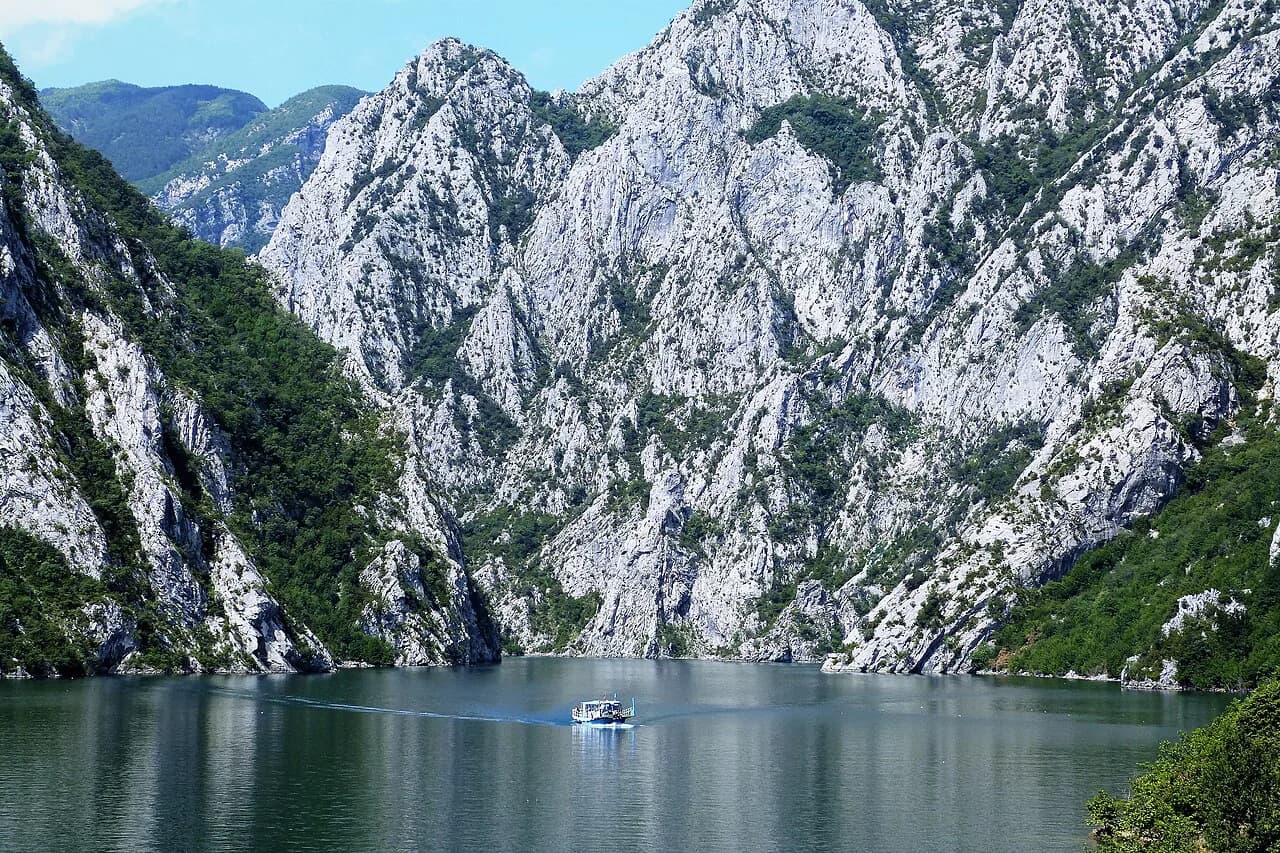
From there, tours head into the Albanian Alps, called the Accursed Mountains. Wild Frontiers highlights staying in locally run guesthouses in remote mountain valleys and walking in the Alps as experiences on its Albania trips, which is the realistic way to see the north rather than a day return.
Albanian mountain roads are slow, and heavy snowfall is common in the Albanian Alps from November to March, so a summer or early-autumn departure is the practical choice for an Alps leg. If you would rather assemble the north yourself, read up on Albania villages and what a mountain stay involves before booking a tour that includes one.
Where tours go in the south: Gjirokastër, Butrint and the Riviera
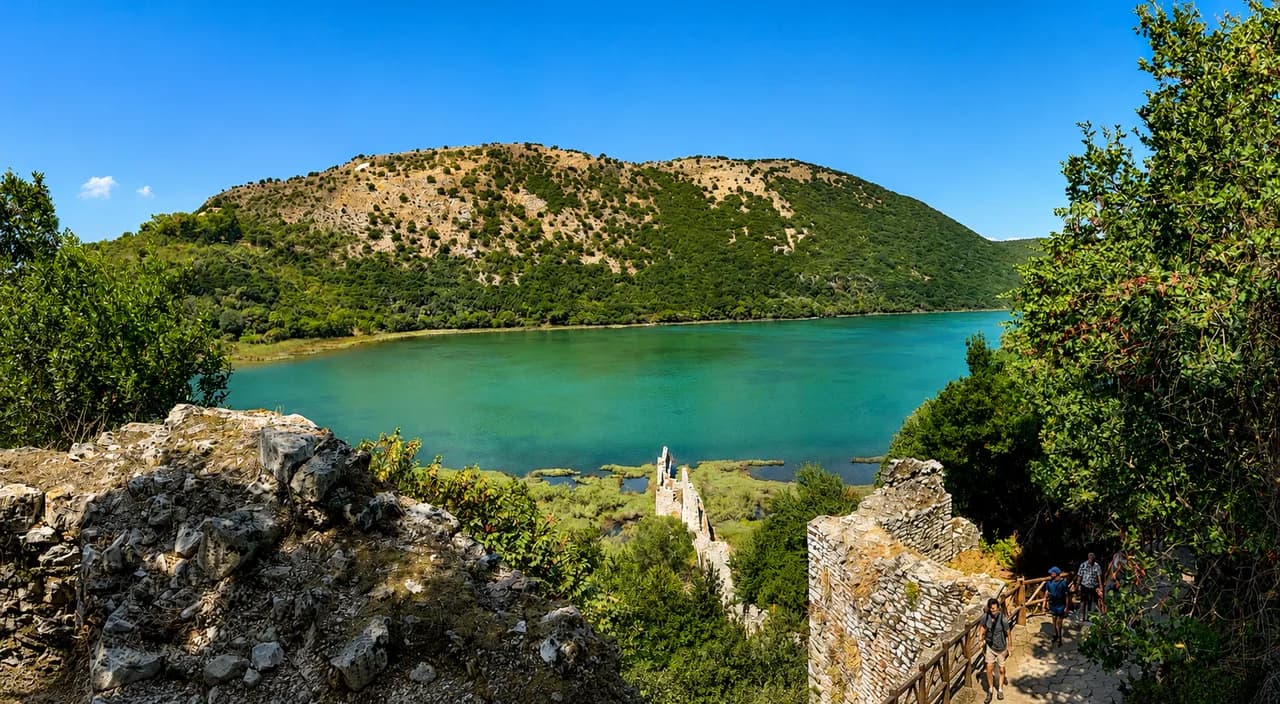
Southern itineraries pair Gjirokastër with the coast. The old town below the citadel is Ottoman in character, and the castle dominates the ridge above it. Butrint, on the Mediterranean shore in Butrint National Park, is the archaeological stop: a Unesco site where excavated monuments and finds reach back to the Bronze Age.
The Riviera stretch is where tours slow down or speed up depending on format. Coastal trails, beaches and boat trips fill the southern days, and peak summer brings heat and crowds along the coast that the shoulder months of May and October avoid. If you want the water rather than the road, our Albania islands guide covers the offshore options.
What tours leave out, and how to add it yourself with furgons, buses or a car
Tours cover headline towns, so the gaps are usually smaller places, markets, long lunches and the odd museum. Tirana's communist-era sites and its central museums are easy to visit independently on a free afternoon or a spare day at either end of a tour, and our things to do in Albania guide lists what is worth your time.
Beyond the itinerary, furgon minibuses and buses link the main towns, and a hired car gives you the flexibility for villages and viewpoints. Road conditions and journey times vary, and mountain roads take longer than the distance suggests, so build slack into any independent leg you add. The Albania map helps you judge which detours are realistic in the time you have.
Questions to ask before booking: group size, inclusions, pace and free time
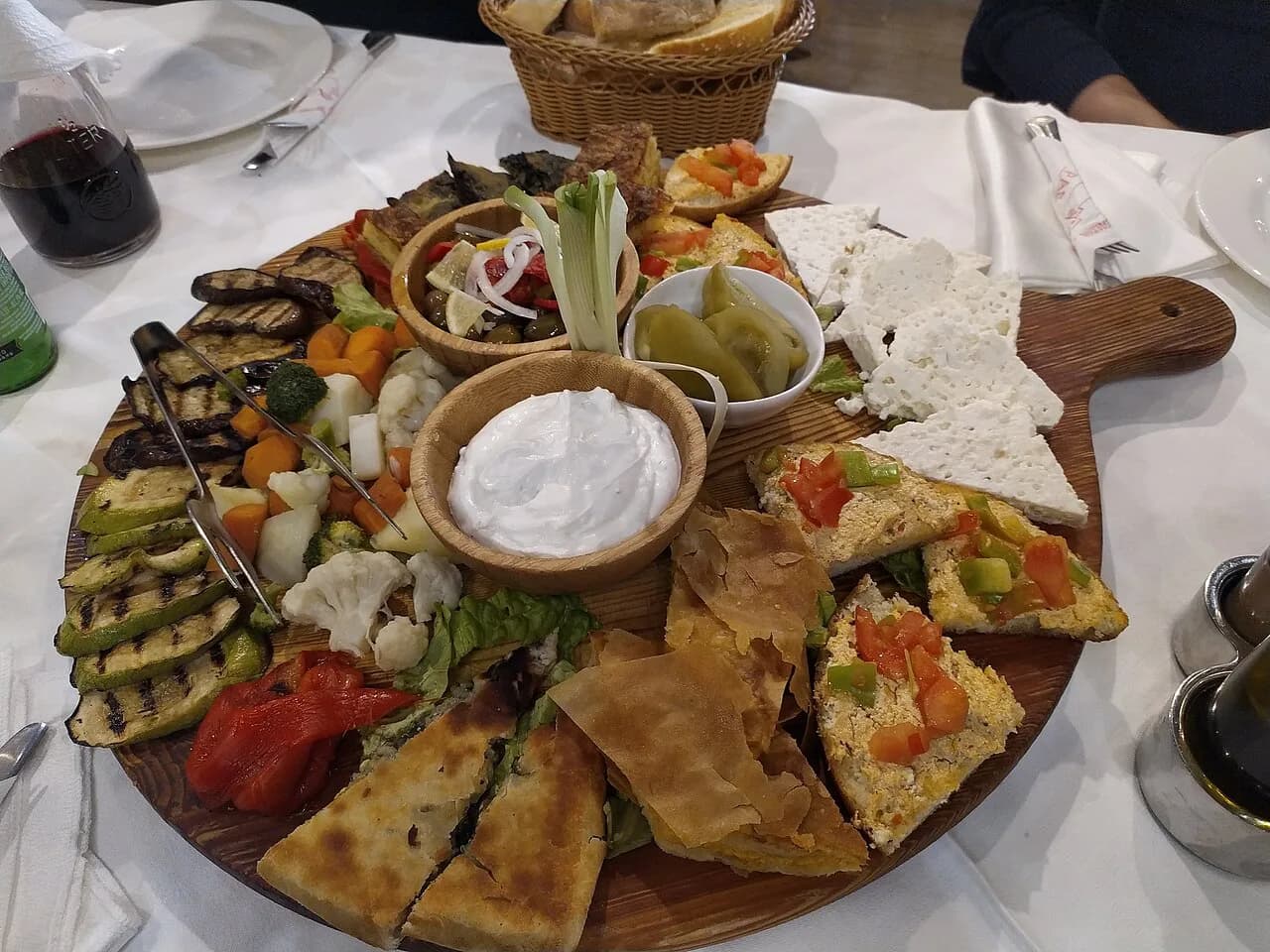
Ask four things. First, the maximum group size, since 12 people and 30 people make for different days. Second, what is included: meals, entry fees and transport are often listed separately, and a source notes that homemade cheese, bread and raki appear in traditional mountain stays rather than every hotel dinner. Third, the pace, meaning how many one-night stops the route contains. Fourth, how much free time each day allows.
Be specific about the towns you care about. If Berat's old town and Gjirokastër's castle are the point of the trip, check the hours you get in each rather than the days. If a source's itinerary language is promotional, ignore the adjectives and count nights, walking hours and included meals.
Booking from the UK: operators, departure dates and prices as listed
Several UK operators publish Albania programmes with dated departures. Intrepid's UK site lists Albania trips with departure dates running into 2027 and prices from a stated figure, and these are listed prices tied to those departures rather than quotes for today. Compare like with like: a nine-day Albania Adventure and a longer multi-country route are not the same product.
TourRadar aggregates Albania trips from multiple brands, which helps you compare routes across companies. Use the listing to shortlist, then book through the company named on each itinerary, and confirm what the final invoice covers, as conditions can change before you commit.
Which tour shape fits your trip
Choose a small-group departure if you want the route planned and the company of other travellers; choose tailor-made or private if your dates or interests are fixed; use day tours to cover a single site from a base; and pick an activity tour only if the grading matches your fitness. For a week or two in Albania, a single-country small-group route or a tailor-made trip built on the same towns gives the most coverage with room to linger.
Whichever you book, ask for the day-by-day hours, check what is included and confirm the current price and departure with the tour company before paying.
Explore more Albania guides
Frequently Asked Questions
What is the best month to visit Albania?
Spring and autumn are the practical windows: Titan Travel names April to June and September to October as the best months, to avoid the extremes of summer and winter. Intrepid notes that May and October offer milder weather and fewer tourists than peak summer, while heavy snowfall is common in the Albanian Alps from November to March. Coastal summer is hot and busy, so shoulder-season departures suit most tours.
Is it safe to visit Albania right now?
Your own country's official travel advice is the source that reflects current conditions. For the tour itself, ask about group size, mountain-road conditions and what happens if weather changes the itinerary in the Alps.
Do and don'ts in Albania?
Carry cash in lek for small places, since the currency is the Albanian lek, and expect homemade cheese, bread and raki in traditional mountain stays. Dress modestly at mosques and churches, and ask before photographing people. In the Alps and on mountain roads, allow more time than the distance suggests.
How much of Albania do multi-country Balkan tours cover?
It varies. Intrepid lists trips that combine Albania with neighbouring countries, such as Western Balkans Uncovered and Kosovo, Albania & Macedonia Explorer, so Albania gets a share of the days. Count the nights in Albania and check which regions they fall in before booking.
Sources
Notes for your Albania trip
Optional updates to our Albania town guides.
You might also like
Continue reading
More guides you'll find useful