Eating in Durrës: What to Order and Where to Find It
A practical guide to eating in Durrës: Albanian dishes worth ordering, where they sit in the city, and how to judge a restaurant before you sit down.
On this page
Eat in Durrës for two things: fish and seafood from the Adriatic, and the Albanian staples that turn up on almost every menu in the city. Plan your main seafood meal for the promenade and keep the meals around the amphitheatre, castle and Fatih Mosque for byrek, grilled meat and slow-baked dishes. This guide covers what to order, which part of the city suits which meal, and how to read a menu before you commit.
It does not rank restaurants. What follows is a way of choosing by dish and by area, with the city's monuments used as landmarks rather than as a list of venues.
What Durrës does well on a plate
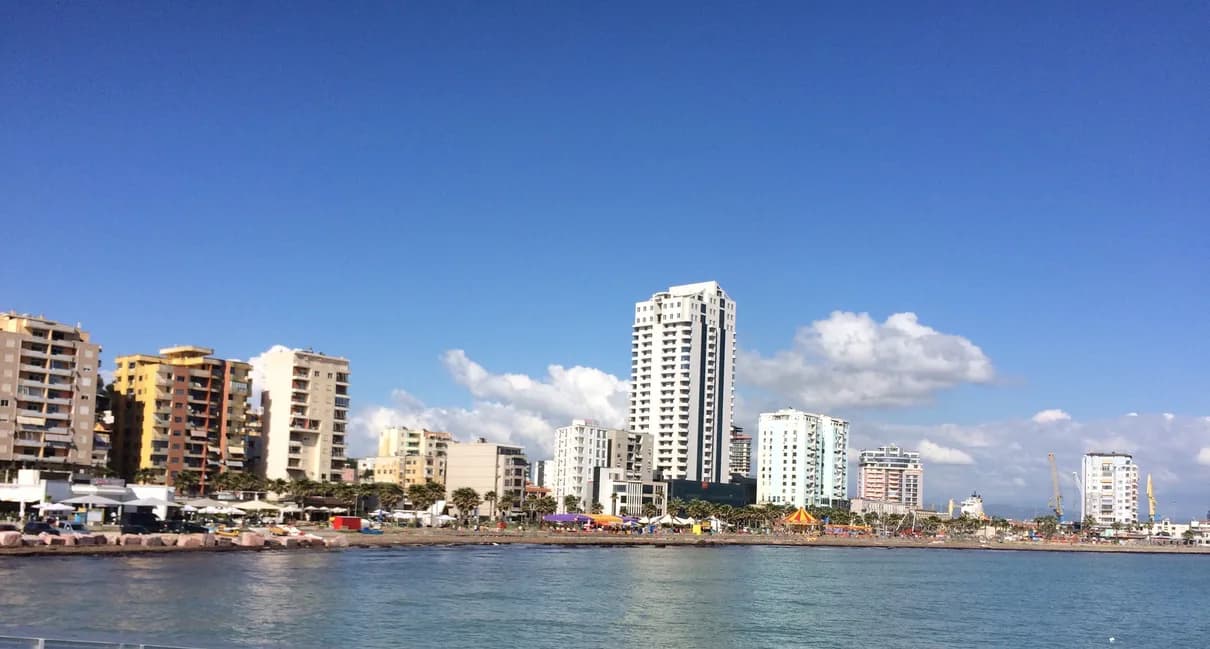
Durrës sits on the Adriatic coast, and the official tourism site describes the seaside promenade as the strip where the city's restaurants, hotels and cultural venues cluster. That geography shapes the eating: sea fish, mussels and squid belong to the waterfront, while the compact historic centre handles quicker, cheaper food. The same official guide lists dishes rooted in the city, including mussels with lemon, fish soup, squid casserole and a baked fish casserole with vegetables.
Away from the water, Durrës eats like the rest of lowland Albania. Byrek pastry, Tavë Kosi (baked lamb with rice in a yoghurt custard), Fërgesë (peppers, tomato and cheese baked in a clay dish) and grilled meat are the working menu rather than the special-occasion one. Sweets show the Ottoman and coastal overlap: the tourism site lists revani, a syrup-soaked sweet, and a syrup-soaked sweet cookie among Durrës' food traditions.
The dishes to order first
Start with byrek. It is the Albanian answer to a quick breakfast or midday stop: thin pastry layered or rolled around spinach, cheese, or minced meat, sold by the piece and eaten on the spot. It is the cheapest way to eat well in Durrës and the easiest thing to find near the market streets and busier corners of the centre.
Tavë kosi is the dish to order when you want one plate that explains Albanian home cooking: lamb baked with rice under a set yoghurt topping. Fërgesë is the vegetarian counterpart, often made with peppers, tomato and a mild white cheese. Both are lunch dishes in practice, and both are heavy enough that you will not want a starter.
Grilled meat covers the rest: qofte (minced meat rissoles), pork or chicken skewers, and liver. Order it with a chopped salad, bread and a yoghurt drink. On the coast, the same grill usually handles fish and squid, so a single kitchen can serve a meat eater and a seafood eater at the same table.
Eating near the monuments
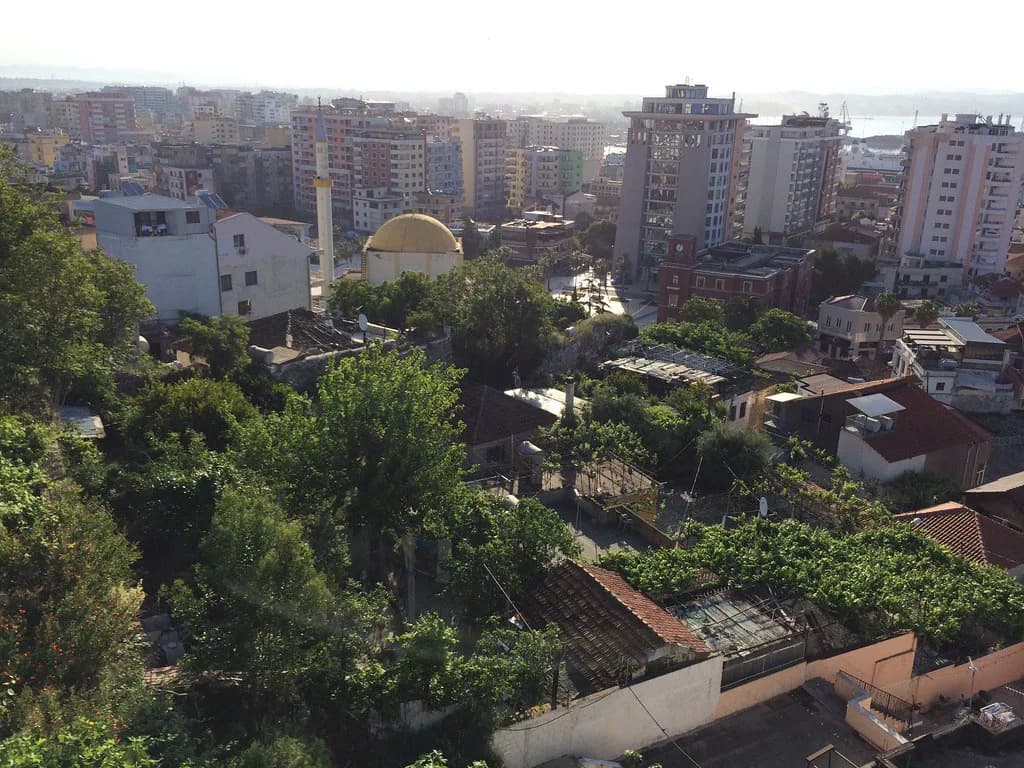
The Fatih Mosque, also called the Small Mosque or the Old Mosque, sits near the Roman Amphitheatre and the castle walls, which makes this cluster the natural stop for a meal in the middle of a sightseeing day. The mosque was built in 1502–1503 on the ruins of an early Christian basilica and still serves as a place of worship, so keep to the lanes around it rather than planning a picnic in the courtyard.
Treat this area as the lunch zone: the lanes near the amphitheatre, castle and Fatih Mosque are where you head for a quick midday meal before or after sightseeing, since the mosque stands near the Roman Amphitheatre and the castle. For the wider set of sights that frame these meals, the Things to Do in Durrës guide maps the amphitheatre, castle and museum against the same streets.
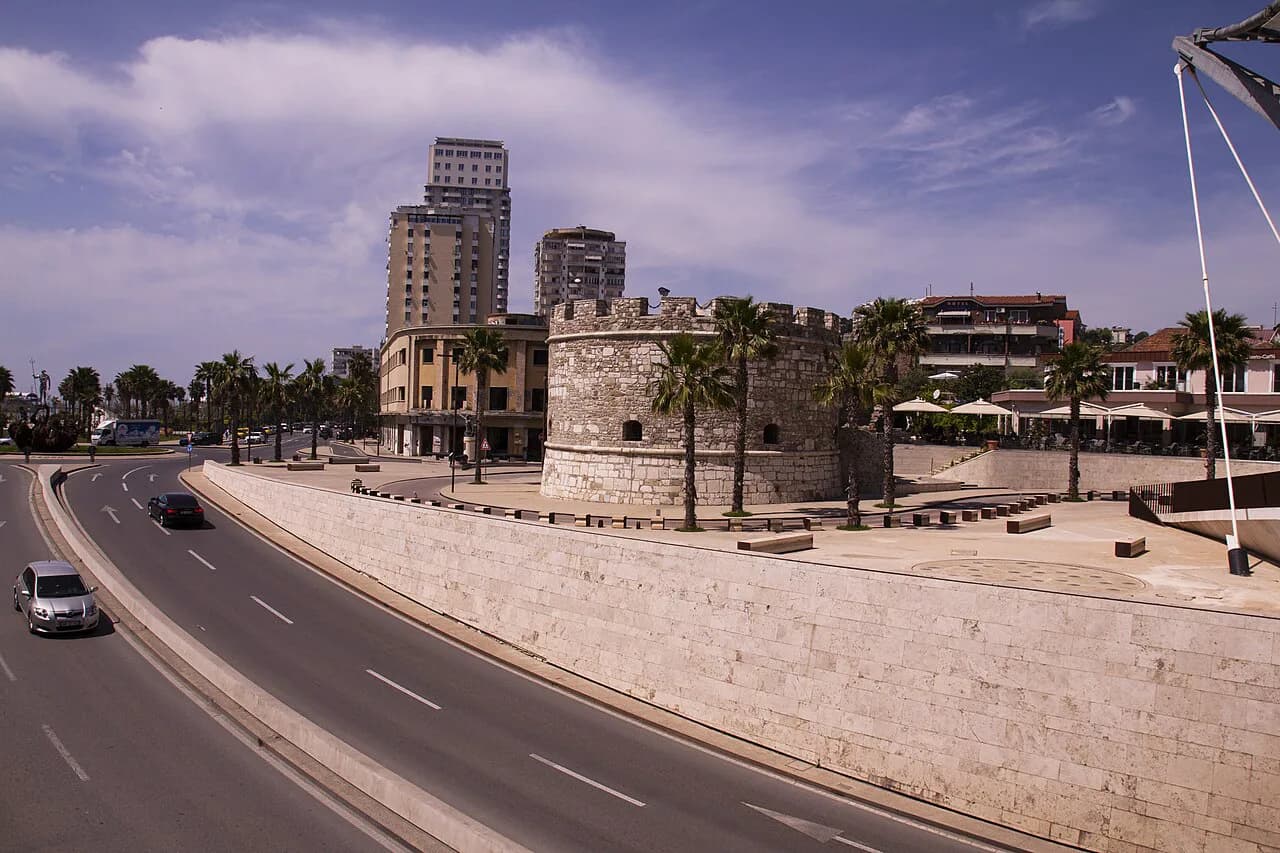
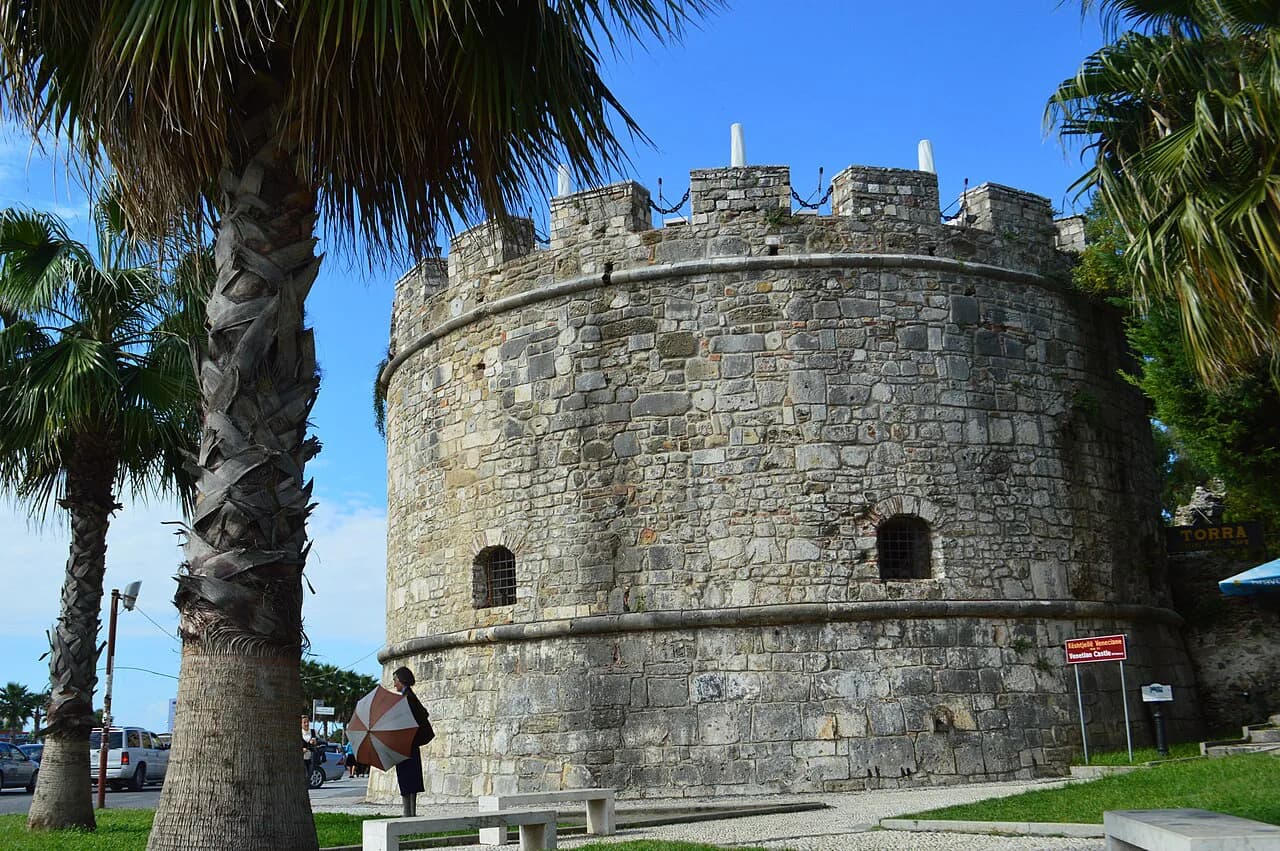
Durrës Castle encloses the oldest part of the city with its fifth-century walls and later Venetian additions, and the lanes inside and immediately around it are part of the same compact historic centre you walk between sights. Durrës Attractions: 6 Visitor Guides covers the castle, amphitheatre and museum individually if you want to build a route, and the Durrës Map shows how they sit together.
Eating along the seaside promenade
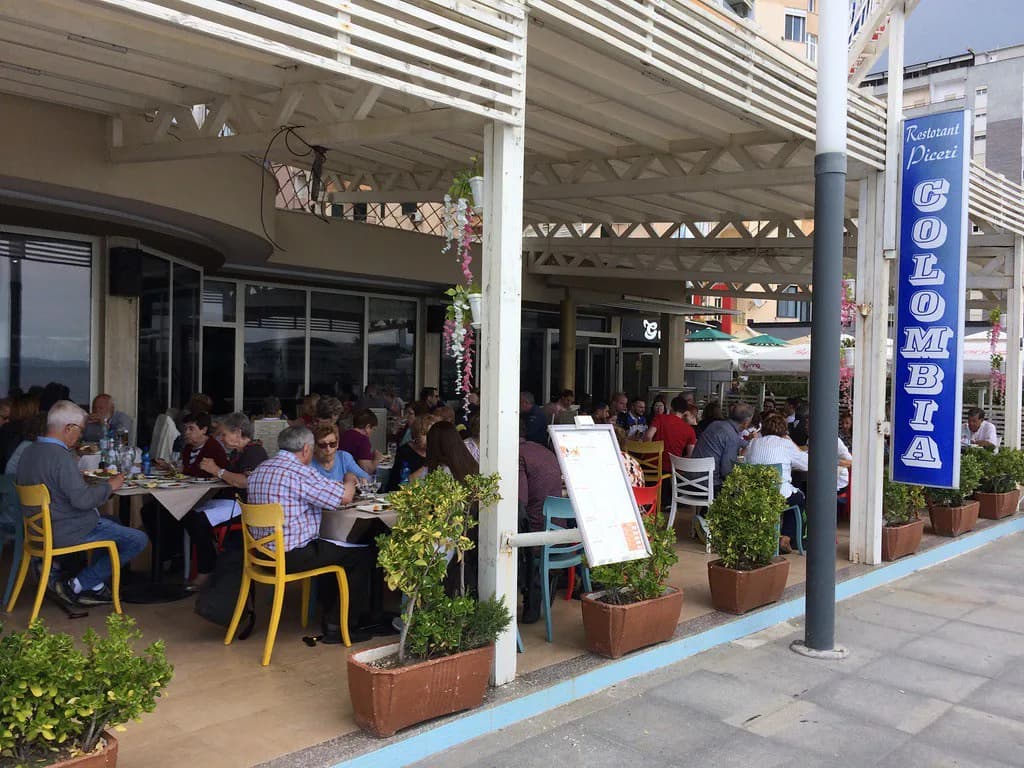
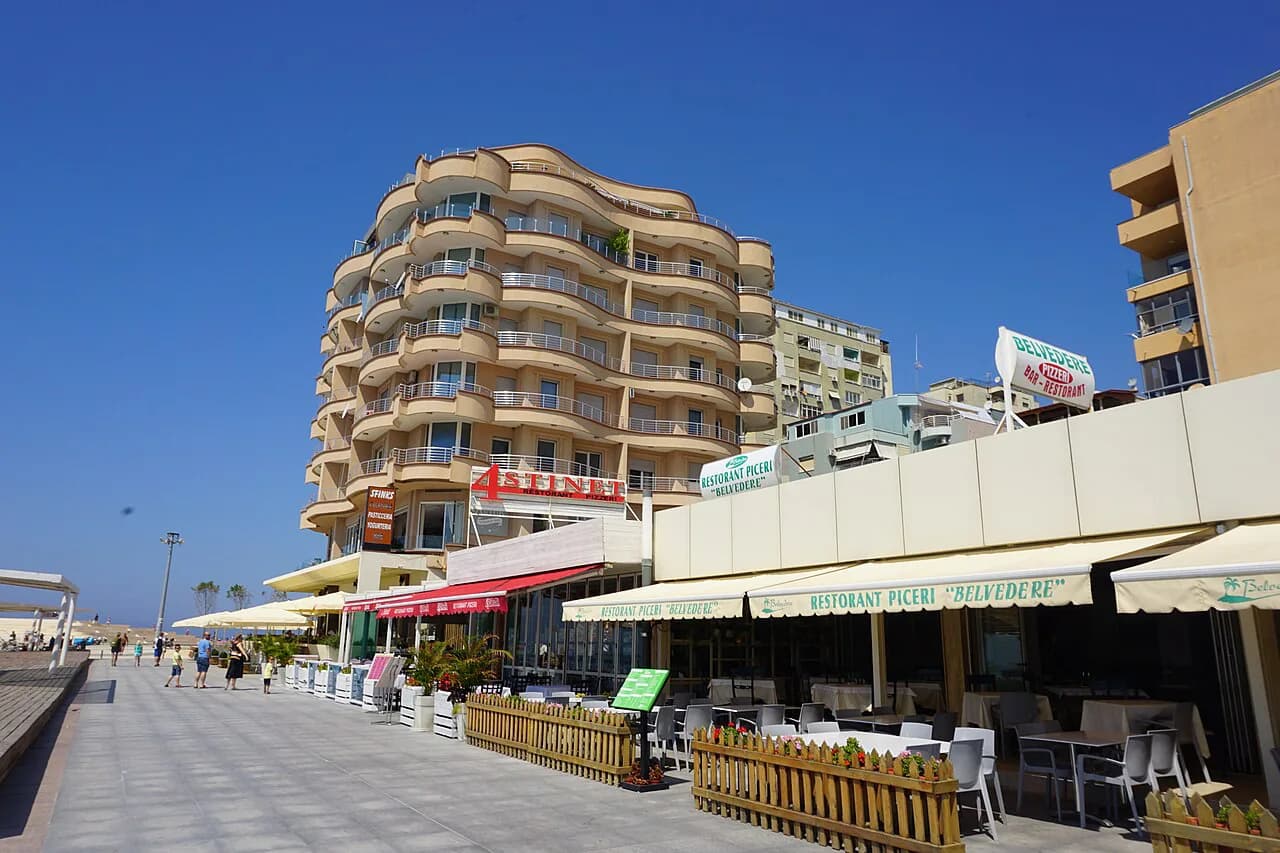
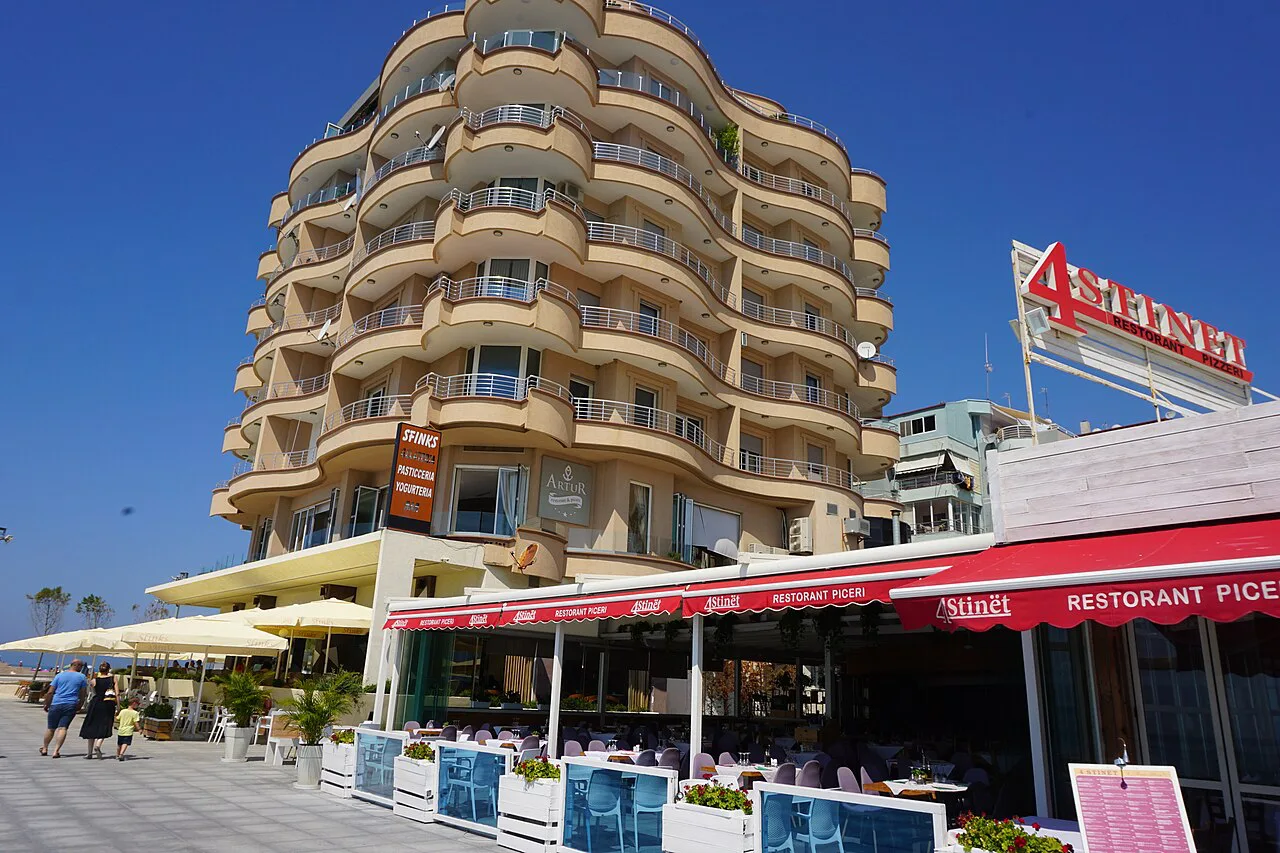
The promenade is where Durrës eats by the sea. The official city guide describes the seafront as a modern space for rest and recreation lined with restaurants, hotels, art galleries and cultural venues, so the tables facing the water are the ones set up for a long lunch or an evening meal. Mussels, squid and fish are the dishes the tourism site lists among the city's coastal food.
The promenade is set up for a long sit-down meal with a sea view, so keep the rest of the day's eating simple near the amphitheatre if you want to balance a big waterfront lunch against lighter meals. If you want one proper seafood meal in Durrës, make it the waterfront sitting.
South of the city, Golem Beach sits about 10 km away and the tourism site treats it as a separate beach destination. It is worth the trip only if you are already heading that way; the promenade keeps you in the city for the same coastal setting.
How to judge a Durrës restaurant before you commit
Read the menu at the door before you sit. A short menu in Albanian with an English version underneath is a better sign than a long illustrated one covering pizza, sushi and paella. If the Albanian column has dishes you recognise from this guide — Tavë Kosi, Fërgesë, qofte — the kitchen is cooking for local customers as well as visitors.
Fish sold by weight is the one number to settle first. Ask for the price per kilo and the approximate weight of the fish you are shown before it goes on the grill, and ask whether it is fresh or frozen. Agreeing both before it is cooked saves an awkward conversation at the end of the meal.
Timing matters. In the centre, lunch is the main sitting; along the promenade, dinner starts later and stretches longer. In summer, seafront tables fill up, so arrive early or eat late rather than queueing at peak time.
What a meal costs and how to pay
Prices in Albania are quoted in lek (ALL). Elsewhere in the city, bakeries and simple lunch places may not take cards, so it is worth carrying some cash alongside a card.
Budget by dish rather than by restaurant. Byrek and a coffee are a small outlay next to a grilled fish main, and a promenade seafood meal will be the biggest item of your day. If a seafood plate is priced far above the rest of the menu, ask what it includes before ordering.
Read the room as well as the menu. A busy dining room at lunchtime, a short menu and dishes you recognise from this guide are better evidence than a review score.
Practical notes for British and Irish travellers
Portions tend to be generous. A starter and a main per person is often more than you need; order a couple of starters and one main between two, then add a dish if you are still hungry.
Tap water is not the default. Ask for bottled water or a jug if the restaurant offers one, and specify still or sparkling. Coffee is strong and short; if you want a long milky coffee, order a macchiato or a cappuccino.
Tipping is not compulsory and is usually left as small change or rounded up on a card payment. For the sights that surround these meals, the Durrës history guide covers the city's background.
Vegetarians are well served by the mezze side of the menu: Fërgesë, grilled peppers, aubergine, bean dishes, salads and byrek with spinach or cheese. Say mishi jo (no meat) if you are ordering a dish that might arrive with minced meat, and check whether the soup has been made with meat stock.
Which Durrës meal should you plan first?
Book your seafood meal on the promenade and keep everything else in the old centre. That gives you one long, view-led lunch or dinner and a run of cheap, fast meals around the amphitheatre and castle, which is the pattern that fits how the city is laid out.
Order byrek early, Tavë Kosi or Fërgesë at lunch, and grilled fish or meat in the evening. Settle the fish price per kilo before it reaches the grill, pay in lek, and use a short Albanian menu as your main test of a restaurant rather than a review score.
Explore more Durres guides
Frequently Asked Questions
What Albanian dishes should I try in Durrës?
The tourism site lists Durrës dishes including mussels with lemon, fish soup, squid casserole and a baked fish casserole with vegetables, and sweets such as revani. Elsewhere on Albanian menus, byrek pastry, Tavë Kosi (baked lamb with rice under a yoghurt custard), Fërgesë (peppers and cheese baked in a clay dish), qofte and grilled meat are the everyday staples.
Where should I eat seafood in Durrës?
The promenade is the seafront strip the official city guide describes as lined with restaurants, hotels, art galleries and cultural venues, so the water-facing tables are the natural place for a long seafood lunch or dinner. The lanes near the amphitheatre, castle and Fatih Mosque suit quicker, cheaper meals.
How much is food in Durrës?
Prices differ sharply between a bakery and a promenade seafood table, so the useful checks are the menu at the door and the price per kilo for fish. Ask for the per-kilo price and the weight before a fish is grilled, and pay in lek.
What should I drink with a meal in Durrës?
Ask for bottled water or a jug if the restaurant offers one, and specify still or sparkling. Coffee is strong and short; if you want a long milky coffee, order a macchiato or a cappuccino.
Sources
Notes for your Albania trip
Optional updates to our Albania town guides.
You might also like
Continue reading
More guides you'll find useful