
Fatih Mosque, Durrës: What to See and How Long It Takes
The Fatih Mosque is a small Ottoman mosque in central Durrës, on Rruga Xhamia near the main square, and it takes about 15 to 20 minutes to look round. It is worth a stop because its tiled roof and reused basilica brickwork make it look quite unlike the domed mosques most visitors picture.
Plan it as one stop on a walk through the old centre rather than a separate outing. The mosque stands near the main square, close to the Roman Amphitheatre and the castle, and our Durres Attractions: 6 Visitor Guides maps the other stops in the same compact area. Because the building still serves the Muslim community, treat it as a place of worship first and a monument second.
What the Fatih Mosque is and where it stands in Durrës
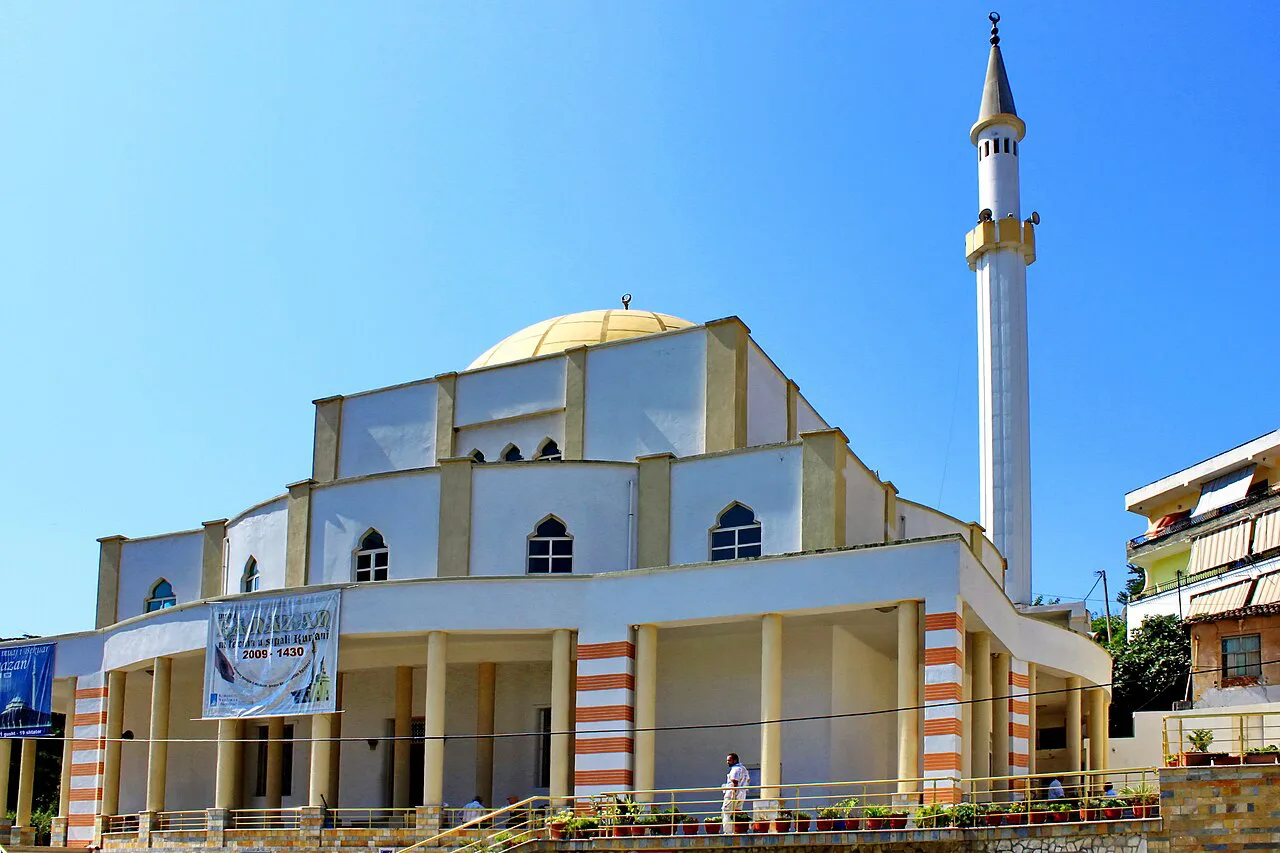
The Fatih Mosque, also called the Small Mosque or the Old Mosque, stands on Rruga Xhamia in central Durrës, close to the main square. It was built in 1502–1503, just after the Ottoman conquest of the city, and takes its name from Sultan Mehmed the Conqueror. The official tourism site calls it one of the oldest monuments of Islamic worship in Albania.
It is a modest building by the standards of Ottoman mosque architecture, laid out on a quadrangular plan and topped with a tiled roof. The walls incorporate older fabric: the mosque went up on the ruins of an early Christian basilica, and fragments of that earlier brickwork survive. In 1973 it was declared a Cultural Monument of the Republic of Albania.
It remains an active place of worship, which shapes how you visit: you are stepping into a working prayer space rather than a museum room. Follow any instructions posted at the entrance, keep noise low, and accept that internal arrangements may differ from your last visit.

How to get there: Rruga Xhamia, near the main square
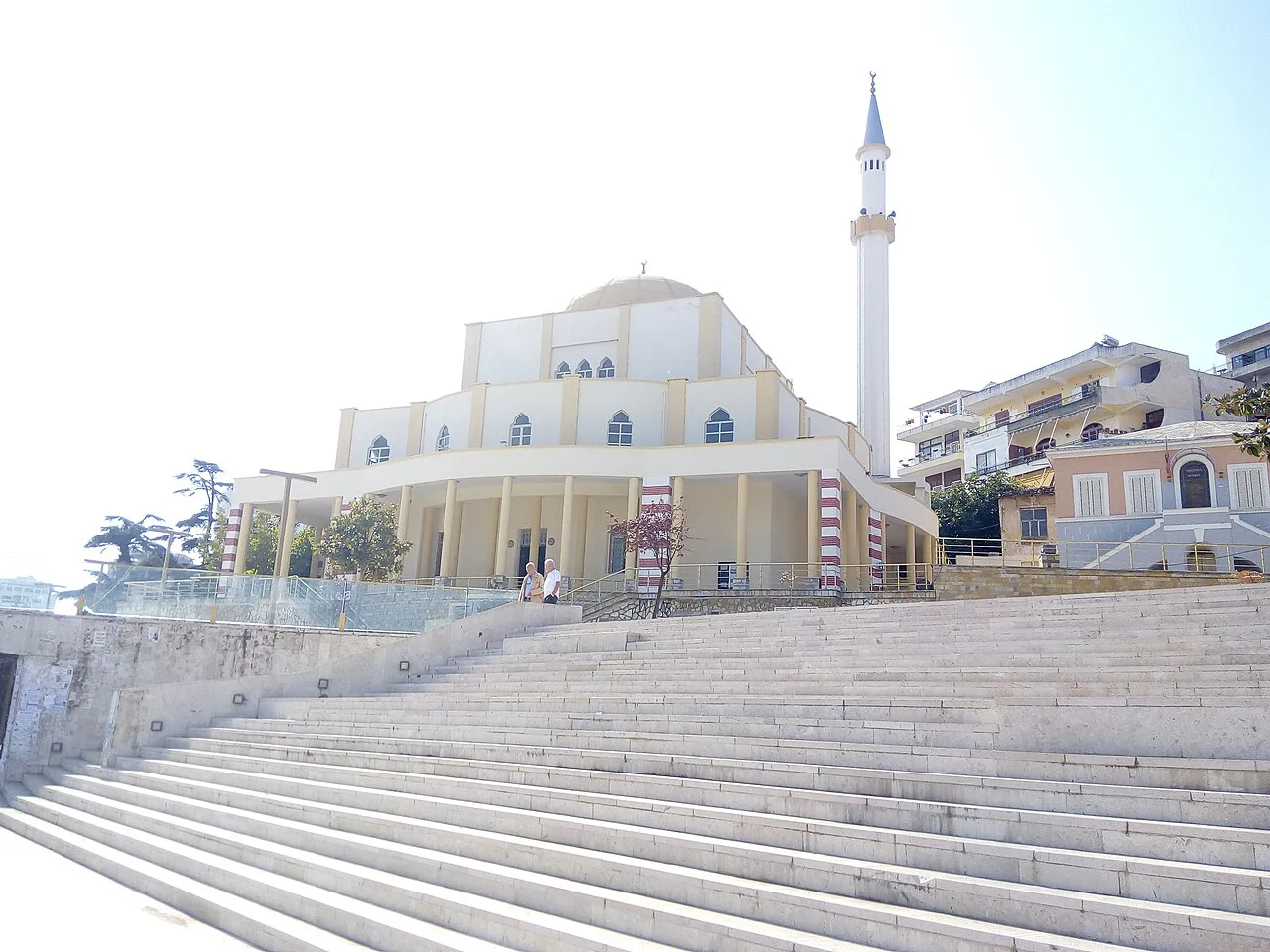
The address is Fatih Mosque, Rruga Xhamia, Durrës, at roughly 41.311 latitude and 19.446 longitude. Everything in the historic centre is close: from the main square you walk to the mosque in a few minutes, and it sits beside the amphitheatre and the castle rather than out in the suburbs.
Most visitors reach central Durrës on foot, by city bus or by taxi from the port or the beachfront, then walk the last stretch. Rruga Xhamia is a street in the dense old quarter, so parking directly outside is limited and a car is more hindrance than help for this stop.
Walking is the practical choice because the surrounding lanes are narrow and the distances short. Wear shoes you can walk in on paving and occasional uneven surfaces, and carry water in summer. The mosque door is not a through-route, so you will double back to reach the next sight.

What to look for: the tiled roof, plan, minaret and reused basilica walls
Start with the roof. Unlike many other Ottoman mosques, which are covered by domes, the Fatih Mosque is roofed with tiles over a square plan, and that is what gives it its distinctive outline. Look up before you go in, because the exterior profile is the building's most memorable feature.
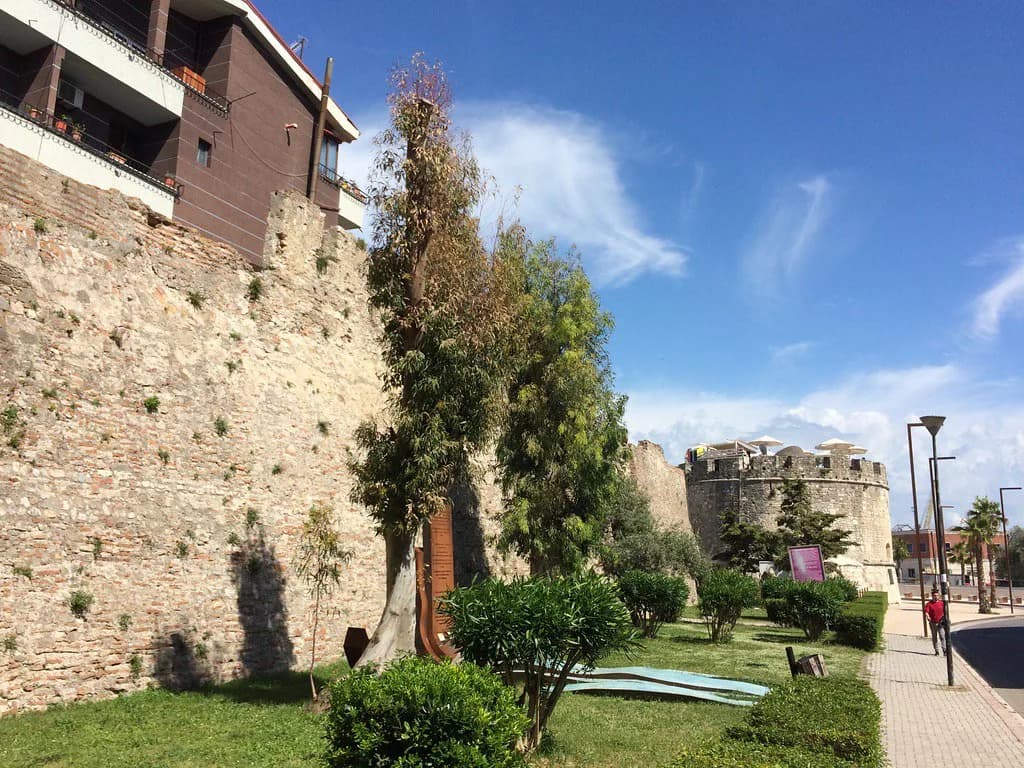
Then look at the walls. The mosque was built on the ruins of an early Christian basilica, and fragments of brickwork from that earlier structure are still visible, including northern arcades and a western wall rebuilt in cloisonné technique dating to the 13th–14th centuries. Knowing this turns a plain wall into the most interesting thing on the site: you are looking at two buildings in one.
The minaret you see is a simpler rebuild. The original collapsed during the atheist regime, and the minaret was reconstructed afterwards in a plainer style. It is a useful reminder that the building's fabric records the twentieth century as well as the sixteenth.
Inside, watch the proportions of the prayer hall and the way light falls through the windows rather than the furnishings, which are modest. The mosque is a small building, so a slow circuit of the exterior and a short time inside covers it.
How long to allow and when to go
Allow 15 to 20 minutes for the mosque itself, and rather more if you want to study the reused masonry closely. It is a short stop, not a half-day, and it works best slotted between the amphitheatre and the castle. Budget a couple of hours for the whole cluster of central sights.
Time your visit around prayer rather than against it. A working mosque is busiest at the daily prayers and at Friday midday prayer, so aim for the quieter stretches between them and be ready to return if the door is busy. Durrës summers are hot and the old centre offers little shade on the street, so morning or late afternoon is more comfortable for the walk between sights.
Weekdays are calmer than weekends in the centre, particularly in high summer when the port and beachfront draw crowds. If you are combining the mosque with the castle, do the outdoor stops earlier and the interior ones later.
Tickets, opening hours and dress: how to check before you go
Visitor access to a working mosque depends on the day, so treat the Fatih Mosque as a place you may find open rather than one you can book a slot for. Ask at your accommodation or the local tourist information point on the day, or check the AKT tourism page for the mosque before setting out.
Dress for a working mosque: shoulders and knees covered, shoes removed at the threshold, and a headscarf for women is the safe default. Keep voices low and avoid walking in front of anyone praying. These are courtesies rather than ticketed rules, and they apply whether or not anyone is at the door to remind you.
If you combine the mosque with the amphitheatre or the castle, those sites set their own hours and charges, so sort each one separately. Treat the mosque as the flexible part of the day and build the fixed-time stops around it.
What's nearby: the Roman Amphitheatre, Durrës Castle and the city centre
The Durrës Amphitheatre lies a short walk away and is the obvious pairing with the mosque, since both sit in the same compact historic core. It is a separate site with its own access arrangements, so check those before you go rather than assuming the two open together.
Durrës Castle and its tower sit nearby too, and climbing the tower gives you a view back over the rooftops you have just walked through. The Venetian Tower (Kulla Veneciane) in Durrës is a good way to orient yourself before or after the mosque, particularly if this is your first hour in the city.
For more context on the city's long layers of occupation, the Durrës Archaeological Museum and the Byzantine Forum are both within the centre and reward an hour each. The forum in particular makes sense straight after the mosque, since it shows the Roman streets the later Ottoman town was built over, and the museum holds the finds from those excavations.
If you have a car or a taxi, the King Zog Villa on the edge of the city makes a contrasting stop on the same day, moving from Ottoman religious architecture to twentieth-century royal taste. Otherwise, stay on foot in the centre and finish with a walk along the waterfront.
Is the Fatih Mosque worth the stop?
Yes, if you are already in central Durrës for the amphitheatre and castle, because the mosque adds about twenty minutes and a different layer of the city's history. Come for the tiled roof and the basilica brickwork rather than for scale or spectacle. Skip it only if you are pressed for time and the day's fixed-opening sights already fill your hours.
Build the visit into a single loop: main square, mosque, amphitheatre, castle tower. Keep the mosque's timing flexible around prayer and confirm access on the day, since a working place of worship sets its own rhythm.
Explore more Durres guides
Frequently Asked Questions
Is the Fatih Mosque free to enter?
No entry price is given for the mosque, and it functions as an active place of worship rather than a ticketed monument. Ask locally or check the AKT tourism page for current visitor arrangements before you go.
How old is the Fatih Mosque in Durrës?
It was built in 1502–1503, shortly after the Ottoman conquest of Durrës, and was named after Sultan Mehmed the Conqueror. It was declared a Cultural Monument of the Republic of Albania in 1973.
Why does the Fatih Mosque look different from other Ottoman mosques?
It is covered with a tiled roof over a quadrangular plan rather than the domes typical of many Ottoman mosques. Its walls also preserve brickwork from the early Christian basilica that stood on the site before the mosque was built.