Durrës Promenade: The Vollga Seafront Walk and What's on It
A practical guide to the Durrës promenade, Shëtitorja Vollga, covering the seafront walk, the Sfinksi platform and the sights just inland.
On this page
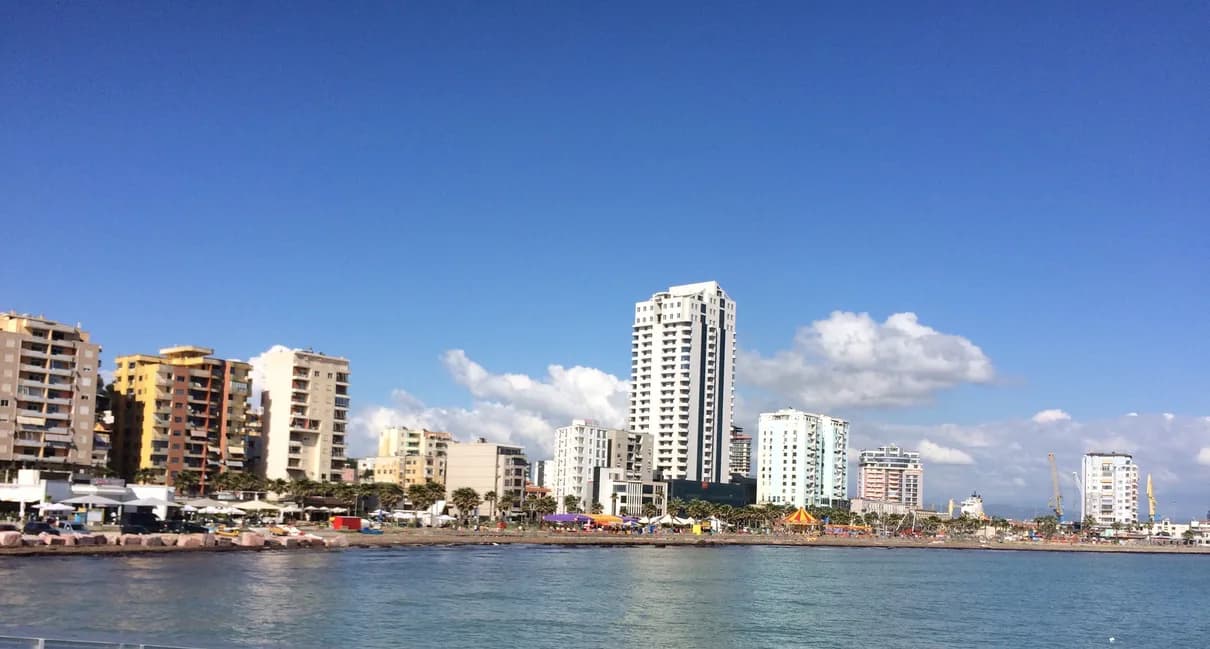
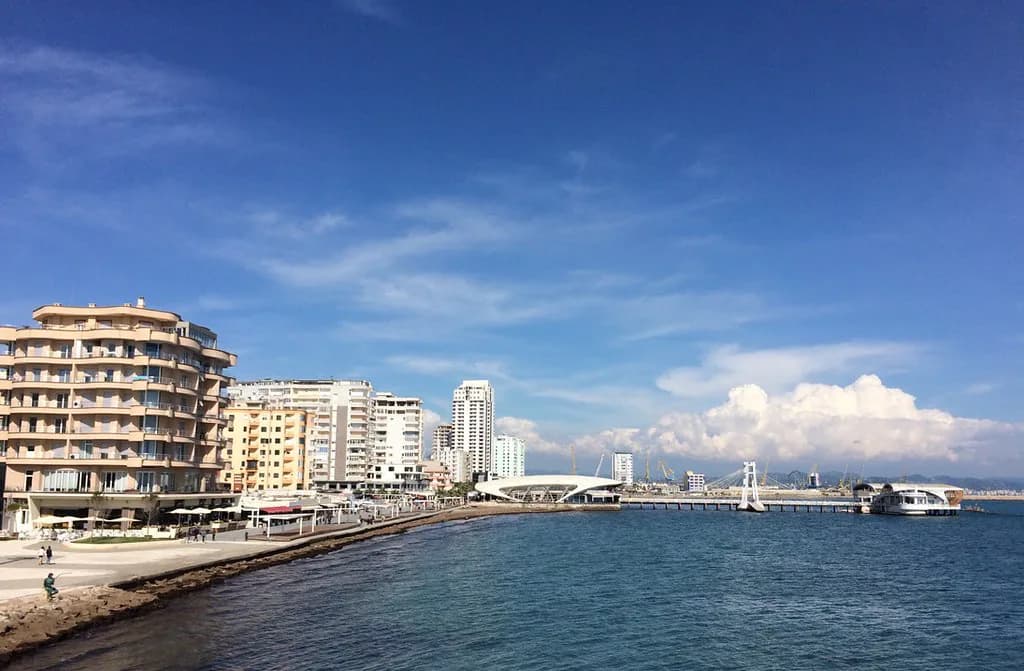
The Durrës promenade, Shëtitorja Vollga, is a seafront walk and urban park along the Adriatic waterfront beside the central core. Treat it as a stroll with a sea view, then build the amphitheatre, museum and old walls around it. This guide covers what lines the walk, how long to give it, the Sfinksi landmark, the sights just inland and the parking and timing trade-offs.
Durrës is compact and walkable in the centre, which is why the promenade works best as the finish to a half-day rather than a separate outing. Plan the inland sights first, then come down to the water as the light softens.
What Shëtitorja Vollga actually is
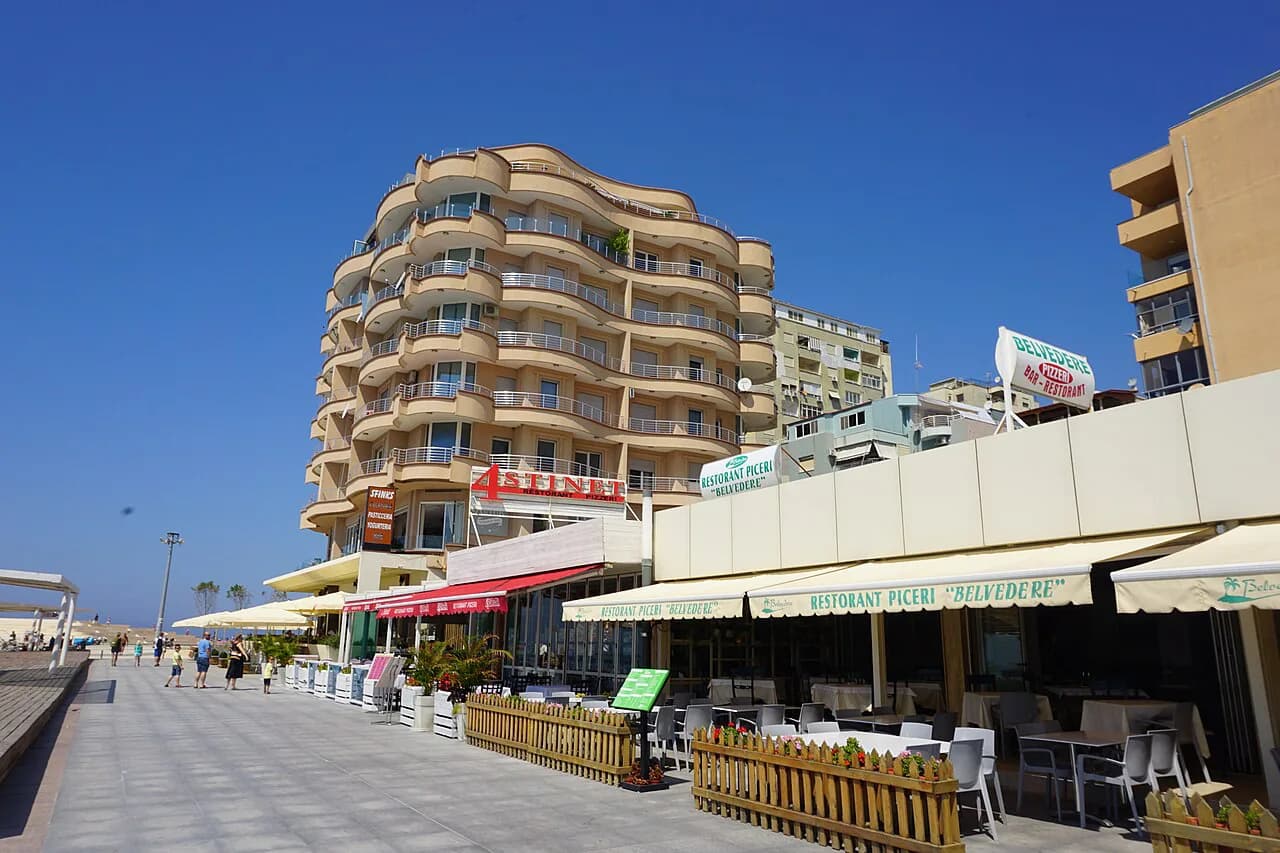
Shëtitorja Vollga runs along Durrës's Adriatic waterfront near the central core, functioning as both promenade and public park. You join it wherever a side street meets the sea, which is why it rewards a slow pace rather than a checklist: the walk itself is the sight.
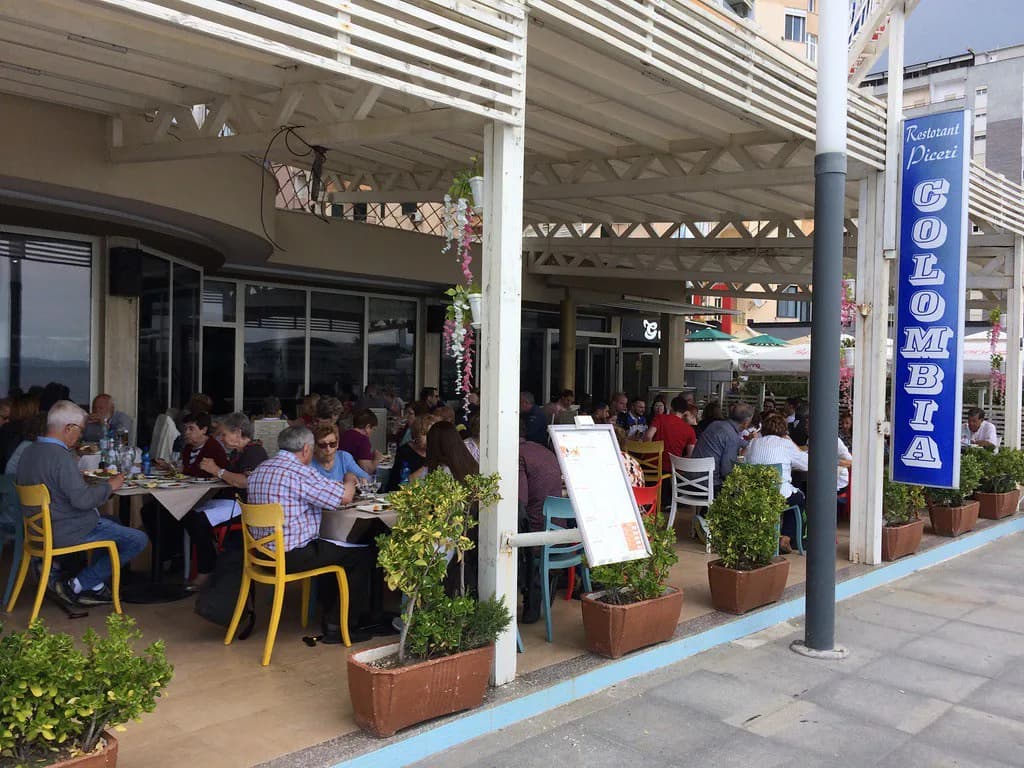
Think of it as the seam between the modern resort city and the layered old core. Cafés, palms and open paving face the water on one side, and streets leading back into the centre sit on the other. If you are weighing up the city's other stops, our guide to things to do in Durres sets the promenade alongside them.
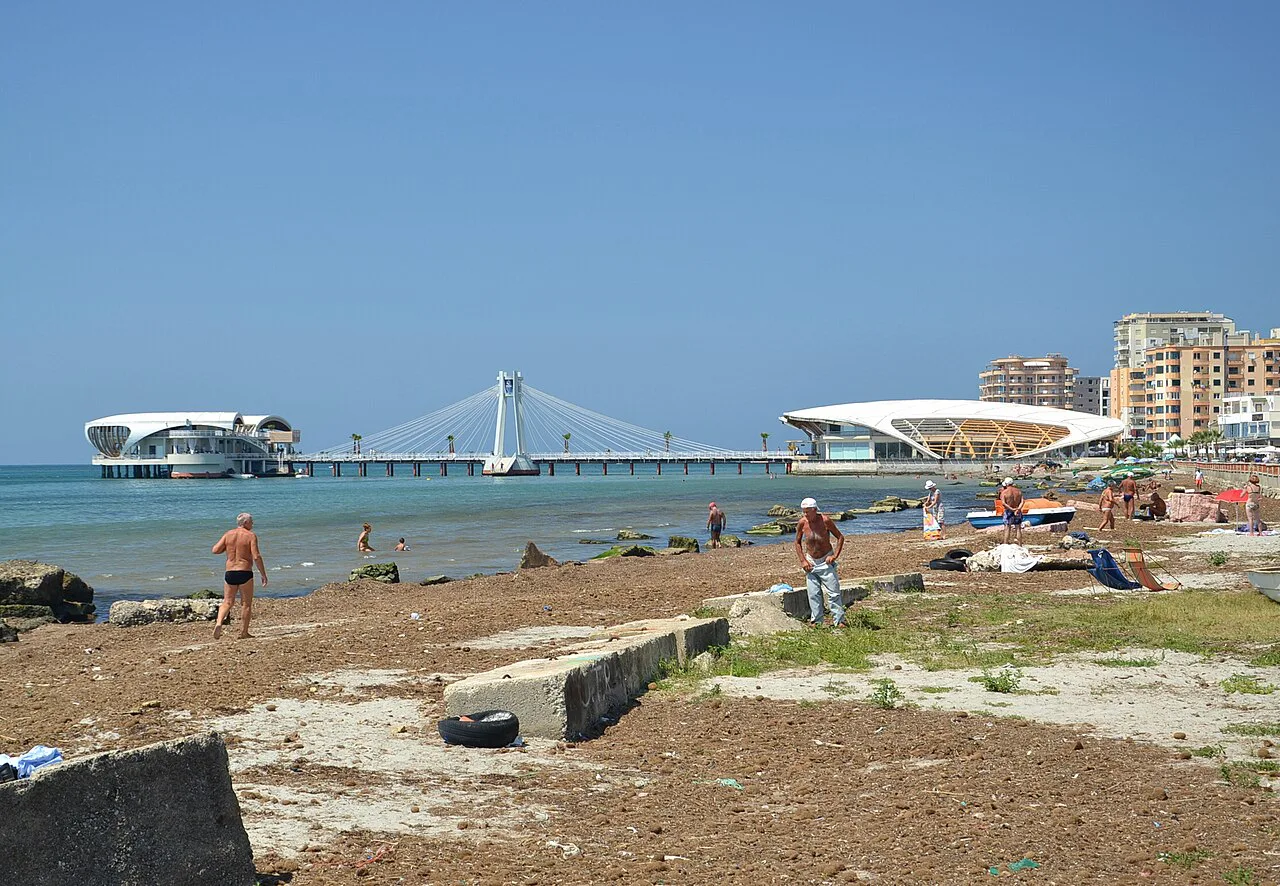
The Sfinksi: what the landmark is
The Sfinksi is a monument on Durrës's main promenade, built as a modern sea-viewing platform. Visitors describe it as a spot to climb for the outlook over the water rather than an ancient site. Knowing that in advance stops it being a puzzle: it is a piece of contemporary seafront design, not a relic with a story attached.
Use it as your turning point. Walk one way along the promenade, climb the platform for the view, then head back into the streets on the inland side.
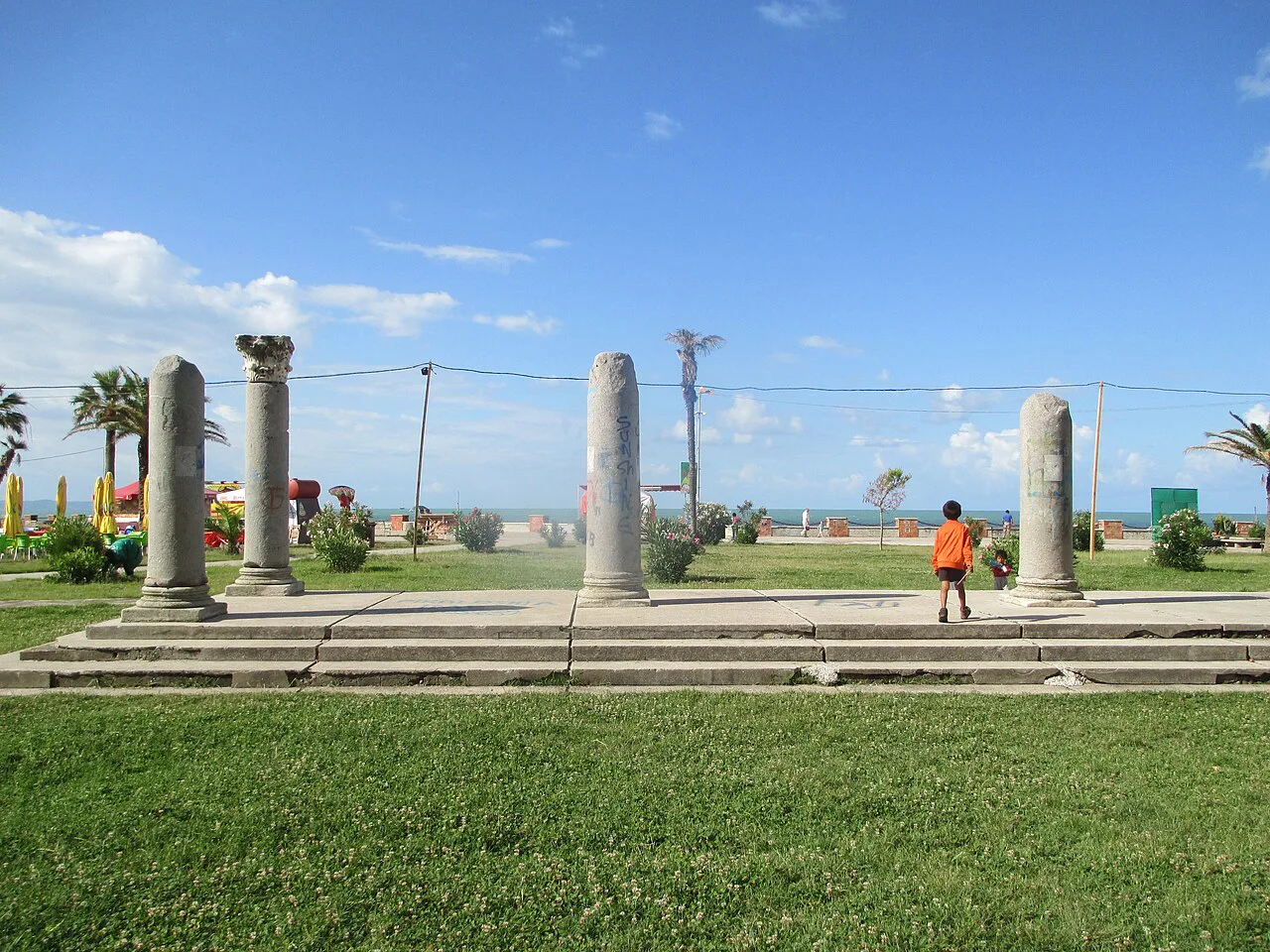
How long to allow
For a simple evening stroll, an hour along the promenade is enough to see the waterfront and the Sfinksi without rushing. For a half-day, give the promenade two hours or so and pair it with the compact inland core. The distances are short and the centre is walkable, so the constraint is heat and crowds rather than geography.
If you only have an afternoon, do the amphitheatre and museum first while your legs are fresh, then finish on the seafront. Streets in the historic centre are narrow, so park once and walk rather than moving the car between stops.
Sights just inland from the promenade
The Durrës Amphitheatre sits just above the modern city, a short uphill walk from the seafront with terraced seating and early Christian mosaics to look at. Allow a short climb and park on the surrounding streets or in a small lot. The Archaeological Museum of Durrës is about a block from the waterfront and is compact, so it fits neatly before or after a promenade walk.
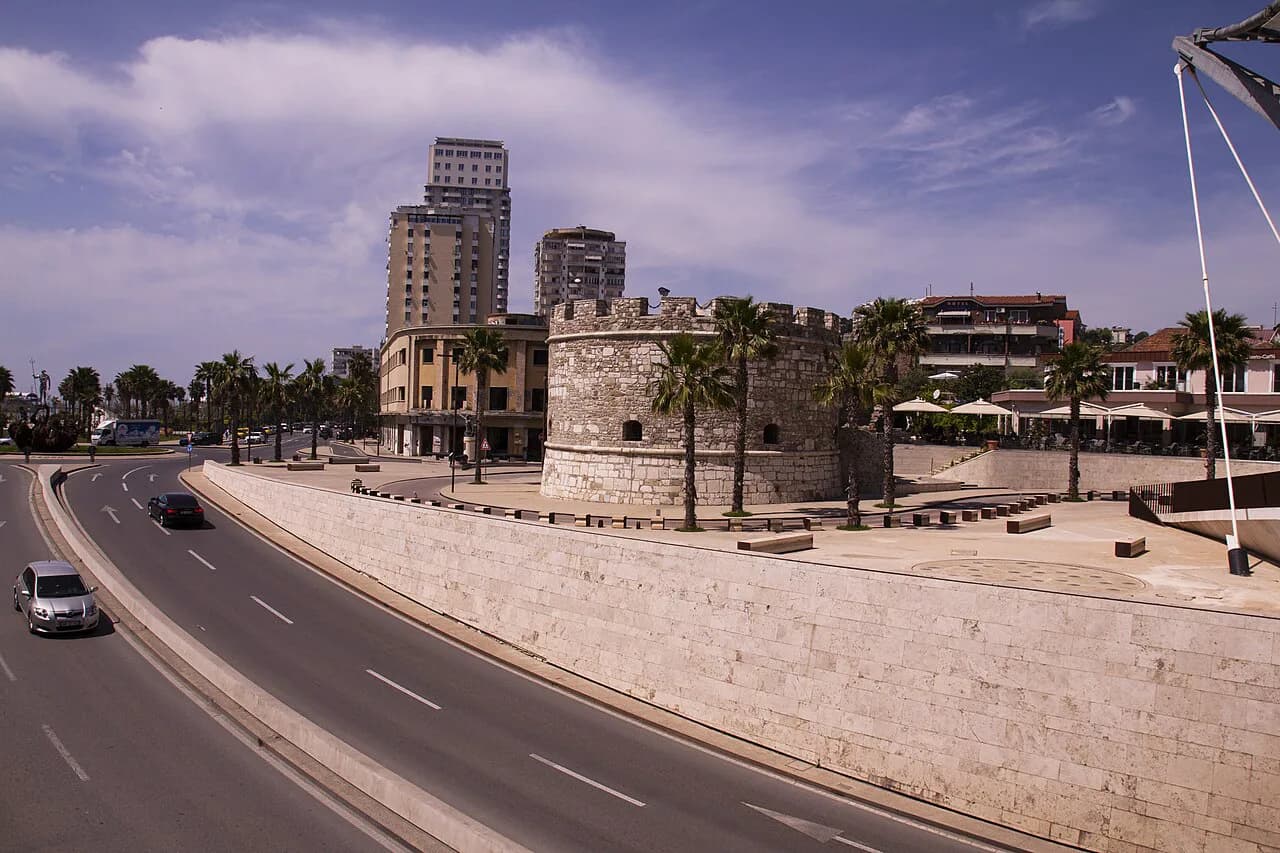
The Venetian Tower is a cylindrical remnant of the city's fortifications, and the surrounding walls weave through modern streets and café terraces. The Byzantine Forum, the Macellum of Durrës, is another stop in the same central cluster. Because these sit close together, string them into one loop and leave the seafront for last.
Our Durres Attractions: 6 Visitor Guides page covers each of these in more detail if you want to plan timings individually before you go.
Ordering the stops in a day
Start inland at the amphitheatre, move to the Archaeological Museum, then take in the Venetian Tower and the Byzantine Forum on foot. Finish on Shëtitorja Vollga with a drink facing the water. This order puts the climb and the walking first and leaves the flat, open promenade for when you are tired.
The train and bus links from Tirana make Durrës easy to reach without a car, but a car helps if you want the beaches and day trips beyond the city. By road, the SH2 connects Durrës with Tirana in roughly 35 to 45 minutes depending on traffic.
Parking and reaching the seafront
You will find paid street parking and private lots near the promenade and close to major sights such as the amphitheatre. In peak summer, arrive early for beachfront spots, because the seafront fills up first. Parking once and walking the whole cluster is simpler than hunting for a space at each stop.
If you are driving from elsewhere in Albania, expect roundabouts at major junctions and pedestrians near the promenade. Posted speed limits are typically around 50 km/h in town, higher on main roads, and signs on the ground take priority.
Crowds, heat and timing
Summer evenings are the busiest and the most comfortable stretch on the promenade; midday heat makes the open paving hard work. Arriving early also helps with parking in peak season. If you want the waterfront close to empty, the shoulder months are the easier bet.
Timing is about comfort rather than opening hours, and the open paving is most pleasant outside the midday heat. Build the day around the inland sights, which have their own visiting arrangements to check before you set out.
Beyond the promenade: the wider coast
Currila Beach and Durrës Beach sit outside the centre, and both need transport rather than a stroll from the promenade. The Fish Market of Durrës is another stop in the city itself. Use the promenade as your base and drive out for the rest.
For a full day out, the Cape of Rodon and Lalëz Bay are day trips by car from the city. Both are coastal detours rather than promenade extensions, so plan them as separate outings with your own vehicle.
Should you build your Durrës day around the promenade?
Yes, as the finish rather than the start. Walk the amphitheatre, museum, Venetian Tower and Byzantine Forum first, then let the promenade and the Sfinksi platform close the day by the water. That order gives you the sights while you have energy and the seafront when you want to slow down.
Park once near the centre, arrive early in peak summer, and keep the beaches and Cape of Rodon for a separate drive. For the rest of the city's stops, our things to do in Durrës guide fills in the detail. For the practical details, see the Durres map.
Explore more Durres guides
Frequently Asked Questions
What is Shëtitorja Vollga?
Shëtitorja Vollga is Durrës's seafront promenade and urban park, running along the Adriatic waterfront near the central core. It is a walk rather than a single ticketed sight, and it works best as the finish to a half-day in the city.
What is the Sfinksi on the Durrës promenade?
The Sfinksi is a monument on the main promenade, built as a modern sea-viewing platform. Visitors describe climbing it for the outlook over the water rather than viewing an ancient site.
How long should I allow for the Durrës promenade?
An hour covers an evening stroll along the waterfront and the Sfinksi. For a half-day, give the promenade around two hours and pair it with the compact inland core of amphitheatre, museum and Venetian Tower.
What should I see near the promenade?
The Durrës Amphitheatre sits just above the modern city, a short uphill walk from the seafront, and the Archaeological Museum of Durrës is about a block from the waterfront. The Venetian Tower and the Byzantine Forum are in the same central cluster.
Sources
Notes for your Albania trip
Optional updates to our Albania town guides.
You might also like
Continue reading
More guides you'll find useful