Durrës Market: What's Sold and How to Visit the Bazaar
Durrës market, often called the bazaar, is a working food market of figs, olives, herbs, honey and cheese rather than a souvenir souk. Here is how to fit it in.
On this page
Durrës market, often simply called the bazaar, is a working market of produce and everyday shopping rather than a craft or souvenir souk. Treat it as a functioning part of the city rather than an attraction with an entrance gate.
What the Durrës market actually is
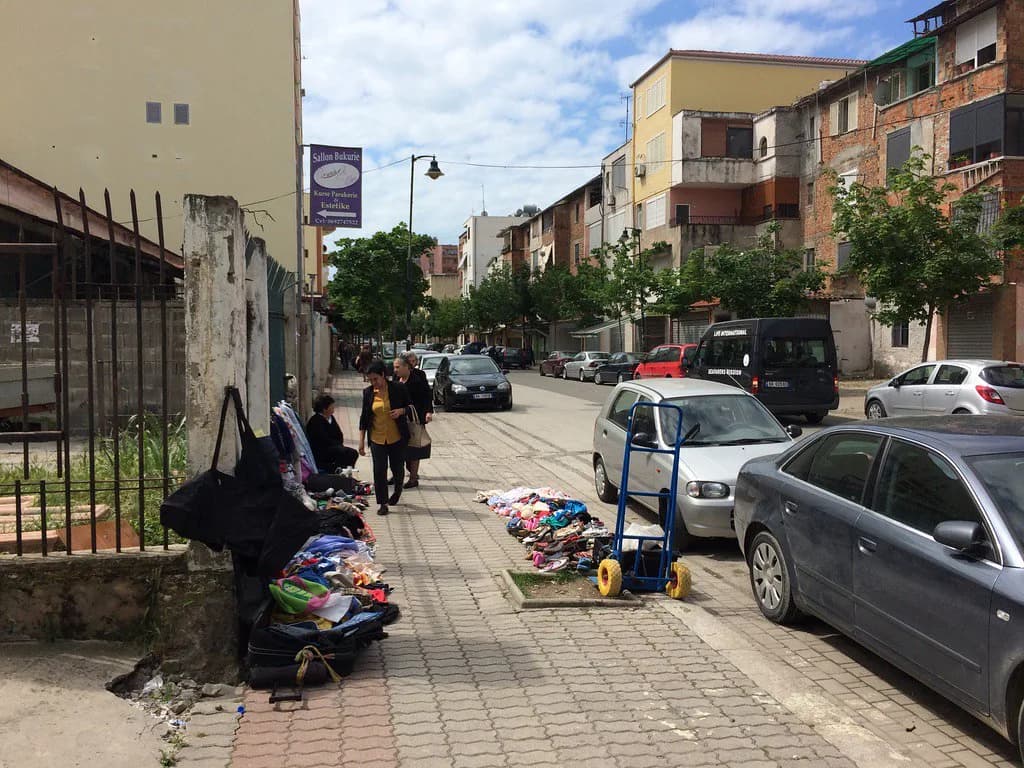
Durrës Central Market, often simply called the bazaar, is where locals shop for food. It is chaotic and colourful rather than curated, so treat it as a working part of the city rather than a staged attraction.
Do not confuse it with Krujë's old bazaar. A review of Pazari i Vjetër in Krujë describes that bazaar as recently renovated and suited to a short walk. Krujë is a separate town north of Tirana, so check the place name before you set off.
If your main aim is sightseeing, start with the wider list of Things to Do in Durrës and use the market as a stop along the way. It works best as one item in a morning rather than a destination in its own right.
Where it sits in the city
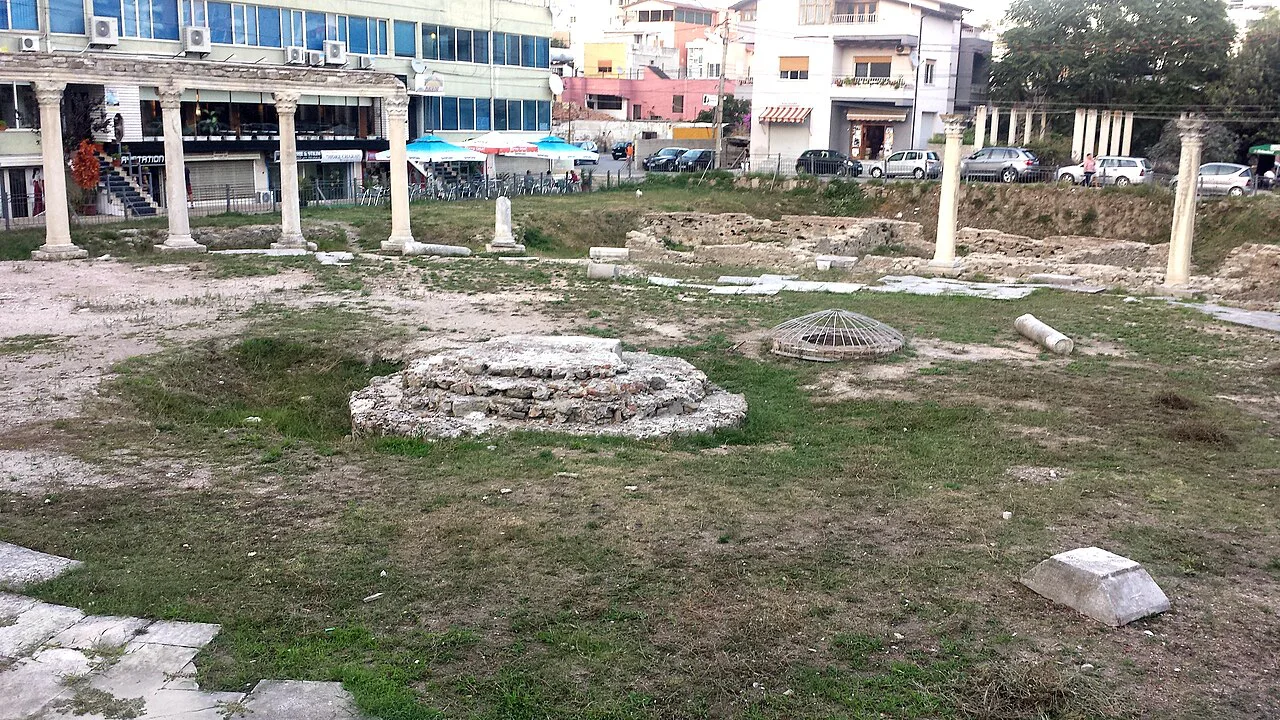
The market sits in the city core, in the same compact cluster as the Roman amphitheatre and the Archaeological Museum, so it is easy to fold into a walk through the old town.
That makes a sensible loop: the amphitheatre first, the Archaeological Museum for context, then the market for fruit and a coffee. The museum holds Illyrian burial artefacts and Venetian trade relics, so it earns more than a quick glance.
For the individual sights, the Durres Attractions: 6 Visitor Guides hub breaks down what each one involves and how long it takes.
What the stalls sell
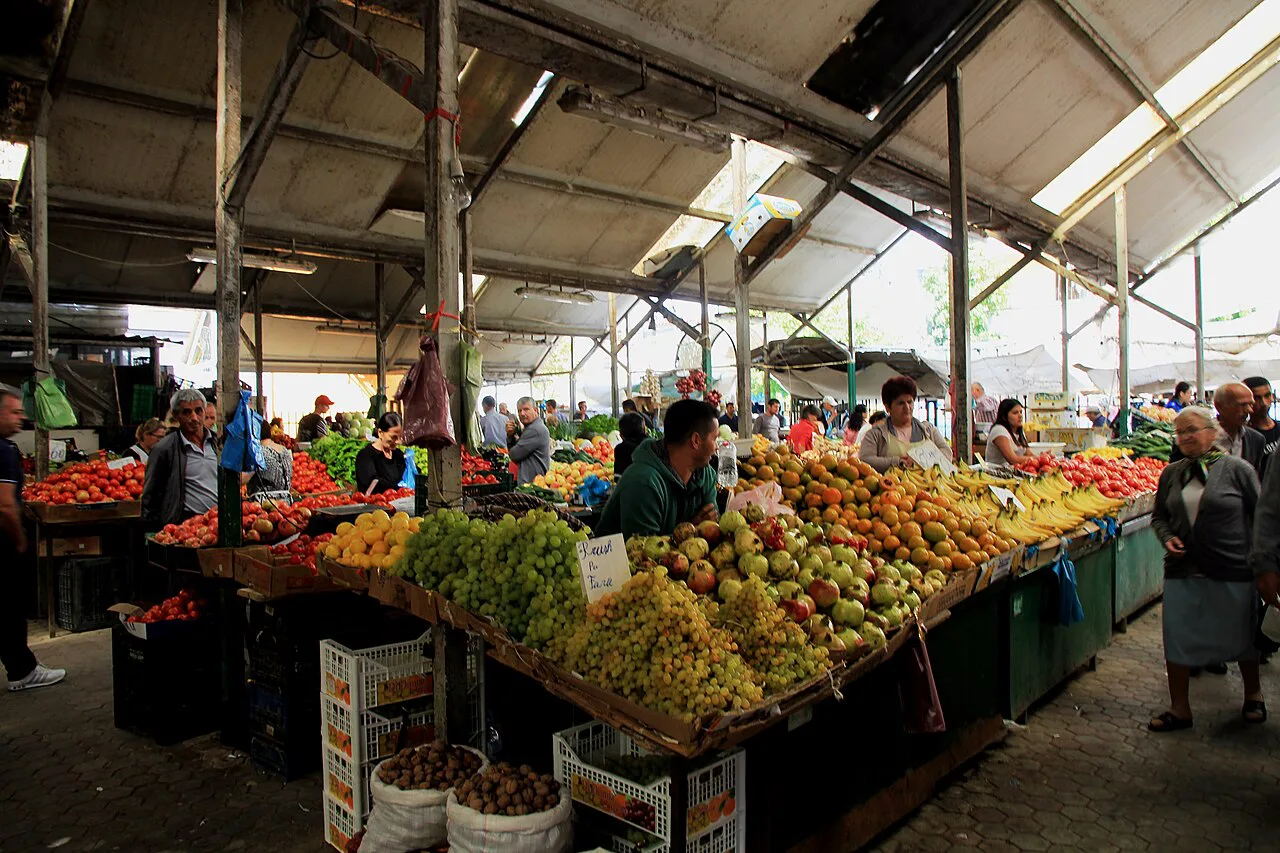
Expect homegrown figs, olives, herbs, honey jars with handwritten labels and cheeses rather than fridge magnets. Many vendors take pride in explaining how their produce is made, so ask before you point at a jar.
The bazaar blends daily shopping with small studios and clothing outlets, so it feels like a normal town centre rather than a staged tourist stop.
How to shop
Produce is sold by the stall, so buy figs, olives and cheese in the quantity you want and taste where the vendor offers. Smaller notes make it easier at a busy counter.
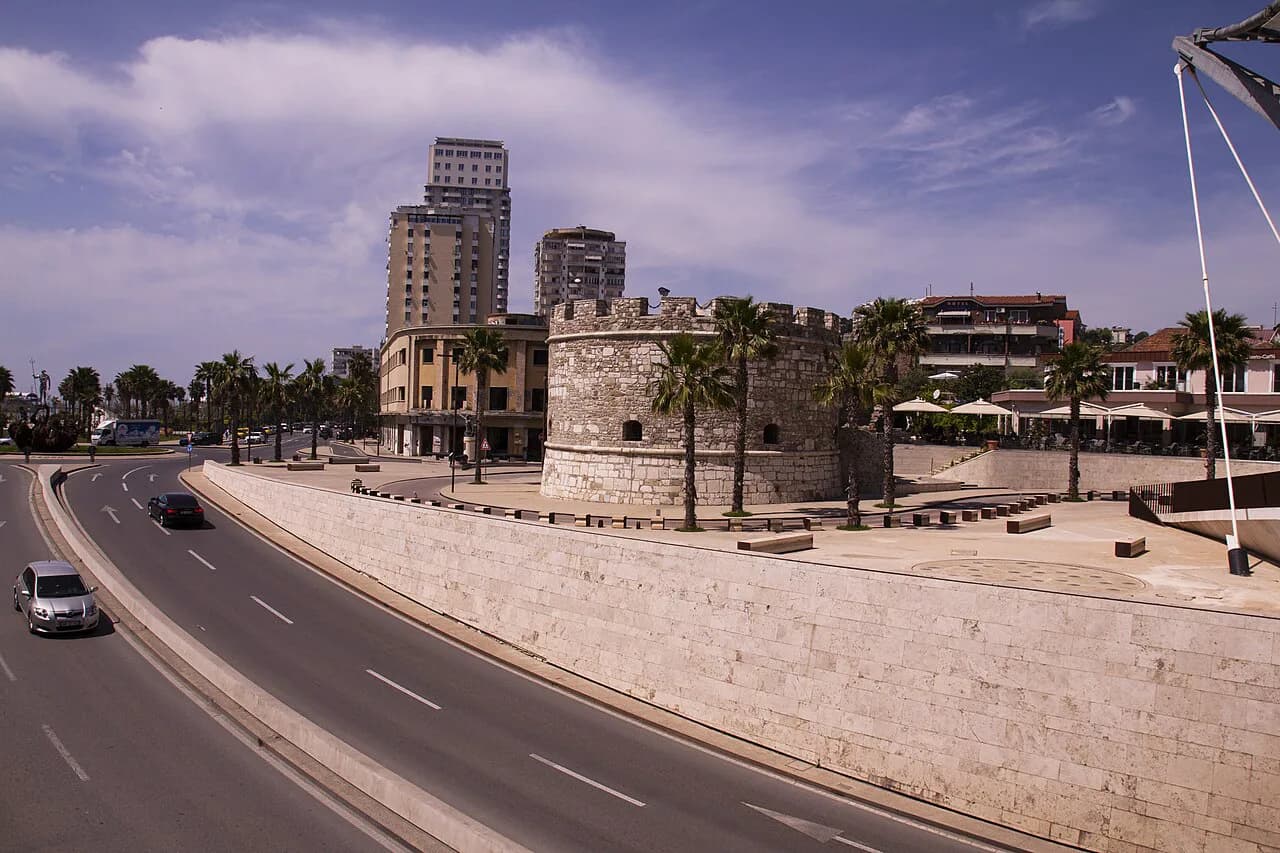
Beyond the market, guided walking tours in the old town pair the amphitheatre with the Byzantine walls and the Venetian Tower. Check the meeting point and what the walk includes before paying.
The Byzantine walls were built in the 5th century and still rise up to four metres in places, threading through modern streets on the way to the Venetian Tower. Walking between them, the museum and the bazaar is how the old town fits together on foot.
How long to allow
Set aside enough time to buy picnic supplies without hurrying, then leave the rest of the morning for the amphitheatre and museum.
Pair a market visit with the amphitheatre to avoid tour groups later in the day. The ruins include underground tunnels, stone terraces and a chapel with preserved mosaics.
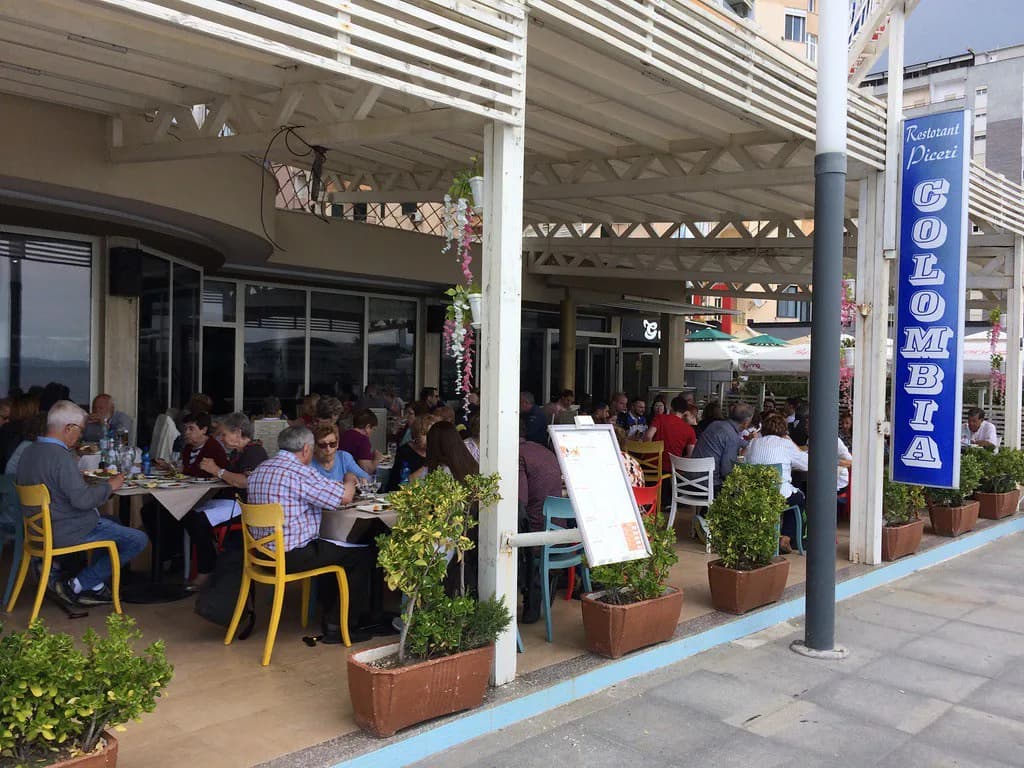
Coffee afterwards is part of the routine: order a macchiato at an older, no-frills café rather than a chain, and sit with the morning trade for twenty minutes. It is a cheap way to see how the centre works before the promenade fills.
Getting there and getting around on foot
Most visitors arrive from Tirana International Airport (Nënë Tereza), about 35 km from Durrës. Once in the city, the old-town cluster is walkable, so plan to leave the car and walk.
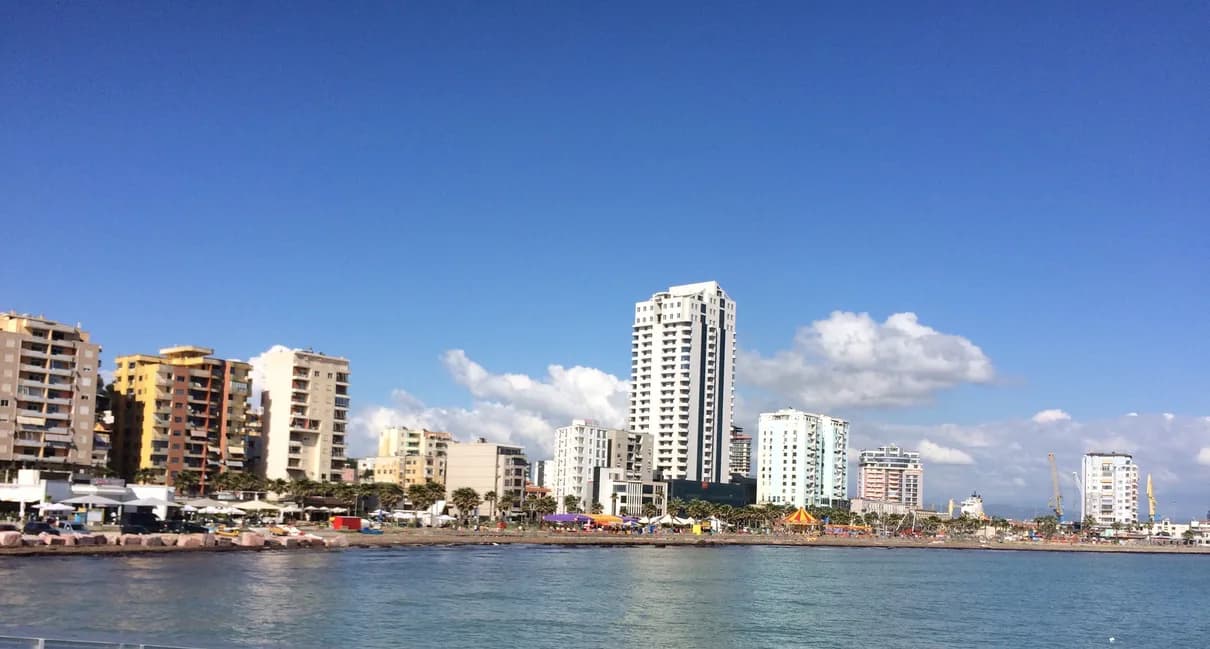
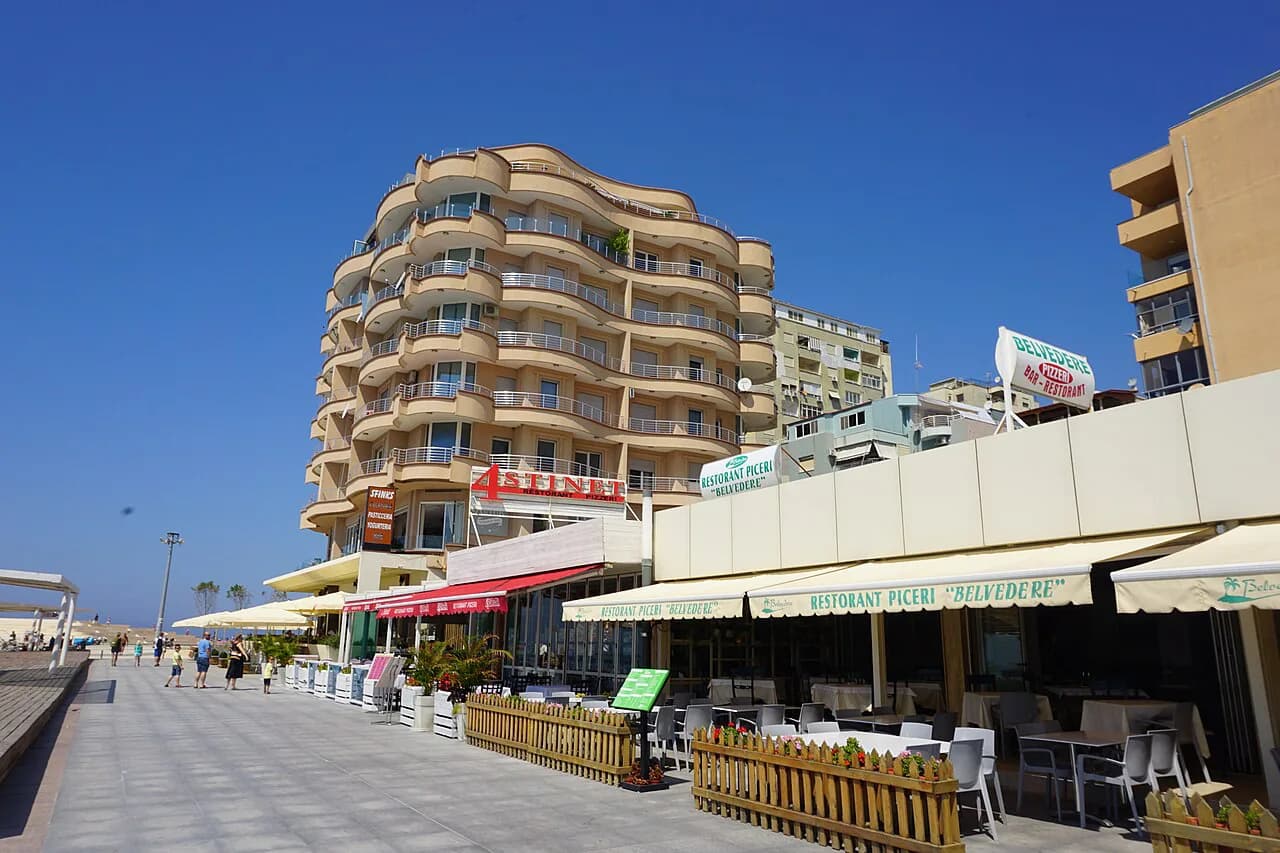
From the seafront, start at the promenade near Volga Beach and head inland towards Rruga Taulantia; the market sits within that walk rather than on the waterfront itself. Allow extra time in midsummer, when pavements are hot and the shade between stalls is welcome.
Practical points: bags and summer heat
Bring a bag for produce and expect a bustling food hall in the morning. In summer, the heat builds quickly, so shop early and drink water.
If you want a smaller, calmer market experience, Krujë's bazaar is an alternative. It is a recently renovated old bazaar for a short walk, not the Durrës food market.
Should you build the market into your Durrës day?
Yes, if you want a working slice of the city rather than a souvenir stop. Pair it with the amphitheatre and Archaeological Museum in one compact walk.
Skip it if you only have an afternoon and want the ruins and the sea; the market rewards a slow half-hour, not a rushed detour. Either way, plan the old town on foot. For the practical details, see the Durres map.
Explore more Durres guides
Frequently Asked Questions
Where is Durrës in Albania?
Durrës sits on the Adriatic coast west of Tirana, and the airport serving the capital is about 35 km from the city. The old town, including the bazaar, amphitheatre and Archaeological Museum, is compact enough to cover on foot from the seafront.
How much is food in Durrës?
Stallholders and cafés set their own prices and no reliable price list is published, so check the counter or ask before you buy. How much you spend depends on what you take.
Does Albania have good shopping?
Durrës covers everyday shopping rather than designer retail: produce, cheese, honey, clothing and small art studios around the bazaar. Treat it as a place to buy picnic supplies and practical items, not a souvenir arcade.
Sources
Notes for your Albania trip
Optional updates to our Albania town guides.
You might also like
Continue reading
More guides you'll find useful