Durrës Old Town: Streets, Castles and What to See
A practical walk through Durrës old town: the castle walls and Venetian Tower, the amphitheater, the Great Mosque and the Byzantine forum, with layout and timings.
On this page
Durrës old town takes about three to four hours on foot if you want the amphitheater, the castle walls, the mosque and the forum, plus another 90 minutes if you add the Archaeological Museum. The historic core is small and sits between the working port and the seaside promenade, so you can walk the whole thing without transport once you arrive. This guide sets out how the pieces fit together, in the order you will meet them, with the timings and trade-offs that matter.
Durrës is one of the oldest cities in the Balkans, continuously inhabited for more than 2,600 years and founded, according to the national tourism site, in 627 BC. Its Roman importance came from the Via Egnatia, the road that started here and ran east to Thessaloniki and Constantinople. That deep past is the reason the centre feels layered rather than tidy: Roman stone, Byzantine defence and later Ottoman additions sit on top of one another.
What the old town is and where it sits between the port and the promenade
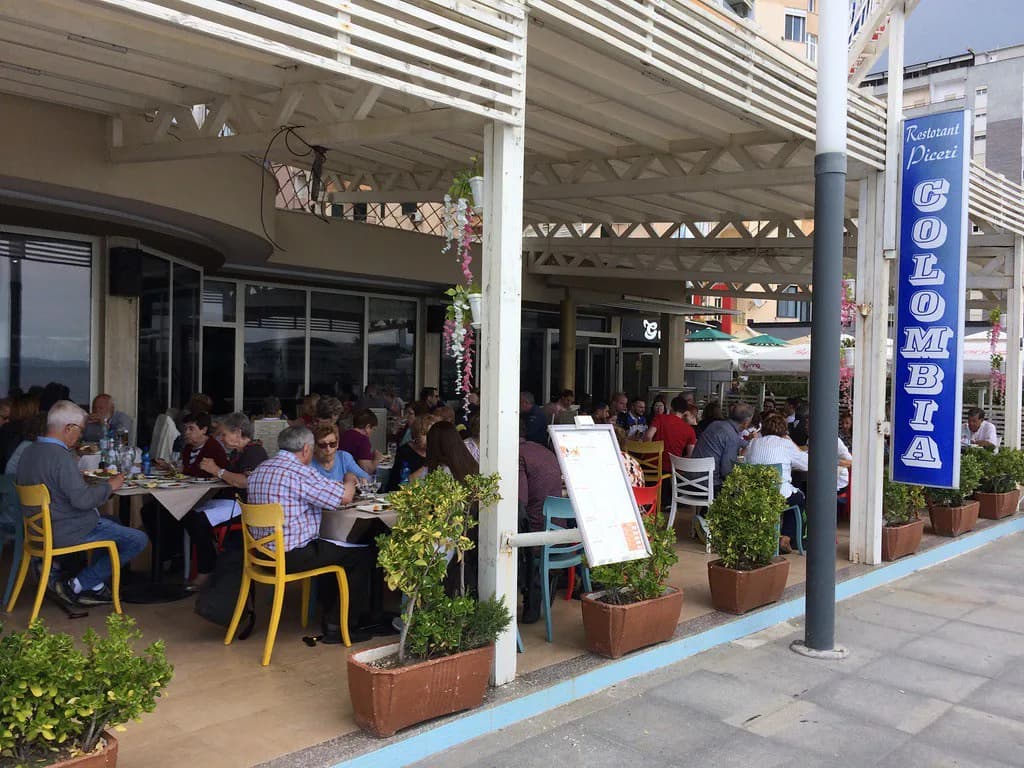
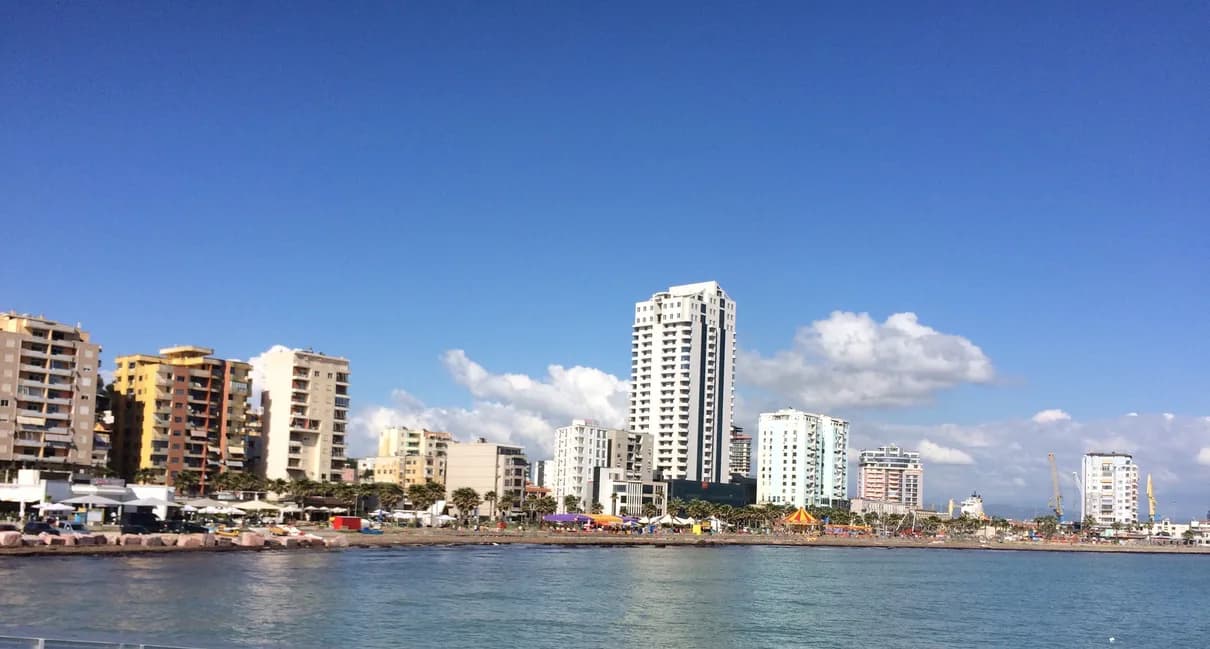
The old town is the area around the surviving castle walls, inland from the ferry and cruise port and a short walk back from the seafront. The national tourism site describes the city as a combination of history and coastal tourism, with the seaside promenade turned into a modern strip of restaurants, hotels and cultural venues. In practice that means the historic sights cluster in the streets behind the port, while the long beach and promenade run south along the coast.
This layout shapes how you should plan the day: do the old town on foot first, then decide separately whether to walk or take a taxi down to the beach strip. The nearest part of the beach is roughly a 50-minute walk from the centre, and most visitors drive or take a taxi for the 10 to 15 minutes it takes by road. Treating the beach as a second, separate outing keeps the old town morning unhurried.
If you only know Durrës as a port and a beach, the old town will surprise you with how much survives in a small radius. For the wider story behind the ruins, the Durrës History page fills in the Roman, Byzantine and Ottoman layers that the streets themselves only hint at.
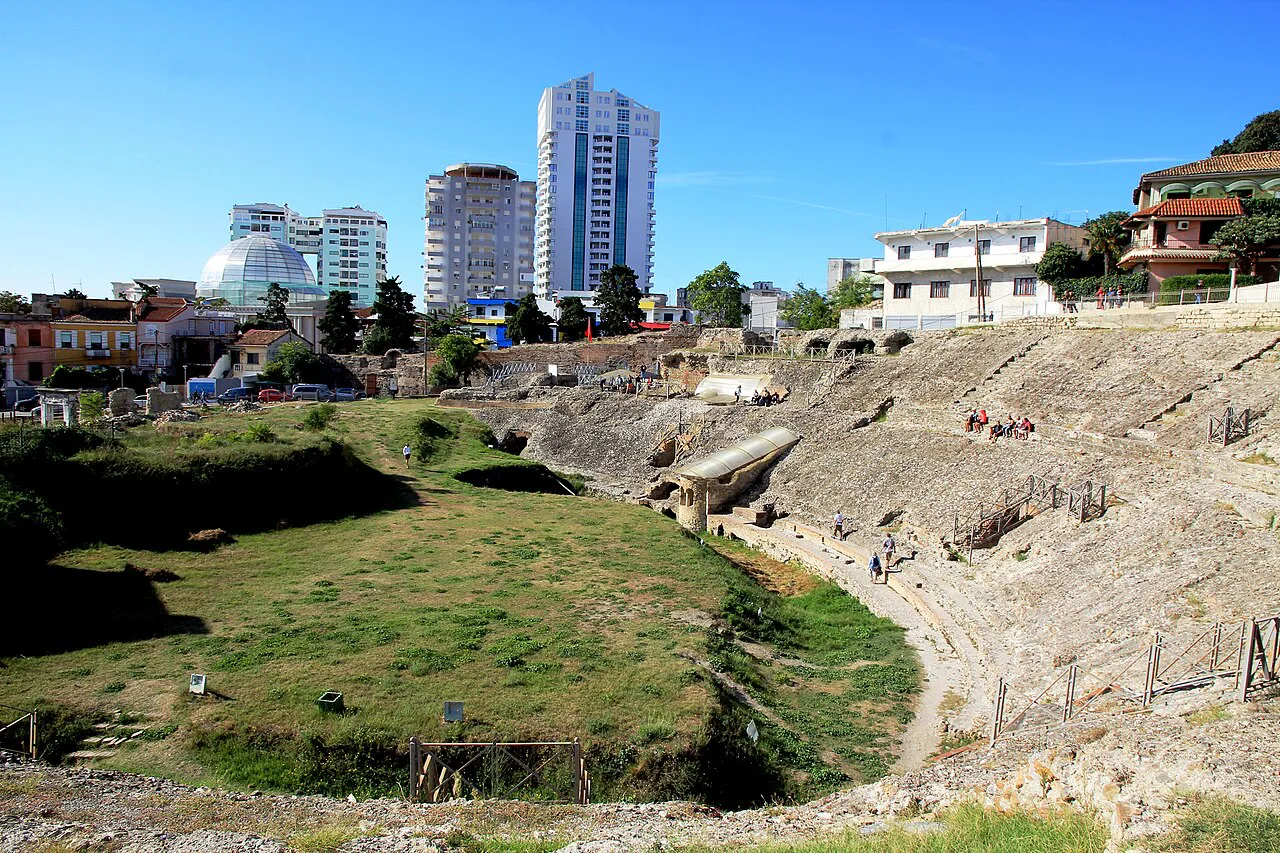
How the castle walls and gates frame the historic centre
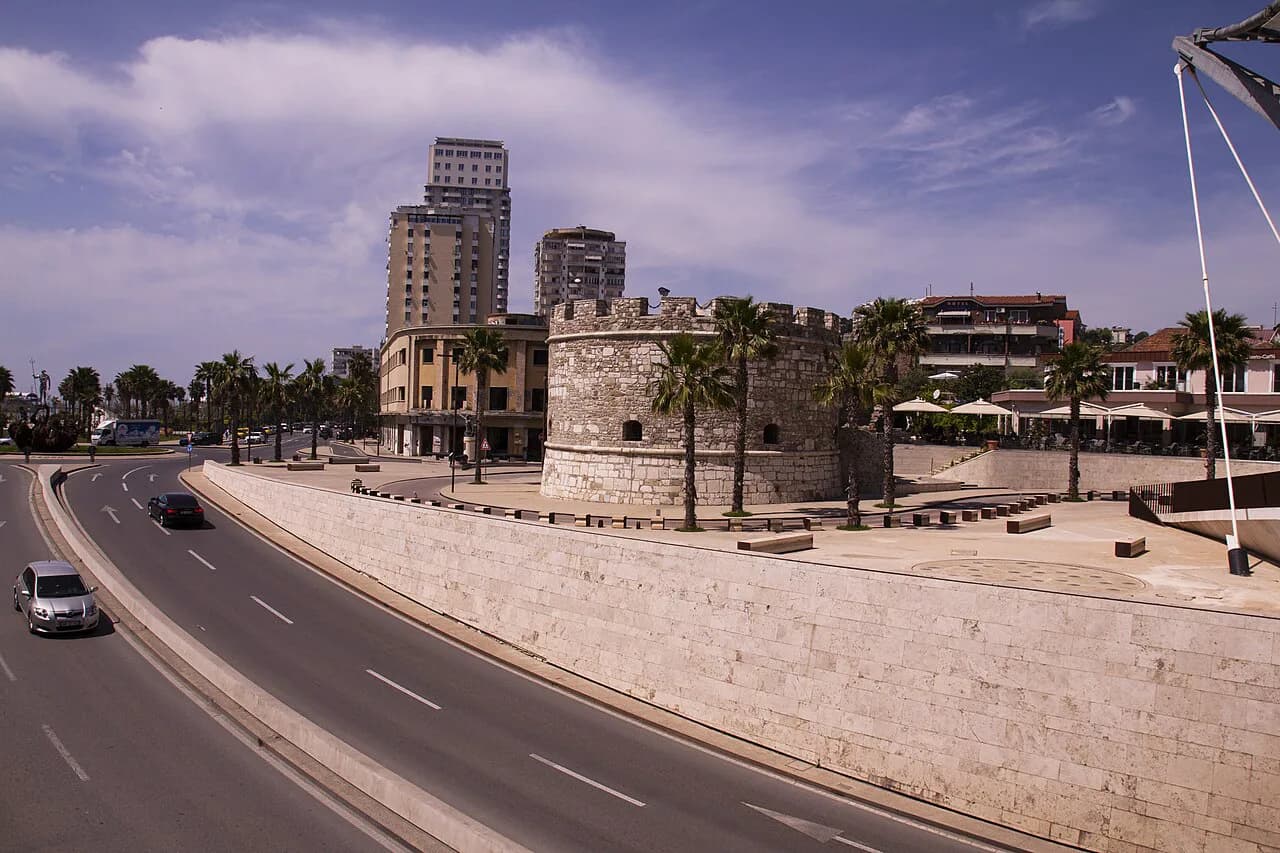
The Durrës Castle, with its 5th-century defensive walls and later Venetian additions, surrounds the oldest part of the city and still stands as a symbol of continuity. Centuries have added mosques, churches and civic buildings over those ruins, which is why the walls now read as fragments threaded through ordinary streets rather than a complete circuit.
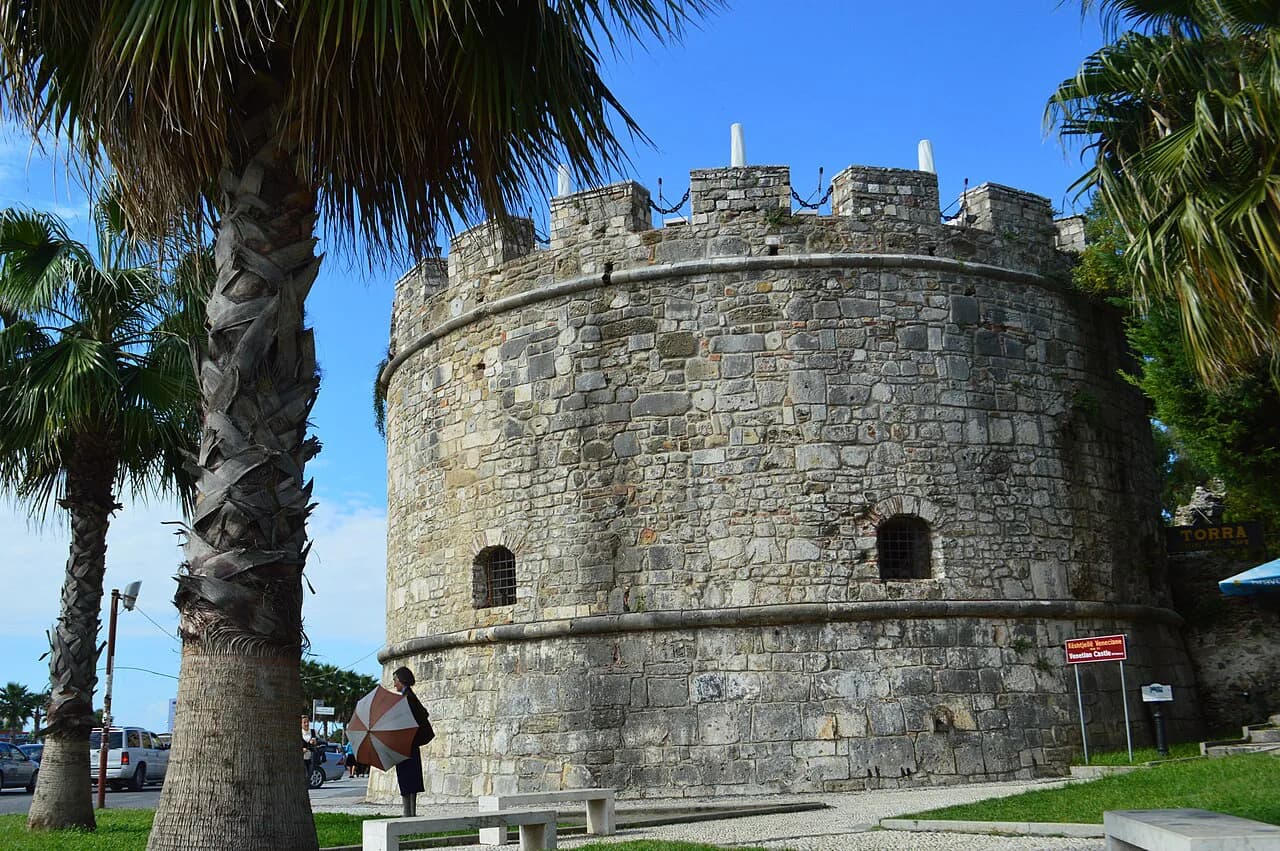
Only a wall and a tower remain of what was once a powerful Byzantine fortress, and the Venetian Tower is the circular stone structure built by the Venetians in the 15th century as part of the city's defences. It stands around 9 metres tall, so the view from the top is modest, and it was closed on at least one recent visit in May. Plan it as a ten-minute stop rather than a destination in itself.
Walking the wall line gives you the shape of the old town: you can trace where the gates and defences ran, then step inside to the streets they protected. The Durrës Castle page covers the surviving stretch and the tower in more detail if you want to follow the circuit properly.
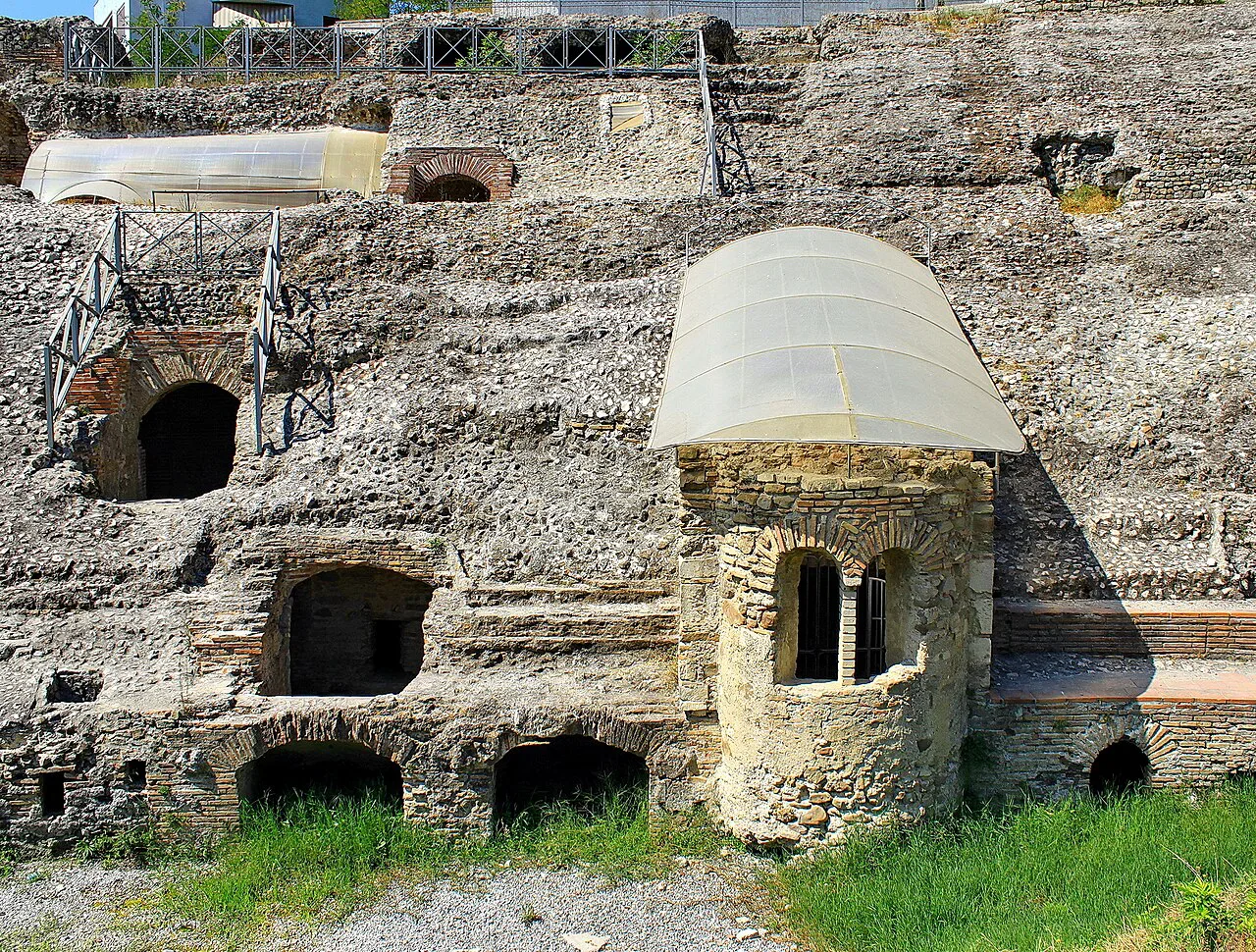
The Durrës Amphitheater inside the residential grid
The amphitheater is the centrepiece of the old town and the reason most people come. Built in the 2nd century AD, it is the largest in the Balkans, and it sits in the middle of a residential neighbourhood, which is why only part of it has ever been excavated: clearing the rest would mean removing homes built on top of the ruins. Expect to see exposed seating and structure rather than a complete arena.
In 2025 the site was open daily from 9am to 6pm, with adult tickets at 300 lek and discounts for students and children. Allow around 30 minutes to walk the monument and its grounds; it is a compact visit and the surrounding streets are inhabited, so keep to the site itself. Check the current hours and price at the entrance before relying on those figures.
Because the amphitheater is embedded in a living neighbourhood, it feels different from a fenced-off archaeological park: you approach through ordinary streets, and the monument opens up suddenly. That is part of its character, and it also means the visit is short and best combined with the nearby museum rather than stretched out.
The Great Mosque and the streets around it
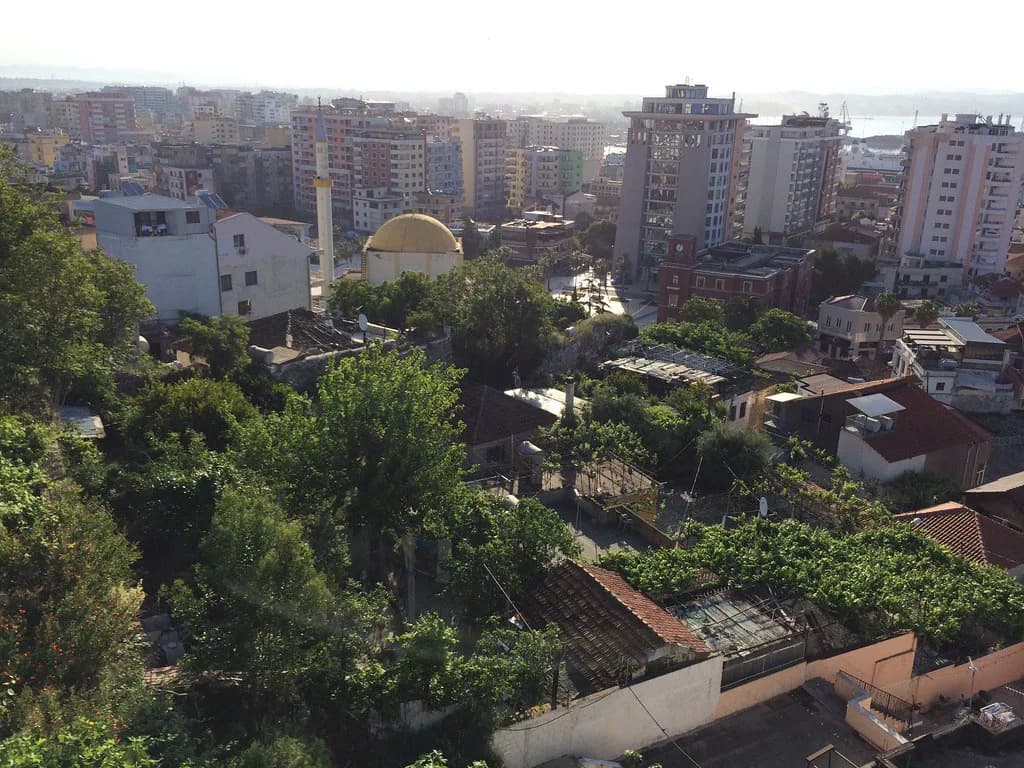
The Great Mosque of Durrës, also called the Grand Mosque, sits in the historic centre and has had a turbulent modern history. It opened in 1938, was built by Italian architects, and was converted during the communist period into a youth centre with performances on the main floor and a restaurant above; an earthquake in 1979 caused further damage before it reopened as a place of worship in 1993.
It remains an active place of worship, so treat it as a working mosque rather than a monument: dress modestly, keep voices low and step out if prayers are underway. There is no published visitor timetable, so time your look around the exterior and the surrounding lanes rather than planning the day around going inside.
The lanes around the mosque are where the old town feels most lived-in, with the castle fragments and civic buildings layered together. Walk these streets slowly after the amphitheater; they connect naturally to the forum and the museum without any backtracking.
The Rotunda and Byzantine Forum
The Rotunda and Byzantine Forum form one archaeological site in the centre, and the national tourism listing treats them together as a point of interest. They are the quietest of the main stops and the easiest to miss, since they sit among later buildings rather than standing alone. Give them 15 to 20 minutes and read the on-site panels to make sense of what you are looking at.
The forum is the piece that ties Durrës to its Roman role as a port and transit hub on the Via Egnatia. Seeing it after the amphitheater makes the scale of the ancient city clearer than either sight does alone.
The Archaeological Museum as the indoor half of the visit
The Archaeological Museum of Durrës is the largest archaeological institution in the country, with finds from the Illyrian, Greek, Roman and Byzantine periods. It is the natural indoor counterpart to the ruins outside, and the sensible choice when summer heat or rain makes standing about in the open unpleasant. Budget around 90 minutes to two hours if you read the displays properly.
The collections run from prehistoric material over 3,000 years old through to the 4th century, with pottery, sculpture and mosaics from the Hellenistic and Roman periods. That range makes it worth doing before or after the amphitheater, whichever order suits the weather. The Museums in Durrës guide covers the other collections in the city if you want more than one.
No reliable published opening hours or ticket price are available for the museum here, so confirm both at the door or through the tourist information before you build a day around it. Most visitors find it fits easily into a morning alongside the amphitheater.
Walking the centre: a route from the walls to the waterfront
Start at the castle remains and the Venetian Tower, then walk inward to the amphitheater, the mosque, the forum and finally the museum. That order keeps you moving in one direction and puts the indoor stop last, which works well in the heat of the day. The Durrës Castle page maps the surviving stretch if you want the walls in detail before you start, and the whole circuit is short enough to repeat a favourite stretch in the evening.
From the museum it is a straightforward walk down to the promenade, where the seafront has been redeveloped with restaurants and cultural venues. Finish there rather than doubling back through the old town, and you get the contrast between the dense historic streets and the open Adriatic front that defines Durrës.
If you would rather follow a set route with the stops in order, the Durrës Walking Tour covers the centre on foot and saves you planning the sequence. Otherwise the streets are easy enough to link yourself with a map.
How long the old town needs: half-day and full-day versions
A half day is enough for the amphitheater, the castle remains, the mosque and the forum, with a walk down to the promenade at the end. Add the museum and you have a comfortable full day in the centre without needing to rush any single stop.
On a full day, keep the morning for the outdoor sights and move indoors during the hottest hours, then use the late afternoon for the waterfront. If you also want the beach, treat it as a separate half day: the beach strip is a taxi or drive away from the centre, not a continuation of the walk.
Durrës also works as a day trip from the capital, since the two cities are linked by a straight highway and the drive takes well under two hours. Coming from Tirana for the day means choosing either the old town or the beach rather than both at a relaxed pace.
Getting there from Tirana and moving between the sights on foot
The old town's sights sit close enough together that everything in this route is walkable once you are in the centre. The one exception is the beach strip, which needs a taxi, a car or a long walk. Build your day around the centre and you avoid transport entirely between stops.
From Tirana, the road runs west to the coast and the journey is quick by Albanian standards, which is why so many visitors come for a single day. The woman behind one tour reported being collected from Skanderbeg Square at around 9:30am and reaching Durrës about 40 minutes later, with Berat as the afternoon stop.
If you are combining Durrës with another historic town, Berat is the usual pairing on a long day trip, though it makes for a tiring schedule. The Durres Attractions: 6 Visitor Guides hub lists the individual sights if you want to pick fewer stops and go deeper.
Practicalities: heat, surfaces and busy periods
Summer in Durrës is hot and the ruins offer little shade, so do the amphitheater and walls early and keep the museum for the middle of the day. The stone streets and exposed site ground are uneven in places, so wear shoes you can walk in rather than sandals for the archaeological stops.
The city is a popular resort in the summer months, and the beach end of town fills accordingly; the old town streets stay calmer because they sit away from the sand. If crowds bother you, the centre is the better bet in high season.
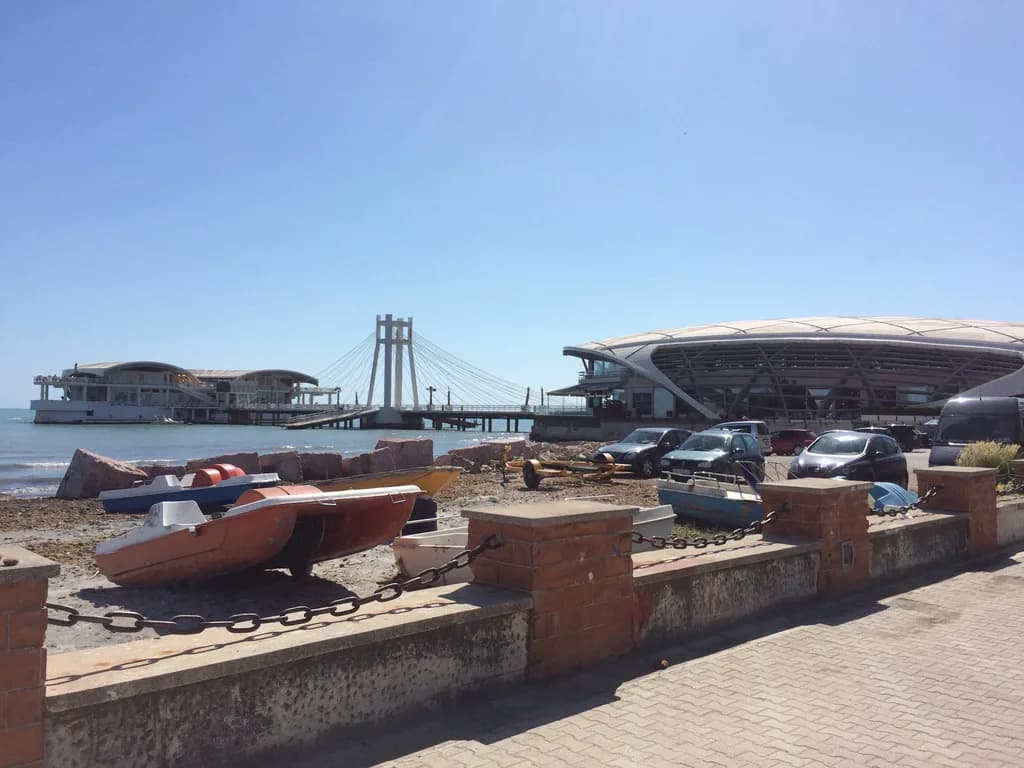
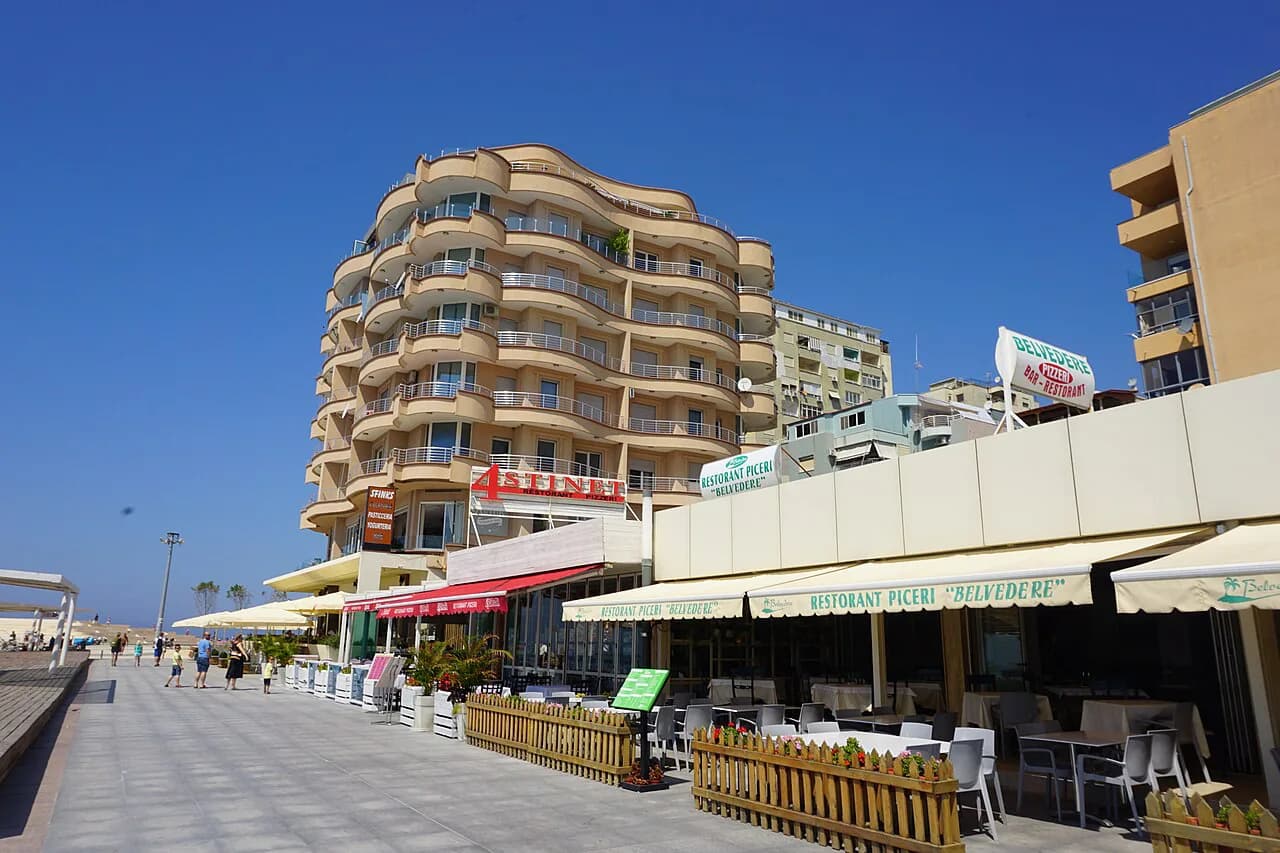
The promenade and seafront have been reworked into a modern space for rest and recreation, so expect building work and changing surroundings in places rather than a preserved historic waterfront. The old town's character is inland, among the walls and the streets they enclose.
Old town first, beach second
Give the old town a morning and the museum the hottest part of the afternoon, then decide whether the beach is worth the taxi ride. That order gets you the amphitheater, the walls, the mosque and the forum without hurrying, and leaves the waterfront as a reward rather than a detour.
The single most useful thing to confirm on the day is the amphitheater's hours and ticket price, since those are the only figures likely to change. Everything else in the centre you can simply walk.
Explore more Durres guides
Sources
Notes for your Albania trip
Optional updates to our Albania town guides.
You might also like
Continue reading
More guides you'll find useful