Tirana Itinerary: How to Plan One, Two or Three Days
A practical Tirana itinerary for one, two or three days, with a walkable city centre route, the museums that need an early start and when to add a day trip.
On this page
Give Tirana two days to see the central sights at an easy pace, or one day if the capital is a stop between Berat and the coast. Nearly everything in the centre is walkable, so the real planning decisions are how far out you go for Bunk'Art 2 and the cable car, and whether a third day goes to Krujë Castle or Dajti National Park. This itinerary splits each day into morning, afternoon and evening blocks, and marks the stops that need an early start.
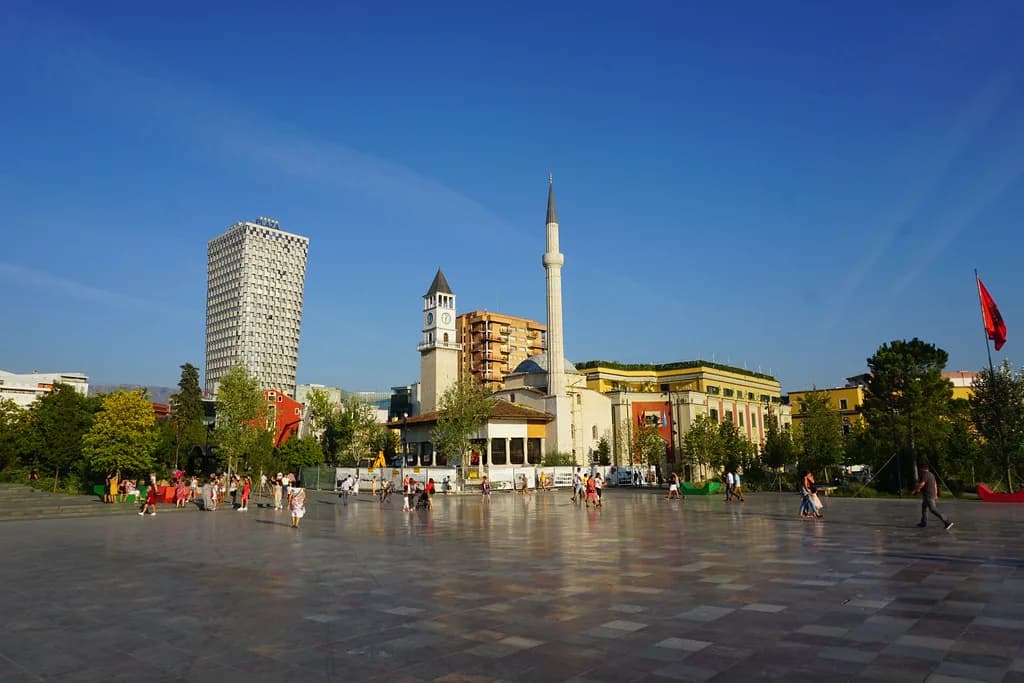
The centre clusters tightly around Skanderbeg Square, where the Et'hem Bey Mosque and the Clock Tower sit within a couple of minutes of each other. Blloku, the Pyramid and the Lana River are a short walk south and west, while the Dajti Ekspres cable car and Bunk'Art 1 need a bus or a taxi; Bunk'Art 2 sits in the centre. Carry lek in small notes for city buses; a ride cost 40 lek when one visiting writer used it, so treat that as a rough guide and confirm the fare on the day.
How many days does Tirana need?
One day covers the main highlights: Skanderbeg Square, the Et'hem Bey Mosque and the Blloku district. Two days add museums, the markets and the café culture without rushing, and three days or more leave room for a day trip to Krujë or Dajti National Park. First-time visitors usually settle on two or three days; repeat visitors can spend the time on neighbourhoods and smaller galleries instead.
The trade-off is heat and daylight rather than distance. Summer afternoons in the centre are best spent indoors at a museum, with the square and the mosque left for the morning and the evening, when locals fill the space. If your time is short, decide the day trip before reserving anything else, because Krujë and Dajti each take a full day.
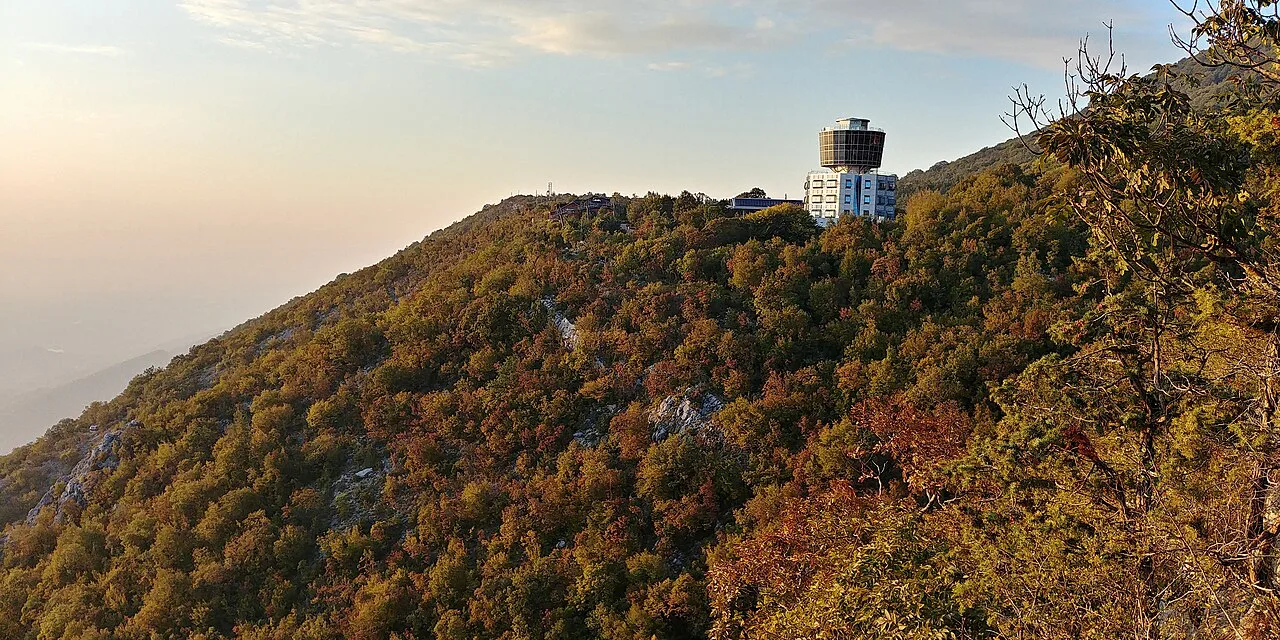
Tirana itinerary at a glance: one, two and three days
Day one stays in the centre: Skanderbeg Square, the Et'hem Bey Mosque and the Clock Tower in the morning, the National History Museum and the Pyramid in the afternoon, Blloku in the evening. Day two heads out to Bunk'Art 2, then back through the New Bazaar and the House of Leaves, with the Resurrection of Christ Cathedral, the Grand Park and the cable car as alternatives. Day three is the day-trip decision.
The stops on the centre loop are close enough to link on foot, so a printed or offline copy of a Tirana map is more useful than a transport pass for day one. Keep the outlying sights for a single bus journey each way rather than criss-crossing the city.
Day one morning: Skanderbeg Square, Et'hem Bey Mosque and the Clock Tower
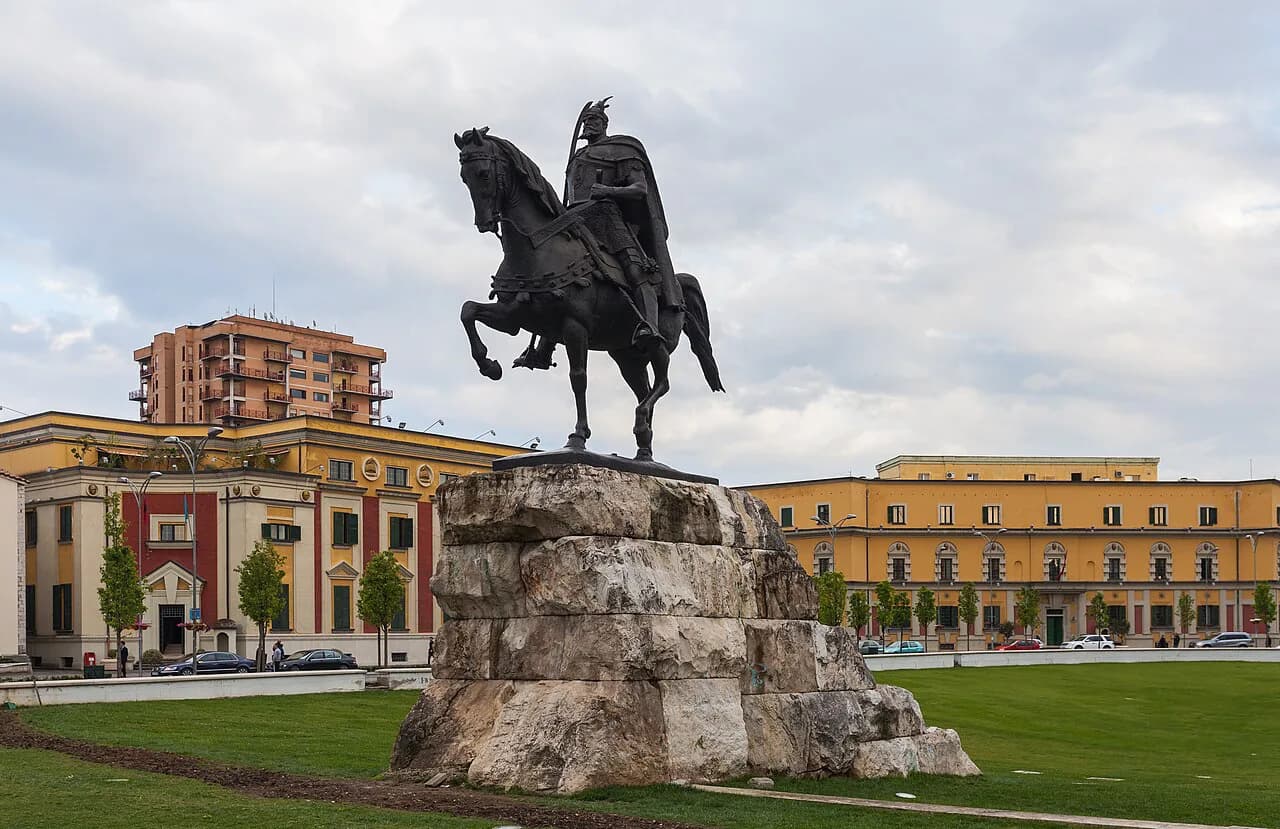
Start at Skanderbeg Square, the point where the city's main roads meet and the natural first stop of any Tirana itinerary. The Et'hem Bey Mosque is right on the square and can be visited in the same half-hour, and the Clock Tower stands beside it if you want the view over the rooftops. Keep the morning loose: the square is at its liveliest after sunset, when outdoor events and concerts fill it in summer.
Dress modestly for the mosque, with shoulders and knees covered and shoes removed at the entrance, and time your visit outside prayer times. Photography inside is a judgement call; watch what other visitors do and follow any notices at the door.
Day one afternoon: the National History Museum, the Pyramid and Blloku
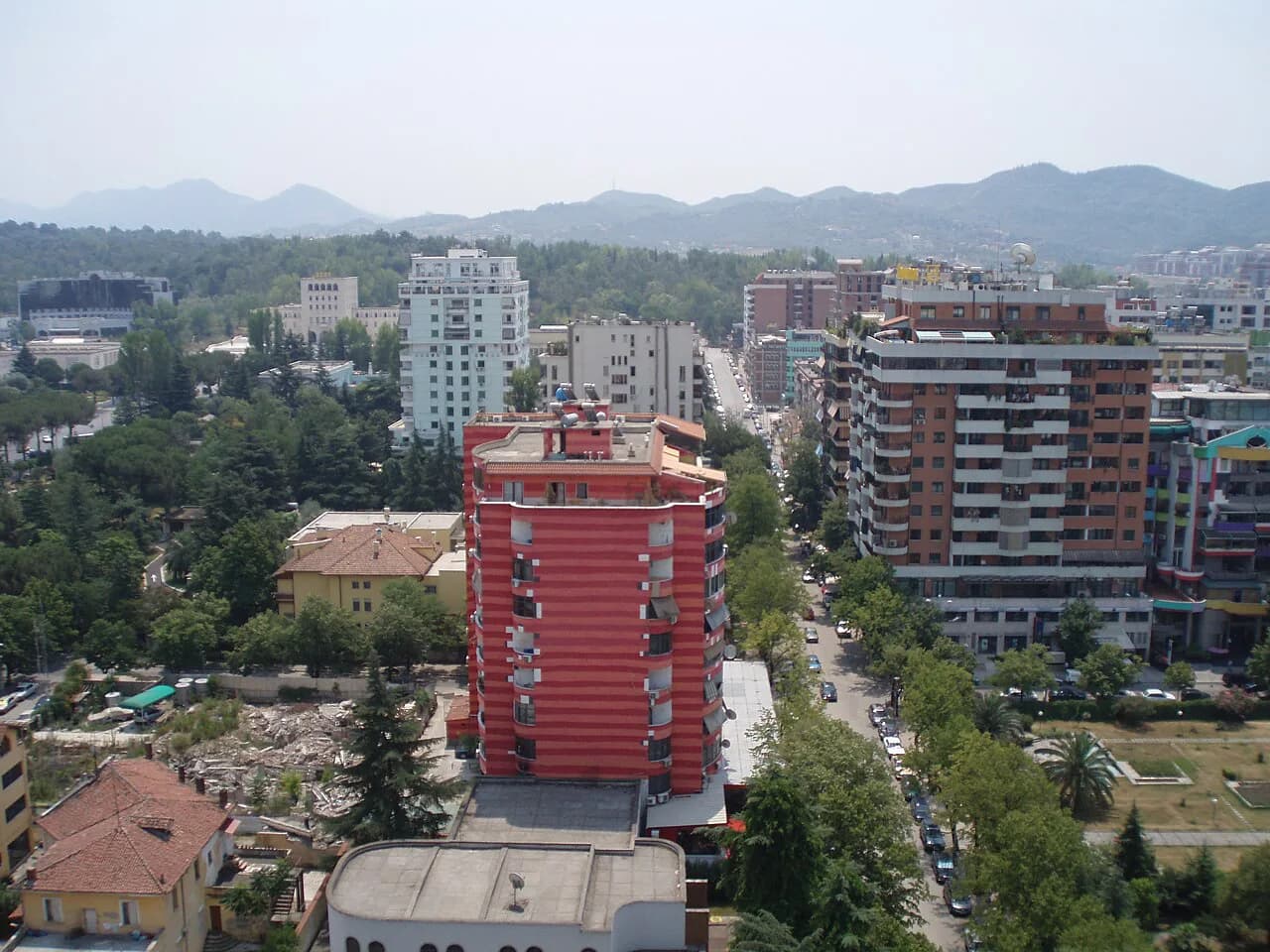
Cross the square to the National History Museum for the historical context that makes the rest of Albania easier to read, from the communist period to the present. Walk south afterwards to the Pyramid of Tirana, then continue into Blloku for cafés and boutiques. The Pyramid and Blloku sit close together, so the whole afternoon works as one loop without a bus.
Blloku is covered here as a district for walking, not as a nightlife guide. Its grid of streets makes a good late-afternoon wander before dinner, and it puts you within walking distance of the Lana River for an evening stroll.
Day one evening: where the day ends in the centre
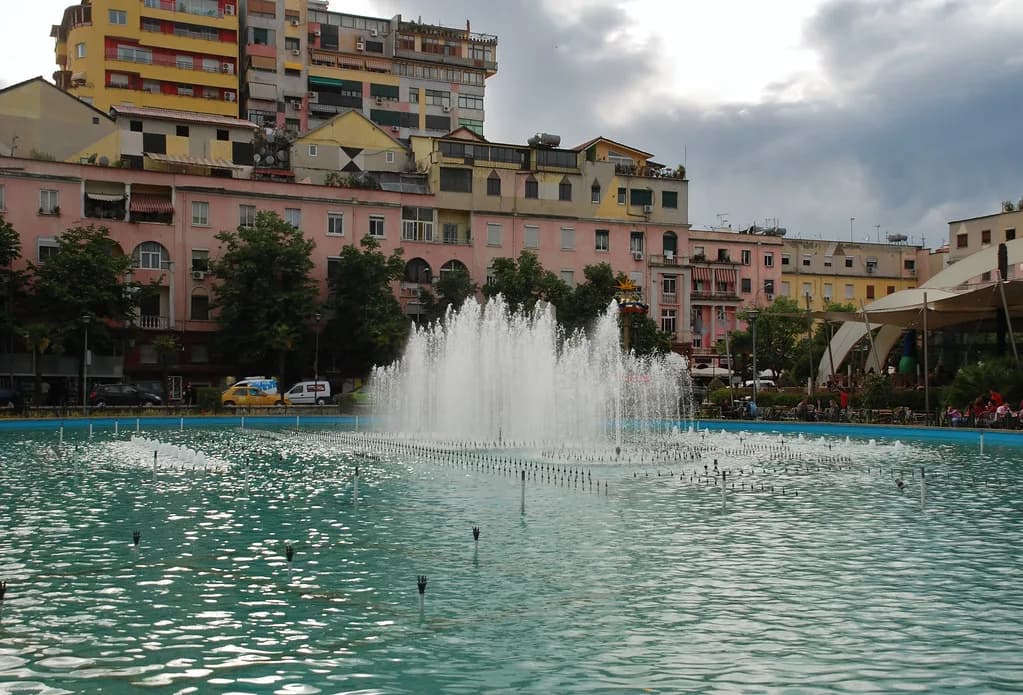
End day one back around Skanderbeg Square or along the Lana River, both short walks from Blloku. The square fills with locals after dark and often hosts events in summer, so it works as either a finale or a starting point for a second wander. For a sit-down dinner, book nothing and simply pick a table in Blloku or near the centre; the city's restaurant scene is covered separately if you want a shortlist.
Day two: Bunk'Art 2, the New Bazaar and the House of Leaves
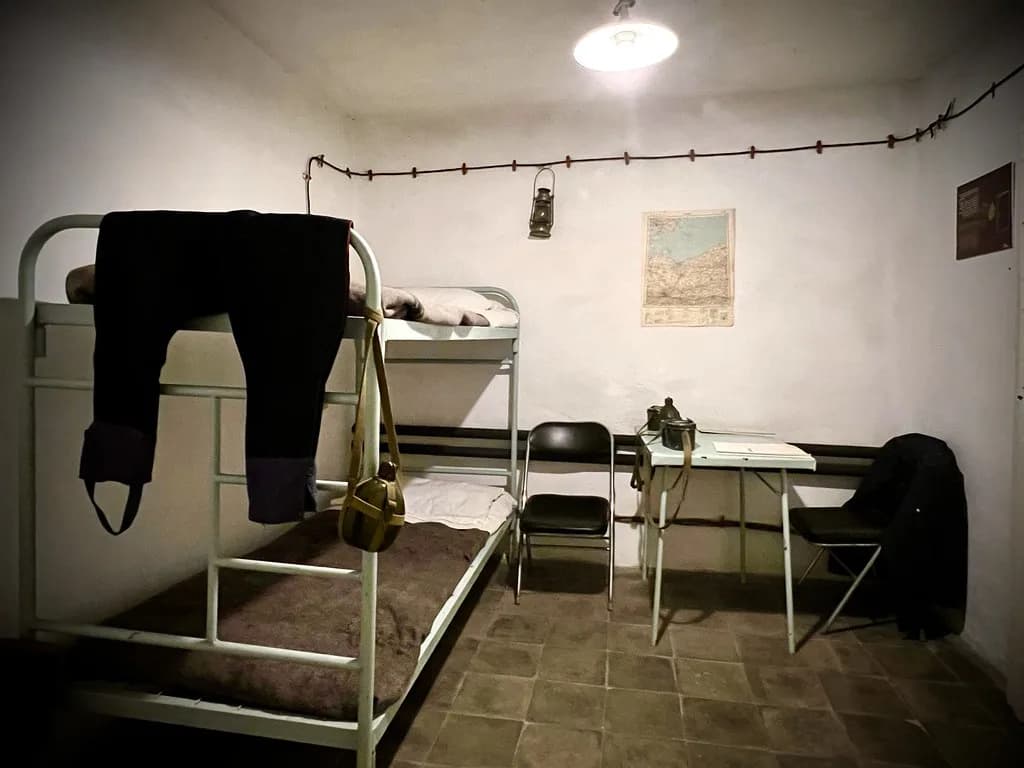
Give Bunk'Art 2 the morning. The museum covers Albania's experience under the communist regime and sits in the centre, so it slots in before lunch rather than after. Allow more time than you think: underground rooms and displays reward a slow walk, and you will want the afternoon free.
After lunch, head to the New Bazaar, known in Albanian as Pazari i Ri, for produce, cheese and a coffee among the stalls. The House of Leaves museum on the same side of the centre traces the surveillance apparatus of the communist years and pairs naturally with a Bunk'Art 2 morning. Finish with a walk across the Old Tanners' Bridge if daylight allows.
Day two alternatives: the Resurrection of Christ Cathedral, the Grand Park and the Dajti Ekspres cable car
If museums are not your priority, swap Bunk'Art 2 for the Resurrection of Christ Orthodox Cathedral and the Grand Park of Tirana. The cathedral is a short walk from the centre, and the park gives you shade and space after a morning on the pavements. This version of day two suits families and anyone visiting in high summer.
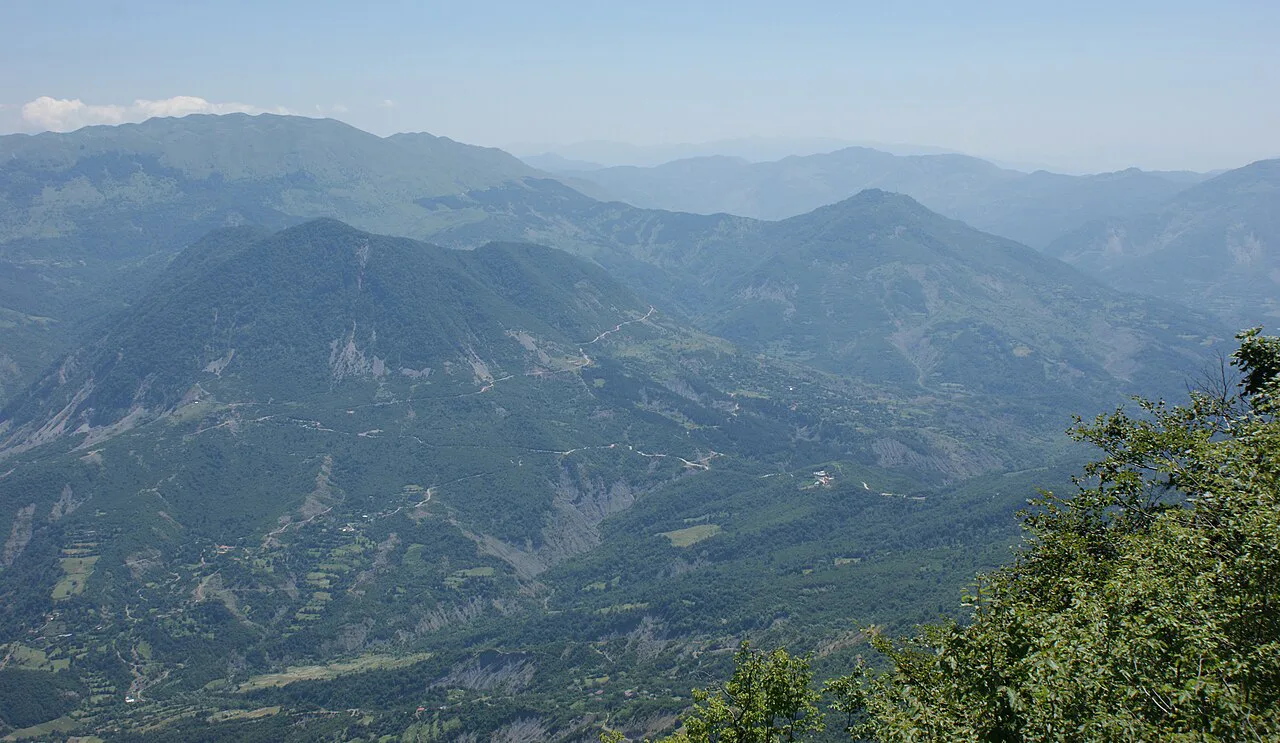
The Dajti Ekspres cable car is the other half-day option: it climbs to Mount Dajti for views over the city and pairs with Dajti National Park for walking. Reaching the lower station means a bus or taxi from the centre, so decide in the morning rather than trying to fit it in after the bazaar. Check the day's operating hours before you set out.
Day three: a day trip to Krujë Castle or Dajti National Park
Day three belongs to one day trip, not two. Krujë Castle gives you a hill town, a bazaar street and a castle in a single outing, and it is the standard cultural add-on for a three-day stay. Dajti National Park is the outdoor alternative, with the cable car as the easy way up and walking at the top.
Decide by weather and energy. Krujë involves more time on your feet in the town, while Dajti is a shorter excursion but depends on the cable car running. With a car you can combine the two only loosely; on public transport, pick one and give it the full day.
Getting around between the stops on foot, by bus and by cable car
Most Tirana attractions sit in the central part of the city and can be reached on foot, including everything on the day-one loop and Bunk'Art 2. City buses cover the cable car, Bunk'Art 1 and the bus station, and a worker collects the fare on board. The airport shuttle runs to the square behind the Opera and took around 30 minutes in traffic, at 400 lek when one visiting writer used it.
Taxis and ride-hailing apps are worth the money for the cable car station if you are short of time, since the bus journey adds a walk at either end. For the airport, the shuttle is the cheapest fixed option and drops you within walking distance of the main sights.
Which stops need an early start or a booked tour
The cable car and Bunk'Art 1 both reward an early start, since they draw the day's crowds and sit outside the central loop. A guided walking tour on your first morning is a reasonable shortcut to orientation; tip-based walks are widely advertised and ask for payment at the end rather than up front.
Museums and the mosque do not need a booking for most visitors, but group tours and bike tours do, and bike tours start at a fixed price per person. Prices and schedules change, so confirm entry times and tour slots before you travel.
What to drop first if you only have one day
With a single day, drop Bunk'Art 2, the cable car and the day trips. Keep Skanderbeg Square, the Et'hem Bey Mosque, the National History Museum and a wander through Blloku, which gives you the centre's flavour without any bus journeys. Add the Pyramid and the New Bazaar only if you walk briskly and start early.
If you have an evening flight, put the museum first and the square second, because the square needs no ticket and works at any hour. The whole cluster of the central sights is short enough to leave at lunchtime and still feel you have seen Tirana.
Where the itinerary changes for repeat visitors
On a second visit, skip the square and spend the time on neighbourhoods, smaller galleries and food. Blloku and the area around Pazari i Ri reward slow wandering more than ticking off sights, and the city keeps changing with new buildings and street art. Use the full attraction list to build a different route the second time round.
Which day trip to book
Book Krujë Castle if you want history and a hill town; take the cable car to Dajti if you want views and a short walk. Leave the other for a future trip rather than squeezing both into one day. Either way, keep day one in the centre on foot, where the best of Tirana sits within a few streets.
Explore more Tirana guides
Frequently Asked Questions
Is Tirana walkable for sightseeing?
Yes for the centre. Skanderbeg Square, the Et'hem Bey Mosque, the Clock Tower, the National History Museum, the Pyramid, Bunk'Art 2 and Blloku all sit close together and can be linked on foot. The cable car and Bunk'Art 1 are the exceptions and need a bus or a taxi.
What is there to do in Tirana in the evening?
Skanderbeg Square is at its liveliest after dark and hosts outdoor events in summer. Blloku is a good district for an evening wander and dinner, and the Lana River makes a short walk from either.
Do you need to book Tirana museums in advance?
For independent visits to Bunk'Art 2 and the National History Museum, the usual pattern is to turn up and buy a ticket on the day. Guided tours and bike tours do need booking, and prices and slots change, so check current details before you go.
Sources
Notes for your Albania trip
Optional updates to our Albania town guides.
You might also like
Continue reading
More guides you'll find useful