Tirana Cathedral: The Orthodox and Catholic Cathedrals
Tirana has two cathedrals: the Orthodox Cathedral of the Resurrection of Christ and the Catholic St. Paul's. Here is what to see at each and how to visit.
On this page
If you search for "Tirana cathedral" you will find two different buildings, so decide which one you mean before you set off. The Orthodox Cathedral of the Resurrection of Christ is the large Orthodox seat in the city, and St. Paul's Cathedral is the Catholic cathedral, built between 1994 and 2002. This guide takes each in turn, names what is worth looking at, and shows how to pair them on one short walk through the centre.
Both are working places of worship rather than museums, so the visit is short and the etiquette matters more than the sightseeing. Neither building is a ticketed monument with published opening times, so plan to check the doors when you arrive and step in quietly if they are open, and step back out if a service or private visit is under way.
Which Tirana cathedral you are looking for
The Orthodox Cathedral of the Resurrection of Christ, Katedralja Ortodokse e Ngjalljes së Krishtit, is the one most people mean when they say "the big cathedral". The Catholic St. Paul's, Katedralja Katolike Shën Pali, sits in the centre too and is the seat of the Catholic Archdiocese of Tirana-Durrës. If your interest is liturgy, icons or Orthodox architecture, head for the Resurrection cathedral; if it is Catholic history or the Mother Teresa connection, head for St. Paul's.
Albania's religious landscape is mixed, with Islam the majority faith and Christianity second, split between Eastern Orthodoxy and Roman Catholicism. That makes a morning of church-visiting in Tirana a lesson in how the city's communities rebuilt after the Communist period, when many religious buildings were closed or destroyed.
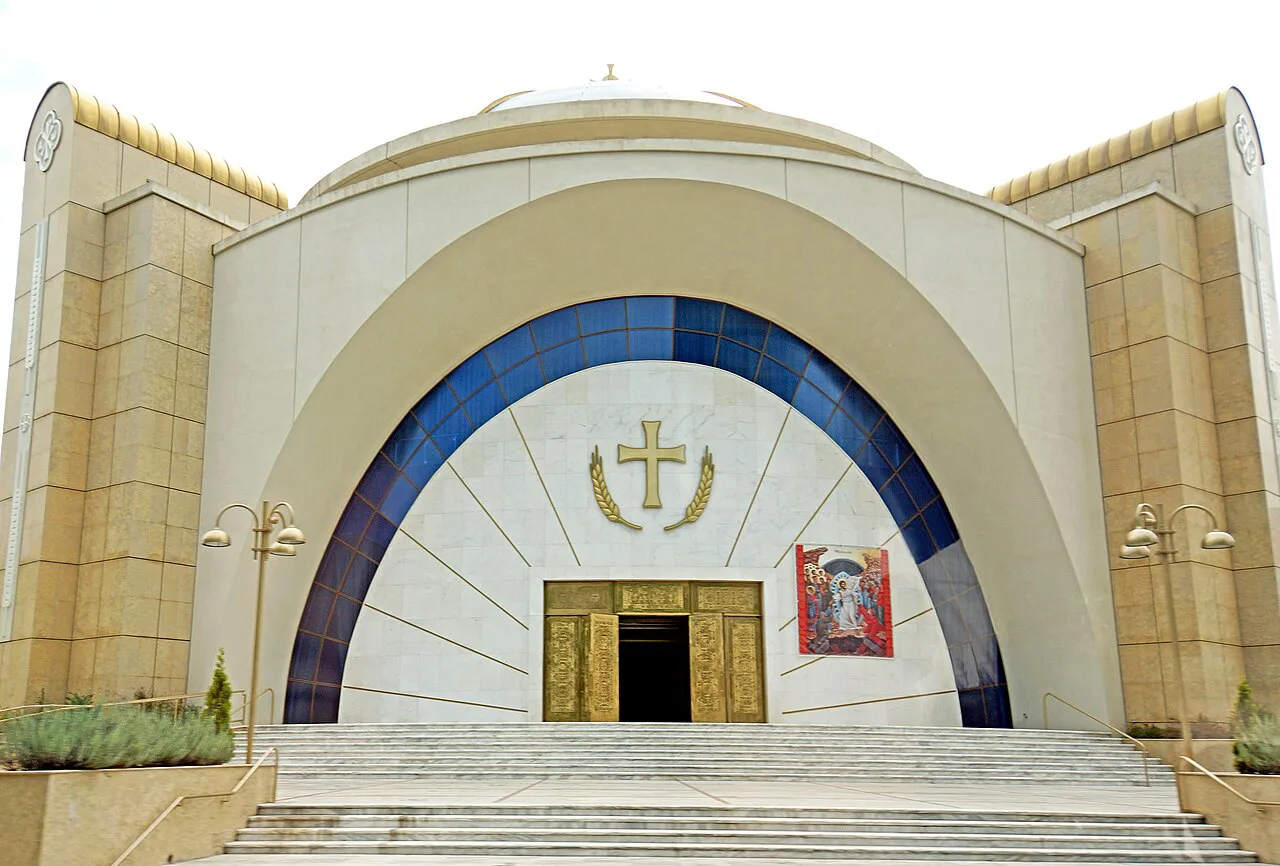
Cathedral of the Resurrection of Christ: where it stands and what the building is
The present Resurrection cathedral was completed in 2012 after about ten years of work, and it is described as the third-largest Orthodox church in Europe, which explains the scale of the interior once you are inside. An older Orthodox cathedral, built in 1865 on what is now Scanderbeg Square, was closed for worship in 1967 and later completely destroyed by the Communist regime.
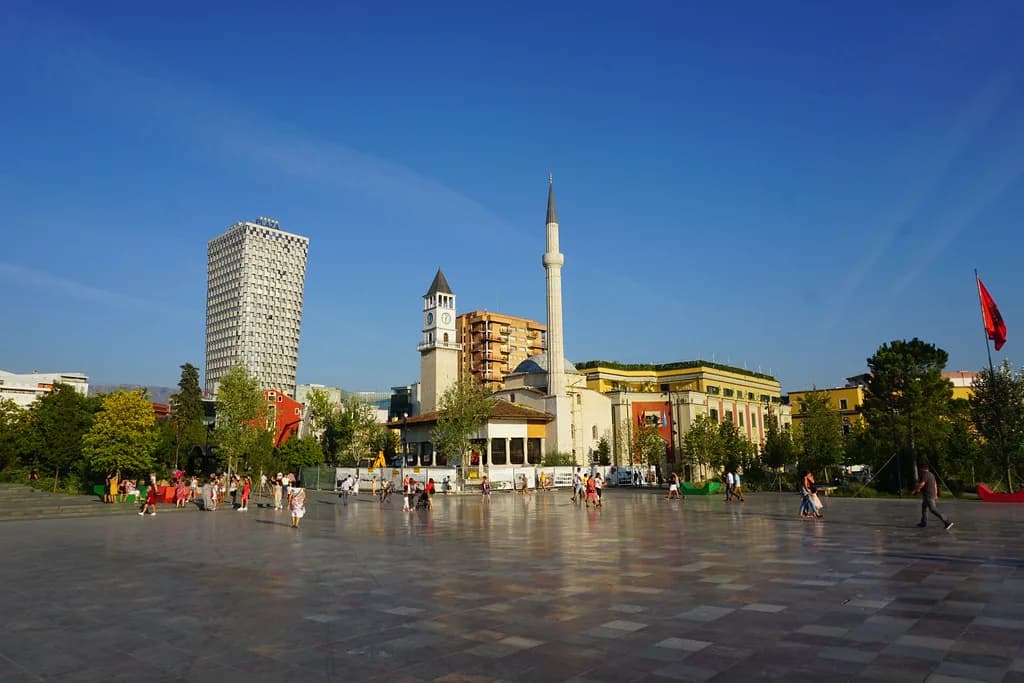
Its position near the central square makes it the easier of the two cathedrals to fold into a general city walk, since the surrounding streets hold the main sights. If you are building a half-day route, pair it with the museums in Tirana and the surrounding central streets rather than treating it as a standalone stop.
What to look for inside the Orthodox cathedral
Come in through the main doors and give your eyes a minute to adjust, then look up: the interior is dominated by the dome and the painted surfaces rather than by any single object. The cathedral's predecessor was destroyed under the Communist regime and the present building is a modern one, so the decoration reflects recent work rather than centuries of accumulated layer.
For comparison with an older Orthodox interior, the Cathedral of the Resurrection in Korçë is a reconstruction completed in 1992 whose interior is dominated by a large wooden iconostasis, a useful reference point for what a traditional Albanian Orthodox church interior looks like. Photographs are best taken quietly and without flash, and only where you see others doing the same; during services, put the camera away entirely.
St. Paul's Cathedral: the Catholic cathedral in the city centre
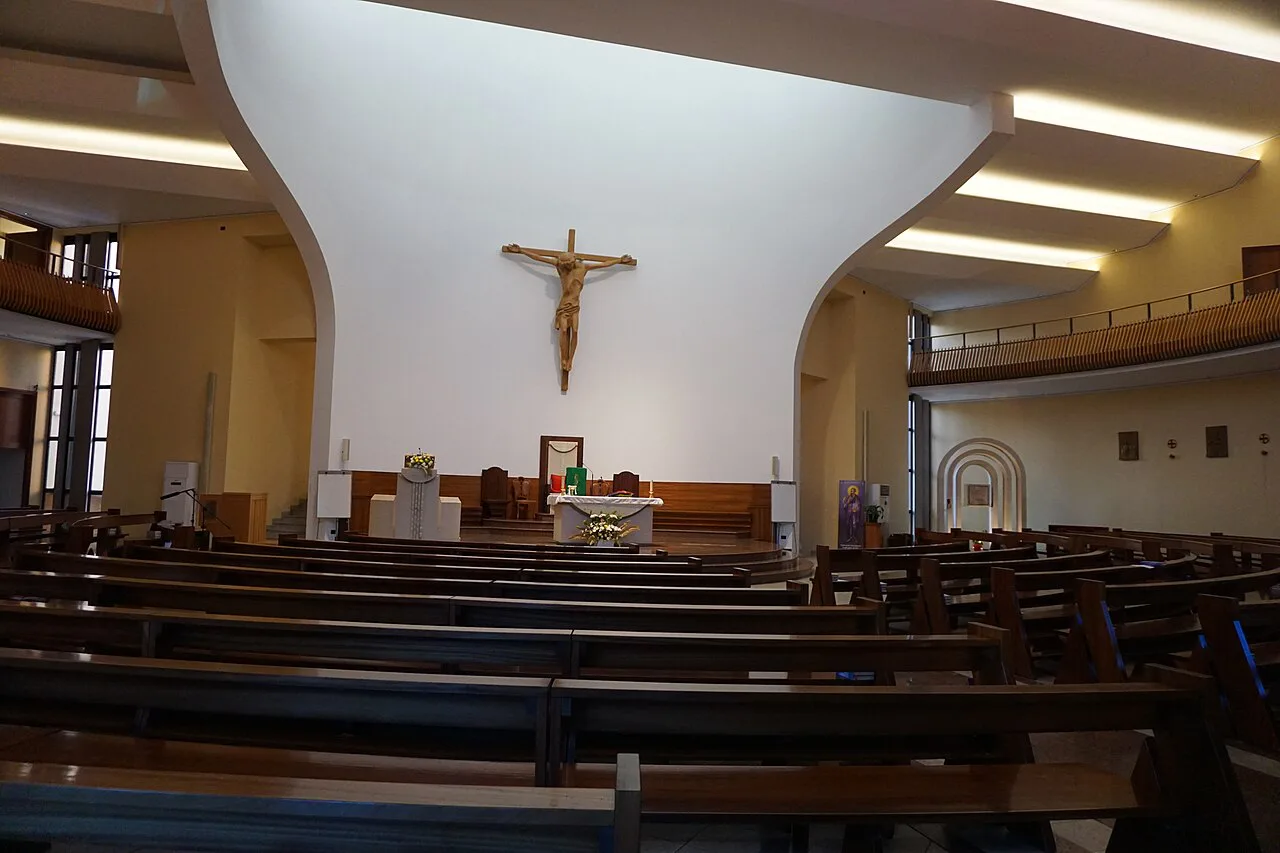
St. Paul's was built between 1994 and 2002 and replaced the Church of the Sacred Heart as the seat of the archdiocese. The land was donated by the Albanian state to the Catholic Church during Pope John Paul II's visit to Albania in 1993, and the archdiocese itself had been re-established in 1992, moving the seat from Durrës to Tirana. The result is a modern building rather than a decorative old one, so go for the detail and the story rather than for ornament.
The cathedral is dedicated to the apostle Paul, who is said to have preached in the region of Albania while travelling through the Roman empire, and it carries a strong association with Mother Teresa. As one travel account puts it, it is a modern, airy church with a peaceful atmosphere, which makes it a reasonable place to sit quietly for ten minutes in the middle of a walking day.
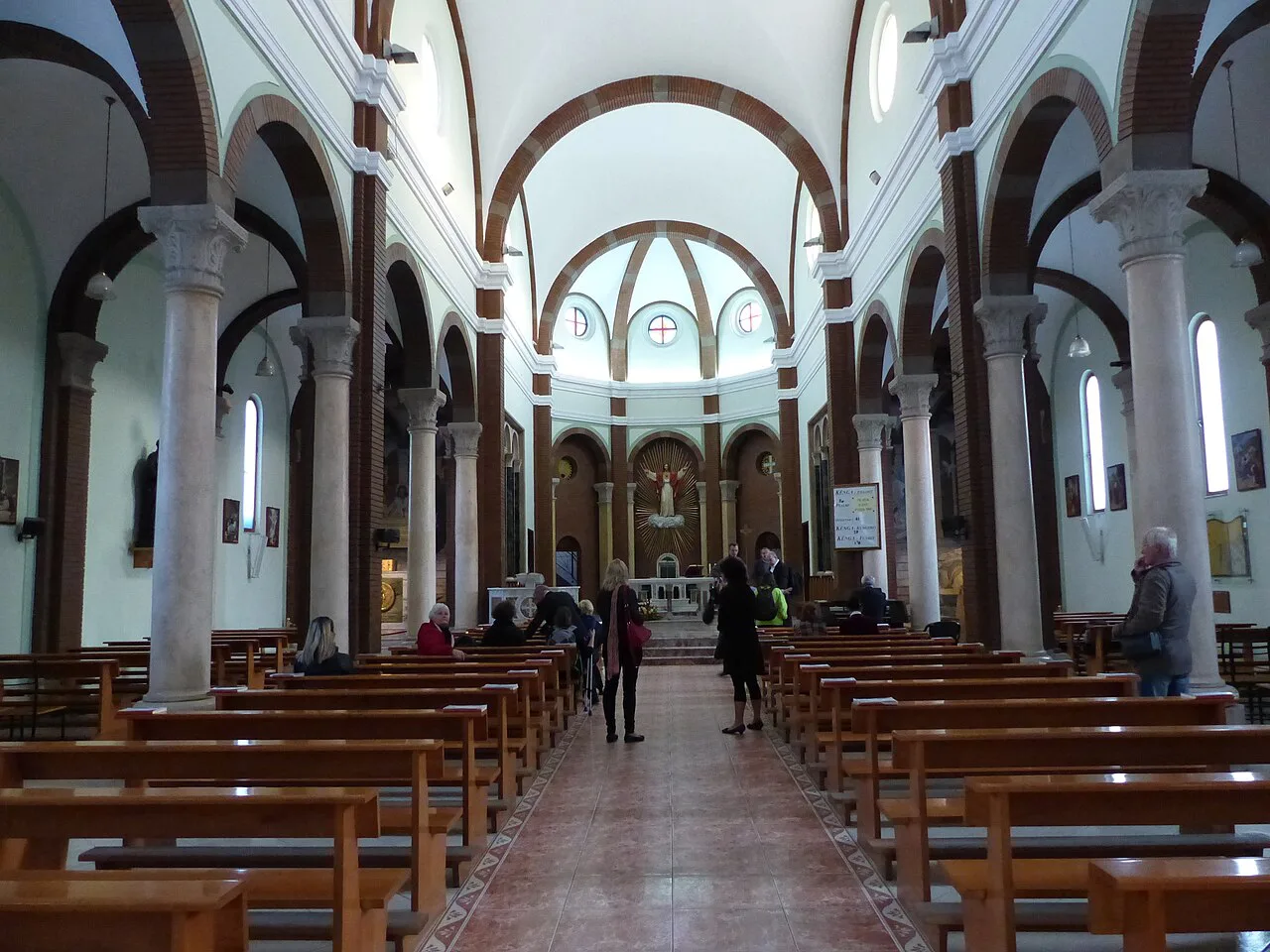
What to look for at St. Paul's: the statues outside and the glass windows
Before you go in, walk the front of the building: the statues of Paul and Mother Teresa stand outside, and the glass windows show Mother Teresa and Pope John Paul II. Inside, look for further artworks about Nënë Tereza and a cross made from pictures of Albanian priests who were tortured under the Communist regime. These are the specific things worth your time here, and they take only a few minutes to see properly.
Because the building is modern, it does not have the layered frescoes and icons of older churches, and visitors expecting a historic cathedral interior may find it stark. Go with that expectation and the visit works; go expecting a monument and you will be in and out in five minutes.
Other churches worth knowing in Tirana, including the Church of the Sacred Heart of Christ
The Church of the Sacred Heart of Christ is one of the pre-Communist Catholic churches in the city, built from 1938 to 1939 to a basilica plan and designed by Giovanni Santi in a neo-Romanesque style. In 1967 it was closed and turned into a cinema, with the facade altered to hide its religious function and the frescoes removed; Catholic faithful still came here to pray in secret. It lost its status as the city's main Catholic church when St. Paul's opened in 2002, but it shows a completely different era of church building from the modern cathedral.
For the wider religious picture, Albania's church heritage includes Orthodox and Catholic buildings across the country, from the Shkodër Cathedral of St. Stephen, built between 1858 and 1867, to the Cathedral of the Nativity of Jesus in Shkodër, completed in 2000. In Tirana itself, the mosques in Tirana make the obvious next stop if you are following the city's religious architecture.
Visiting respectfully: dress and behaviour in an active place of worship
Both cathedrals are active places of worship, so dress as you would for a church at home: shoulders and knees covered, no beachwear, and a hat off inside if you are wearing one. Keep your voice down, do not walk in front of people who are praying, and do not photograph worshippers or the altar during a service. If a service is under way, either sit at the back and stay still or come back later.
Some churches in Albania have seen long and difficult histories, including closure and repurposing under the Communist regime, so keep comment and humour out of your visit and let the building speak. This applies particularly to the cross at St. Paul's made from pictures of priests who were tortured.
How long the two cathedrals take and how to combine them on foot
Allow around thirty minutes for the Orthodox cathedral and twenty for St. Paul's, which is enough to see the statues, windows and interior without rushing and without overstaying in a place of prayer. Both sit in the city centre, so a single half-day covers both cathedrals and a coffee in between.
If you would rather have the city explained as you go, a free walking tour can put the churches in context alongside the square and the surrounding streets. Either way, check the doors when you arrive rather than planning around a timetable, since entry depends on whether a service or a private visit is taking place.
Which cathedral should you see first?
Start with the Cathedral of the Resurrection of Christ if you have time for only one, because the scale and interior give you more to look at. Choose St. Paul's first if the Mother Teresa connection or modern Catholic history is what brought you, and add the Church of the Sacred Heart of Christ if you want the pre-war contrast.
Whichever order you take, build the walk around the centre and let the churches be stops rather than destinations, then fill the rest of the day with the city's other sights. The Tirana Attractions: 11 Visitor Guides hub is the place to line up what comes next.
Explore more Tirana guides
Frequently Asked Questions
Is it Tirana or Tiranë?
Both appear: Tiranë is the Albanian form and Tirana the common English form used on maps and signs aimed at visitors. Use Tirana when speaking English and Tiranë when reading Albanian transport timetables.
Do the Tirana cathedrals charge for entry?
The sources give no entry fee for either cathedral, and both function as working churches rather than ticketed monuments. Check at the door or the noticeboard on arrival in case a service or private event changes access that day.
What religions are practised in Albania?
Islam is the majority religion, with Christianity second, divided between Eastern Orthodoxy and Roman Catholicism. Tirana's cathedral landscape reflects that mix, and the city's mosques are worth adding to the same walk.
Sources
Notes for your Albania trip
Optional updates to our Albania town guides.
You might also like
Continue reading
More guides you'll find useful