Tirana History: What to See and Where It Happened
Tirana's history from 1614 to the capital years and the communist period, tied to the squares, mosques, bunkers and museums you can still visit today.
On this page
Tirana's history fits into one walkable centre plus two outlying stops. The city has existed since 1614 and has been Albania's capital since 1920, and most of the story is legible in Skanderbeg Square, the Et'hem Bey Mosque, the government boulevard and the bunker museum on Dajti's slopes.
This timeline runs from the Ottoman town to the communist era and the post-communist cityscape, naming the building or site where each period left its mark. It also tells you which sights sit within walking distance and which need a taxi, so you can plan a half-day in the centre and a separate trip out to Bunk'Art 1.
When Tirana became Albania's capital, and why it was chosen
On 11 February 1920, the Congress of Lushnja made Tirana the capital. The choice was meant to be temporary: Durrës was the natural seat of government, but Italian forces occupied the city, so the administration could not sit there. Tirana was unoccupied, sat centrally where roads crossed from north to south, and had buildings that could serve as offices.
A Swiss journalist who visited in autumn 1921 found an administration squeezed into whatever the town could offer: the Puppet Theater housed parliament, ministers worked from ordinary dwellings, and an office might hold only a desk, a chair and a sofa. Tirana became the permanent capital in the constitution of 1925.
Tirana before the capital years: the town that existed by 1614
The Ecotour Albania destination page gives 1614 as the date the town 'became a city', which is a bare date rather than a full account of Ottoman-era Tirana. The Ottoman centuries left the core that visitors still use as a compass: the mosque and clock tower beside the main square, with bazaar streets around them.
Ottoman-era Tirana: the Et'hem Bey Mosque and the Clock Tower
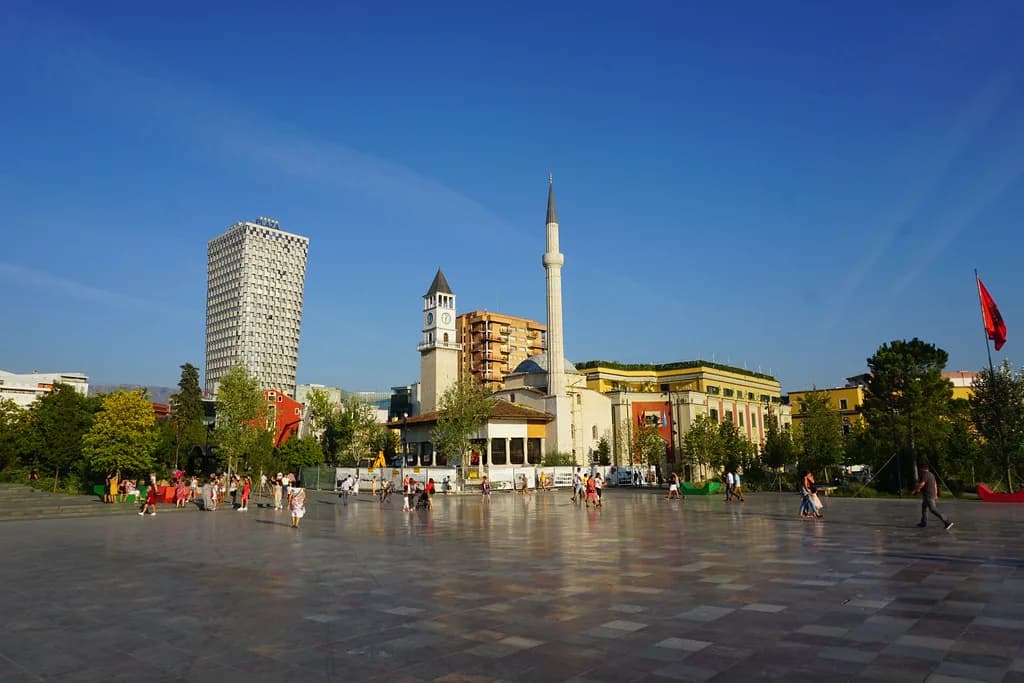
The Et'hem Bey Mosque and the Clock Tower stand together at the edge of Skanderbeg Square and are the clearest surviving pieces of Ottoman Tirana. They anchor the historic core for any walk through the old town, and the square around them works as the natural starting point for a morning on foot.
Dress modestly and check prayer times before stepping inside any working mosque. The wider set of Tirana's mosques, including their locations and condition, is covered in our guide to Tirana's Mosques if you want to compare them on one walk.
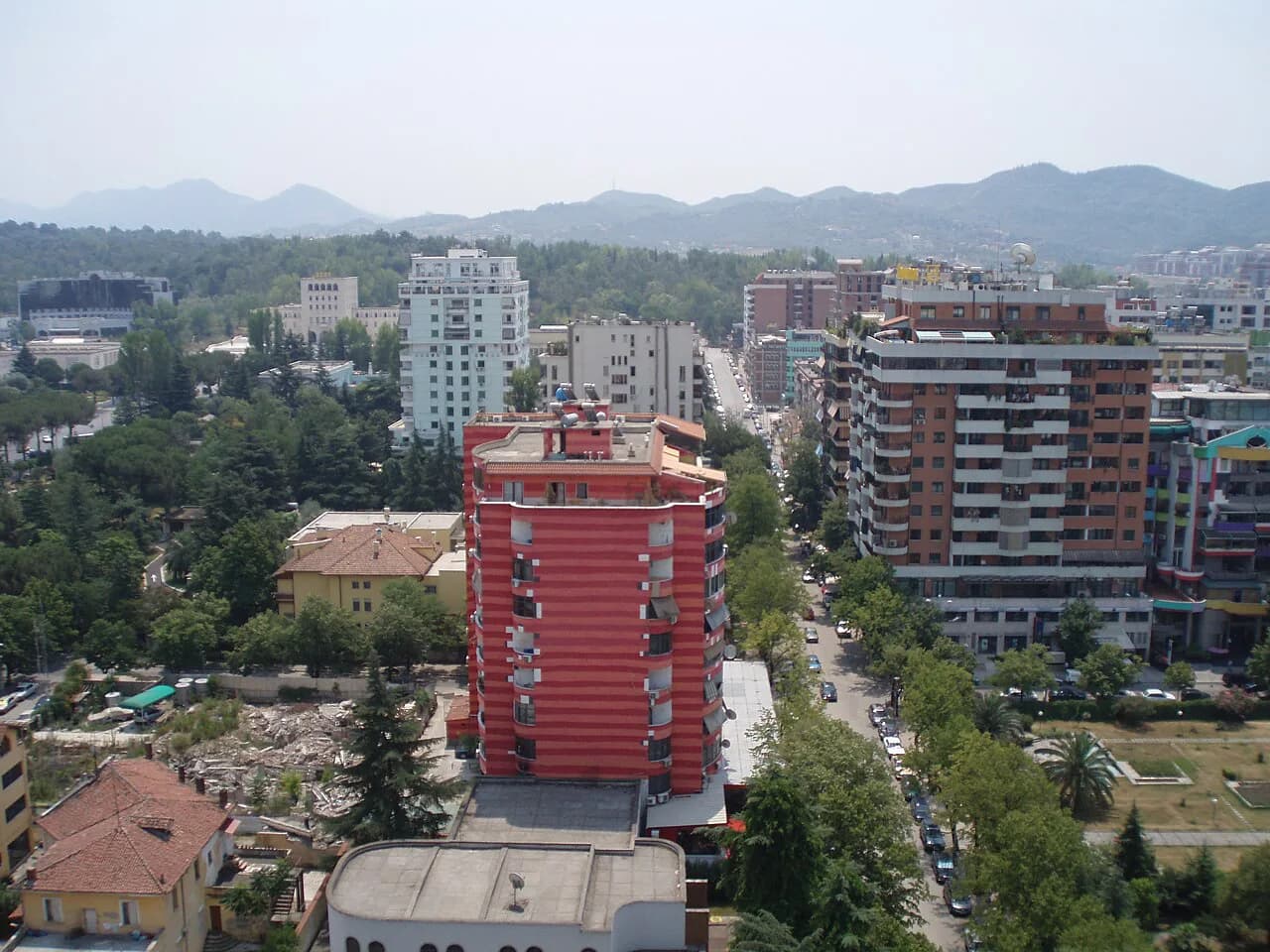
Later decades brought a facelift under a reformist mayor, whose first projects included repainting buildings and renovating parks, so the Ottoman core now sits against brighter modern façades. Reading the square this way lets you separate the Ottoman layer from the 20th-century layer in a single view.
Skanderbeg Square and the government boulevard: laying out the capital
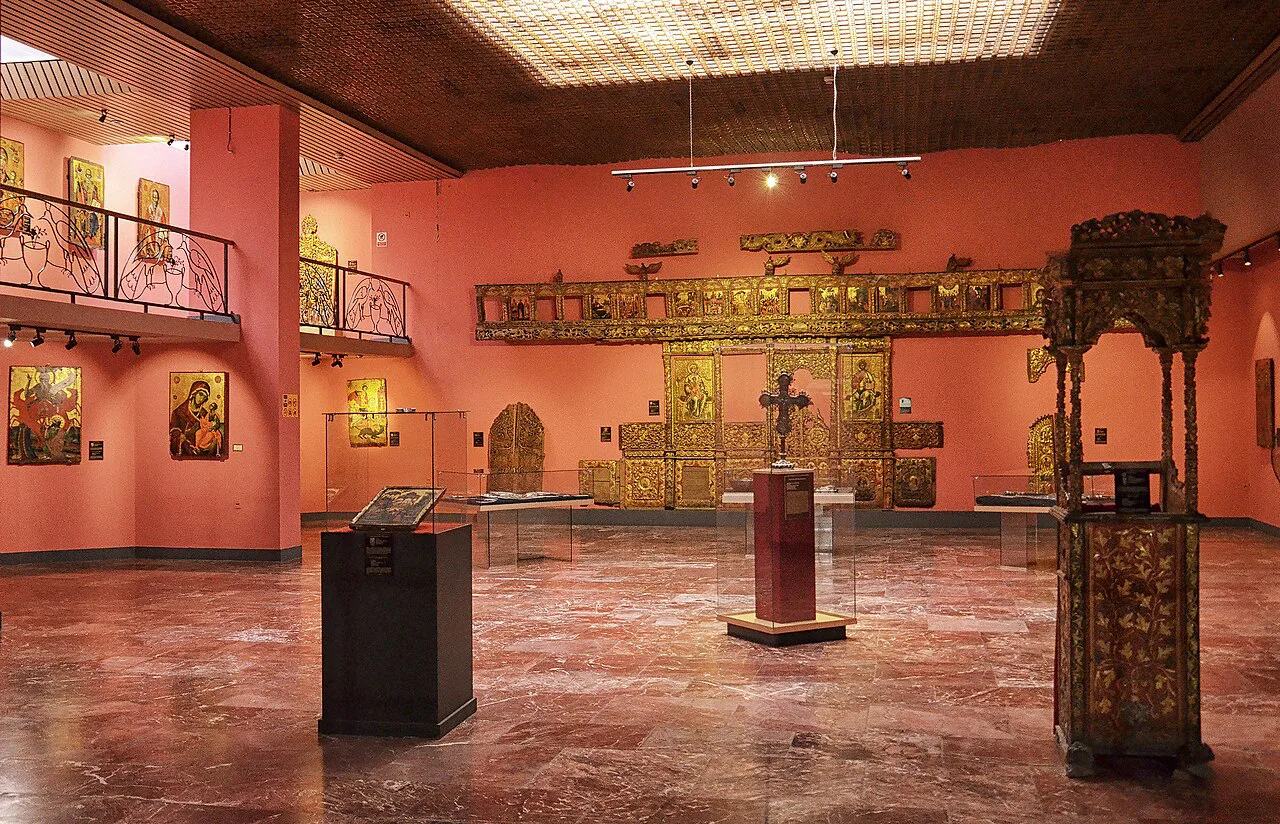
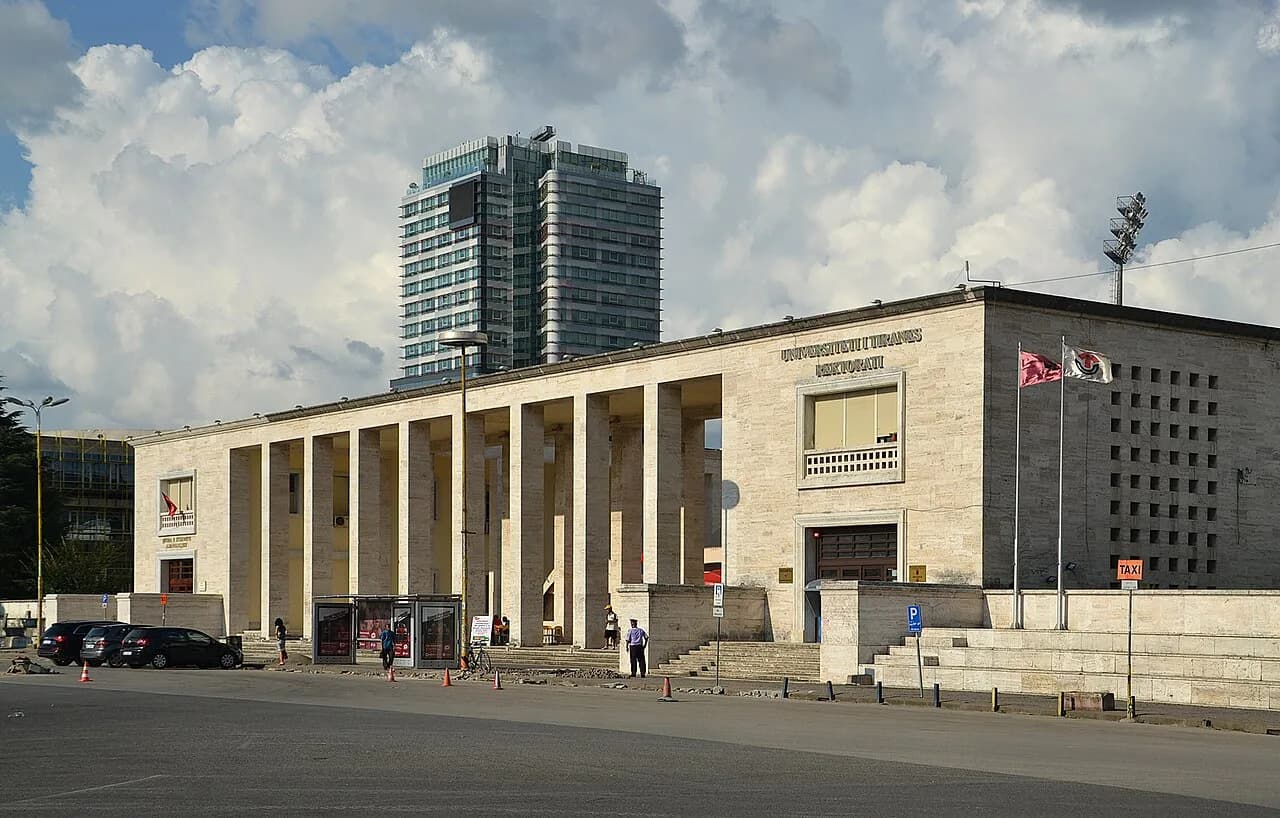
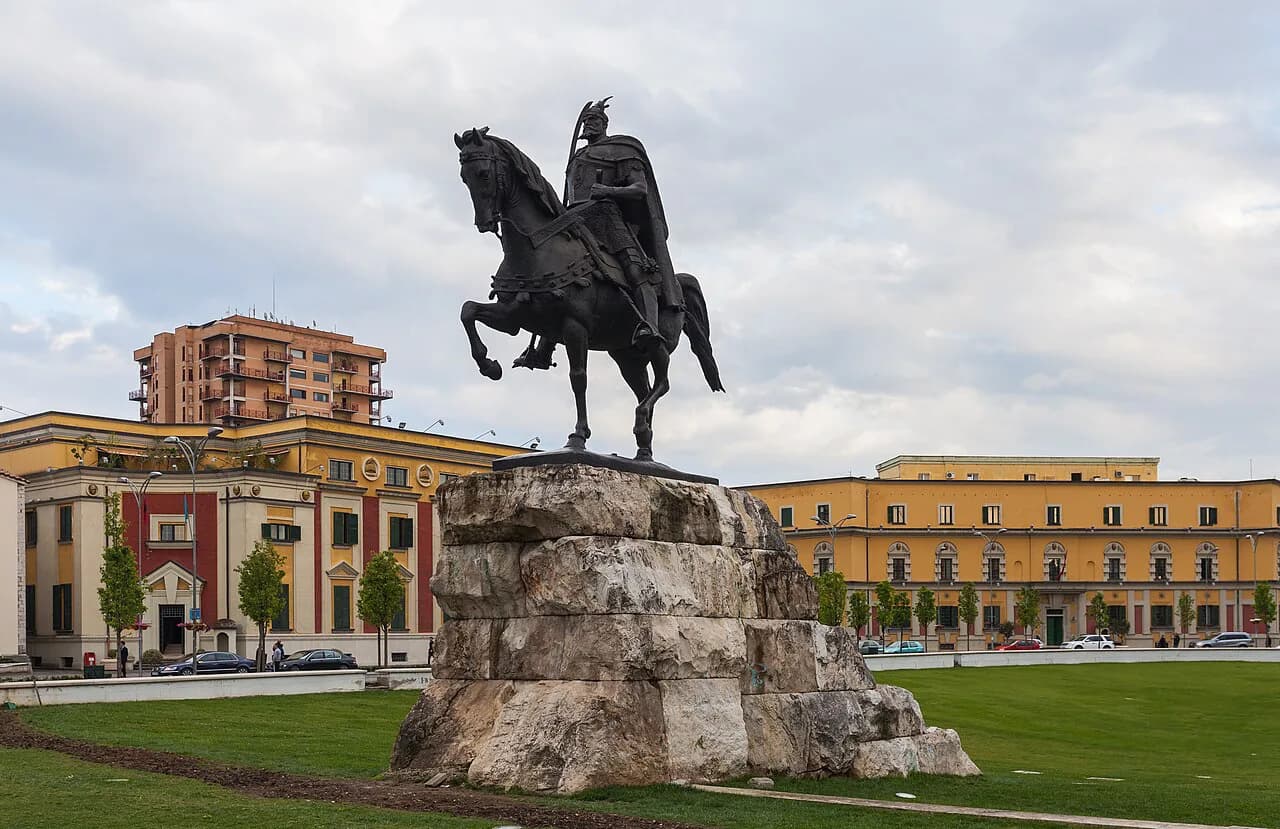
The capital's institutions cluster along the main government boulevard and around Skanderbeg Square: the National History Museum, the Palace of Culture, the main government buildings and, on Murat Toptani Street, the edge of the older quarter. A short loop between the square and the boulevard passes most of the landmarks a first-time visitor wants to see.
The Et'hem Bey Mosque and Clock Tower, the Pyramid of Tirana, Bunk'Art 1 and the Dajti Express cable car are the sites most often named as the city's headline attractions, which is a useful shortlist if your time is limited. Plan the central ones on foot and treat the cable car and bunker as a separate excursion.
If you prefer a guided route through the same streets, a two-hour walking tour covers about four kilometres on foot and can be booked at any time of day. That length suits a first morning: it gets you oriented before you commit to individual museums.
Communist Tirana: Enver Hoxha, the bunkers and what visitors can see
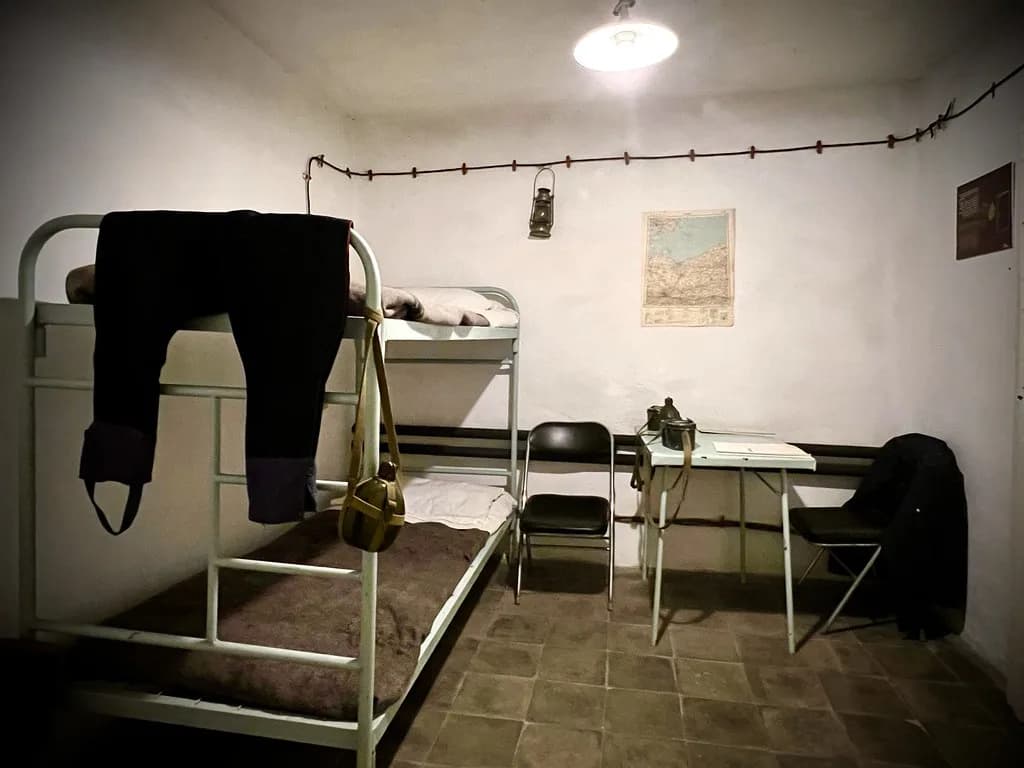
Albania was ruled by the Communist Party from the end of the Second World War until 1992, most of that time under Enver Hoxha, who died in 1985. His government prepared the country for an attack that never came, and the concrete bunkers built for that purpose are the period's most visible legacy in the landscape. Visitors can still see the rooms built for Hoxha, his second in command and an officer, along with displays on how Albania became a communist state after Italian and German rule ended.
The Bunk'Art 1 complex is the most direct way to engage with that period on a visit, and it sits on the city's edge rather than in the centre. Our guide to Tirana bunkers covers the sites themselves in more detail, including what survives of the wider network.
Bunk'Art 1: the bunker museum on the edge of the city
Bunk'Art 1 is a museum inside a large bunker complex built for Hoxha and his political elite, where the country's leadership expected to govern in the event of War or nuclear attack. Inside you can walk through the dictator's room, the room of his second in command and an officer's room, alongside exhibits on Albania's wartime and communist past.
The museum lies on the city's outskirts beside Dajti Mountain, roughly a 20-minute taxi ride from the centre, and it is not a walkable stop from Skanderbeg Square. It is right next to the lower station of the Dajti Express cable car, so the sensible plan is to pair the two in one trip.
The cable car itself takes about 15 minutes to climb through the national park, with views back over the city and towards the Adriatic on a clear day. Take the taxi out, do the museum, then ride up and return from the lower station.
The Pyramid of Tirana in the post-communist cityscape
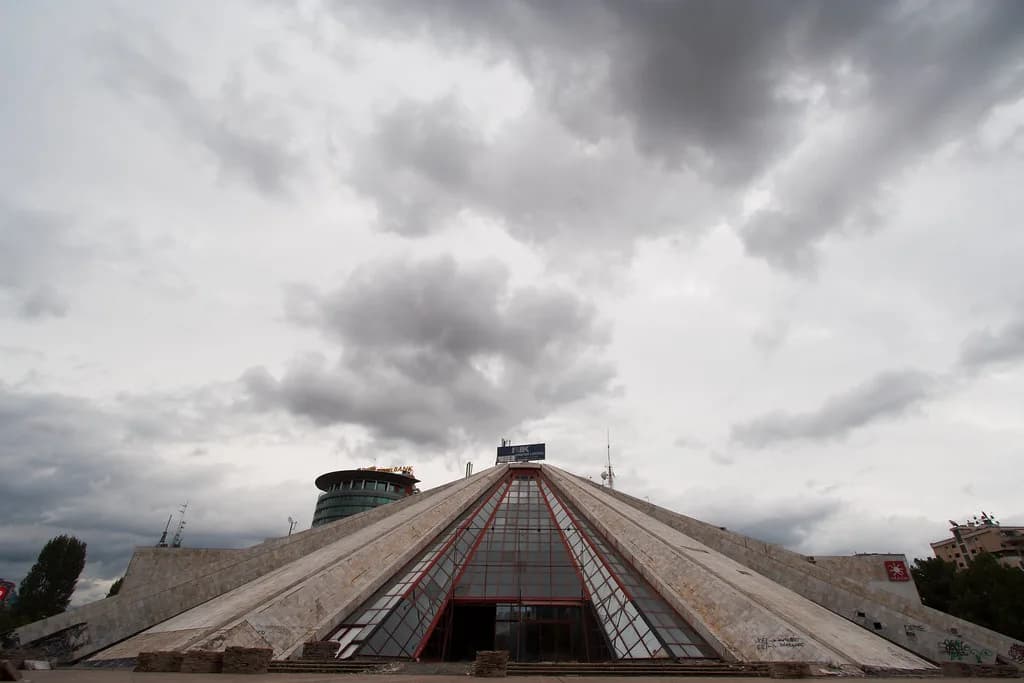
The Pyramid of Tirana is one of the capital's better-known landmarks, listed alongside Skanderbeg Square and the government boulevard among the city's famous spots. Treat it as a piece of the modern cityscape rather than a museum: you look at it from outside as part of a walk, and it works best on the same loop as the central squares.
The modern city's other layer is visible in the revived restaurant and café culture, where Albanian cooking has returned after the communist decades. If you are building a day around historical sights, use a café stop on the square to break the walk rather than treating food as a separate outing.
What to see in Tirana if history is your main reason for coming
Build the day around three layers. Start with the Ottoman core at the Et'hem Bey Mosque and Clock Tower, move into the capital years along the government boulevard and Skanderbeg Square, then finish with the communist period at Bunk'Art 1.
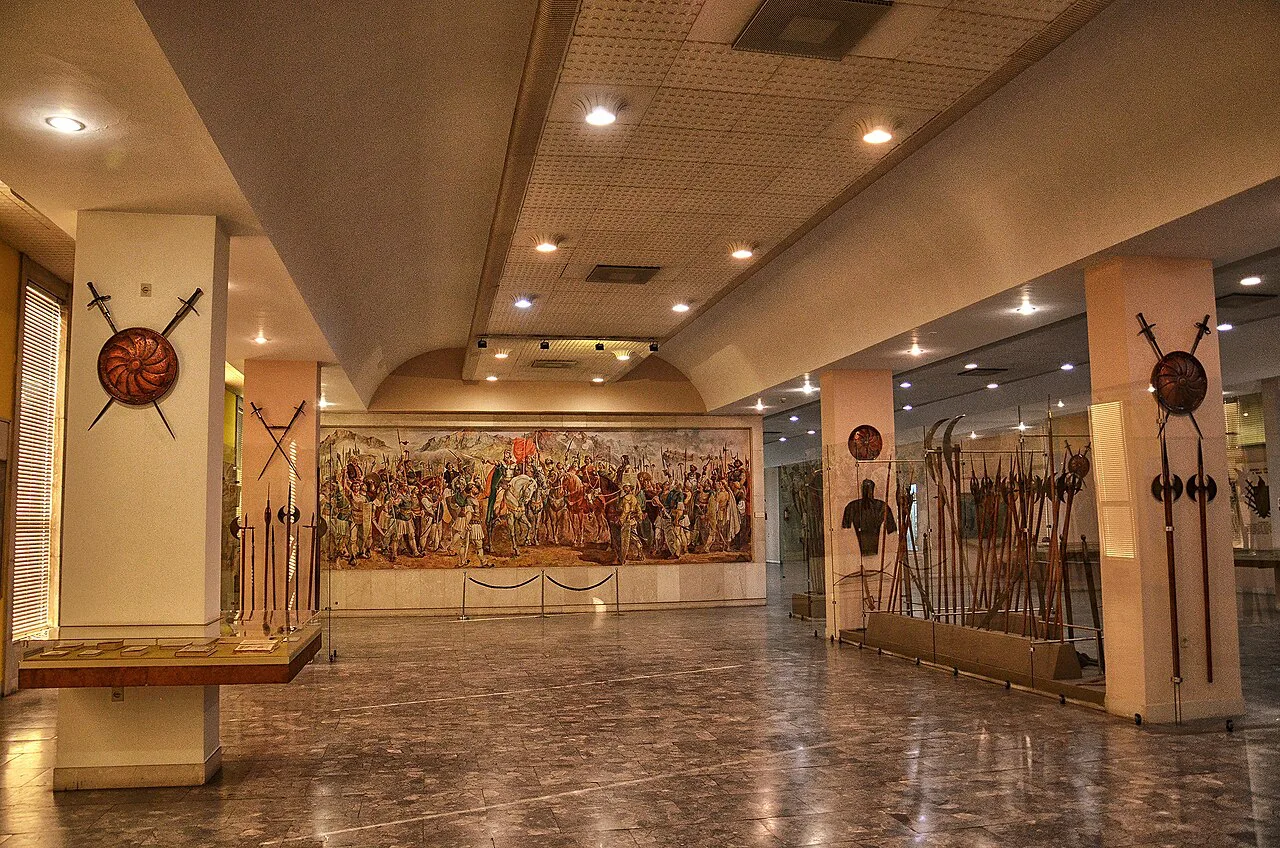
For indoor history, the National History Museum on Skanderbeg Square is the obvious anchor, and our guide to Museums in Tirana sets out the rest of the options if you want more than one. Choose by period rather than by size: one museum for the national story, one site for the communist era, and the rest on foot.
Our Tirana Attractions page maps the individual sights across the city, which helps when you are deciding how to group them. The central streets between the square and the boulevard are compact enough to cover on foot in a couple of hours.
How long Tirana's historic sights take and how to reach the outlying ones
Allow a morning and early afternoon for the centre. A two-hour guided walk covers about four kilometres, and the stretch from the mosque and clock tower to the government boulevard and the Pyramid fits inside that. Add time for a museum of your choice, and the centre is comfortably done on foot.
Keep Bunk'Art 1 and the Dajti Express cable car as a separate half-day. Both sit outside walking distance and are reached by taxi in roughly 20 minutes from the centre, and pairing them means one return journey instead of two. Check the museum's and cable car operator's current opening times before you set out.
Which period should you start with?
Start with the capital years. The 1920 decision to move the government to Tirana explains the layout you walk through: institutions scattered along the boulevard, the square at the centre, and a town that grew into the role rather than being built for it.
From there, work outwards in time and distance: the Ottoman mosque and clock tower on foot, then the communist bunker and cable car by taxi. That order gives you the city's story in sequence without doubling back across town.
Explore more Tirana guides
Sources
Notes for your Albania trip
Optional updates to our Albania town guides.
You might also like
Continue reading
More guides you'll find useful