Tirana Old Town Guide: Streets, Squares & Bazaar to Explore
Tirana has no walled old town, but its historic core packs in Skanderbeg Square, Et'hem Bey Mosque, Tirana Castle and the Pazari i Ri bazaar streets.
On this page
Tirana has no walled old town, and anyone expecting a medieval quarter of the kind found in Berat or Gjirokastër will be looking in the wrong place. The city was transformed after it became the capital in 1920, which explains why there is no typically European-style old town here. What Tirana does have is a compact historic core around Skanderbeg Square, and this guide walks you through it in order: the square, the mosques, the castle lanes, the bazaar and the Ottoman bridge by the Lana.
What 'old town' means in Tirana
Treat the old town as a cluster of surviving Ottoman and early-twentieth-century fabric inside a modern centre, not as a district with gates. The Et'hem Bey Mosque on Skanderbeg Square and the lanes around Tirana Castle are the clearest remnants, while the bazaar streets and the stone bridge by the Lana carry the same period feel. Everything on this walk sits within roughly 20 minutes of the square on foot.
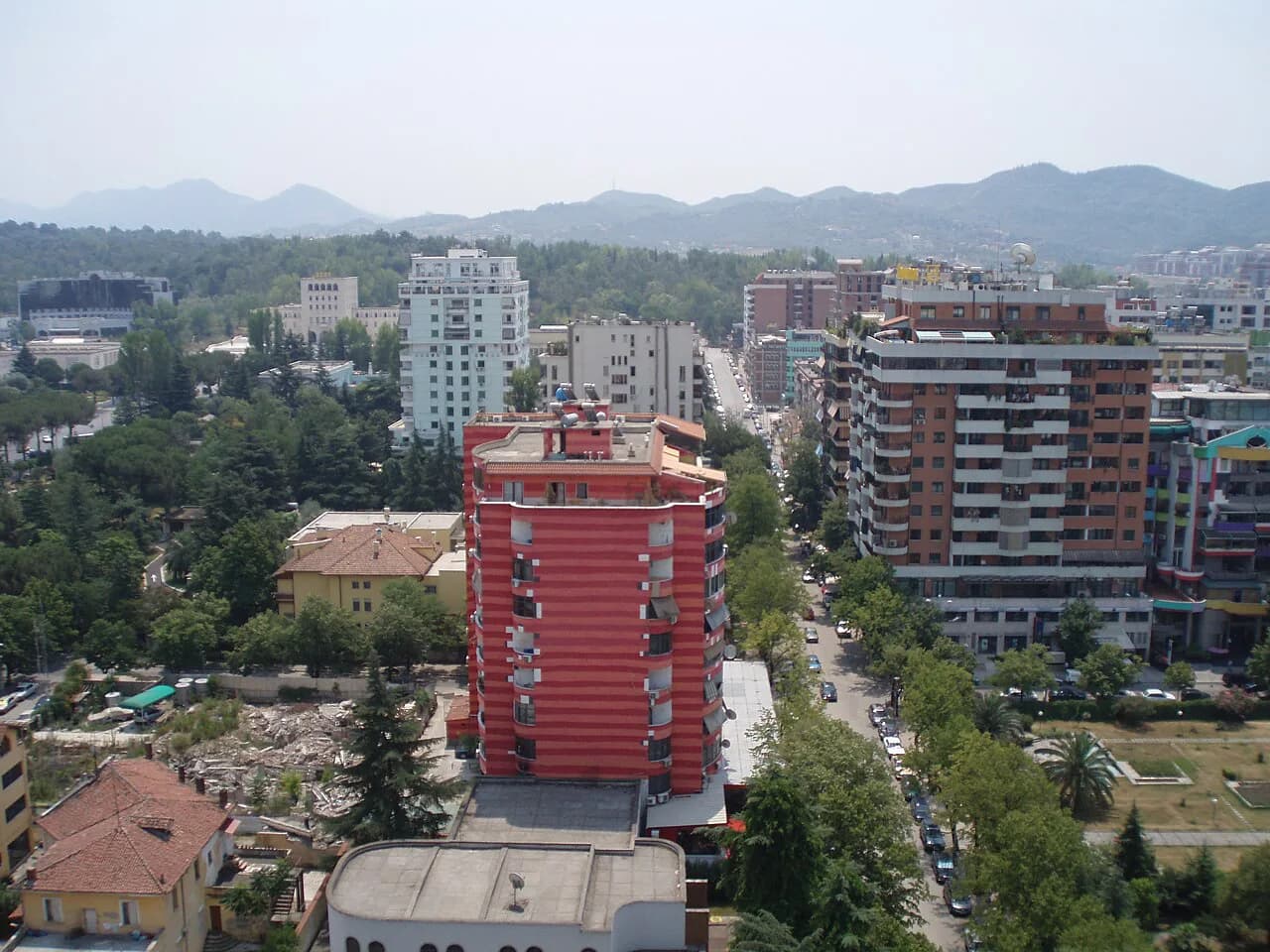
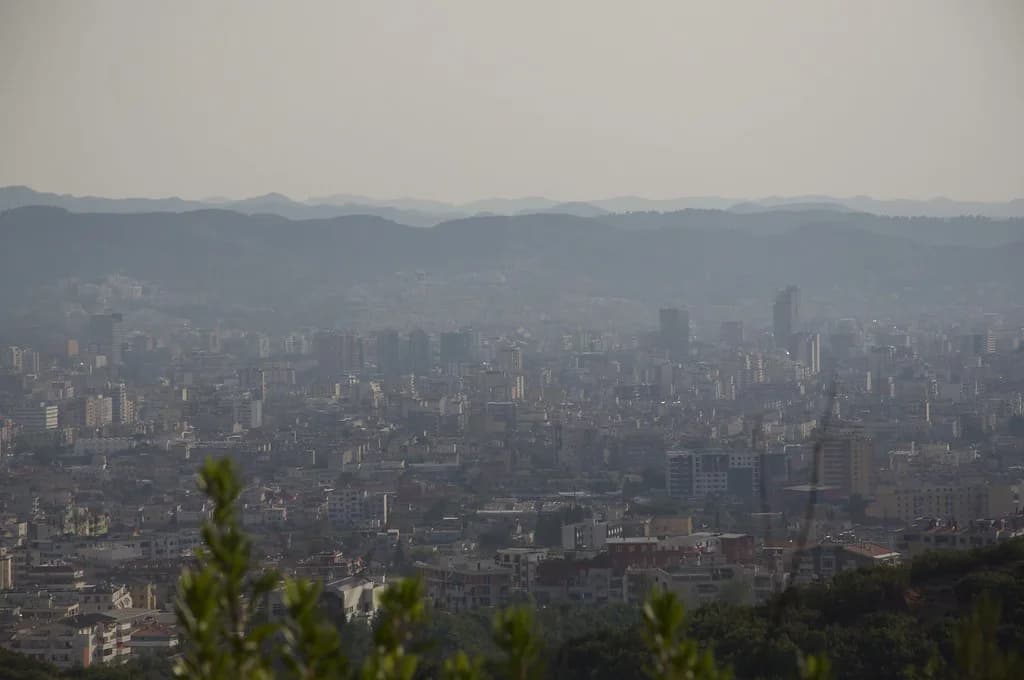
The rest of the centre is a layered mix: Italian and Austrian-influenced buildings from the 1920s onward, communist-era monuments, and new towers going up around them. Reading the core this way stops the disappointment of hunting for something that was never built, and it makes the individual stops easier to place.
The layout: square, castle, bazaar and river
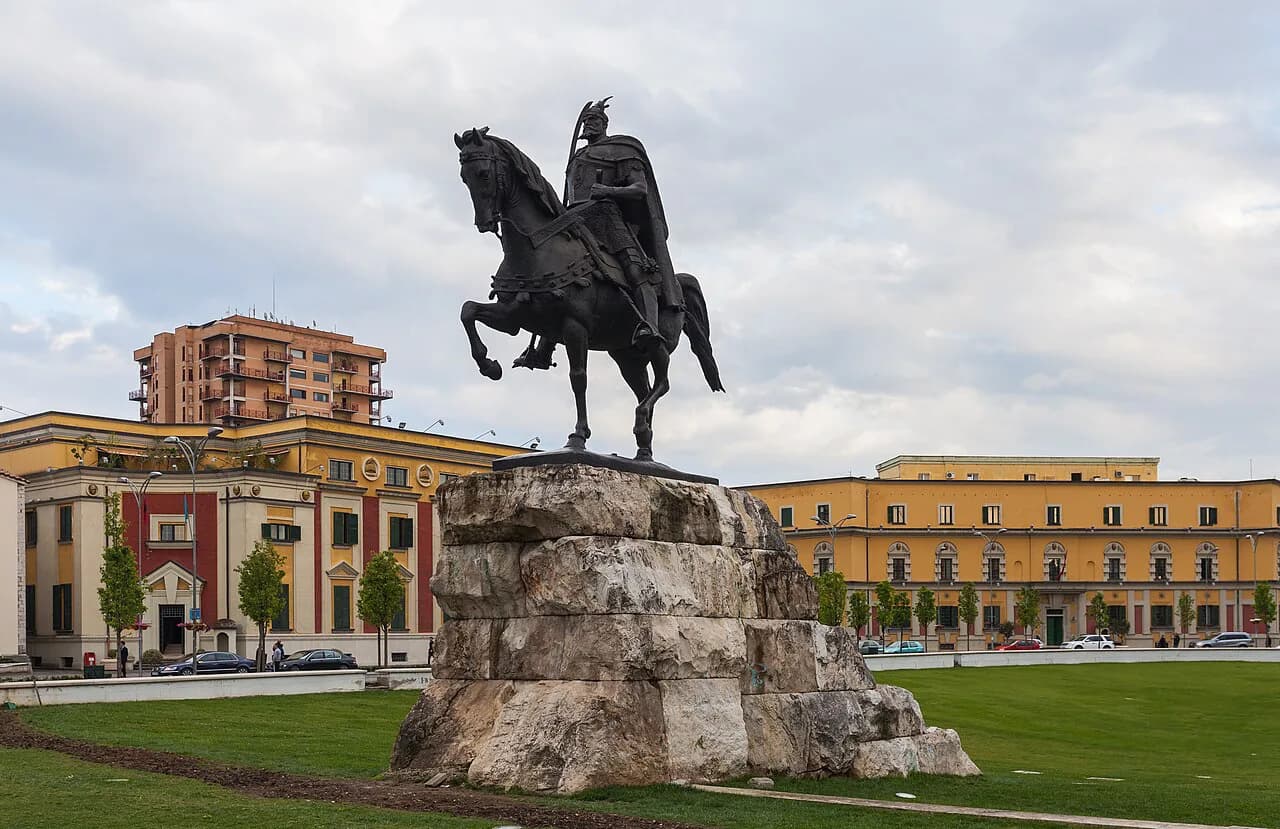
Skanderbeg Square is the natural centre and the place to start. The castle and the bazaar streets lie to the east, and the Lana River with Tanners' Bridge sits to the south. Once you hold that simple picture, every stop below is a short walk rather than a separate trip.
The Pyramid and Bunk'Art 2 sit within the same compact area, with Bunk'Art 2 just off Skanderbeg Square in the centre of the city. Bunk'Art 1 and the Dajti cable car are the outliers, out on the edge of the city and about 10 minutes' walk from each other. If museums are your priority, the broader set of collections is covered in our guide to museums in Tirana. Note that the National Historical Museum and the National Gallery of Arts were both closed at the time of writing, with no reopening date given, so check before relying on them.
Skanderbeg Square: what stands around it and how long to allow
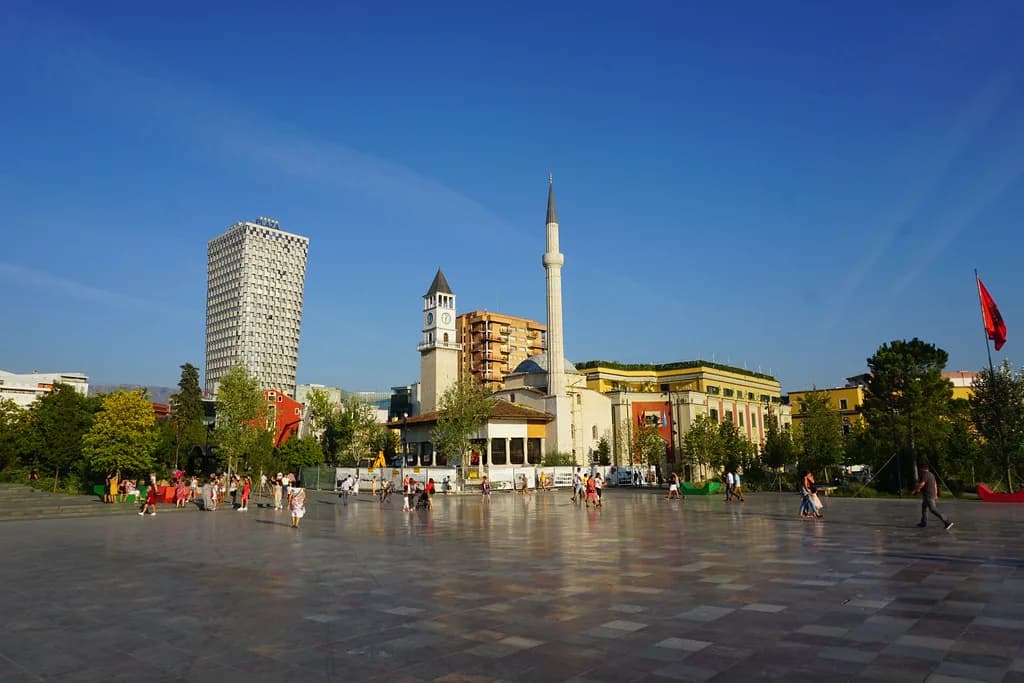
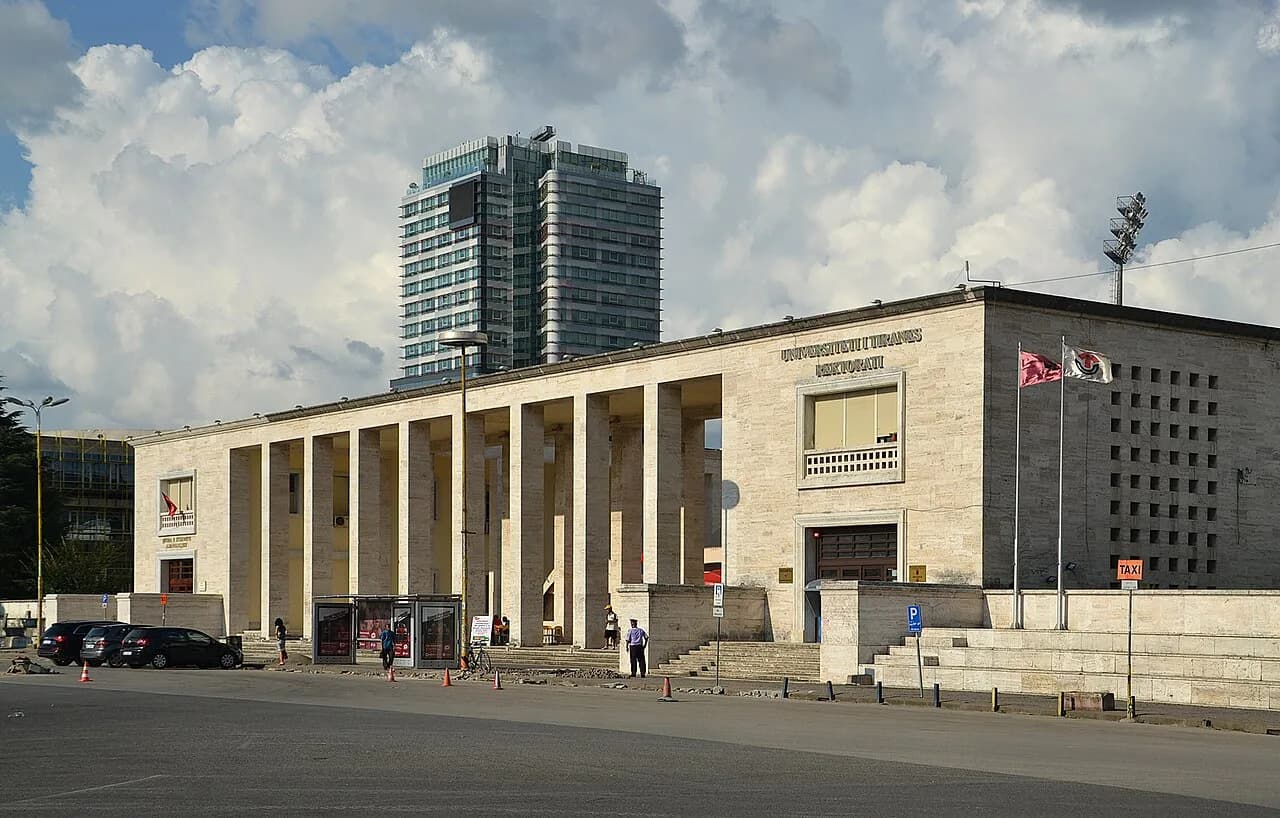
Skanderbeg Square holds an unusual concentration of buildings in one view: a communist-era hotel and the Palace of Culture, a new skyscraper shaped like a man's head, the eighteenth-century Et'hem Bey Mosque and a 1920s government building. The National Historical Museum faces the square too, its facade carrying a large mosaic. Allow 20 to 30 minutes to circle it properly and read the facades rather than cutting straight across.
The square is also where the city's public art begins. The Cloud, known locally as Reja, hangs like suspended scaffolding outside the National Art Gallery, and murals are scattered on facades around the centre. Look up as you cross, because several of the best pieces sit above street level.
Et'hem Bey Mosque and the Grand Mosque of Tirana
Et'hem Bey Mosque is the one to see for atmosphere, standing right on Skanderbeg Square. The Grand Mosque of Tirana rises further across the city and is described as the largest mosque in the Balkans. The two make a natural pair for anyone comparing Ottoman and modern religious architecture; our guide to Tirana's Mosques goes into each in detail.
Most churches and mosques in the city can be visited, but mosques are often closed to tourists during Friday prayers, so plan a visit outside that window. Dress modestly for both. The city's religious mix is part of the walk itself: the call to prayer and church bells sound across the same streets, and a cathedral sits within the centre too.
Tirana Castle and the streets inside it
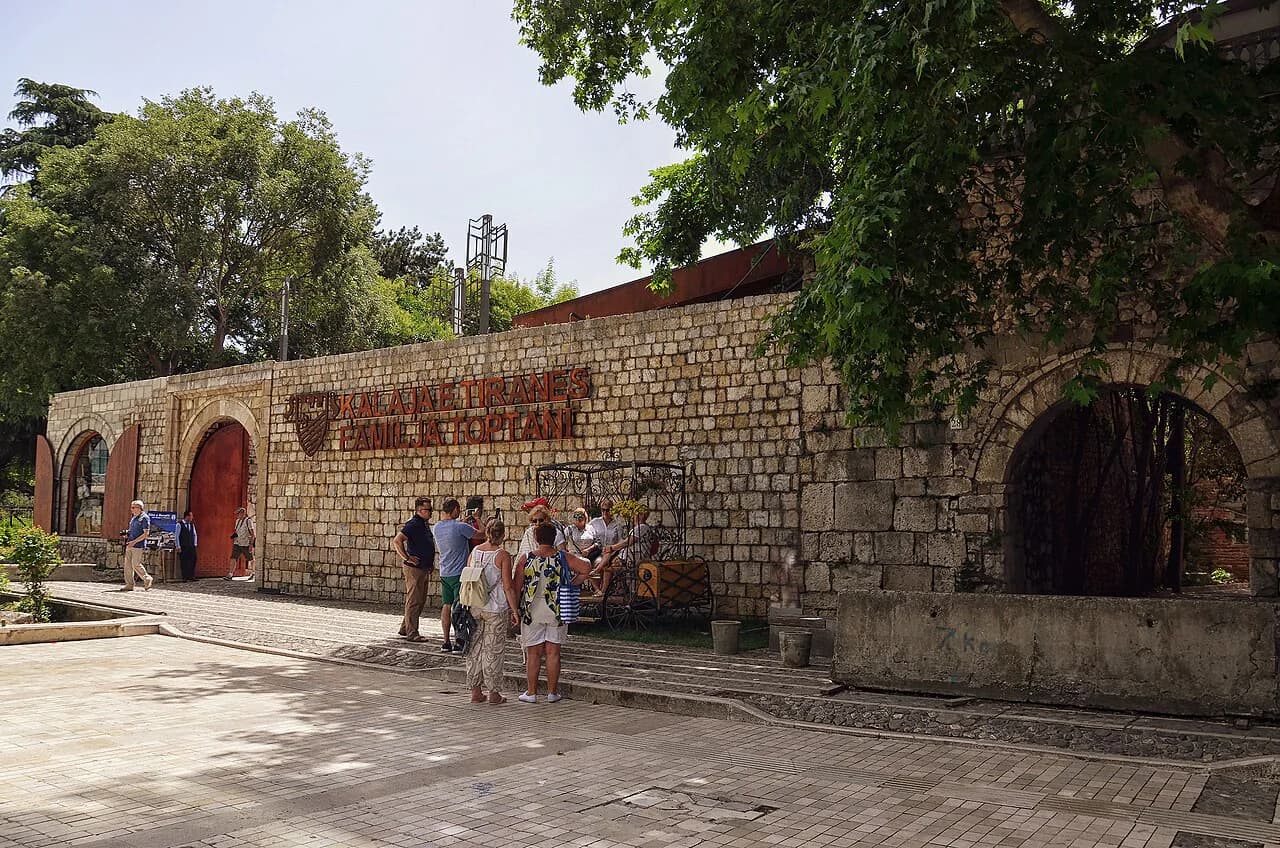
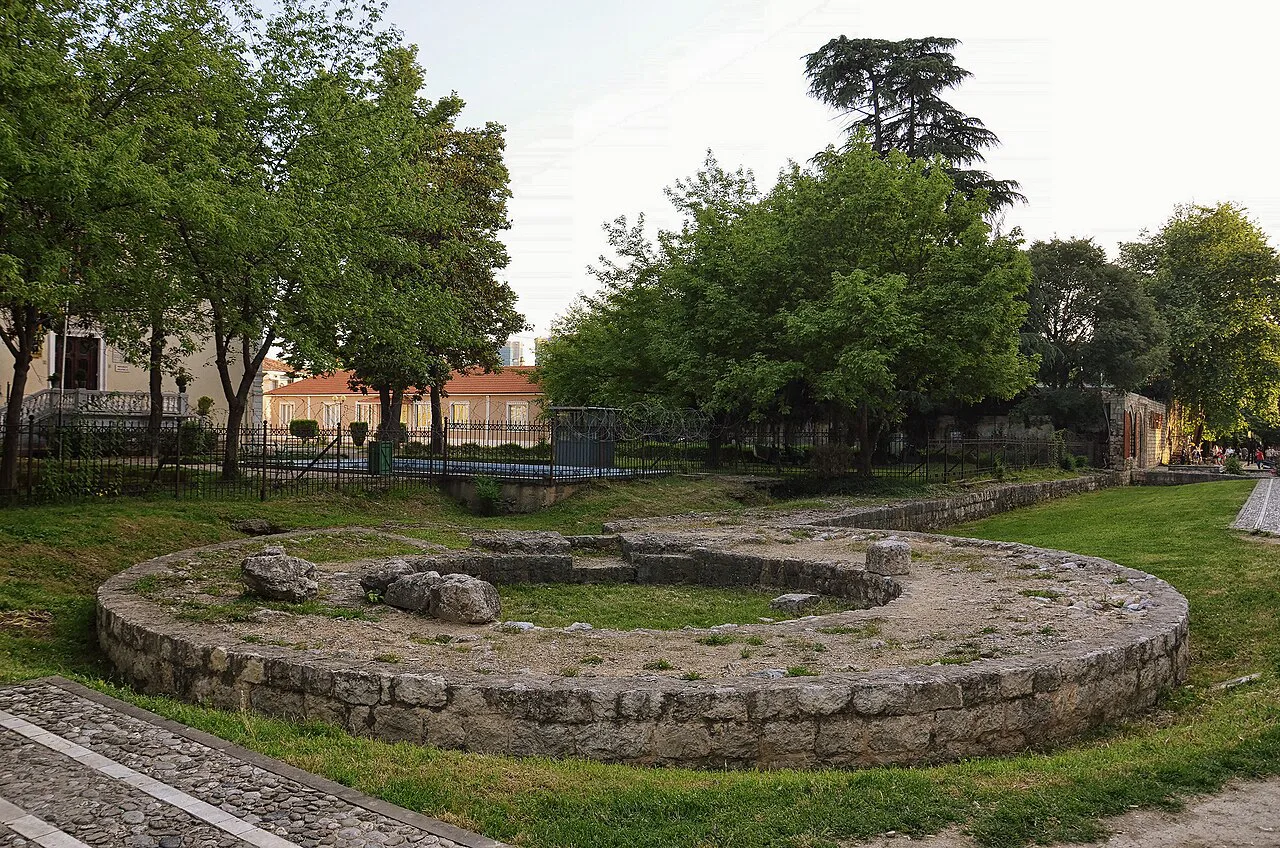
Tirana Castle is not a fortress you climb but a surviving fragment of wall enclosing a small quarter of lanes, now filled with restaurants and shops. It works best as a pause in the middle of the walk: step inside, follow the lanes, and come out where you went in. It is one of the few places in the centre where the old street pattern survives intact.
Because the castle is a place to eat and wander rather than a ticketed monument, no fixed time is needed. Build in half an hour if you want a proper look at the walls and the lanes, less if you are just passing through on the way to the bazaar.
Pazari i Ri bazaar: what the market streets are like
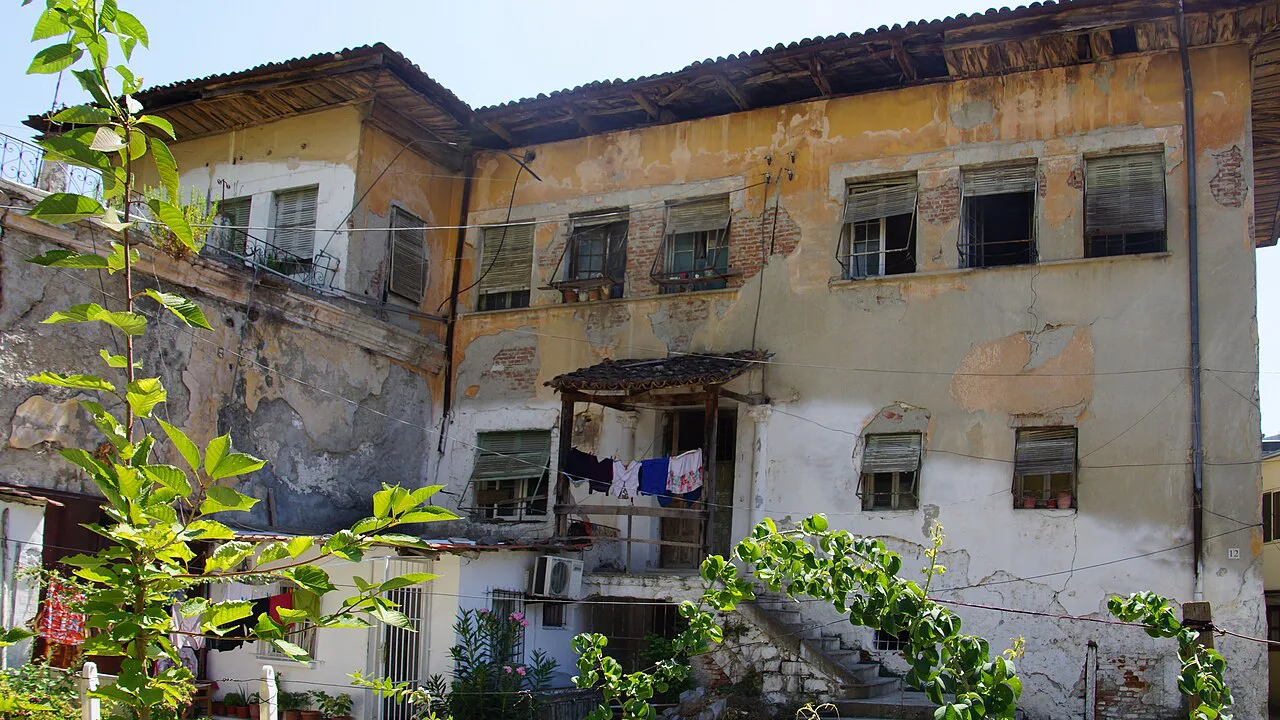
Pazari i Ri is the new bazaar, a market quarter of stalls and small shops rather than a single building. It is the place to see produce, food counters and everyday shopping in the middle of the sightseeing. Set aside 30 to 45 minutes if you want to browse, less if you are only passing through.
The bazaar streets sit beside the castle and flow naturally into them, so the two stops work as one stretch of the walk. Mornings are the more useful time for produce; the lanes stay lively through the day.
Tanners' Bridge and the Ottoman lane beside the Lana
Tanners' Bridge crosses the Lana south of the centre and dates from the Ottoman period, when tanners used it in their work. It is a small stop, but it gives the walk a genuine piece of old infrastructure rather than another restored facade. The surrounding lanes are quiet and quick to cover.
Pair the bridge with the river rather than treating it as a destination on its own. Walk down from the square, cross, and loop back through the streets toward the castle. The whole southern leg adds perhaps 20 minutes to the route.
The Pyramid, Bunk'Art 2 and the communist layer
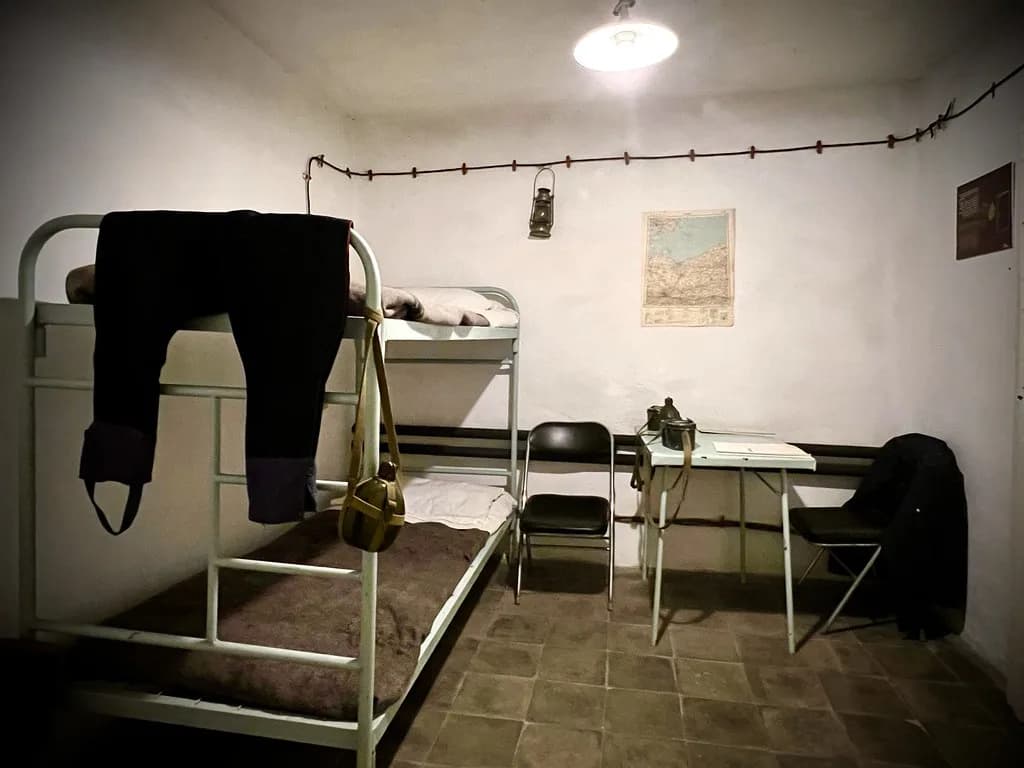
The Pyramid was originally planned as a mausoleum for Enver Hoxha, but it was not ready in time for that purpose and instead served as a museum dedicated to him during the final communist years. It later stood derelict before being renovated into a centre of tech education facilities, shops, bars and restaurants. It is worth a look for the way one building carries the regime's rise and fall in a single structure. Bunk'Art 2, just off Skanderbeg Square, covers the policing and detention side of the same era.
This communist layer sits inside the walkable core, which is what makes Tirana's centre unusual: Ottoman, interwar and communist fabric follow one another within a few minutes. For the wider context, including how the regime reshaped the city, our Tirana history guide fills in the background. The city's bunkers are covered in more detail in our guide to the bunkers in Tirana.
A walking route through the core
Start at Skanderbeg Square and give it 20 to 30 minutes, then visit Et'hem Bey Mosque at its edge. Head east into Tirana Castle and follow the lanes for half an hour, then continue into the Pazari i Ri bazaar for another 30 to 45 minutes. Walk south to Tanners' Bridge and the Lana, then loop back through the centre past the Pyramid and Bunk'Art 2.
The full circuit is a half day at an unhurried pace, and a two-hour version covers the square, the mosque, the castle and the bazaar. Everything except Bunk'Art 1 and the cable car lies within about 20 minutes' walk of the square, so no transport is needed. If you want the history explained on foot, a Tirana free walking tour is a reasonable alternative to self-guiding.
Where the old town stops and modern Tirana begins
The historic core ends within a few streets of the bazaar and the river; beyond that the centre turns into the interwar and modern city, with the bold new towers going up around the edges. Blloku, once a restricted zone, is now a district of cafés to the south, but it belongs to modern Tirana rather than the old town. Dajti mountain and the cable car are a separate outing entirely.
That limit is why a two-hour wander covers the old-town sights comfortably. It also means you should not expect a boundary, a gate or a preserved street grid: the experience is a handful of streets and buildings read in sequence.
Practical points: surface, shade and timing
The walking is flat and paved, which makes it easy on the feet compared with Berat or Gjirokastër, but shade on the square is limited and the open stretches get hot in summer. Save the bazaar and castle lanes for the middle of the day, when their narrower streets offer more cover. Carry water rather than relying on cafés along the way.
The one timing trap is Friday prayers, when mosques are often closed to tourists, so build the mosque stop around that. Dress modestly for religious buildings, and check before setting out: the National Historical Museum and the National Gallery of Arts were both closed at the time of writing, with no reopening date given.
Should you walk the old town or book a tour?
Walk it yourself if you want the freedom to linger in the castle lanes or the bazaar; the compact layout makes self-guiding straightforward and costs nothing beyond what you spend in the market. Book a walking tour if you want the communist and Ottoman layers explained as you go, which genuinely helps at the Pyramid and Bunk'Art 2. Either way, two hours is enough for the core, and half a day lets you add the river; bear in mind that the main city museums were closed at the time of writing.
Explore more Tirana guides
Frequently Asked Questions
Does Tirana have an old town?
Not in the walled or medieval sense. Tirana was transformed after becoming the capital in 1920, so there is no typically European-style old town. What survives is a compact historic core around Skanderbeg Square with Et'hem Bey Mosque, the castle lanes, the Pazari i Ri bazaar and Tanners' Bridge, all within walking distance of each other.
How long does the old town walk take?
Two hours covers Skanderbeg Square, Et'hem Bey Mosque, Tirana Castle and the bazaar at an easy pace. Allow half a day if you want to add Tanners' Bridge, the Pyramid and Bunk'Art 2. Everything except Bunk'Art 1 and the Dajti cable car sits within about 20 minutes' walk of the square.
Can I visit the mosques in Tirana?
Most churches and mosques in the city can be visited, but mosques are often closed to tourists during Friday prayers, so plan around that window. Dress modestly. Et'hem Bey Mosque is the easiest to include because it stands on Skanderbeg Square itself.
Sources
Notes for your Albania trip
Optional updates to our Albania town guides.
You might also like
Continue reading
More guides you'll find useful