Churches in Albania: Orthodox, Catholic and What to Look For
A practical guide to Albania's Orthodox and Catholic churches, the country's church landscape and how to visit these buildings respectfully.
On this page
Albania's churches fall into two families you will meet on the road: Orthodox and Catholic. The Orthodox Autocephalous Church of Albania runs its own archbishop, Holy Synod and network of metropolises, while Catholic parishes form a separate church with their own churches and clergy. This guide covers how each is organised, what to look at inside a church building, what happened to churches under state atheism, the Cathedral of the Resurrection of Christ in Tirana and how to visit respectfully.
The practical decisions are simple. Decide whether you are visiting a working church for prayer or a monument for its architecture, dress for both, and stay quiet during a service. Parish noticeboards, not guidebooks, are the reliable source on when a door is open.
What Albania's church landscape looks like today
The Orthodox Autocephalous Church of Albania describes itself as belonging to the One, Holy, Catholic and Apostolic Church, holding autocephaly, meaning responsibility for its own church life in the local language while remaining in unity with Orthodoxy worldwide. In practice that means an Albanian-led church with its own archbishop and synod rather than a branch of another national church.
The Catholic Church is the other historic Christian community you will encounter, with its own parishes and buildings distinct from the Orthodox structure. Albania's Christian presence reaches back to the apostolic era in the church's own account of its history, and that long story runs through the country's Albanian history more broadly.
Albania's religious landscape also includes Muslim communities, which shape the look of many town centres alongside the churches. Do not expect a single national church style: the building you walk past may be Orthodox, Catholic or something else, and the sign at the gate usually tells you which.
How the Orthodox Church of Albania is organised
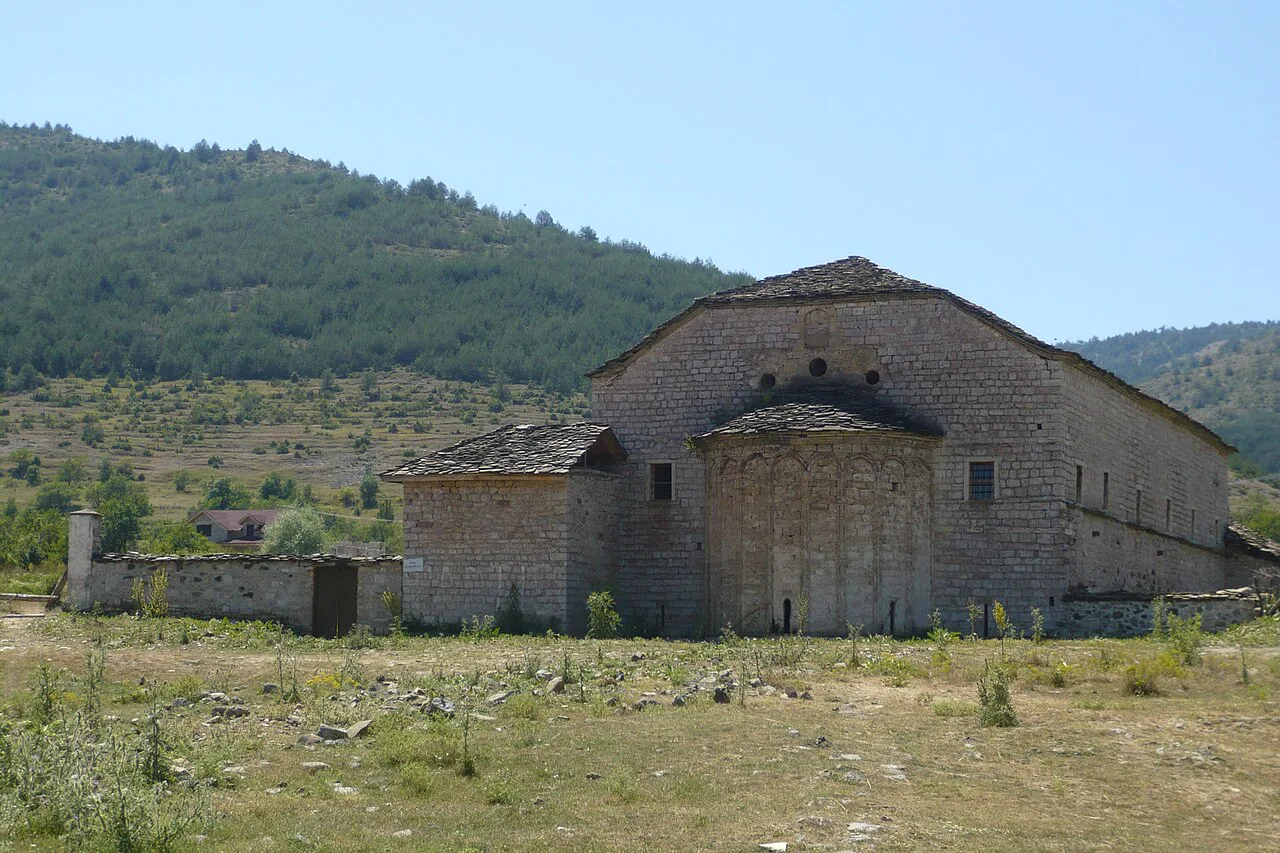
The church is led by the Archbishop together with the Holy Synod, working with metropolitans and clergy across the country. Each metropolis carries on liturgy, preaching, catechesis and social work in its own area, so the church you visit belongs to a local structure rather than a distant head office.
Are there Catholics in Albania? Yes. The Catholic Church has its own parishes and churches in Albania, separate from the Orthodox Autocephalous Church of Albania.
What should I wear in an Albanian church? Cover your shoulders and knees, keep your voice low and switch your phone to silent. In Orthodox churches, women may be expected to cover their heads, so carry a scarf.
Archbishop Anastasios led the church through its rebuilding after the fall of the atheist regime, reviving liturgical life, forming new clergy and restoring and building churches. The church's official site lists Archbishop Joan alongside Anastasios in its leadership section. For visitors, this matters mainly because it explains why so many Albanian churches look recently repaired or newly built rather than centuries old.
The church also runs schools, clinics and media, including the Ngjallja newspaper and Radio Ngjallja. These are not sights, but they show that a church here is a community institution, not only a building to photograph.
Catholic churches and communities in Albania
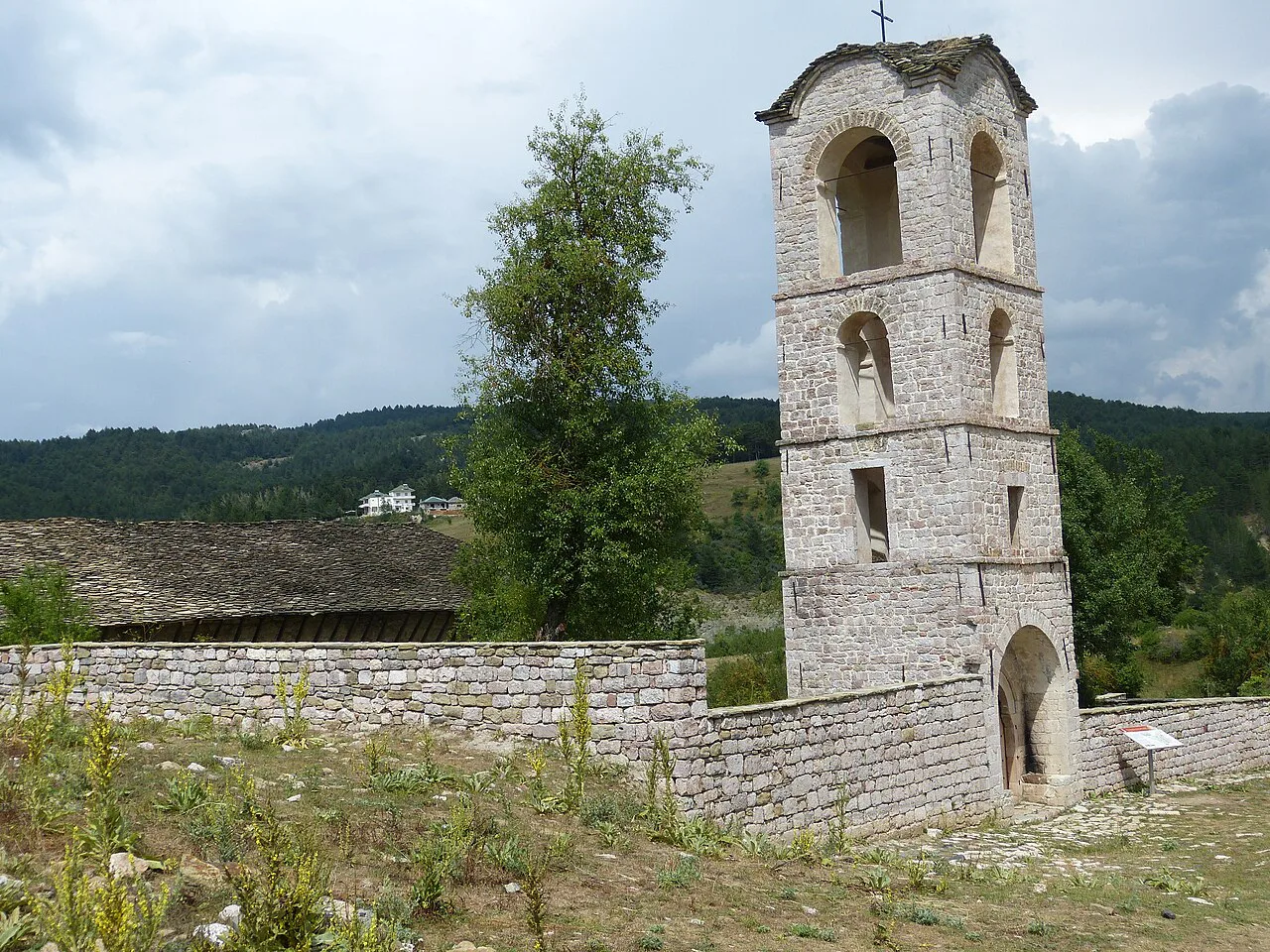
Catholic parishes form a separate strand of Albanian church life, with their own churches and clergy. If you are tracing Christian heritage across the country, treat Orthodox and Catholic buildings as two traditions rather than one undifferentiated category, because their interiors and the rhythm of their services differ.
There are also newer arrivals. Grace Church, a church in Michigan, describes a church-planting ministry among Albanian populations in the Balkans and names a congregation in Shkodër. That is one small Protestant community, not the Catholic Church, and it is useful mainly as a reminder that Albania's Christian landscape is wider than the two historic families.
For a visitor, the distinction is practical. A Catholic church may keep a different atmosphere and a different pattern of services from an Orthodox one, and a small evangelical congregation may meet in a plain hall rather than a historic building. Read the noticeboard before assuming what kind of church you have found.
Reading a church building: domes, iconostases and frescoes
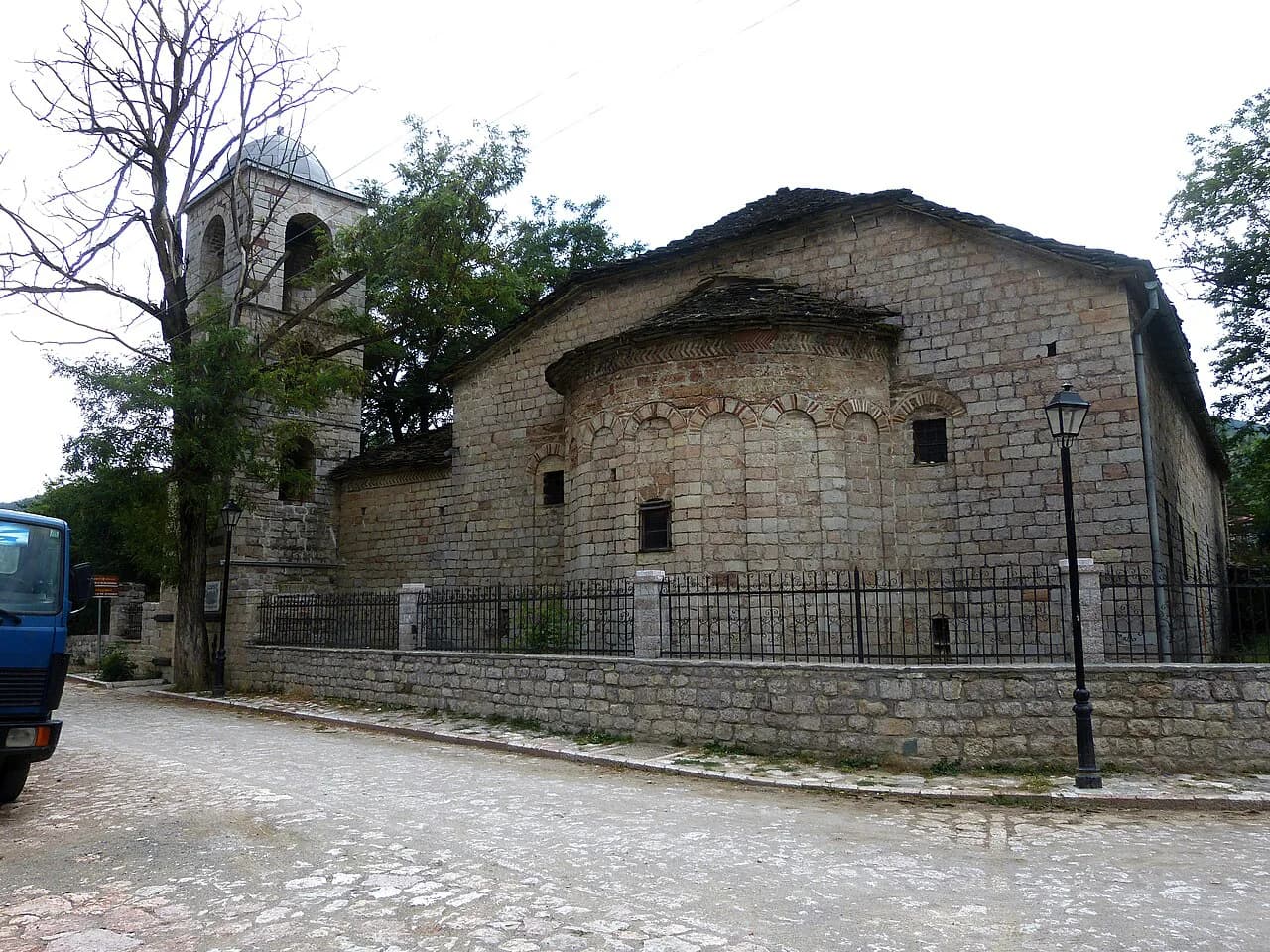
Orthodox churches in Albania follow the wider Orthodox pattern, with painted walls and icons at the heart of the interior. When you step inside, look up before you look around; the arrangement of the space and its imagery are where the building's theology is most visible, and Byzantine churches elsewhere in the Balkans follow related conventions.
The church's own account stresses that a church is a place of worship first, holding the timeless wealth of Orthodoxy rather than simply old walls. That is a useful frame for looking: the iconography and the sound of chanting belong to a living liturgy, not a museum display.
Some Albanian church sites preserve older masonry and churchyard remains beside later buildings, which is why you may see fragments of an earlier structure incorporated into a newer church. Restoration work has deliberately preserved such monuments, so a rebuilt church is not necessarily modern from the foundations up.
What state atheism did to churches, and what restoration changed
Under the atheist regime, churches were closed, damaged or used for purposes contrary to their sacred character. The church describes the period as one of imposed silence, with faith surviving in people's hearts while the buildings themselves fell into disrepair or were put to other uses, a chapter that belongs to the wider story of communist Albania.
With religious freedom, prayer returned, at first often among ruins and then in restored churches. Restoration involved more than repairing stone: it meant bringing back liturgy, education and community life around the rebuilt buildings.
A translated article attributed to Fr. Elias Makos and dated 2020 states that, over roughly three decades, 150 new churches had been erected, 70 churches and monuments restored and 160 repaired, alongside more than 70 other buildings for schools, clinics, hostels and youth centres. Treat those numbers as that report's figures for the period rather than a running total.
Restoration continues. In 2019 a report named the Church of Holy Unmercenaries Cosmas and Damian at Sterstan, near Elbasan, as one example of a church brought back from an advanced state of dilapidation. Expect more Albanian churches to look freshly repaired than a simple age-based reading of the building would suggest.
Cathedral of the Resurrection of Christ in Tirana
The Cathedral of the Resurrection of Christ is the Orthodox cathedral in Tirana and a useful first stop before you visit other Albanian churches. It is a working cathedral, so you may find a service in progress; in that case wait at the back or return later rather than walking through the congregation.
Archbishop Anastasios spoke at this cathedral about the effort required to raise funds to build churches, which gives a sense of how the post-communist rebuilding was paid for. The cathedral belongs to a church that has been through a long restoration and rebuilding programme rather than a settled monument.
Tirana also has an initiative, reported in 2020, to rebuild the Church of Saint Prokopios, the city's patron Saint, in an existing park. Treat it as a project the church had announced.
Other churches named in the record
Beyond Tirana, the restoration record names the Church of Holy Unmercenaries Cosmas and Damian at Sterstan in the Elbasan area as an example of the wider effort. These are named examples rather than a checklist of sights.
The historic St. Nicholas Church in Hoçisht, in the south-east, has been visited by Albania's president. If your route passes through Hoçisht, ask locally whether the church can be visited.
Shkodër, in the north, is where one Albanian-led church-planting ministry linked to Grace Church is based, according to that ministry's own description. It is one example of the country's smaller Protestant communities rather than a historic church site.
How to visit: services, dress and photographs
Time your visit around the liturgy rather than through it. If a service is under way, stand quietly at the back and do not move around, take photographs or talk; if the church is open and empty, you can look at the icons and frescoes at your own pace.
Dress modestly for both Orthodox and Catholic churches: covered shoulders and knees for everyone, and a headscarf for women in Orthodox churches if that is the local custom. Keep your voice low, switch your phone to silent and leave food and drink outside.
Photographs are the usual flashpoint. Icons and frescoes may be photographed when the church is empty, but never during a service and never with flash; if a sign or a person in the church says no, put the camera away.
Service times vary from parish to parish, so ask at the church or check the Orthodox Church's official site before travelling to a specific building. That single check will save you a locked door more often than any guidebook.
Getting to rural and mountain churches without a car
Many of the churches mentioned in the restoration record sit in villages rather than towns: Sterstan outside Elbasan, Hoçisht in the south-east. Reaching them without a car means combining a furgon minibus or bus to the nearest town with a local taxi or a walk, and accepting that the last stretch may take longer than the map suggests.
Mountain roads in Albania are slow and seasonal, so build slack into any day that includes a village church. If you are relying on public transport back, confirm the last departure in the morning rather than at the end of the day.
For the Orthodox cathedral in Tirana, no car is needed: the city centre is walkable and the cathedral sits among the capital's main sights. Save the vehicle for the outlying villages, where it genuinely changes what you can reach.
Which church should you prioritise?
Start with the Cathedral of the Resurrection of Christ in Tirana to see a working Orthodox cathedral, then add one Catholic church in the north for contrast. After that, pick a single named restoration church such as Sterstan or Hoçisht rather than trying to collect them all.
If your interest is the twentieth century, pair the churches with the country's other sites from the same period, including the bunkers in Albania and the prison at Spaç. The church landscape makes most sense when you see what was closed, damaged and later rebuilt.
Whatever you choose, check the current arrangements with the parish before you set out, dress for a place of worship and leave time to sit quietly inside. That is a better visit than a rushed photograph of a locked door.
Explore more Albania guides
Frequently Asked Questions
Are there Catholics in Albania?
Yes. The Catholic Church has its own parishes and churches in Albania, separate from the Orthodox Autocephalous Church of Albania. You will meet Catholic churches alongside Orthodox ones, and the two traditions have different interiors and patterns of service.
What should I wear in an Albanian church?
Cover your shoulders and knees, keep your voice low and switch your phone to silent. In Orthodox churches, women may be expected to cover their heads, so carry a scarf. Never take photographs during a service.
Sources
Notes for your Albania trip
Optional updates to our Albania town guides.
You might also like
Continue reading
More guides you'll find useful