Albanian Culture: What Visitors Should Know Before They Go
Albanian culture for visitors: hospitality and besa, coffee rituals, greetings, respect for elders and the etiquette that matters day to day.
On this page
Albanian culture, for a visitor, comes down to a short list of habits: greet people properly, accept the coffee, take a small portion of whatever food is offered and greet the oldest person in a group first. Get those right and the rest of the trip looks after itself. This guide explains the ideas behind the hospitality you will meet, then turns them into practical moves for greetings, home visits, cafés and religious sites.
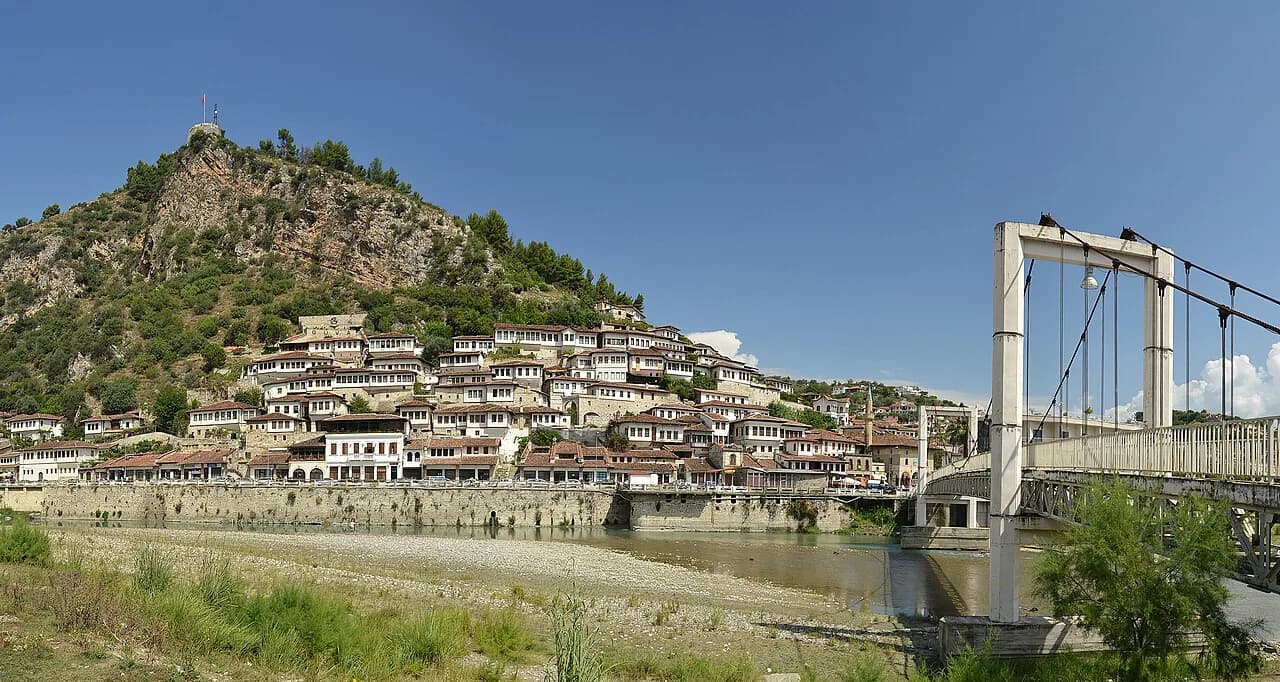
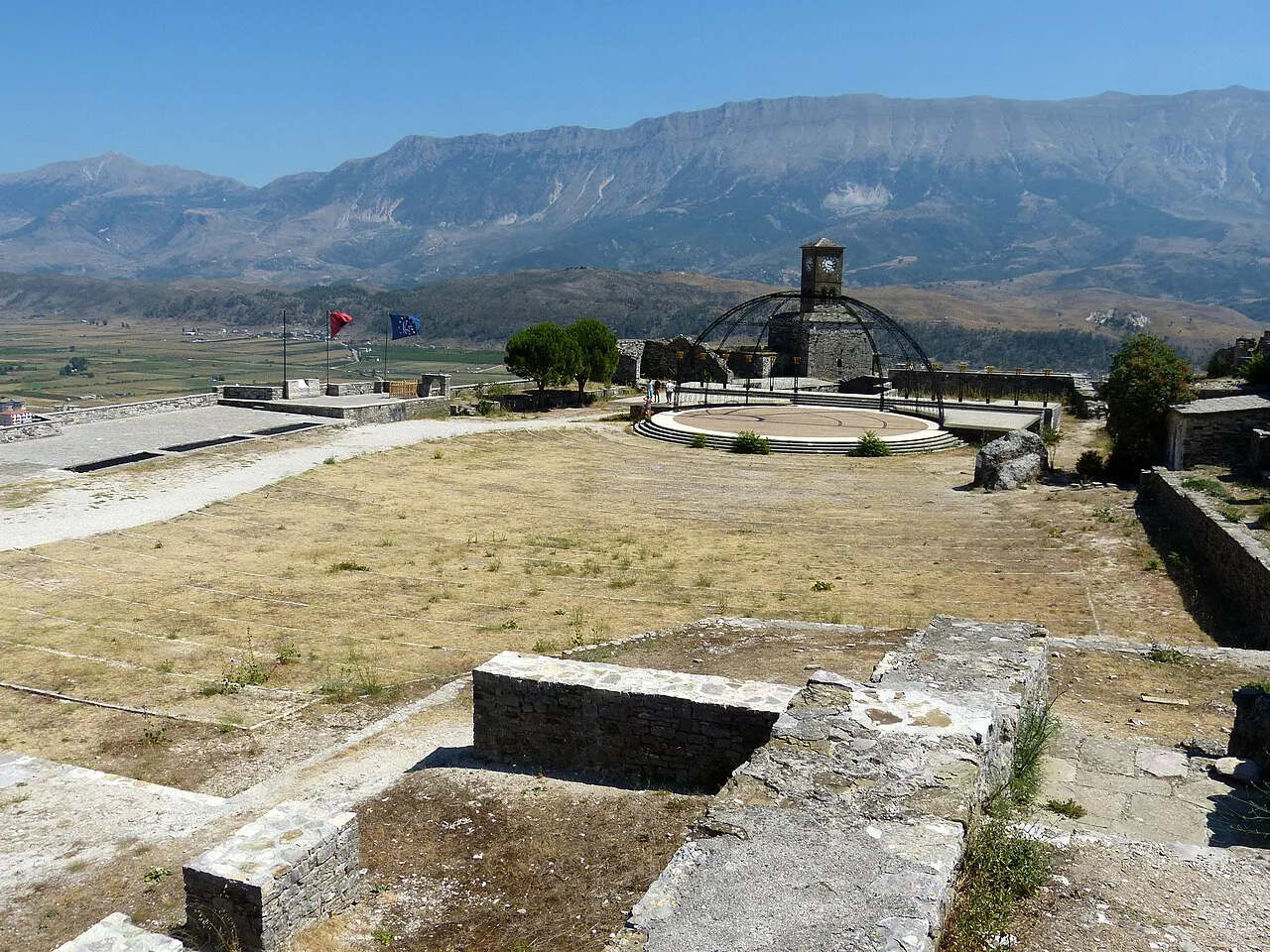
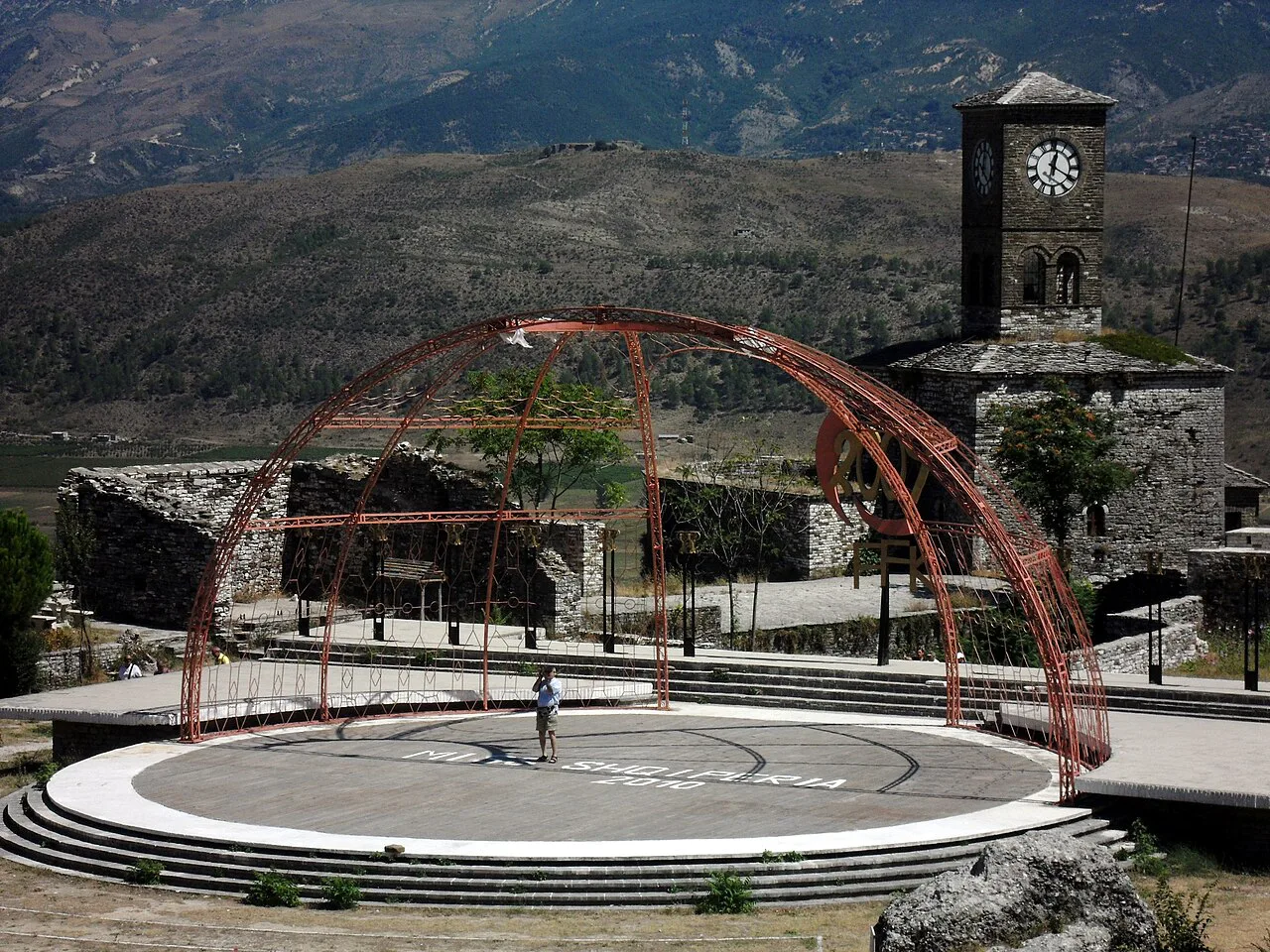
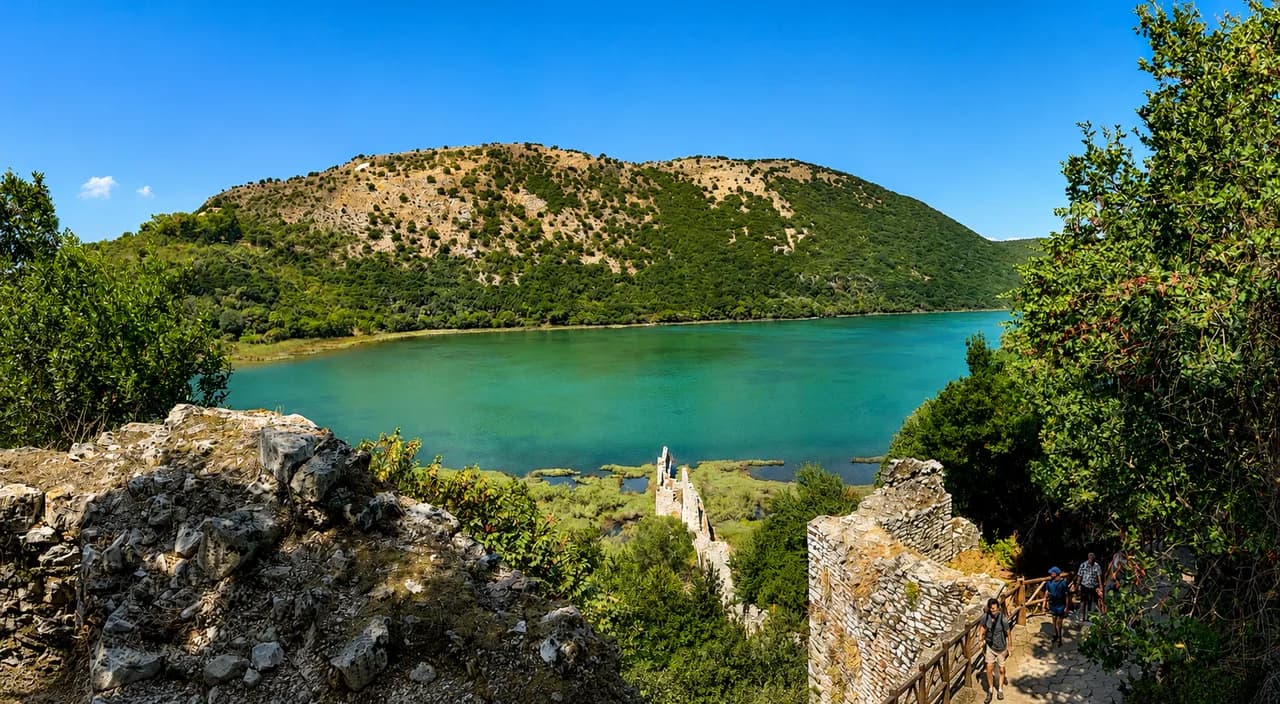
The same values turn up in the towns and sites you are likely to visit, from the Ottoman-era quarters of Berat and Gjirokastër to the ruins at Butrint, and knowing something of the country's Albanian history sharpens what you notice there. Treat the customs here as the groundwork for those days out rather than a separate subject.
What Albanian culture means for a visitor, in one answer
Expect generosity you did not ask for, a social life that runs on coffee, and a relaxed attitude to religion that surprises many first-time visitors. Family comes first, elders are treated with visible respect, and a promise is taken seriously. Those four values explain most of what you will notice in a week.
Albania's position at a crossroads between eastern and western empires left traces in religion, language and local traditions, and the country's own identity held firm through repeated invasions and changes of ruler. Ottoman rule of more than 400 years left mosques, hilltop castles and elements of the cuisine that visitors still see today.
The practical version is simple: greet before you ask a question, accept a coffee invitation, and let your host feed you. None of it requires Albanian, though a couple of words go a long way.
Hospitality and besa: why guests are treated as family
Besa is usually translated as the given word: a promise or oath that, once made, is not broken. It sits inside the moral code Albanians call honour, and it still shapes how relationships of every kind are handled. In older Albanian law a guest had to be protected and respected whoever they were, and something of that obligation survives in how visitors are received today.
Why is Albania known for hospitality? Hospitality comes from besa, the given word, and from the Kanun, the customary code that made a host responsible for a guest's safety and comfort. That obligation survives in everyday life, so offers of coffee, food and help are genuine rather than polite formality.
Is Albania friendly to visitors of different faiths? Muslim, Catholic and Orthodox communities live side by side, often in the same neighbourhoods, and mixed-faith families are common. Most Albanians treat religion as a personal matter rather than a public identity.
How do I say hello in Albania? Përshëndetje is hello, and Faleminderit is thank you. Use Zoti for Mr and Zonja for Mrs until invited to use first names.
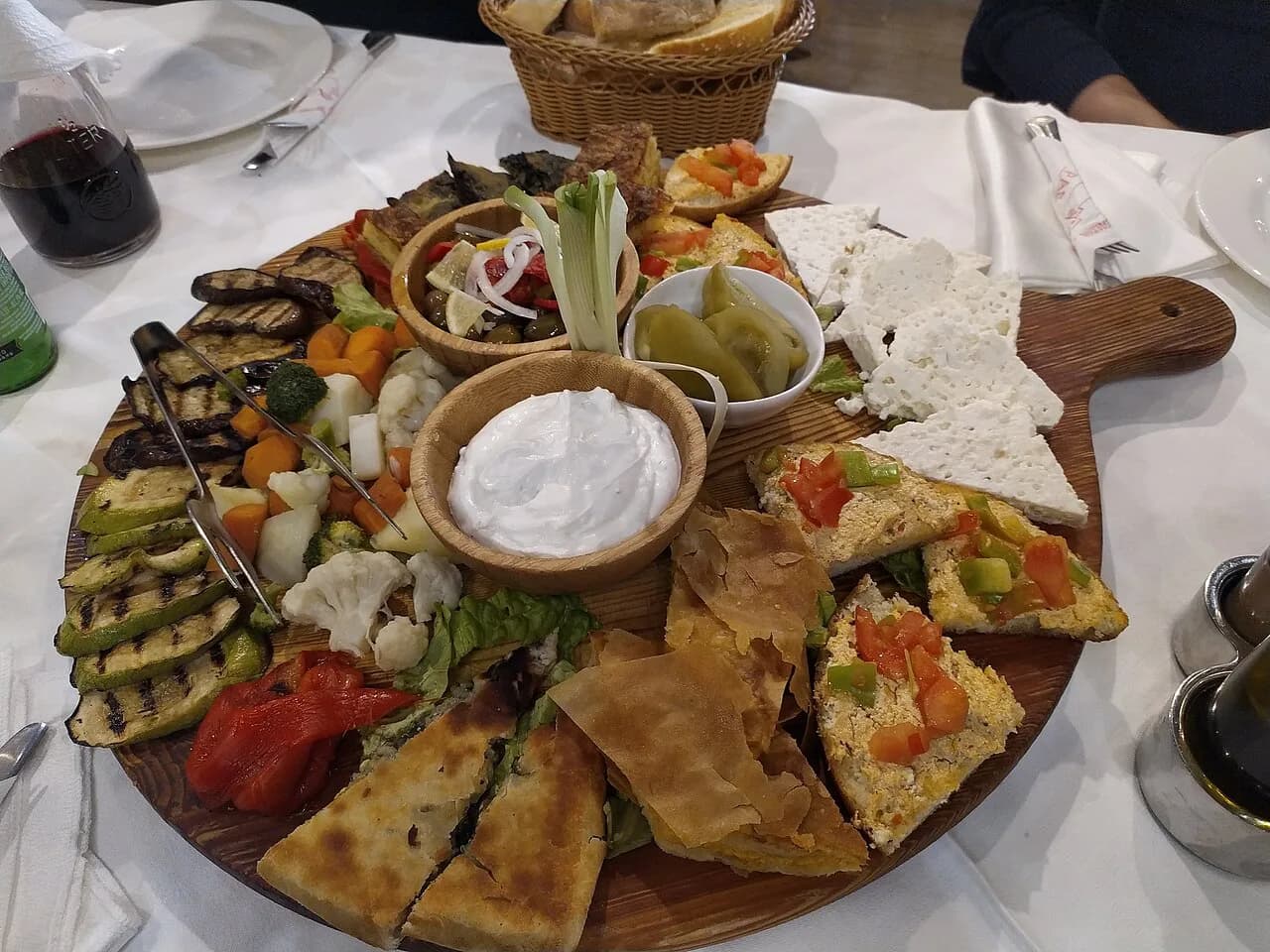
In practice that means offers of food, help with directions and long conversations that you did not initiate. Turning food down again and again reads as refusing hospitality, so take a small portion instead. When you visit an Albanian home, take what you are offered even if it is only a coffee or a snack.
Kanun of Lekë Dukagjini: the customary code behind the hospitality
The Kanun is the body of customary law transmitted for centuries among Albanians; the best-known version is associated with Lekë Dukagjini, a fifteenth-century Albanian prince who summarised existing customary laws. It covered property rights, community and family affairs, honour, hospitality and justice. The Ottomans later called it Kanun during the reign of Suleiman the Magnificent, as part of allowing secular laws within the empire.
For a visitor, the relevant part is the guest rule: the Kanun made the host responsible for a guest's safety and comfort. You do not need the detail to benefit from it. You do need to recognise that a host who insists on feeding you is following a very old script, not being pushy.
Greetings and forms of address: handshakes, Zoti and Zonja, elders first
A firm handshake is the safe greeting with someone new; cheek kisses are for friends and relatives you already know. When you greet a group, greet the oldest person first. Use Zoti for Mr and Zonja for Mrs until you are invited to use first names, which usually happens quickly.
The words themselves are easy: Përshëndetje is hello and Faleminderit is thank you. Direct eye contact reads as sincerity, so do not look away mid-greeting. Even a clumsy attempt at Albanian is taken as courtesy rather than performance.
Visiting an Albanian home: gifts, shoes and accepting food
Bring something small: sweets, flowers or wine all work. Greet each person individually rather than waving at the room, and take your shoes off if your host asks, which they often will. Hosts may hand out slippers and insist on serving food and drinks; let them, because refusing the ritual is more awkward than accepting it.
Expect food to be offered several times and family members to join the gathering as it goes on. If you are full, take a little rather than saying no outright. Coffee is likely to follow, and the conversation is the point.
Coffee culture: why an invitation is hard to refuse
Coffee is woven into daily Albanian life: friends, family and colleagues meet at cafés to talk and relax, and coffee meetings can run long. They are where friendships and business get built. Saying yes to an invitation reads as friendly and respectful, so build slack into your day when one is offered.
The same ritual appears in different clothes across the country: the morning espresso in a town square, the long sitting after a meal, the cup offered the moment you step inside a shop. Treat it as part of the sightseeing rather than an interruption to it.
Religious tolerance: mosques, churches and mixed-faith families
Muslim, Catholic and Orthodox communities live side by side, often in the same neighbourhoods, and it is common for a single family to include members of different faiths. Most Albanians will tell you religion does not define who they are or who they get along with, and that attitude runs deep. Modest dress (shoulders and knees covered) is the safe default at active places of worship, and shoes come off inside a mosque. Confirm current opening and visiting rules at individual sites before you go.
Islam spread during the Ottoman period and became the majority faith, while Catholic and Orthodox Christianity continued in different regions. The result is a landscape where you can see all three in a single town and should not assume a building's function from its neighbours.
Communist-era Albania: religion banned, bunkers and slogans still visible
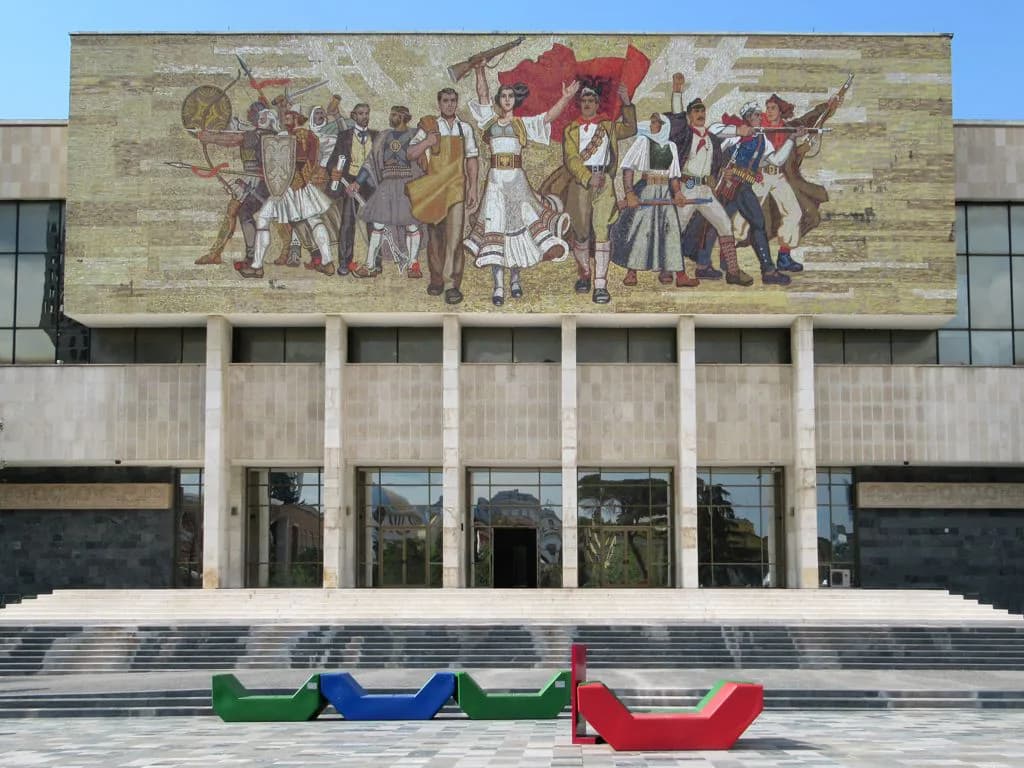
Under Enver Hoxha the country was shut off from almost the entire world, religion was banned and daily life became tightly controlled. Places of worship were closed and public religious practice was prohibited, though many families kept small rituals going quietly at home. Faith resurfaced openly from the early 1990s, and since then mosques and churches have been rebuilt.
Reminders are part of the landscape: concrete bunkers dot the countryside and old slogans fade on factory walls. Older Albanians may tell you about life under a regime that tried to reshape everything from family roles to tradition itself. Listen without prompting; it is not small talk.
Language: Shqip, the greeting and thank-you words worth knowing
Albanians call their language Shqip, and it sits alone on its own branch of the Indo-European family with no close living relative. During Ottoman rule it was banned from public use and from schools, and it later became the main element around which modern national identity formed.
You need very few words: Përshëndetje for hello and Faleminderit for thank you. Add Zoti and Zonja for Mr and Mrs, and you can manage most polite encounters. A clumsy attempt at Albanian goes down well as a courtesy; using local words is what sets the tone.
Etiquette mistakes foreigners make most often
The recurring slips are small. Kissing a stranger on the cheek, greeting the youngest person in a room first, refusing food three times, keeping shoes on when slippers appear, or treating a coffee invitation as a casual suggestion. Each is easy to avoid once you know it is a rule.
Two more worth flagging: raising your voice to settle a disagreement, which reads worse here than in northern Europe, and commenting on someone's religion or politics before you know them. Ask about family instead, and be ready to answer the same question back.
Where to see this culture on the ground: Berat, Gjirokastër, Krujë and Butrint
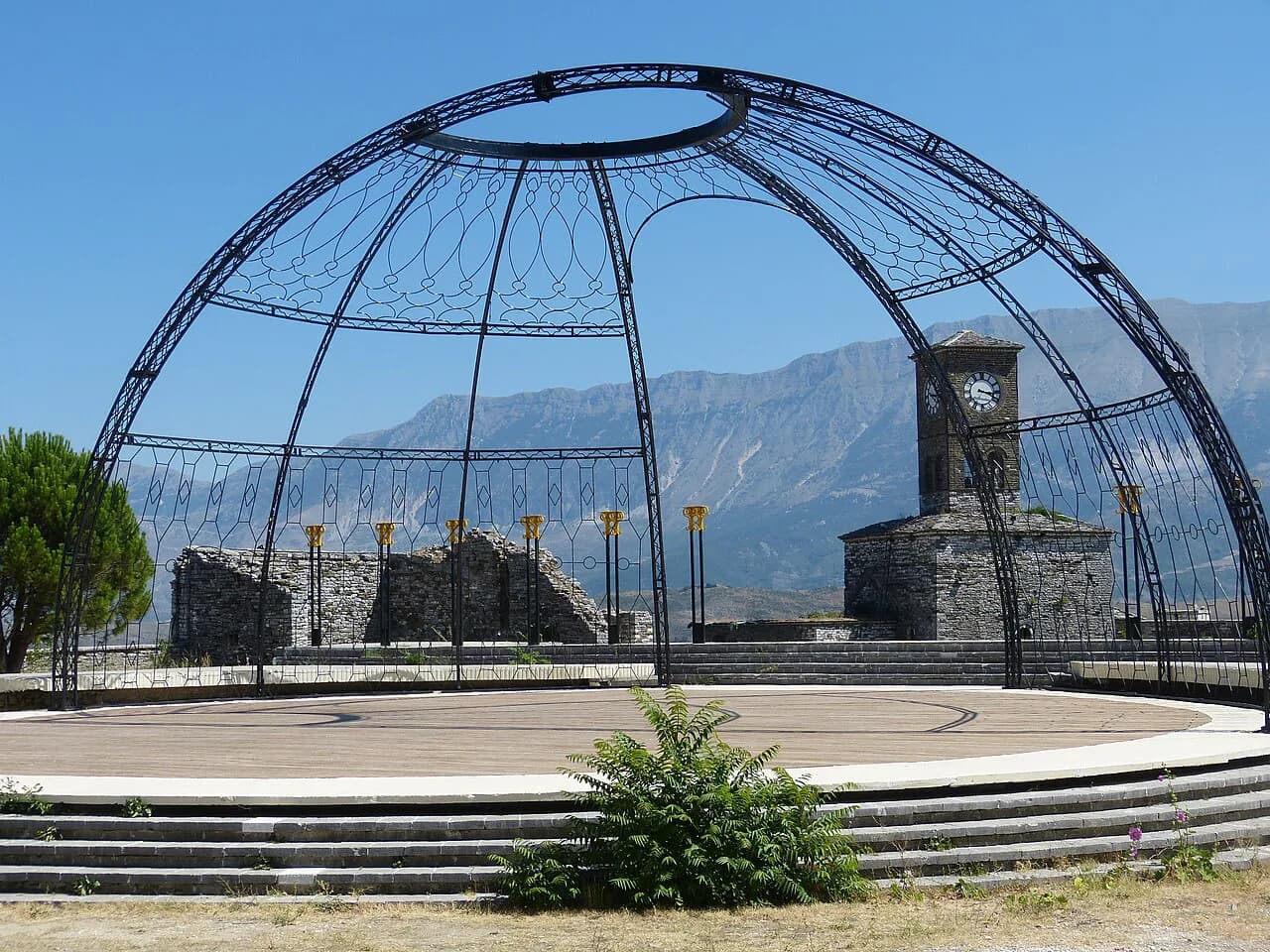
Berat and Gjirokastër are UNESCO-listed towns where the Ottoman housing stock, steep cobbled lanes and layered religious buildings put the country's history in front of you. Butrint, the archaeological site in the south, is UNESCO-listed too. In Berat and Gjirokastër the climb is the price of the view, so wear shoes with grip and allow more time than the map suggests.
Krujë, north of Tirana, ties the story to Skanderbeg, whose flag became the national one. Its bazaar streets and castle suit a half-day. Combine a town day with a religious site and a coffee stop and you will have met most of the customs described here without trying.
Which of these customs to practise first
Start with greetings: handshake, eye contact, oldest person first, Zoti and Zonja until invited otherwise. Add Përshëndetje and Faleminderit, accept the first coffee, and take a small portion of any food offered. That handful of habits will carry you through a fortnight.
If you want the history behind the customs before you travel, read up on the country's rulers and its communist period, then match the towns you plan to visit to what you have read. The culture is easiest to understand on a street with a castle above it.
Explore more Albania guides
Frequently Asked Questions
Why is Albania known for hospitality?
Hospitality comes from besa, the given word, and from the Kanun, the customary code that made a host responsible for a guest's safety and comfort. That obligation survives in everyday life, so offers of coffee, food and help are genuine rather than polite formality. Accepting a small portion is the courteous response.
Is Albania friendly to visitors of different faiths?
Muslim, Catholic and Orthodox communities live side by side, often in the same neighbourhoods, and mixed-faith families are common. Most Albanians treat religion as a personal matter rather than a public identity. Visitors of any faith are received the same way; modest dress (shoulders and knees covered, shoes off in a mosque) suits active places of worship.
How do I say hello in Albania?
Përshëndetje is hello, and Faleminderit is thank you. Use Zoti for Mr and Zonja for Mrs until invited to use first names. Greet the oldest person in a group first and keep eye contact, which reads as sincerity.
Do I need to speak Albanian to get around?
No. A few words and phrases — Përshëndetje, Faleminderit, Zoti, Zonja — are enough for polite encounters, and a clumsy attempt at Albanian is taken as courtesy. Keep a translation app or phrasebook handy for anything more involved.
Sources
Notes for your Albania trip
Optional updates to our Albania town guides.
You might also like
Continue reading
More guides you'll find useful