Albanian Desserts: Revani, Tespixhe and Other Sweet Dishes
Albanian desserts explained: revani syrup cake, tespixhe and kadaif, how they are made, how they are served, and which sweet to order with coffee.
On this page
The desserts you meet most often in Albania are syrup-soaked cakes and pastry sweets: revani is the one to know first, with tespixhe and kadaif close behind. All three are sweetened heavily and served in small slices or pieces, usually alongside a coffee. This guide covers what each one is, how the syrup or sugar does the work, how Albanian versions differ from Greek and Turkish ones, and how to pick between them.
Knowing the texture before you order matters more than knowing the name. Revani carries its sweetness in a syrup poured on after baking, while tespixhe is a rich sugary baked dough that needs no soaking. That difference tells you whether you are getting a wet sponge or something dense and crumbly.
What Albanian desserts are: syrup cakes and pastry sweets
The sweet course in Albania leans on flour, eggs, sugar and oil, finished with syrup rather than cream, butter or chocolate. Revani is a spongy cake soaked in syrup for hours before serving, and it is made from everyday ingredients rather than specialist ones.
For a wider picture of how these sweets sit among savoury dishes, from grilled meats to vegetable bakes, our guide to Albanian food covers the dishes visitors meet most often.
None of these sweets is a single fixed recipe. Families pass versions down, and the same name can cover a cake made with cornflour, one made with semolina, or one flavoured with orange instead of lemon.
Revani: the sponge that drinks its syrup
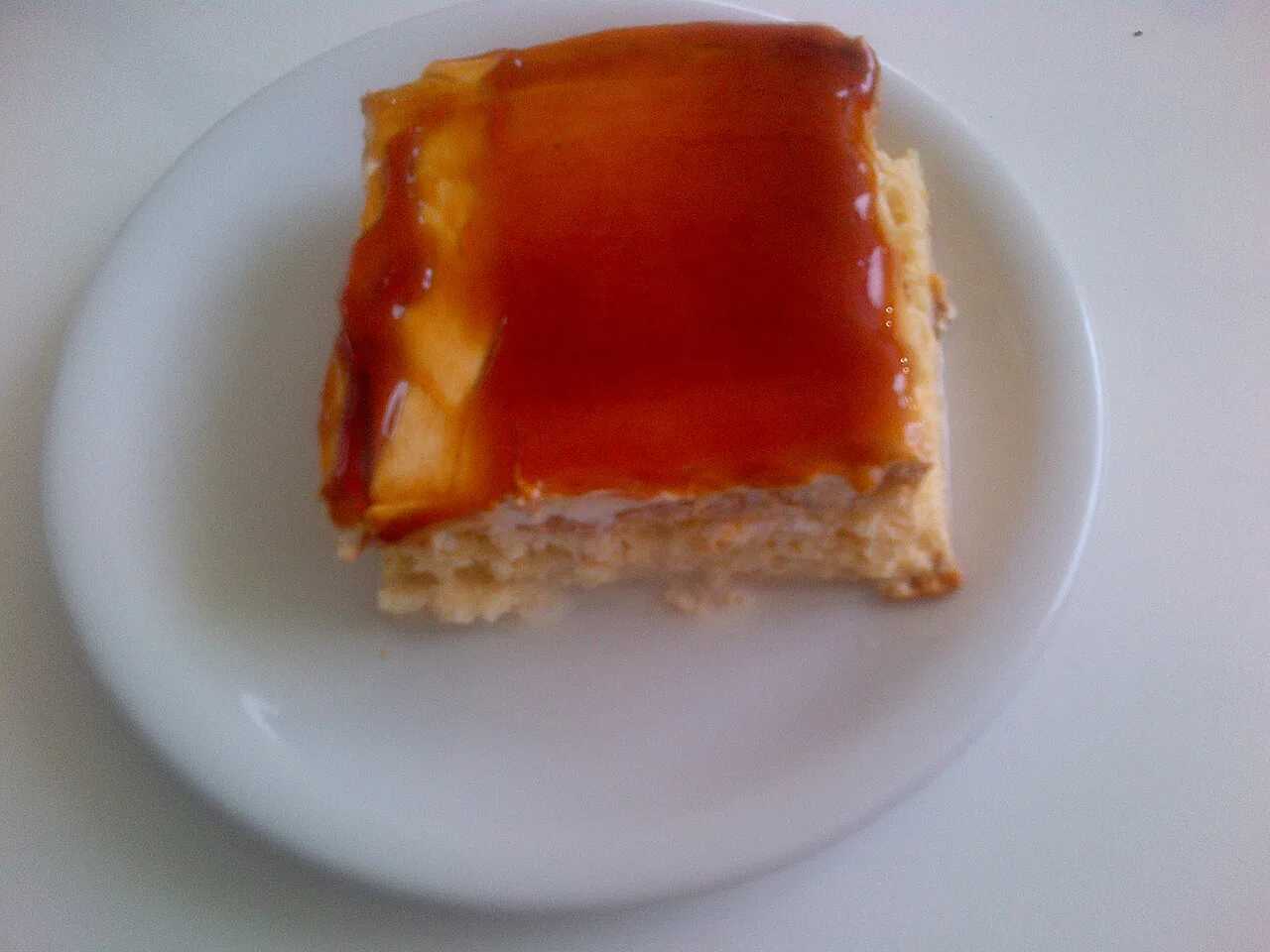
Revani, sometimes called ravani, is a sponge cake built on flour with cornflour or cornmeal, eggs, sugar, oil and yogurt, leavened with baking powder and bicarbonate of soda. It is baked until the top takes on colour, then soaked. The cake is the plain part; the character comes from what is poured over it.
Is Albanian food similar to Greek? There is real overlap in desserts: revani exists in both countries and both are soaked in syrup. The Albanian version is made with flour and cornflour or cornmeal, while Greek and Turkish versions typically use semolina, and flavourings differ, with lemon and vanilla the Albanian standard.
What is the most popular food in Albania? No single dish can be called the most popular on the available evidence, and asking in different towns will get you different answers. Byrek is sold everywhere and eaten at all hours, and baked dishes such as Tavë Kosi and Fërgesë appear widely on restaurant menus.
Are there dishes to avoid in Albania? Nothing in these sweets is unusual by British standards, but they are very sweet: syrup-soaked revani and dense tespixhe are heavy going if you are not used to them. Order one piece to share first.
The syrup is where Albanian revani earns its flavour: lemon juice, lemon zest, a cinnamon stick and vanilla are simmered with water and sugar and then ladled over the cake. Traditionally the lemon and vanilla went in as powders that dissolved in water, so the syrup carried the flavour; a modern baker might put extract and zest into the batter instead.
Both cake and syrup are used warm: the syrup is poured on slowly while the sponge absorbs it. Served after a few hours, the crumb is even and heavy with syrup.
The familiar diamond cut is a serving convention rather than a rule. Albanian cooks cut baklava and revani the same way, and a round tin makes neat diamonds easier than a rectangular one. You will see slices and squares too.
Tespixhe: the dense, sugary one
Tespixhe is the counterpoint to revani: a rich, sugary baked dough that eats more like a firm cake or a soft biscuit than a soaked sponge. There is no syrup stage to wait for, so what you taste is the baked crumb itself. Order it when you want something firm rather than wet and light.
It belongs with revani and kurabie among the sweet bakes Albanian cooks make at home. If a bakery counter offers you a tray of small golden pieces rather than a sliced cake, this is the family it comes from.
Kadaif: shredded pastry with a crisp top
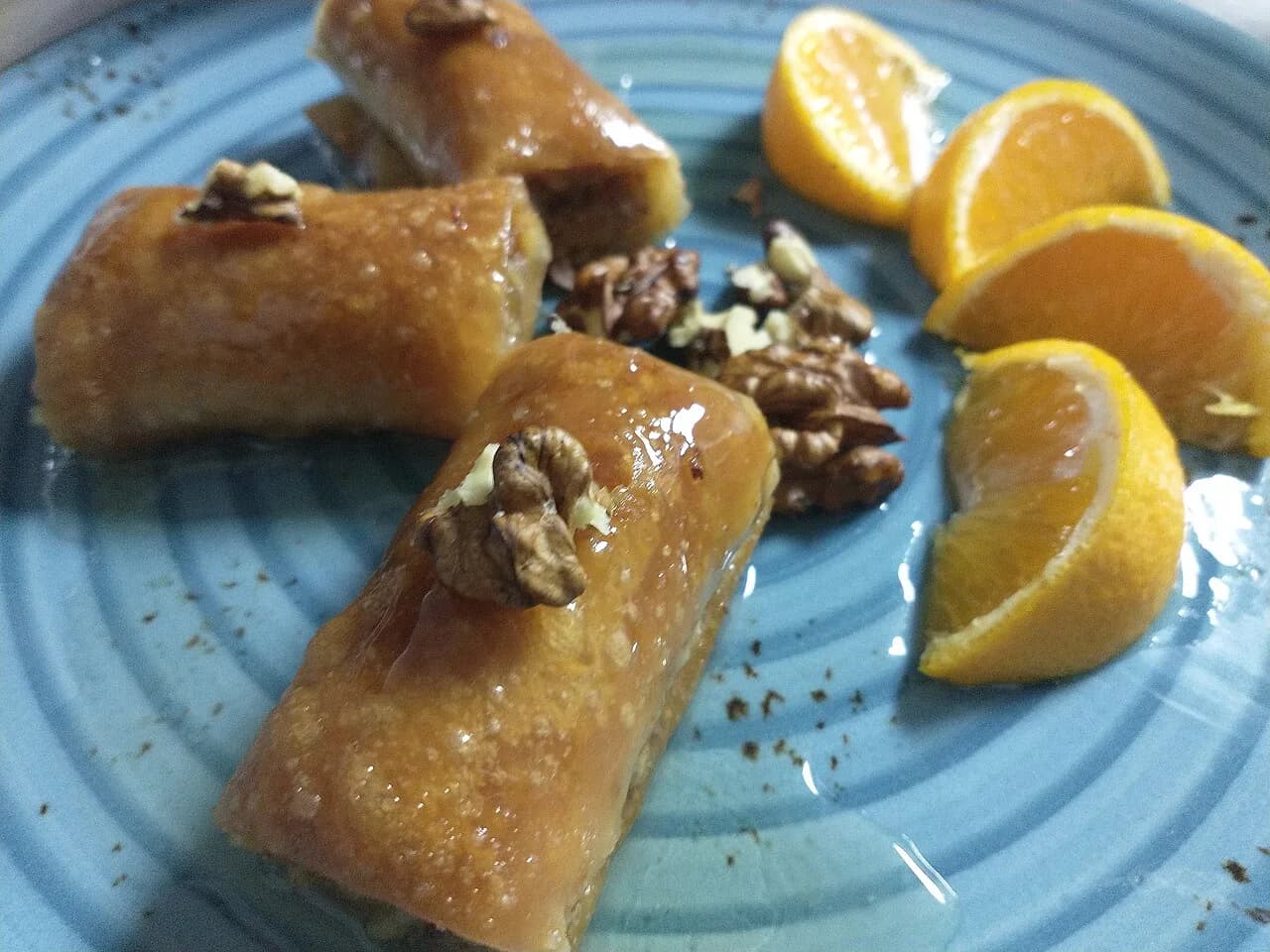
Kadaif (kadaifi) is made from shredded filo-like strands, which bake into a crisp, golden surface; the source describes it as looking as though it has hair on top. Its texture is the point: fine, brittle threads rather than the solid crumb of a cake.
For visitors, the useful distinction is between pastry sweets built from thin layers or strands and cakes built from batter. Kadaif and baklava belong to the first group and give you crunch; revani and tespixhe belong to the second and give you a soft, sweet bite. Choose according to whether you want texture or a sponge.
How it is served and what to drink with it
Revani is served in slices for family celebrations and is just as often eaten with coffee at other times of day. The recipe's author enjoys a slice with coffee whenever she makes the cake, and admits to a small slice at breakfast too.
Keeping is simple: the cake and its syrup hold at room temperature, fully covered, for a day or two, and go into the fridge after that. That matters if you buy a piece to take away and eat later in the day.
Pair a syrup-soaked slice with an unsweetened coffee, or with a small glass of water if you are having it in the afternoon heat. A milky or heavily sweetened drink on top of revani is a lot of sugar in one sitting. If you are starting the day with something sweet, our guide to Albanian breakfast sets out what else appears on the table alongside coffee.
Albanian revani versus Greek and Turkish versions
The Albanian version is made with flour and cornflour or cornmeal, and the syrup is flavoured with lemon and vanilla. Greek and Turkish revani use flour with semolina, which gives a grainier bite. Neither is a correction of the other; they are regional spins on the same idea of a plain cake soaked in syrup.
Variations you may meet elsewhere add coconut, or put orange in the syrup and the cake. Garnishes range from orange peel and pistachios to coconut or a plain dusting of icing sugar. If you have had revani in Greece or Turkey and found it different, that is usually semolina or orange rather than a different dish.
Which sweet to order when
Pick revani if you want something soft and wet with a clear lemon and cinnamon flavour, and pick kadaif if you want crunch. Both are sweet, so the choice is about texture rather than intensity. Tespixhe is the one for anyone who prefers a firm, close crumb to a soaked sponge.
If you are eating a full Albanian meal, note that the savoury courses are substantial: both Tavë Kosi, a baked lamb and yogurt dish, and Fërgesë, a pepper and cheese bake, make a filling main. Our guide to Tavë Kosi explains the dish, and Fërgesë covers the pepper version. Sharing one dessert between two is a sensible move after either.
Reading a dessert menu: names worth recognising
Beyond the three above, you may meet Trileçe, a three-milk cake that is wet in a different way from revani because the liquid is milk rather than syrup. If you only have room for one dessert, decide between syrup, milk and pastry before you look at the names.
On savoury counters, byrek is the filo pastry you will meet most often, filled with spinach, cheese or meat and eaten at any hour; our byrek guide covers the fillings and how it is sold. Seeing byrek and revani in the same small bakery is normal.
Prices vary by town, venue and portion size, and no reliable figure can be given here. Check the board or ask before ordering, especially in the Riviera resorts in high summer where a sit-down slice costs more than one from a bakery counter.
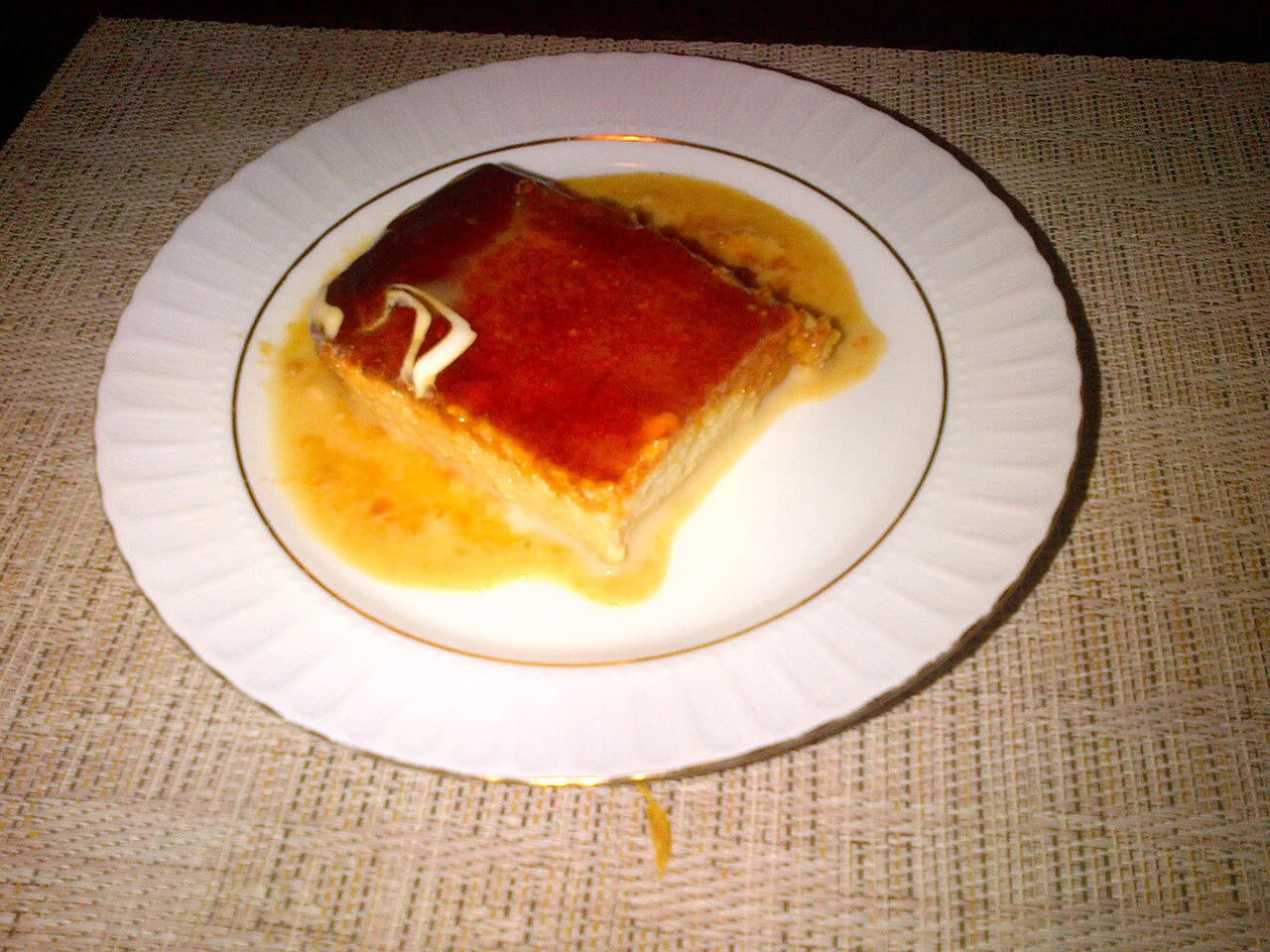
Which Albanian dessert should you try first?
Start with revani: its lemon and vanilla syrup tells you straight away whether you like this style of dessert. Try tespixhe next if you want a firmer bite, and kadaif if you want crunch.
One slice is usually enough after a full meal, and a covered piece keeps well enough to eat later the same day. Ask what the base is made from if semolina or cornflour matters to you.
Explore more Albania guides
Frequently Asked Questions
Is Albanian food similar to Greek?
There is real overlap in desserts: revani exists in both countries and both are soaked in syrup. The Albanian version is made with flour and cornflour or cornmeal, while Greek and Turkish versions typically use semolina, and flavourings differ, with lemon and vanilla the Albanian standard. Expect familiar ideas rather than identical plates.
What is the most popular food in Albania?
No single dish can be called the most popular on the available evidence, and asking in different towns will get you different answers. Byrek is sold everywhere and eaten at all hours, and baked dishes such as Tavë Kosi and Fërgesë appear widely on restaurant menus. Among sweets, revani is a home cake served for celebrations.
Are there dishes to avoid in Albania?
Nothing in these sweets is unusual by British standards, but they are very sweet: syrup-soaked revani and dense tespixhe are heavy going if you are not used to them. Order one piece to share first.
Sources
Notes for your Albania trip
Optional updates to our Albania town guides.
You might also like
Continue reading
More guides you'll find useful