Albanian Olive Oil: Kalinjot, Vlorë Groves and What to Try
Albanian olive oil is built on the native Kalinjot olive, grown mainly around Vlorë and Fier. Here is how it is made, what it tastes like and how to buy it.
On this page
Albanian olive oil is extra virgin oil pressed in part from Kalinjot, a native Albanian olive grown mainly in the Vlorë region and along the southern and western coast around Fier. It is typically fresh, fruity and lightly peppery, and most visitors meet it on the table rather than in a shop. This guide covers the variety, the growing areas, the pressing method, how to taste and choose a bottle, and how to buy from small producers.
Two things separate a bottle of Albanian oil from a generic Mediterranean label: the cultivar and the scale. Groves are often family-owned and handed down, with hand-picking and quick pressing rather than industrial volume. Knowing that helps you read a label and ask the right questions at a mill.
What Albanian olive oil is and why Kalinjot matters
Kalinjot is the olive variety most closely associated with Albanian oil, and one producer describes its oil as crafted primarily from this native cultivar, hand-picked by Albanian families. The variety is what gives the oil its character, so a bottle labelled Kalinjot tells you more about what you are buying than a general 'Albanian' label.
Albania grows more than 28 olive varieties across the country, so variety names on a label are worth comparing when a shelf offers several bottles. Ask which cultivar a producer uses and how it was pressed before choosing between them.
Some producers also make a point of origin, naming the groves behind the bottle. Shkrela presses organic extra virgin oil from its groves at Ardenica and works from a mill at Libofshë in Fier.
Where Albania's olives grow: Vlorë, Fier and the southern and western coast
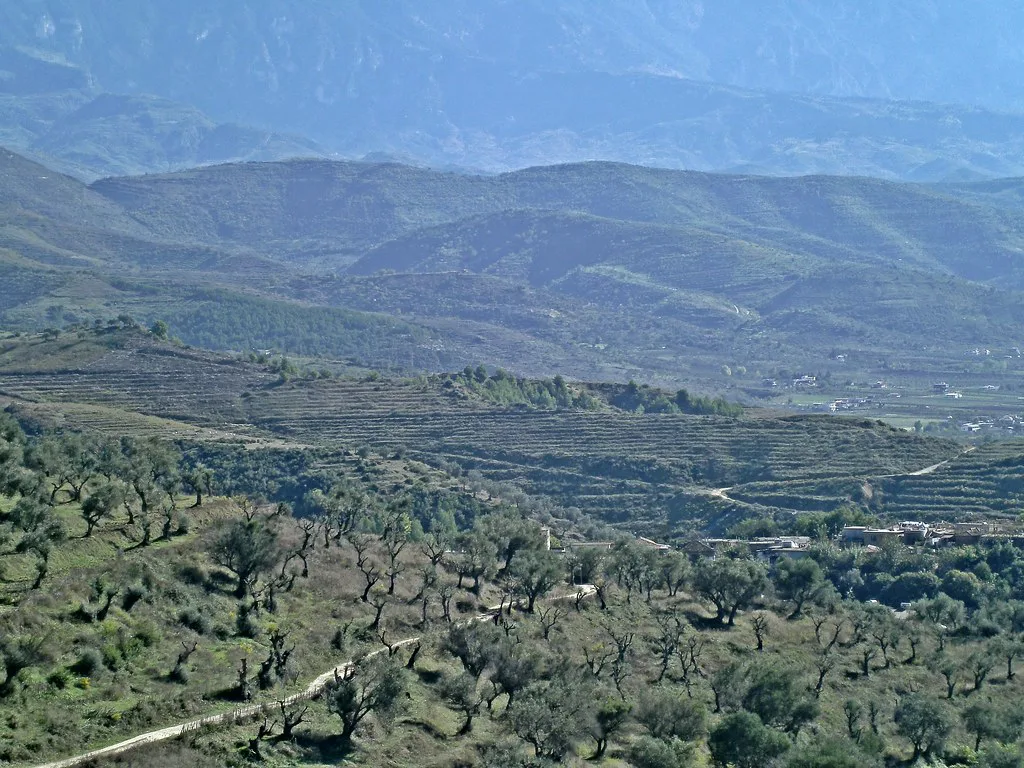
Olive groves run mainly along Albania's southern and western regions, with the areas around Vlorë and Fier recurring in producers' own descriptions. Vlorë sits on the coast where the Adriatic meets the Ionian, and Fier lies inland to its north on the coastal plain.
Is Albanian olive oil organic? Not as a category. Many small producers farm with traditional, low-input methods and some hold organic certification, so check the label or ask the producer.
Warm, sunny summers, mild winters and Mediterranean sea air suit the tree, and smaller-scale farming means groves are tended at family rather than industrial scale. If you are driving the coast between Vlorë and Fier, olive land is part of the landscape rather than a separate excursion.
The groves sit within a wider farming economy. Reporting in 2023 cited national statistics agency figures of 10.7 million olive trees in production, a 30 percent rise on the previous decade. That growth is context for why Albanian oil is easier to find now than it was a generation ago.
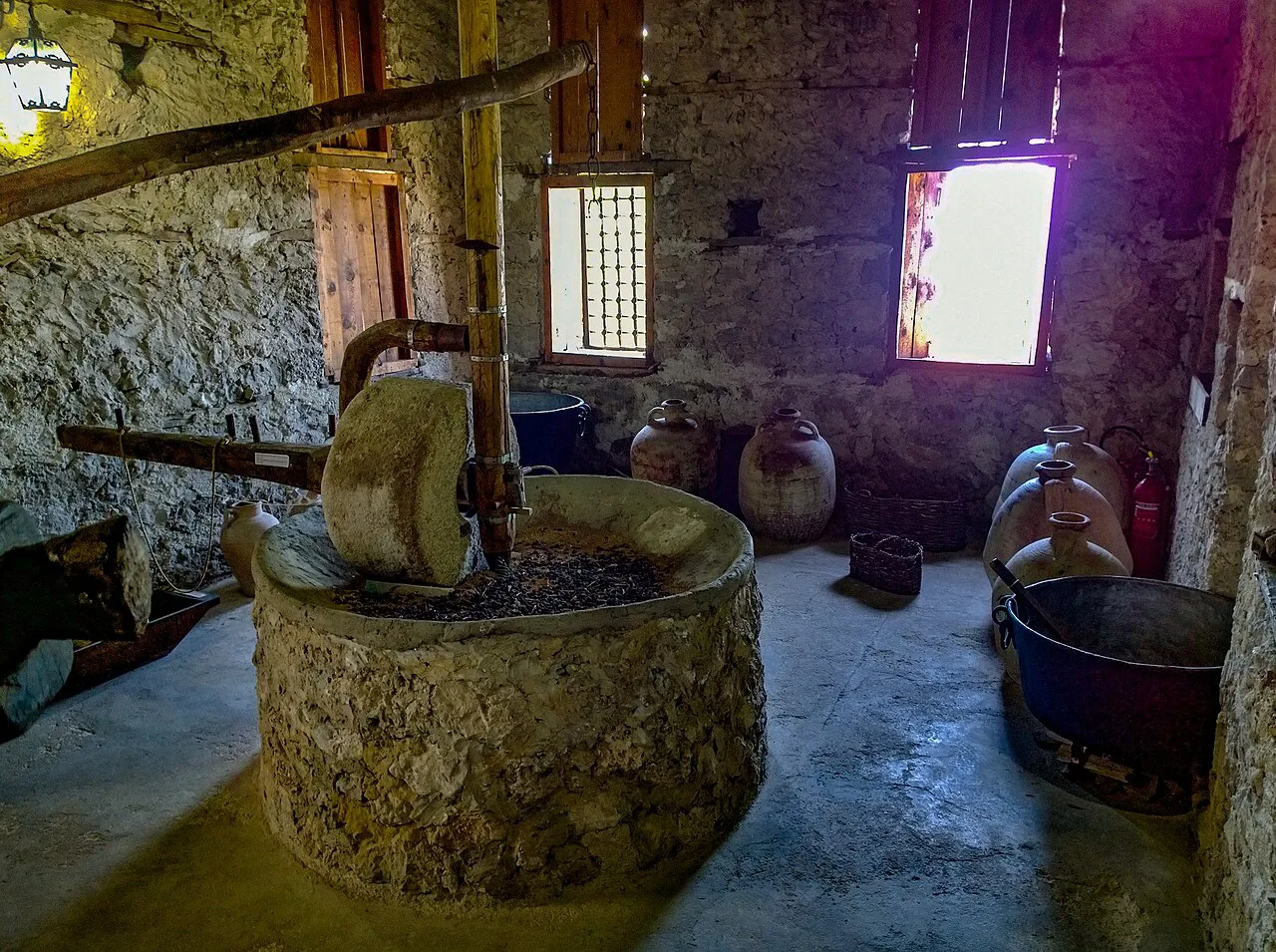
How the oil is made: hand-picking and cold pressing within hours
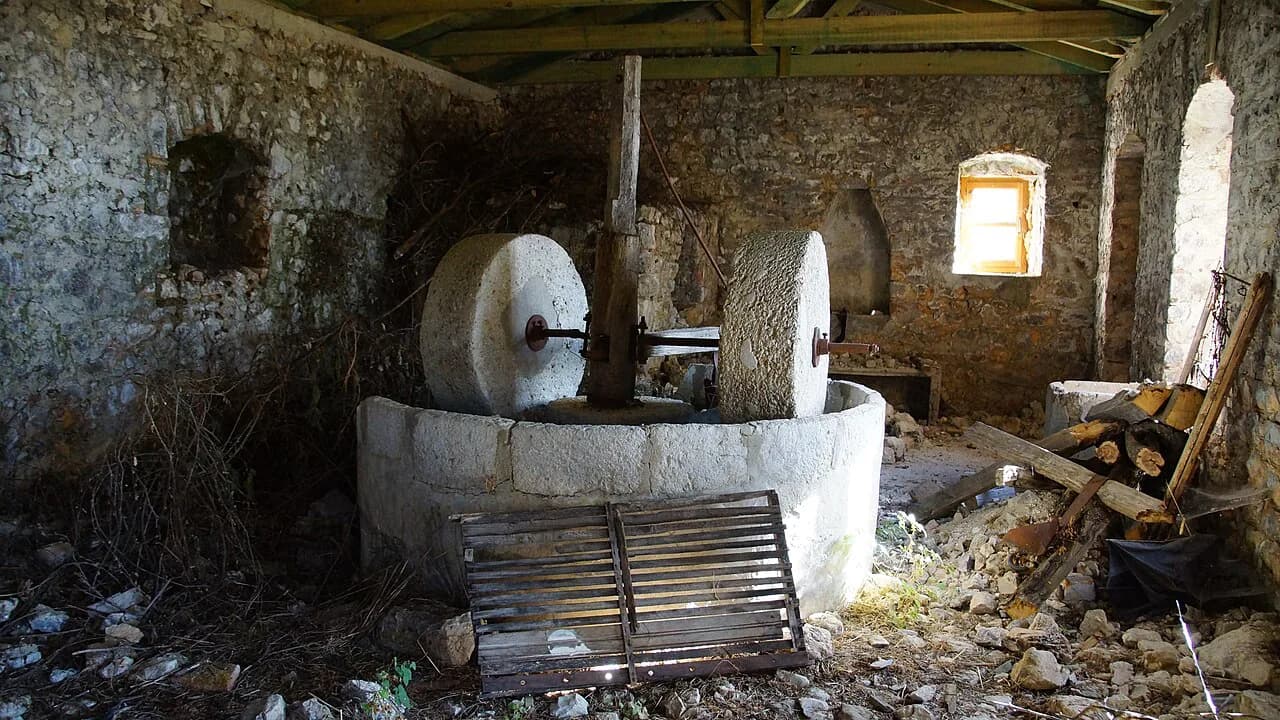
The quality argument for small Albanian producers rests on speed between tree and press. Shkrela states that its olives are hand-picked and cold-pressed within 24 hours, then bottled in dark glass.
Donika describes a similar approach, with Kalinjot olives picked by hand and cold extraction beginning within hours of picking to keep the fruit's character in the oil. When you visit a mill or buy direct, the interval between harvest and pressing is a fair question to ask.
Freshness after bottling matters as much as the pressing itself. Donika makes each bottle to order, which is one way small producers try to keep the oil close to the day it was extracted.
What Albanian olive oil tastes like in the glass
Expect a fresh, fruity oil with a light pepper on the finish, though flavour shifts with variety, harvest date and pressing. Donika describes its Kalinjot oil as earthy and rich with a peppery finish, a green-yellow colour and a dense texture.
That profile is built for the table rather than the frying pan: drizzled over salads, grilled vegetables, fish, cheese and bread. A peppery finish is the sign of a young, fresh oil, so taste before you commit to a case.
Why Albanian oil has stayed unfamiliar outside the country
Paka describes how periods of political and ethnic turmoil isolated Albania from the global market, leaving its olive oil largely unknown abroad until recently, despite a cultivation heritage of more than 2,500 years.
Export data shows the opening up. In the first four months of 2023 Albanian olive oil exports reached 1,258 tons against 326 tons in the same period of 2022, a fourfold rise driven by a record domestic harvest and poor harvests elsewhere in the Mediterranean.
Most of that volume still leaves in bulk, collected from many farmers and bottled abroad, which is why the named small producers matter if you want a bottle traceable to a specific grove. A bulk producer price of about €4.60 per litre was reported in 2023; retail prices in Albania and abroad vary, so ask the seller for the current figure rather than relying on any quoted number.
How to taste and choose a bottle while you are in Albania
Taste before you buy where you can: pour a little into a small glass, warm it in your hand, smell for green fruit or grass, then sip and note the pepper at the back of the throat. An oil that tastes flat or greasy has usually lost its freshness.
Ask three questions of any producer: which variety, when the olives were picked, and when the oil was pressed. A harvest year on the label plus a pressing date tells you more than any medal, and small producers who press within a day of picking can usually answer precisely.
If you are travelling with only hand luggage, remember that oil counts as a liquid. Buy at the end of a trip, keep the bottle in checked baggage and padded, and check your airline's limits before you commit to a large tin.
Buying Albanian olive oil: mills, family producers and shipping abroad
Buying direct is the most straightforward route for visitors who want a specific grove in the bottle. Shkrela works from a mill at Libofshë in Fier and ships worldwide, with an online enquiry route for shipping details and bulk orders; contact Shkrela for current rates and lead times.
Paka describes itself as Paka Canada Inc. and Paka Sphk, drawing on Kalinjot olives from the Vlorë region and selling through its online shop. Donika is based in Vlorë, on Rruga Pelivan Leskaj, and sells online as well as locally.
For readers in Britain, Little Olive Oil is a UK specialist selling Albanian extra virgin olive oil, and its notes cover choosing, tasting and storing extra virgin olive oil, which is useful if you want to keep reading after you get home rather than in your suitcase.
Reading the label: Kalinjot, organic certification and harvest year
Treat variety, certification and harvest year as the three things worth reading. Many small producers farm with traditional, low-input methods and some hold organic certification, so the label or the producer is what to check rather than assuming every Albanian bottle is organic.
Shkrela, for instance, sells organic extra virgin oil from its Ardenica groves, which is a claim tied to that producer and its certification rather than to Albanian oil as a category. If organic status matters to you, look for the certifier's mark on the back label, not a word in the brand name.
Harvest year is the other useful date: oil is at its best in the months after pressing, so a bottle from the most recent harvest will taste greener than one a year or two older. Buy the newest pressing you can find and store it cool and dark.
How to use it in Albanian cooking and what to pair it with
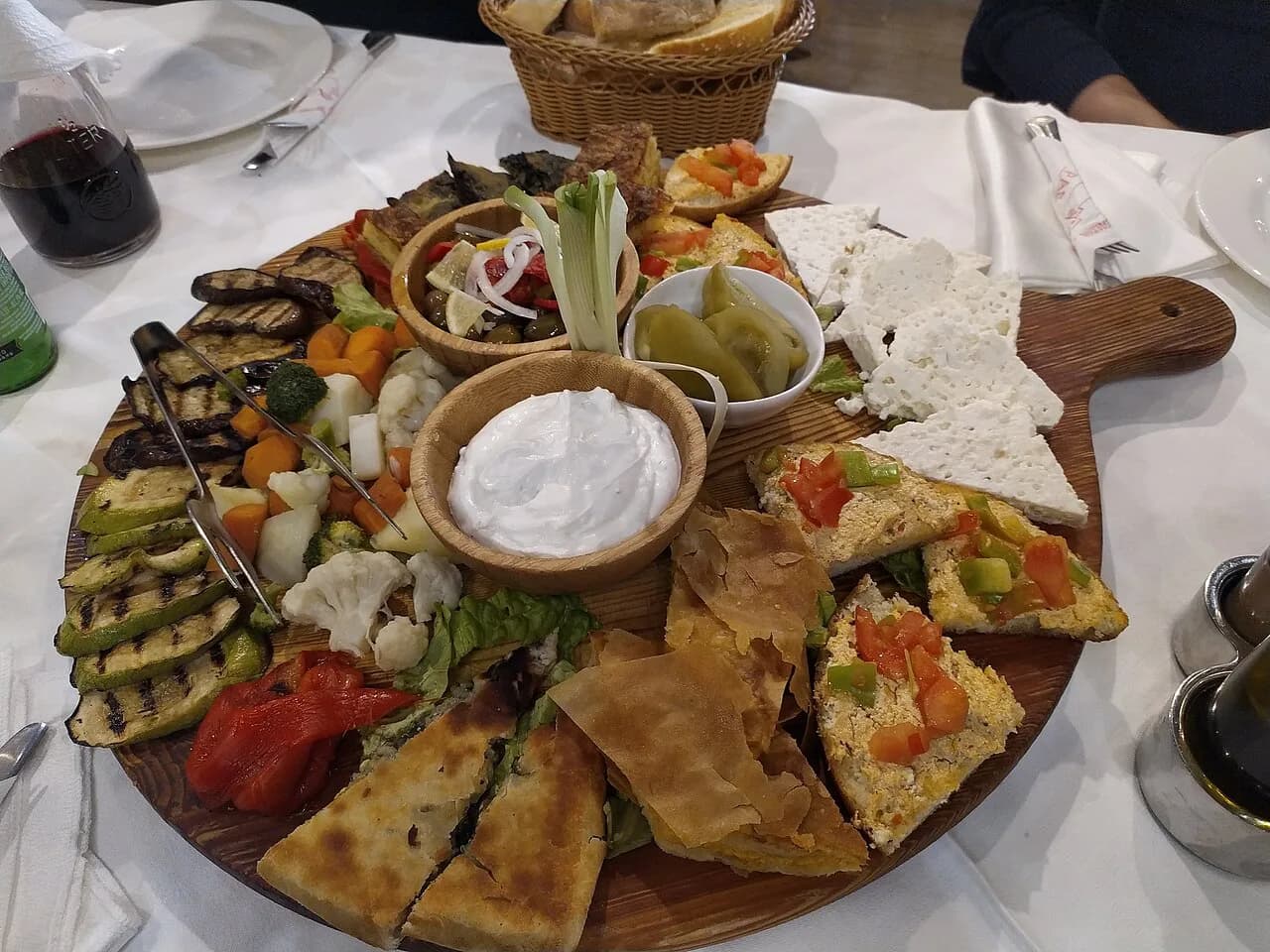
Albanian oil is a finishing oil as much as a cooking fat: use it raw over salads, grilled vegetables, fish and bread, and let the pepper come through. It also works as the last drizzle on a plate of Albanian food, from Fërgesë to grilled meat, where a fruity oil lifts the dish without masking it.
At breakfast it is the natural partner for byrek, the filo pastry sold by the slice across the country, and for a plate of tomatoes and cheese before coffee.
It carries sweet things too: a few drops over Trileçe, the three-milk cake, or over qifqi, Gjirokastër's rice dish, adds a peppery edge to the richness.
Where to buy Albanian olive oil outside Albania
Outside Albania, the practical routes are specialist importers, online shops that ship from Albania and producers with overseas operations. Little Olive Oil sells Albanian extra virgin oil in the UK; Paka lists a Canadian entity alongside its Albanian operation.
On a British or Irish shelf, check the harvest year, the importer's address and any named variety, and expect to pay more than for a supermarket own-brand oil.
Which bottle to take home
Pick the bottle whose label names the variety, the grove and a recent harvest, and taste it first if you can. For most travellers that means buying direct from a small producer, taking it in checked baggage, or ordering from a specialist importer once home.
If you are staying in Vlorë or passing through Fier, contact the producer before you travel about a mill visit and shipping, since visiting arrangements are made directly rather than through a published timetable.
Explore more Albania guides
Frequently Asked Questions
Is Albanian olive oil organic?
Not as a category. Many small producers farm with traditional, low-input methods and some hold organic certification, so check the label or ask the producer.
Sources
- Albanian Olive Oil: Why It's Worth Discovering
- Paka Huile d’olive - A la découverte des olives Kalinjot - Olive oil from Albania
- Albanian Olive Oil Exports Quadruple in First Quarter of 2023, Officials Say | Olive Oil Times
- Flavorful Albanian Olive Oil - Experience the Magic - Donika Olive Oil
- Extra Virgin Olive Oil from Albania | Blog and Guides
Notes for your Albania trip
Optional updates to our Albania town guides.
You might also like
Continue reading
More guides you'll find useful