Qofte: What Albania's Minced-Meat Dish Is and How to Eat It
Qofte is Albania's spiced, flattened meatball made with minced beef or lamb, onion, bread and mint. Here is how it is fried or baked and what to serve with it.
On this page
Qofte is Albania's answer to the kofta family: a seasoned minced-meat patty, usually beef or lamb, held together with grated onion, bread and egg and flavoured with mint and oregano. It turns up at breakfast, at lunch with a salad and at home in a pan or oven, and the version you meet depends on whether it was fried or baked. This guide covers what goes into it, how the cooking method changes the result and what to eat it with.
The dish is simple enough to be everyday food and flexible enough to carry a family's own habits. Two cooks can make qofte from the same short list of ingredients and end up with very different plates.
What qofte is
Qofte is a spiced, flattened meatball, most often made with minced beef, though lamb is common and some versions use chicken or vegetables. It is eaten across Albania at any meal: cooks describe it as breakfast food alongside dhallë, a yoghurt drink, while families also serve it as a main course with salad and bread.
If you already know the wider Albanian repertoire, qofte is the minced-meat counterpart to the slow-baked dishes and pastry staples that dominate most restaurant menus. There is more of that landscape in our guide to Albanian Food, which runs from Tavë Kosi and Elbasan tava to the byrek sold at every bakery counter.
What goes into qofte
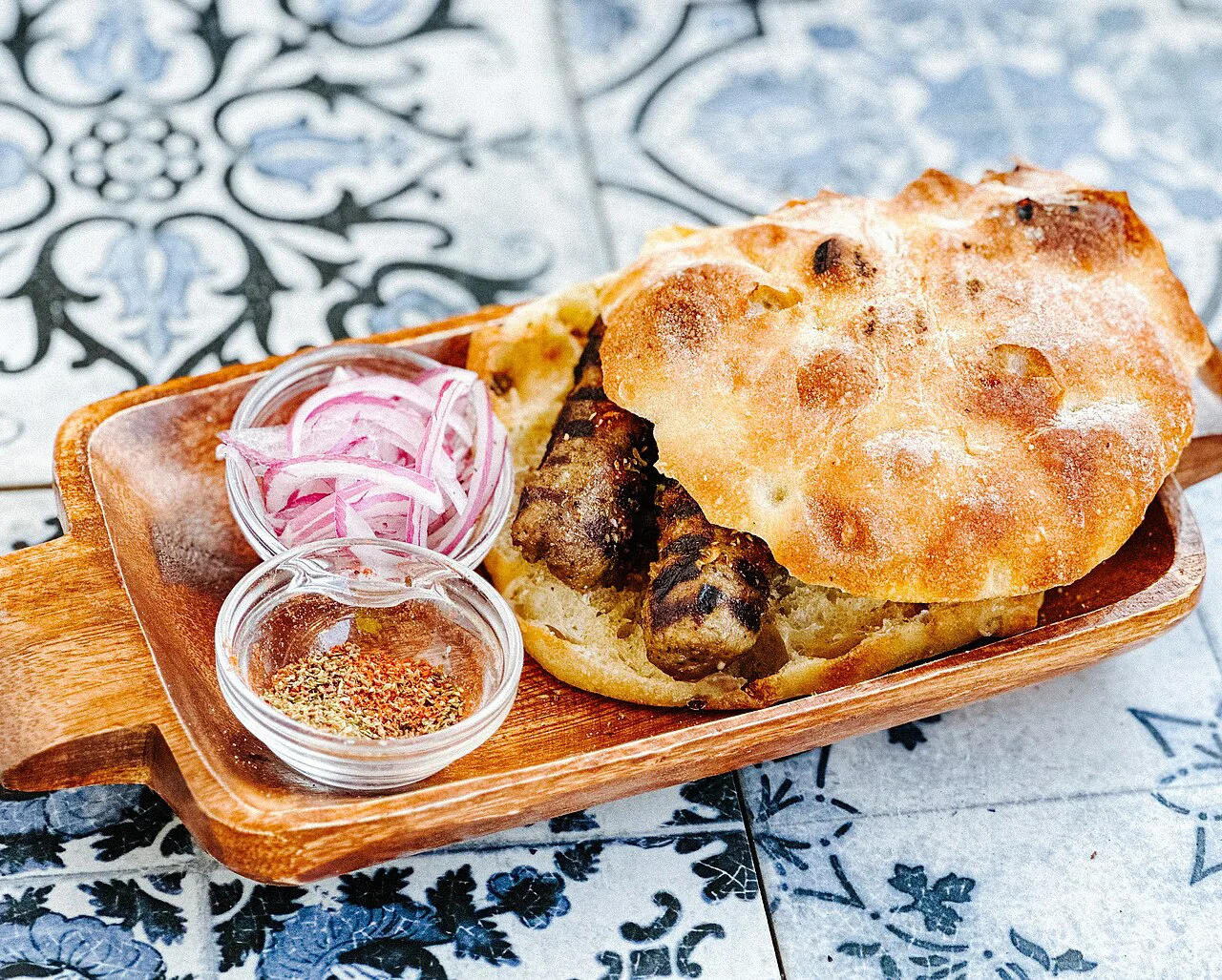
The core is minced meat, grated white onion, bread or breadcrumbs, egg and garlic, seasoned with salt and pepper. Cooks add dried mint, dried oregano and hot or sweet paprika, and the mix is usually chilled for an hour before shaping so the flavours settle and the patties hold. One useful technique is to grate the onion on a box grater and keep every drop of juice: it adds moisture and flavour that finely diced onion does not.
Bread is the other variable. Some cooks use dry breadcrumbs, others soak a slice of bread in milk and squeeze it out before adding it, which lightens the mixture and keeps the patties tender. Both approaches are described by cooks cooking this at home, and the difference shows up mainly in texture rather than taste.
Don't over-mix the meat. Working the mixture too long tightens it and gives a tough, bouncy result, and if the raw mixture feels wet when you roll it, that is normal: adding more breadcrumbs is the usual mistake. One home recipe crumbs feta through the meat along with milk-soaked wholemeal bread, which takes the mix in a sharper direction and works well with a plain salad.
Fried or baked: the trade-off
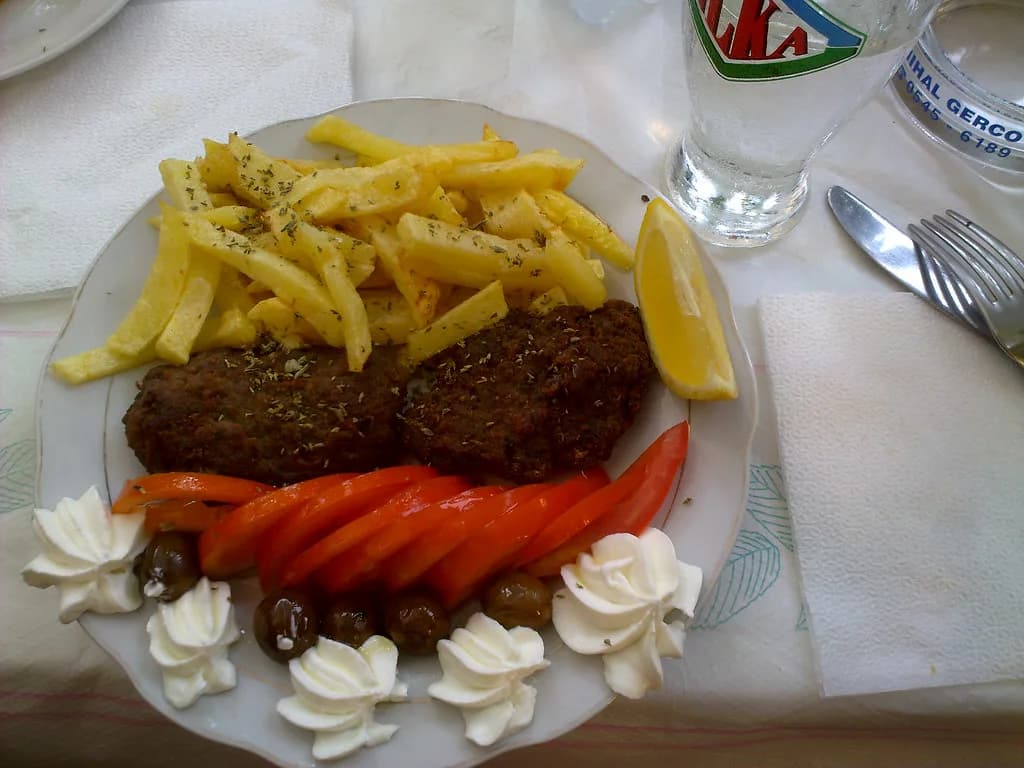
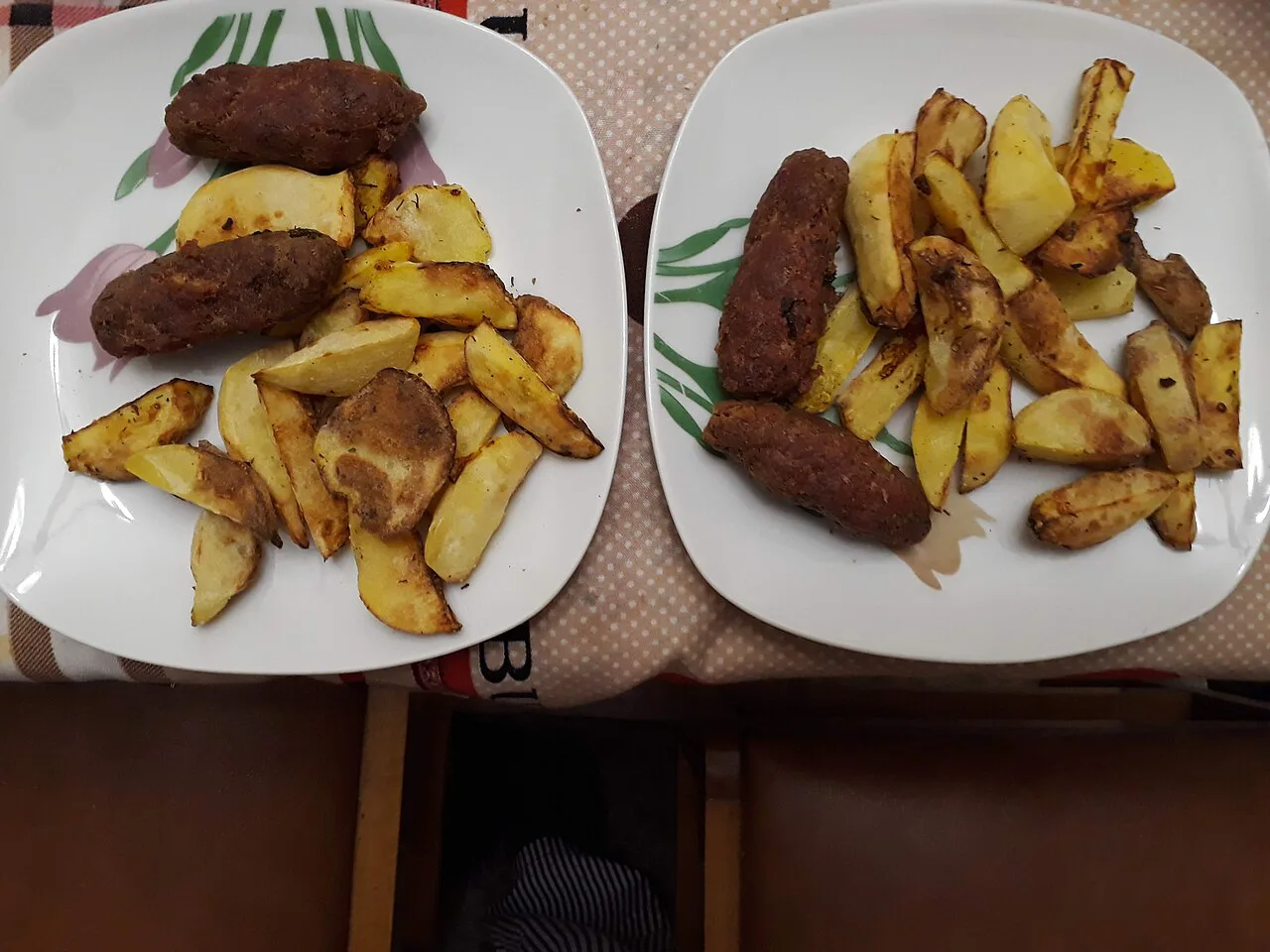
Frying gives qofte its crust. The mixture is shaped into small flattened ovals or logs, then fried in a non-stick pan over medium-high heat, turned once, for roughly five minutes until browned and slightly crisp. Flouring each patty before it goes into the oil helps it keep its shape and build a firmer surface, which is the method used when the meat is shallow-fried in sunflower oil for several minutes a side.
Baking suits a lighter, hands-off approach. Here the meat is rolled into round balls rather than flattened, set on a lined baking sheet and baked at 400°F (about 200°C) until browned, roughly forty minutes in one home version. The result is softer and juicier with less crust, and a fattier mince, or a spoonful of olive oil in the mix, keeps them from drying out.
The practical rule is shape follows method: flatten and flour for a pan, roll into balls for the oven. If you are also comparing pastry snacks, our byrek guide is a useful companion.
Fresh mint or dried: how the herb choice changes the flavour
Mint is the flavour most associated with qofte, and the fresh-versus-dried question splits cooks. One recipe insists on fresh mint leaves to give the characteristic taste, using parsley and oregano as supporting herbs that can be either fresh or dried. Another uses dried mint and dried oregano but keeps the flat-leaf parsley fresh, on the grounds that dried parsley adds nothing.
Both routes produce recognisably Albanian qofte; fresh mint gives a greener, brighter edge and dried mint a rounder, more savoury one. Garlic appears in the home recipes published for the dish, and paprika is a common seasoning, with a hot version adding warmth without making the mix genuinely spicy.
How qofte is served
At breakfast qofte often comes with dhallë, a yoghurt drink, and bread. At other meals it lands with a village salad of cucumber, tomato, feta, onion, olives and oregano, or with a yoghurt-based dip and flatbread. Rice, baked potatoes, grilled vegetables and a tomato sauce are all fair partners, and the plate stays simple either way.
If you are eating your way through Albanian breakfasts, qofte with dhallë belongs on the same shortlist as byrek and a small cup of strong coffee. Our guide to Albanian breakfast sets out how those pieces fit together, and Byrek: What Albanian Filo Pastry Is and How to Eat It covers the pastry side in detail.
What to drink with qofte
Local beer is the usual partner, and the names to look for are Birra Korça, Birra Tirana and Birra Stela. A glass of the local draught is the simple order in a tavern.
A yoghurt drink such as dhallë is the non-alcoholic default, especially at breakfast, and it cuts the richness of fried patties better than water does. Neither choice needs ceremony: this is home food and tavern food, not a tasting menu.
Qofte and the kofta family
Qofte belongs to the kofta family that stretches across the Balkans, the eastern Mediterranean and the Middle East. Albanian qofte is a version of kofta, and cooks in Albania describe it that way rather than as a dish unique to the country. The Fair Trade Cookbook notes that the basic patty recipe is Middle Eastern in origin; the seasoning, binder and shape are what change from place to place.
In Albania qofte is shaped small and flat and cooked in a pan or oven, which separates it from the grilled minced-meat dishes of the wider region; the kofta family to which it belongs is varied, and seasoning, binder and shape are what change from one place to the next.
Ordering qofte in Albania
Order qofte and expect a plate of small, well-seasoned meat patties, fried or baked, with bread and something fresh on the side. If you want the breakfast version, ask for it with dhallë; if you want the tavern version, ask what comes with it before you add a salad.
Menus in Albania vary by kitchen and season, and cooks at home fry some batches and bake others, so check what the kitchen is doing that day. For the wider picture of what to eat alongside it, from Fërgesë to Trileçe, start with our Albanian Food section.
Explore more Albania guides
Frequently Asked Questions
What meat is qofte made from?
Most versions use minced beef, and lamb is common too; some recipes use chicken or vegetables. The mix is bound with grated onion, bread or breadcrumbs, egg and garlic, then seasoned with mint, oregano and paprika.
Is qofte the same as kofta?
Yes, in the broad sense: Albanian qofte is one version of the kofta family found across the Balkans, the eastern Mediterranean and the Middle East. What distinguishes it is the seasoning, the bread binder and the way it is shaped and cooked.
Is qofte eaten for breakfast?
It can be. Qofte is often served at breakfast with dhallë, a yoghurt drink, and bread, and it works just as well as a main meal with salad, rice or potatoes.
How is qofte cooked?
It is either shallow-fried as flattened patties, often floured first for a crisp surface, or baked as round balls on a lined tray, in one home version at 400°F for about forty minutes. Frying gives more crust; baking is softer and needs less attention.
Sources
Notes for your Albania trip
Optional updates to our Albania town guides.
You might also like
Continue reading
More guides you'll find useful