Krujë, Albania: Castle, Bazaar and How Long You Need
Plan a visit to Krujë in Albania: the castle and Skanderbeg Museum, the bazaar, viewpoints and how to reach the old town from Tirana.
On this page
Krujë is a small hill town about 20 km north-east of Tirana where the bazaar, the castle and two museums sit within a few minutes' walk of each other. Allow an hour for the bazaar and castle grounds alone, or most of a day if you add the Skanderbeg Museum and other stops.
This guide sets out how the old town is arranged, what the castle and museums actually contain, and how the furgon and bus from Tirana work, including the drop-off that leaves you walking up. Kruja and Kruje are the same place under other spellings, and you will see all three on road signs and in listings.
How Krujë is laid out
The historic core is compact: the bazaar runs along a short pedestrian lane, and Rruga Kala climbs from the far end of the bazaar up to the castle gate. Below and around it is the newer town, Fushë-Krujë, where everyday shops and the main road sit, so the tourist centre and the working town are separate.
A Kruje map helps because the lanes are narrow and signposting is patchy. Plan a single circuit instead of criss-crossing the hill, taking in the bazaar first, then the climb to the castle, then the viewpoints on the way back down.
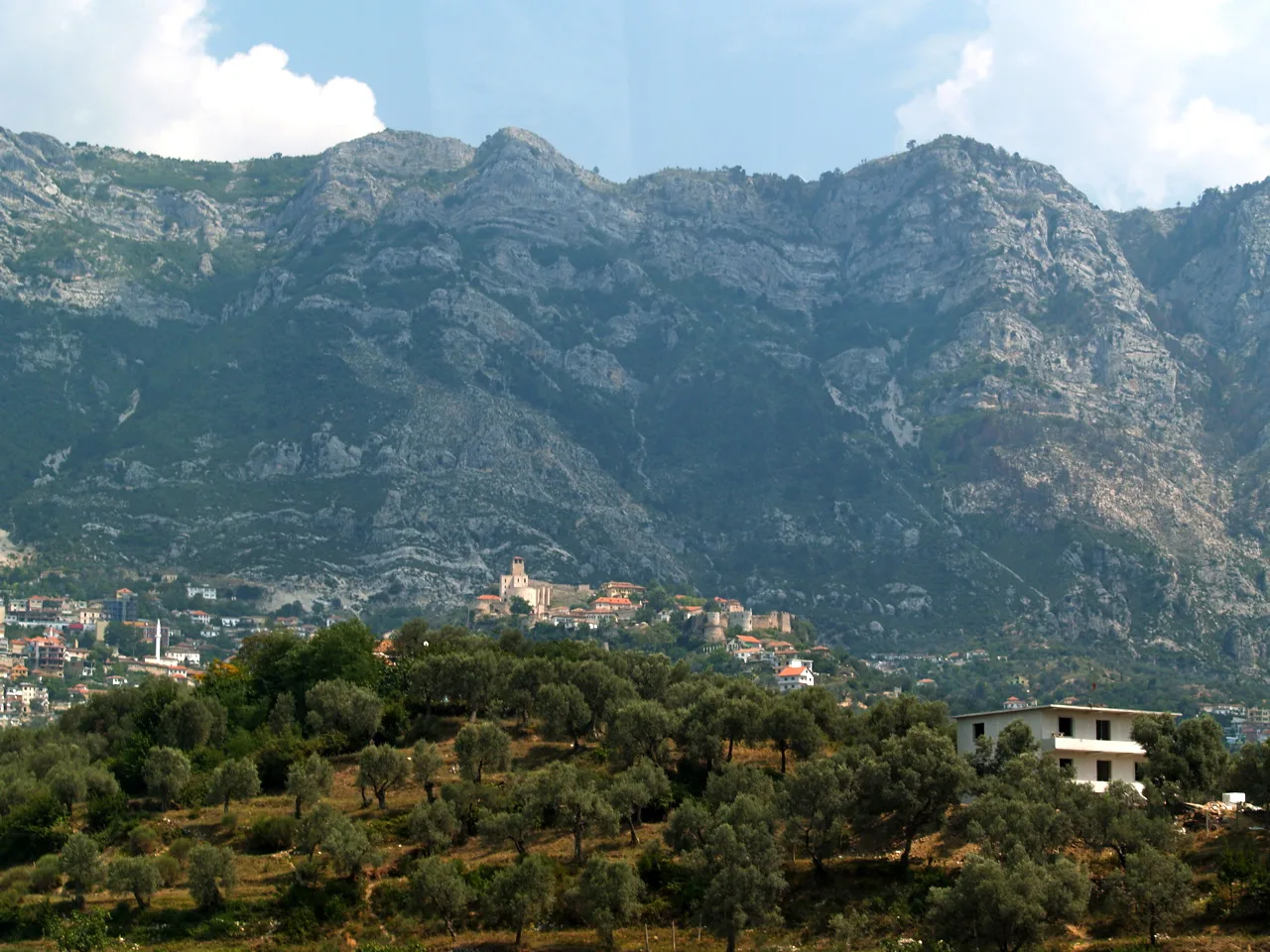
Krujë Castle: walls, views and earthquake damage
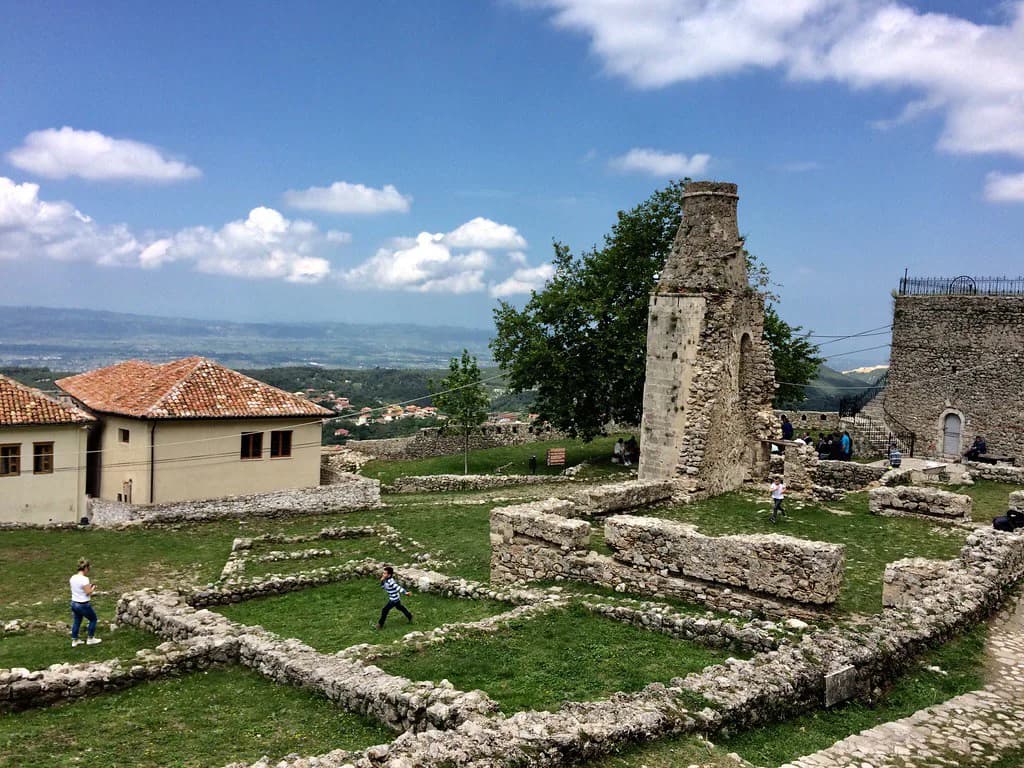
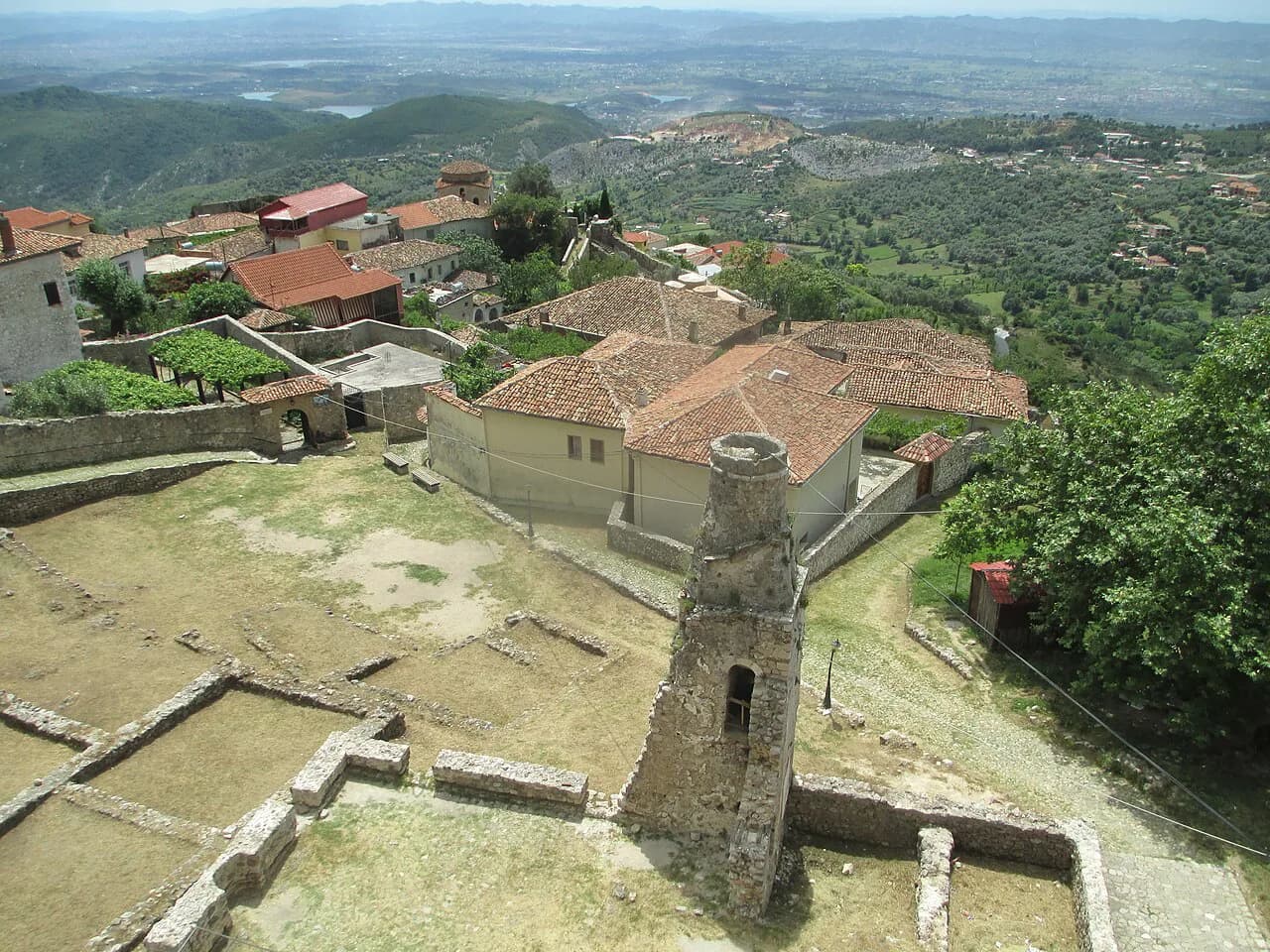
The castle grounds are free to enter and, according to one account, always open, so you can walk the walls and look out over the town and the plain towards the coast without buying a ticket. A second account confirms the grounds are free and describes the hilltop as the highlight of a visit, with panoramic views over the town and countryside. Budget around half an hour for the grounds unless you are also going into the museum.
The fabric of the castle is uneven. The November 2019 earthquake badly damaged the clock tower, which is no longer open to the public, and also hit the Dollma Tekke, which was being restored when the writer looked around it. A hammam in the grounds could not be entered. Treat these structures as things to look at from outside rather than rooms to go into.
The Skanderbeg Museum inside the castle
The Skanderbeg Museum occupies the large modern building inside the castle walls and is the main reason to pay an entrance fee in Krujë. One visitor reports an entrance fee of 500 lek and notes that the displays are in Albanian, with a free guide offered to interpret them; take that figure as reported rather than as a published tariff.
The museum tells the story of Gjergj Kastrioti Skanderbeg, the Albanian leader whose resistance to the Ottoman army is bound up with the town, and the building's exterior is imposing even from the courtyard. If you want the detail before you climb the hill, read up on the Skanderbeg museum in Krujë first, since the labels themselves are not in English. Allow around an hour inside.
The Ethnographic Museum and a short visit
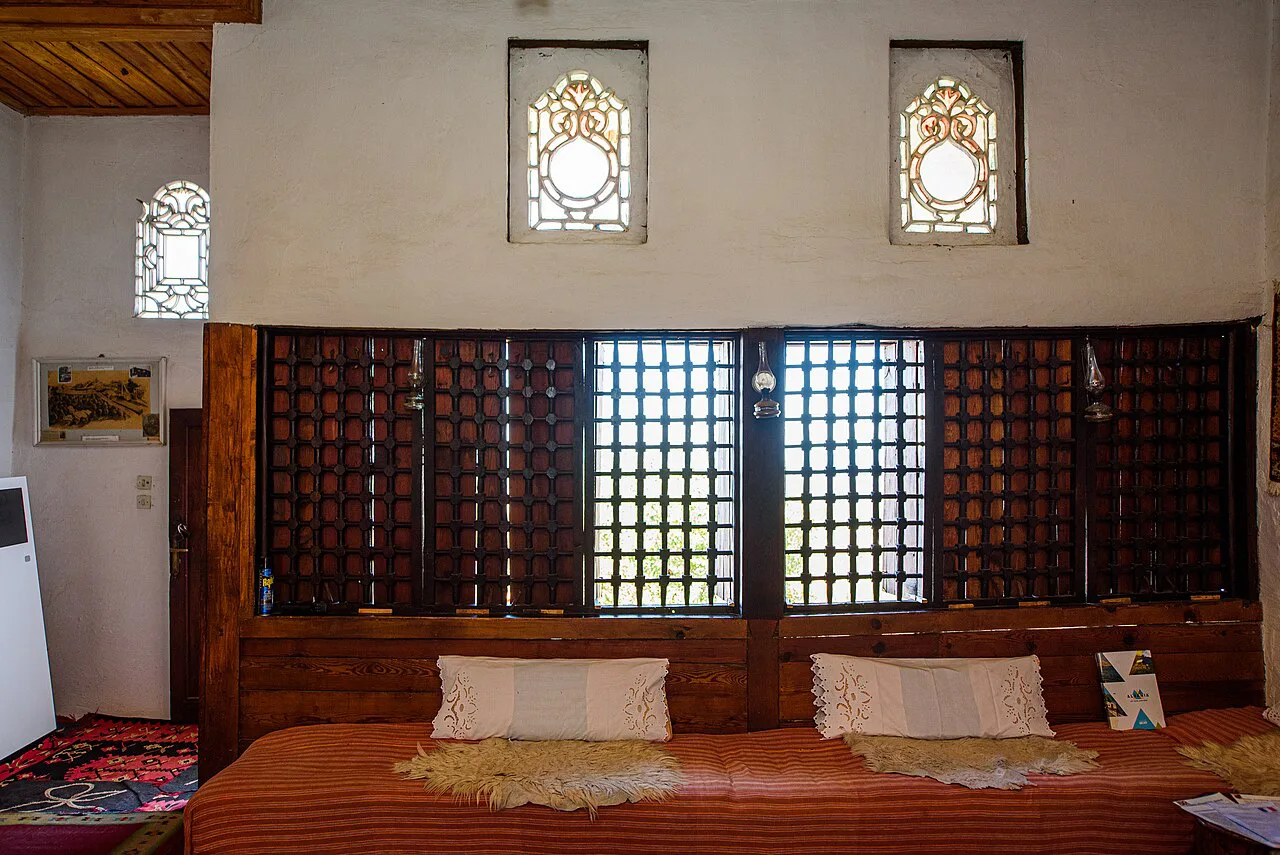
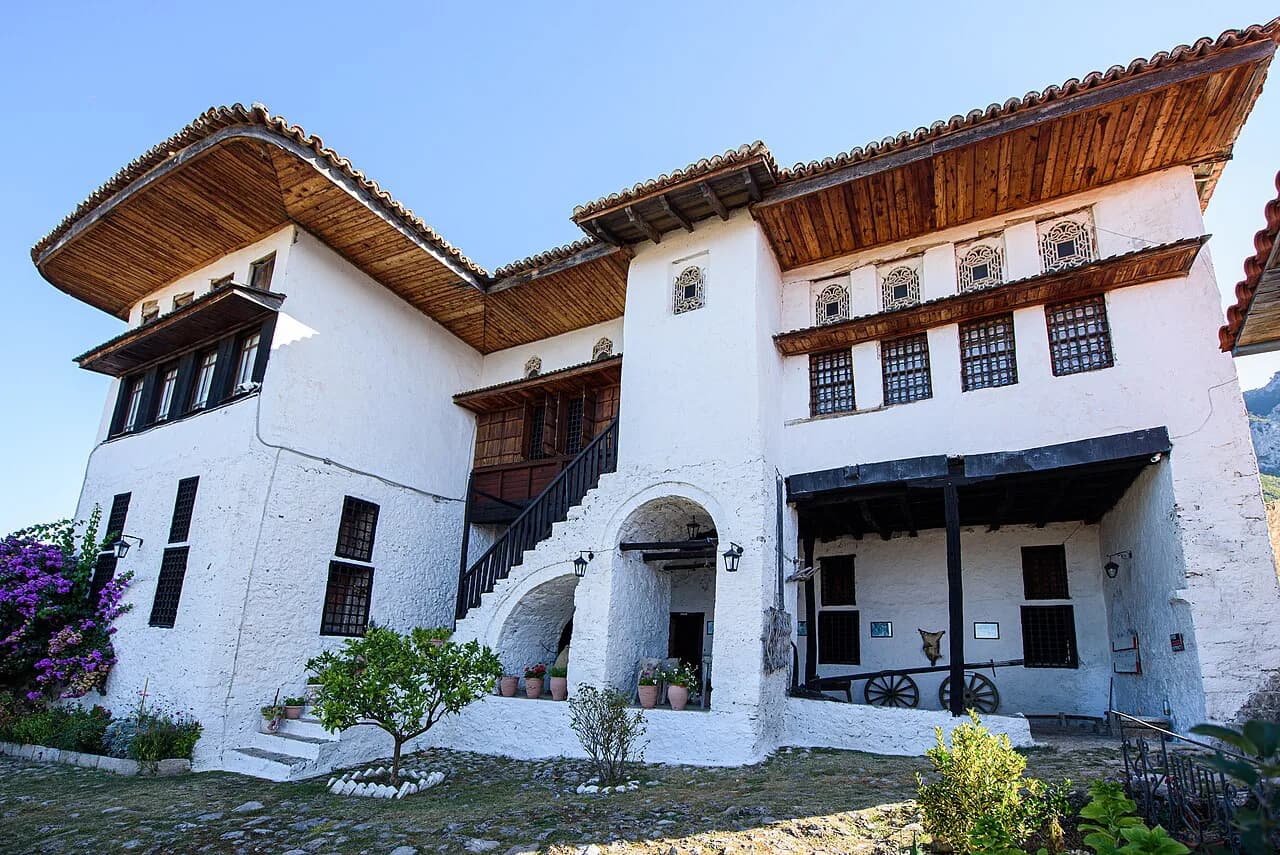
Krujë has a second museum, the Ethnographic Museum, which one guide lists alongside the Skanderbeg Museum and the bazaar as the town's main sights. It is the one to drop if you are short of time: with both museums closed to you, the bazaar and castle grounds can be seen in about an hour, according to one visitor's estimate.
Read up on the ethnographic museum Kruja before deciding, because opening arrangements are the thing most likely to change a short visit. If the timing works, the two museums together justify a longer stay in town.
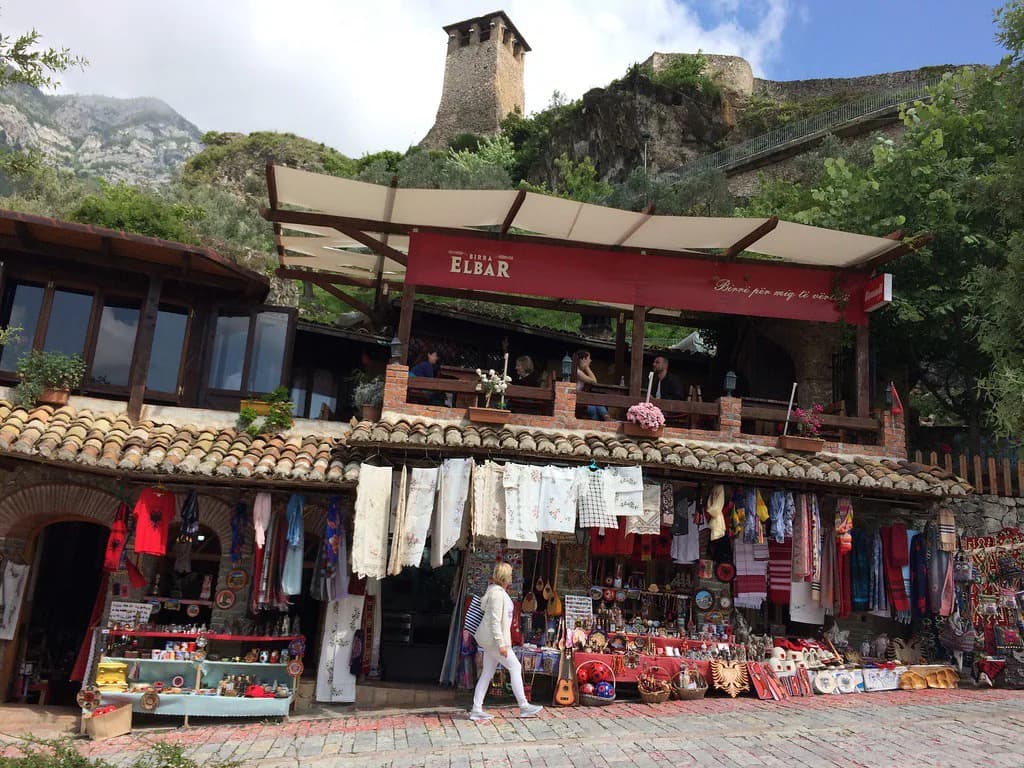
The bazaar: one arcade of timber-framed shops
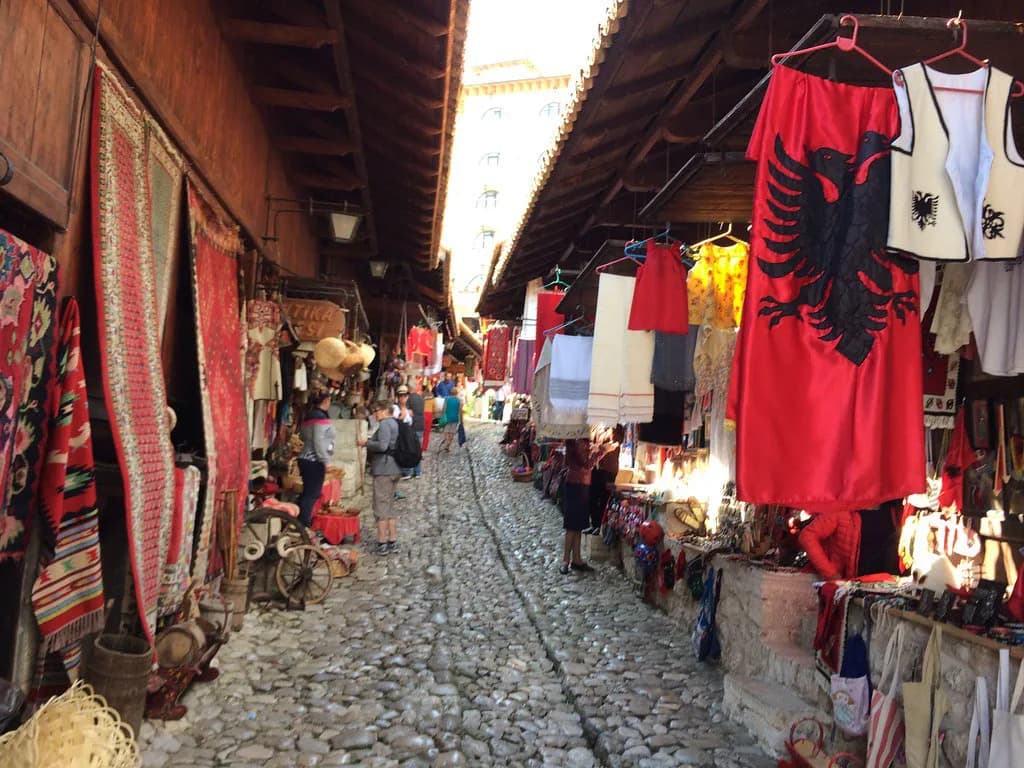
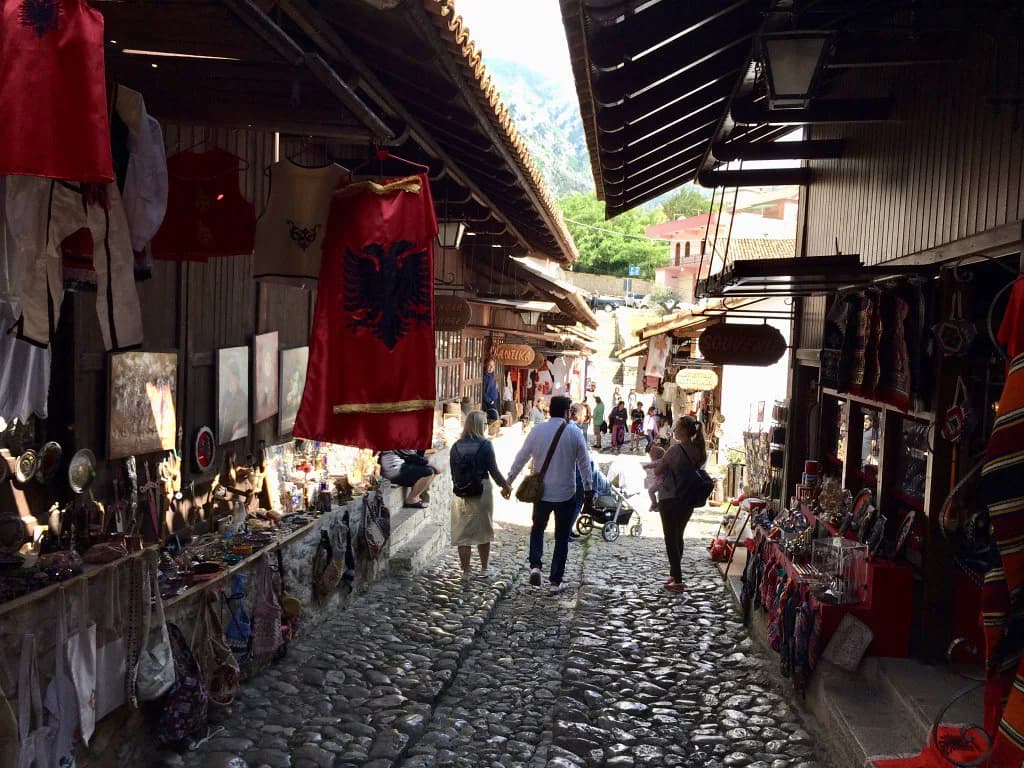
The Kruja bazaar is a narrow open-air arcade of timber-framed shops on both sides of the street, with a second, shorter run of shops on one side only. One account describes it as a constant presence in the town for five centuries, once numbering around 200 shops, and restored in the 1960s; the same writer suspects little of the original timber structures survives. It is small, and many stalls repeat the same stock.
What is sold runs from rugs and vintage military and Communist-era curiosities to folk dress and cheap souvenirs, and one account is blunt that the trade is aimed at tourists rather than local shoppers. If you are not buying, five to ten minutes covers the bazaar; if you are, give it longer and ask to see the rugs kept out of the sun.
One shop worth seeking out is Qeleshe Punes Hyseni, described as a seven-generation wool workshop whose owner makes slippers of a quality the writer did not see elsewhere in Albania. The cobbles through the arcade are shiny and uneven, so wear shoes with grip, especially after rain.
Viewpoints: Rruga Albanopolis, the watchtower and Rruga Kala
The bazaar leads onto Rruga Albanopolis, which one account calls one of the best viewpoints in town and the main street for accommodation, before continuing to the pedestrianised Rruga Pazari Vjeter and Skanderbeg Square. For a quieter coffee away from the day-trippers, the pedestrianised street is the place to stop.
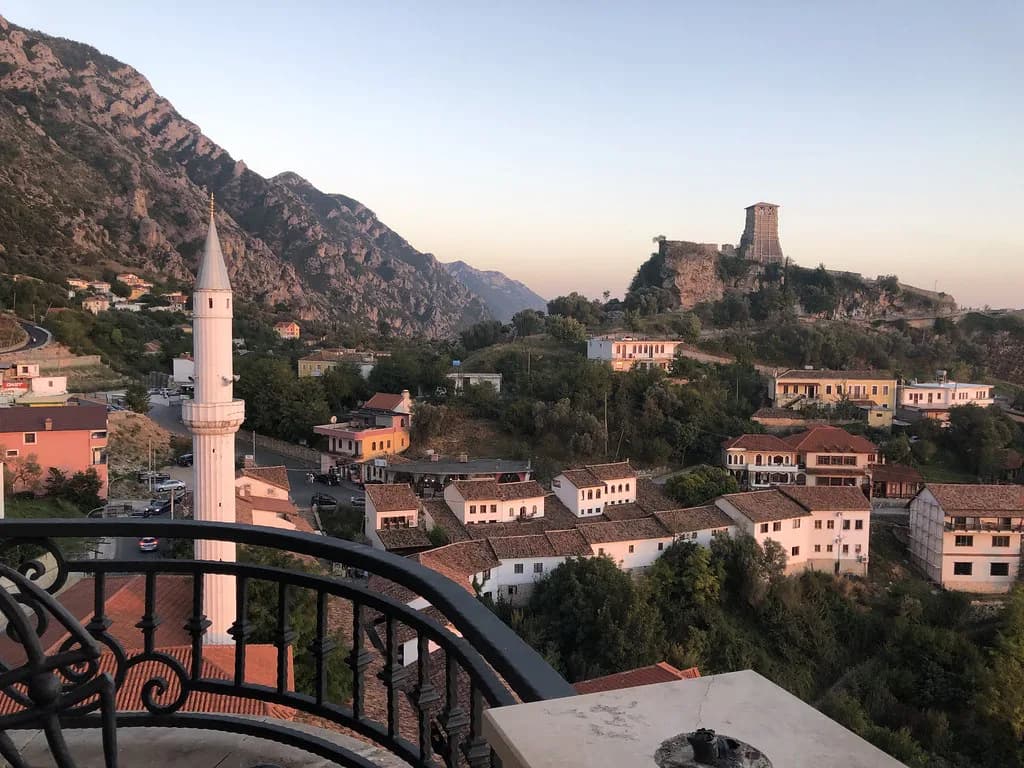
The same account names the watchtower and its viewpoint café as a separate stop, and notes that leaving the far side of the bazaar up Rruga Kala brings you to the tourist strip with places for a drink or an ice cream on the way to the castle. These are short walks on steep ground rather than a hike, so they fit between the bazaar and the museum.
How long Krujë needs
A quick stop of about an hour covers the bazaar and the castle grounds; a relaxed half-day adds the Skanderbeg Museum and a sit-down lunch. One visitor to Kruja recommends arriving in the morning and heading back in the late afternoon if you want to see everything without rushing.
To stretch the day, the walk to the Sari Salltik Shrine above Krujë in the mountains is the usual addition, and one account suggests arriving early or staying the night if you plan to do it. Krujë Old Town itself repays a slower wander if you are not counting minutes.
For a slower day, the best restaurants in Kruje sit along and just off the bazaar and castle lanes, so you can eat without leaving the historic core.
Getting there from Tirana by furgon or bus
Buses and minivans for Krujë leave from the regional bus station on the outskirts of Tirana rather than the centre, and one account reports a fare of 200 lek for a journey of about 40 minutes. Another traveller paid 400 lek for the round trip and describes looking for the van with Kruje in the window and waiting for it to fill before departure. Treat both figures as reported fares.
The van does not reach the historic centre: it drops you somewhere along the main highway, from which it is a short walk up to the old town, and you need to remember the spot to catch the ride back. Allow close to two hours by bus from Tirana if you are factoring in the station at each end. Another traveller put the drive itself at around an hour.
By car, parking and the airport
Driving gives you the most freedom: there is a car park near Krujë castle that suits a few hours' visit, and the run from the capital is quick by car. Carry cash for the parking, since card machines are not a given in a small hillside car park.
Krujë also works as an overnight stop before or after a flight, with one account putting the drive between the town and Tirana International Airport at about 45 minutes. If you are driving north afterwards, the same writer treated Krujë as a convenient detour on the road towards Shkodër.
Visiting Krujë as a guided day tour
Guided day tours from Tirana bundle Krujë castle, the old bazaar and the Sari Salltik view into a single outing, which suits anyone without a car who wants the hilltop shrine included without arranging a separate lift. Compare what each tour actually enters, because a stop at the castle gate is not the same as a ticket into the Skanderbeg Museum.
Practical points for a short visit
The bazaar lanes and the climb to the castle are cobbled and steep, so sturdy shoes matter more than a smart outfit, and a light layer helps on the exposed hilltop. Cash is worth carrying for parking and small purchases in the bazaar, where souvenir stalls work on small notes.
Rooms near the mosque come with the early call to prayer, which one account notes some guests dislike and others find part of the atmosphere. Check the current museum hours and ticket prices at the museum desk before you travel, as these are the details most likely to shift.
What to pair with Krujë
The road north from Krujë towards Shkodër makes the town a natural first or last stop on a longer drive, and Berat and Durres sit further afield if you are building a wider loop. Qafështamë National Park, known for its mineral water, lies in the same mountain area as the town.
Prezë Castle is another castle in the same stretch of countryside, listed among attractions near Krujë, and it suits anyone who wants a second hill fort on the same drive.
Should you spend the night or come back down?
Come down the same day unless you are walking to the Sari Salltik Shrine, flying early, or driving north the next morning. For most visitors the bazaar, castle grounds and Skanderbeg Museum fill a half-day comfortably, and the furgon back to Tirana needs you to remember where it dropped you.
If you stay, book a room with the view you want and expect the call to prayer near the mosque; if you day-trip, start early enough to climb to the castle before the midday heat. Either way, confirm the museum ticket price and opening arrangements at the entrance, and carry cash for the car park and the bazaar.
Explore more Kruje guides
Frequently Asked Questions
How do you get from Tirana to Krujë without a car?
Take a bus or minivan from the regional bus station on the outskirts of Tirana, not the city centre, and look for the vehicle displaying Kruje. It leaves when it fills, takes roughly 40 minutes to an hour depending on the account, and drops you on the main road, from which you walk up to the historic centre and return to the same spot for the trip back.
How much does the Skanderbeg Museum cost?
One visitor reports an entrance fee of 500 lek, with the displays in Albanian and a free guide offered to interpret them. That figure is a reported price rather than a published tariff, so confirm the current entry charge at the museum desk before you plan around it.
Can you walk around Krujë Castle without paying?
Yes. One account describes the castle as always open with no entrance fee, and another confirms the grounds are free, with the ruined structures accessible without a ticket. The Skanderbeg Museum inside the walls is separate and charged, the clock tower was badly damaged in the November 2019 earthquake and is no longer open to the public, and the Dollma Tekke was also damaged and was being restored.
Is half a day enough for Krujë?
Half a day covers the bazaar, the castle grounds and the Skanderbeg Museum at an unhurried pace, and about an hour is enough if you skip both museums. Add more time for the Ethnographic Museum or the walk to the Sari Salltik Shrine above the town.
Sources
- Kruje Travel Guide
- The Very Best Things To Do In Kruja, Albania — ALONG DUSTY ROADS
- A Day Trip to Kruja, Albania: Medieval Castles and Epic Landscapes - The Partying Traveler
- Krujë - Top 10 Things To Do in the city of Skanderbeg
- Krujë Travel Guide: Best of Krujë, Durrës County Travel 2026 | Expedia.co.uk
Notes for your Albania trip
Optional updates to our Albania town guides.
You might also like
Continue reading
More guides you'll find useful