Korçë, Albania: What to See, How to Get There and How Long You Need
Plan a visit to Korçë with this guide to the old bazaar, Mirahor Mosque, cathedral and museums, plus how to get there from Tirana and how long it needs.
On this page
Plan one full day for central Korçë and add a second if you want the museums plus a day trip; the bazaar, cathedral and boulevard sit within a short walk of each other. The city lies in southeastern Albania, about 160 km and a three-hour drive from Tirana, at an altitude of around 890 metres beneath the Morava mountains.
This guide sets out where Korçë is, how to reach it by bus or car, how to sequence the old bazaar, Mirahor Mosque, cathedral and museums, and which excursions into the surrounding villages and lakes are worth the road time.
Where Korçë is and what the city is known for
Korçë sits in the far southeast of Albania, with the Greek border around 35 km to the east and North Macedonia beyond Lake Prespa and Lake Ohrid. The city is associated with the Albanian National Awakening, and the visitkorca.al regional guide calls it the cradle of Albanian culture for that role.
What you actually come for is compact: an Ottoman-era bazaar quarter, the Mirahor Mosque and its clock tower, a large Orthodox cathedral, a pedestrian boulevard, several small museums and a brewery. Locals use the boulevards for the evening xhiro, the traditional stroll where people walk, stop and talk, which is the best reason to keep your first evening free.
The wider region spreads across Korçë, Kolonjë, Pogradec, Pustec, Devoll and Maliq, taking in mountain villages, Lake Ohrid and Lake Prespa. Treat the town as the base and the villages and lakes as separate outings rather than part of the town walk.
How to get to Korçë from Tirana and elsewhere
Daily buses run from Tirana to Korçë with a journey time of around three and a half hours according to the regional transport page, while one travel account reports roughly four hours for the 165 km route and a fare of 700 lek paid at the time of travel. Treat both the duration and the fare as reported figures rather than current timetables.
The practical trap is the departure station: one account of the trip describes going to the wrong Tirana bus station first, so confirm the correct terminal before you set out. Buses arrive at Korçë's main bus station, which is also the hub for onward services.
Furgon minibuses and taxis cover local and regional hops from the bus station, and the road from Tirana passes through Elbasan and Pogradec, with Lake Ohrid visible on the way. Coming from Greece or North Macedonia, the city is reachable by bus from Thessaloniki and Skopje, though those journeys are long.
How long you need in Korçë
A single day covers the old bazaar, Mirahor Mosque, the clock tower, the cathedral and St. George Boulevard on foot, because the centre is compact and walkable. Most pavements in the centre are well paved, but the side lanes behind the main streets are still cobbled and uneven, so allow more time than the map suggests if anyone in your group has mobility limits.
Two days lets you add two or three museums without rushing and still keep an evening for the boulevard. Three days or more is the point at which a day trip to Voskopojë or out to Lake Ohrid stops eating the whole town visit. Use the Korçë Map for Visitors if you want to see how the sights cluster before you commit.
Walking the centre: St. George Boulevard and the xhiro
St. George Boulevard runs opposite the Resurrection Cathedral and is the spine of the centre: a pedestrian stretch of cafés where residents gather for the evening walk. Join it after the sights close rather than at midday, when the light is harsh and the museums are still open.
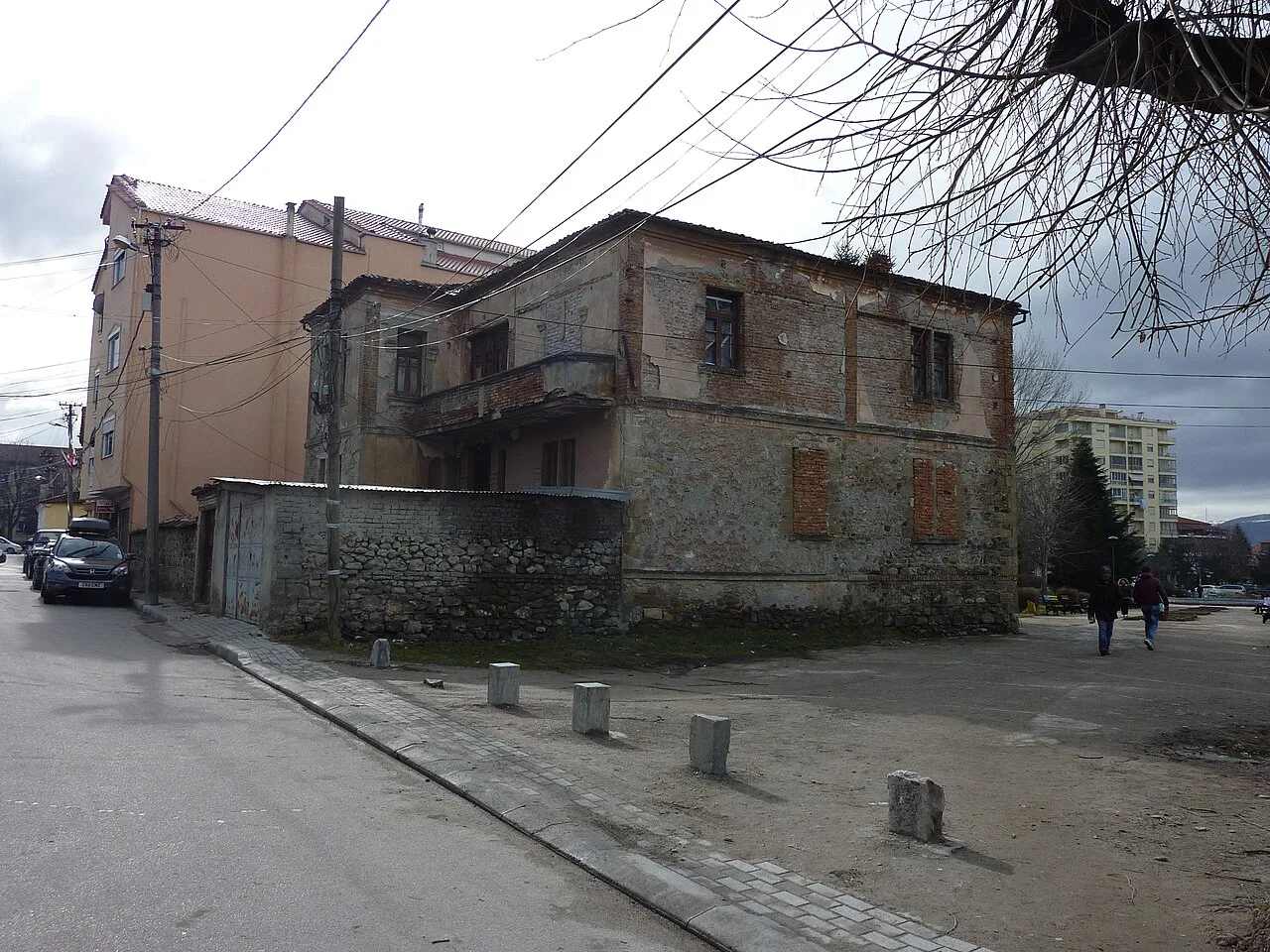
The area behind the cathedral is where the older town shows itself, with Ottoman-era houses, cobbled lanes and a quieter atmosphere than the boulevard. Walk it as a loop from the cathedral rather than as a separate trip.
The Old Bazaar: what to see and how to walk it
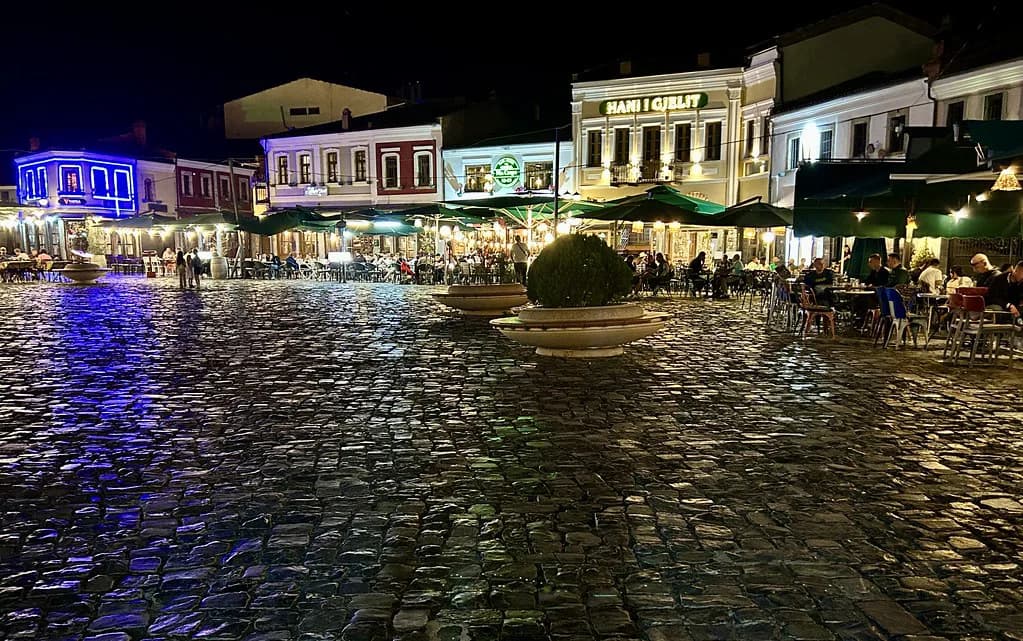
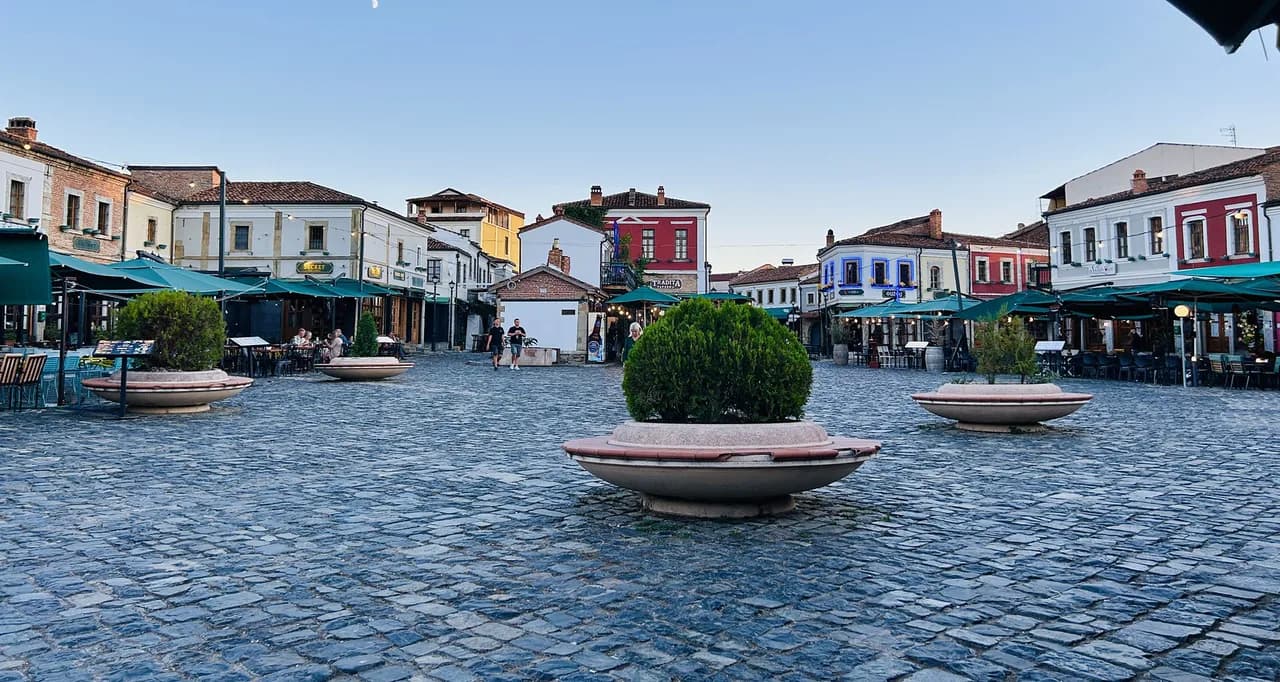
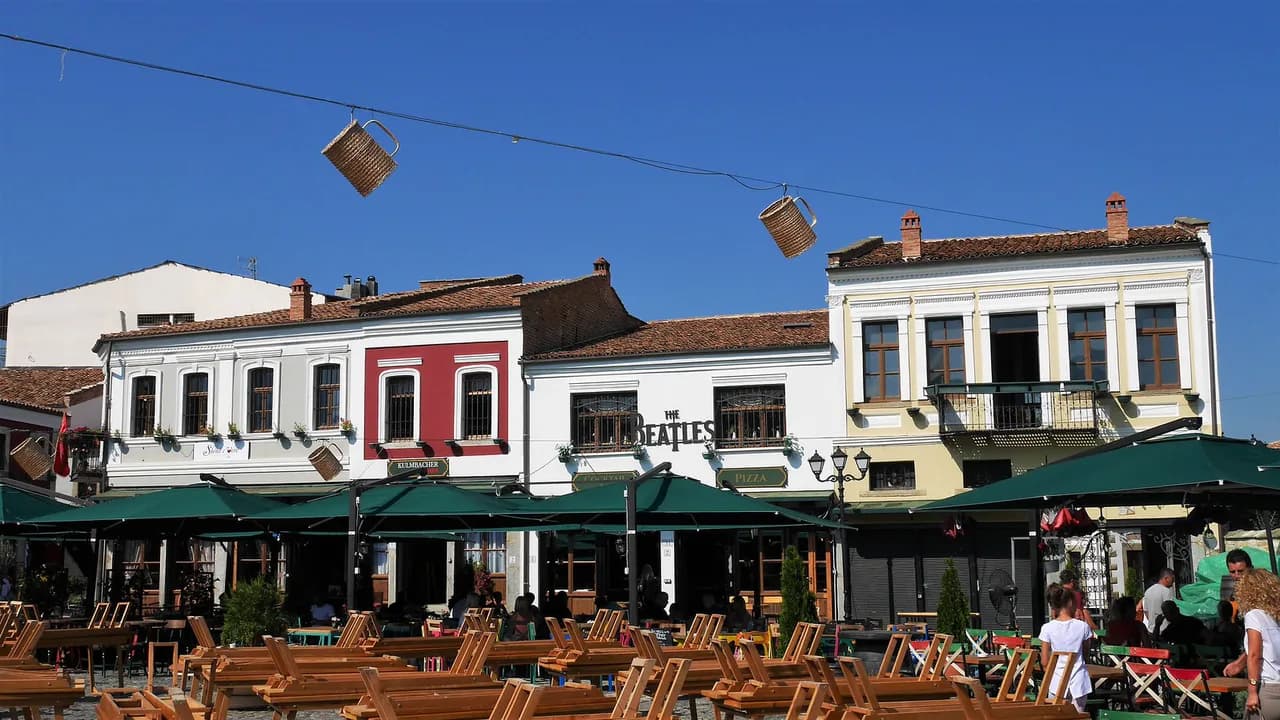
Start at the bazaar, the Ottoman-era market quarter of narrow alleys and small houses, which in its commercial peak in the 19th and early 20th centuries held more than a thousand shops trading with merchants from Turkey, Greece, Venice and Trieste. Buildings here have burned repeatedly, so what you walk through is a rebuilt quarter rather than untouched fabric.
Today the selling happens largely from outdoor stands and small shops rather than inside the old houses, with fruit, vegetables, cheese, spices, lakror and grilled meat alongside clothes and crafts. Come hungry and graze rather than planning a sit-down lunch elsewhere.
Our guide to the Korce bazaar breaks the quarter down street by street if you want to plan a route before arriving. Pair it with the food guide for what to eat once you are in the lanes.
Mirahor Mosque and the clock tower
The Mirahor Mosque stands in the old market district beside the reconstructed clock tower, and the building dates to 1495. The source describes it as the second oldest mosque in Albania, with a single dome and a minaret rebuilt in 2008 after earthquake damage in 1961, making it the natural next stop after the bazaar.
The clock tower you see is not the 1784 original, which was destroyed twice by earthquakes; the current structure is a reconstruction in Ottoman style dating from 2016. Visit outside prayer times, dress modestly and cover heads for women, and keep voices low inside.
Resurrection Cathedral (Ringjallja e Krishtit)
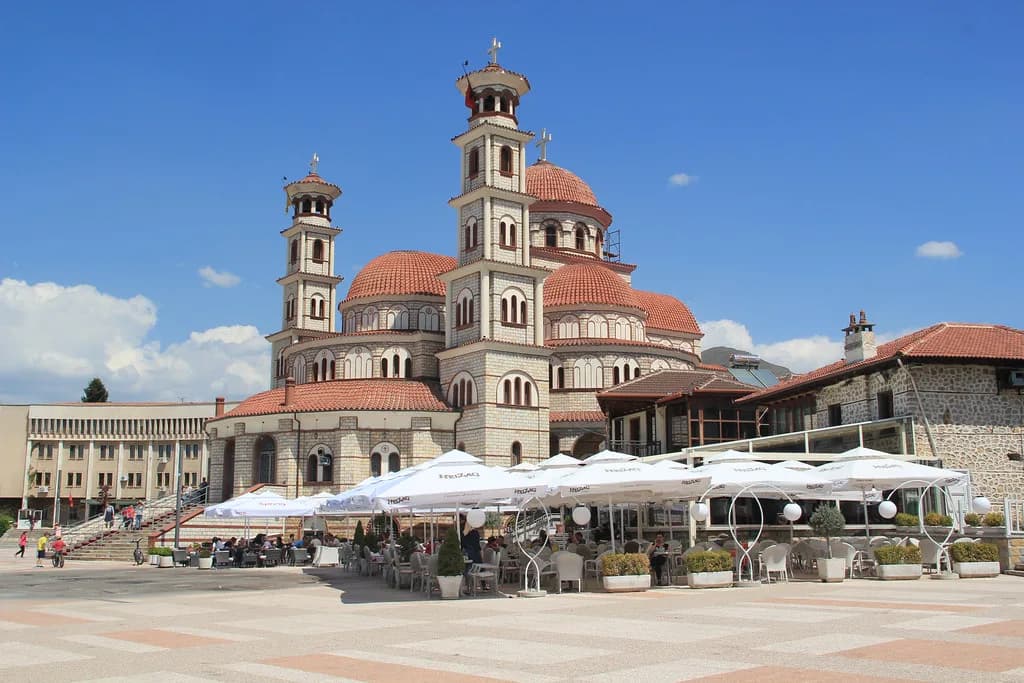
Korçë's Resurrection of Christ Cathedral is the city's most visible landmark, with domes and twin towers, and the visitkorca.al cultural listings include it alongside the bazaar and museums as a core sight. Inside, look for the frescoes, ceiling paintings and the large chandelier, and dress respectfully as you would at any working church.
The cathedral is best in the hour before sunset, when the light hits the front and the statue and fountain opposite on the boulevard make a natural photograph. Our page on the Korce cathedral covers the layout and what to look for inside.
Korçë's museums: medieval art, education and the first Albanian school
The National Museum of Medieval Art holds a large collection of medieval art and cultural objects in stone, metal, wood and fabric, and is the museum to prioritise if you only see one. The Education Museum occupies the building of the first Albanian school, the Mësonjëtorja, which gives it more weight than its size suggests.
Sequence the medieval art museum and the education museum in one block, since both sit in the central museum cluster. Opening hours and ticket prices change by season, so confirm them at the door or on the museum's own listing on the day rather than relying on an old guidebook.
If you plan to work through several of the smaller collections, the Museums in Korçë guide groups them so you can choose rather than trail around all of them. A dedicated Korce museum page will save you a wasted walk when one is closed.
Archaeological Museum, Gjon Mili Photography Museum, Vangjush Mio House and Bratko Oriental Museum
The Gjon Mili Photography Museum sits inside the former Romanian House, a 1930s building whose architecture is worth a look even if the photography does not draw you. The Vangjush Mio House covers the Albanian painter, and the Bratko Oriental Museum and the Archaeological Museum round out the smaller collections.
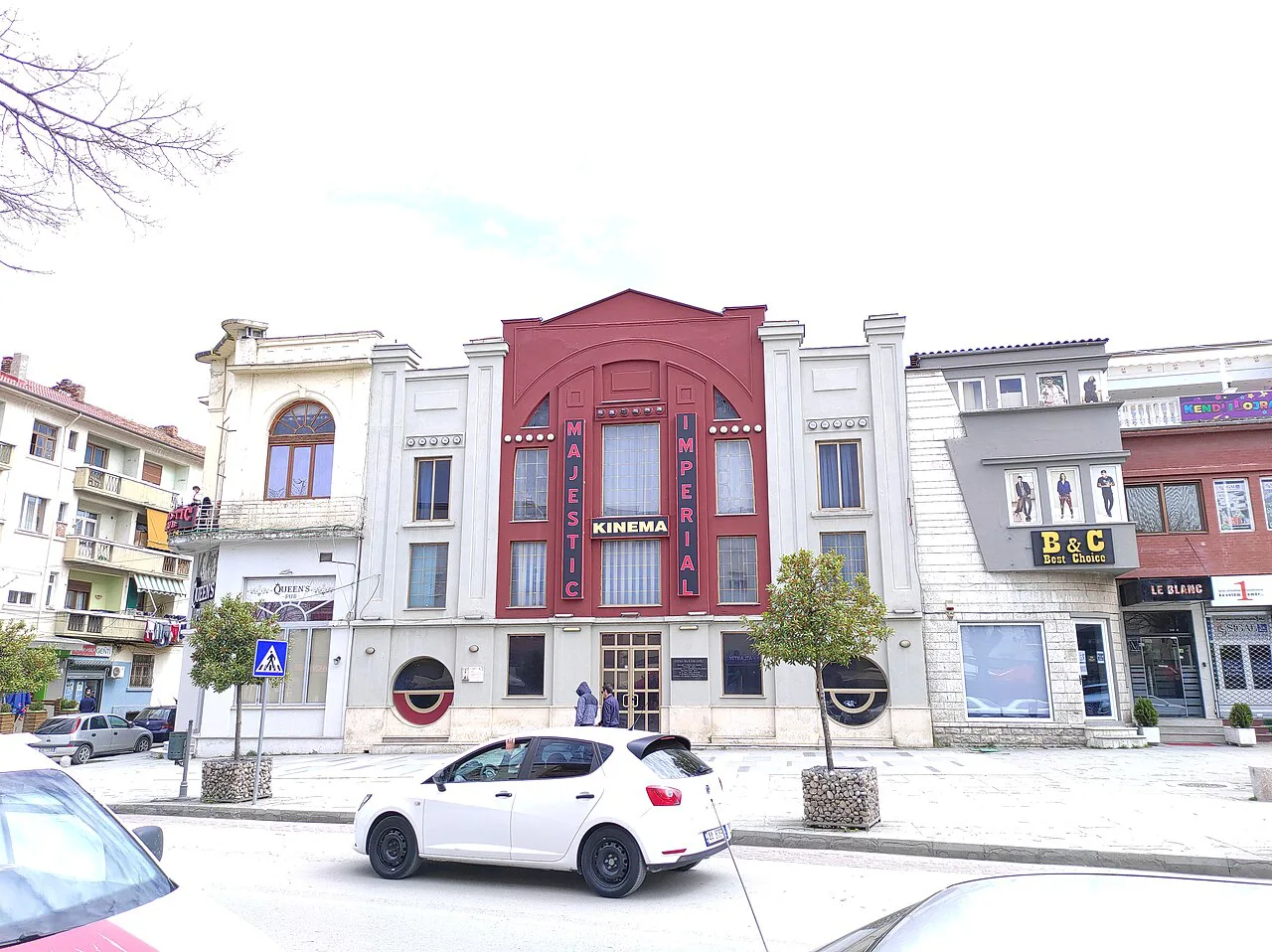
These are small museums, so pick two that match your interests rather than attempting all four in a day. One travel account singles out the Romanian House's eclectic style and the cathedral's scale as the centre's architectural set pieces, both visible from the street as you walk between sights.
Birra Korça brewery and beer garden
The Birra Korça factory is Albania's first brewery, founded in the late 1920s to an Italian architect's design, and the building sits at the foot of Morava mountain within walking distance of the centre. The beer garden next door has outdoor and indoor seating, and one account from a visit there reports 100 lek for a 500 ml bottle and 70 lek for a 400 ml draft, which you should treat as a historical figure rather than today's price.
Tours are not a walk-up certainty: one account reports that official tours run only at certain times of the year, so ask at the brewery or check its own channels before building your day around a visit. The beer garden is the reliable part.
Around Korçë: Voskopojë, Boboshticë, Dardhë and Vithkuq
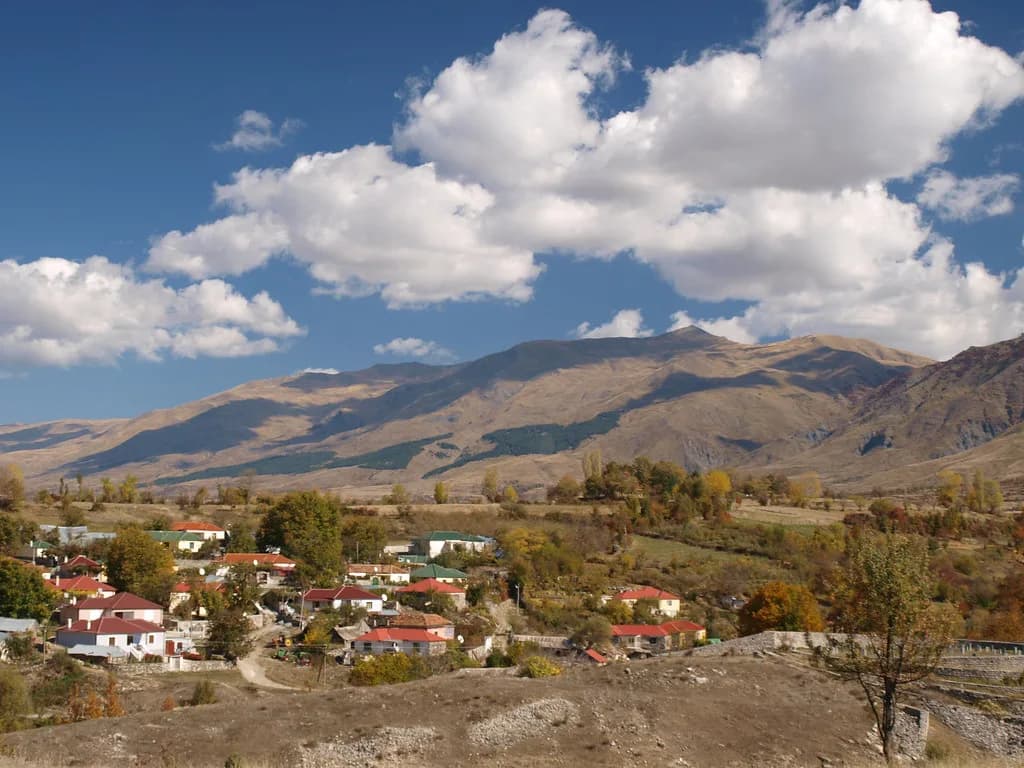
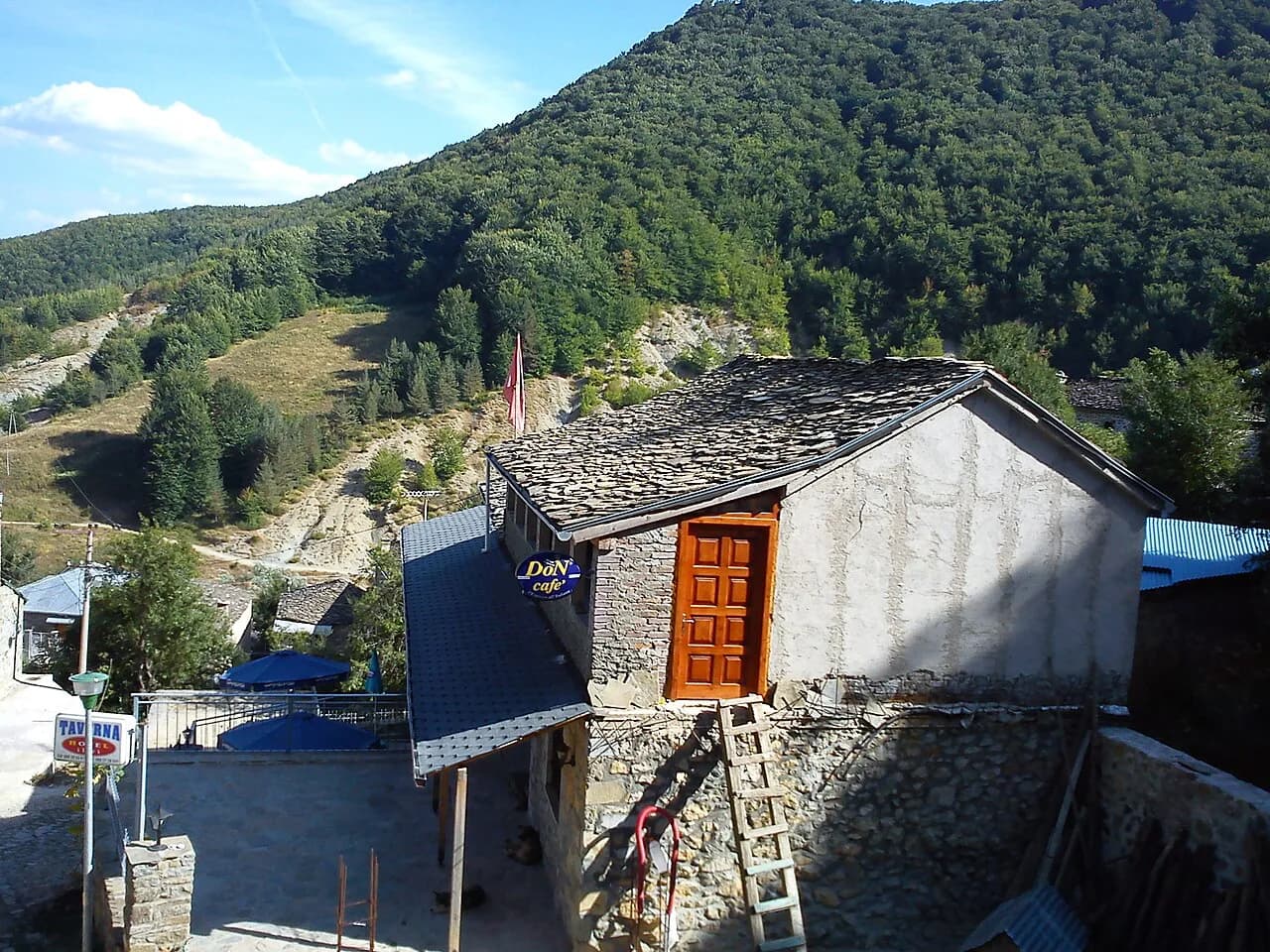
The surrounding villages are the main reason to give Korçë more than a day. Voskopojë has well-preserved Byzantine churches and frescoes and was a cultural and religious centre in the 18th century, Boboshticë is known for stone houses and old churches, and Dardhë is an apple-growing village in the hills with mountain views.
Each is a half-day or full-day outing by road, and the mountain roads mean journeys take longer than the distance implies. Vithkuq's valleys and the Morava mountain scenery fill the rest of the day, but do not try to combine Voskopojë and Dardhë in one afternoon.
Lake Prespa and Lake Ohrid day trips from the city are covered through the Pogradec and Prespa pages on the regional guide, which also sets out onward buses. Build the trip around one lake at a time and check road conditions before setting off in winter.
Lake Ohrid and Pogradec, Lake Prespa and cross-border trips
Pogradec sits on Lake Ohrid and the Albanian shore is quieter than the North Macedonian side, with the village of Tushemisht a short hop from town along spring-fed canals. For the town itself, plan it with our Pogradec guide before deciding how long to stay on the lake. Lake Ohrid is shared with North Macedonia and listed as a UNESCO world heritage site on the Macedonian side, so carry your passport if you plan to cross.
Lake Prespa is shared between Albania, Greece and North Macedonia, is a national park and is known for birdlife including pelicans. The frescoed church of St. Mary on the island of Maligrad sits within the Great Prespa Lake, but reaching the island depends on a boat being available, so ask locally on the day.
If you are weighing up other Albanian towns for the same trip, our Berat Attractions guide and Durres Attractions guide show the shape of those stops. Korçë is the eastern end of most itineraries, so build outward from it rather than treating it as a stopover.
Getting around Korçë and onward travel
Central Korçë is walkable and most sights fall within roughly 2 km of the cathedral, which makes it a sensible reference point for planning. Buses and furgons serve the surrounding region from the main bus station, and taxis cover direct trips.
For onward travel, buses run back to Tirana and to Pogradec and Elbasan along the same corridor, while services to Greece and North Macedonia are long-haul. Confirm departure points and times at the station on arrival rather than online.
Dress and etiquette at mosques and churches
The Mirahor Mosque and the Resurrection Cathedral are both working religious sites. Dress modestly for both, cover shoulders and knees, remove shoes at the mosque and keep voices down if a service is in progress; women should carry a scarf for the mosque.
Practical constraints: heat, cobbles and road time
Korçë sits at around 890 metres, which takes the edge off summer heat compared with the coast, but the sun is still strong at midday and the museums are the sensible place then. The cobbled lanes behind the cathedral and in the bazaar are uneven, so wear shoes with grip rather than sandals if you plan a full day on foot.
Village roads, brewery tours and boat services are seasonal, so confirm before setting out where a trip depends on one. That one check is the difference between a smooth day and a wasted drive.
Should you add a village day to your Korçë stay?
Yes, if you have a second full day and a car or a driver, Voskopojë is the best value for frescoes and mountain scenery within reach of the city. Skip the village day if you have only one day: the bazaar, mosque, cathedral and museums fill it comfortably on foot.
Build the visit around the evening xhiro on St. George Boulevard rather than the middle of the day, and let the Old Bazaar carry lunch. Book onward buses from the main station once you know the return times, not in advance from home.
Explore more Korce guides
Sources
Notes for your Albania trip
Optional updates to our Albania town guides.
You might also like
Continue reading
More guides you'll find useful