Voskopoja: painted churches near Korçë
Voskopoja is a mountain village near Korçë with five painted churches and a 17th-century monastery. Plan a day trip with walking routes and access notes.
On this page
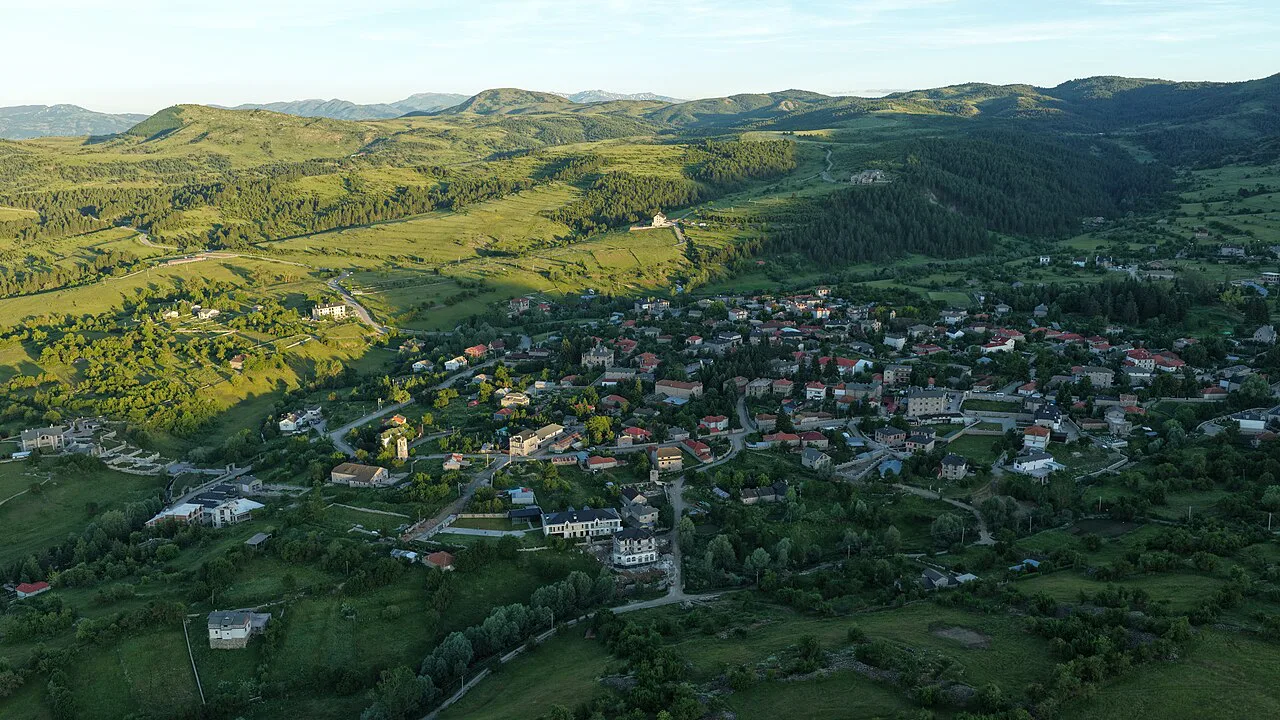
Voskopoja makes a straightforward half-day or full-day trip from Korçë, roughly 30 minutes away by car and about 20 km northwest of the city at around 1,200 m. The village holds five surviving churches with frescoed ceilings, a restored monastery in the forest, and walking routes that link the churches or climb into the hills. This guide orders the sights by position, explains the two walks and sets out the access and seasonal points that shape a visit.
Allow a half-day from Korçë for the main churches, and a full day if you add the monastery and one of the marked walks. Roads are part of the planning: the monastery sits outside the village on a poor track, and spring weather can put snow on the higher road.
Where Voskopoja sits and what you find there
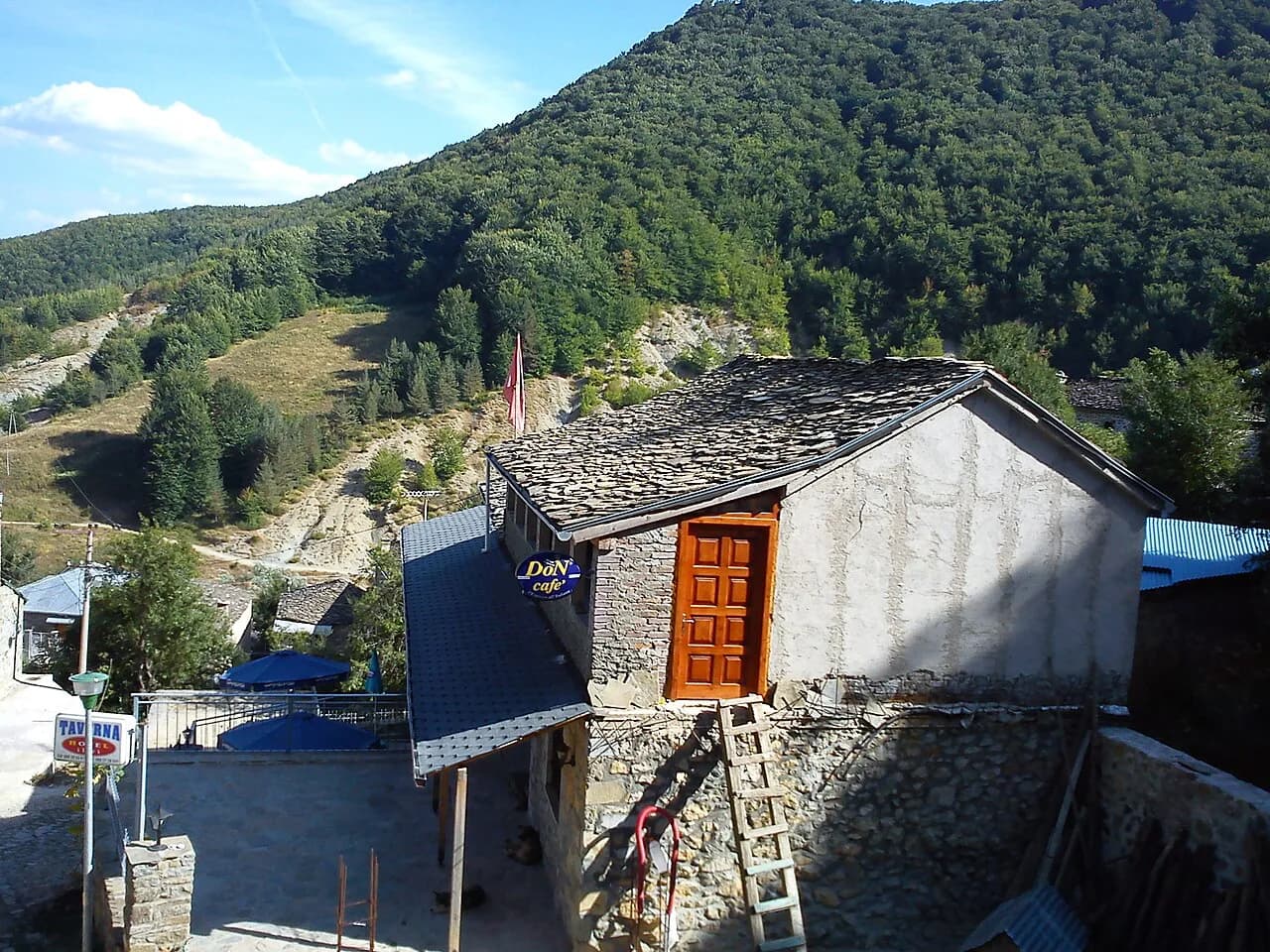
Voskopoja lies in Korçë County, northwest of Korçë, at about 1,200 m, and the drive by car takes around 30 minutes. Fewer than 1,000 people live in the village today, and small hotels, guest houses and restaurants cater to visitors. The village is quiet rather than a resort, so the churches and the surrounding meadows and forests set the pace.
The churches are the reason to come. Five remain, partly restored, and their ceilings carry frescoes across roughly 4,000 square metres of painted surface. Several are working churches, so keep voices low, dress modestly and cover shoulders and knees as you would elsewhere in Albania.
The Church of St Nicholas in the centre
St Nicholas, Kisha e Shën Kollit, stands in the middle of the village, which makes it the natural first stop. Its arcaded outer narthex is the feature to look at before you go in, with frescoes on the porch walls as well as inside. It is an early 18th-century church, built in 1721.
The interior frescoes are attributed to David Selenica and assistants, and the covered porch was painted so that biblical stories could be read by people who could not read the text. Some surfaces show deliberate damage from the Ottoman period, and the building later served as a storage depot in the communist era. Look at the iconostasis and the painted porch with that history in mind rather than expecting a pristine interior.
The Cathedral of St Mary on the northern edge
Walk north through the village to the Cathedral of St Mary, Kisha e Shën Mërisë, which sits on the northern edge. It is a three-nave basilica with a narthex, and its frescoes are dated by a donor inscription to 1712 and painted by Theodor Anagnosti and Steriani of Agrafa. The building was damaged in the Second World War and its southern porch was lost in the 1960 earthquake; restoration has repaired the roof and walls and revived the frescoes and woodwork.
A modest gate under the bell tower leads into porticoes that frame a view over the village and its surroundings. Painted panels continue along the outer walls, and the grounds have been relaid with cobbled paths, planting and benches. Because this is a restored cathedral rather than a ruin, it is the most comfortable of the churches to linger in.
The Monastery of St John the Baptist in the pines
The Monastery of St John the Baptist, Manastiri i Shën Prodhromit, stands in a pine forest on a hill northeast of the village, reached through a gate into a courtyard with monks' quarters on one side and the church on the other. The church was built around 1630 and its paintings were completed in 1659. It is a Category I Cultural Monument, and the restoration covered the roof and supporting structure, the konaks, the frescoes and the surrounding paths, with lighting and fire systems added.
Approach on foot. The access road is rough, and following the signs for Hotel Akademia then walking the last stretch is easier than driving it. Pair the monastery with the walk to Shipska, a small village about two hours away with a renovated Church of St George and fresco cycles, where some residents still speak Aromanian. Ask before photographing people or interiors, and leave the courtyard quiet if a service is under way.
The other churches to look for
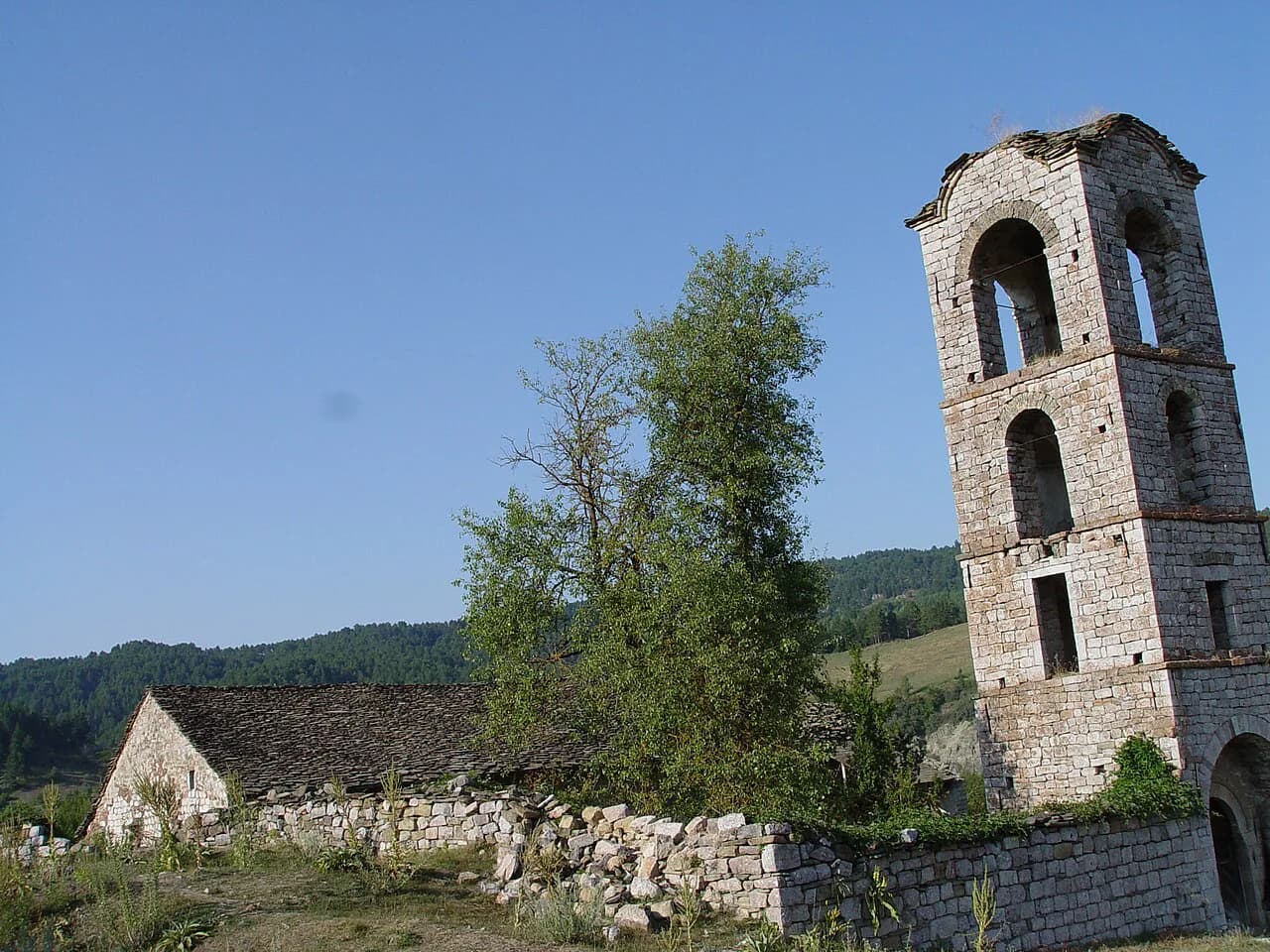
Three further churches round out a circuit: St Michael, dated 1722, on the edge of the village with restoration work ongoing in recent years; Shënepremte, perched on a hill above an old bridge; and St Elijah, built in 1751 on the village outskirts, reached along a track that can turn muddy. None of these is a formal visitor attraction with set hours, so plan the walk around what is reachable and accessible on the day.
Walking the church circuit or the hills
The published church route covers 8 km between about 1,150 m and 1,300 m and takes around 3.5 hours at an easy grade; the description elsewhere puts the outing at about four hours including stops. It links the main churches and their ruins, mostly 18th-century, and gives views back over the village. Wear shoes with grip, since paths between the churches are unsurfaced in places.
The hill route is 12.2 km, about four hours, and moderate, climbing from 1,200 m to 1,640 m on a loop southwest of the village. It follows stream valleys, meadows and forest tracks and finishes back in the centre. A seasonal fish restaurant by the reservoir makes a stop on the way, but it is not reliable outside the season, so carry water and food. In spring, snow can lie on the higher ground even when Korçë is mild.
Getting there from Korçë and Tirana
Driving is the simplest approach: take the road northwest from Korçë, about 20 km and roughly 30 minutes by car. Going by car also lets you stop on the way and reach the monastery turn-off without relying on a lift back. Check the current road condition locally after heavy rain or snow, as sections have been under repair and resurfacing.
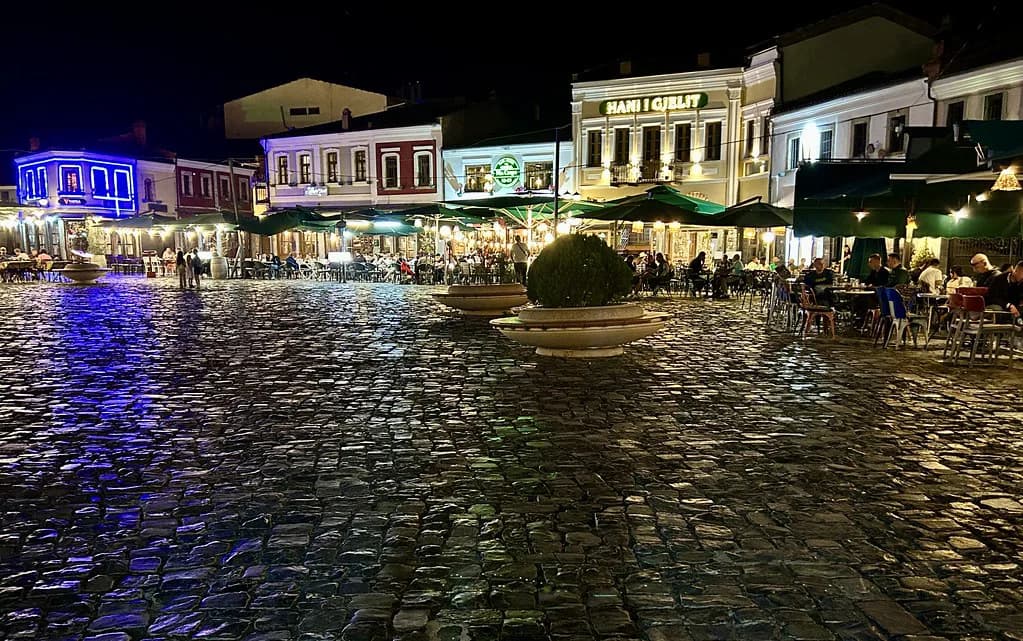
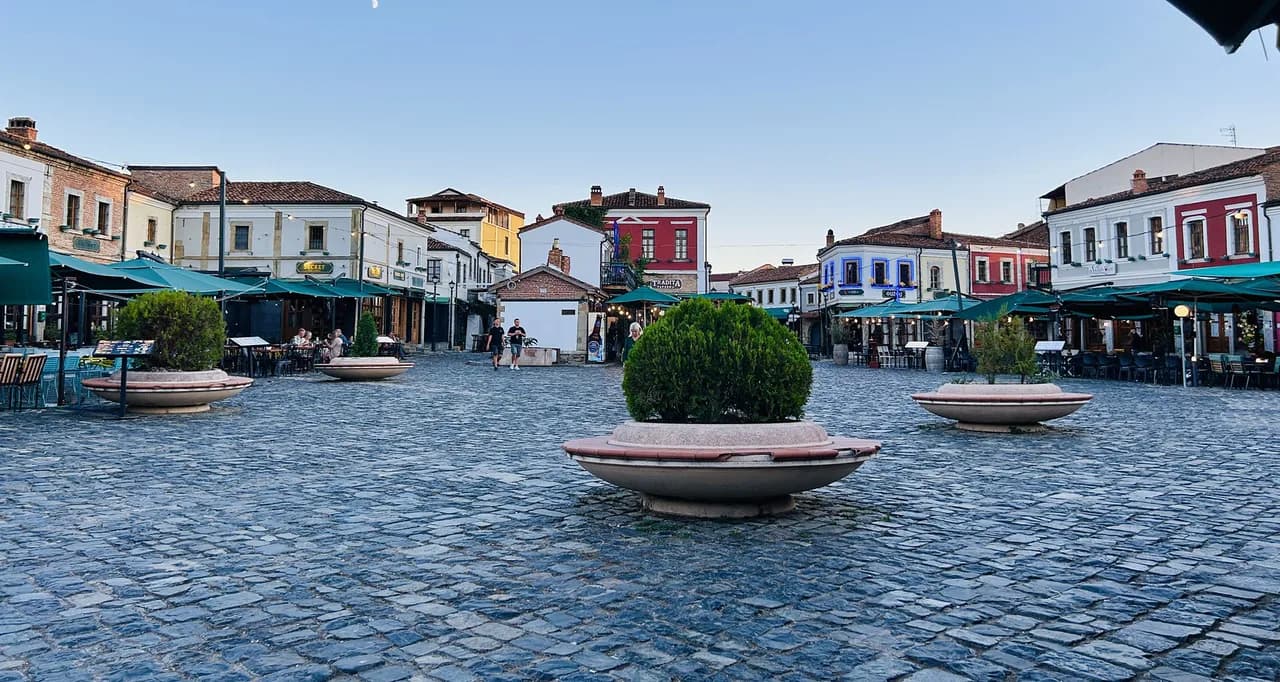
An organised two-day tour from Tirana that combines Korçë and Voskopoja is offered for travellers without a car. If you are basing yourself in Korçë, the city itself rewards a day: its Korçë Bazaar, museums and cathedral sit within walking distance of each other, and the Korçë Map for Visitors helps you plot the old streets before heading into the mountains.
When to go and what to expect
Weather at 1,200 m changes quickly, and fresh snow has fallen in late April even when lower ground is mild. In the off-season many places to eat close, so bring snacks and do not count on a late lunch in the village. Start early and carry water whatever the season, as the mountain weather can turn.
Taverna Voskopojë has served the local lakror, a pastry pie with meat or vegetables, and house wine to visitors in the village. For a wider choice, eat in Korçë before or after the trip; the best restaurants in Korce cover the region's pies and grilled dishes, and Korca food traditions reward a proper sit-down meal rather than a rushed one.
Pairing Voskopoja with the wider southeast
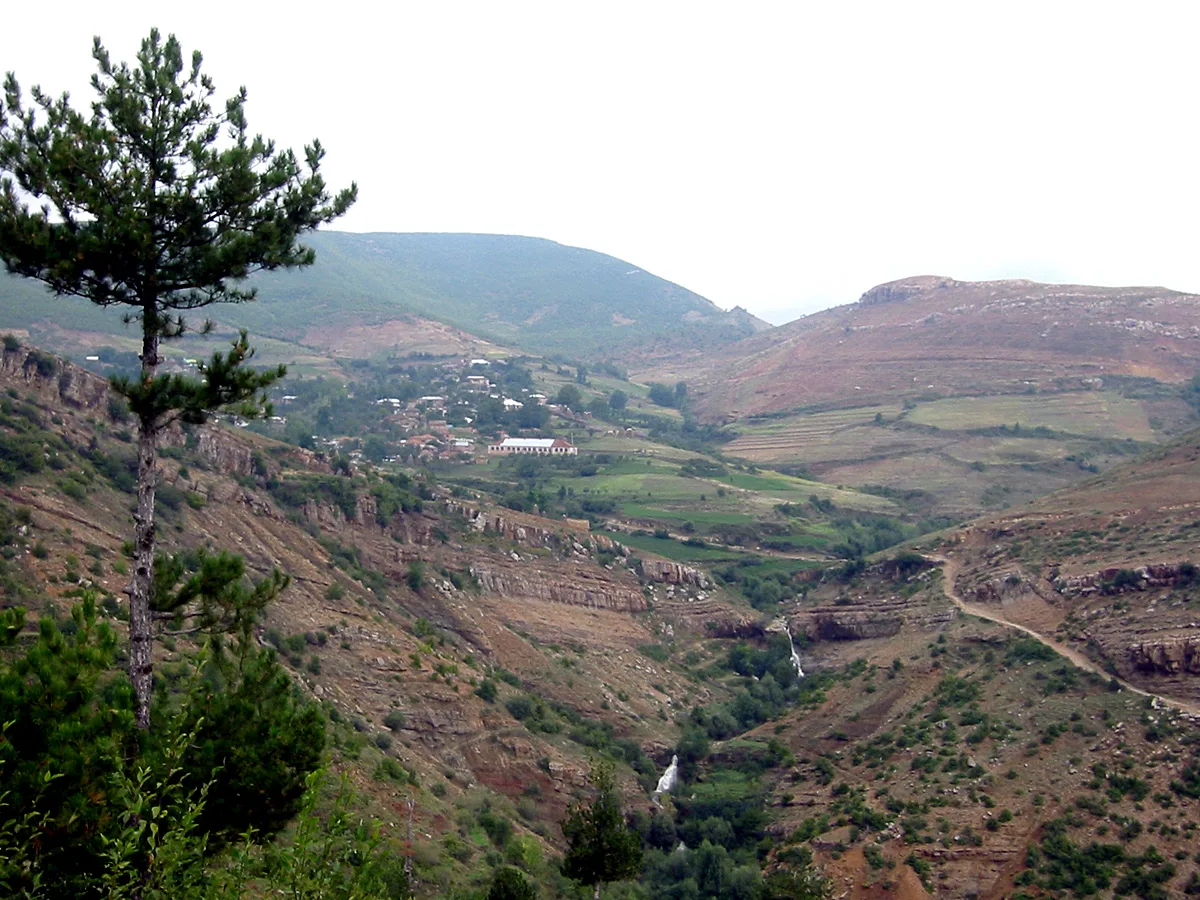
Voskopoja fits neatly into a loop that includes Korçë and continues east on the mountain road towards Ersekë. On that road, near the hamlet of Barmash, a partisan monument marks the July 1943 ambush of a German convoy, and a memorial at Borovë records the 107 villagers killed in retaliation the next day. Both are quiet roadside stops that add context to the landscape rather than a full sightseeing day.
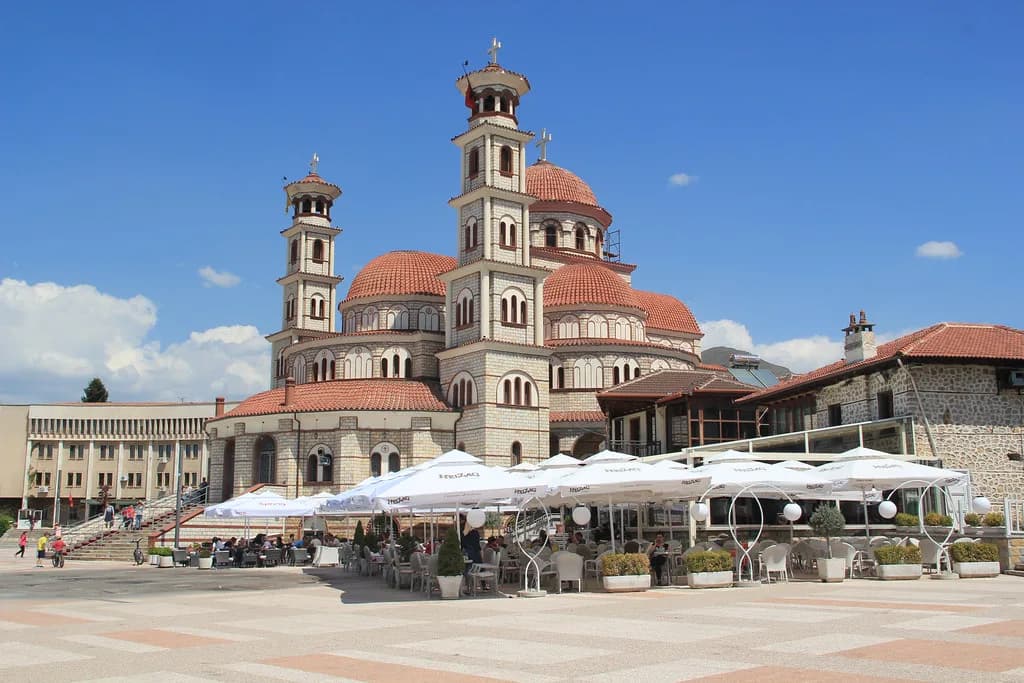
Other days from Korçë go to Dardha, a stone village in the hills, or to Lake Prespa on the Macedonian border. Within Korçë, the Resurrection of Christ Cathedral and the city's museums fill a wet afternoon. Mixing one mountain day with one town day keeps the trip balanced without long drives.
Half-day or full day at Voskopoja?
Choose a half-day if you have a car and want the two headline churches, St Nicholas and St Mary, plus a short wander through the village. Choose a full day if you are adding the monastery, which needs a walk in, or one of the marked routes; the 8 km church circuit suits most walkers, while the 12.2 km hill loop needs more time and better fitness.
Build in slack for the road to the monastery, mud on the St Elijah track and an early lunch in Korçë if village places are shut. Check opening arrangements for the churches locally before you set out, since they are not run as ticketed sites. That done, Voskopoja is one of the most rewarding short trips from Korçë.
Explore more Korce guides
Frequently Asked Questions
Do you need a car to get to Voskopoja?
A car is the easiest option: the village is about 20 km and roughly 30 minutes from Korçë by road, and having your own transport also solves the rough approach to the monastery. Without a car, an organised two-day tour from Tirana covering Korçë and Voskopoja is the alternative described by operators.
Are the churches in Voskopoja open to visitors?
The churches are working religious buildings rather than ticketed attractions, and no fixed visiting hours are published for them. Some are unlocked and others may be closed or under restoration, so ask at your guest house on arrival and treat any interior you enter as a place of worship: quiet, modest dress, no flash.
Is Voskopoja worth visiting from Korçë?
Yes, if frescoed churches and a quiet mountain walk appeal more than another town day. The drive is short, the five churches and the monastery give a half-day to a full day of sightseeing, and the marked routes add walking. Skip it if you want shops, cafés and a guaranteed lunch, which Korçë does better.
Sources
Notes for your Albania trip
Optional updates to our Albania town guides.
You might also like
Continue reading
More guides you'll find useful