Museums in Korçë: A Visitor's Guide to the City's Five Museums
Five museums in Korçë, from Onufri icons at the National Museum of Medieval Art to the house where Albania's first school opened in 1887. What each one holds.
On this page
If you have time for one museum in Korçë, make it the National Museum of Medieval Art, which holds Albania's largest collection of icons and sits in a purpose-built building near the brewery. The city has five museums in all, and because they cluster within a walkable centre you can combine two or three in a half-day without rushing. This guide takes each one in turn, says what is inside and which visitor it suits, and explains how the split morning and late-afternoon hours shape your plan. For the wider city, see Korçë: A Practical Guide to Albania's Southeastern City.
What Korçë's museums are and where they sit
Korçë has five museums covering icons, education, photography, Oriental art and archaeology. The best sights and attractions are easy to reach on foot, so the sensible plan is to walk between them rather than arrange transport for each one.
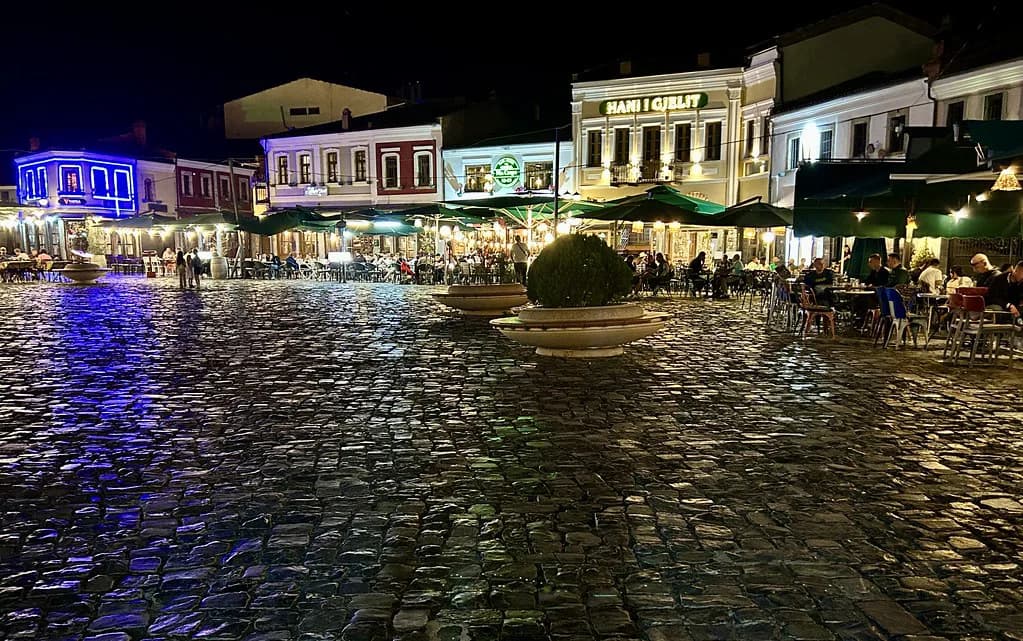
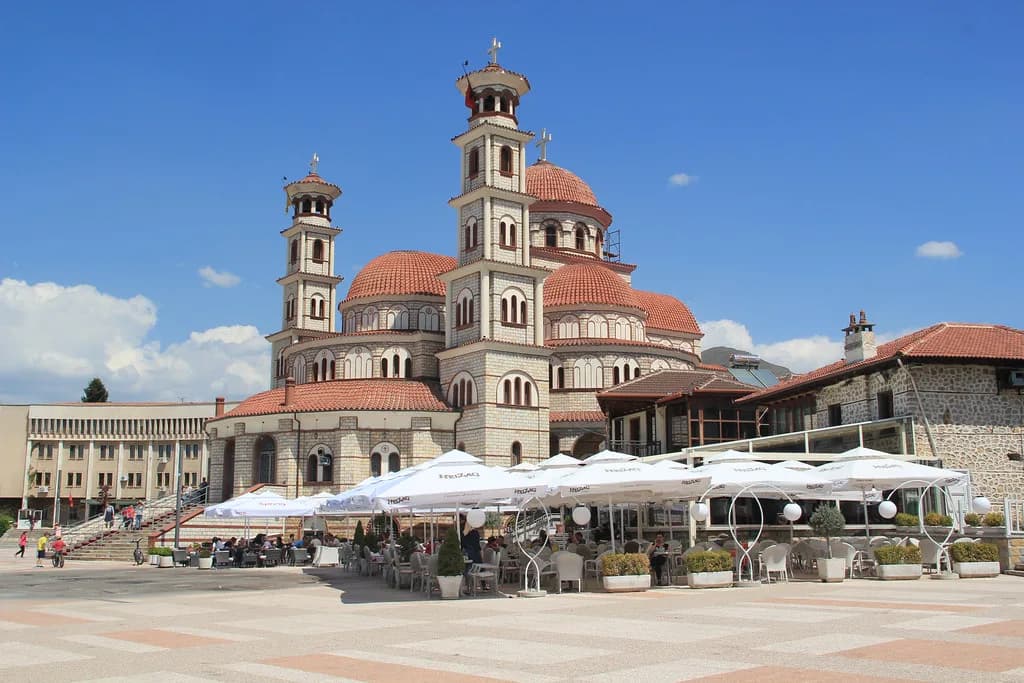
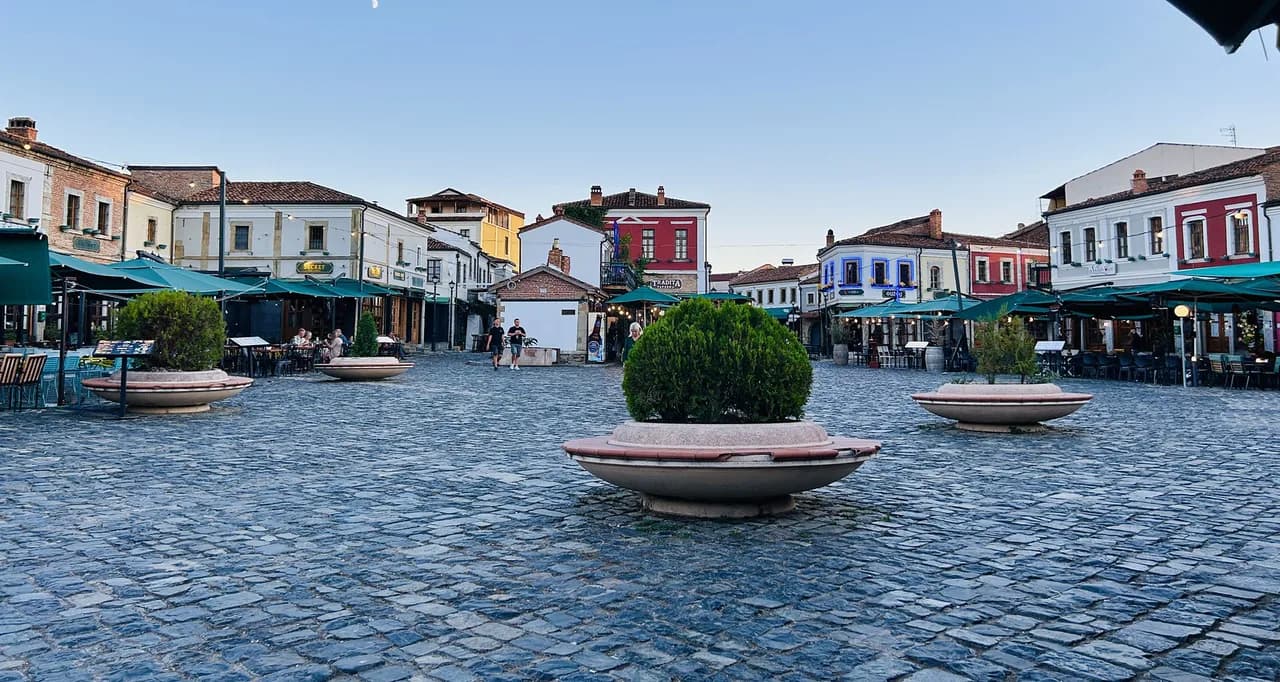
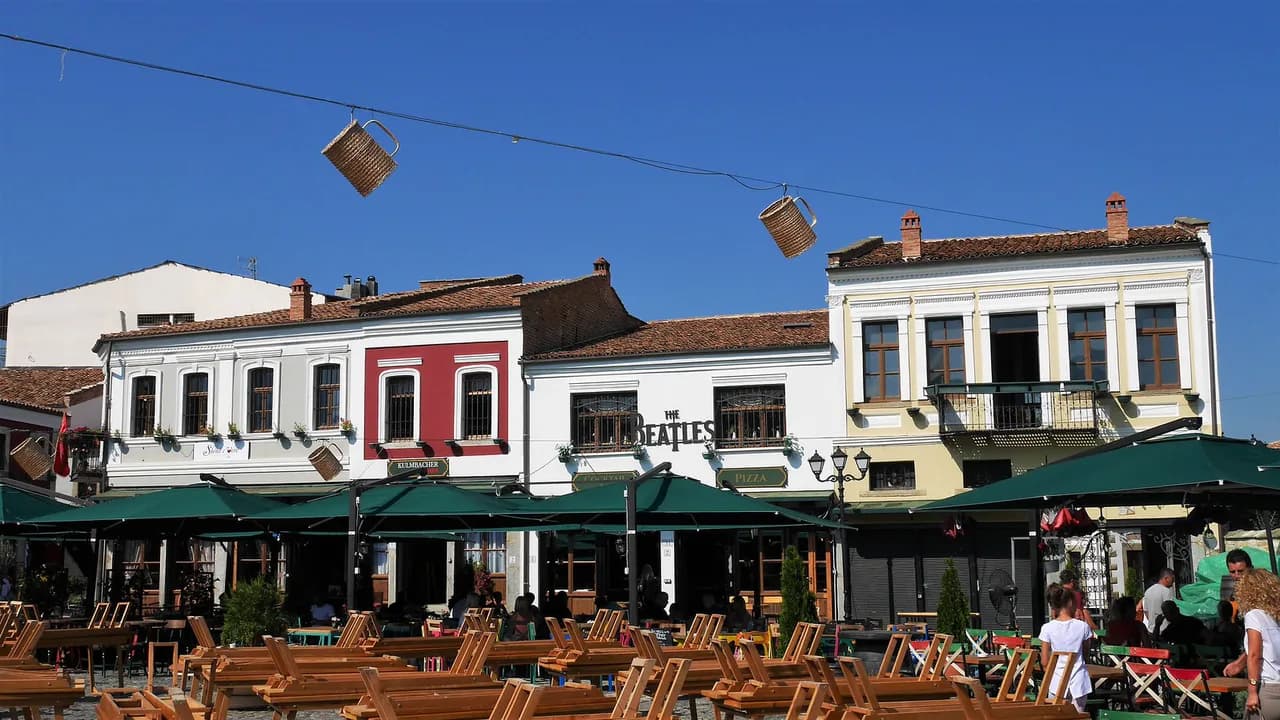
The city centre puts the Old Bazaar, the Mirahor Mosque and the reconstructed clock tower together, with the Resurrection Cathedral and St. George Boulevard a short walk away. Use that cluster as your anchor: the museums are scattered around it, and you will pass the main streets whether or not you are heading to an exhibition.
Korçë lies about 160 km from Tirana, roughly a three-hour drive, and sits at around 890 metres with mountains around it. Build the museums into a full day rather than treating them as a filler stop between other towns.
National Museum of Medieval Art: Onufri, the Zografi brothers and the icons
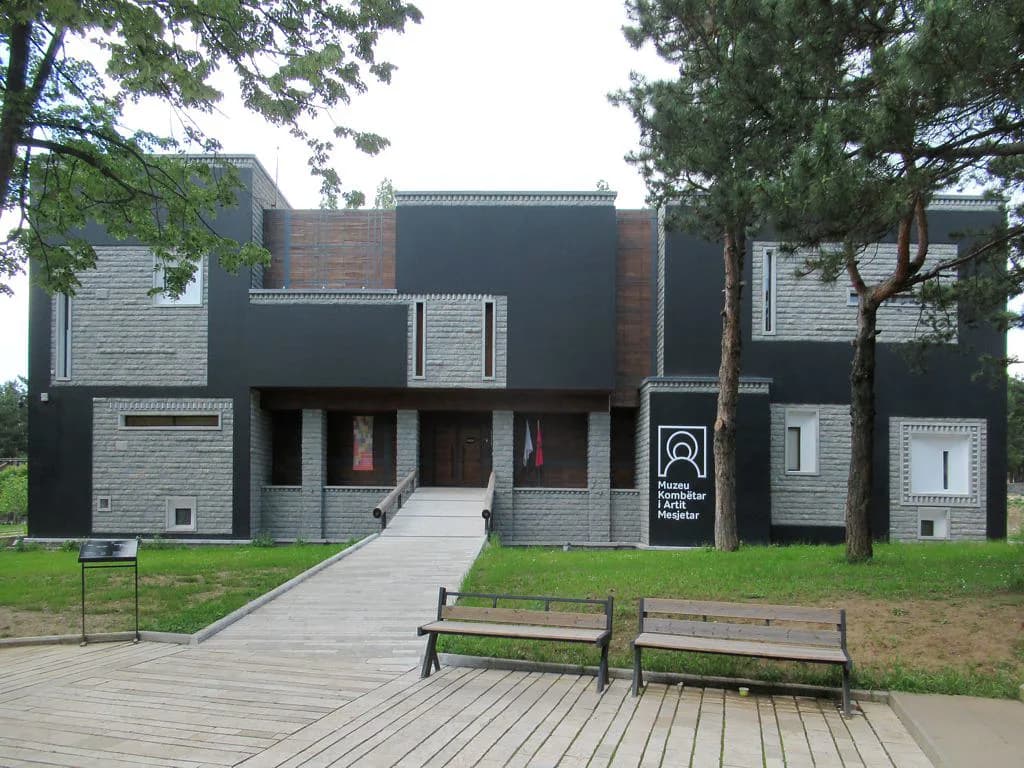
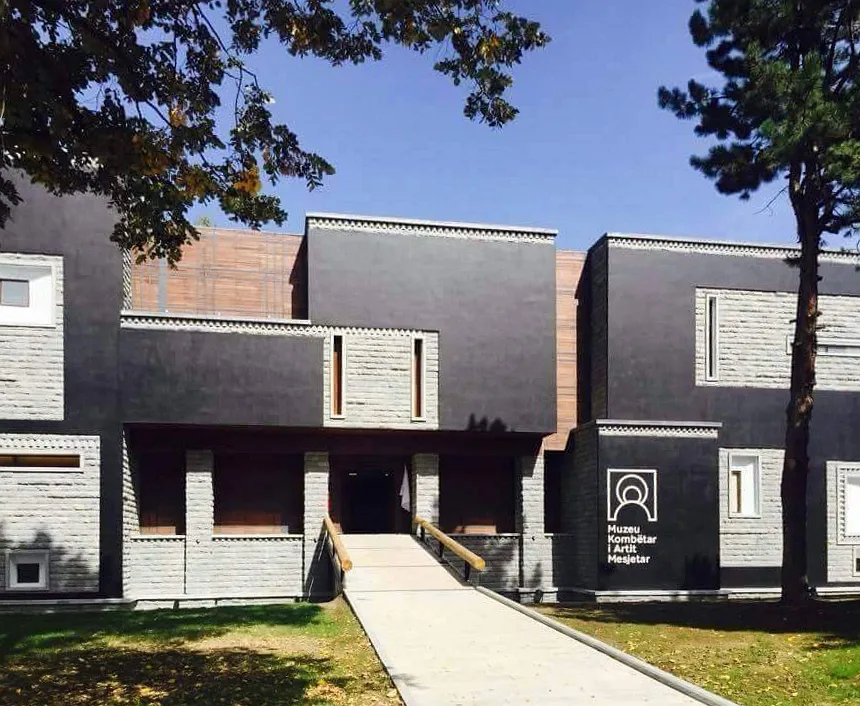
The National Museum of Medieval Art (Muzeu Kombëtar i Artit Mesjetar) is the museum to plan around. It opened on 26 April 1980 with an initial holding of roughly 6,000 icons gathered from across Albania, and it now administers 8,265 objects, of which 6,400 are icons.
The collection includes Albania's largest collection of icons, painted by Albanian artists such as Onufri and the Zografi brothers, and the works were gathered from churches and monasteries across south-eastern Albania, including Voskopojë and Vithkuq. The museum's own count is 8,265 objects, of which 6,400 are icons; a visitor listing puts the wider holdings at 7,500 works with around 400 on display, so expect a selection rather than the whole store.
The museum moved into a new, purpose-built building in 2016, not far from the brewery, so older directions that send you to the cathedral are out of date. Use Birra Korça as the nearby landmark when you are working out which side of the centre you are on.
One visitor listing gives Tuesday to Sunday, 9–14 and 17–19, with an entrance fee of 700 lek, while the museum's own site directs visitors to its visits and tickets page for current opening times and prices. Treat any published hours as indicative rather than a guarantee for the day you arrive, and check before making the museum the fixed point of a long journey.
Museum of Education: the Mësonjëtorja and the Albanian alphabet
The Museum of Education (Muzeu Kombëtar i Arsimit) occupies the building where the first Albanian school, the Mësonjëtorja, opened in 1887. The displays cover the history of Albanian writing, including two designs of the Albanian alphabet devised in the 19th century by Naum Veqilharxhi and Kostandin Kristoforidhi before Albanians officially adopted the Latin alphabet.
For a reader interested in language and literature this is the most distinctive stop in the city; for a family with children who want visual spectacle, the icons are the stronger draw. The building itself carries much of the story, so give it time rather than treating it as a five-minute photo stop.
Museum of Gjon Mili: photography in a small museum
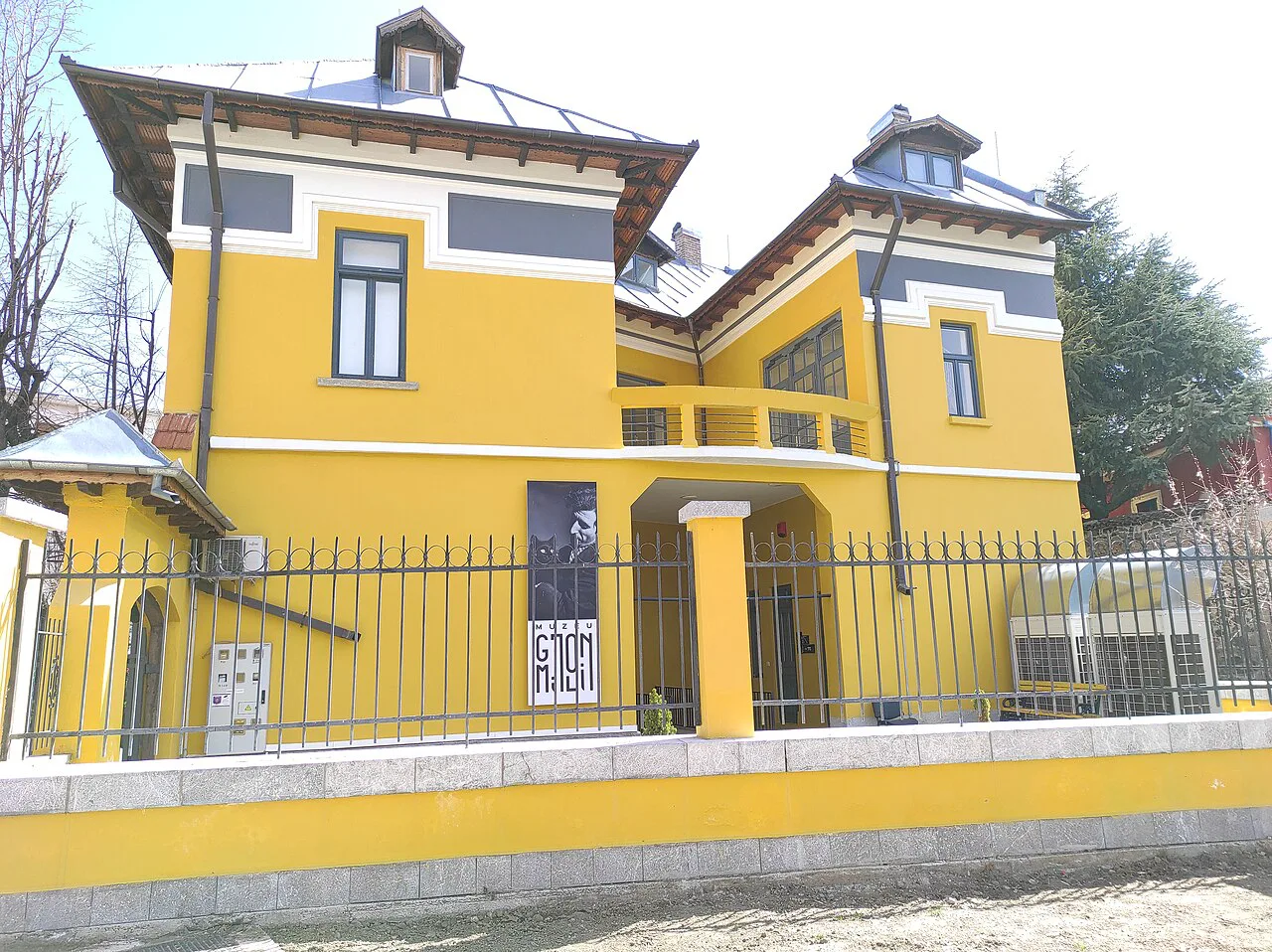
The Museum of Gjon Mili (Muzeu i Fotografisë Gjon Mili) is devoted to the American photographer and Korçë native who became known for strobe-assisted long-exposure portraits. It is a compact museum, and its appeal is specific: if you already care about photographic technique, it will hold you longer than its size suggests.
A visitor listing gives Tuesday to Sunday, 9–14 and 15–20, the same split-day pattern as several other museums here. If you arrive in the mid-afternoon gap you will find it closed, so slot it into either a morning or a late-afternoon block and check the times before you set out.
Museum Bratko: an Oriental art collection from post-war Japan
The Museum Bratko (Muzeu i Artit Oriental Bratko) exists because the American-Albanian photographer George Dimitri Boria donated his private collection of Oriental art, gathered during his time in post-war Japan, to his hometown. It is an unexpected collection for eastern Albania and a good counterweight to a day of Orthodox icons and Albanian literary history.
A visitor listing gives Tuesday to Sunday hours of 9–14 and 15–20. Group it with the Gjon Mili museum, since both sit in the same small-museum category and are listed with the same rhythm of opening.
Archaeological Museum: prehistoric finds in a 19th-century house
The Archaeological Museum of Korçë (Muzeu Arkeologjik i Korçës) was established in 1985 and has been declared a cultural monument for its architectural values. It preserves archaeological material from the south-eastern regions of Albania and exhibits mainly prehistoric objects, displayed in a typical 19th-century house.
A visitor listing gives Tuesday to Friday 9–14 and 17–19, and Saturday to Sunday 9–12 and 17–19, which means the weekend has a shorter morning window than weekdays. Do not assume the usual all-day pattern here; a Sunday arrival at midday falls in the gap.
Its address is Lagjia 2, Rr. Mihal Grameno, Obj. 7, useful if you are navigating with a phone. The museum asks visitors with disabilities to announce or book a visit in advance, with a contact given for pre-visit information.
The Vangjush Mio House and the observation tower
The Vangjush Mio House and the observation tower are two more named stops in the city that can be folded into the same walk as the museums. The sources behind this guide list them as places to see without describing what is inside or when they open, so treat them as short additions between the larger museums and check locally on the day.
When you are choosing where to eat between visits, the Korçë Bazaar is the natural place to break the day, and the café and restaurant streets around the centre keep you within walking distance of the next museum.
How long the museums take and how to group them on a walk
Allow a generous half-day for the National Museum of Medieval Art on its own, and treat the smaller museums as hour-long stops around it. A workable shape is the medieval art museum in the morning, a walk through the bazaar and past the Mirahor Mosque at midday, then one or two of the smaller collections in the late-afternoon window.
The split-day hours are the key constraint. The museums whose hours are published here open in the morning, close for the middle of the day and reopen in the late afternoon, so a single continuous museum crawl will not work. Plan a long lunch or a walk along St. George Boulevard and the Resurrection Cathedral between the two windows.
Which museum suits which visitor
For icons, Orthodox art and the Onufri name, go to the National Museum of Medieval Art and give it priority over everything else. For Albanian language and literature, the Museum of Education in the Mësonjëtorja building is the stop that explains how the written language took its modern form.
Photographers should choose the Gjon Mili museum; readers curious about how non-European art reached a small Balkan city should choose Bratko. Archaeology and prehistoric material point to the Archaeological Museum, especially if you are also heading to Lake Prespa and the wider region.
If you have only one afternoon, take the medieval art museum plus whichever of the small collections sits closest to your route; trying all five in a day means spending more time walking between doors than looking at anything.
Practical points: split hours, the mid-day gap and tickets
The recurring pattern is a morning session and a late-afternoon session, with the exact times varying by museum: the Archaeological Museum differs at weekends, while Gjon Mili and Bratko run later into the afternoon. Write down the specific hours for the two or three museums you intend to visit rather than assuming one timetable covers all of them.
The 700 lek admission given for the National Museum of Medieval Art is the only ticket price quoted for these museums in the listings used here. Carry cash in lek for the smaller museums, where card machines may not be an option, and check at the door for the rest.
Museum interiors and churches call for covered shoulders and knees, and the cathedral and mosque stops on the same walk follow the usual respectful dress conventions. Comfortable shoes matter more than anything else, given the cobbles in the bazaar and around the old quarter.
Which museum should you build your day around?
Build the day around the National Museum of Medieval Art and its icons, then add the Museum of Education if you want the Albanian alphabet story and one of the smaller collections if time allows. That combination gives you the city's strongest single collection plus the context that makes the rest of Korçë legible.
If you are continuing into the mountains or towards the lakes, Korçë County has more to see beyond the museums, including Voskopoja and Dardha, and the surrounding villages are a natural next stop after a day in town.
Explore more Korce guides
Sources
Notes for your Albania trip
Optional updates to our Albania town guides.
You might also like
Continue reading
More guides you'll find useful