Ethnographic Museum Kruja: What to See in Kruje
The Ethnographic Museum of Kruja sits inside the castle walls in an 18th-century Ottoman house. Here is what the rooms hold and how long a visit takes.
On this page
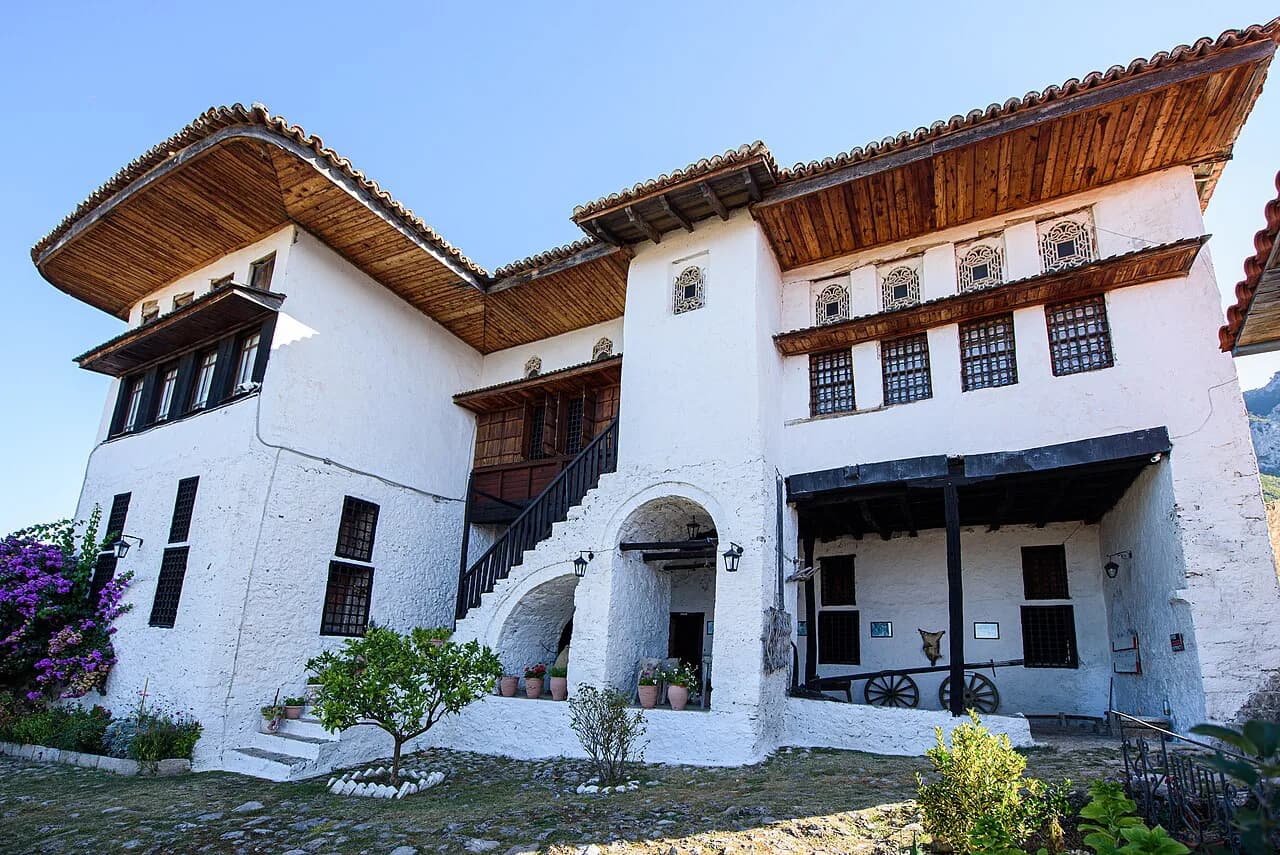
The Ethnographic Museum of Kruja is a small, dense museum in a genuine Ottoman house of 1764, standing inside the castle grounds on Rruga Kala. Give it 20 to 30 minutes for both floors, and treat it as the indoor half of a castle visit rather than a stand-alone stop.
What makes it worth the time is the pairing of two layers: the chardak-type house itself, with original frescoes and the rooms of the Toptani family, and a restored exhibition that now runs on multimedia, audio guides and augmented and virtual reality. This guide covers what the building is, what is on show, how to fit it around the castle and the bazaar, and the practical points worth sorting before you climb up from town.
The House and the Castle Setting
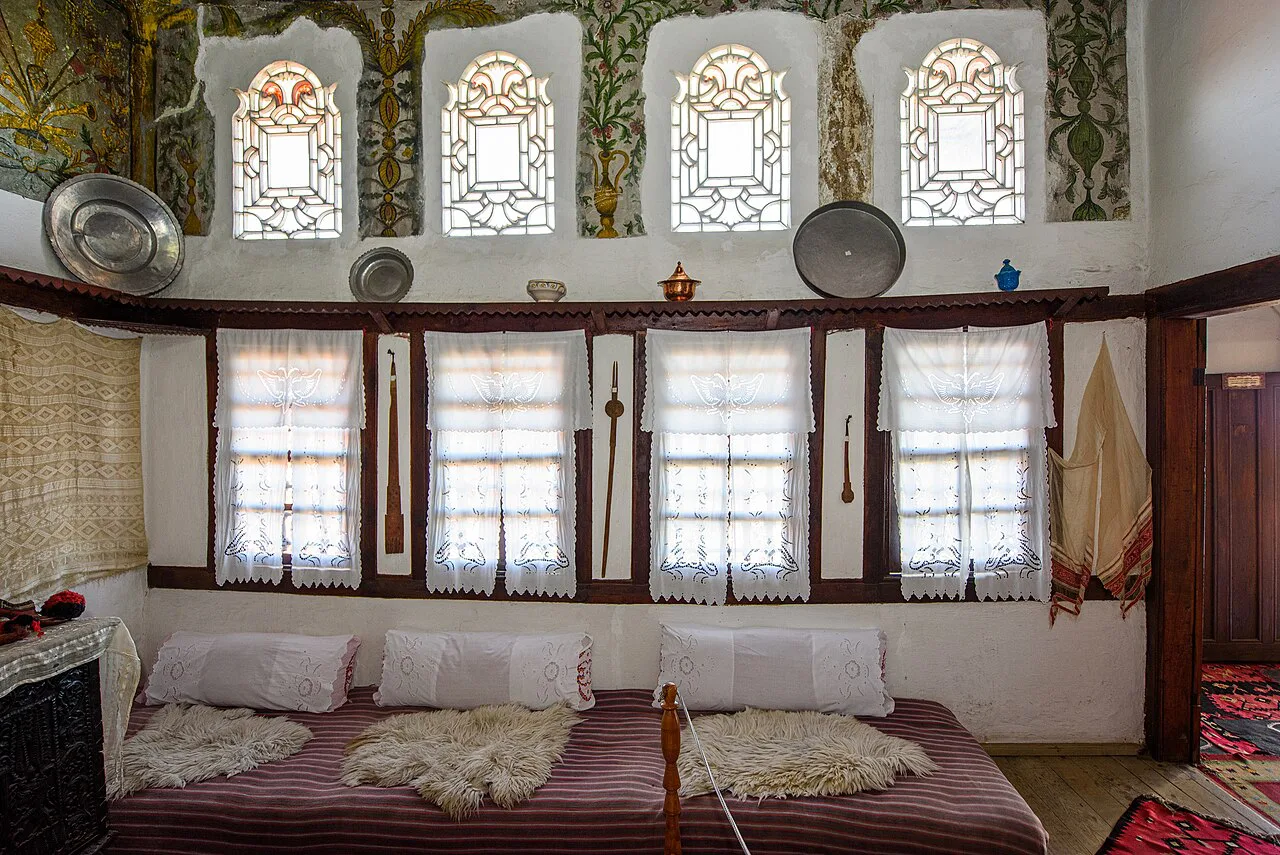
The museum occupies an original eighteenth-century Ottoman residence with frescoes dated 1764, once the home of the Toptani family. It is not a purpose-built gallery but a house adapted to display, so ceilings, painted walls and room layouts are part of the exhibit. Look up as much as you look at the cases.
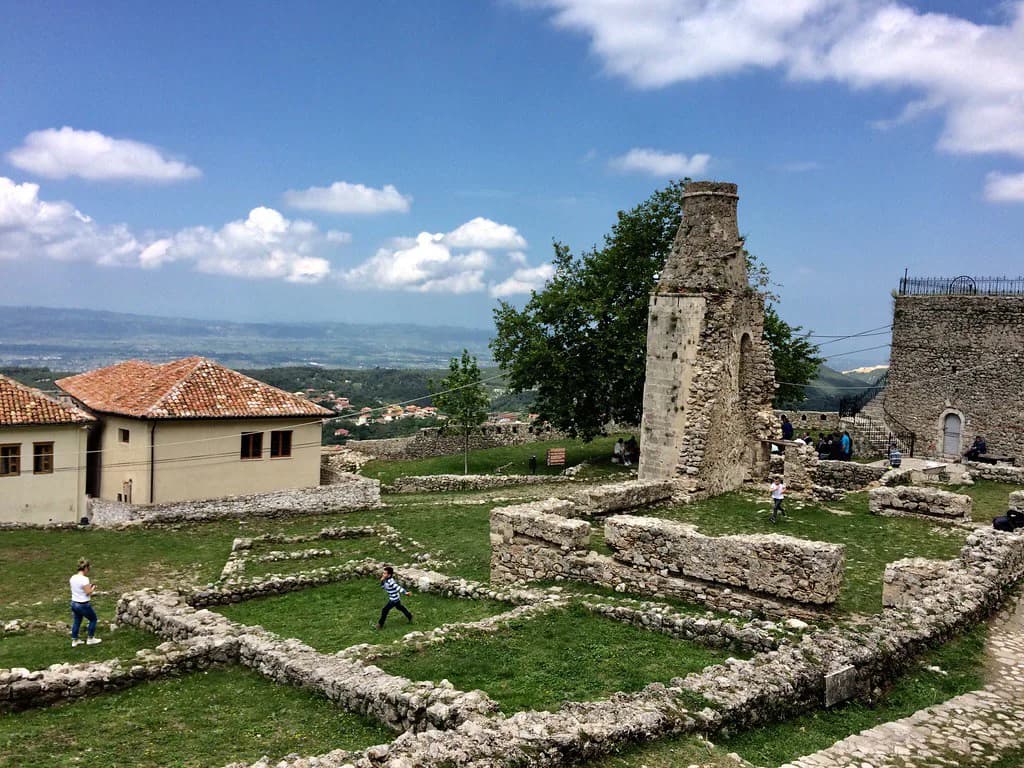
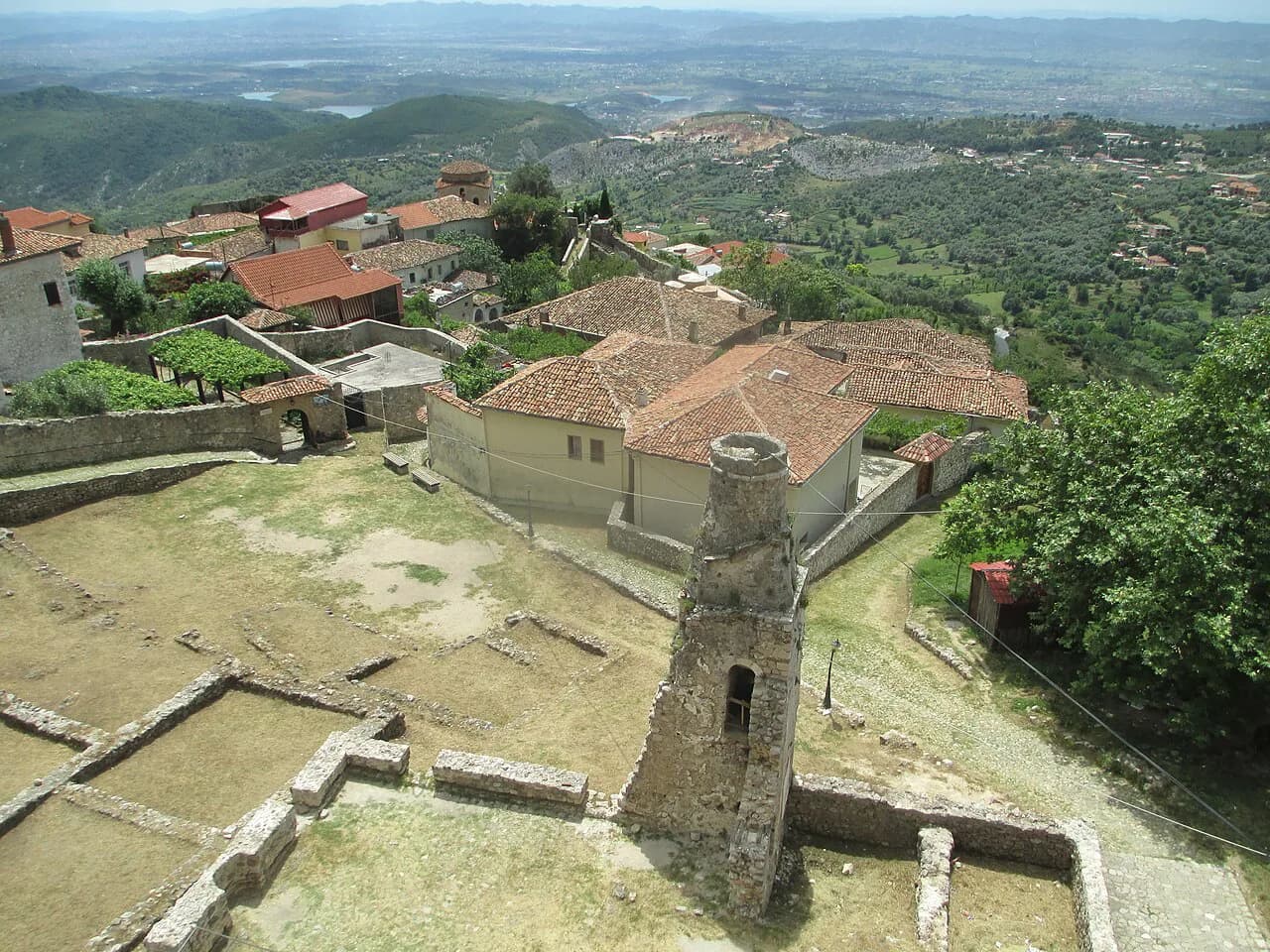
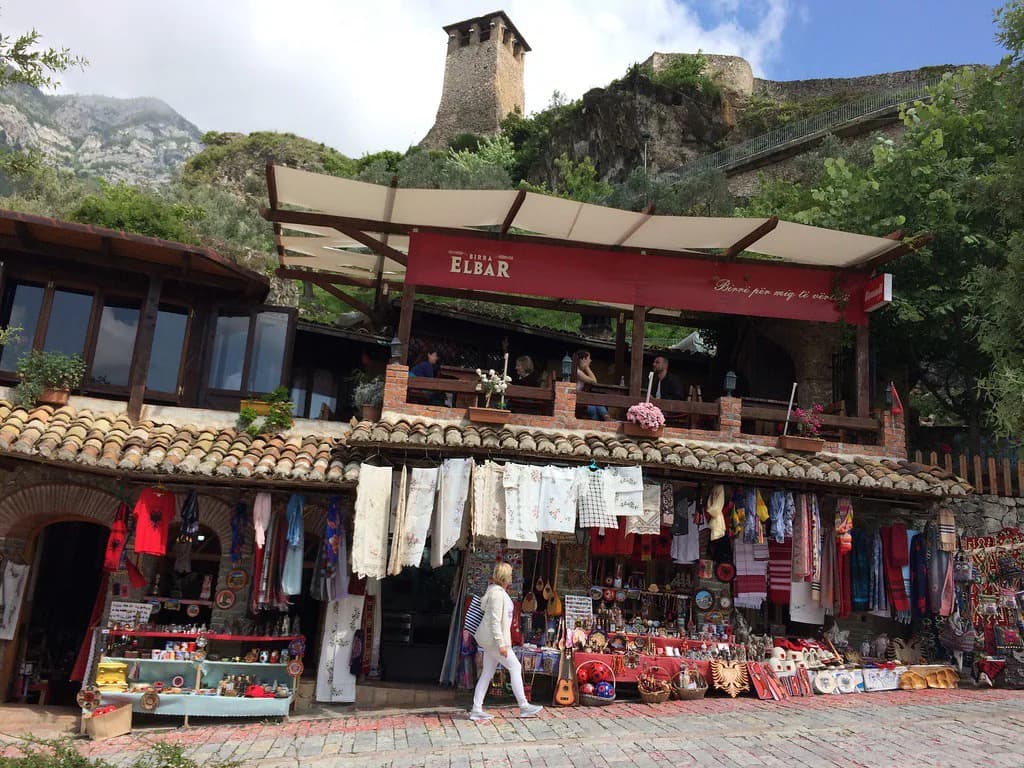
The address is Rruga Kala, within the castle walls, and the plan for Krujë is straightforward: climb from the bazaar to the castle, see the museum while you are up there, then come back down through the market street. Our guide to Krujë: Castle, Bazaar and What a Visit Takes sets out how the lanes, gates and castle fit together, which helps you order the day sensibly.
Buildings of this type are described as chardak construction, and the museum is listed as a cultural monument of the first category. In plain terms, you are walking through a protected historic interior rather than a modern exhibition hall, which is why the restoration work inside matters so much to the experience.
What Is on Show Inside
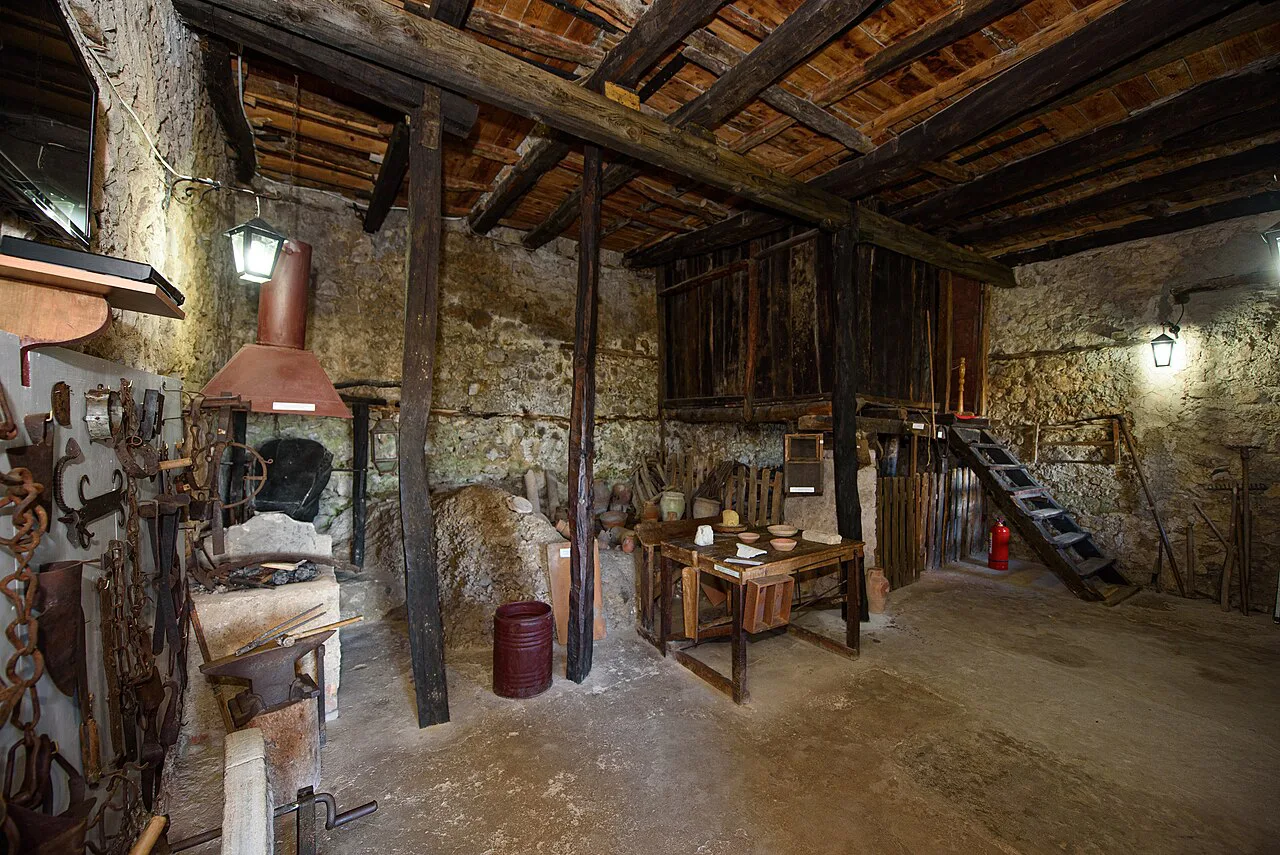
Around 1,000 artefacts are displayed, covering the crafts and daily routines of Krujë and its castle. The collection ranges across ceramics, carved wood, stone, iron, cotton, silk and wool, with embroidery alongside, so the displays read as a household and workshop record rather than a fine-art collection.
More than 90 percent of the objects are described as authentic originals, with the oldest pieces reaching back several centuries and the newest only decades old. That range is useful context: you are looking at a layered domestic collection, not a single-period reconstruction, which is why the rooms feel busy with furniture and small detail.
Expect traditional dress, textiles and household items in close quarters, described by visitors as a compact house filled with objects. The rooms are small, so a party of four or five fills a space quickly and you will shuffle past cases rather than stride around them.
The Interactive Displays After Restoration
The restored museum uses multimedia storytelling, projections, audio guides and an interactive wall alongside the historic rooms. There is also a virtual dressing room where you can photograph yourself in traditional eighteenth-century clothing, a detail that suits families and anyone travelling with teenagers who need persuading to enter a museum.
Augmented and virtual reality features are part of the permanent display, and visitors report a photo booth at the end that sends the image to your phone. Decide in advance whether you want to spend your limited time on the screens or on the frescoed rooms, because 20 to 30 minutes does not stretch far across both.
The restoration was funded by the European Union through the EU4Culture programme with an investment of 850,000 euros, delivered with UNOPS and the ministry responsible for culture over two years. That explains the contrast you notice on entry: modern lighting and interactives inside a shell of eighteenth-century plaster and paint.
Why the Museum Looks New Inside an Old House
The 2019 earthquake caused significant damage to the building, and the museum reopened after an extensive restoration, reported in August 2024. Photographs taken before that work no longer match the interior you walk into now.
The reopening was presented as a redesign built around interactive features intended to widen the museum's appeal, not simply a structural repair. For a visitor, the practical consequence is a visit that mixes reading labels with touching screens, so allow a little extra patience if you are travelling with children or in a group with mixed interests.
How Long to Allow and When It Is Busiest
Plan on 20 to 30 minutes to see both floors at an unhurried pace. That estimate assumes you read the main labels and try one or two interactives; add time if you use the audio guide throughout or queue for the virtual dressing room.
Weekdays are the calmer choice, since weekends draw more visitors to the castle hill. Krujë is an easy day trip from Tirana, so mid-morning and early afternoon bring the coach and minibus arrivals; visiting later in the afternoon usually means more room in the small upstairs chambers.
Tickets, Hours and Practical Points
Opening times published in third-party listings show the museum open daily from 9am to 7pm, but confirm with the museum before travelling, particularly outside the summer season. It is worth a call before you climb the hill, since the restored museum has only recently returned to regular opening.
Bring cash for the entrance, as visitor notes warn that card payment may not be accepted at the ticket desk. The admission charge itself is set by the museum and is not published in the sources here, so ask at the desk or check the official site rather than budgeting from an old figure.
The museum sits within the castle complex on Rruga Kala, so the same walk serves the castle grounds and the Skanderbeg Museum, and you can combine them without moving the car. Our guide to Krujë: Castle, Bazaar and What a Visit Takes sets out how the lanes, gates and castle fit together, which helps you order the day sensibly.
Pairing It With the Bazaar and Castle
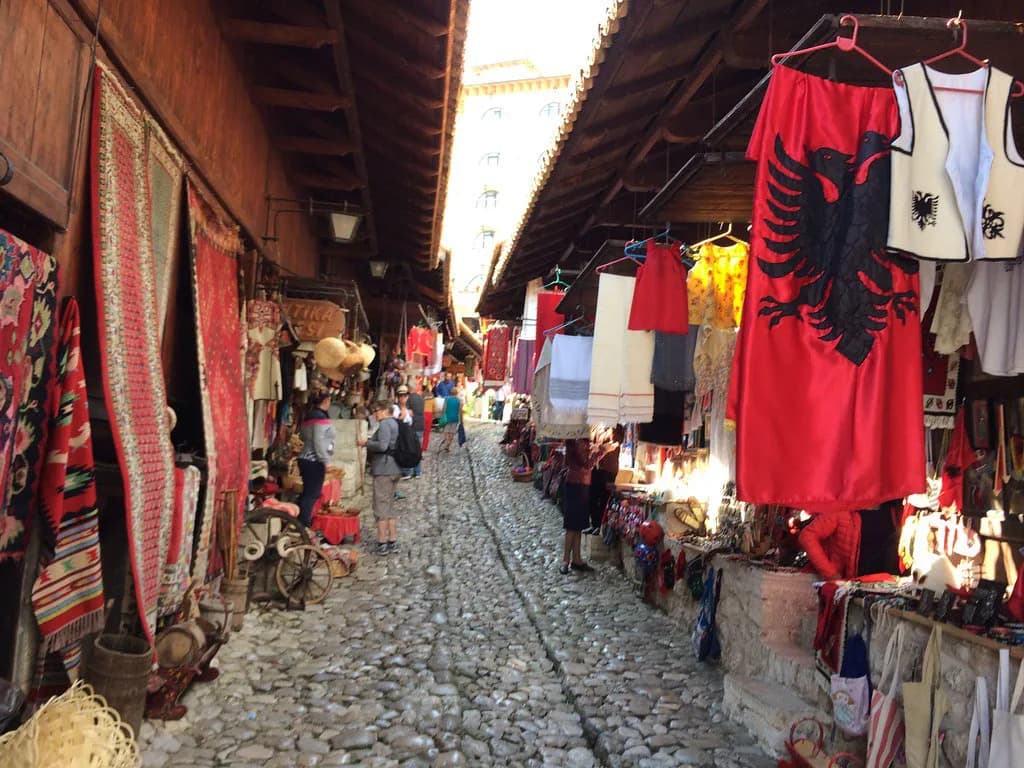
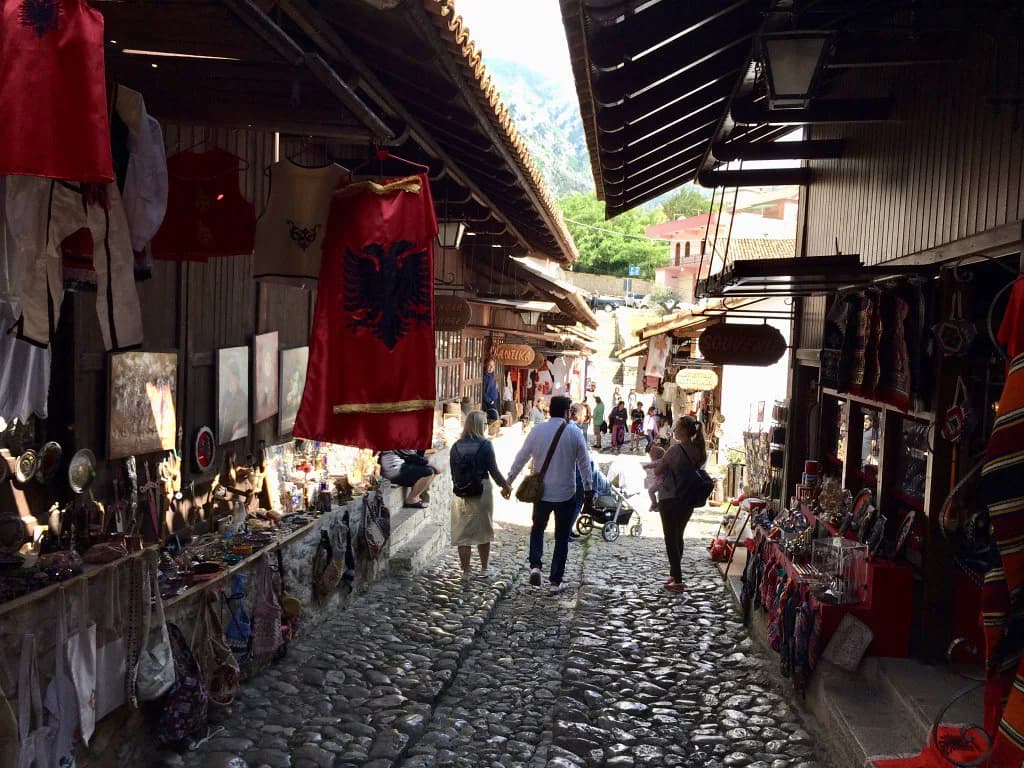
The natural order is bazaar first, castle second: walk up through the market street, see the castle and the museum while you are at the top, then descend for coffee and shopping. The Kruja Bazaar is the easiest place to pick up carpets, copper and carved wood, and seeing the historic crafts in the museum first makes the stalls below easier to read.
If you have a car or a driver, the Sari Salltik shrine on the mountain above Krujë adds a viewpoint to the same half-day, though the road up is narrow and the stop is weather-dependent. Keep it as an optional extra rather than the anchor of the day.
Is the Museum Worth an Hour of Your Day?
Yes, if you are already at the castle: 20 to 30 minutes buys you a genuine 1764 interior, around 1,000 objects and a modern exhibition in one stop. Skip it only if your time in Krujë is down to a rushed hour at the bazaar.
Build the day around the castle and the bazaar, put the museum between them, take cash and check the day's opening times before you climb the hill.
Explore more Kruje guides
Frequently Asked Questions
Do I need to book the Ethnographic Museum of Kruja in advance?
No advance booking is described for individual visitors, and the museum is small enough that you can usually walk in. Groups and school parties should ring ahead using the contact number on the museum's own site.
Is the museum suitable for children?
The interactive wall, audio guides and virtual dressing room give children something hands-on, and the house itself is compact enough to hold attention for half an hour. Very small children will need carrying up the narrow stairs.
Can I visit the museum without entering the castle?
The museum stands within the castle grounds on Rruga Kala, so reaching it means walking up through the castle area. Treat the two as one visit rather than separate tickets.
How do I get to Krujë from Tirana?
Furgon minibuses and buses run from Tirana to Krujë, and the ride is short enough for a half-day trip. Ask your accommodation for the current departure point, since terminals move.
Sources
Notes for your Albania trip
Optional updates to our Albania town guides.
You might also like
Continue reading
More guides you'll find useful