Sari Salltik Shrine, Krujë: What to See and How to Get There
The Sari Salltik shrine sits in a cave above Krujë at the end of a steep mountain road. Here is what you see inside and how much time to allow.
On this page
The Sari Salltik shrine is a small Bektashi teqe set in a cave on the slopes of Mount Maili i Krujes, reached by a steep mountain road that climbs north out of Krujë. Allow roughly two hours for the round trip from town, most of it driving and a short walk on foot. This guide covers what the site is, what you see on arrival and inside the cave, the two ways up, and how to fit it into a Krujë day.
The figure and the shrine are two different things
Sari Salltik was a 13th-century Alevi Turkish dervish credited with introducing Islam to the Balkans, and the shrine above Krujë carries his name. His birth date is unknown and his birthplace is disputed, with modern-day Uzbekistan and Crimea both put forward. He is said to have died in Babadag in Romania in 1297 or 1298, and the Krujë cave is one of several places claiming to hold his remains.
Albanian sources describe the site simply as a teqe in the town of Krujë, built in honour of Sari Salltik, a cleric of the Bektashi faith. Treat it as a working religious place rather than a museum, and behave accordingly while you are inside.
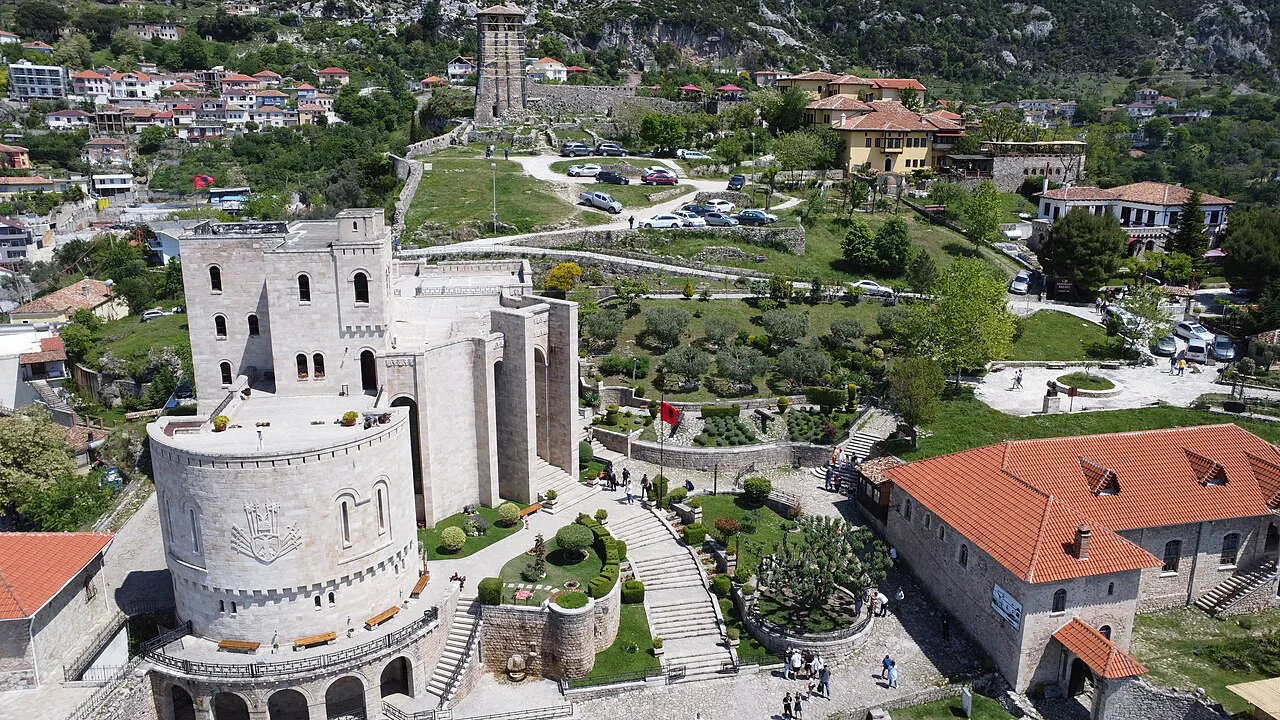
Where the shrine sits above Krujë
Rruga E Malit runs north from Kruje and climbs the steep slopes of Mount Maili i Krujes for seven kilometres before coming to a halt at the shrine. Apart from the occasional café, there are no other structures along the route, so fill up and use facilities in town before you set off. The road exists for one purpose: to lead to the shrine.
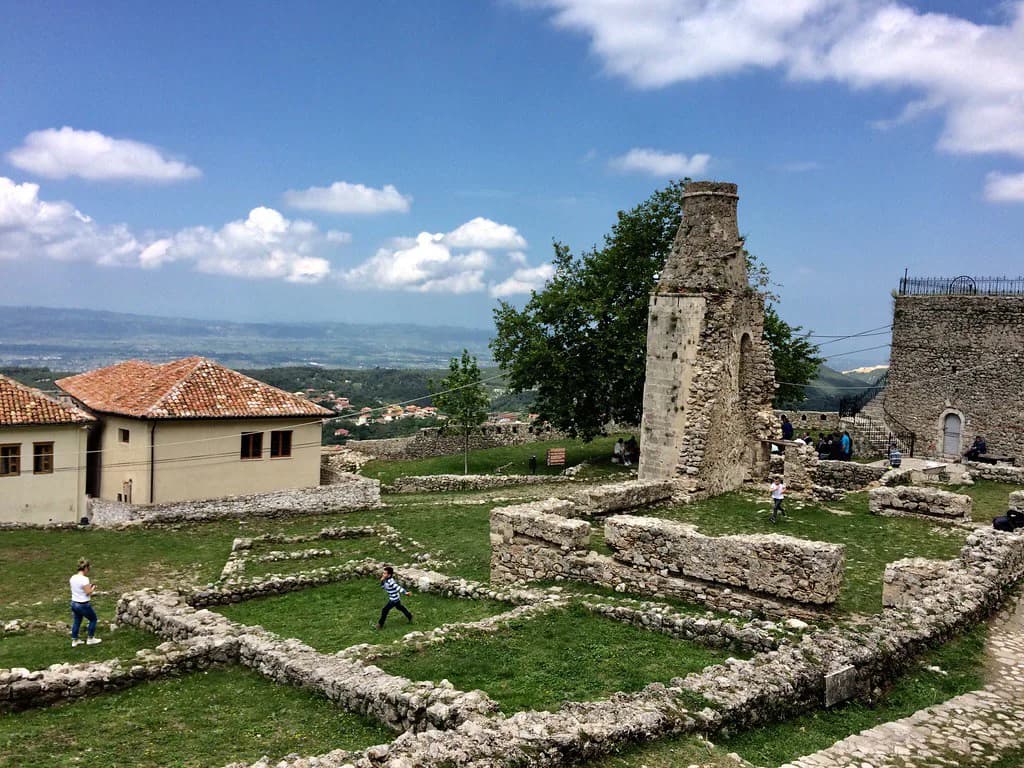
If you are planning the rest of your day in town first, our guide Krujë: Castle, Bazaar and What a Visit Takes covers the castle, the bazaar streets and how long the old centre takes. Read it before you decide whether the mountain is worth the extra hour.
Getting there: road or trail
Driving is the straightforward option, but the seven kilometres are steep and narrow in places, with almost nothing along them. A mountain trail from Krujë is also said to have been used by Skanderbeg to bring supplies up to Kruje Castle, and it can be walked instead of driven. The trail is a tradition rather than a waymarked route in any published form, so ask locally before relying on it.
Organised trips solve the driving. A Kruja and Mount Sarisalltik tour from Tirana includes an air-conditioned vehicle, a traditional Albanian restaurant lunch with one beverage, all entrance fees, a complimentary coffee and bottled water. Departure times and current prices change, so confirm them on the Trip.com listing when you book.
What you see on arrival
The shrine sits in a cave towards the end of the road. A flight of steps leads up to a landing with a bust of Sari Salltik, and beside it a metal structure with chains and hooks facing the figure, used for animal sacrifice. A ram-shaped fountain stands at the far end of the landing.
Inside the cave
Within the cave is a modest hexagonal shrine holding the tomb of Sari Salltik, along with tombs of other notable religious figures from the area. The stairs continue further into the cave, where an aperture at the bottom opens onto a shaft containing religious candles and coffee cups. Keep your voice down and leave offerings undisturbed.
The view back over Krujë
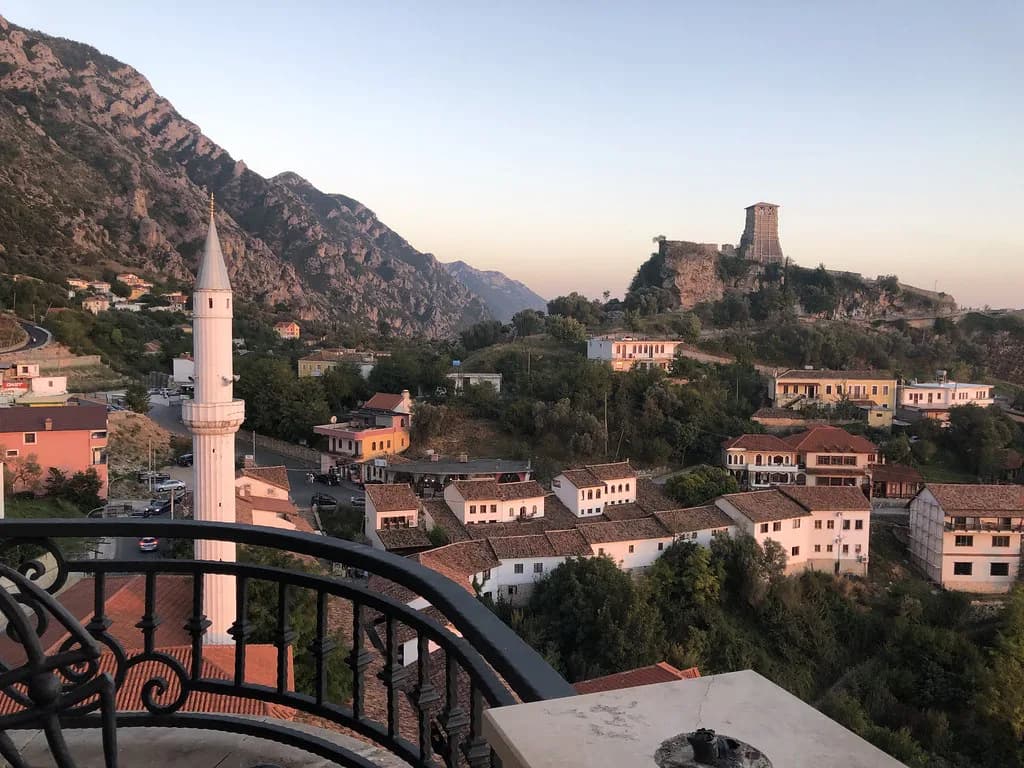
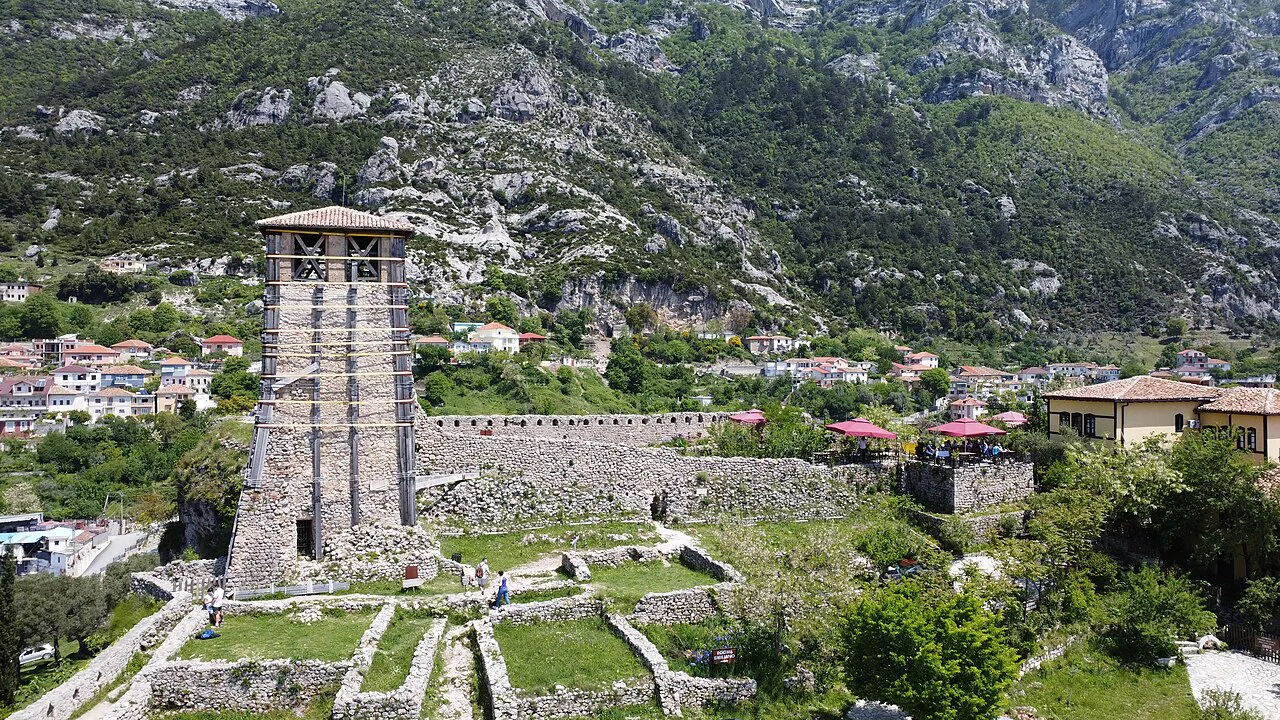
From the shrine the view takes in Kruje and the valley below, and on a clear day you can see as far as the Adriatic Sea. The position high on the mountain is the reason to come even if you have little interest in the religious side. Bring a layer: the altitude and exposure make it cooler and windier than the bazaar.
How long it takes and how much is on foot
Budget around two hours from Krujë town, covering the drive each way and time at the shrine. Once you park at the road's end, the visit is a short climb of steps and a walk into the cave rather than a hike. The walking is brief but uneven, so wear shoes with grip rather than sandals.
Dress and behaviour at an active Bektashi shrine
This is a working Bektashi teqe, not a museum, so modest dress and quiet behaviour matter more than any opening-hours question. Cover shoulders and knees, and avoid photographing worshippers or the sacrifice structure while it is in use. The place is small; ten to fifteen minutes inside is usually enough time.
Pairing it with Krujë old town
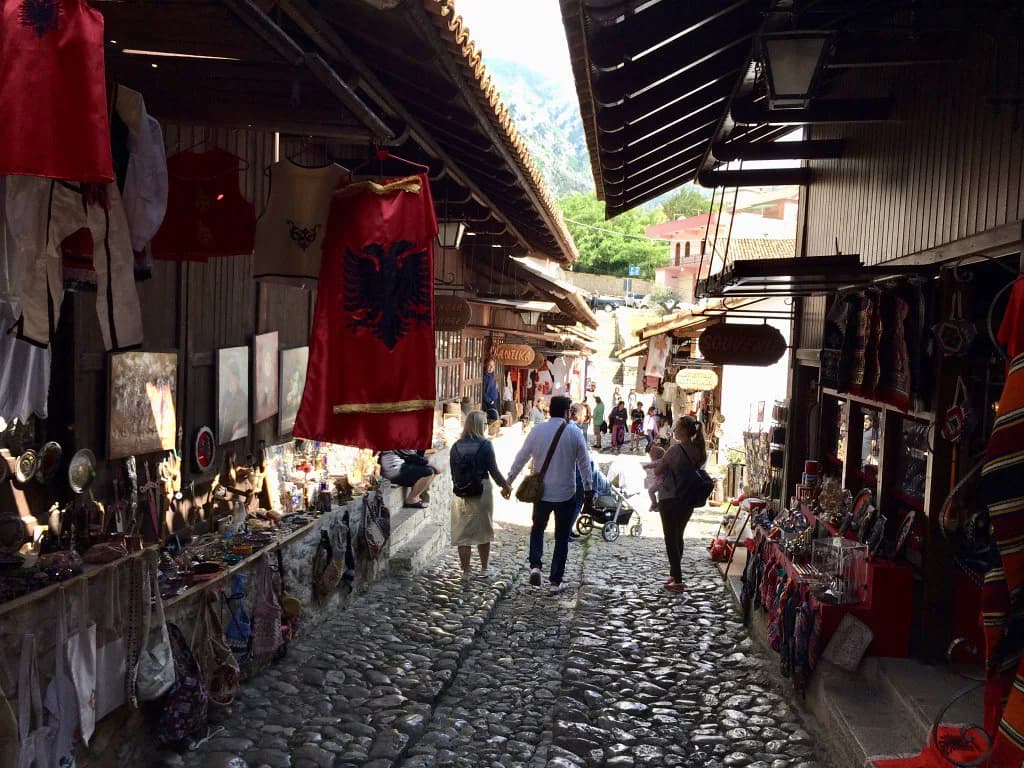
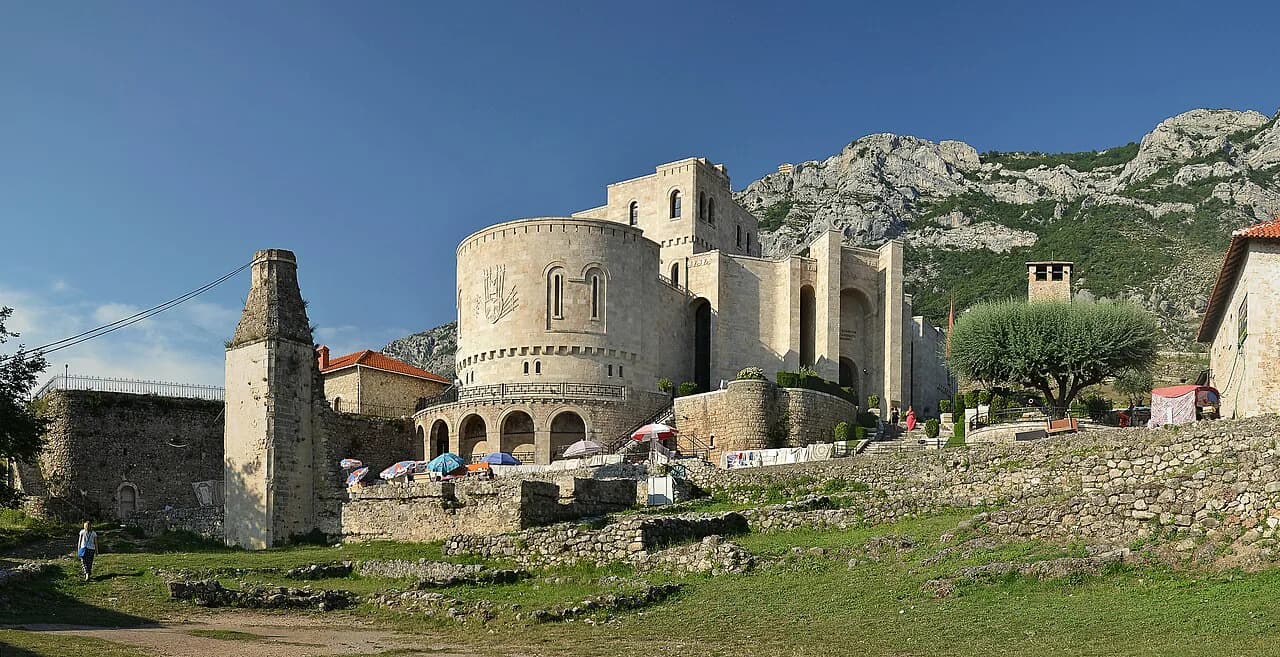
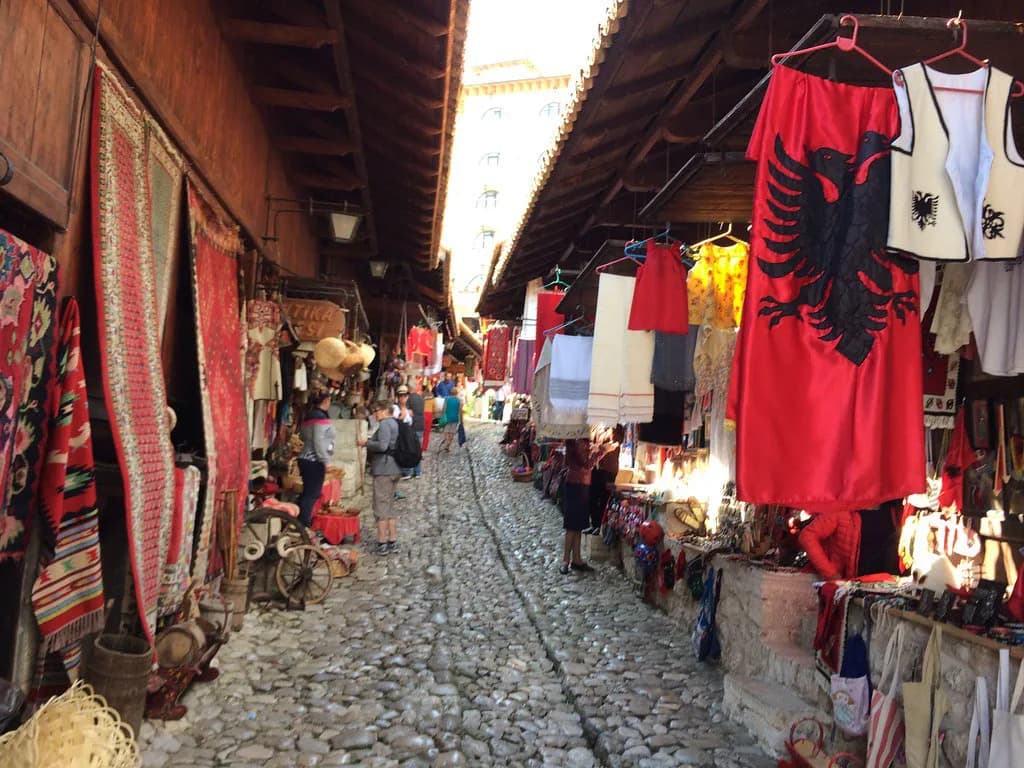
The natural order is the shrine in the morning, while the mountain is clear, then Krujë old town after lunch, starting with Kruja Castle and its Skanderbeg Museum. The Kruja Bazaar is the obvious stop for coffee and souvenirs on the way back through. A Kruje map helps you see how compact the centre is before you plan the sequence.
If you want to eat properly after the mountain, our pick of the best restaurants in Kruje covers the sit-down options near the old town.
Is the shrine worth the climb?
Yes, if you have a car or an organised tour and a clear morning, because the view and the cave layout are unlike anything in the town below. Skip it if you are on foot without transport and not prepared to walk a steep mountain trail, or if the cloud is sitting on Mount Maili i Krujes. Build it into a full Krujë day rather than a rushed detour.
Explore more Kruje guides
Sources
Notes for your Albania trip
Optional updates to our Albania town guides.
You might also like
Continue reading
More guides you'll find useful