Skanderbeg Museum, Krujë: What to See and How Long It Takes
The Skanderbeg Museum sits inside Krujë Castle. Here is what the pavilions hold, how long to allow, how to reach Krujë and what to pair with the visit.
On this page
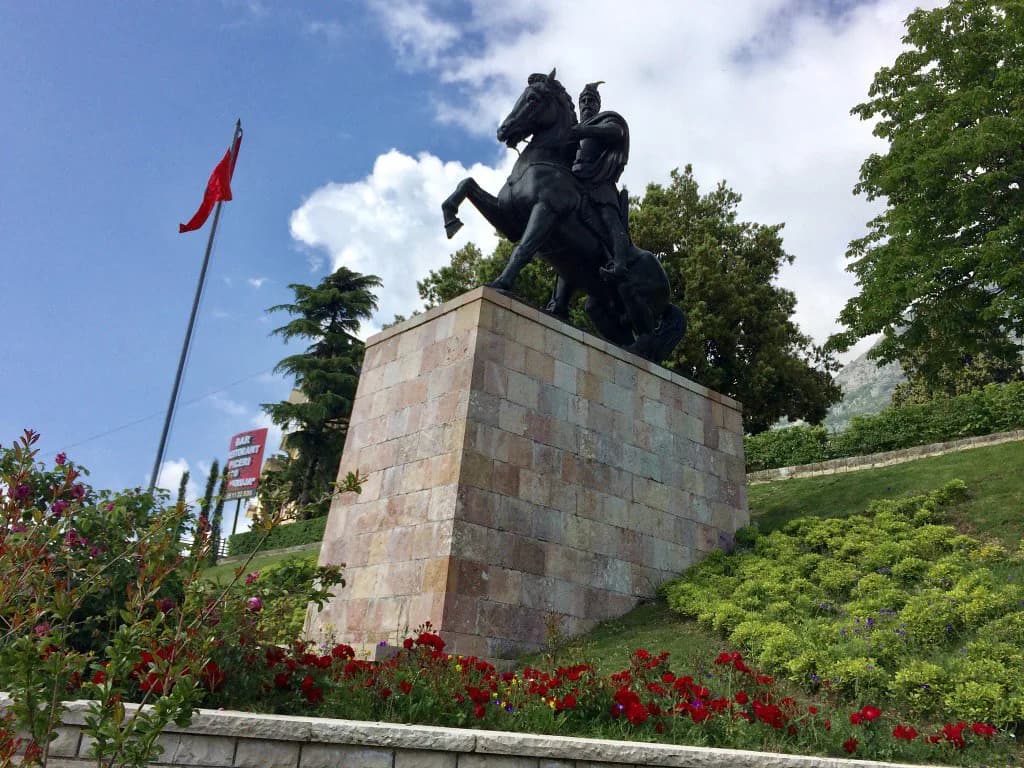
The Skanderbeg Museum takes about an hour to an hour and a half if you read the labels, and it sits inside Krujë Castle, a few minutes' walk from the Old Bazaar. It covers the fifteenth-century story of Gjergj Kastrioti Skënderbeu and the Albanian resistance to the Ottoman armies through a run of pavilions, documents, weapons and icons. This guide walks the exhibition in the order the museum lays it out and shows how to fit the visit into a half-day in Krujë.
What the Skanderbeg Museum is and where it sits inside Krujë Castle
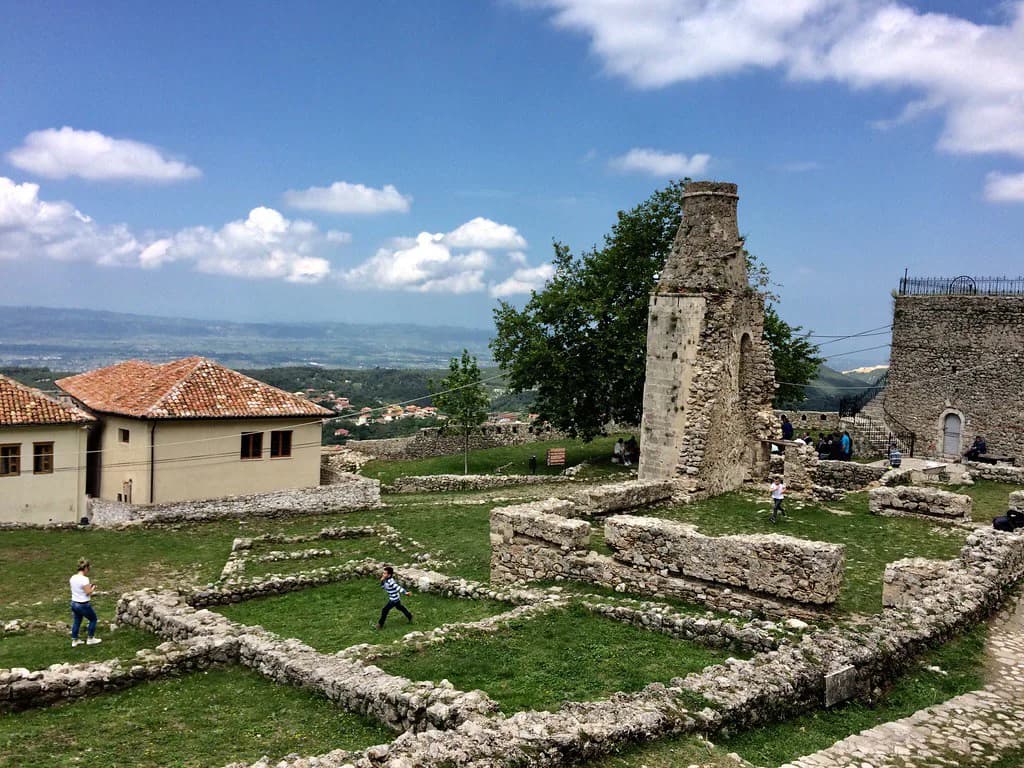
The museum is the National Museum of Gjergj Kastrioti Skënderbeu, inaugurated on 1 November 1982 and built within Krujë Castle, conceived as a memorial and read as a traditional northern stone tower. Inside, the complex is arranged in exhibition spaces that visitors walk chronologically, following events rather than themes. To see how the museum sits with the rest of the site, start with Krujë: Castle, Bazaar and What a Visit Takes.
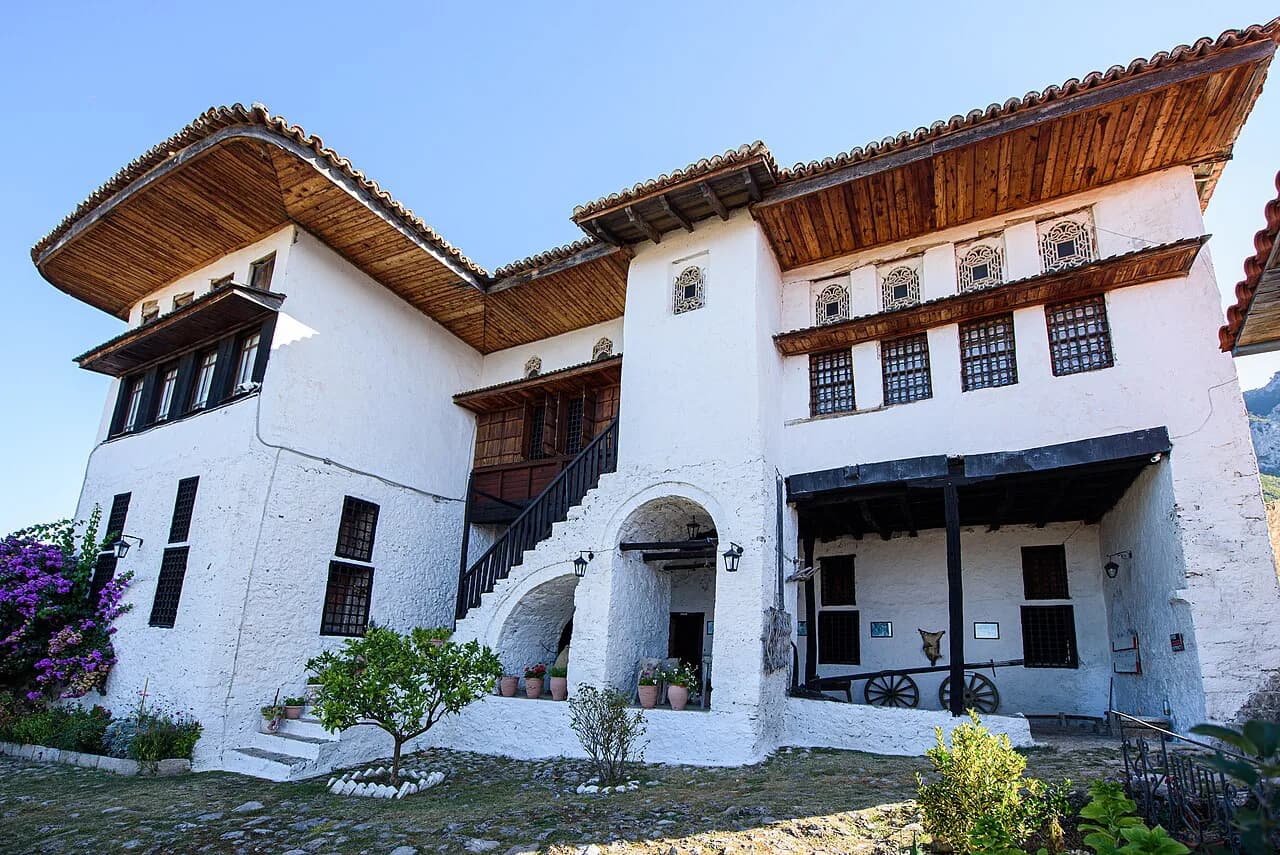
The wider hilltop is more than the museum. Krujë Castle also holds the National Ethnographic Museum in Kruja, set in an Ottoman house of the chardak type built in 1764 for the Toptani family and founded as a museum on 20 November 1989. Pairing the two is straightforward because they share the same castle enclosure.
The castle was the base of Skënderbeu, and the road up to Krujë from the plain is a seriously steep climb. Allow time for that gradient when you plan the day, because the town sits well above the plain and the walk from the bus drop-off to the castle gate adds effort.
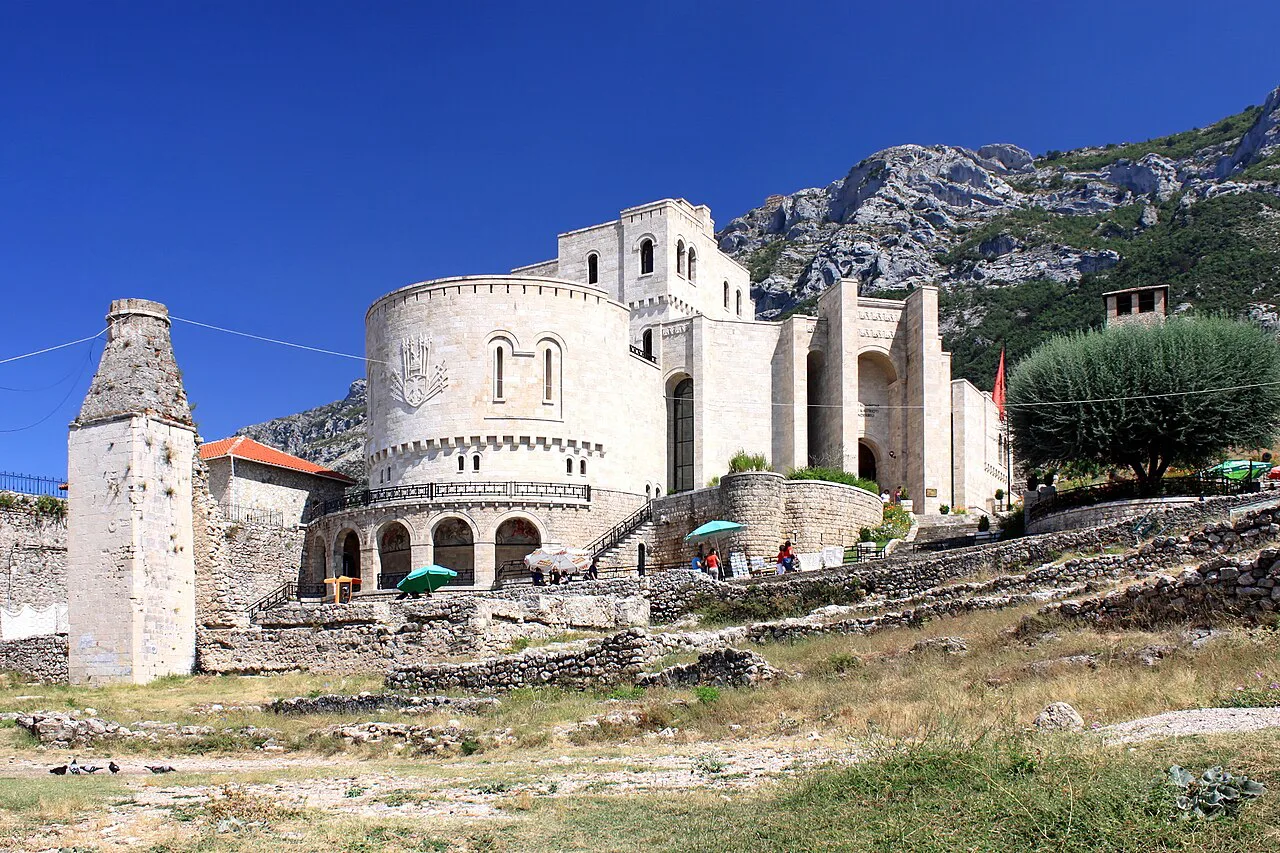
What you actually see: the pavilions, in the order you walk them
The exhibition opens with the pavilion of antiquity and the early Middle Ages, then moves to the Albanian principalities and the Ottoman conquest. Next comes the pavilion of medieval castles, followed by the Albanian resistance, Skënderbeu's chancellery and the library. The sequence ends with the hall of princes, the pinacotheca and the pavilion of heritage and legacy, so the visit reads as a continuous account rather than a scatter of cases.
You are looking at a collection of records, objects, documents, original bibliographies and authentic reproductions, laid out to tell the story of Albania in the fifteenth century and after. The displays include original icons, writings and portraits of the national hero, and the museum also exhibits some of the many books written about him.
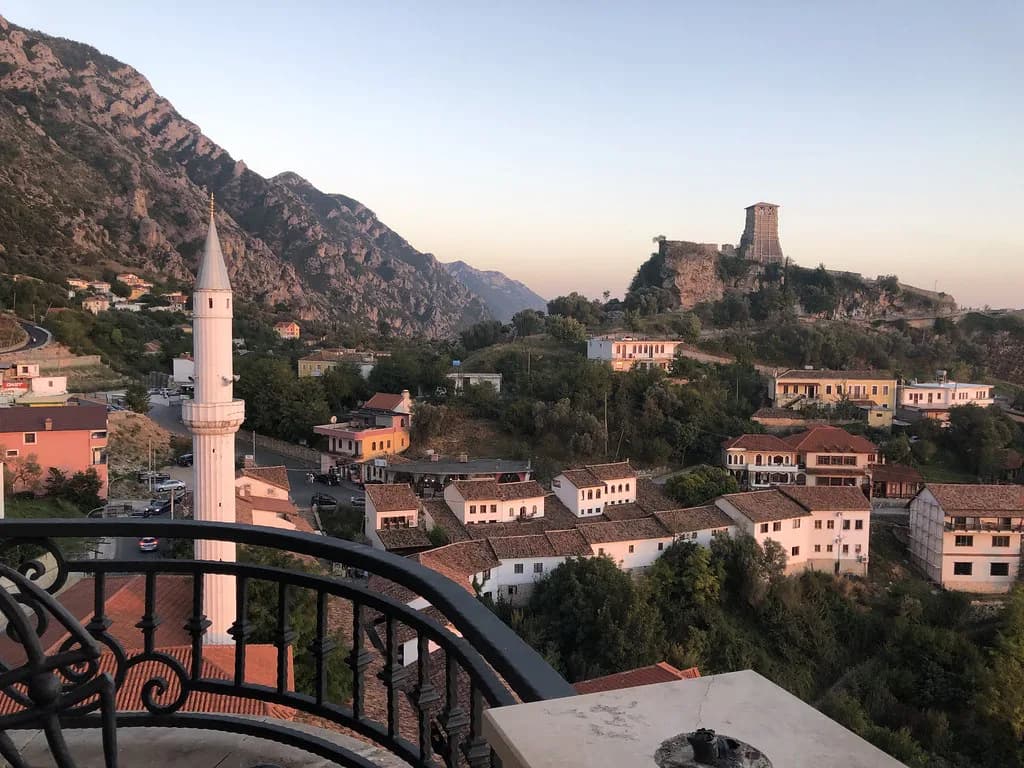
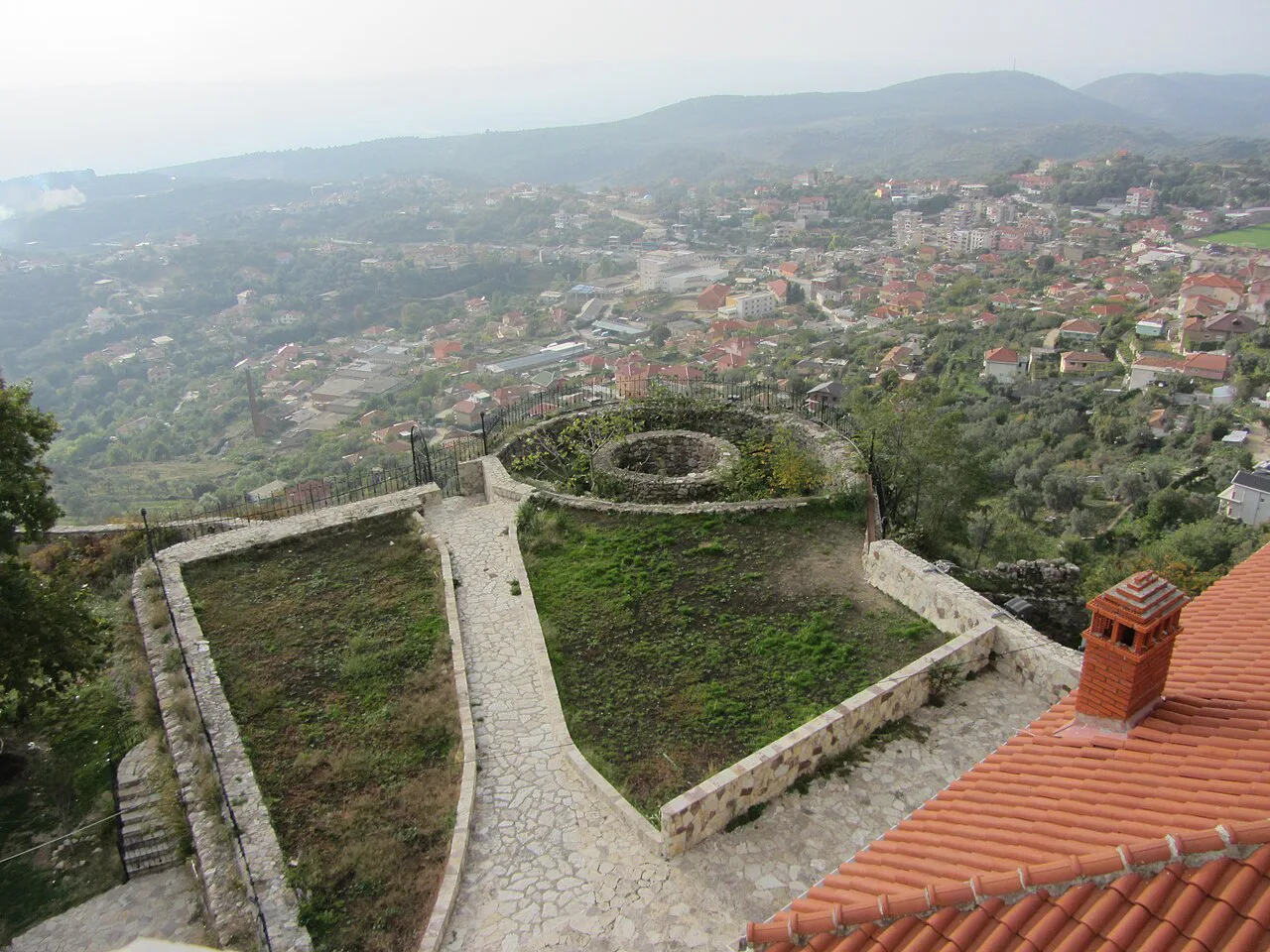
Visitors describe a balcony with a nice view over the surrounding country, which makes a natural pause point partway round, worth taking before you continue into the final halls.
Objects worth pausing for: the 1462 bell, 15th-century swords, icons and the pinacotheca
Among the specific pieces the museum holds are ceramic, bronze, iron and copper items, facsimiles and original icons, along with a bell dated to 1462 and original fifteenth-century swords. These are the objects to seek out if you are short of time, because they carry the period more directly than the text panels. The pinacotheca, near the end of the chronological route, gathers the paintings together.
Some of the material on show reaches back to Illyrian times, so the museum is not confined to the Skënderbeu years even though he dominates it. If your interest is the medieval and Ottoman centuries, the middle halls will hold you longest.
How long the museum needs, and how it fits a half-day in Krujë
Treat the museum as a 60 to 90 minute stop, then add 30 to 45 minutes for the Ethnographic Museum and at least an hour for the bazaar and the castle walls. That fills a comfortable half-day without rushing, which matters if you are coming from Tirana and back in a day. A sensible shape is to arrive late morning, do the museum first while you are fresh, then take the bazaar at leisure.
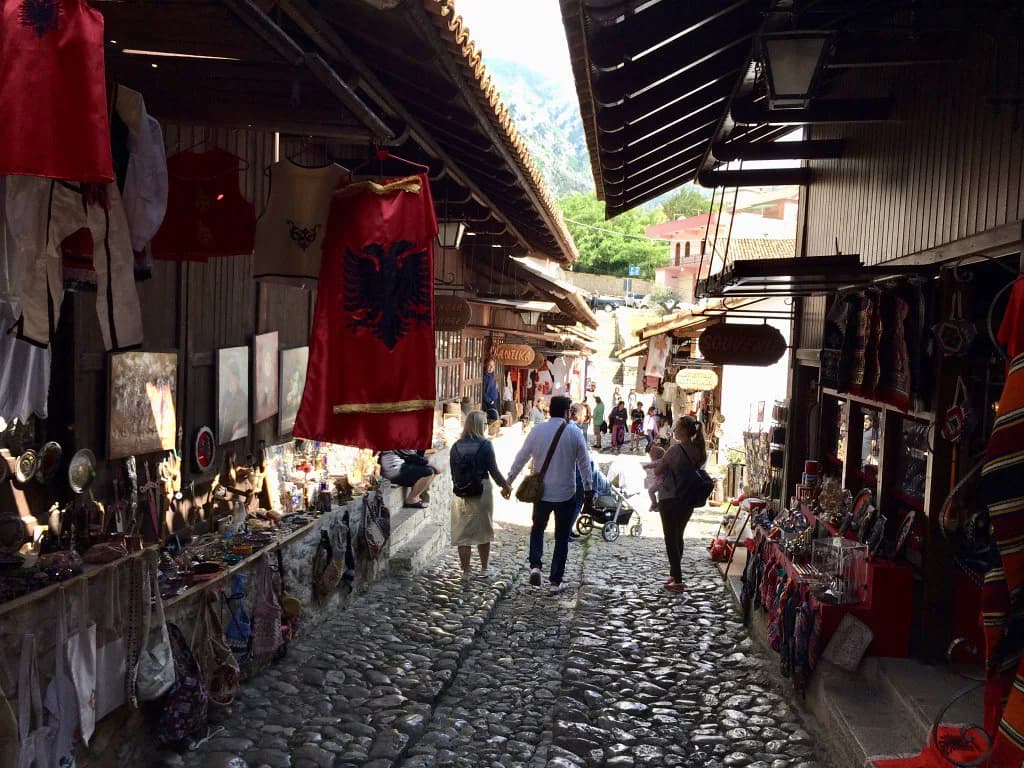
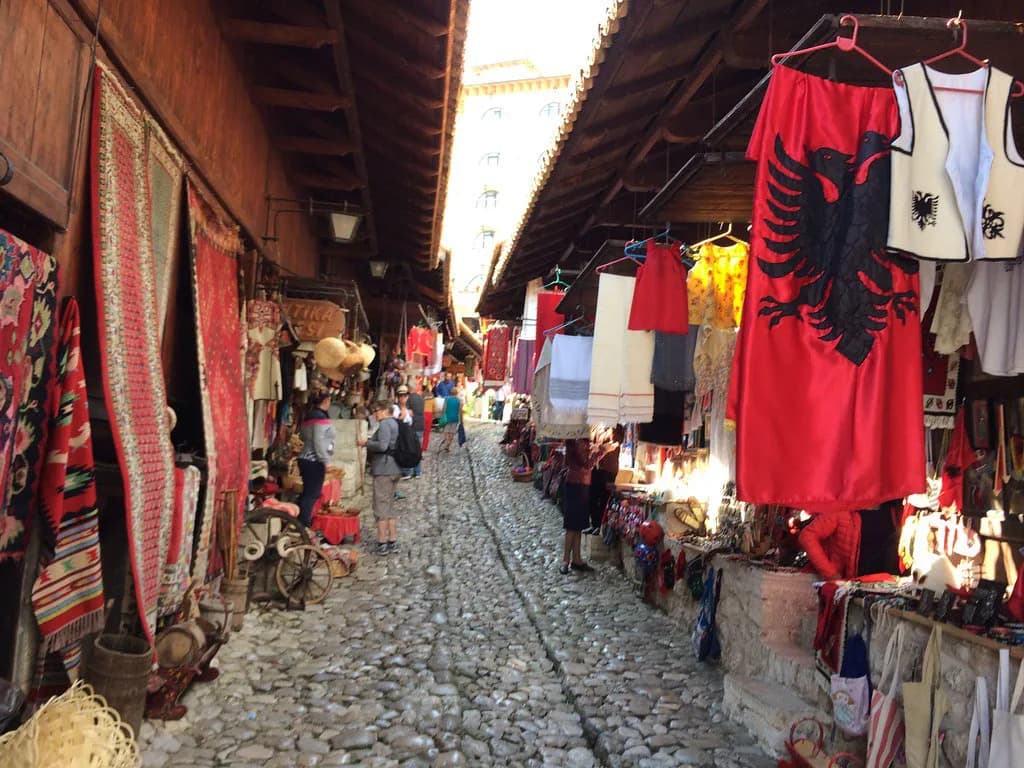
The Old Bazaar sits just below the castle and is the natural place to eat and buy after the exhibition, with carpets, copper and carved wood among the goods in the lanes between the castle gate and the lower town. If you want to plan lunch properly rather than improvise, sort out where to eat before you climb.
Tickets and opening hours: what to check before you travel
Ticket prices and opening hours change, so confirm them with the museum or the castle ticket office on the day you go rather than relying on an old figure. A visitor post from 2025 reported a ticket of 500 lek and hours of 09:00 to 19:00 every day, which is a useful reference point but not a guarantee.
Getting to Krujë from Tirana and the climb to the castle
Krujë lies a short drive north of Tirana, and the final stretch climbs steeply through the town to the castle. Above the town, the road up Mount Krujë is a newer surface with two lanes, extremely steep and full of hairpin bends, and the panorama from the top takes in the country around, with Tirana and Durrës visible on a clear day. Drive it only if you are comfortable with gradients and tight turns.
For orientation before you set off, use a Kruje map to see how the castle, bazaar and approach road fit together, because the town rises in tiers. If you are coming by public transport, allow extra time for the walk up from the town to the castle gate.
The Old Bazaar and the Ethnographic Museum
The Kruja Bazaar is the old market street below the castle, and it is the obvious companion to the museum visit. Give it time to browse rather than treating it as a corridor to the exit.
Inside the castle, the Ethnographic Museum of Kruja shows traditional domestic life in an Ottoman chardak house built in 1764 for the Toptani family. It is small and quick to walk through, and its position inside the same walls makes it an easy add-on rather than a separate trip.
Views from the castle and the drive up Mount Krujë
From the castle you look out over the plain, and visitors describe a balcony with a long view over the surrounding country. This is the place to take stock before heading down.
The Sari Salltik Shrine sits high on Mount Krujë above the town, reached by the same steep hairpin road. If you have a car and a head for heights, it makes a short extension after the museum. Litter has been reported along the ridge, so take your rubbish back down.
Practical points: steps, cobbles and castle terrain
Expect cobbles, uneven stone steps and a climb from the bazaar up to the castle gate, with more stairs inside the museum between floors. Sturdy shoes help, and the surface is slippery after rain. Travellers with limited mobility should plan on the lower bazaar and castle terrace rather than the full circuit.
The museum is small but dense, and the stone interior stays cool even in summer, so it doubles as a break from the heat. Keep water with you for the walk back down.
Is the museum worth the climb to Krujë?
Yes, if you want the fifteenth-century story that gives the castle its meaning, and it pairs naturally with the bazaar and the Ethnographic Museum in a single half-day. Skip it only if you are pressed for time and are here chiefly for the market and the views.
Confirm ticket prices and hours with the castle ticket office before you set out, and start early enough to climb at a comfortable pace.
Explore more Kruje guides
Frequently Asked Questions
What did Skanderbeg do for Albania?
Gjergj Kastrioti Skënderbeu led the Albanian resistance to the Ottoman armies in the fifteenth century. The museum at Krujë covers that period through its documents, weapons, icons and portraits, and it stands inside the castle that served as his base.
Do the Skanderbeg Museum and the Ethnographic Museum sit in the same place?
Yes. The Skanderbeg Museum and the National Ethnographic Museum in Kruja both stand inside the walls of Krujë Castle, so most visitors see the two in one stop.
How do I get from Tirana to the Skanderbeg Museum?
Krujë is a short drive north of Tirana, and the last stretch climbs steeply to the castle. Minibuses and buses run from the capital, and the walk up from the town adds time, so allow for the gradient.
Sources
Notes for your Albania trip
Optional updates to our Albania town guides.
You might also like
Continue reading
More guides you'll find useful