Skanderbeg Memorial in Lezhë: What to See and How to Visit
The Skanderbeg Memorial in Lezhë centres on the Church of Saint Nicholas, where the League of Lezhë met in 1444 and Skanderbeg was buried in 1468.
On this page
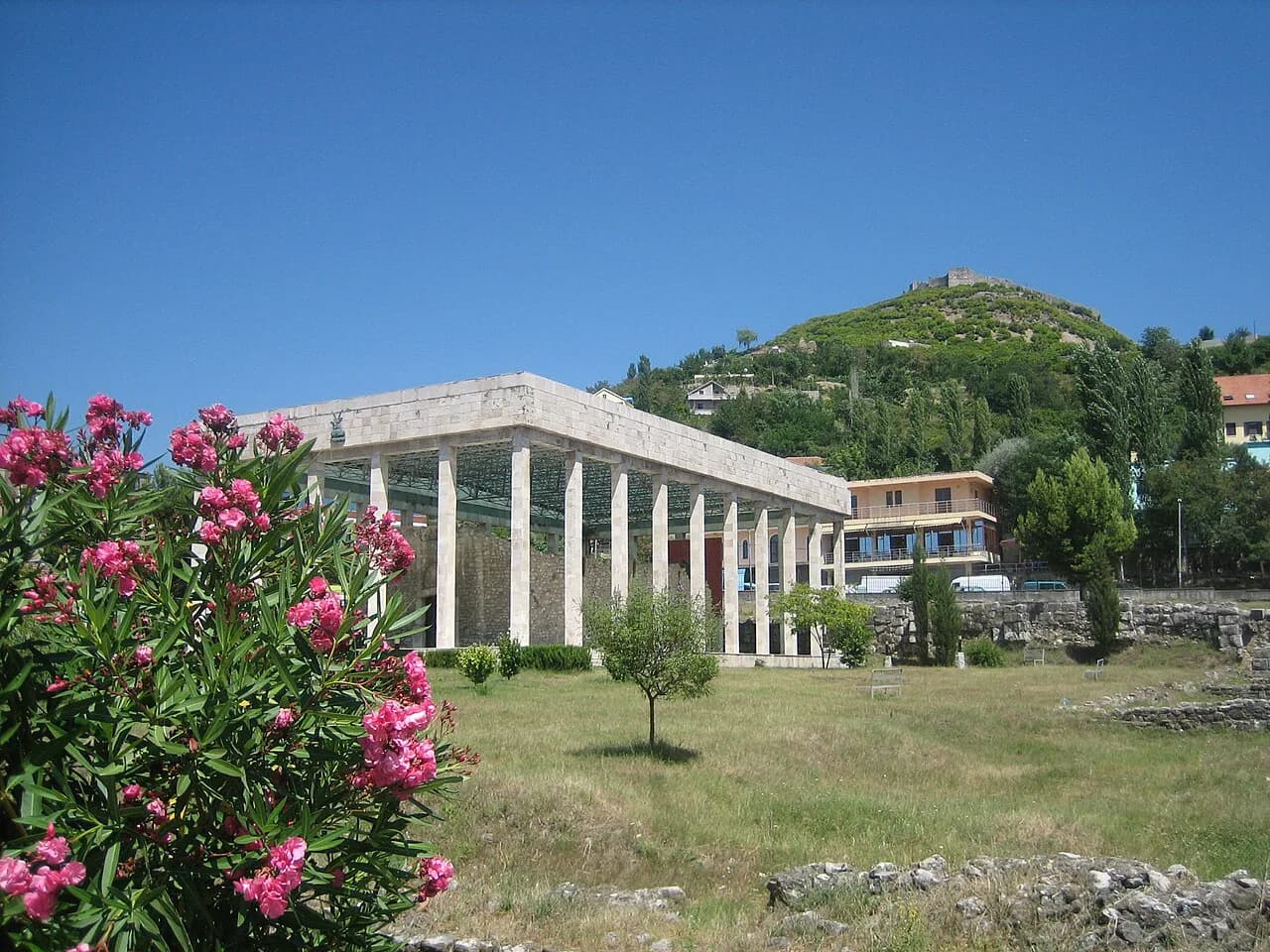
The Skanderbeg Memorial in Lezhë is a memorial complex wrapped around the Church of Saint Nicholas, where Albanian nobles formed the League of Lezhë on 2 March 1444 and where Gjergj Kastrioti, known as Skanderbeg, was buried on 17 January 1468. Allow an hour for the church and the outdoor archaeological ground, then walk up to Lezhë Castle to finish the day. Visiting Lezhë is treated here as a short stop that pairs the memorial with the castle above.
What the memorial actually is: church, memorial complex and grounds
Treat the site as three layers rather than one museum. The core is the Church of Saint Nicholas, a standing building that holds the tomb and the surviving church fabric. Around it sits the memorial complex inaugurated on 23 November 1981, which frames the church as a monument. The outer layer is an archaeological ground with objects from ancient Lissus and the medieval period found in the area.
That layering matters when you arrive, because the church is easy to read as the whole visit. The memorial built up around it was enriched by German-Albanian archaeological excavations in the years before 2010, which is why the outdoor section carries material rather than standing empty. Walk the grounds before or after the church so you are not reading the Lissus finds as part of the Skanderbeg story.
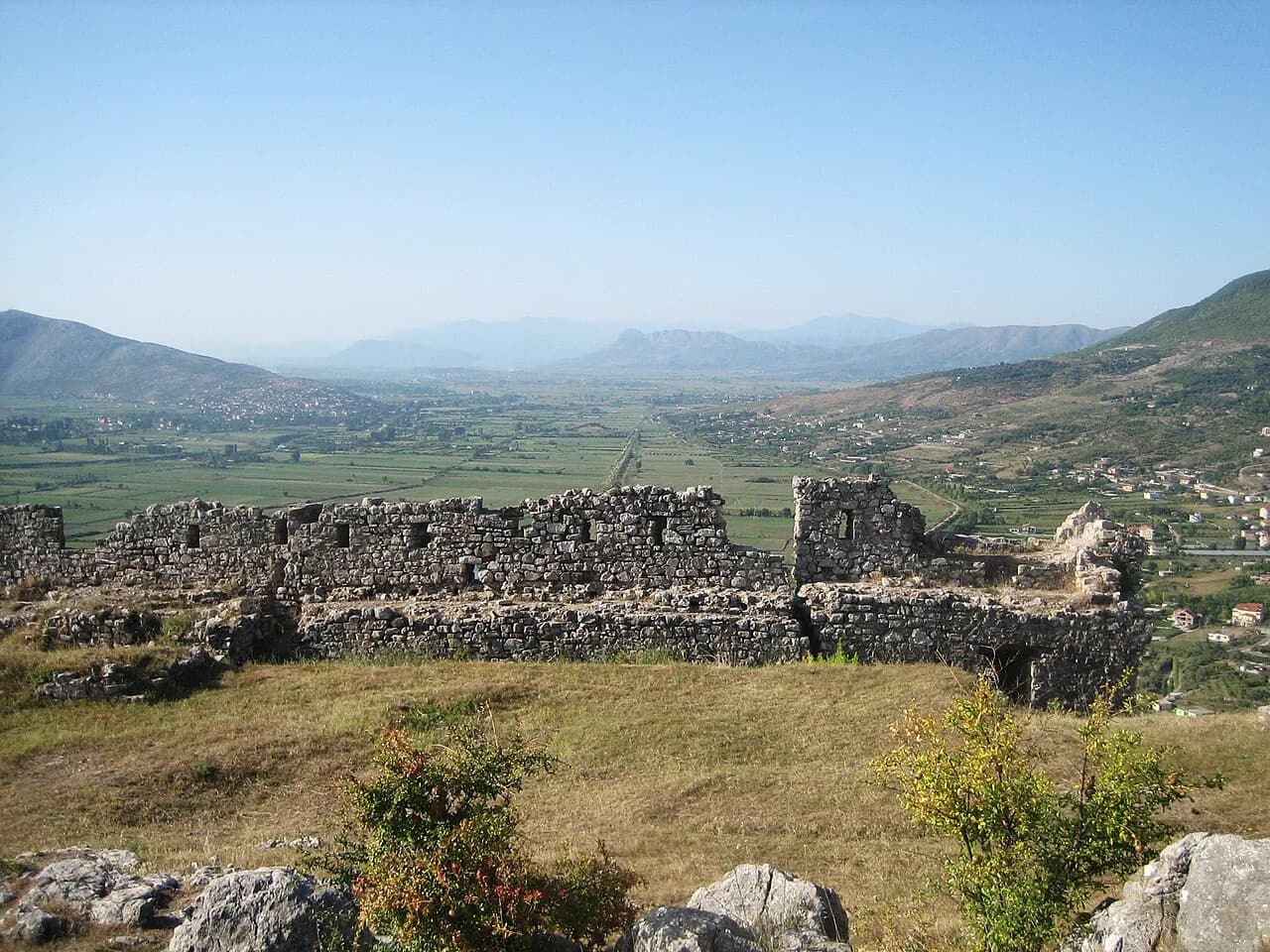
Lezhë itself sits on the site of ancient Lissus, an Illyrian settlement near the mouth of the Drin, Albania's longest river, with stone fortifications built by the 3rd century BC. The Romans added a theatre and a forum after taking the town in 168 BC, and the Venetians rebuilt the castle walls around 1440.
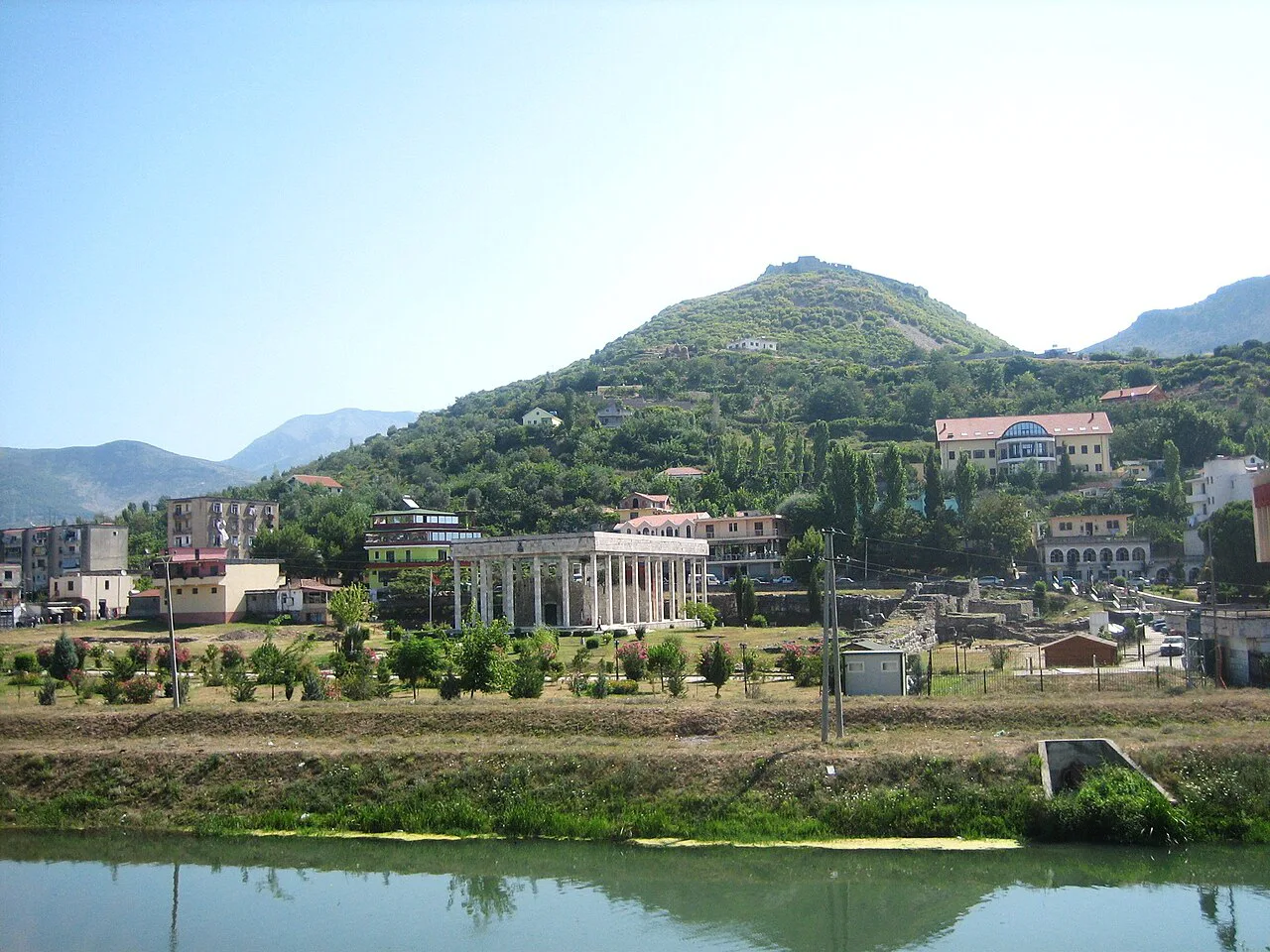
Where it sits in Lezhë, and the walk from the town centre
The memorial sits within Lezhë rather than out in the countryside, so the default approach is on foot from the centre. Lezhë is a compact town, and the church and its grounds are part of the town's own fabric rather than a separate excursion. Wear shoes that cope with uneven ground in the outdoor section.
The wider town covers the layout, the castle and the practical shape of a day. Read Visiting Lezhë first if you are deciding whether to stay overnight or pass through.
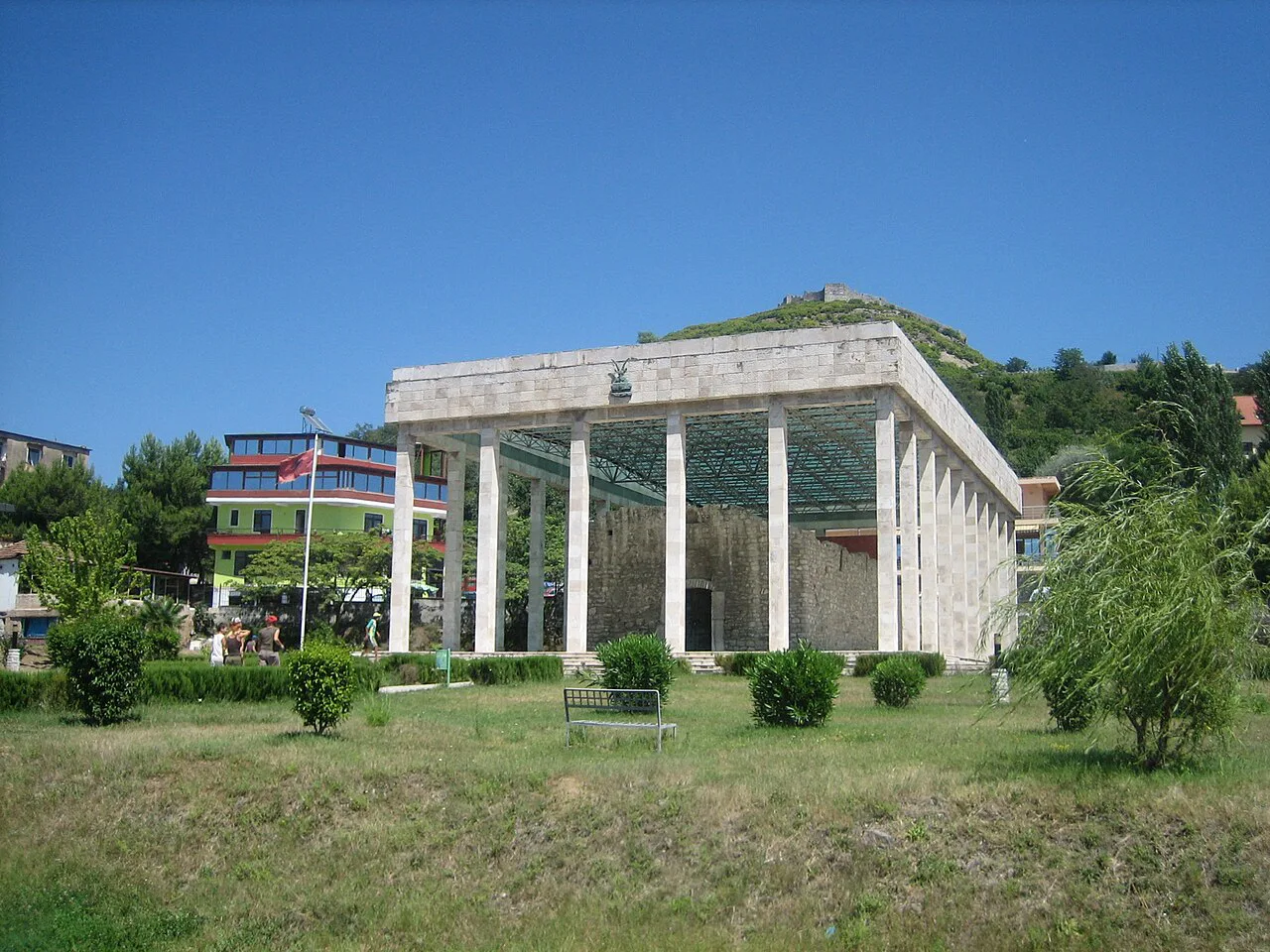
Inside the church: apse, fresco, windows, door and the tomb
The church interior is where the visit earns its time, and the surviving elements are specific. Look for the original fresco of Saint Nicholas, the church apse, the three windows, the original church door with the arch above it, and the original church decoration. These are the pieces the memorial preserves rather than reconstructs.
The tomb of Gjergj Kastrioti is the focal point. Skanderbeg died on 17 January 1468 and was buried in the same Church of Saint Nicholas where the alliance had been formed.
Skanderbeg commanded the alliance for the next 25 years, until his death, holding territory against the Ottoman Empire. The building commemorates both the start of the resistance in 1444 and its commander's death in 1468, so keep the two dates distinct.
The League of Lezhë, 2 March 1444: a political site and a grave
On 2 March 1444, Albanian nobles gathered in the Church of Saint Nicholas and formed the League of Lezhë, electing Skanderbeg as their commander. The alliance they built is described as the first unified military alliance in Albanian history, which makes the church a political site as much as a religious one.
The meeting happened because the nobles faced a shared problem none of them could solve alone. By early 1444 Skanderbeg had held Krujë for three months after defecting from the Ottoman army, but Krujë was one castle among small independent Albanian lordships, each with its own militia and rivalries.
The outdoor section: finds from Lissus and the medieval period
The museum's outer sector is an archaeological environment holding objects from ancient Lezhë and the medieval period, found around the museum site. It reads differently from the church: this is the older town speaking, not the fifteenth-century alliance.
Because the material was found locally, the outdoor display ties the memorial to the ground it stands on. The Venetians rebuilt the castle above around 1440, four years before the League met, so the two sites belong to the same older town.
Visitor numbers and timing
The memorial draws school groups from Albania, Kosovo and North Macedonia as well as foreign visitors, so expect bursts of organised visits rather than an even flow. A memorial official, quoted in a report on the memorial, said students made up the majority of visitors. Arriving early or later in the afternoon usually means fewer groups.
The complex has been described as a stop for foreign visitors as well as Albanians from across the region, which is a fair sign it is not a niche curiosity. If you want quiet time at the tomb, build slack into the day rather than scheduling a ten-minute stop between buses.
How long it takes, and pairing it with Lezhë Castle
Budget an hour for the memorial and add the castle for a half day in Lezhë. The castle sits above the town, and the climb is the natural pairing rather than a separate trip. The town is generally treated as a one to two day stop, which is realistic if you want both without rushing.
Keep the order flexible. The church is indoors and the castle is exposed, so in hot or wet weather it makes sense to do the memorial first and judge the climb from there.
Getting there from Tirana by bus or car
Lezhë lies about 60 kilometres northwest of Tirana, roughly 50 to 70 minutes by car on good roads. Buses run from Tirana's northern bus terminal, with published fares of 300 to 400 lek and a journey of 70 to 90 minutes depending on stops; confirm at the terminal. The highway passes through Lezhë, which makes it a natural break if you are driving between Tirana and Shkodër.
If the memorial is the main reason for the stop, a car gives you the most control, because you can arrive before the school groups and leave when you have finished rather than working to a return bus. Coming by bus is perfectly workable, but check the last return time when you arrive.
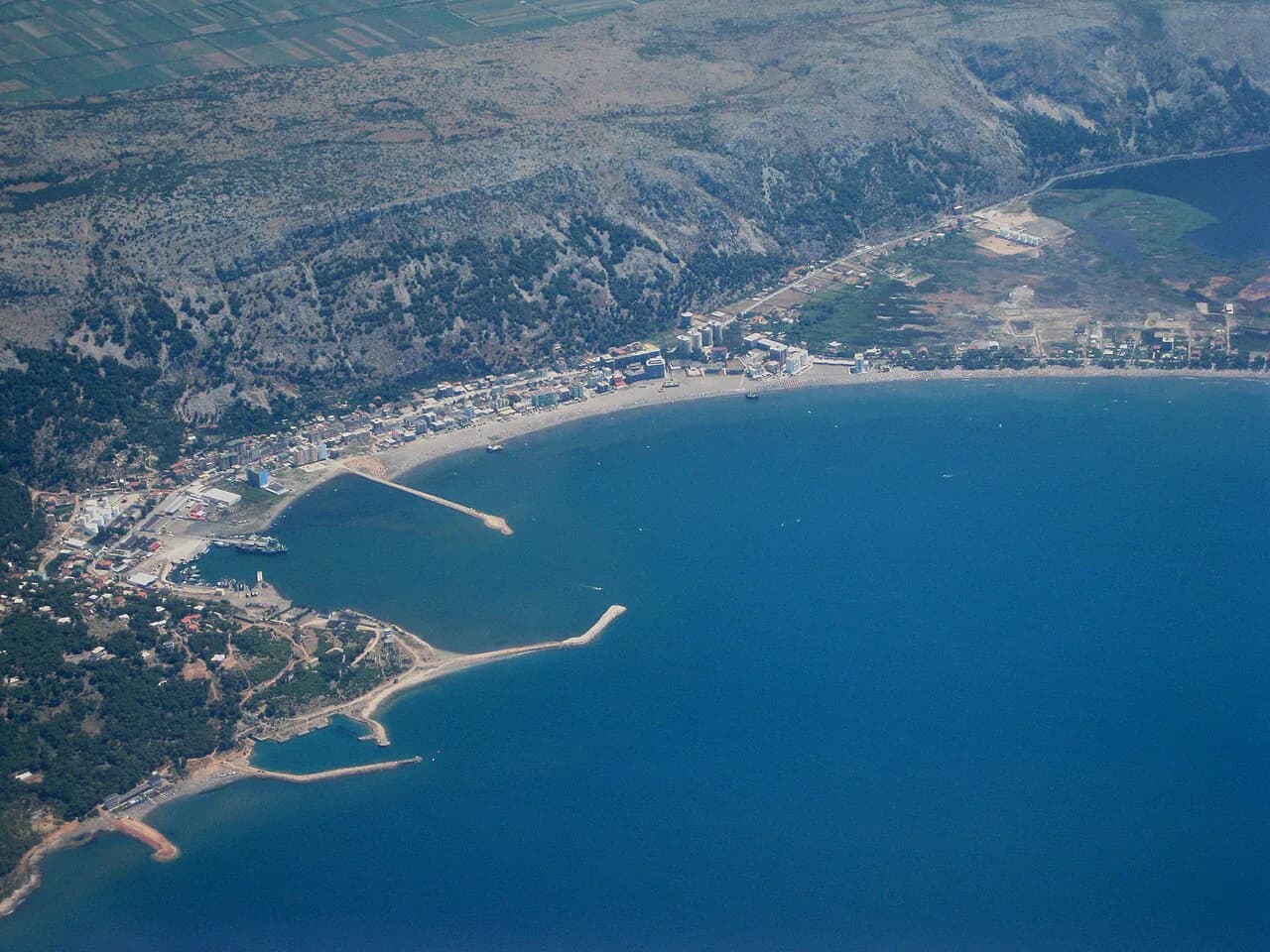
Some travellers base themselves in Tirana or Shkodër and visit Lezhë as a day trip, while others stay in Shëngjin if they want to combine the memorial with the coast. Both are reasonable; the trade-off is travel time against having the town to yourself in the evening.
Entry, hours and what to confirm
Check the memorial's opening hours and any entry charge with the site or the local tourist information office before setting out, since these change by season. The same applies to whether the church interior is open when the grounds are.
Carry cash in lek in case there is a ticket desk. Build the visit around the church first so a closed outdoor section does not spoil the day.
The memorial's exterior is distinctive enough to spot from the street, which helps if you arrive from the bus stop rather than by car.
If your trip continues south along the coast, Lezhë works as an overnight stop, with the coast and the Drin delta within reach on separate days.
Should the memorial be your first stop in Lezhë?
Yes. Start at the Church of Saint Nicholas before the castle, because the 1444 assembly and the 1468 burial make the church the site that explains the town's place in Albanian history. Give it an hour, walk the outdoor archaeological ground, then climb to the castle with the story in hand.
If you are coming from Tirana on a day trip, take an early bus and plan the return before you leave the terminal. If you are driving on to Shkodër, a two-hour stop covers the memorial properly without turning the day into a rush.
Explore more Lezhe guides
Frequently Asked Questions
What did Skanderbeg do for Albania?
Skanderbeg was elected commander of the League of Lezhë when Albanian nobles formed it in the Church of Saint Nicholas on 2 March 1444. He led the alliance for 25 years until his death on 17 January 1468, and he was buried in the same church where the League was formed.
What can you see at the Skanderbeg Memorial?
The core is the Church of Saint Nicholas, which preserves the original fresco of Saint Nicholas, the apse, three windows, the original church door with its arch, and original church decoration, as well as Skanderbeg's tomb. Around it, the outdoor archaeological ground holds objects from ancient Lezhë and the medieval period found in the area. The memorial complex itself was inaugurated on 23 November 1981.
Sources
Notes for your Albania trip
Optional updates to our Albania town guides.
You might also like
Continue reading
More guides you'll find useful