Shkodër Old Town: A Walking Guide to the Centre
Plan a walk through Shkodër old town: the pedestrian Rruga Kolë Idromeno, the market by the roundabout, Ebu Bekr Mosque and Rozafa Castle above the city.
On this page
Shkodër old town is a walkable core you can cover on foot in a couple of hours, with the pedestrian Rruga Kolë Idromeno as its spine and the market alleys off the main roundabout as its busiest edge. Rozafa Castle and Mesi Bridge sit outside that core, so treat them as separate outings rather than stops on the same loop. Start with our Shkodër Walking Tour for a structured route through the centre, and read up on Shkodër History before you go if you want the background to the walls and the Ottoman buildings.
This guide maps the centre street by street, points out the mosque and the museum cluster, explains how the castle sits above the city, and sets out the practical trade-offs: traffic on the castle road, cobbles underfoot, and carrying cash in lek.
Where the old town begins and ends
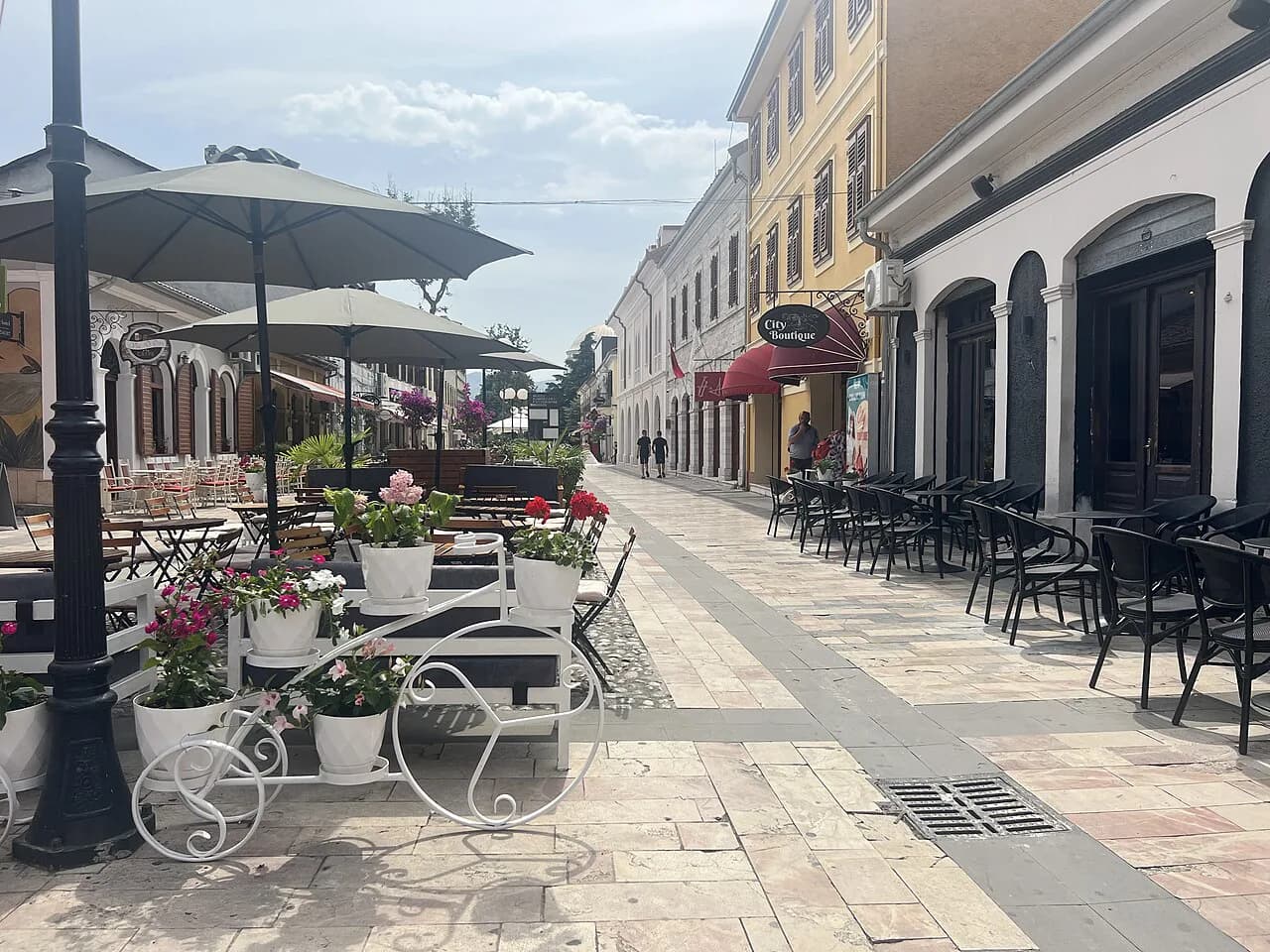
The historic centre is small enough to cross in one go, and its clear anchor is the pedestrian zone around Rruga Kolë Idromeno, lined with cafés, shops, restaurants and bars in brightly coloured buildings. Two places sit beyond easy walking range and deserve their own slot in your day: Rozafa Castle on its hill and Mesi Bridge out along the Kir River.
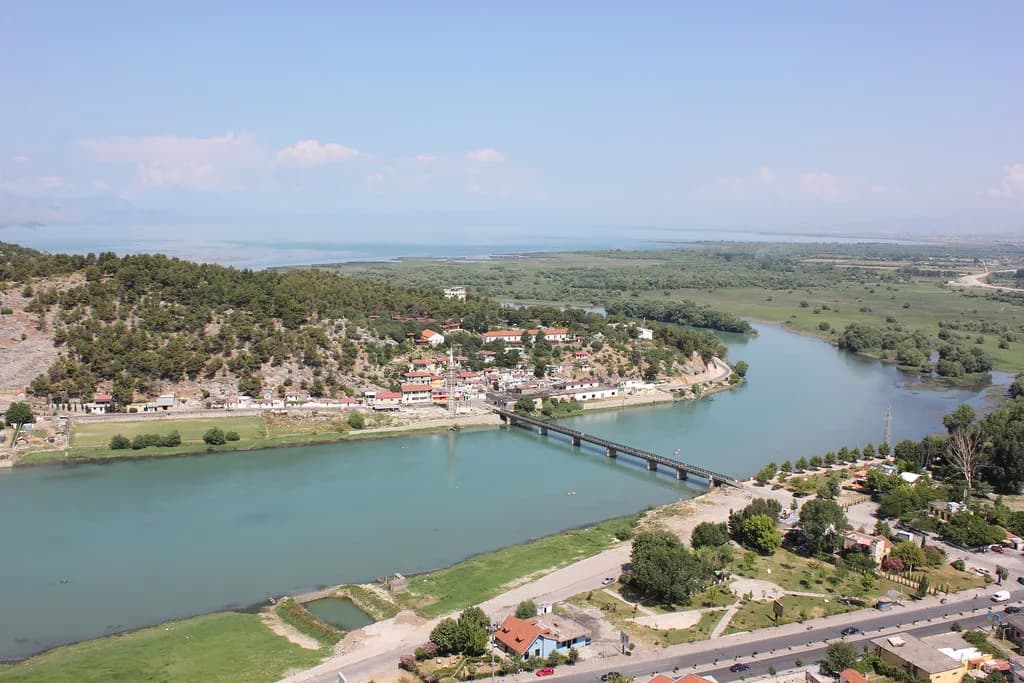
Shkodër sits on the Mbishkodra Plain between the marshes around Lake Shkodra and the foothills of the Albanian Alps, about 103 kilometres north of Tirana. That position explains why the centre feels like a lowland town while the mountains frame the view from the castle hill.
For a route that links the street, the mosque and the market in the right order, follow our Shkodër Walking Tour rather than improvising.
Start on Rruga Kolë Idromeno
Begin here. Rruga Kolë Idromeno is the pedestrian street at the centre of the city, packed with cafés, bars, restaurants and shops, and it is a natural place to sit with a coffee and watch the town go past. The buildings themselves are part of the appeal, so walk the full length before you commit to a terrace.
The surface is cobbled and the whole strip is closed to traffic, which makes it the easiest stretch of the day for anyone with a suitcase, a pushchair or tired legs. Shops are small and independent rather than chain-heavy, and the street works equally well as an evening stroll and a morning orientation walk.
Allow an hour with a stop, or two if you plan to eat. If you are in town for one night, this street is the one thing to do in the evening; if you have a full day, it is where the other walks begin and end.
The market off the big roundabout
Walk off Rruga Kolë Idromeno towards the large roundabout and you reach the market, spread along the street and the alleys around it. Stalls sell local produce, and one section deals in second-hand clothes; it is a working market rather than a tourist set-up, so expect a slower, more conversational pace.
The roundabout is the practical marker: find it and the stalls follow. Go in the morning when produce is freshest and the alleys are busiest, and bring small notes in lek, since market sellers operate in cash. If you want more detail on the stalls and their setting, there is a separate guide to the Shkodër Bazaar.
Ebu Bekr Mosque in the centre
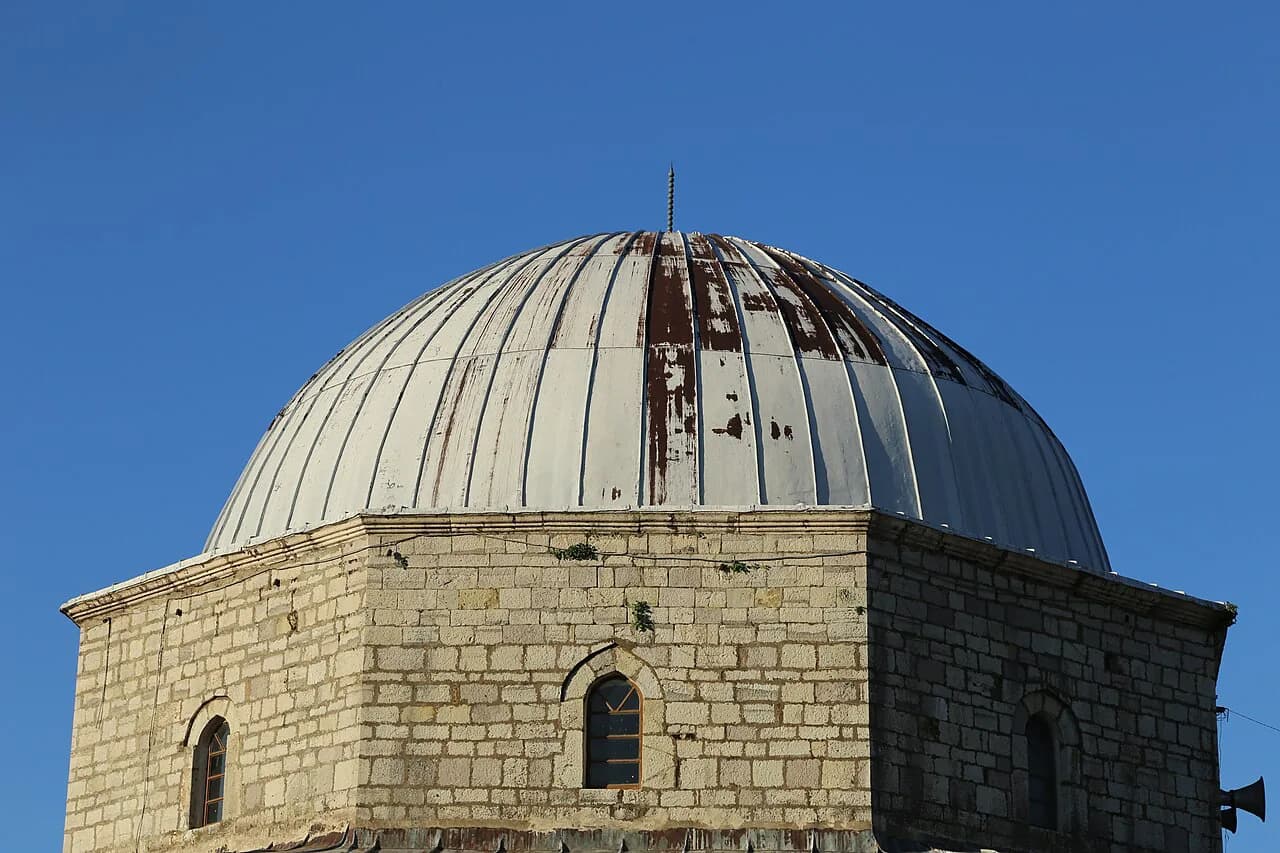
The Ebu Bekr Mosque, known in Albanian as Xhamia e Madhe, stands in the city centre and slots easily into a walk between the pedestrian street and the market. It is one of the identifiable landmarks of the central grid.
Dress modestly, cover shoulders and legs, and remove shoes before entering the prayer hall, and avoid visiting during prayer times. If you want to look inside other prayer houses in town, a fuller guide to the mosques in Shkodër covers what you will see and how to behave.
Museums: pick one or two, not all four
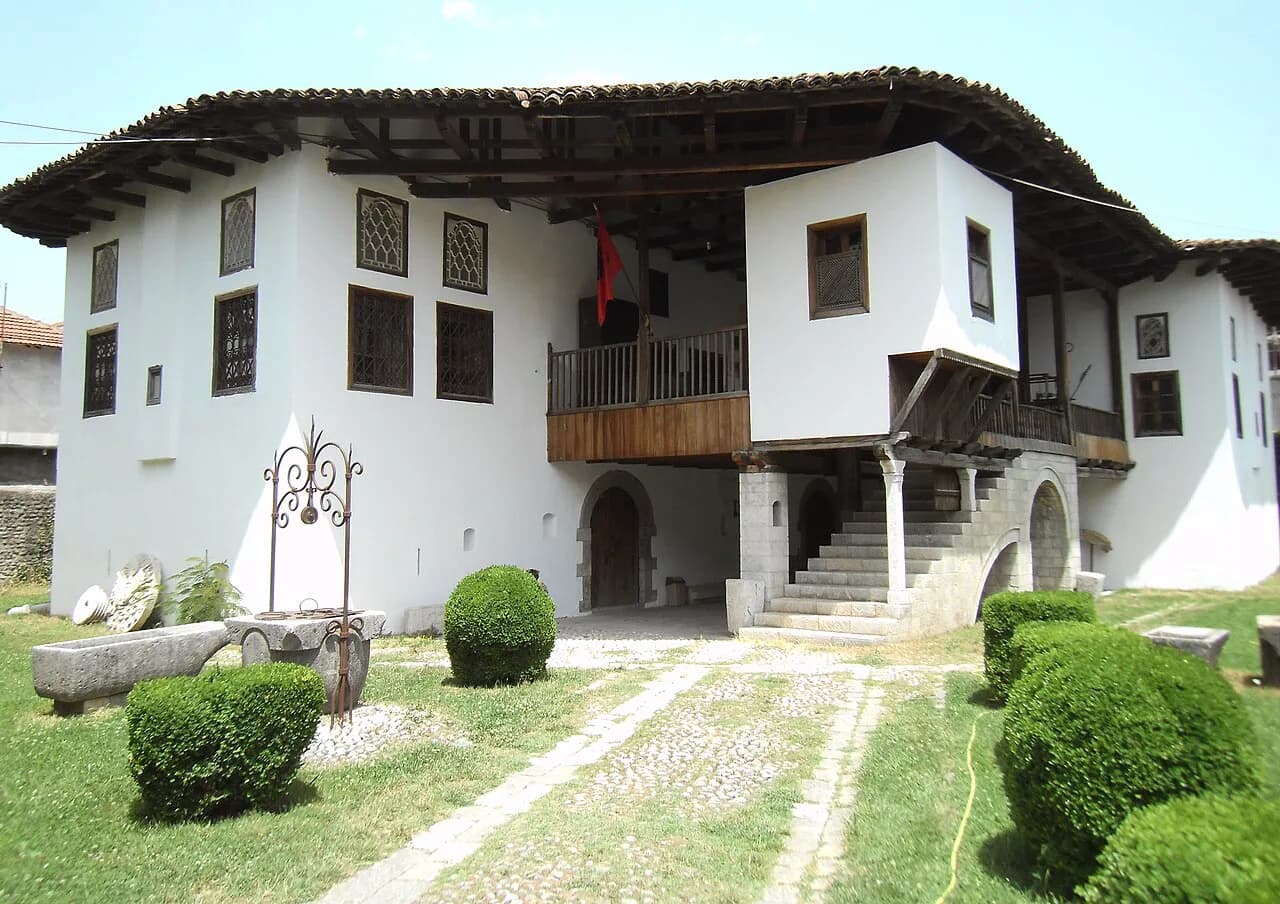
Shkodër's museums sit close enough together that you could visit several in an afternoon, but the collections reward a slower look. The Marubi National Museum of Photography, the Historical Museum of Shkodër, the Site of Witness and Memory and the Rozafa Castle Museum are the four to weigh up.
The Historical Museum is split into periods that run from ancient times and the Illyrian tribes through the Ottoman era to the modern day, housed in a former Venetian merchant's house on Rruga Oso Kuka. If you only have time for one indoor stop and you like context with your walking, this is the strongest single choice.
Photography lovers should weight the Marubi collection instead, and the Site of Witness and Memory suits anyone wanting the twentieth-century story told plainly. Check the current opening days and ticket prices at the door or on the museums' own listings before you build a day around one of them; a separate guide to museums in Shkodër gives an overview if you want to plan ahead.
Rozafa Castle above the city
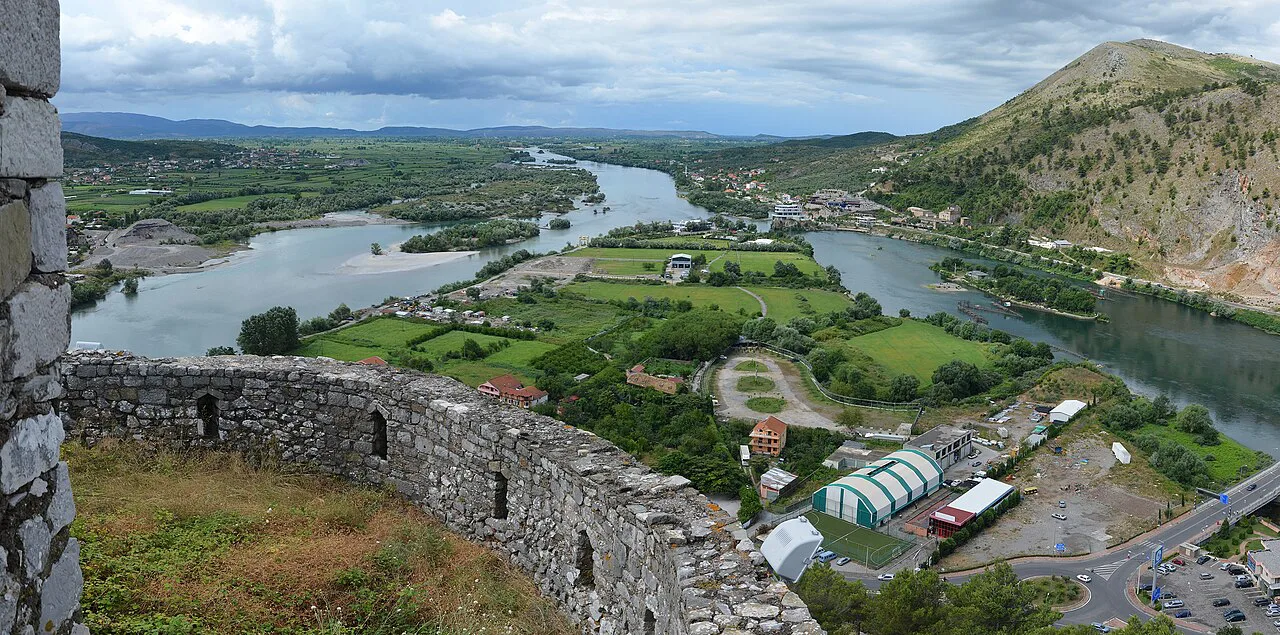
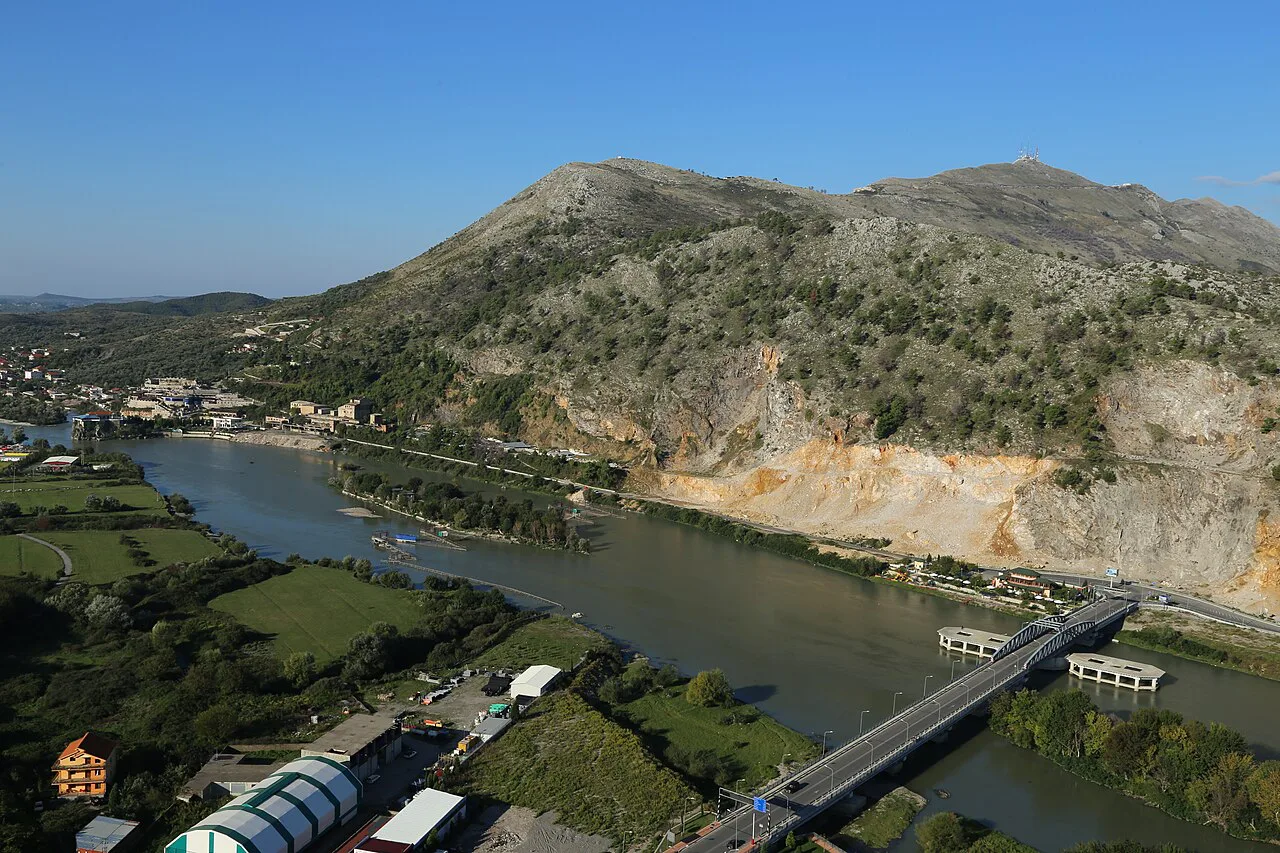
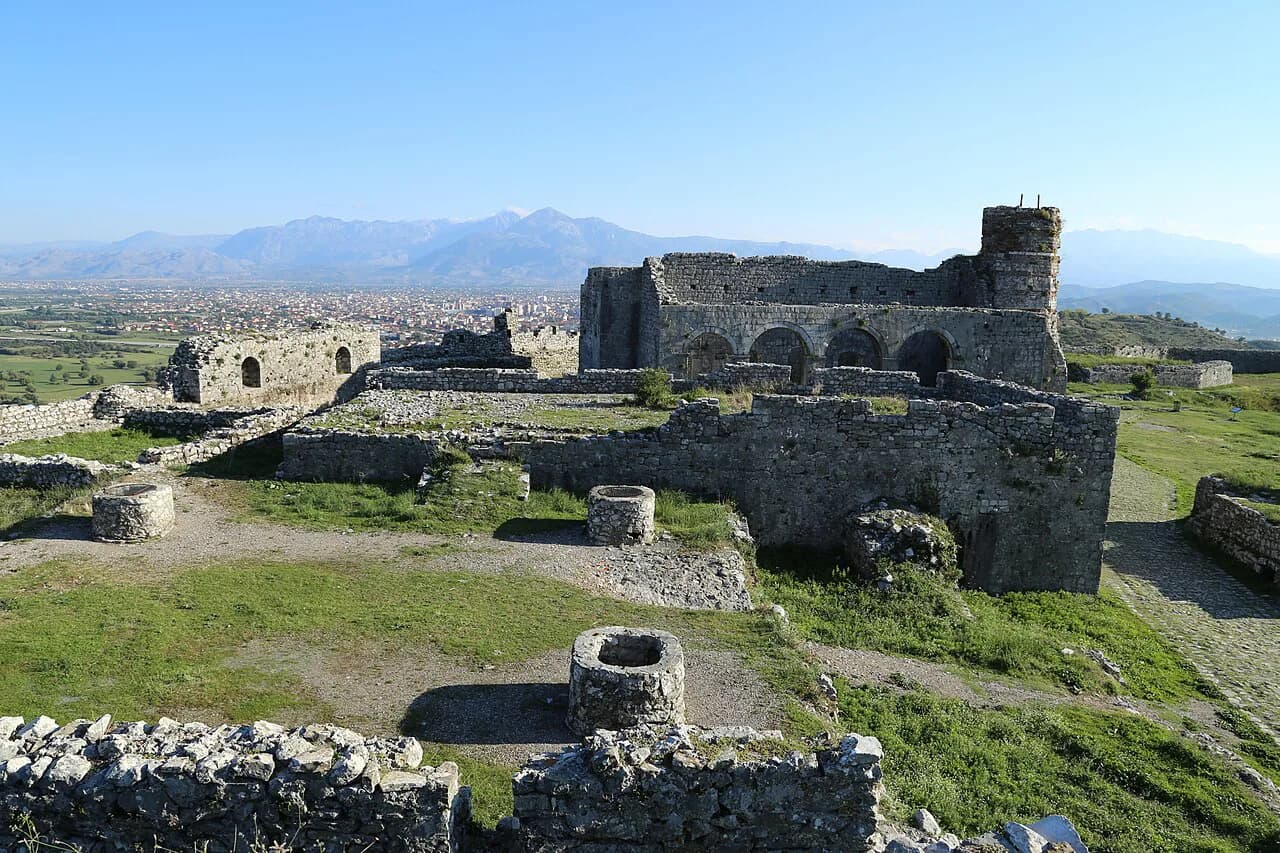
Rozafa Castle sits on a hill overlooking Shkodër and Lake Shkodra, a large fortress with standing walls and a few surviving underground rooms reached through an opening in the masonry. Give yourself time to explore, sit at different points on the walls and take in the views over the rivers, the lake and the surrounding countryside.
Local families treat the castle as a picnic spot, and the space inside the walls makes that easy. Bring water and something to eat, since the hilltop has no cluster of shops, and time your visit for late afternoon if you want softer light over the lake.
The approach is the real decision. The main road out of Shkodër carries fast traffic, while a back road through villages is quieter and better suited to cycling; buses stop on the main road below the castle, leaving a climb on foot. Aim for the back route if you are on two wheels, and take the bus or a taxi if you would rather not ride beside lorries.
Check the castle's current opening hours at the gate or with the tourist office before setting out.
Mesi Bridge on the Kir
Mesi Bridge, or Ura e Mesit, is an Ottoman stone bridge of 13 arches over the Kir River, about 108 metres long and 12.5 metres high, with the widest arch at its centre. It was built around 1770 by the local Ottoman Pasha Kara Mahmud Bushati and is a Postribë cultural monument.
The bridge is narrow, at 3.4 metres, and you can walk across it, but the trip out is its own outing rather than a stop on a city walk. Join it to the castle on a half-day by car, or give it an afternoon of its own; when the Kir is low you can walk down to the riverbed for the classic view from below.
If you want the full arc of Ottoman building in the region, read the Shkodër History page before you go.
The abandoned train station and tracks
Beyond the centre, the old train station building is locked, but the tracks hold abandoned carriages covered in graffiti, and the area is a walk of some distance from the middle of town. It appeals to photographers more than to general sightseers, and you will pass through some run-down streets on the way.
Go in daylight, keep your visit short, and do not treat the area as a main sight: people use the carriages, and the atmosphere is not always relaxed. It is not somewhere to walk at night, and it is not worth cutting time from Rozafa Castle or the market to reach.
How long the centre needs
A half-day covers Rruga Kolë Idromeno, the market, the Ebu Bekr Mosque and one museum at a comfortable pace, with time for coffee. A full day adds a second museum, a longer lunch and the late-afternoon walk up to Rozafa Castle for the views.
Do not try to add Mesi Bridge or the train station to a full day that already includes the castle. Both sit outside the walkable core, and the day becomes a series of car journeys rather than a walk. If you have two days, give the castle and the bridge one each.
Shkodër also works as a base for the Albanian Alps rather than just for the old town, and travellers who linger often push on into the mountains from here. The centre is small, though, so the extra days go to the surrounding region.
Walking practicalities
Cobbles on the pedestrian street are uneven in places, so wear shoes with grip rather than smooth soles, especially after rain. The centre is flat, but the climb to the castle is steep, and the walk from the main-road bus stop up to the gate adds more.
Carry cash in lek for the market and small cafés, since card acceptance is patchy outside larger businesses. Traffic on the road out to Rozafa is fast, cycle lanes are limited, and the quieter back road through the villages is a better choice for anyone nervous on a bike.
Shkodër makes a natural contrast with the Ottoman towns of the south. If you are heading on to Berat and its hillside houses, the Berat old town guide will help you plan the next stop in the same style.
Is the castle worth a separate afternoon?
Yes, if you have a full day in Shkodër: the castle gives you the views and the intact walls that the flat centre cannot, and the market and street are better in the morning anyway. Keep the old town walk for the morning and the hill for the late afternoon, and you get both without rushing.
If you only have a few hours, stay in the centre and skip the hill rather than squeezing it in. Rruga Kolë Idromeno, the market alleys, the mosque and one museum make a satisfying half-day on foot, and you can leave Rozafa Castle and Mesi Bridge for a return visit.
Explore more Shkoder guides
Frequently Asked Questions
Is Shkodër old town walkable?
Yes. The core around Rruga Kolë Idromeno is pedestrianised and flat, with the market, the Ebu Bekr Mosque and the museums within easy walking distance. Rozafa Castle and Mesi Bridge sit outside that core and need a bus, taxi or car.
What is Shkodër known for?
It is known as the gateway to the Albanian Alps, with Lake Shkodra, the Drini, Buna and Kiri rivers and the mountains shaping the region. In the city itself, the mix of a pedestrian centre, a working market, Ottoman and modern heritage and the hilltop castle is what draws visitors.
How long should you spend in Shkodër?
Give the centre half a day on foot, or a full day if you want two museums and the late-afternoon climb to Rozafa Castle. Mesi Bridge is best treated as a separate outing, so two days lets you cover the town and the countryside around it without rushing.
Sources
Notes for your Albania trip
Optional updates to our Albania town guides.
You might also like
Continue reading
More guides you'll find useful