Shkodër History: A Visitor's Timeline Tied to Places You Can See
Shkodër's history from Illyrian Scodra to the Ottoman pashalik, told through Rozafa Castle, the bazaar, Mesi Bridge and the Marubi archive.
On this page
Shkodër's history comes down to four layers a visitor can stand in: the Illyrian hill at Rozafa, the Venetian citadel built on it, the Ottoman town of bazaar streets and stone houses, and the 19th-century trading city whose photographers left an archive you can view. Almost every period has a surviving address. This guide links each era to a named site and adds the practical geometry, including the castle's distance from the centre.
The city sits in northwestern Albania at the southern edge of the Mbishkodra plain, beside Lake Shkodra, between the Drin and Bunë rivers, under Mount Tarabosh and Rozafa hill. That setting explains the story: a defensible hill, water transport and a position on routes running north through the Balkans.
Scodra before the Romans: the Illyrian town around Rozafa hill
Shkodër appears in the record as Scodra, founded around the 4th century BC on the hills around what is now Rozafa Castle. It was the centre of the Illyrian Labeat tribe, and under King Gent it became the capital of the Illyrian kingdom. This earliest layer sits under your feet at the castle rather than in a museum case.
The name travels through several forms: Shkodër, Shkodra and the Italianate Scutari, with ancient Scodra behind them all. Signs around town mix the forms, so don't treat a variant spelling as a different place.
Roman and Byzantine control, and where that sits in the story
Rome took Scodra in 168 BC, and the city later passed through Byzantine hands, with a Serbian capture in 1040 when it became the centre of Zeta. In the 14th century it was the centre of the Balsha feudal family. None of this left a headline monument in the way the castle or the bazaar did, so treat these centuries as connective tissue.
What survives from these centuries is largely the logic of the site: the hill kept being fortified because the position kept mattering. When you climb to the walls, you are reading a sequence of rebuilds rather than a single building. The Shkodër Old Town below is the later, lowland counterpart to that hill.
Venetian Shkodra and the two Ottoman sieges of the 1470s
Venice took the city in 1396 and left the 15th-century citadel that still dominates the hill above town. Ottoman forces besieged Shkodra twice in the 1470s, in 1474 and again in 1478–1479, when the city was entirely surrounded. It fell under Ottoman rule after that second siege in 1479, and a large part of the population left in the aftermath.
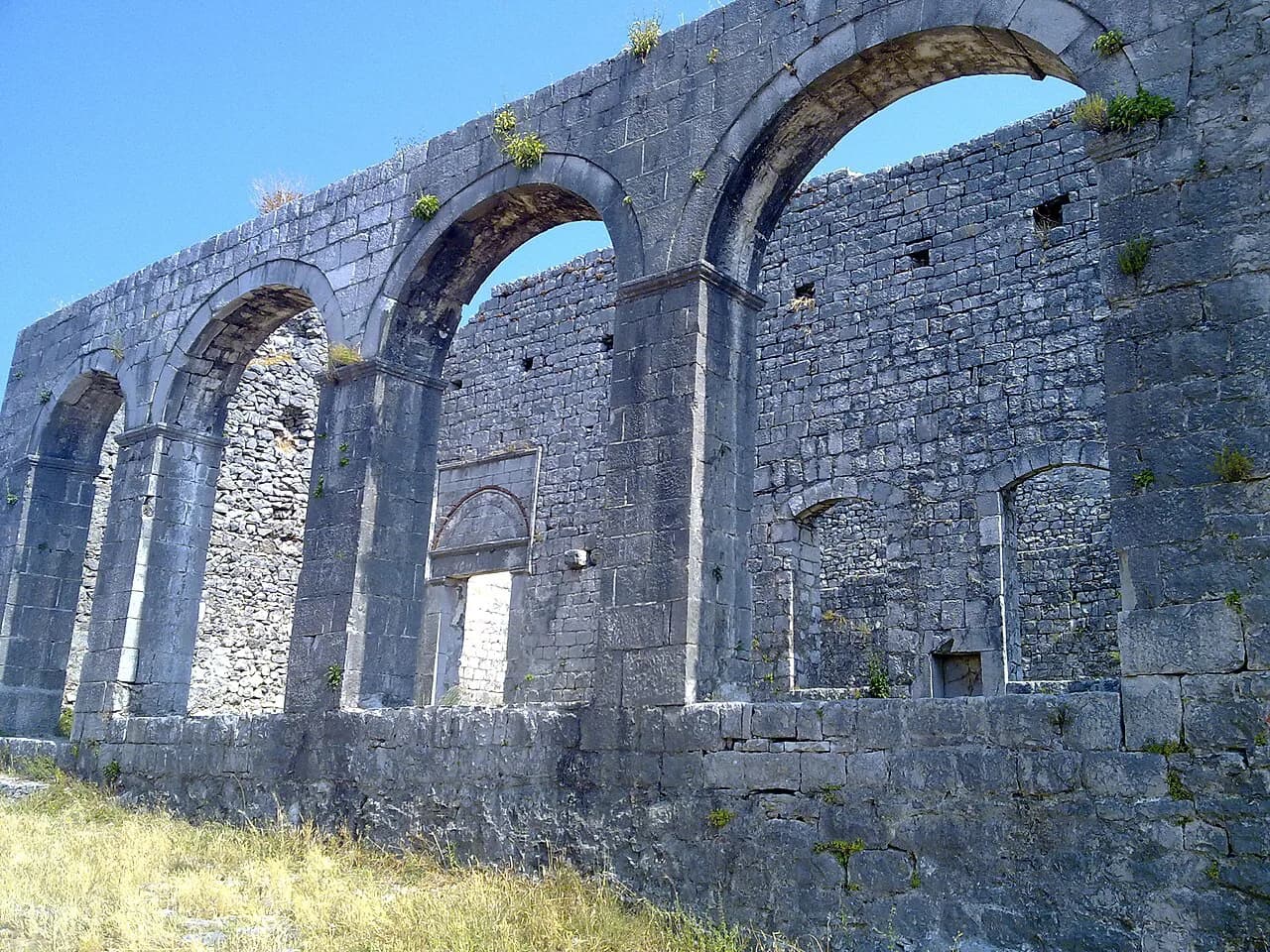
The castle you walk around today is the most direct way to picture that standoff: walls on a hill with the lake and plain spread below. The legend of Rozafa, a woman walled into the foundations, is a story attached to the site rather than an event, and it is told that way in local accounts. Read it as legend while you look at the masonry.
Ottoman Shkodër: the bazaar, the two-storey stone houses and the Bushati pashalik
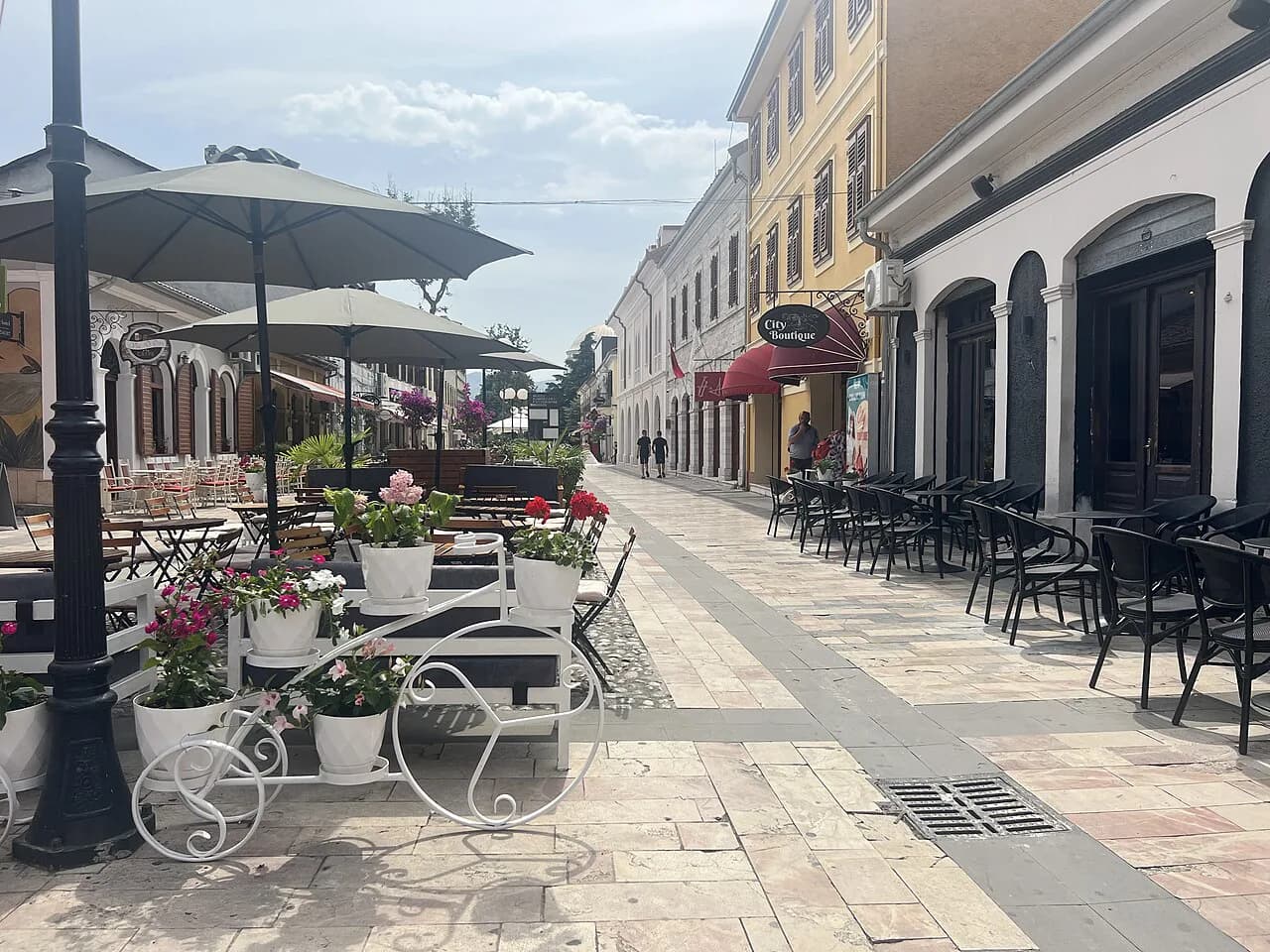
After the Ottoman conquest the city was devastated at first, then prospered from around the 17th century as the centre of a sanjak, an administrative unit below the level of a vilayet. Craftsmen produced fabric, silk, arms and silver, and two-storey stone houses went up alongside the bazaar. This is the period that shaped the look of the historic core you walk through now.
In the 18th century Shkodra became the centre of the pashalik of Shkodra under the Bushati family, who ruled from 1757 to 1831. After the pashalik fell, the city saw uprisings against Ottoman authority between the 1830s and 1860s. The Shkoder bazaar is the surviving commercial face of that long Ottoman century.
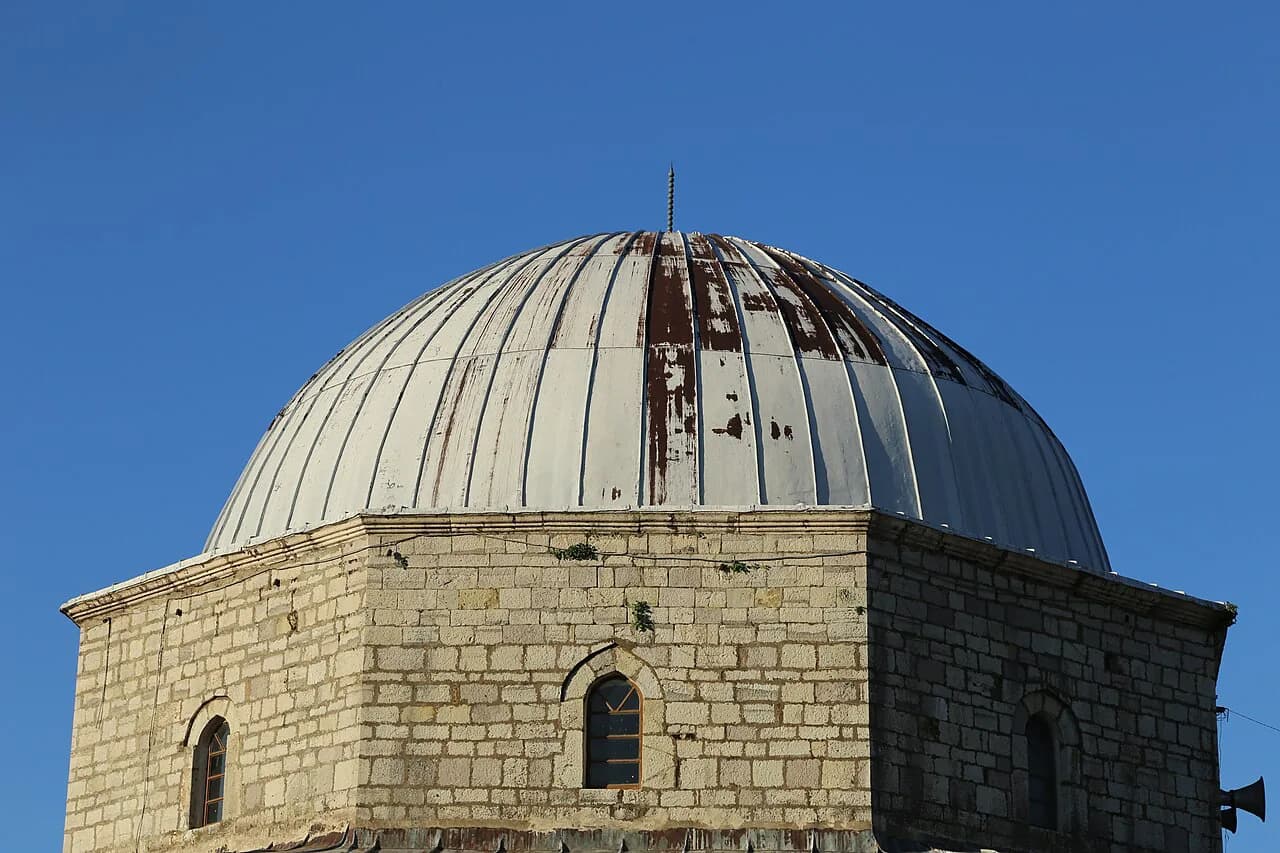
Walk the market streets in the morning, when the food trade is busiest, and you are following the same commercial footprint as the Ottoman çarshia. Some of the period's religious architecture is still in use, including the Lead Mosque, known in Albanian as Xhamia e Plumbit.
Mesi Bridge (Ura e Mesit) over the Kir: an 18th-century Ottoman engineering work still standing
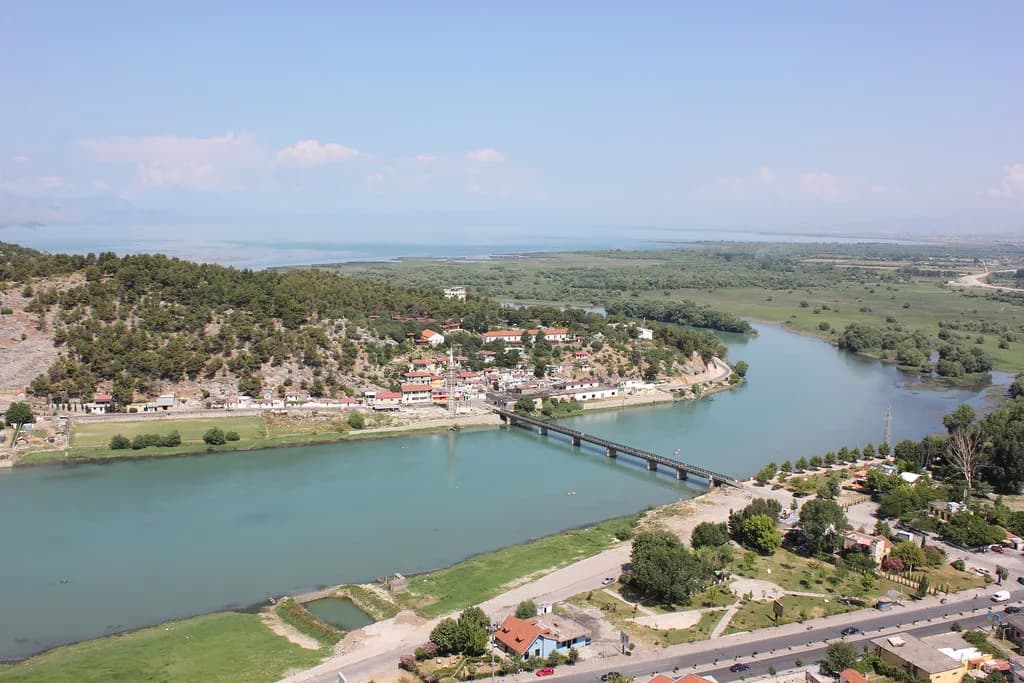
Mesi Bridge, Ura e Mesit, was built during the second half of the 18th century over the Kir river. It runs more than 100 metres on 13 stone arches, the largest 22 metres wide and 12 metres tall. It is the clearest piece of Ottoman infrastructure near the city, and it sits outside the centre.
Because it is beyond the walkable core, plan it as a bike ride or a short taxi hop rather than a stroll from Sheshi Demokracia. Shkodër is mostly flat apart from the castle hill, so cycling is the efficient way to reach the outer sights.
The 19th-century trading city: consulates, the Bushati Library, the first Albanian newspapers and the Marubi photographers
In the second half of the 19th century Shkodra was the centre of the vilayet of Shkodra and a trade hub for the wider Balkans, with more than 3,500 shops and goods including clothing, leather, tobacco and gunpowder. Foreign consulates had been opening in the city since 1718, and Obot, Ulqin and later Shëngjin served as its ports.
The Bushati Library, built during the 1840s, served as a centre for the Shkodra branch of the League of Prizren, and the first Albanian newspapers and publications printed in Albania came off a Shkodra press. The city also had literary and sports associations such as Bashkimi and Agimi. That press-and-club culture is the context for the museums in Shkoder today.
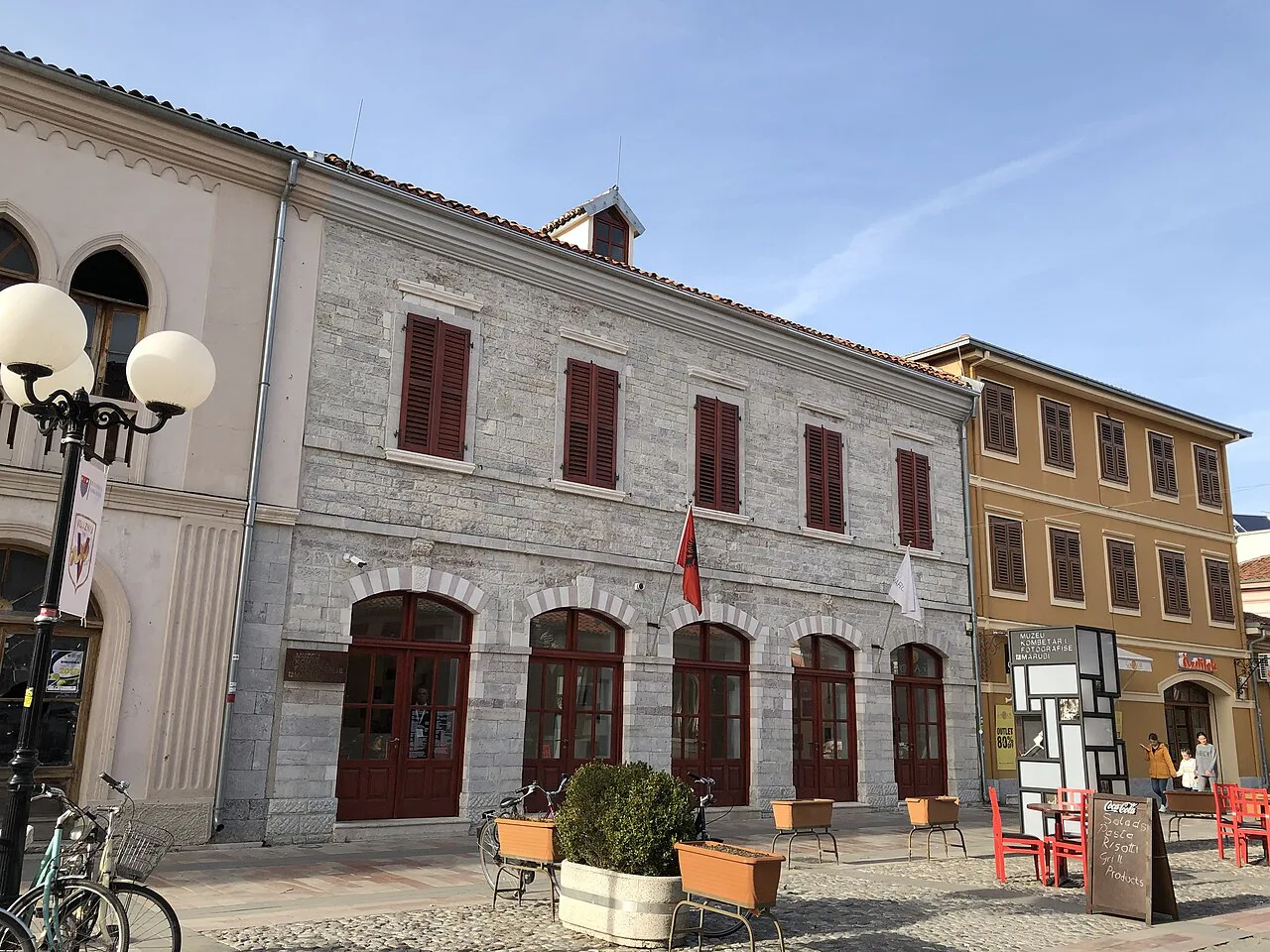
The Marubi family of photographers worked in Shkodra and left more than 150,000 negatives covering the Albanian liberation movement, the raising of the flag in Vlora and everyday town life at the turn of the 20th century. The Marubi National Museum of Photography holds that archive, and it is where to see the city's late Ottoman and early modern decades in images.
1913 and the London Conference settlement of Shkodër on Albania
During the Balkan Wars the city was sought by Montenegro and Serbia, and its people resisted a siege for seven months before the occupiers entered in April 1913 and damaged the town, burning the bazaar. Under the London Conference of Ambassadors the Serbian and Montenegrin armies were compelled to leave in May 1913, and the conference allotted Shkodra to the new state of Albania. Montenegrin forces entered again in 1915, and Austria-Hungary took the city in January 1916.
This is why the bazaar you see today is a rebuilt commercial district rather than an unbroken Ottoman street, and it is the moment the city's story becomes national rather than regional. For a route that keeps the sequence straight, this Shkodër Walking Tour covers the core stops in order.
Where to see this history today: Rozafa Castle, the Marubi National Museum of Photography, the Lead Mosque and the Cathedral
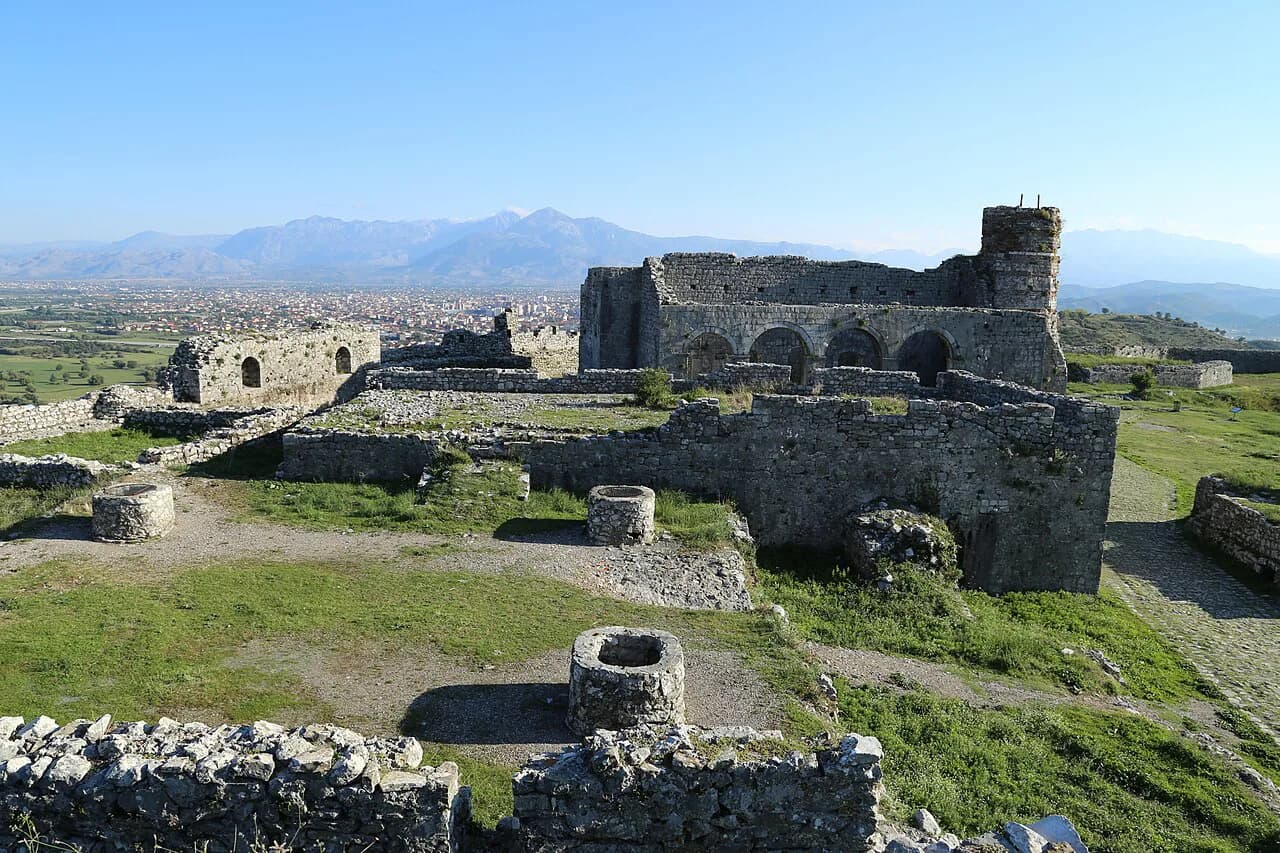
Rozafa Castle is the anchor: a large walled ruin on the hill with views over the city, the lake and the mountains, roughly 3km from the centre. Give it the most time of any single site. The Historical Museum, housed in a 19th-century building, covers the arc from antiquity forward through costume, household objects and religious artefacts if you want the narrative in one place.
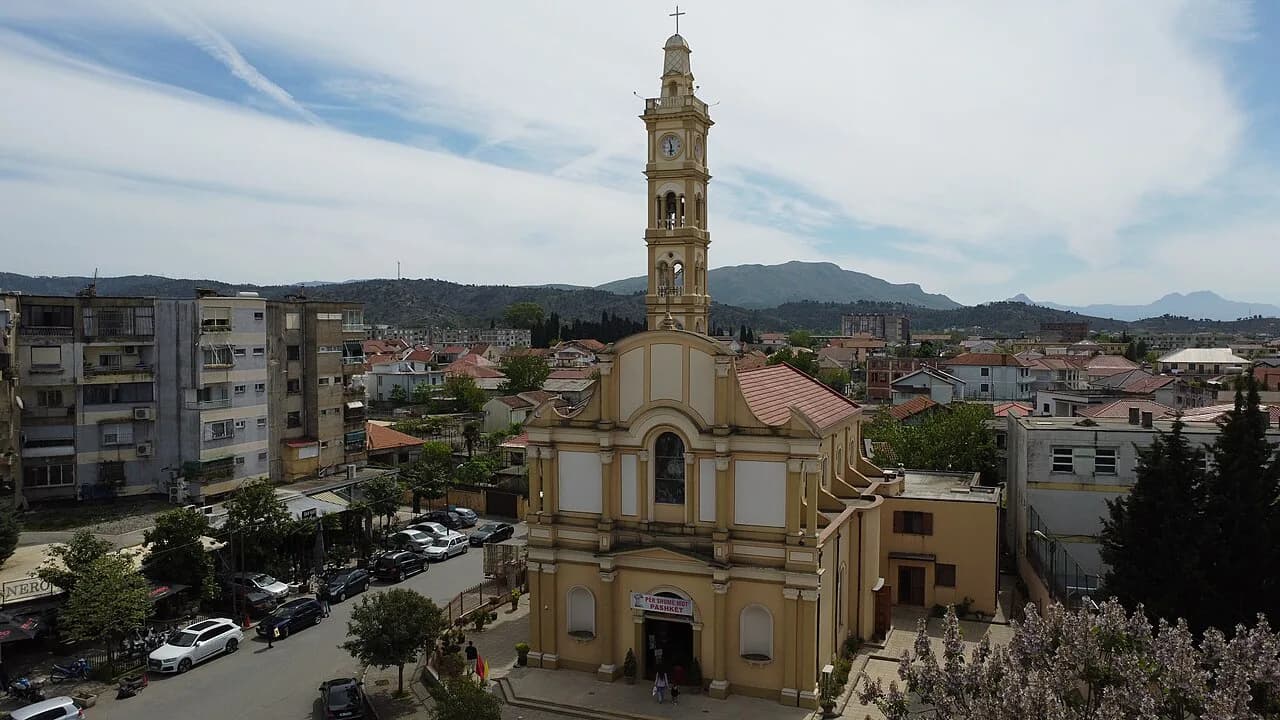
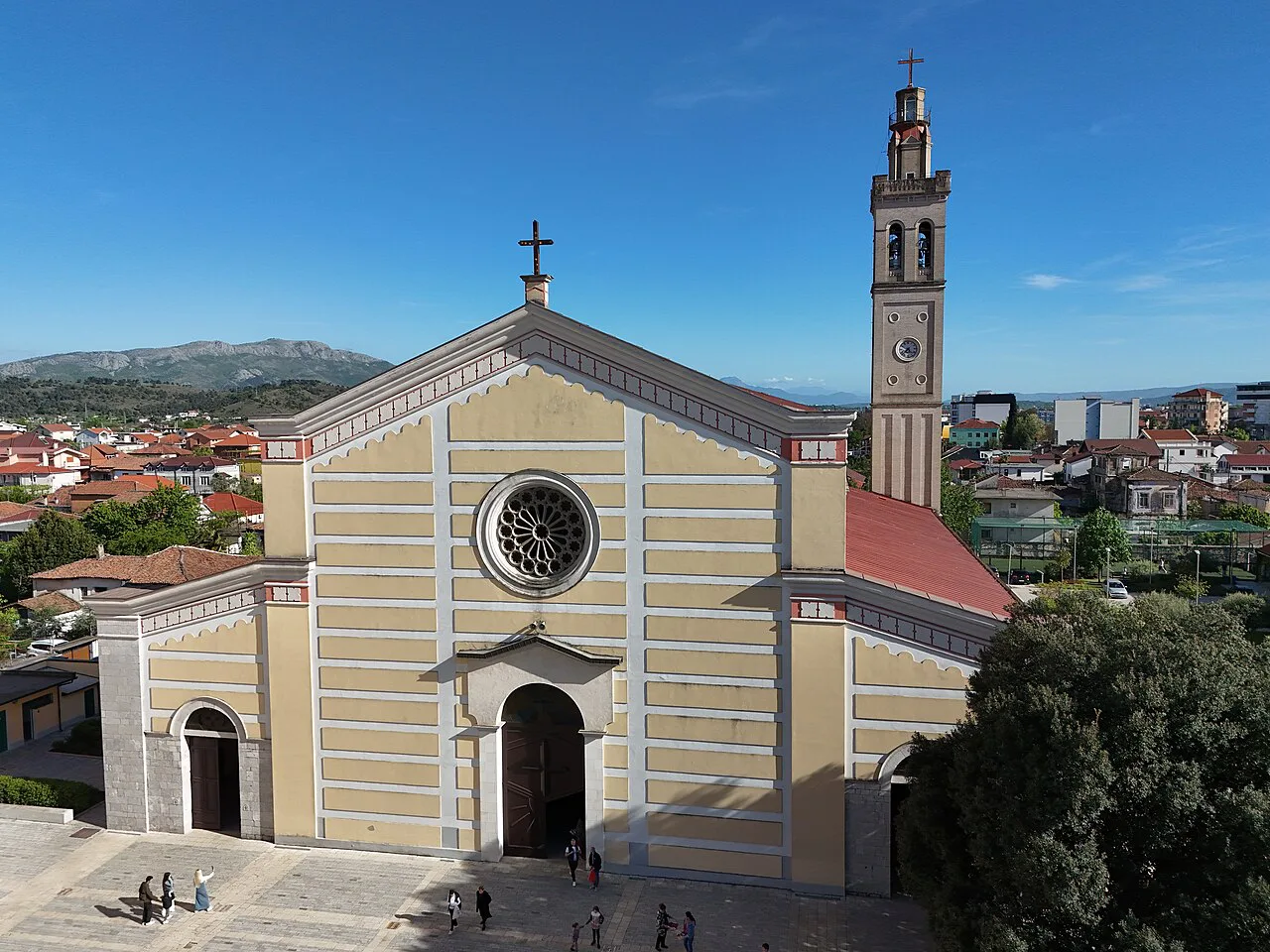
For the 19th and early 20th centuries, the Marubi archive does the work that panels cannot, and the Photography Museum is described as the only one of its kind in Albania. The Lead Mosque is open to visitors outside prayer times, and Shkodër Cathedral, the Catholic Cathedral of St. Stephen, represents the city's Catholic strand. Dress modestly at both.
Shkodër has Catholic, Orthodox and Muslim communities, and the religious buildings sit close enough together to visit on one loop. Other mosques in the city are worth adding if you are tracing the Ottoman layer through architecture rather than objects.
How long the sites take and how to link them: the castle 3km from the centre, the flat centre on foot or by bike
A busy day covers the castle, the centre and one museum; two days lets you add Mesi Bridge and the lake shore without rushing. The centre itself is compact and flat, but the castle and outer sites are a bit far for walking. Bikes solve most of the problem, and taxis are a reasonable fallback.
Buses and minibuses run at least hourly from Tirana to Shkodër, departing from the capital's northern bus station and arriving at Sheshi Demokracia in the centre. The journey takes around two hours and the ticket should cost around 400 lek, as a rough figure rather than a timetable. Direct buses also run from Ulcinj and Podgorica, though schedules are not dependable, so confirm before relying on one.
Practical limits: the castle hill is the one real climb, the outer sites need wheels or a taxi
The castle hill is the only serious ascent in an otherwise level city, so build in time for it and go early in hot weather. The climb is short but steep enough to matter, and everything else in the centre is gentle walking.
Mesi Bridge and the lake shore sit outside comfortable walking range, so plan them for a bike, a taxi or a car. Shkodër is often used as a staging point for the Albanian Alps or the Montenegro border, only 10km from the centre, which squeezes time in the city itself. If history is your reason for stopping, give Shkodër a full day rather than an afternoon.
Travelling on to Lake Shkodra or the Albanian Alps: what the history reading adds
Lake Shkodra spans the Albania–Montenegro border and is known for its birdlife, with more than 280 species recorded, so a lake day is a natural companion to the city's past. Knowing the Ottoman trade routes and the 1913 settlement makes the shoreline and the border zone legible rather than just scenery.
Routes onward to Theth and Valbona run through this northern landscape, and many travellers treat Shkodër as the gateway rather than a destination. Doing the castle and the Marubi archive first gives the mountains a historical frame. Confirm museum opening days and any entry charges directly before relying on them, as arrangements change with the season.
Which historical site to see first in Shkodër
Start at Rozafa Castle, then walk down into the old town for the bazaar and finish with the Marubi archive; that order follows the chronology and saves the museum for when you want to sit down. Add Mesi Bridge and the lake only if you have wheels or a second day.
Confirm opening days and any entry charges with the castle and museums directly before you set out, as these change with the season. Beyond that, the city rewards a slow look: the walls, the market streets and the photographs carry the story without a guidebook in hand.
Frequently Asked Questions
How old is Shkodra?
Shkodra was founded around the 4th century BC as Scodra, on the hills around Rozafa Castle, and was the centre of the Illyrian Labeat tribe. It became the capital of the Illyrian kingdom under King Gent before Rome took it in 168 BC. That makes the castle hill the place to start if you want the city's earliest layer.
What should I see first in Shkodër if I only have a day?
Rozafa Castle first, then the bazaar and one museum, ideally the Marubi National Museum of Photography for the 19th- and 20th-century story. The castle is about 3km from the centre and the rest of the core is flat and walkable. Leave Mesi Bridge for a day when you have a bike, car or taxi.
Sources
Notes for your Albania trip
Optional updates to our Albania town guides.
You might also like
Continue reading
More guides you'll find useful