Shkodër Bazaar: What to See in the Old Bazaar Quarter
A guide to the Shkodër Bazaar, the restored Ottoman-era market quarter, with stone buildings, artisan workshops and cafés, and how it fits a day in the city.
On this page
The Shkodër Bazaar is a restored quarter of 18th and 19th-century Ottoman-era stone buildings, now filled with artisan workshops and cafés, and it deserves about two hours on foot. This guide covers what the district is, how it sits within the old town centre, what to look for as you walk and how to fit it around Rozafa Castle and the museums. The two-hour figure is a published visit estimate for the neighbourhood, not official opening hours.
What the Shkodër Bazaar is
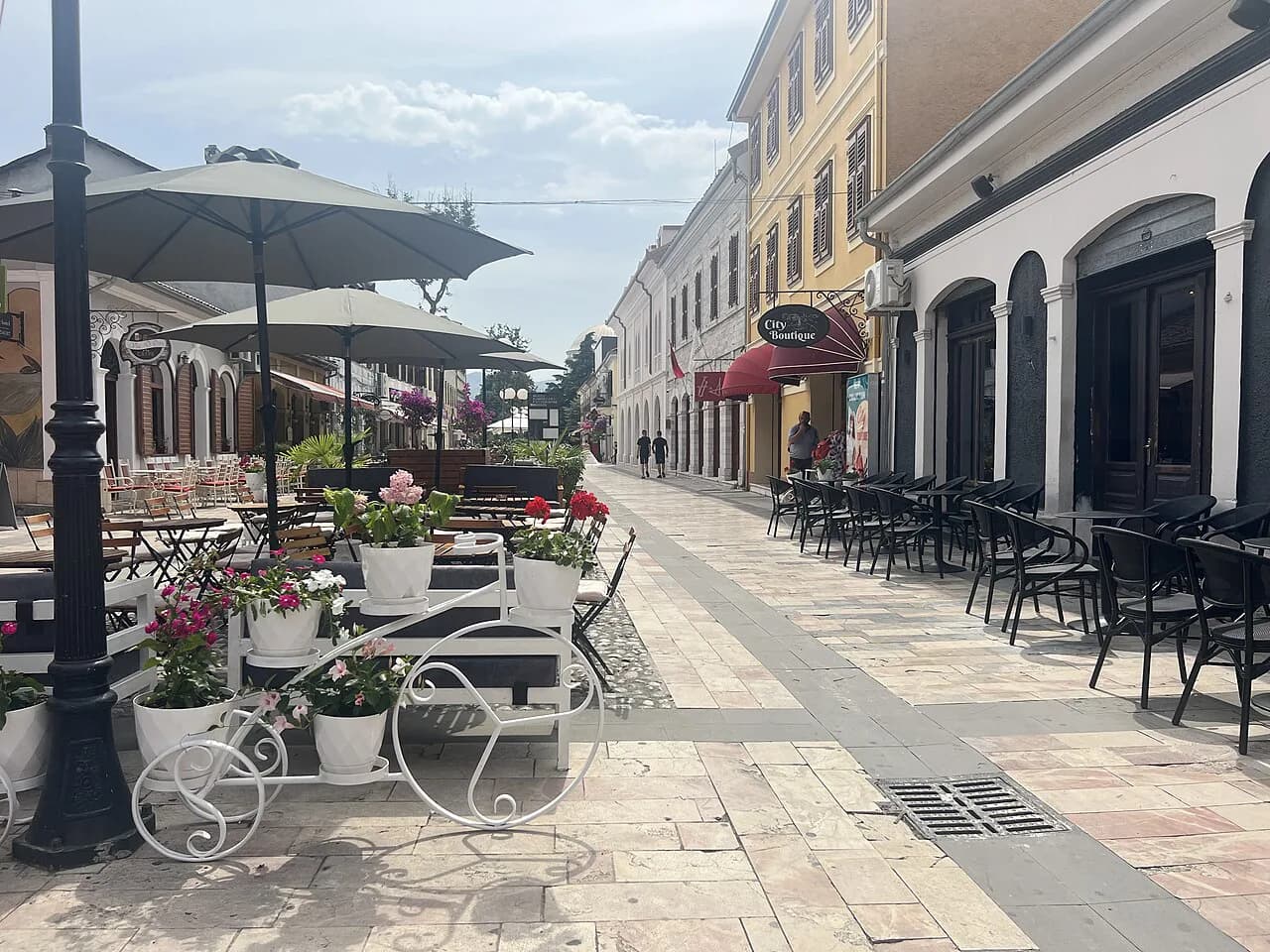
The bazaar, also called the Grand Bazaar or the Old Bazaar, was the commercial and civic heart of Shkodër for centuries. The quarter you walk today is a restored district built around 18th and 19th-century Ottoman-era stone buildings, with craft workshops and cafés working out of the old shopfronts. Treat it as a district to wander rather than a single sight with a gate.
A published guide puts the bazaar at two hours, which is a sensible allowance for the streets, a workshop stop and a coffee. Shorter visits work if you are only crossing it on the way to the pedestrian street. Longer ones make sense if you want to look properly at the stone facades and timber detail.
Where it sits in Shkodër
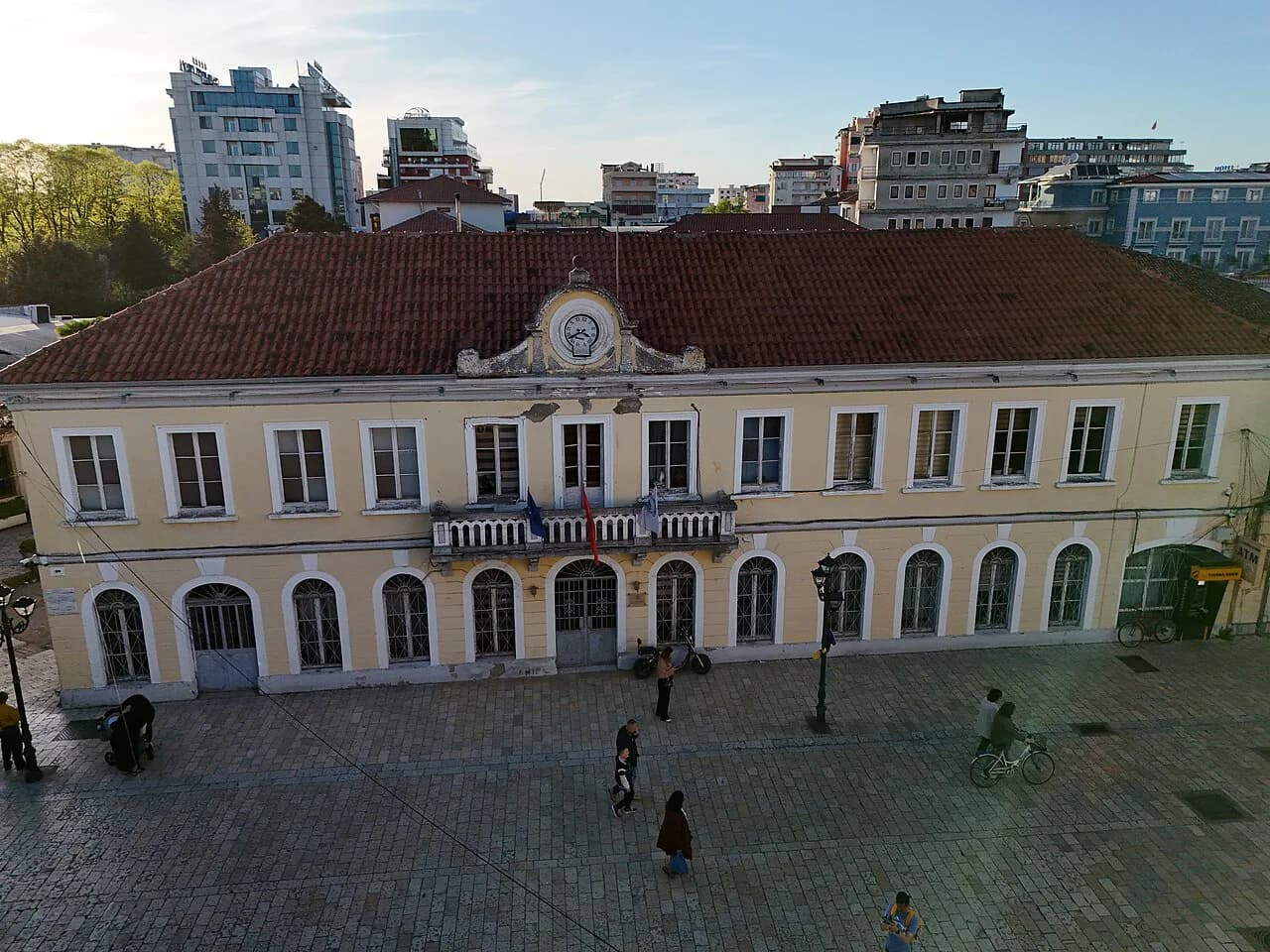
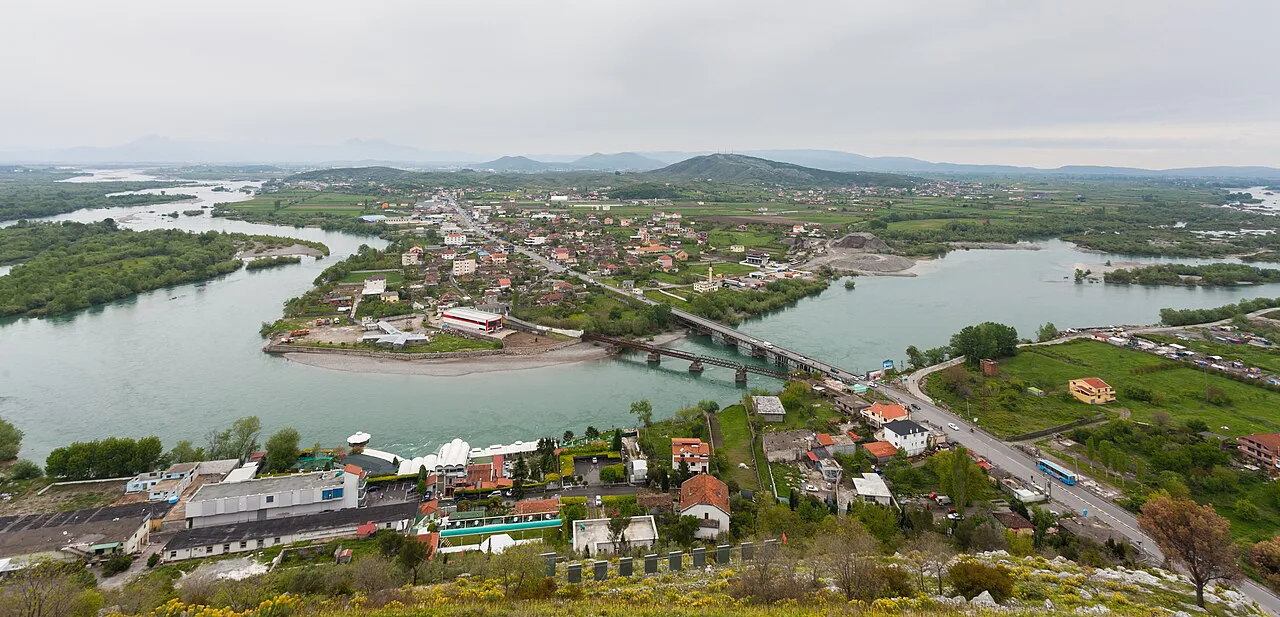
The bazaar belongs to the compact old town centre, the same walkable core that holds the historic squares, small galleries and traditional houses. Rruga Kolë Idromeno, the pedestrian spine known locally as the pedonale, runs from Rruga G'juhadol to the City Hall and is the easiest line to navigate by. The bazaar streets sit within this centre, so you can reach them on foot from the pedestrian street rather than planning a separate trip.
Shkodër's architecture layers Ottoman mosques and balconied houses with Venetian stonework and Albanian vernacular buildings, which is why the bazaar's shopfronts repay a slow look. If the building styles interest you, the wider old town carries the same mix over a larger area.
How much time the bazaar needs
Two hours covers the main lanes, a look at the craft workshops and a pause in one of the cafés. That is the figure given for the neighbourhood, so plan the rest of your day around it rather than treating it as a full morning. Add time if you stop to shop for handmade souvenirs or textiles.
The museums and castle nearby each carry their own short timings: an hour for the Marubi National Museum of Photography, an hour for the Historical Museum of Shkodra and roughly an hour and a half for Rozafa Castle. Stacking all three with the bazaar makes a full day, so choose two if you also want an unhurried lunch.
What to look for as you walk
Look up at the carved wooden balconies and coloured shutters above the shopfronts, and down at the stone thresholds worn by generations of trade. The district's Ottoman-era stone buildings are the reason the bazaar reads as a quarter rather than a shopping street. Side alleys off the main lanes are where you find old facades, courtyards and everyday street life.
The traditional markets, Rus and Zdralle, are the places for fresh produce, and a local guide suggests going in the morning between 8am and 1pm while stock is best. Shops and market stalls thin out during zheg, the Shkodran midday rest that a local operator places at roughly 2pm to 5pm, when many businesses close and the streets empty. Plan the bazaar for the morning or late afternoon and the siesta hours for a museum or a nap.
Pairing the bazaar with nearby sights
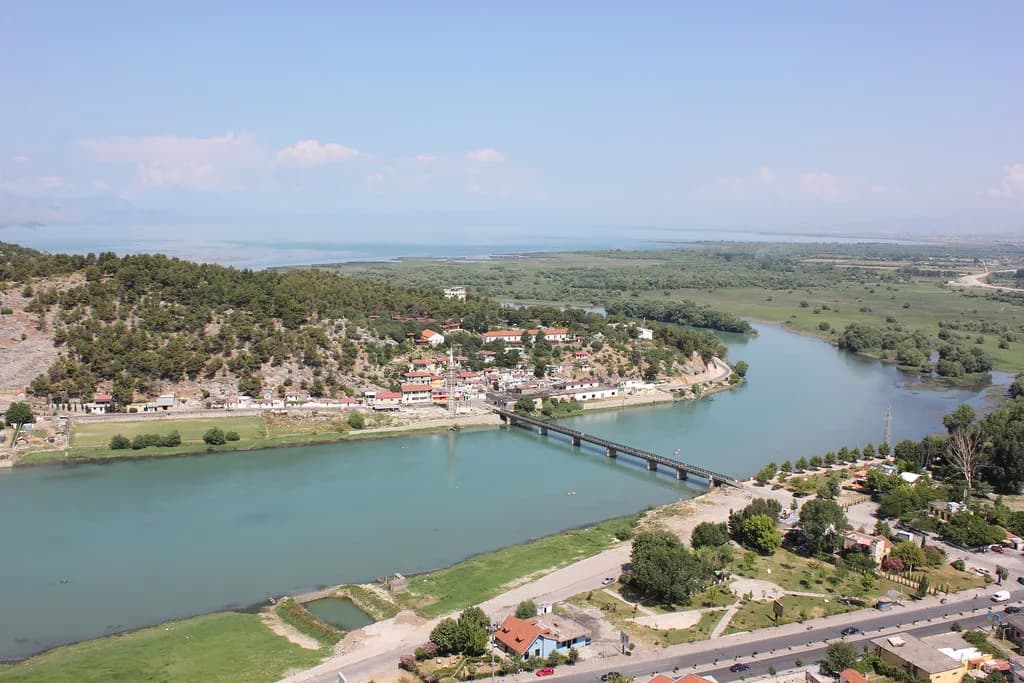
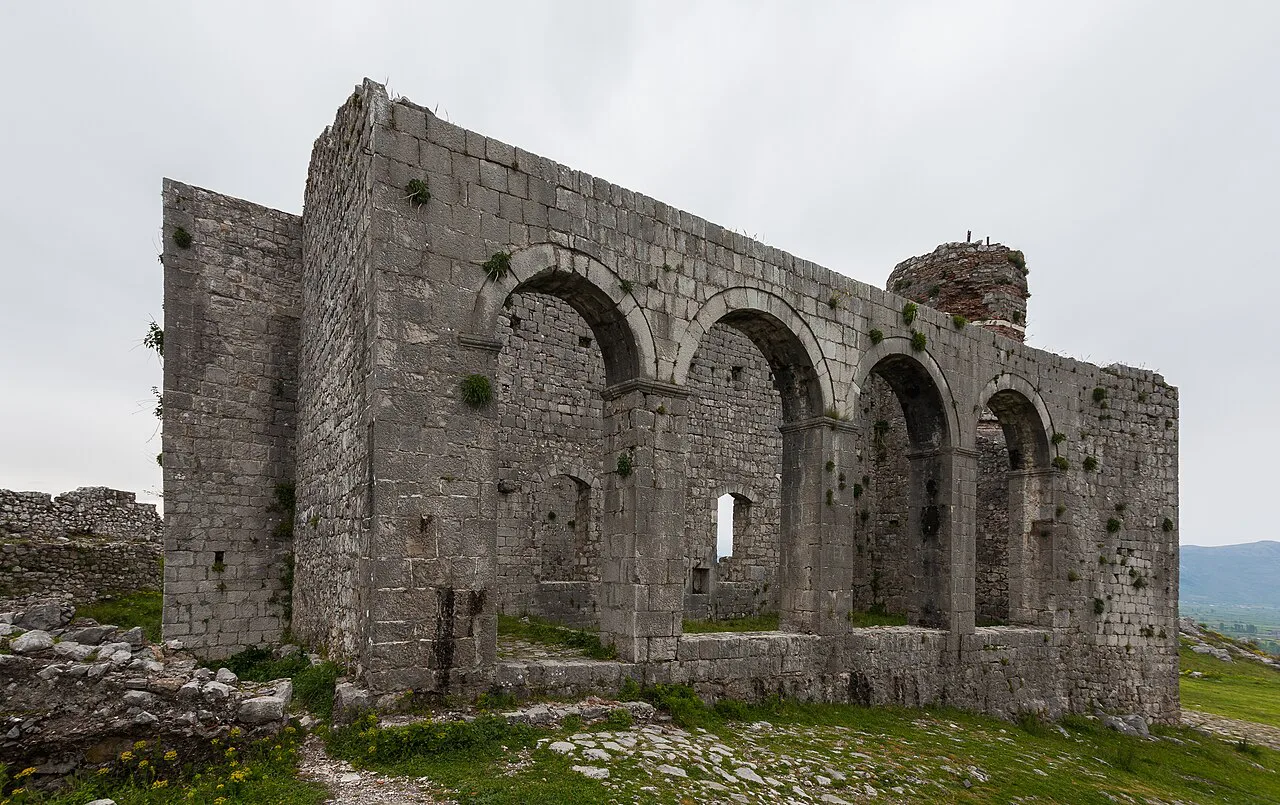
Rozafa Castle sits on the hill above the city and looks over the meeting point of three rivers, giving you the wide view back across the bazaar and the lake. A city guide allows about an hour and a half for the three courtyards and ramparts, which makes it a half-day partner to a morning in the bazaar rather than an add-on. Walk up early or late to avoid the hottest part of the day.
The Historical Museum of Shkodra occupies a 19th-century merchant house with a walled courtyard, and its rooms are small with sparse English labelling, so the building itself rewards a slow walk. The Marubi National Museum of Photography is compact and air-conditioned, an easy indoor hour that pairs well with the castle. The Site of Witness and Memory is five minutes on foot from Marubi and takes about half an hour.
If you want the craft and market heritage put in order before you walk, a guided walk through the Shkodër Old Town covers the architecture and the hidden corners. The Shkodër Walking Tour guide sets out the route through the same streets. If you prefer an operator-led tour, check what each one includes before booking.
A practical rhythm for the day
Start with the morning markets, move into the bazaar lanes while the workshops are working, and eat lunch before the zheg lull. A local guide places the quiet hours at roughly 2pm to 5pm, when shops close and the streets clear, so use them for a museum or a rest. Then come back out for the evening xhiro, the traditional stroll that fills Rruga Kolë Idromeno after sundown.
Bikes are everywhere in Shkodër and a ride through the city or out to the lake shows you corners you would miss on foot. Traffic shares the road with pedestrians and cyclists, so keep your eyes open in the busier streets. Cycling suits the flat run between the bazaar, the pedonale and the lake edge better than the climb to the castle.
Getting there and getting around
The bazaar is walkable from the pedestrian street and the centre, so most visitors need no transport to reach it. Central parking is easier on foot, and you will want to leave the car once you are in the old town core. From the centre you can also reach Rozafa Castle and the museums on foot, though the castle involves a climb.
For the lake at Shirokë and Zogaj, a local bus leaves from in front of Hotel Rozafa a few times a day, but times change, so ask at your accommodation before you rely on one. The 18th-century Ottoman Mes Bridge is another short excursion from the city if you have a car or a lift.
Dress and behaviour in the bazaar and nearby religious sites
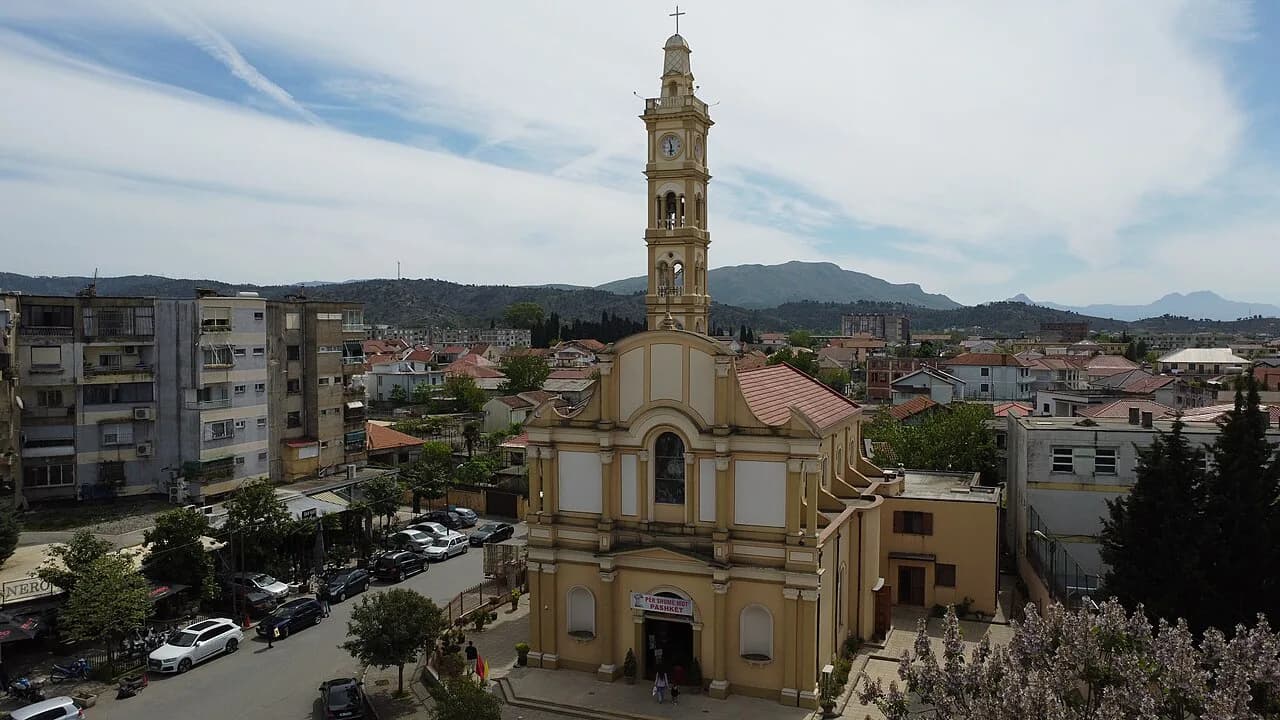
Shkodër has a mosque, an Orthodox church and a Catholic cathedral within the city, and some were repurposed or demolished during the communist period, with the cathedral once used as a gym. When you visit any of them, dress modestly and cover shoulders and knees, and keep quiet in prayer areas. The same courtesy applies in the bazaar's cafés, which are working places as much as tourist stops.
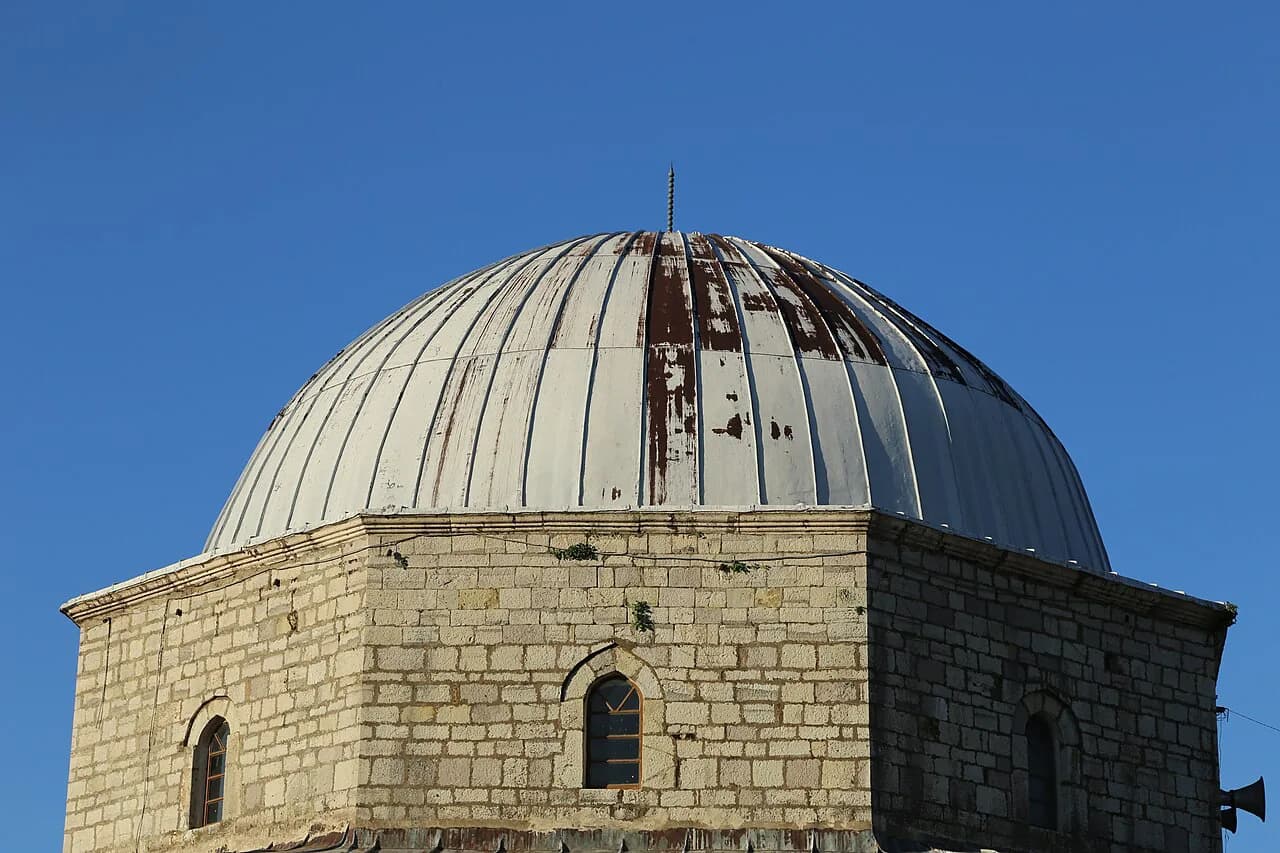
If religious architecture is a priority, the city's mosques are the natural next stop after the bazaar lanes. Remember that Albania uses the lek, so carry some cash for small purchases in the workshops.
Should the bazaar be your first stop?
Make the bazaar your first morning stop if you want the workshops and markets at their liveliest, then move on to the castle or a museum before the afternoon lull. If you arrive late, flip the order: museums first, then the bazaar and the rest of Shkodër Old Town in the softer evening light. Either way, two hours in the bazaar is the right allowance, and the walk itself carries the visit, since English labelling in the city's small museums is sparse.
Explore more Shkoder guides
Frequently Asked Questions
What is the Shkodër Bazaar?
It is a restored district of 18th and 19th-century Ottoman-era stone buildings in the centre of Shkodër, now used by artisan workshops and cafés. It was the city's commercial and civic hub for centuries and is also called the Grand Bazaar or the Old Bazaar.
How long should I spend in the Shkodër Bazaar?
Allow about two hours to walk the lanes, look at the workshops and stop for a coffee. That is the timing a city guide gives for the neighbourhood, so you can comfortably pair it with one museum or the castle on the same day.
When are the bazaar and city markets quiet?
Shopping and market activity is best in the morning, with a local guide suggesting roughly 8am to 1pm for fresh produce. Shops tend to close for the zheg rest in the early afternoon, when the streets empty, so plan a museum or a break for those hours and return for the evening stroll.
Sources
Notes for your Albania trip
Optional updates to our Albania town guides.
You might also like
Continue reading
More guides you'll find useful