Museums in Shkodër: What Each One Holds and Who It Suits
Museums in Shkodër, from the Marubi photography archive to the Site of Witness and Memory and the Oso Kuka House. What each holds and who it suits.
On this page
Shkodër's museums are small enough to combine, and the sensible split is by subject rather than by size. Photography, city history, communist-era remembrance and Catholic heritage each have their own building in the centre, so you can pick two or three that match your interests instead of working through a list. This guide covers what each one holds and how they fit into a day.
Most of them sit within a short walk of each other in the centre, which is why a single morning or afternoon is realistic. Opening times and ticket prices change, so confirm them directly with each museum before setting out.
Which museum suits which visitor
If you have time for one, the Marubi National Museum of Photography is the pick for anyone interested in images and how a city looked. Choose the Historical Museum of Shkodra if you want the broad picture of the city's archaeology and everyday life, and the Site of Witness and Memory if you want to understand the communist period in Shkodër. The Diocesan Museum Shkodër–Pult covers the Catholic heritage of the archdiocese and rewards anyone with an interest in religious art and objects.
Plan around one anchor museum and let the others fill the gaps, rather than trying to see everything. The distances are short but the collections are dense, and an hour in each of three museums is a fuller day than a hurried pass through five.
Marubi National Museum of Photography
The Marubi museum exists to preserve and promote the photographic archive built up by the Marubi Dynasty and by other photographers in Shkodër. What you see is that archive: portraits of ordinary people, studio set-ups and documentary images of the region. It is a calm, contemplative stop rather than a large national collection, and the storytelling is carried by the photographs themselves.
Give it time if you like portrait photography, because the interest lies in faces and details rather than in spectacle. Travellers who prefer context panels and objects may find the Historical Museum a better use of an hour.
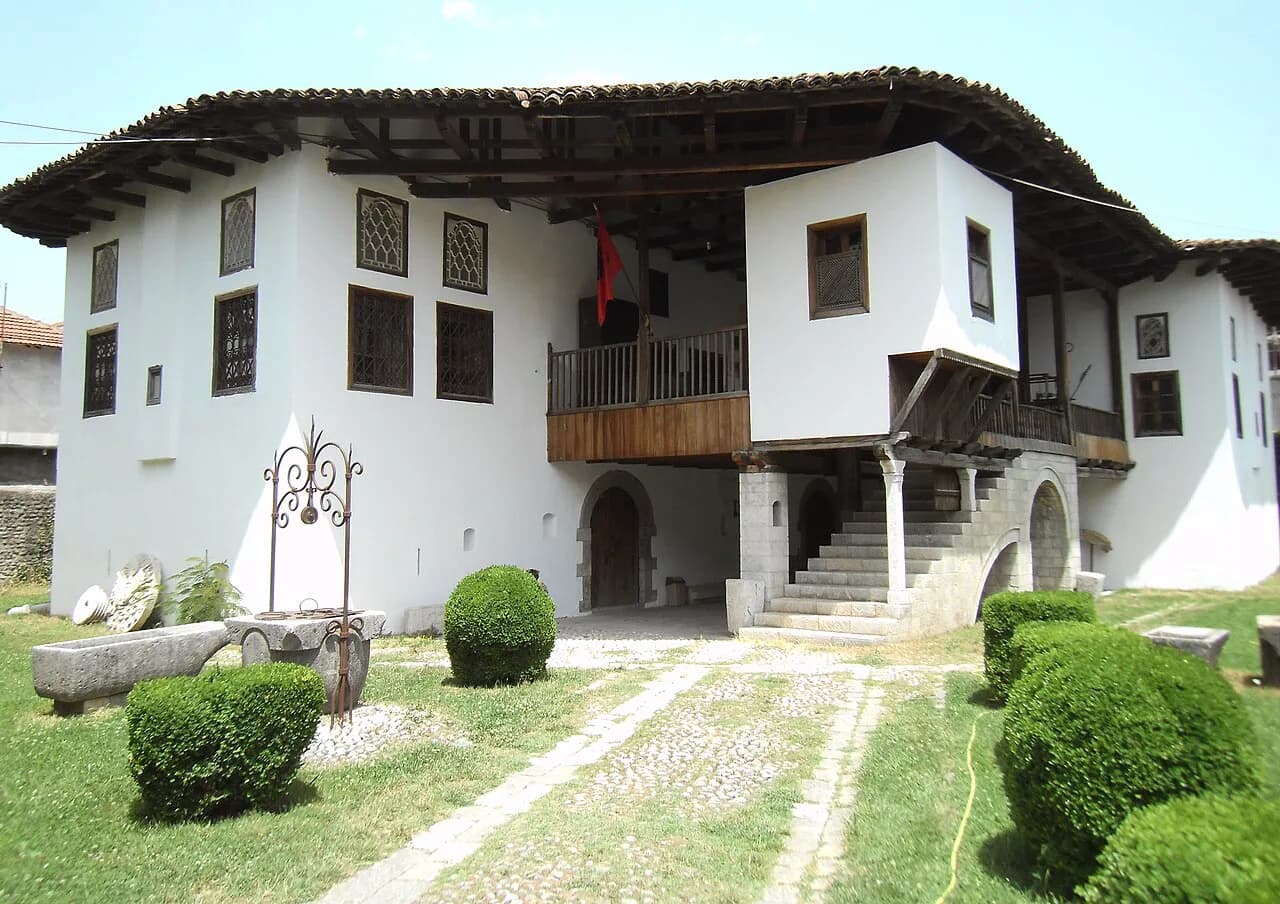
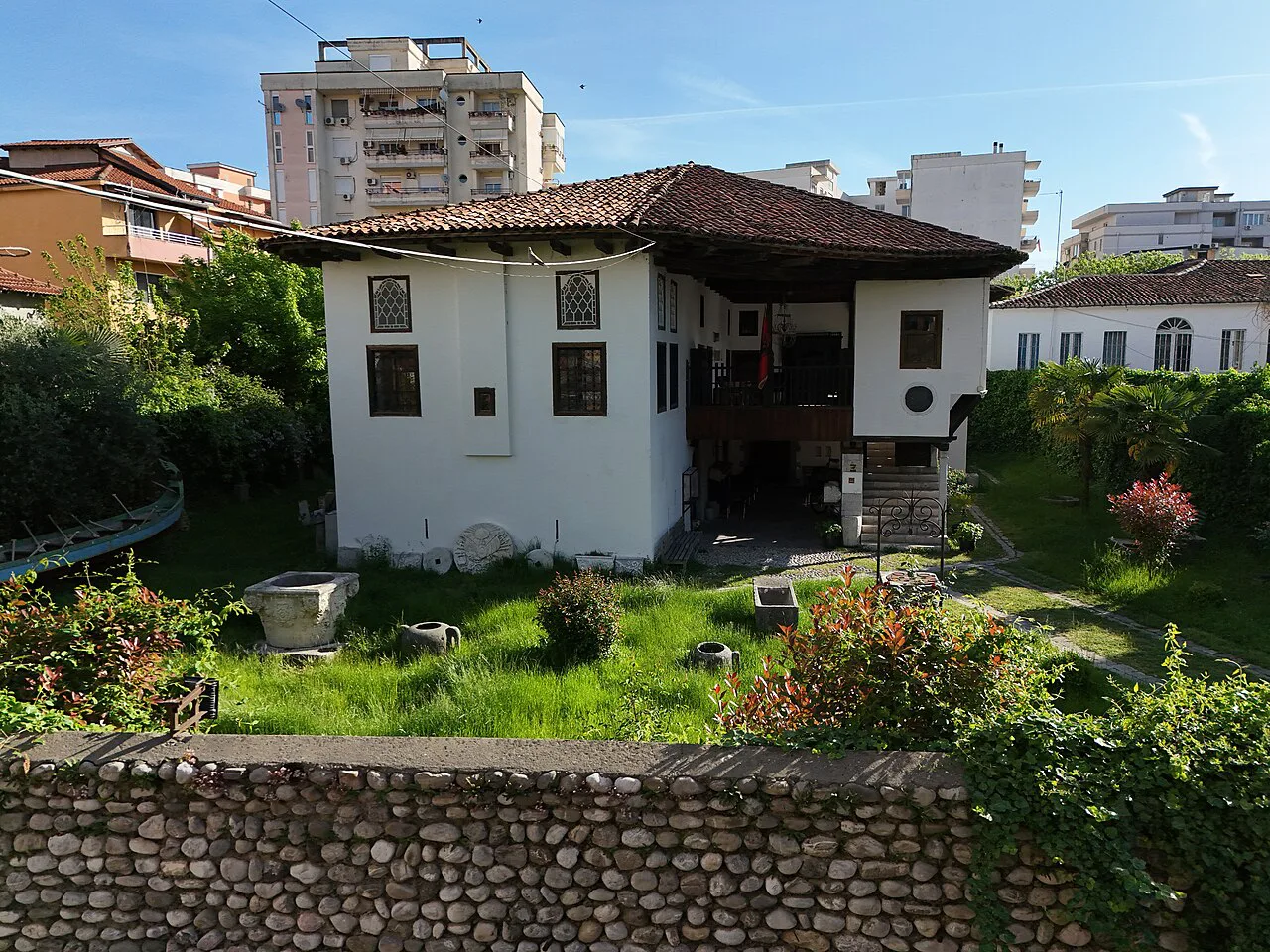
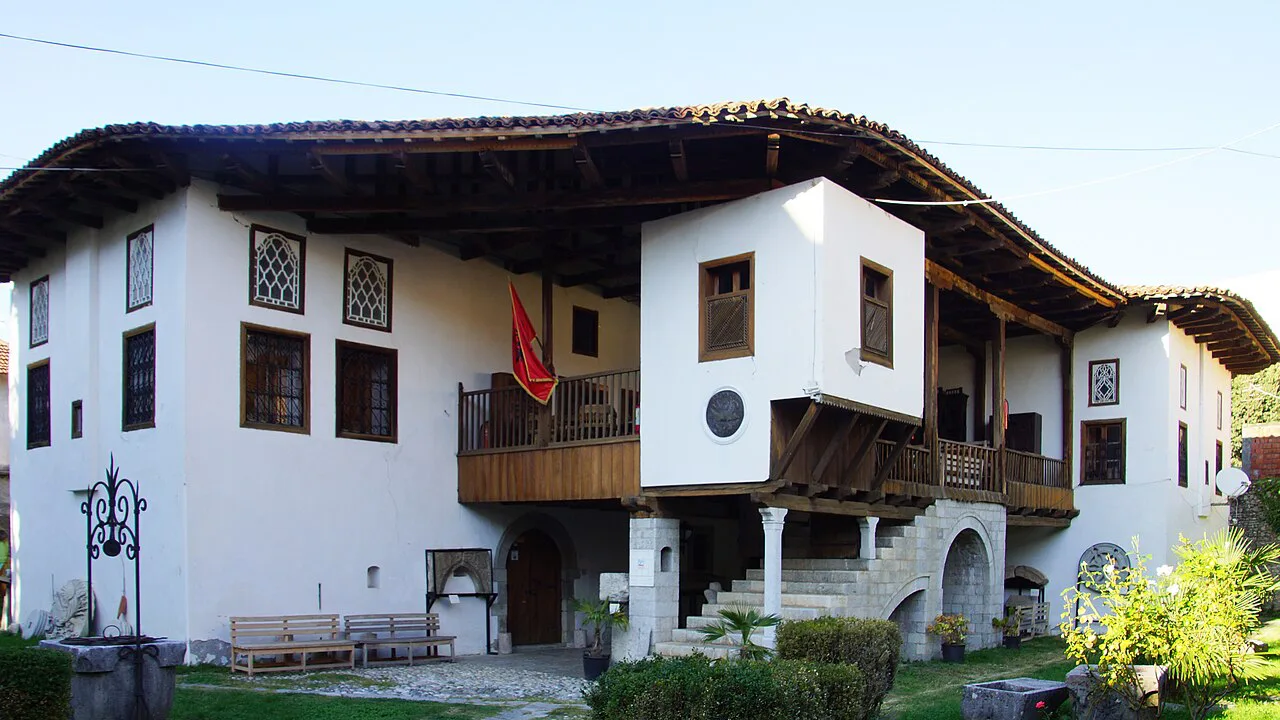
Historical Museum of Shkodra in the Oso Kuka House
The Historical Museum is one of Albania's older cultural institutions: it was organised from 1947 as the People's Museum and took its full form in 1949, and in 1996 it moved into the restored Oso Kuka House, a traditional Shkodran building where it remains. The house is part of the visit, with traditional architecture and original building elements, so allow a few minutes for the building itself and not just the display cases.
Inside, the collection runs across archaeology, ethnography, visual arts and a library, with finds, traditional clothing, old weapons, handicrafts and everyday objects tracing the city's development. That range makes it the best single stop for a first-time visitor who wants the city explained rather than a single theme explored.
Site of Witness and Memory
The Site of Witness and Memory is Albania's first site of remembrance dedicated to the victims of the communist regime in Shkodër. It is a memorial rather than a conventional museum, and you should approach it as such: quiet, factual and focused on people rather than objects.
Pair it with the Historical Museum if you want the city's broader story, and take the memorial on its own terms rather than as a quick photo stop. It is also listed among the city's museums by the local tourism association.
Diocesan Museum Shkodër–Pult
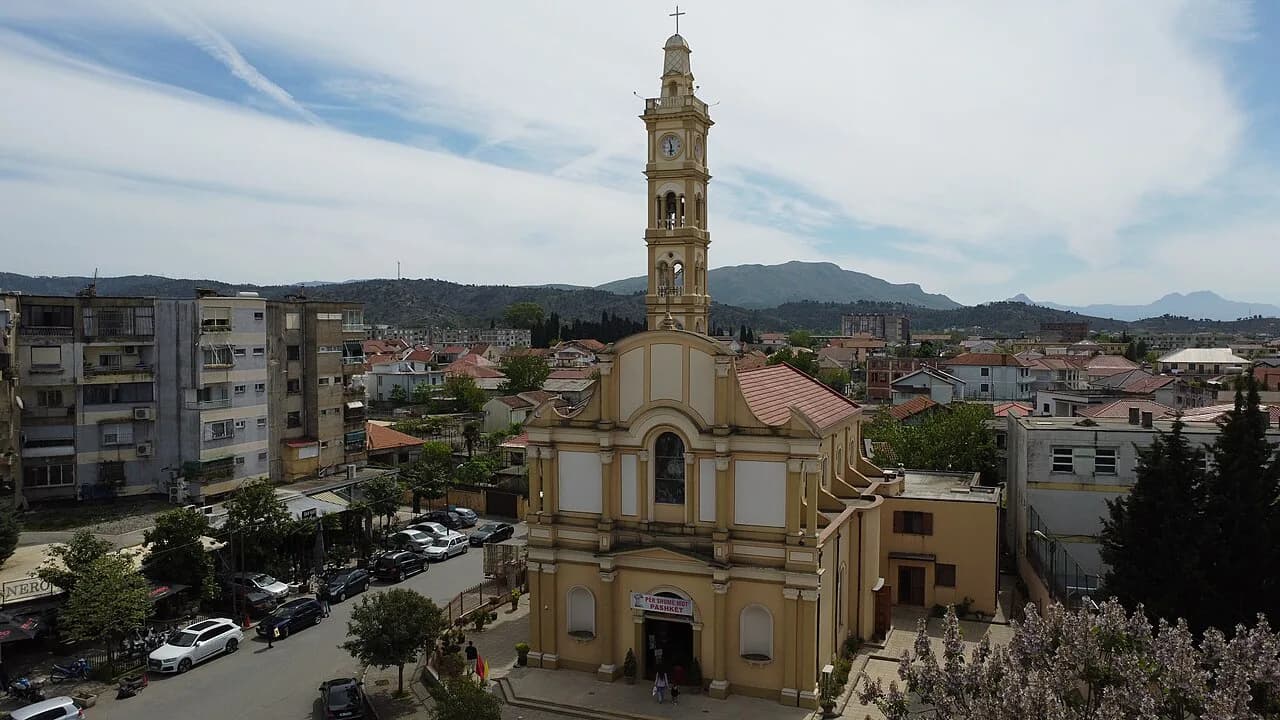
The Diocesan Museum Shkodër–Pult collects and displays heritage tied to the religion and culture of the Archdiocese of Shkodër-Pult. Its purpose is to preserve and make available objects relating to the Catholic tradition of the territory, which makes it the natural stop for anyone following the city's church heritage.
Visit it alongside the cathedral if religious architecture is your interest, and check the museum's own entry arrangements before you go. The collection suits a slower, smaller-scale visit of the kind that fills half an hour well.
Venice Art Mask Factory
The Venice Art Mask Factory is a different kind of stop from the city's historical museums: it appears on local museum listings and on traveller review pages as a working mask workshop. It suits anyone who wants to see craft made by hand and a break from historical displays, and it is less useful if you are short of time and want the city's history covered.
Treat it as a separate outing rather than part of a central walking loop, and confirm its visiting arrangements directly because a workshop's hours differ from a museum's.
Smaller stops: Ndre Mjeda Museum and the Castle Museum
Two further names round out the list: the Ndre Mjeda Museum and the Castle Museum, both listed on the local museum page. Neither appears in the central route below, so slot them in only if you have a specific interest or a second day in the city.
The most straightforward approach is to ask at your first museum of the day about the others, since small museums in Shkodër are often run with limited staffing.
Walking the museums in order
A suggested city-tour sequence starts in front of the Municipality of Shkodra on 13 Dhjetori street, where the monuments to Gjergj Fishta, Hasan Riza Pasha, the victims of communism and the democracy heroes stand. From there it continues to the Historical Museum, then the Marubi museum, then the Site of Witness and Memory, and finishes at the Diocesan Museum. The route is described for walking or cycling, and it makes a sensible order for a single day.
Walking between them also takes you past the Monument of Saint Mother Teresa on the way to the Site of Witness and Memory, and through streets worth a detour in their own right. If you would rather have the city's layout explained first, take a walking tour before starting the museums.
How long to allow and how to order the day
Two museums make a comfortable morning and three fill an afternoon; the central cluster is compact enough that you lose little time moving between them. Start with the Historical Museum for context, then the Marubi archive, and end at the memorial when you want quiet.
Keep one museum as an optional extra rather than booking the day tight. If a collection holds your attention longer than expected, drop the last stop instead of rushing the Site of Witness and Memory, which does not reward haste.
Checking hours, tickets and closures
Shkodër's museums publish their opening times and ticket prices individually, and the official tourism site carries entries for the main institutions. Check the museum's own page the day before you go, particularly outside the summer months, when hours can shorten.
For the smaller stops, a phone call or a question at the door of a larger museum is the quickest way to confirm whether they are receiving visitors that week.
Pick your anchor museum and walk from there
Choose one museum to anchor your day, add a second that contrasts with it, and leave the rest for another visit. The Historical Museum plus the Site of Witness and Memory gives you the city's story and its hardest chapter; the Marubi museum plus the Diocesan Museum gives you images and religious heritage.
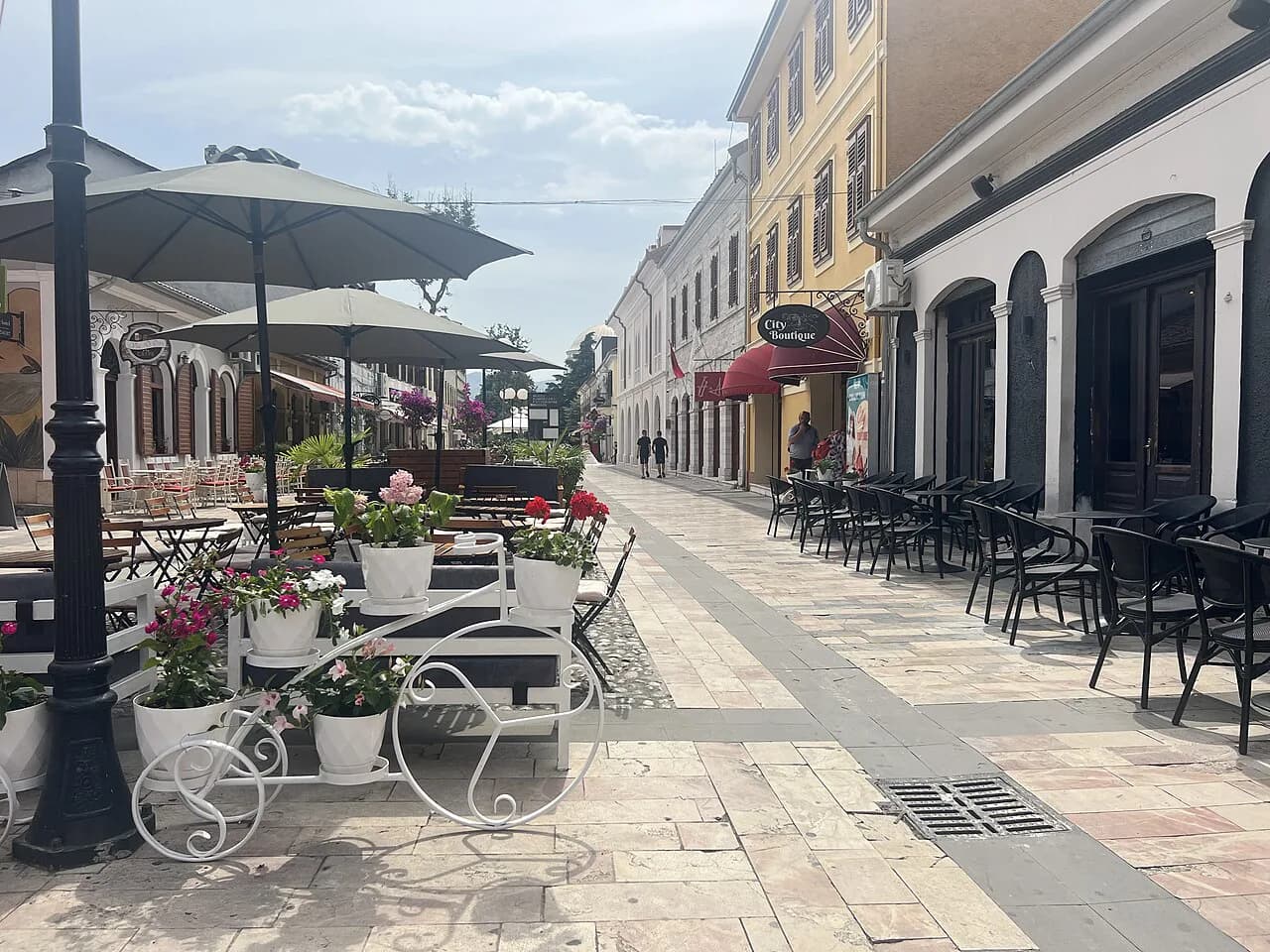
Wear shoes for cobbles and allow for a slower pace than the map suggests, then confirm times before you set out. The old town's streets and squares are worth the walk between stops in their own right.
Explore more Shkoder guides
Frequently Asked Questions
Are any museums in Shkodër free to enter?
The city's museum pages do not list free admission, and entry arrangements are set by each institution, so check the individual museum before you go.
Do you need to book Shkodër's museums in advance?
These are small museums with modest footfall, and no advance booking requirement is published for them. For the mask workshop, confirm visiting arrangements directly because it operates as a workshop.
How far apart are the central museums?
The Historical Museum, Marubi museum, Site of Witness and Memory and Diocesan Museum sit within a walkable circuit starting near the Municipality building on 13 Dhjetori street. Allow most of a day to see three of them properly.
Sources
Notes for your Albania trip
Optional updates to our Albania town guides.
You might also like
Continue reading
More guides you'll find useful