
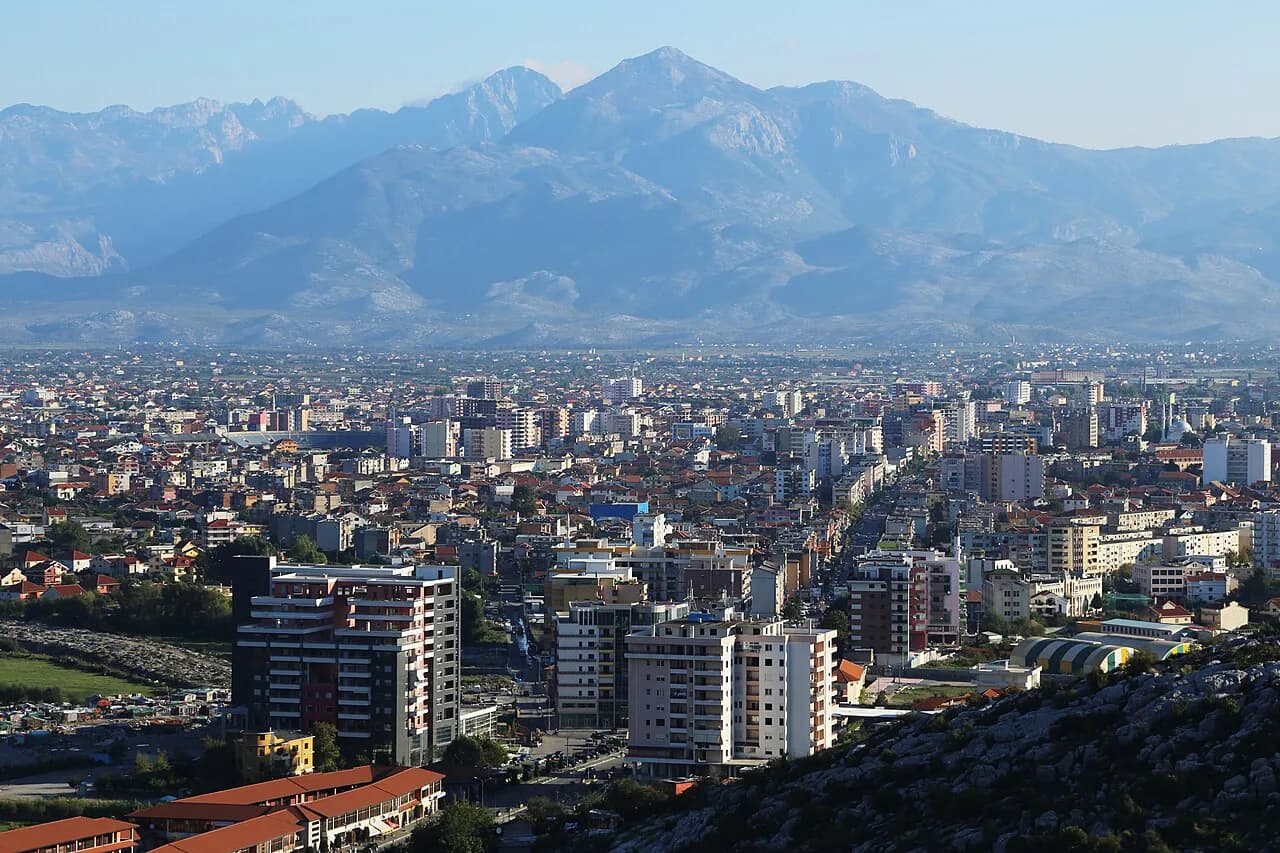
Site of Witness and Memory, Shkodër: A Visitor's Guide

The Site of Witness and Memory is a museum of remembrance in central Shkodër, housed in the building that served as the regional headquarters of the Ministry of Internal Affairs from 1946 to 1991. Its rooms hold the detention and interrogation cells of the Sigurimi, the communist-era secret police, largely as they were left. Plan on roughly an hour, and go for the testimony rather than for objects in cases.
This guide covers what the building was, how to reach it on foot from the centre, what you walk through inside and how to pair it with the city's other museums on the same afternoon.
What the Site of Witness and Memory is
For 45 years this unassuming 19th-century building on Shkodër's main boulevard was the regional base of the Ministry of Internal Affairs, a bland title for an office from which political persecution ran. The storerooms of the former Franciscan seminary inside were converted into detention cells and interrogation rooms for the Sigurimi, and thousands of people passed through them before sentencing.
The museum is the first site of remembrance in Albania dedicated to the victims of the communist regime in Shkodër, and it commemorates those imprisoned and persecuted here. Exhibits cover torture, surveillance and the investigative machinery of the state, alongside the longer record of persecution, expulsion and punishment meted out to those who spoke against the regime.
If you are working out how this fits beside the city's better-known sights, our guide to Shkoder Attractions: 5 Visitor Guides sets the museum alongside the castle, the bridge and the photography collection. Read it before you commit a day to the old town.
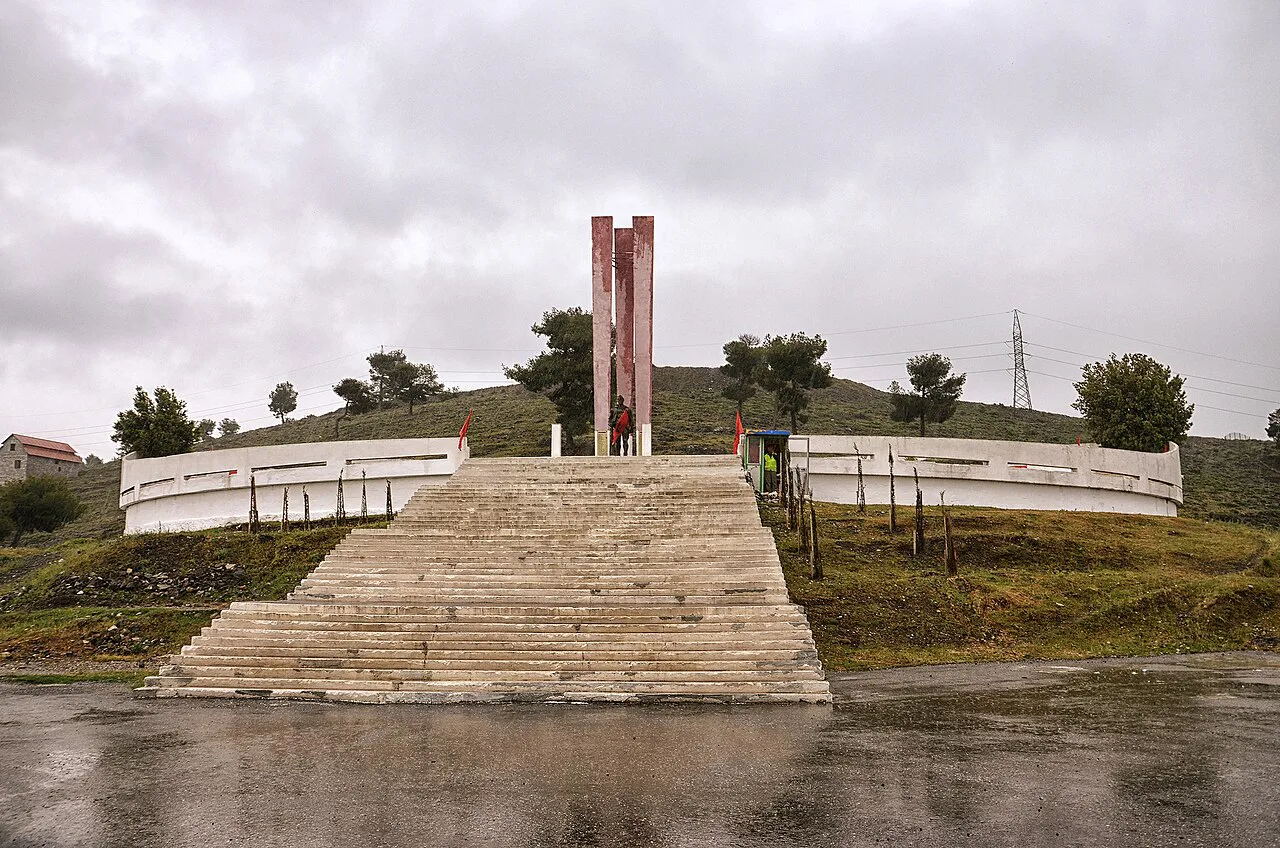

Where it is on Bulevardi Skënderbeu
The address is Bulevardi Skënderbeu, the broad street that runs through the centre of Shkodër, which makes the museum easy to fold into a walk rather than a separate trip. The building sits at street level and reads as an ordinary house from outside, so watch the street numbers rather than looking for a grand facade.
Because the address is a boulevard rather than a side street, taxi and bus drivers will know the stretch immediately; ask to be set down on Bulevardi Skënderbeu near the museum rather than at a named junction. It is a short walk from the city's central squares and from the pedestrian heart of town around Kolë Idromeno Street.
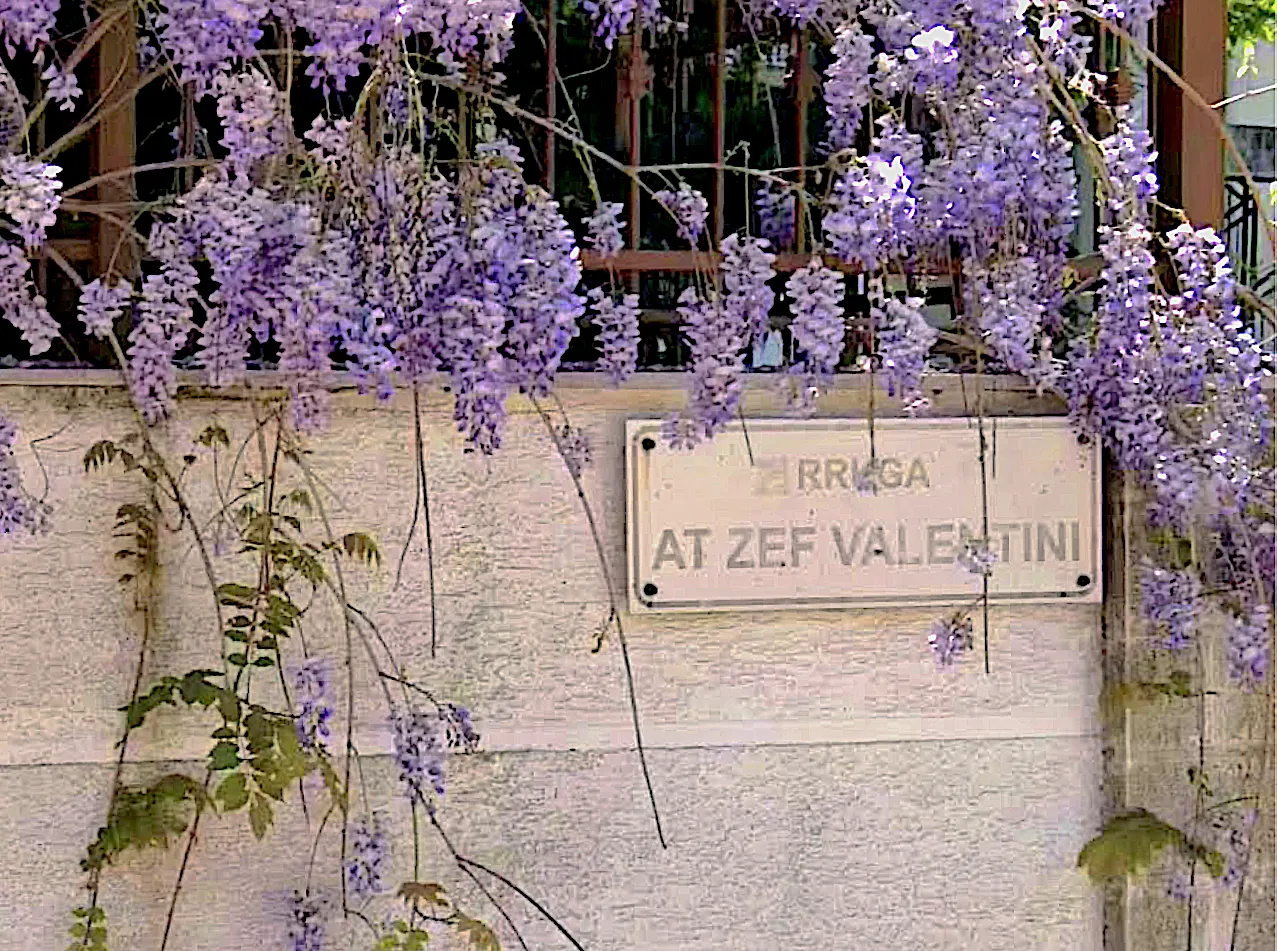

How to get there on foot from the city centre
Shkodër's centre is compact and flat enough that most visitors reach the museum on foot: from the municipality building on 13 Dhjetori street, the local museum walking route continues to the Site of Witness and Memory as its fourth point. That route can be done on foot or by bicycle, and it strings together the Historical Museum, the Marubi photographic collection and this site in one line.
On the way you pass the Monument of Saint Mother Teresa, which sits between the photography museum and this site on the same walk, so the stretch is easy to follow without a map. Wear shoes you can walk in for an hour or two rather than anything fragile, and carry water in summer.
What you see inside: detention cells, interrogation rooms and prisoners' writings
Much of the interior has been deliberately left unchanged so that the space itself carries the account. You move through narrow corridors and former cells, past handcuffs and ropes, documents and the writings prisoners left on the walls, with the original layout of the seminary storerooms still legible.
The displays are built around the mechanisms of repression rather than around objects: torture, telephone tapping and the conduct of investigations, with the fate of individual victims recorded and named. Intellectuals and clerics are among those commemorated, which is worth knowing if you are visiting with Albanian friends or family who have their own connection to the period.
The room-by-room approach means there is no single centrepiece to hurry towards; the cumulative effect is the point. Give yourself permission to stop, sit and leave if the material becomes too much, because the exhibits are direct and there is little cushioning between you and the record.
The memorial to victims of the communist regime
The building functions as a memorial as much as a museum, and the list of victims is central to what is displayed rather than a footnote at the end. Shkodër had its own experience of the Sigurimi, and the site keeps that local memory in the city where it happened instead of folding it into a national narrative.
If you want the wider picture of how Albania's communist-era museums present this history, Tirana's institutions take different approaches: the National Historical Museum in Skanderbeg Square barely addresses the regime, while the House of Leaves occupies the former Sigurimi surveillance centre and Bunk'Art 1 and 2 sit in real bunkers. Seeing one of those first can make the Shkodër site easier to place.
How much time to allow
Budget around an hour inside. The building is not large, but the material is dense and most visitors move slowly through the cells, so a rushed twenty minutes does the place a disservice.
Add the walking time between museums if you are following the city circuit, which covers several stops and is best spread across an afternoon rather than compressed into one push. If you only have a morning in Shkodër, choose either this site or the photography museum and do it properly.
Opening hours and tickets: where to check before you go
The museum's own notices are the only reliable guide to when it is open on the day you plan to visit, so check current opening hours directly with the Site of Witness and Memory or by phone through your accommodation before travelling across town.
A travel booking page lists a morning slot of 08:30 to 14:30 for the attraction, but treat that as an indicative window rather than a confirmed timetable and telephone ahead.
If the site is closed when you arrive, the Marubi National Museum of Photography, Shkodra Historical Museum and the Diocesan Museum Shkodër–Pult are all within walking distance on the same route. Ask at the first museum you reach whether the Site of Witness and Memory is open that day.
Dress, tone and photography: visiting a place of remembrance
This is a memorial before it is an attraction, so dress and behave with respect for what happened here: quiet voices, no phone calls in the cells and no posing for photographs against the exhibits. Photography is best kept to the exterior unless staff tell you otherwise, and ask before photographing anyone.
The material on show is graphic in places and the narrow corridors give little distance from it, which makes the site unsuitable for young children and difficult for anyone with recent experience of political detention. Consider visiting alone or with adults who have agreed in advance how long to stay.
Plan a pause afterwards rather than going straight into another museum. A walk along the boulevard or a bench in the centre gives you room to process what you have seen.
Nearby: Marubi National Museum of Photography, Shkodra Historical Museum and the Diocesan Museum
The Marubi National Museum of Photography holds the archive created by the Marubi dynasty and other photographers of Shkodër, and it is the natural companion visit: one museum records how the city looked, the other what was done to its people. Both sit on the same walkable circuit through the centre.
Shkodra Historical Museum occupies the restored Oso Kuka house and holds ethnographic, archaeological and visual-arts collections plus a library, which gives you the longer story of the city before the communist period. The Diocesan Museum Shkodër–Pult, at the end of the same route, covers the religious and cultural heritage of the Archdiocese of Shkodër–Pult.
With more time, Rozafa Castle (Kalaja e Rozafës), Shkodër sits above the city and Mes Bridge (Ura e Mesit) lies outside it, both worth a separate half-day rather than squeezing them in after a morning of museums.
Combining the site with a walking route through Shkodër's museums
The city's own museum itinerary starts at the Municipality of Shkodra on 13 Dhjetori street, passes the monuments to Gjergj Fishta, Hasan Riza Pasha and the victims of communism, then continues to the Historical Museum, the Marubi collection, the Site of Witness and Memory and finally the Diocesan Museum. Following it in order gives you a coherent half-day, with the memorial late enough that you are not carrying its weight all afternoon.
Do the outdoor stops first while the light is good, and leave the interiors for the middle of the day. If you are building a longer list of things to do in Shkoder, use our wider guide to slot in the Lead Mosque, Shkodër and the lake shore around the museum day.
Should the Site of Witness and Memory be on your Shkodër list?
Yes, if you want to understand modern Albania rather than only its Ottoman and Venetian streetscape. The site is small, central and asks only about an hour of your time, and it tells a story the castle and the bazaar cannot: what the Sigurimi did in this city and who was held in these rooms.
Skip it if you are travelling with young children, if graphic material is difficult for you, or if you have only an hour in Shkodër and would rather spend it on the Marubi photographs. Either way, confirm the day's opening arrangement with the museum before you walk over.