
Lead Mosque, Shkodër: A Visitor's Guide to Xhamia e Plumbit
The Lead Mosque, Xhamia e Plumbit, sits below Rozafa Castle in Shkodër, topped by a run of domes. Allow about an hour for the building and its surroundings, then keep the rest of the morning for the castle above. This guide covers the approach, what to look at, how the site relates to the castle, and the sights that pair naturally with a visit.
What the Lead Mosque is and where it sits in Shkodër
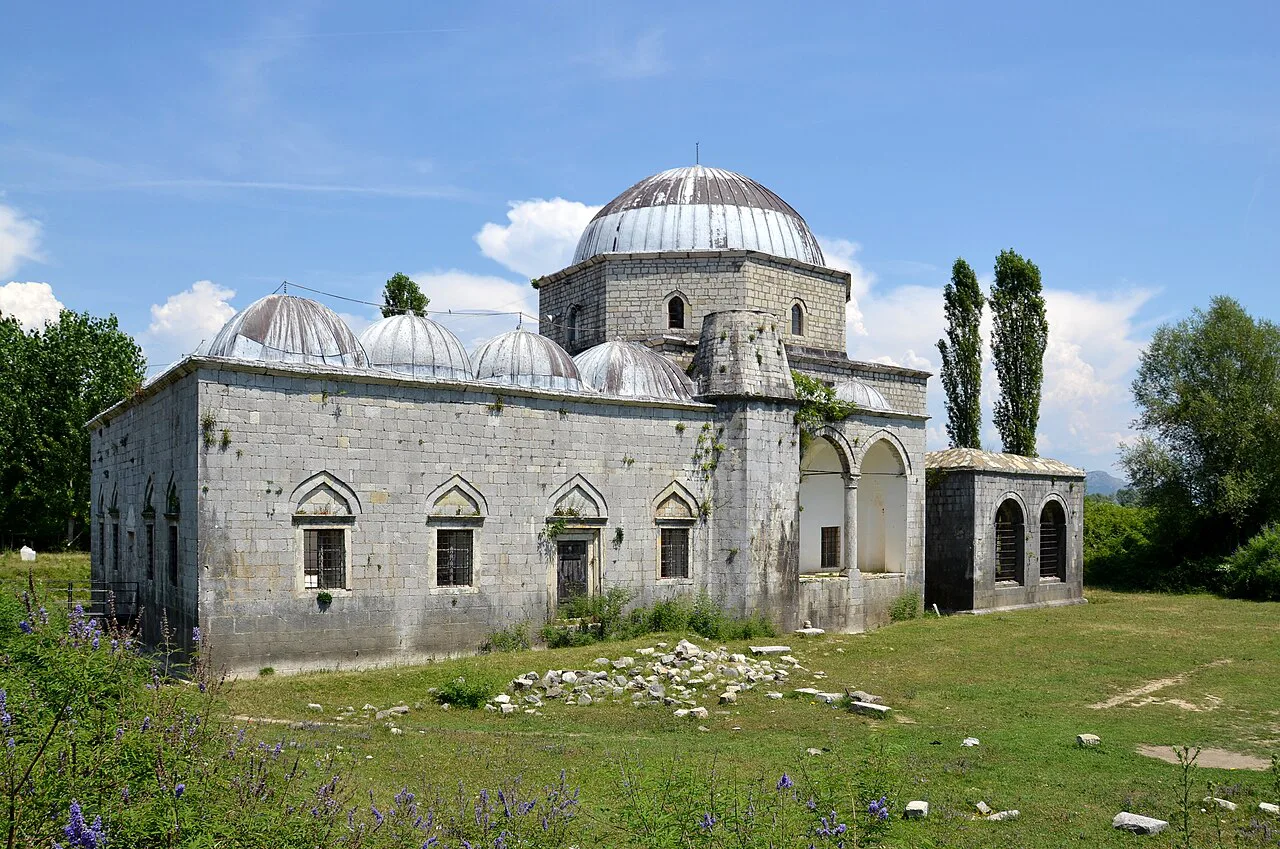
The Lead Mosque is an Ottoman mosque built by Mehmet Pasha Bushati in 1773–1774, and it served for a long period as the largest mosque in the country. It was declared a cultural monument in 1948 and received state protection. In 1967, when religion was officially banned in Albania, the building was damaged and its minaret destroyed. The restoration was inaugurated on 9 May 2025 at a ceremony attended by the Mayor of Shkodër, the Turkish Ambassador to Tirana and the Mufti of Shkodër.
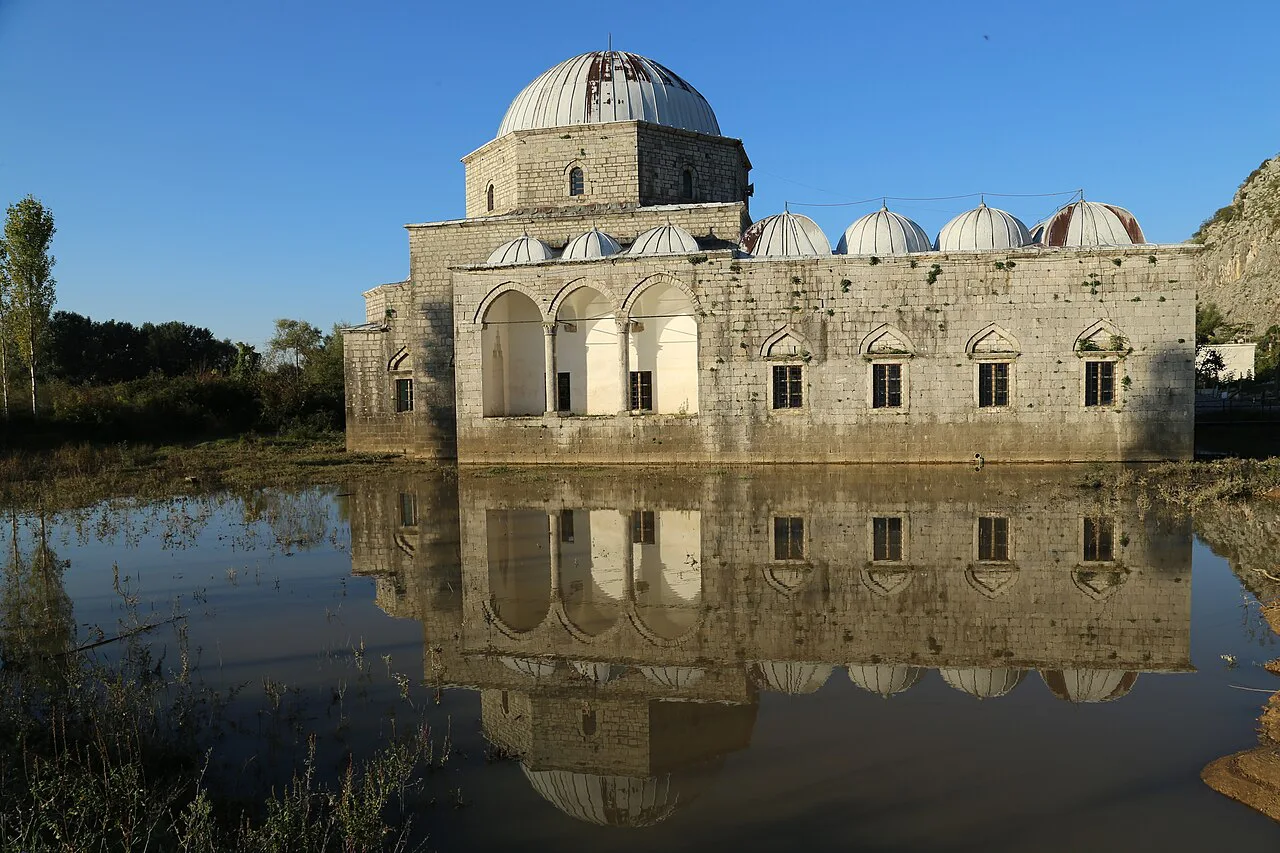
The mosque stands below Rozafa Castle, with the castle walls rising behind the domes. That setting is the first thing to picture: you approach across open ground rather than through a bazaar. Visitors step into an inner courtyard covered by twelve domes, with a central drum rising to 20 metres. The building blends Turkish and Arab architecture, visible at the entrance, and reporting on the restoration describes it as the tallest Ottoman-era mosque in Albania.
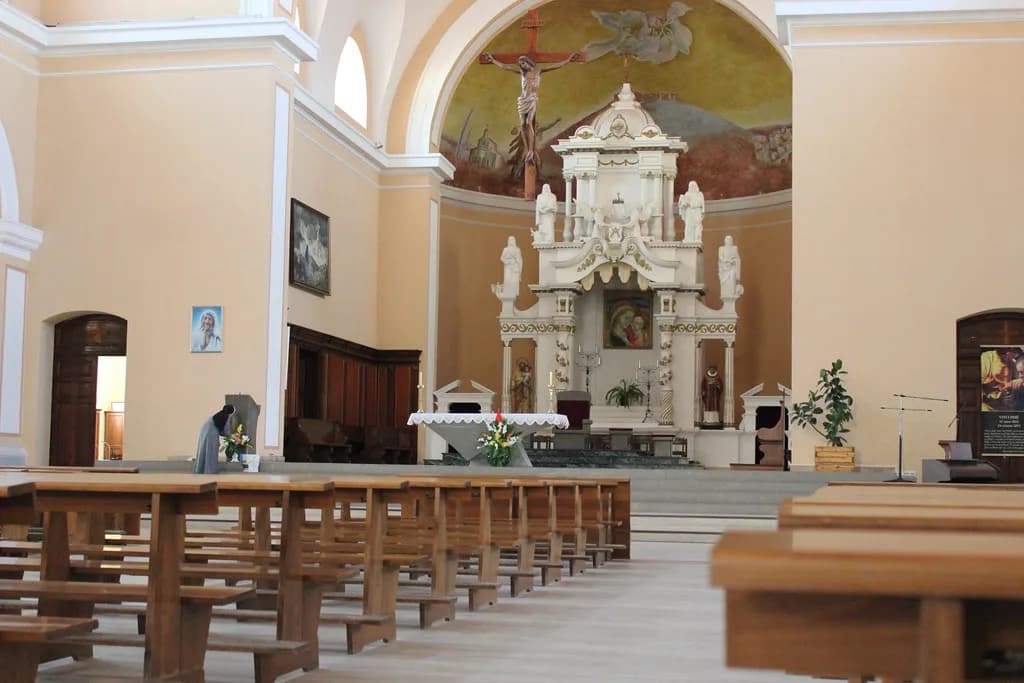
Do not confuse the Lead Mosque with the Ebu Bekr Mosque in the city centre, a modern building with large windows and two minarets set in a garden. The Ebu Bekr Mosque is the one you pass on a walk through the centre; the Lead Mosque is the Ottoman monument out by the castle. If you are mapping the day, keep the two names separate so you do not walk to the wrong side of town.

Getting there: on foot from the centre and by road below Rozafa Castle
The Lead Mosque is the Ottoman monument below Rozafa Castle, so it is the natural stop on the way to or from the castle hill; pair the two in one outing rather than making two separate trips. Roads around the castle approach are the practical route for anyone arriving by car or taxi.
Intercity buses and shared minivans, furgons, run into Shkodër from Tirana and Durrës. From the town, the last stretch to the mosque is best done on foot or by taxi, since the approach road climbs towards the castle. Check locally for current bus and furgon times on the day you travel, as services vary.
If you are working out how the Lead Mosque fits with the rest of the city, the wider set of Shkoder Attractions covers the castle, the museums and the old streets in one place. Build the mosque into a half-day that also takes in the castle hill. That way the walk up is part of the visit rather than a separate errand.

The courtyard, domes and the mosque building: what to look at
Start with the courtyard. Twelve domes cover the inner space, and the central drum rises to 20 metres, so look up as you cross the threshold. The blend of Turkish and Arab detail is most obvious at the entrance, so give the facade a few minutes before you go in.
The restoration did not stop at the building. The surrounding space was transformed along with the mosque, so the courtyard and approach are part of what you are seeing. That matters for how you read the site: the mosque returned to the city as a whole setting, not just a repaired shell. Walk the perimeter once to take in the relationship to the castle above.
The mosque was built in 1773–1774, and the date helps place the architecture you are looking at within Shkodër's Ottoman period. The minaret destroyed in 1967 is not part of the current outline, which is why the profile reads differently from older photographs. Read the building in its phases — Ottoman foundation, 1967 damage, and the 2025 restoration — rather than as a frozen monument.
How long to allow and when to go
An hour is a sensible allowance for the mosque and its surroundings at an unhurried pace. Add the castle above and you have a half-day; add the city centre afterwards and the day fills. The main constraint is heat, so go earlier in the day if you are visiting in summer and plan to walk up to Rozafa.
Before you set out, check locally how the site is currently being used and whether the building can be entered, since it was for long periods not officially used for religious rituals before its 2025 restoration and the sources do not confirm current interior access or opening times. It is worth asking on the day whether the doors are open.
Going early in the day is generally the calmer choice, giving you the courtyard with fewer people and better light on the domes. Castle hill tends to get busier from late morning into the early afternoon, so starting earlier keeps the walk up and the courtyard more relaxed.
Visitor practicalities: shoes, dress and quiet worship times
If the building is open for visitors when you go, follow normal mosque courtesy: remove your shoes before entering the prayer hall, wear trousers or a long skirt rather than shorts, and carry socks if you are sensitive to cold stone. As a general courtesy at mosques in Albania, women often cover their hair inside; a light scarf in your bag is a reasonable precaution.
Keep your voice low and stay out of the way of anyone praying. Photography inside the prayer hall is best avoided unless you see others doing it; the courtyard and exterior are the safer places for pictures. If a service is under way, wait outside until it finishes rather than walking through.
The 2025 restoration has returned the mosque to the city after years of damage and disuse, and the Mufti of Shkodër described it as a long-held dream now entering a new era while remaining connected to its spiritual identity. Treat it with the courtesy you would any religious building in Albania.
Nearby: Rozafa Castle and the rest of the city
Rozafa Castle is the obvious next stop, directly above the mosque. Walking up from the Lead Mosque puts the whole hill into one outing, and the views back over the domes are the reason to do them in this order. Allow extra time for the climb and for the walls themselves.
Back in the centre, the Marubi national museum of photography is the strongest indoor stop if the weather turns. It pairs well with a walk through the old streets after the castle. The Site of Witness and Memory covers the communist period and is a sober counterpart to the mosque's own 1967 damage.
If you have a car, the Mes Bridge (Ura e Mesit) makes a good add-on later in the day, out of the city and away from the castle crowds. It is a different kind of Ottoman structure from the mosque, and the drive gives you a sense of the country beyond Shkodër. For more ideas, the list of things to do in Shkoder covers the rest of the centre.
Is the Lead Mosque worth the walk up?
Yes, if you are already going to Rozafa Castle. The mosque adds about an hour, a courtyard of domes and a clear view of how Shkodër's Ottoman architecture sits in the landscape. Go early, dress for a place of worship and combine it with the castle rather than making a separate trip. Check locally on the day about current visiting arrangements.
Frequently Asked Questions
Is the Lead Mosque the same as the Ebu Bekr Mosque in Shkodër?
No. The Lead Mosque, Xhamia e Plumbit, is the Ottoman building below Rozafa Castle, built in 1773–1774 by Mehmet Pasha Bushati. The Ebu Bekr Mosque is a modern mosque in the city centre with two minarets and a garden.
What should I wear when visiting a mosque in Shkodër?
As a general rule, remove your shoes before entering the prayer hall, wear trousers or a long skirt rather than shorts, and carry a light scarf, since women generally cover their hair inside.
Can I go inside the Lead Mosque?
The restoration was inaugurated on 9 May 2025, but the sources supplied do not confirm current interior access or opening times. Check locally on the day before relying on going inside.