Mosques in Shkodër: What to See and How to Visit
Two mosques stand out for visitors in Shkodër: the Ottoman-era Lead Mosque and the central Ebu Bekr Mosque. Here is what to see at each and how to visit.
On this page
Two mosques are worth your time in Shkodër: the Lead Mosque, an Ottoman building on the plain below Rozafa Castle, and the Ebu Bekr Mosque, the working mosque in the city centre. They sit at opposite ends of the story, one a monument and one a living place of worship, so plan them as two separate stops rather than one religious sight. This guide covers what to look for at each, how they fit into a walk, and how to dress and behave.
What mosques can visitors see in Shkodër
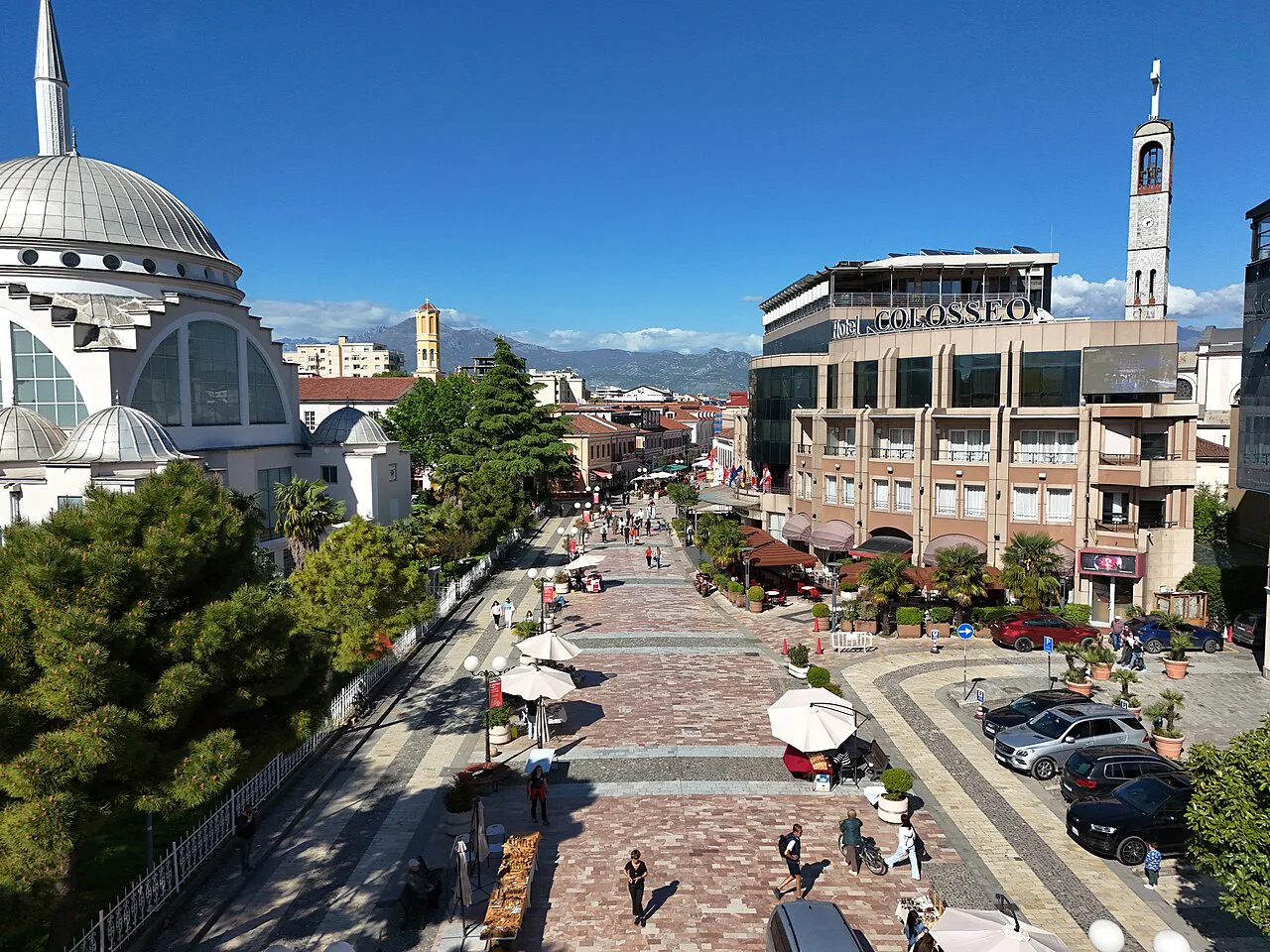
The Lead Mosque, known in Albanian as Xhamia e Plumbit, is the historic building most visitors come to see, set away from the busy centre near the castle. The Ebu Bekr Mosque, also called Xhamia e Madhe, is the one you will pass in the middle of town, close to the Orthodox Cathedral, and it was rebuilt in the 1990s. Treat the first as an Ottoman monument you walk to and the second as a working mosque you approach quietly.
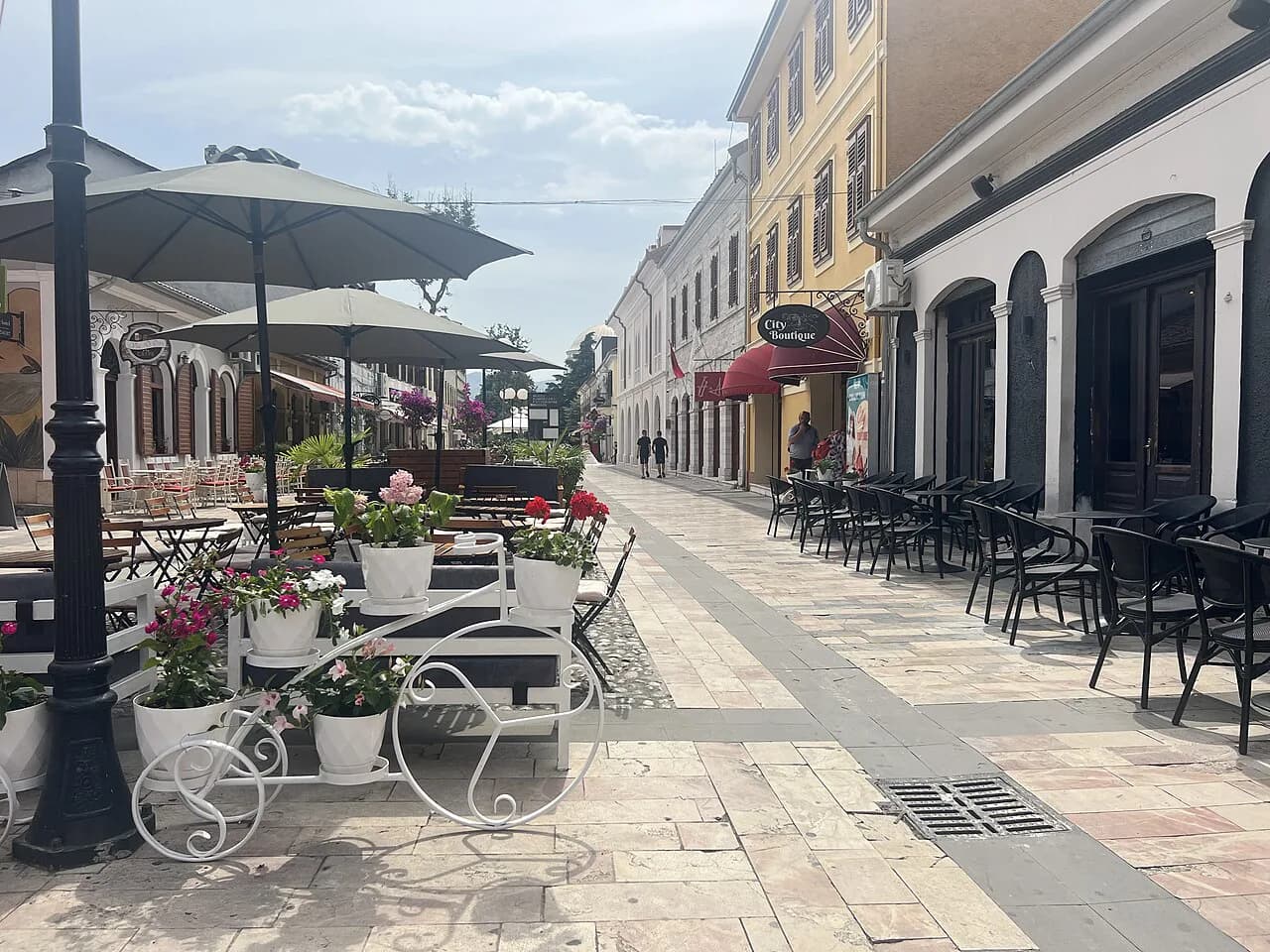
The two are often confused because both are simply described as the mosque in Shkodër. The quick way to tell them apart is setting: if you are climbing towards Rozafa Castle you are heading for the Lead Mosque, and if you are on the flat streets around Kole Idromeno Street you are near Ebu Bekr. Keep that geography in mind when you read signs or ask directions, since locals use the Albanian names, and read up on the Shkodër Old Town streets before you set out.
The Lead Mosque: the Ottoman building near Rozafa
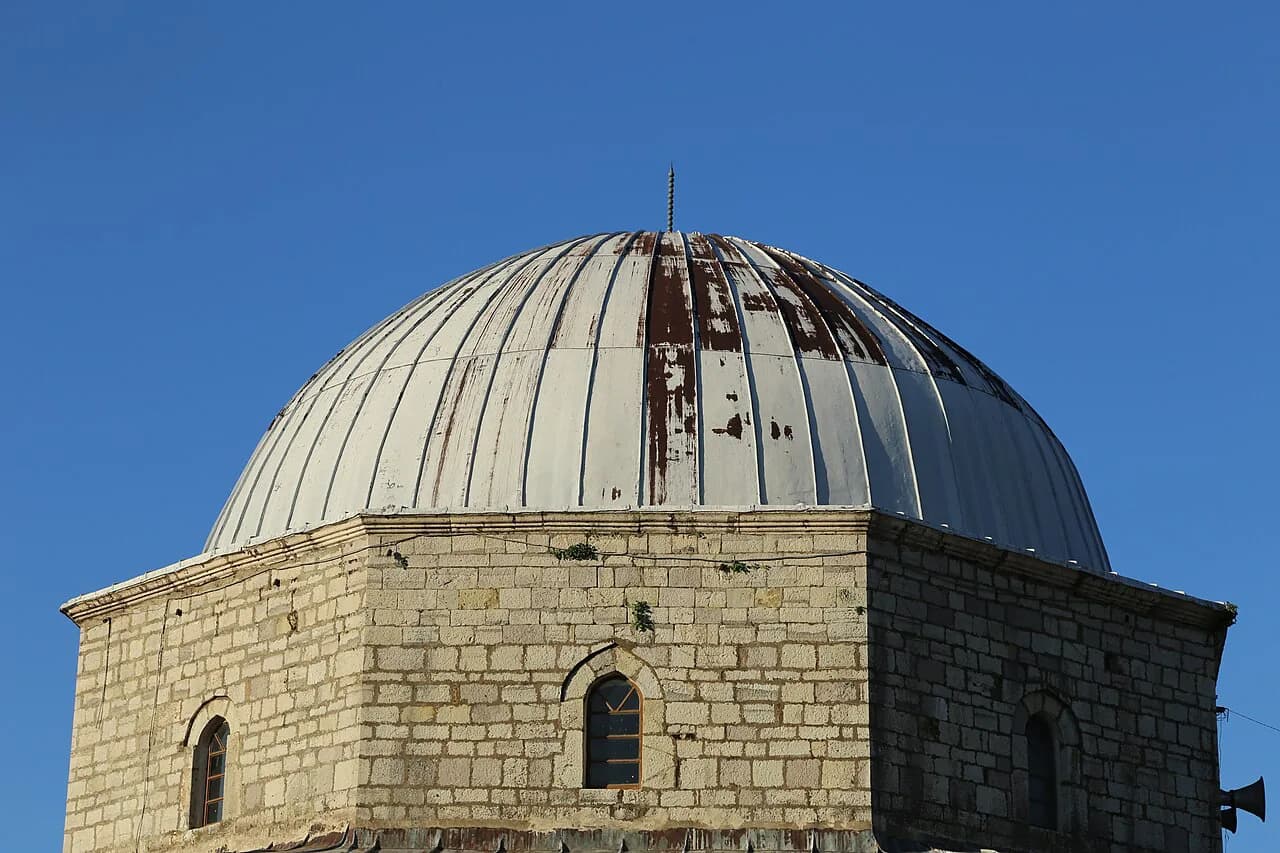
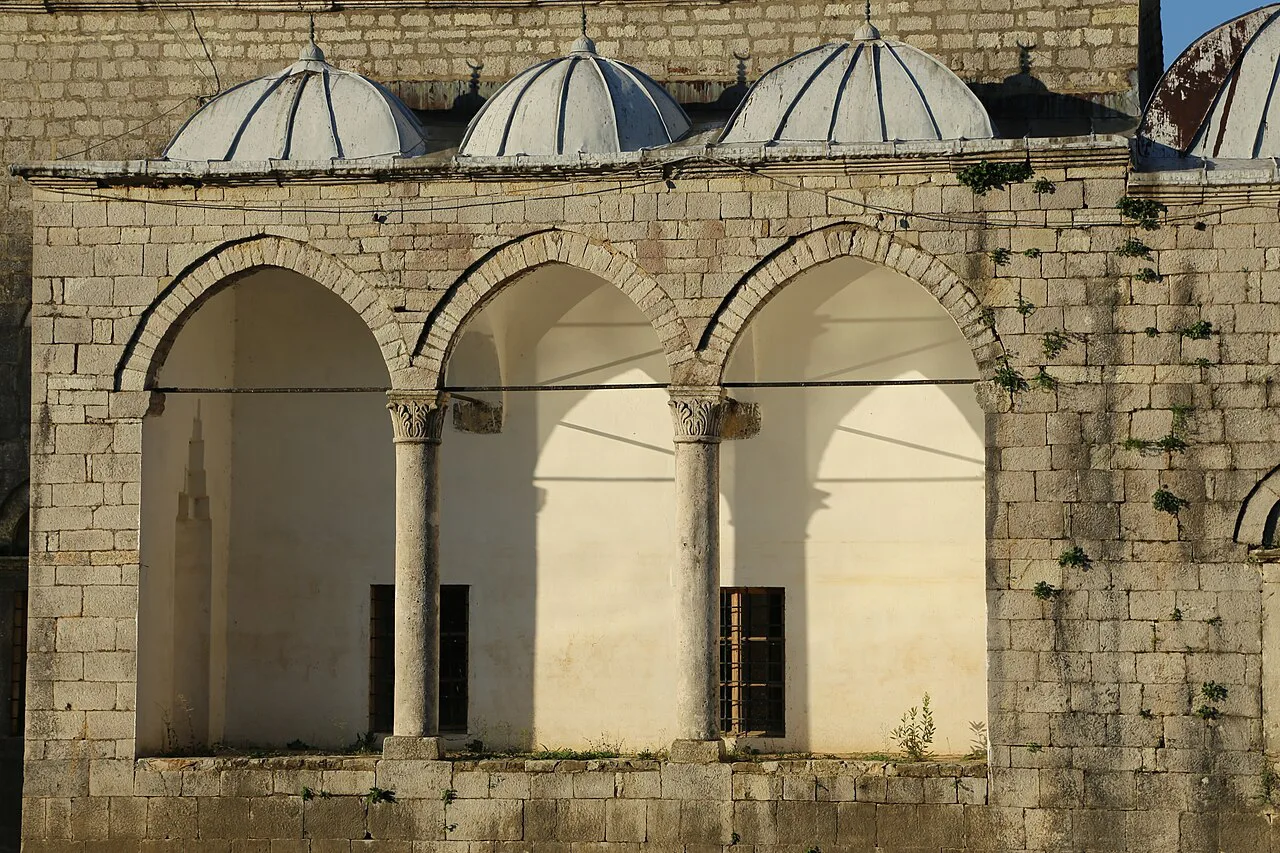
The Lead Mosque was built in 1773 by Mehmed Bushati of the Bushati family, then vizier of the Pashalik of Scutari, who used the project to give his birthplace the feel of a capital. He followed the works closely, coming down from his residence at Rozafa Castle almost daily to check progress, and stones were cut under his patronage. The building takes its name from the lead that once covered all its cupolas.
The structure is built from hewn stones of near-identical size, which gives the walls a deliberate symmetry, and the stone was brought from the nearby village of Gur i Zi, according to the local account. The first imam was Haxhi Ahmet Misria, who came from Egypt after contact with Mehmed Bushati. For a visitor, the point is to look at the masonry and the proportions rather than rush past on the way up to the castle.
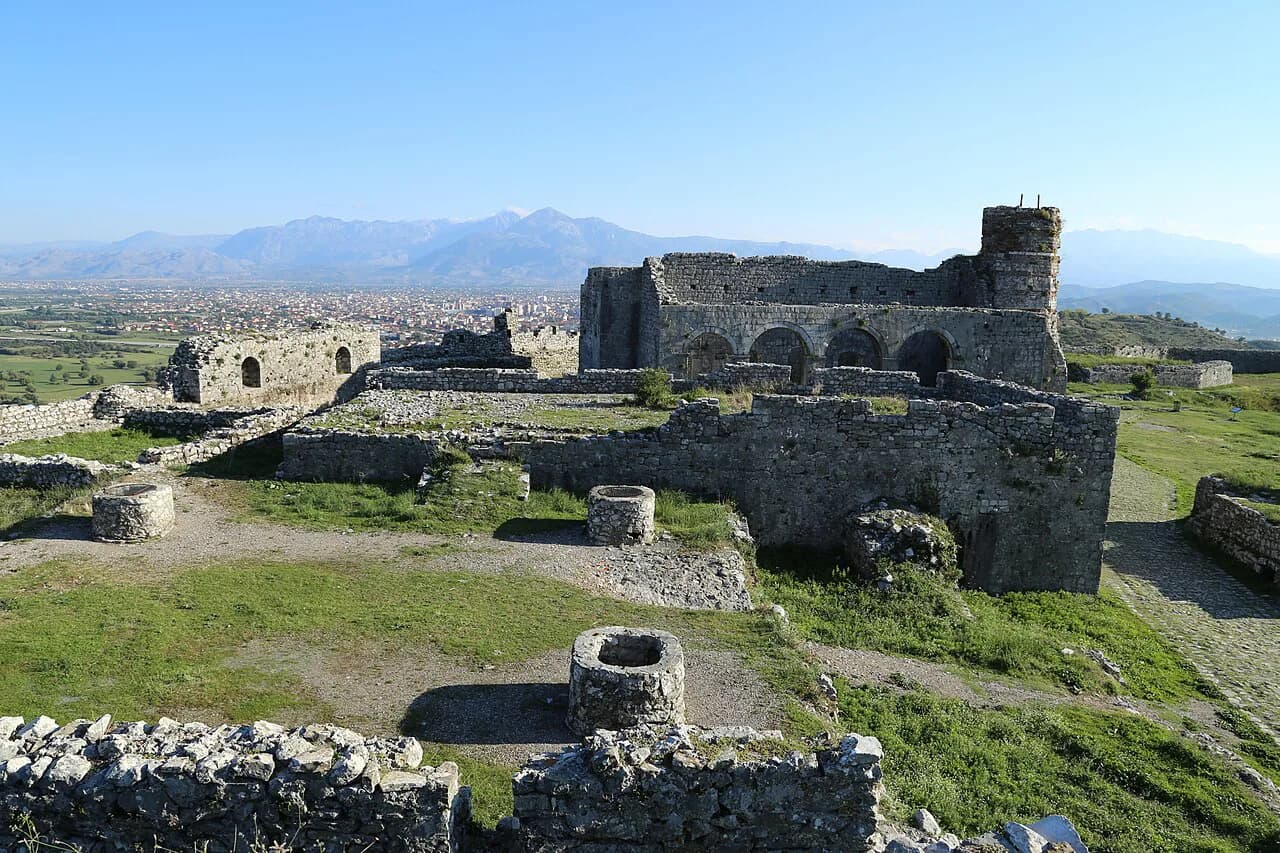
Allow a short stop rather than a long one: the mosque is a single building with a courtyard, not a complex of halls. Pair it with Rozafa Castle in the same outing so the climb is done once, and go earlier in the day in summer when the exposed ground below the castle is cooler. There is no published visitor information on opening hours or entry charges, so check locally before making it the purpose of a trip.
Why the Lead Mosque looks different from other Albanian mosques
The Lead Mosque follows Ottoman architecture rather than the Arab-influenced style of most other mosques in Albania, and it closely mirrors the classical Ottoman work pioneered in Istanbul by the 16th-century architect Mimar Sinan. That shows in the domed, stacked outline you see from a distance, which reads as Ottoman rather than as the slender single-volume form many travellers expect. Look up at the cupolas first, then at how the stone courses line up across the facade.
The Lead Mosque's 20th-century damage and restoration, in brief
During the 1900s the building began to deteriorate and the lead covering the cupolas was gradually taken, with the remaining lead removed by the Austrian army in 1916. Lightning destroyed the minaret in 1967, a minaret that had been rebuilt in 1920 by Xhelal Bushati, a descendant of Mehmed Bushati. Read these as events in the building's past rather than as a description of what you will see today.
The mosque was closed in 1967 along with other religious institutions when Albania was declared an atheist state, and it survived that period, probably because it had been declared a Cultural Monument in 1948. It reopened on 16 November 1990, before other mosques in the country, when Hafiz Sabri Koçi held the first religious gathering there after 23 years. Flood damage in the rainy seasons has led to repeated repairs, in 1863, 1920 and 1963, and in July 2021 the Albanian and Turkish governments funded a further restoration.
Ebu Bekr Mosque: the working mosque in the city centre
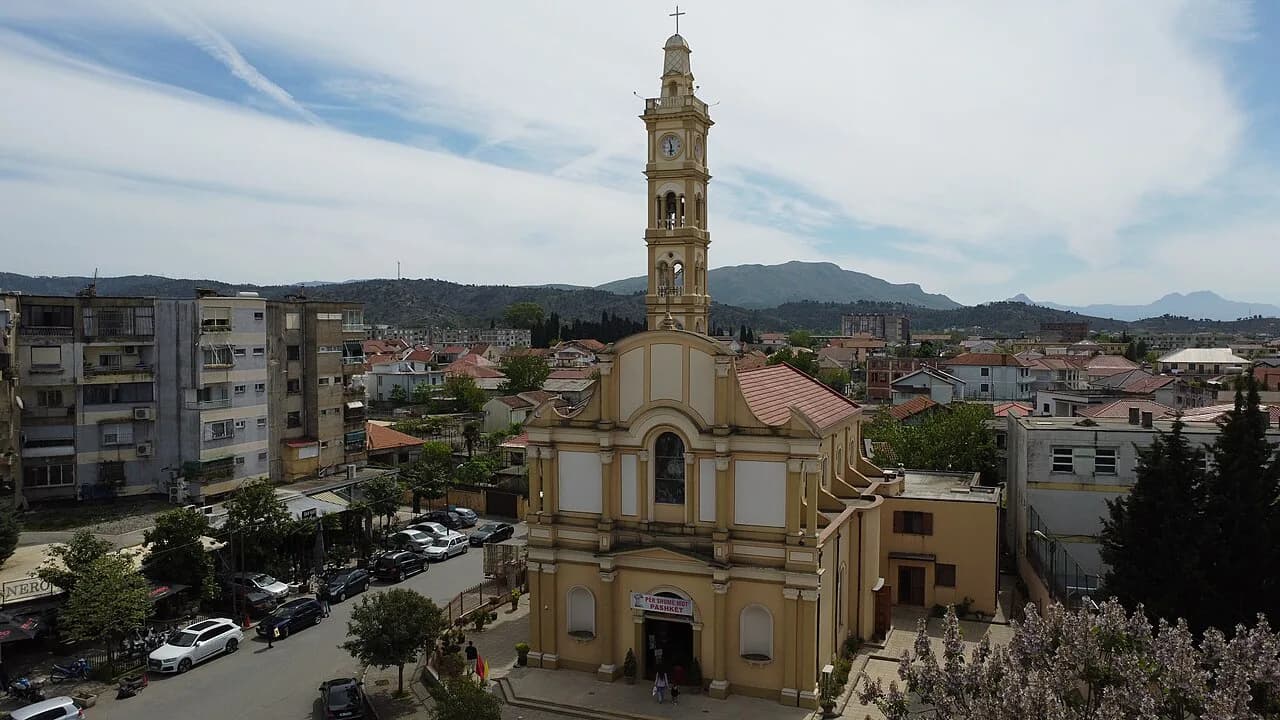
Ebu Bekr Mosque, or Xhamia e Madhe, is the mosque you will actually walk past: it stands in the centre of Shkodër and dominates its immediate area, with the Christian Orthodox Cathedral close by. The building you see was rebuilt in the 1990s, so it is a modern structure rather than an Ottoman one. Approach it as a place of active worship first and a piece of architecture second.
Its position makes it an easy stop between the pedestrian streets and the older quarters, and it pairs naturally with a wander through the Shkoder bazaar area and the surrounding streets. Because it is central and free to stand outside, it works as a five-minute pause rather than a scheduled sight. Set your expectations accordingly and you will not be disappointed by the scale.
Visiting the Ebu Bekr Mosque: location, dress and etiquette
The mosque sits off the main central streets, a short walk from Kole Idromeno Street, so you can reach it on foot from most of the centre without transport. Aim to pass outside of prayer times if you only want to look at the exterior, and leave the entrance area clear when worshippers are arriving. If you want to go inside, the safest approach is to ask at the door.
There is no published visitor information for Ebu Bekr Mosque covering opening hours, entry rules or dress requirements, so the details are best confirmed on the spot rather than planned around. What you can plan is your own conduct: quiet voices, shoes off where indicated, and no photography of people at prayer. That basic courtesy covers most situations.
Dress and behaviour at a working mosque
For the Lead Mosque, dress for the walk as much as for the building: the ground below Rozafa Castle is open and hot in summer, so light, modest clothing that covers shoulders and knees serves both purposes. For the working Ebu Bekr Mosque, cover shoulders and knees, and women should carry a scarf in case one is needed at the entrance. These are the guide's own recommendations, not posted rules.
Behave as you would in any active place of worship: keep your voice low, do not walk in front of someone praying, and step outside if you want to take photographs or make a call. Neither building is a museum stop for running commentary. If a service or gathering is under way, wait or come back later.
Whether a walking tour includes the mosques
Guided walking tours of Shkodra regularly include the Ebu Bekr Mosque among their stops, alongside Kole Idromeno Street, often finishing with a traditional Albanian meal. That makes a tour a reasonable way to see the central mosque with context if you want the background explained rather than read. Check the listed itinerary before booking, since what is covered varies between operators.
The Lead Mosque's out-of-centre position means it is less consistently included, so treat it as your own excursion up towards the castle rather than expecting it on a city tour. Your own Shkoder walking tour plan can link the two mosques with the bazaar and the cathedral in a single afternoon loop.
Fitting both mosques into a Shkodër walk
Start in the centre at Ebu Bekr Mosque, then work through the pedestrian streets and the bazaar before heading west and up towards Rozafa Castle and the Lead Mosque. Do the castle climb and the Lead Mosque while you still have energy and daylight, then walk back down into town. That order saves you from a second uphill push later in the day.
If you have only a couple of hours, the central mosque and the streets around it are the realistic target, and the Lead Mosque can wait for a longer visit. If you have a full afternoon, both fit comfortably on foot with time at the castle between them. Add the city's museums only if you are staying the night.
Which mosque should you see first?
See Ebu Bekr Mosque first if your time in Shkodër is short, because it is central, easy to reach on foot and sits among the streets you will already be walking. Save the Lead Mosque for when you are heading to Rozafa Castle anyway, so the detour costs you nothing extra.
Whichever you choose, go quietly, dress modestly and accept that timings and access are settled at the door rather than in advance. Before you set out, check the current position on opening and any restoration work locally, and build the rest of your day around the old town streets.
Explore more Shkoder guides
Sources
Notes for your Albania trip
Optional updates to our Albania town guides.
You might also like
Continue reading
More guides you'll find useful