
Tirana Castle: Visiting Kalaja e Tiranës

Tirana Castle is a fragment rather than a fortress, and a short stop is enough to see it. The foundations are built into the pedestrian Rruga Murat Toptani, with a further stretch of Ottoman defensive wall along the same street. This page covers where the remains sit, how to reach them from the centre and which nearby sights fit the same walk.
What is left of Tirana Castle today
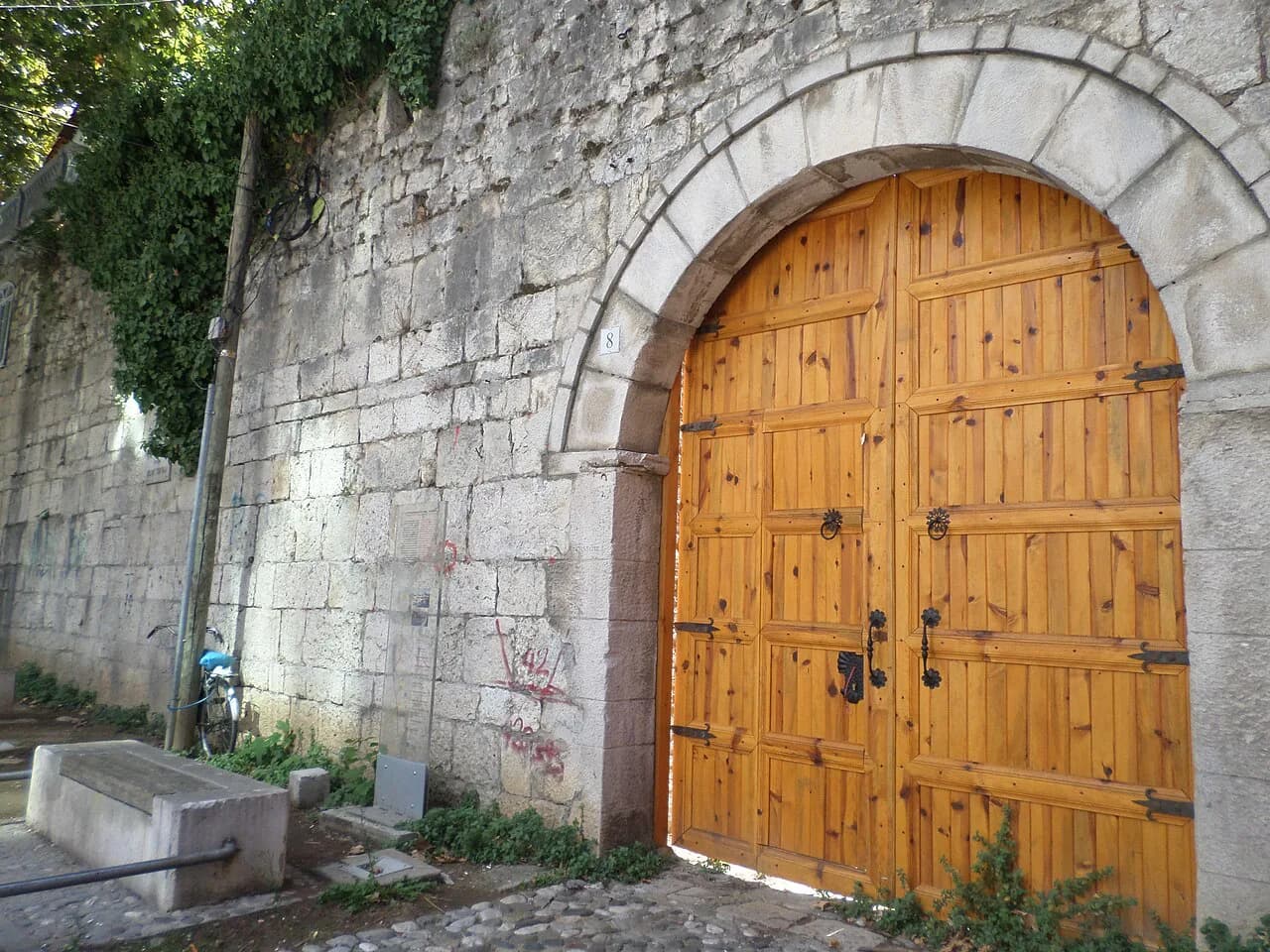
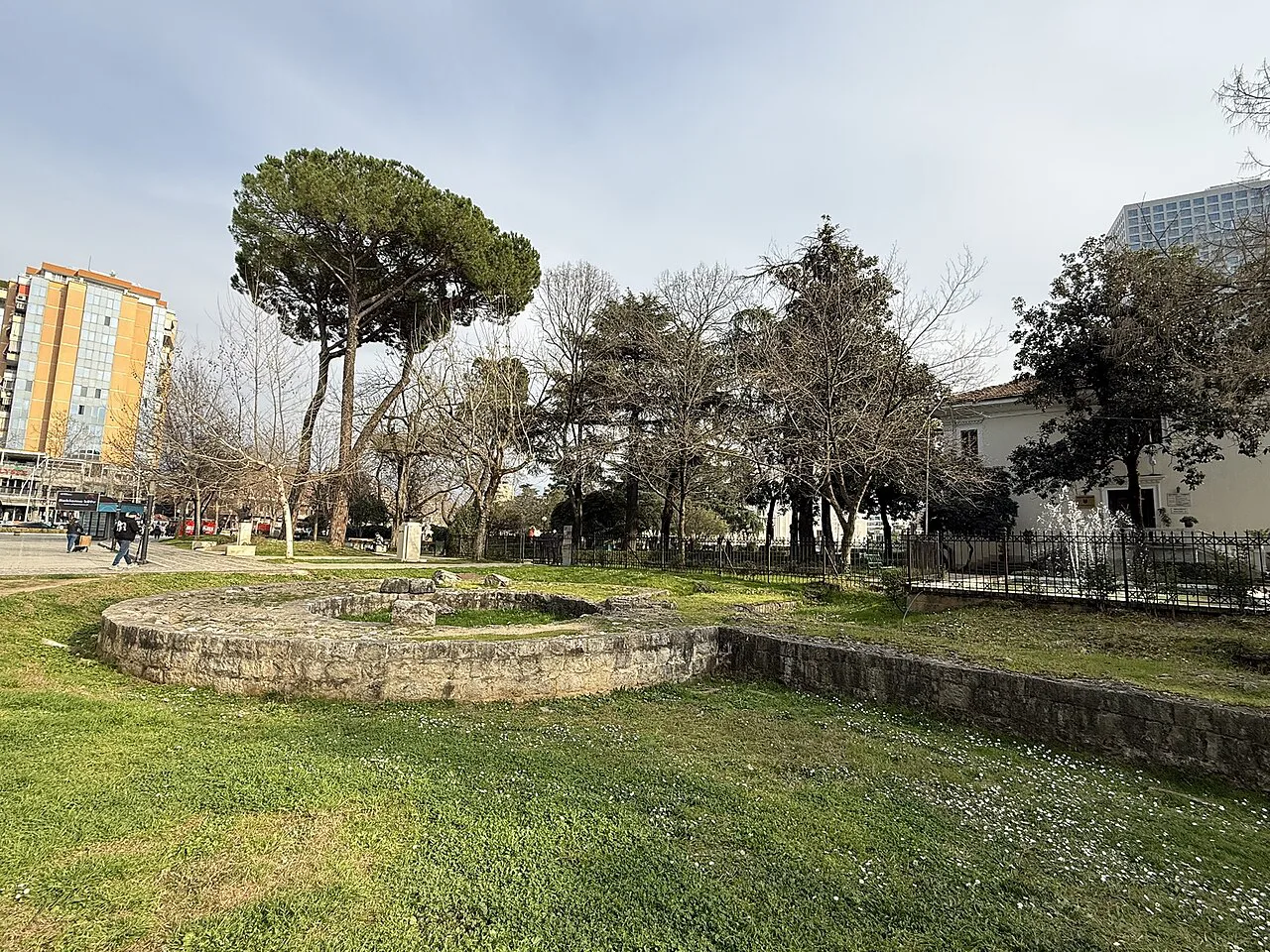
The surviving castle is folded into a pedestrian street rather than standing apart from it, so you walk over and past the remains instead of paying at a gate. The foundations visible in the paving belong to a military stronghold dated between the 4th and 6th centuries, and one section of the old defensive wall is Ottoman in date. The Albanian name for the site is Kalaja e Tiranës.
Treat the two fragments as separate chapters. The 4th-to-6th-century masonry is the earlier phase, while the wall further along the street belongs to the Ottoman period, so the street reads as a timeline laid end to end. Plan your walk so you reach both ends of Rruga Murat Toptani rather than stopping at the first piece of stone you meet.

Where the castle sits in central Tirana
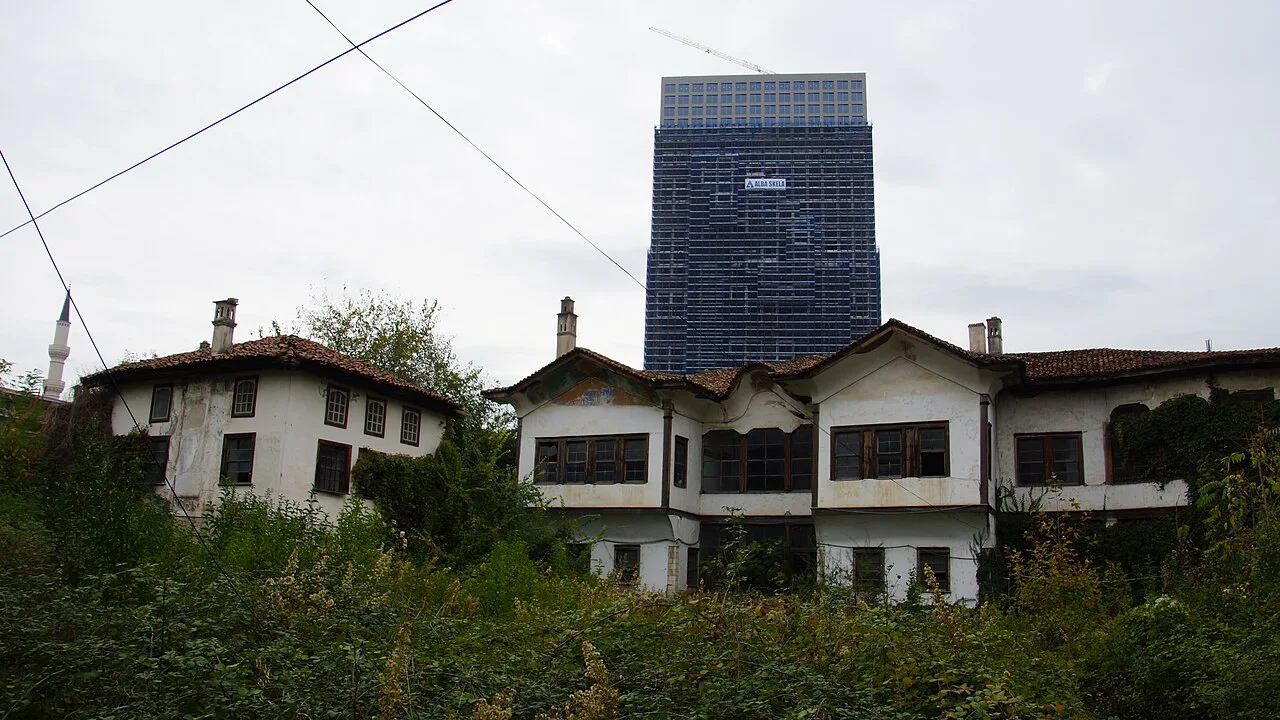
The address is Rr. Murat Toptani, in the middle of the city and within easy walking distance of the main square. The Kalaja e Tiranës complex now reads as a bazaar-like lane lined with upmarket restaurants and shops, part of the same pedestrian street as the masonry. Because it is a street of open shopfronts and eateries, plan around the individual venues rather than a single castle gate.
Skanderbeg Square, with the Et'hem Bey Mosque and the Pyramid of Tirana, and the National History Museum all sit close to the castle street in the centre. That cluster makes the castle a natural first or last stop on a loop of the centre rather than a trip in its own right.
Approach from Skanderbeg Square and work towards the castle street. Skanderbeg Square, Tirana is the obvious orientation point, and the walk continues on foot from there. Flat paving and a pedestrian lane make it one of the gentler stops in the centre.

Walking Kalaja e Tiranës street
Inside the complex, the Kalaja e Tiranës lane is a short bazaar-style passage lined with restaurants and shops, which is where most visitors spend their time once they have seen the stone. Browse it as a street rather than a sight: there is no interior to tour and no fixed route. Because the tenants set their own hours, check current details with the restaurants and shops along the lane if you are coming for a specific place to eat or shop.
Allow a short stop for the remains and the lane at a stroll, or longer if you stop for coffee or a meal. The street is an open pedestrian lane lined with restaurants and shops rather than a ticketed monument, so treat the posted hours of the individual venues as the thing to plan around rather than a castle gate.
The Toptani family and the castle around 1800
The Toptani family from Kruja took possession of the castle around 1800, and the seizure set off decades of conflict between the families involved. That quarrel was settled by intermarriage, and it was after this settlement that Tirana began to grow as a town. The story explains why the stronghold stopped functioning as one, leaving masonry to be absorbed into the street you walk today.
Keep the family in mind when you look at the surviving wall along the street: it is the last physical trace of a site that changed hands and then lost its military purpose. The Toptanis came from Kruja, which is a separate place to visit rather than part of this walk.
Reading the stone: what each fragment shows
Look first at the foundations worked into the paving, then walk along the street to the stretch of Ottoman defensive wall. The gap between them is the point: the earlier masonry represents the original fortification, while the later wall reflects the Ottoman phase of the site. Naming which fragment you are looking at is what turns a scatter of stone into a readable sequence.
The site is also referred to as the Justinian Fortress, so do not be thrown by the alternative name. Use the physical remains as your guide and treat the street as an open-air exhibit rather than a museum with labels. Plan your time around the walk and the venues, since the castle street has no single published schedule of its own.
Nearby stops to add to the castle walk
Skanderbeg Square is the natural anchor of a central walk, with the Et'hem Bey Mosque and the clock tower nearby. From the square, the Pyramid of Tirana stands a short walk away, and the National History Museum faces the same open space. Grouping these with the castle street gives a half-day route through the centre without any transport.
The House of Leaves museum, which covers surveillance under the communist regime, sits within the same central area and pairs well with a walk that has just traced centuries of building on one street. So do the two Bunk'Art sites, though Bunk'Art 1 lies further out towards Mount Dajti and needs transport or a longer walk.
Mother Teresa Square, with its institutional buildings, lies beyond the centre if you are extending the day. For a wider set of options across the city, the Tirana Attractions: 11 Visitor Guides collection covers each sight in the same format.
Practical points for visiting
Treat the visit as a walk along a street of restaurants and shops, so the practicalities belong to the venues along it. Wear shoes that cope with paving, carry water in summer, and expect the lane to be busiest at mealtimes. Check the current hours of the places you want to eat or shop in before you set out for a specific venue.
If you are building a day around the centre, the fuller list of things to do in Tirana will help you sequence the castle with the square, the museums and the bridges. Petrela Castle, a separate fortified site in the hills outside the city, is sometimes confused with the city-centre remains, so check which one you are heading for before setting out.
Should the castle be on your Tirana walk?
Yes, if you are already crossing the centre, because it takes little time. It is a poor choice as a standalone destination: the remains are fragmentary and the street around them is commercial, so come for the layers of masonry and the Toptani story rather than a fortress experience. Pair it with Skanderbeg Square and the museums nearby to make the walk worthwhile.
Explore more Tirana guides
Frequently Asked Questions
Is it Tirana or Tiranë?
Both are used. Tiranë is the Albanian form and Tirana the common English one; the castle itself is Kalaja e Tiranës. Signs around the city mix the two, but they refer to the same place.
Do I need a ticket for Tirana Castle?
No ticket is recorded for the castle remains; they sit in a pedestrian street rather than behind a gate. The restaurants and shops along Kalaja e Tiranës set their own hours and prices, so check current details if you plan to eat there.
How long does Tirana Castle take to see?
A short stop covers the foundations, the Ottoman wall and a walk along the bazaar-like lane. Add more time if you stop for a meal, and allow more overall by combining it with Skanderbeg Square and the National History Museum nearby.