
Bunk'Art 1: A Visitor's Guide to Tirana's Underground Bunker Museum

Bunk'Art 1 is a museum inside a five-storey underground bunker on the outskirts of Tirana, near the Linza area and the lower station of the Mount Dajti cable car. It holds around 106 rooms, originally built as a shelter for Albania's political and military elite, and now used for a historical exhibition and art installations. Allow at least an hour, and wear a layer even in summer.
This page covers the site itself: where it sits, the bus and taxi options for getting there, the rooms and timelines worth seeking out, how long to budget, and how the smaller central Bunk'Art 2 compares if you only have time for one. If you are building a wider day in the capital, the Tirana Attractions: 11 Visitor Guides collection puts this museum alongside the city's squares, mosques and museums.
What Bunk'Art 1 is
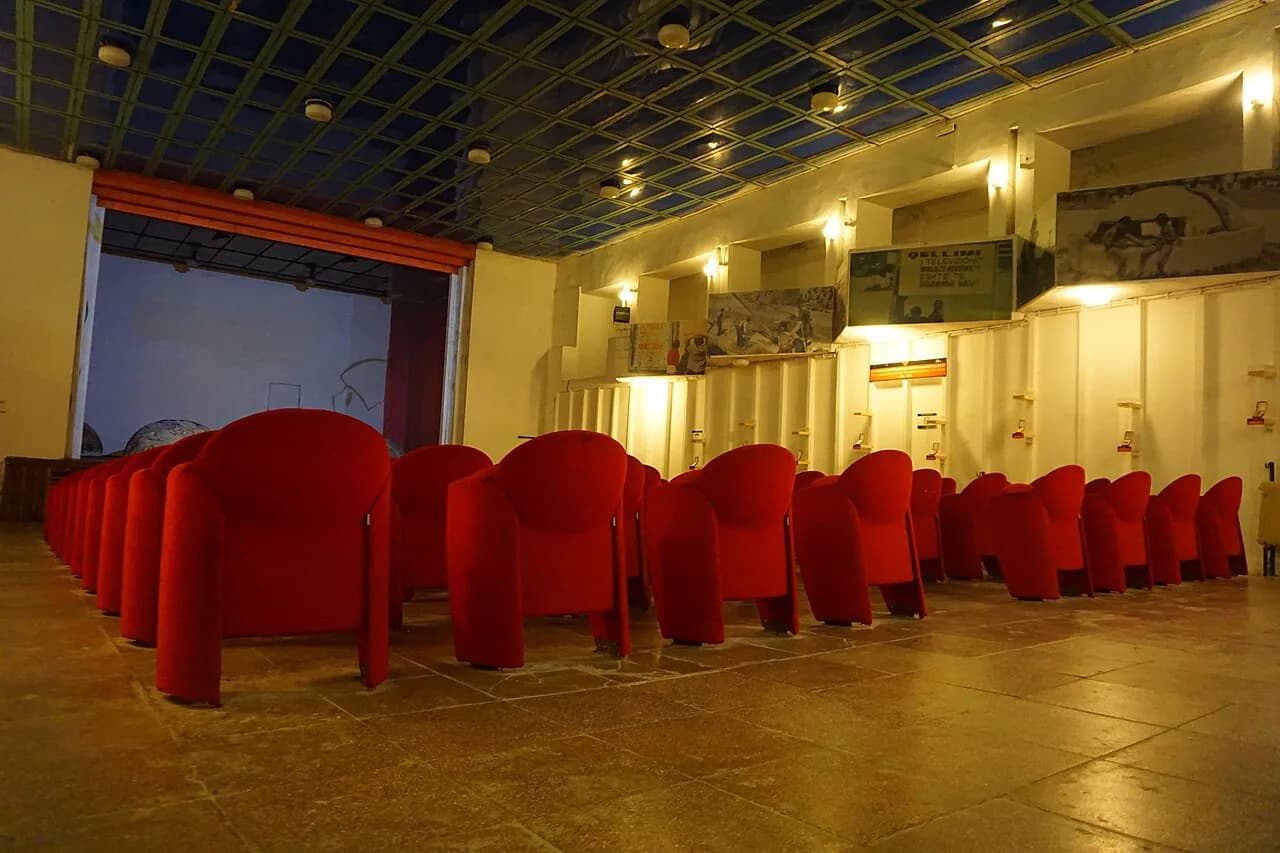
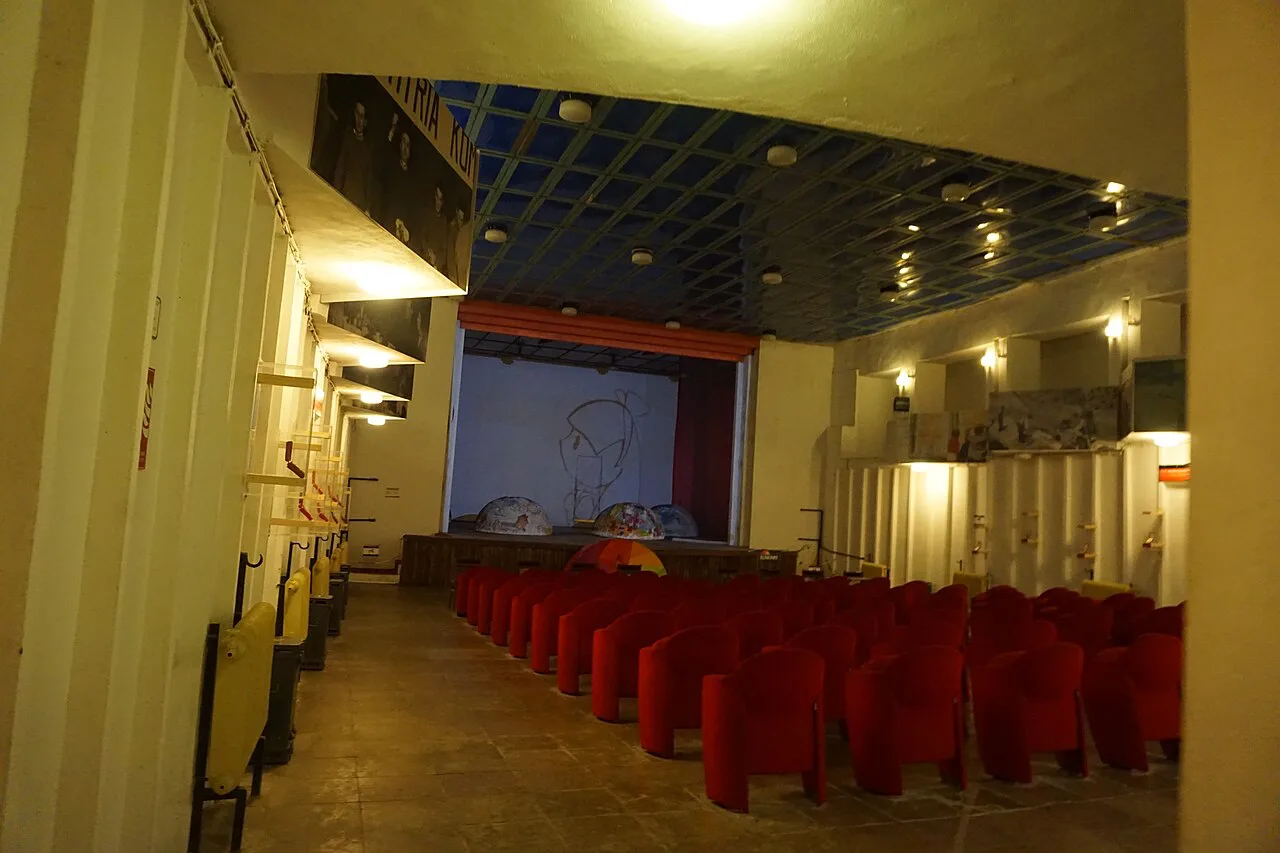
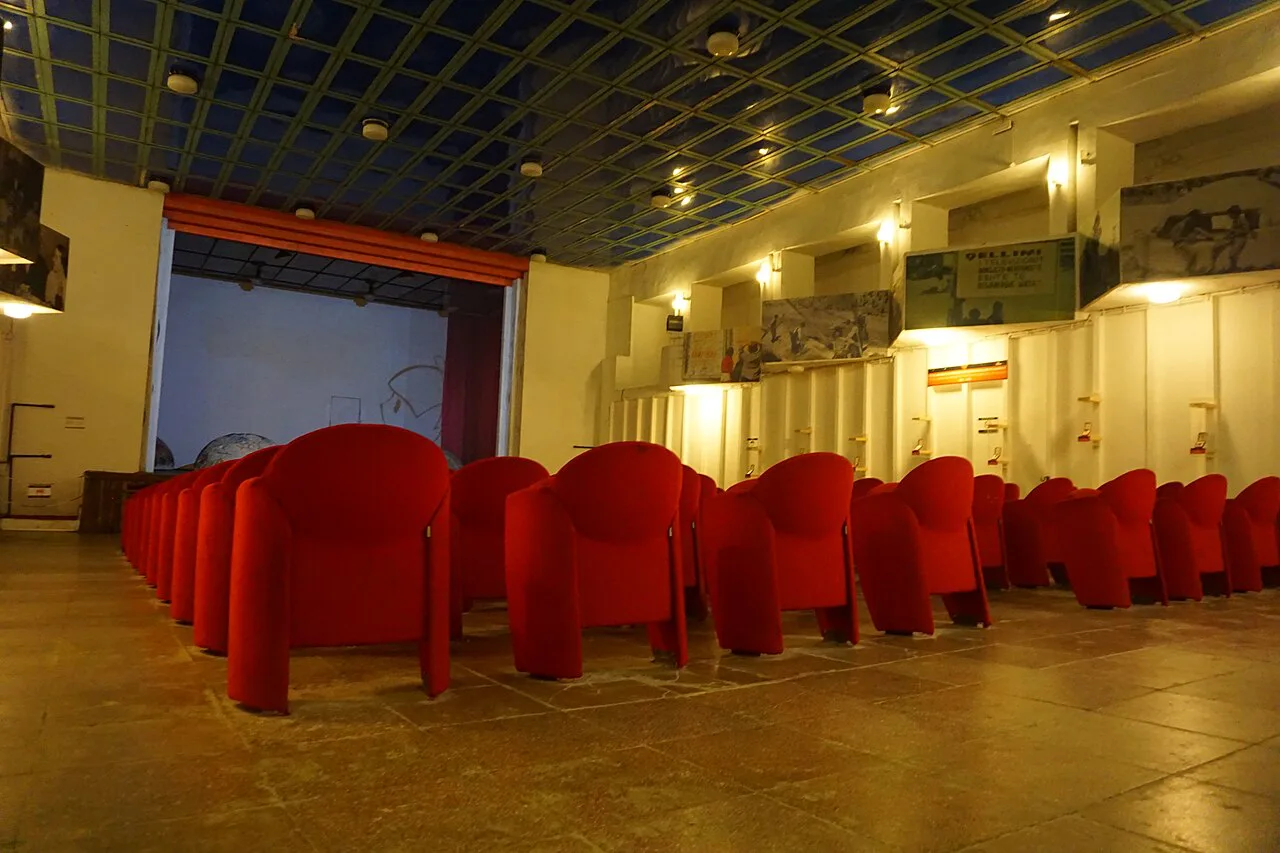
The museum occupies a bunker complex constructed during the Cold War as a shelter for government officials and military leaders, five floors below ground and covering some 3,000 square metres. Visitors walk through a long, dimly lit access tunnel before reaching the exhibition spaces. The concrete structure itself is part of the display: corridors, command rooms and offices survive in their original layout.
The official tourism site describes the bunker as an anti-nuclear shelter later converted into a historical and artistic museum, with pavilions tracing Albanian political and military history from 1939 to the end of communism. Expect long corridors, command rooms, spaces reserved for the leaders of the period, and installations explaining the defence system, daily life, surveillance and bunker architecture. That combination of authentic structure and curated exhibits is what distinguishes a visit here from a conventional gallery.
The bunker belongs to a wider programme: Enver Hoxha ordered the construction of more than 170,000 bunkers across Albania between 1971 and 1983, fearing foreign invasion. This one, beneath Mount Dajti east of the city centre, became a museum after an Italian journalist proposed opening it in 2014 with an Albanian research team and the support of the NGO Qendra Ura. The Pyramid of Tirana is a separate monument from the same era and makes a natural companion if you are following the city's modern history.

Where Bunk'Art 1 is
The site lies on the edge of Tirana rather than in the centre, roughly six kilometres out, near the Linza area and the entrance to the Mount Dajti cable car station. That position is the main practical trade-off: you cannot fold it into a walk between the central sights, but you can pair it with a cable-car ride up the mountain. Set aside a half-day rather than an hour grabbed between other stops.
Because it sits outside the walkable core, treat transport as part of the plan rather than an afterthought. Arrival is through the tunnel entrance rather than a street-level door, so allow time to walk in. If you are staying near the centre, the museum is best done as a single trip out and back, with the official Bunk'Art site worth skimming for orientation before you set off.

How to get there
Three options cover most visitors. The Linzë bus runs from the city centre towards the museum; a taxi from downtown takes about 15 minutes; and drivers will find parking near the entrance. The bus is the cheapest and most straightforward if you are comfortable with local minibus-style services, while a taxi suits two or more people splitting the fare or anyone short on time.
Whichever you choose, build in buffer time for the return, particularly in the late afternoon when you may be competing with cable-car traffic for taxis. Ask your driver to wait or agree a pickup point if you are not confident about finding a ride back from the Linza area. The museum's own site sets out arrival instructions worth reading before you leave the centre.
What to see inside
Start with the entrance: a long tunnel leads down into the complex and sets the tone for everything after it. Inside, the historical exhibition runs from Albania under fascist Italy in 1939–1943 through the wartime diplomacy of 1941–1945 and the German occupation of 1943–1944, then into the post-war years and the communist state. Later sections cover the bunkerisation of Albania between 1975 and 1983, which ties the building back to the programme that produced it.
Among the preserved rooms, look for Enver Hoxha's room, the room of Mehmet Shehu, the Chief of Staff's room, the Socialist House, the military communications museum and displays on sport and education between 1945 and 1990. Original equipment such as surveillance devices and telephones sits alongside modern installations, and the curators use footage, documents and sound rather than rows of information panels.
Art installations are threaded through the historical material, which is why the museum carries both functions in its name. If the security apparatus is your specific interest, the House of Leaves museum in the centre covers the Sigurimi and surveillance in more concentrated form.
How long a visit takes
A full circuit takes at least an hour, and history-minded visitors routinely stay longer. The size of the complex works against a quick look: 106 rooms across five levels mean plenty of walking, and the chronology rewards reading. With only an hour, choose either the occupation and communist-era sequence or the preserved leadership rooms rather than both.
Factor the tunnel walk and the transport in and out into your half-day. Combining the museum with the cable car up Mount Dajti is the obvious pairing, but do the bunker first if you want to concentrate, then take the views afterwards as a change of register.
What to wear and expect underground
The bunker is cool and damp year-round, even when Tirana is in the high thirties outside, so bring a light jacket or sweater. The temperature difference is significant enough to be uncomfortable in summer clothing over an hour or more underground. Sensible shoes help on the concrete floors and stairs.
Mobile reception drops out in the tunnels, so download any tickets or maps before you descend. Lighting is low in places and the sound design is deliberate, both of which add to the effect but can unsettle children or anyone sensitive to confined spaces.
Tickets and opening hours
The museum runs seasonal opening schedules, with separate hours published for the summer and winter seasons, and it posts notices for public holidays. Check the current timetable on the official Bunk'Art site on the day you plan to go rather than relying on a guidebook or an old blog post. Bookings can be made through the same site.
Ticket prices are set by the museum and are not repeated here because they change; the official site and the ticket desk are the places to confirm the current rate in lek. Ask specifically whether a combined ticket covering both Bunk'Art sites is on offer, since that is the sensible purchase if you intend to visit the central branch as well.
Bunk'Art 1 or Bunk'Art 2?
Bunk'Art 2 sits in the centre, a few steps from Skanderbeg Square, in a former nuclear shelter built for the Minister of Interior and senior police officers. It is much smaller than Bunk'Art 1 but serves as a memorial to victims of political persecution and police violence, with prison cells, interrogation rooms and surveillance equipment along a single long corridor. Choose it if your time in Tirana is short or you want to stay on foot.
Bunk'Art 1 is the larger site and the one to pick if you want the scale of the bunker programme made physical: five levels, the leadership rooms and the full historical sequence. The central option wins on convenience and fits easily into a morning that also covers the mosques and squares. Visiting both is worthwhile only if the subject genuinely interests you, and a combined ticket makes that easier.
Nearby: what to pair with a visit
The Mount Dajti cable car leaves from near the museum entrance, so a ride up for the views is the natural follow-on. Back in the centre, Skanderbeg Square holds the Et'hem Bey mosque and the clock tower within a few minutes of each other, and the House of Leaves museum is close by for the secret-police story. Tirana castle, Kalaja e Tiranës, is another short stop if you are walking the middle of the city.
If you are planning a broader circuit of the capital, group the out-of-centre bunker with the cable car in one block and keep the central sights for a separate walk. The Pyramid of Tirana and Mother Teresa Square sit in the same central cluster and can be folded into the same afternoon.
Is Bunk'Art 1 worth the trip out of the centre?
Yes, if you want to understand how the communist state worked and are willing to give it a half-day. The combination of a five-storey bunker, preserved leadership rooms and a chronological exhibition is not replicated elsewhere in the city, and the cable car round the corner makes the journey worthwhile even for travellers with limited interest in politics.
If your schedule is tight, take Bunk'Art 2 instead: it is smaller, central and covers the repression narrative in a compact corridor. Either way, check the official site for the day's opening hours, confirm the ticket price at the desk, and take a jacket before you descend.
Explore more Tirana guides
Frequently Asked Questions
What is Bunk'Art?
Bunk'Art is the name given to two museum sites in Tirana housed in communist-era bunkers. Bunk'Art 1 occupies a five-storey, 106-room shelter built for the political and military elite on the edge of the city; Bunk'Art 2 is a much smaller former Ministry of Interior shelter in the centre. Both combine historical exhibitions with art.
Which Albanian dictator built the bunkers?
Enver Hoxha ordered the construction of more than 170,000 bunkers across Albania between 1971 and 1983 out of fear of foreign invasion. Most were never used and many now stand abandoned or overgrown; the complex that holds Bunk'Art 1 was later converted into a museum.
Is Bunk'Art 1 worth it?
It is worth a half-day if you are interested in Albania's 20th-century history. The scale of the bunker, the preserved leadership rooms and the chronological exhibition covering occupation, the communist regime and the bunkerisation programme give context you will not get from a small display, though it is a sombre visit and not suitable for everyone.