Ardenica Monastery: What to See and How to Get There
Plan a visit to Ardenica Monastery near Lushnjë: the church and frescoes, the drive, how long to allow, and pairing it with Apollonia in one half-day.
On this page
Ardenica Monastery is a hillside Orthodox monastery south of Lushnjë, worth roughly an hour of your time on the way to or from Apollonia. It stands about 18 km from Lushnjë, near the village of Ardenicë, and travellers describe it as a short stop built around one church rather than a sprawling complex. This guide covers the dedication and founding tradition, what you see inside the church, how to drive there and how to fit it into an Apollonia day.
Treat it as a companion to the ruins rather than a standalone destination: the drive is short, the visit is contained, and the two sites together make an easy half-day from Lushnjë or Fier. Because no ticket price or opening hours are published, build flexibility into the plan and confirm on the day.
What Ardenica Monastery is and where it stands
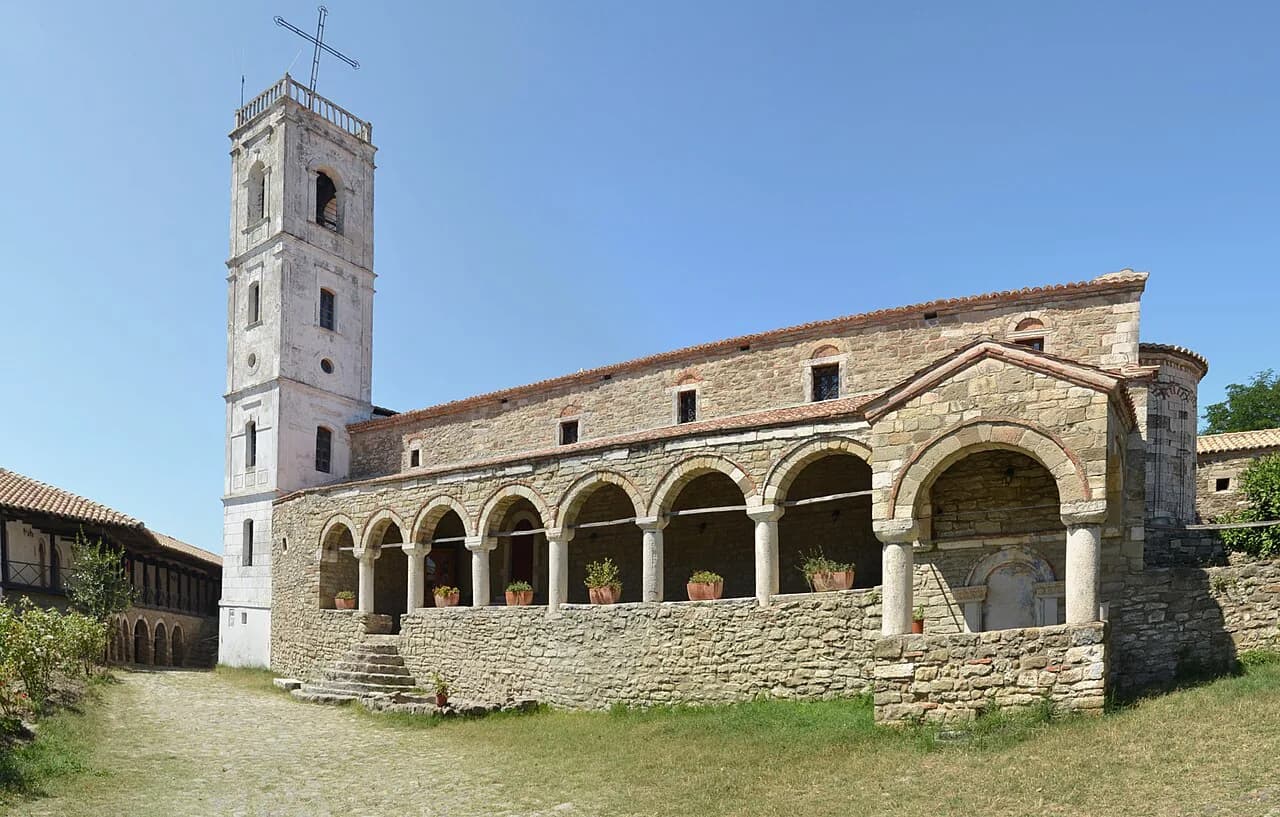
Ardenica is an Eastern Orthodox monastery, and its church carries the dedication of the Birth of the Virgin Mary. The Albanian name is Manastiri i Ardenicës, and it sits in the countryside near the village of Ardenicë, south-west of Lushnjë. The monastery's listing entry gives its setting on the road south of Lushnjë with a hilltop position above the plain.
The sources link the name to a pagan temple to Artemis that is said to have stood on the site before the monastery was built. The monastery's own listing places it about 18 km south-west of Lushnja, close to Ardenicë. Both details matter for orientation: you are heading into farmland hills, not a town centre, so the final approach is by road.
Its founding is tied in tradition to the Byzantine emperor Andronikos II Palaiologos, with 1282 given as the year the foundations are believed to have been laid. The monastery's own listing describes the foundation as following the emperor's victory over the Angevins at Berat. Treat the date as the tradition the sources record rather than a documented certainty.
A later episode gives the monastery its place in Albanian national memory: Gjergj Kastrioti, known as Skanderbeg, is said to have married Andronika Arianiti here on 21 April 1451. That connection is why the site appears on itineraries that otherwise stick to Apollonia and Berat.
The church, the icons and the fresco of hell
The visit centres on the monastery church, where the painted decoration is the main thing to look at. Travellers who have been inside describe receiving an explanation of the icons and frescoes in the church, so expect the interior to reward a slow look rather than a quick pass.
In the back room a staircase leads to an upper level, where a fresco of hell is the detail visitors remember. Knowing this in advance helps: look for the stair at the rear of the church rather than missing it, since the ground floor is not the whole interior. The same account notes a small resident community, with two monks still living at the monastery.
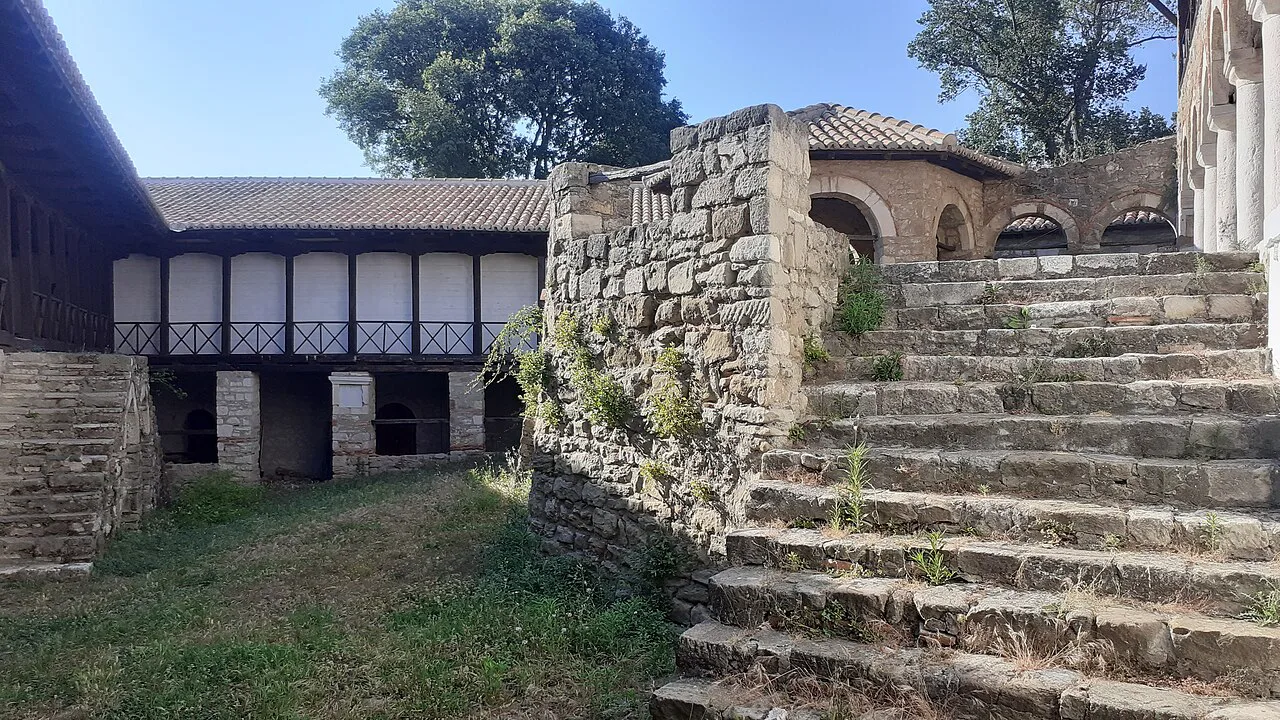
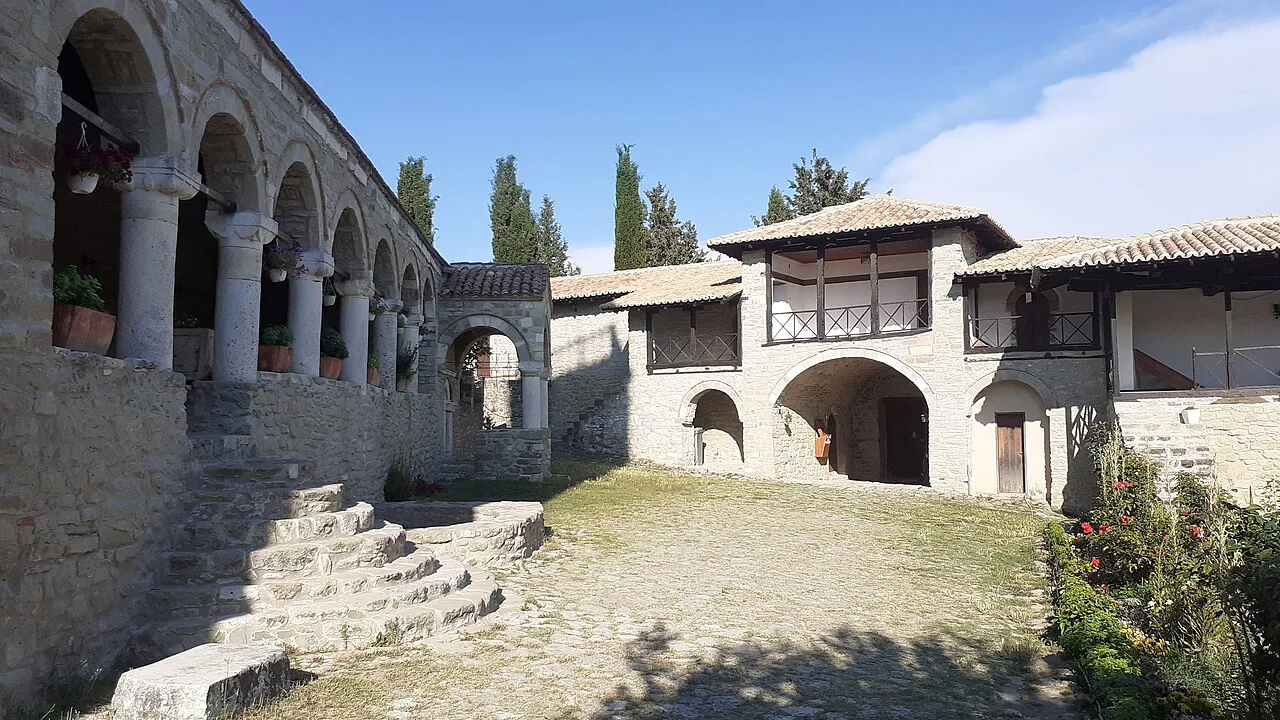
Outside, the church is recognisable by its red-tiled roof, built into the hillside. The setting above the Myzeqe plain is part of the stop: the building sits high enough that the view opens out as you approach. Inside, treat any religious space as you would at home and keep flash and noise to a minimum.
Because this is an active Orthodox site with a resident community, dress and behaviour should match a place of worship rather than a ruin: cover shoulders and knees, keep voices low in the church, and follow any guidance given by those on site.
Getting there: the drive from Lushnjë and Fier
No public bus service is documented in the sources, so the practical options are your own vehicle, a taxi or an organised tour. From Lushnjë the site is roughly 18 km to the south-west. From Fier you approach on the same corridor, with Ardenica between Lushnjë and the Apollonia turn-off.
The last stretch is rural road to a hilltop site near Ardenicë, so allow for a slower final approach than the main-road distance suggests. Drivers coming from Tirana or Durrës will already be on the Lushnjë–Fier corridor, which puts the turn-off within easy reach.
If you are basing yourself in Fier, the town works well as a start point for both Ardenica and the ruins; our guide to Fier covers the town itself, and Apollonia is the larger archaeological visit nearby.
Pairing Ardenica with Apollonia
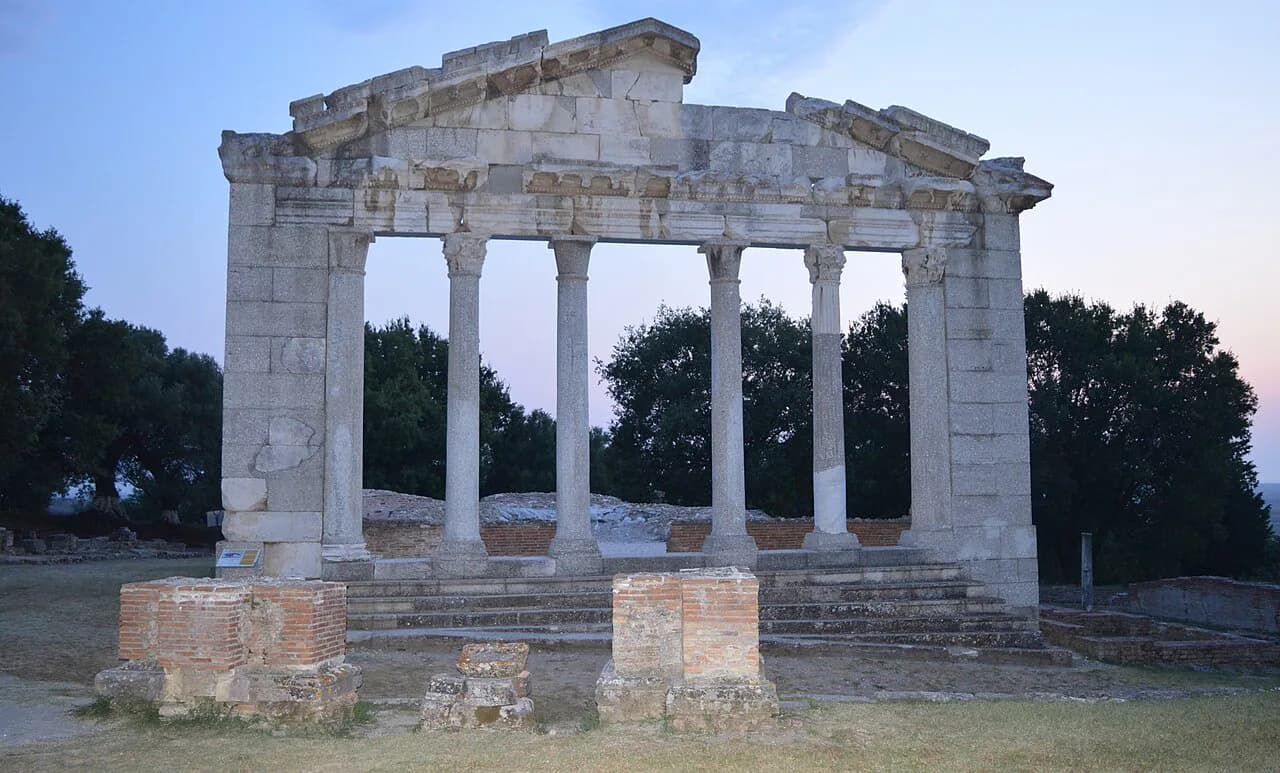
The strongest reason to visit Ardenica is its proximity to Apollonia, the Greco-Roman city ruins near Pojan. The monastery sits close enough to the ruins that the two fit comfortably into one half-day, with Ardenica as the shorter stop and Apollonia taking the bulk of the time.
Read our Apollonia Albania guide before you go so you know which parts of the site you want to prioritise; the archaeological park is the larger visit and deserves the planning. Doing Ardenica first means you reach the ruins with the freshest part of the day still ahead.
If you have a second day in the region, Byllis: Albania's Hilltop Illyrian and Roman City extends the same theme into the hills above the Vjosa, and it pairs with a southern loop through Berat rather than with Lushnjë.
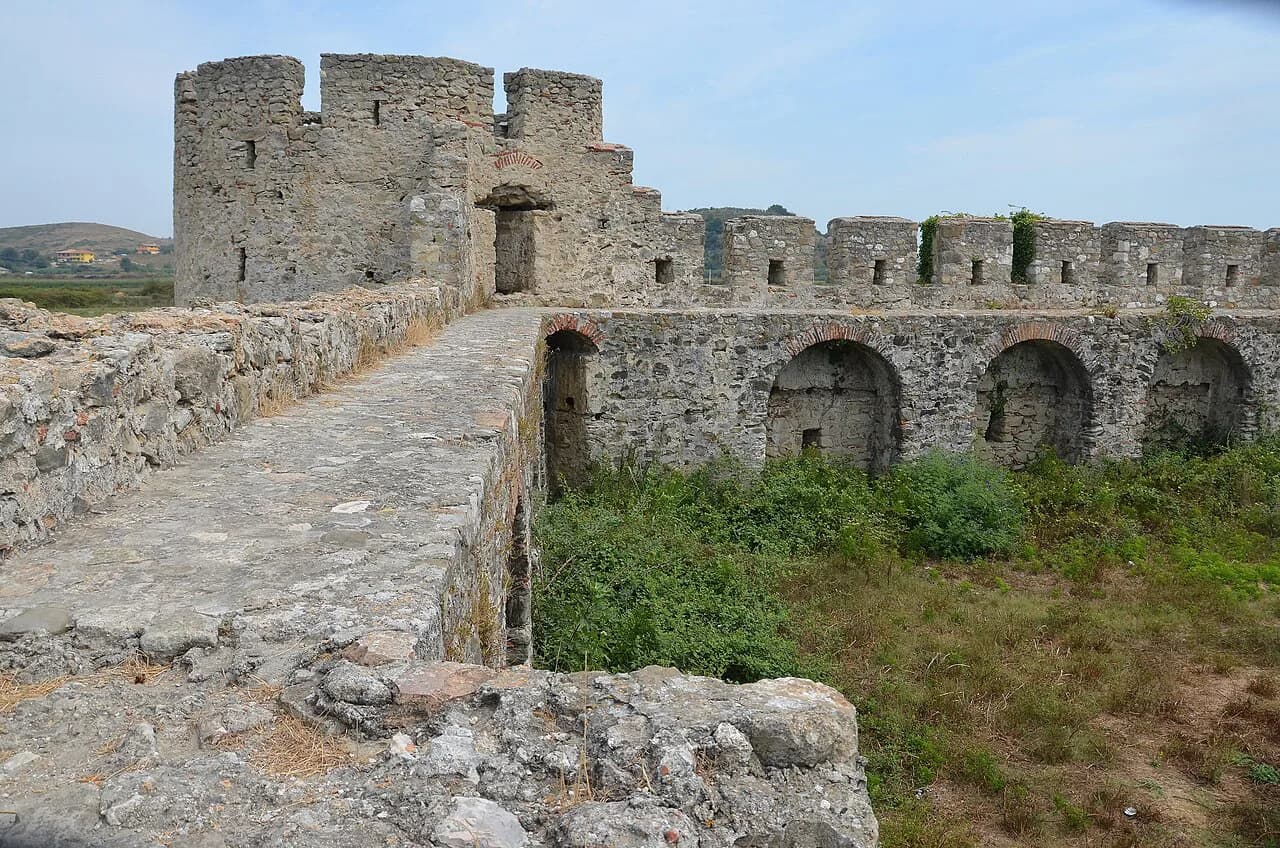
For a different kind of stop on the same coastal plain, Bashtova castle sits low near the Shkumbin River and makes an easy add-on for drivers heading north towards Durrës. It is a complete contrast to a hilltop monastery, which suits a mixed day.
How long to allow
Budget about an hour at the monastery itself: the church interior, the frescoes and the climb to the upper level are the substance of the visit. Add the drive in each direction, which from Lushnjë is short but slow on the final hill road.
Combined with Apollonia, a half-day is a realistic frame, with the ruins taking the longer share. If you are coming from Fier or Lushnjë, that still leaves the afternoon free for the coast or for a slow lunch on the plain.
Allow extra time if you plan to eat nearby: travellers describe lunch on a terrace with views over the plain towards the coast after their visit.
Tickets, opening hours and what to confirm
The monastery is described as open to visitors and believers, but the published sources give no ticket price and no opening hours. Plan around the possibility of restricted access during services and confirm before making a special journey.
One pair of visitors arrived in April 2024 and found the site open and being visited by tour groups, which suggests it functions as a regular stop rather than an appointment-only site. That is a single account, so treat it as reassurance rather than a schedule.
Practical points for the visit
The monastery is an active religious site, not a museum, so behave accordingly: cover up, keep quiet in the church and respect any barriers or closed doors. If a service is under way, wait outside rather than walking through.
The hilltop position means sun and wind, and the ground around a working monastery is not a formal path network, so wear shoes that cope with uneven surfaces. Carry water in summer, when the Myzeqe plain below heats up.
If you are continuing north towards Durrës, neighbouring Bashtova castle makes a sensible second stop near the Shkumbin River, and our Bashtova castle guide covers its position and setting.
Is Ardenica worth adding to an Apollonia day?
Yes, if you are already going to Apollonia: the detour is short, the church interior is the reason to come, and an hour is enough. The fresco of hell on the upper level and the painted interior justify the climb, and the hilltop setting above the plain is a bonus.
Skip it only if your day is already tight or you are relying on public transport, since no bus service to the monastery is documented and a taxi or tour is the realistic alternative to driving. For everyone else, build Apollonia around it rather than the other way round.
Explore more Fier guides
Sources
Notes for your Albania trip
Optional updates to our Albania town guides.
You might also like
Continue reading
More guides you'll find useful